
Pine Bark Extract Powder 95% OPC: Specifications, Applications, and Buying Considerations
2026-06-03 15:56:13
Why 95% OPC Pine Bark Extract Is in High Demand
The market for high-potency botanical ingredients has grown rapidly in recent years, driven by increasing demand for premium dietary supplements, functional beverages, and beauty-focused formulations. Among these ingredients, pine bark extract powder 95% OPC has become one of the most sought-after standardized extracts due to its exceptionally high concentration of naturally occurring oligomeric proanthocyanidins.
For manufacturers, a higher degree of standardization offers several advantages. It provides greater formulation consistency, simplifies quality control procedures, and allows brands to clearly define ingredient specifications across multiple production batches. This is particularly important for companies developing products intended for international markets where documentation, traceability, and ingredient consistency are increasingly scrutinized.
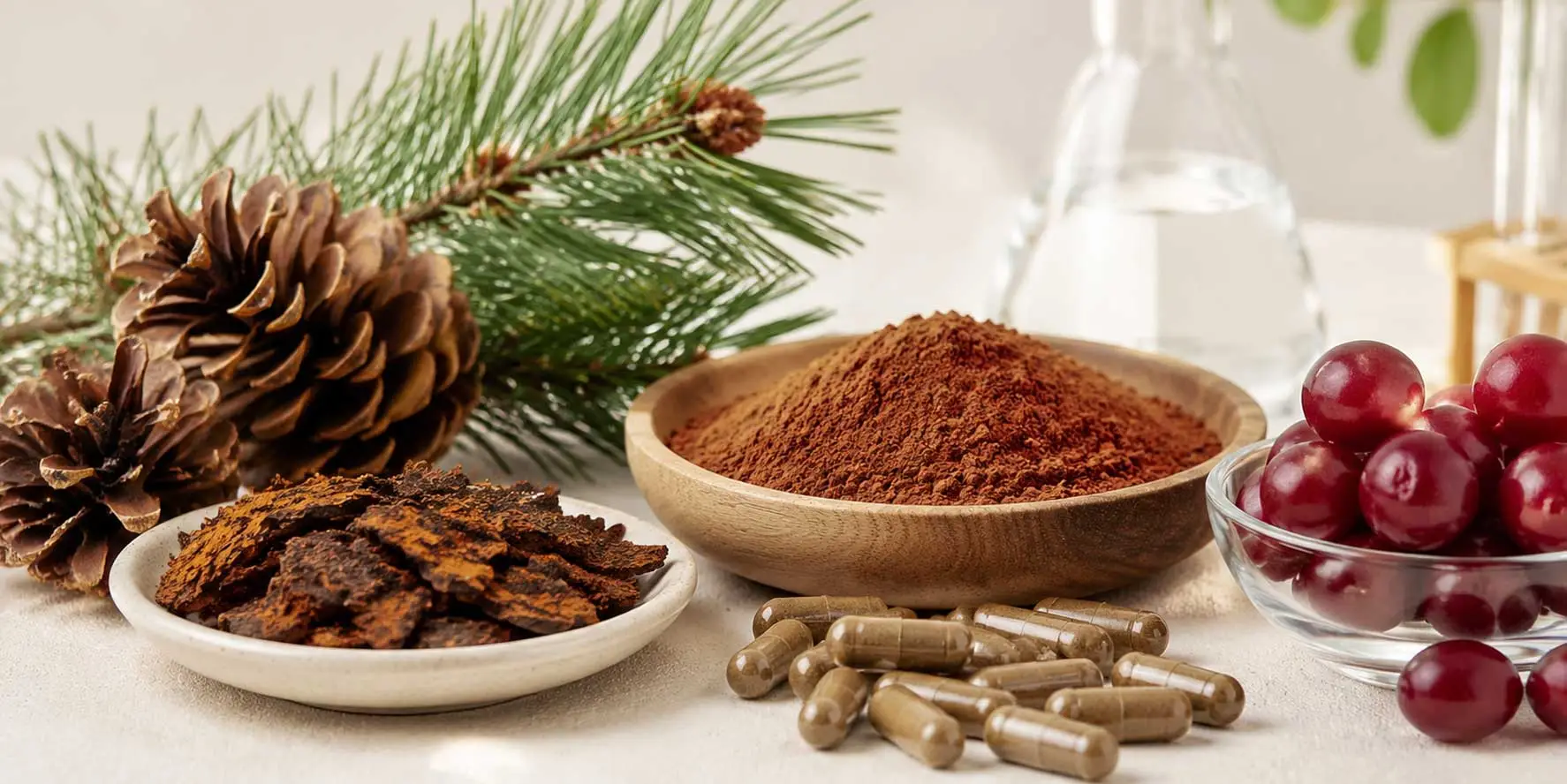
As consumer demand shifts toward scientifically supported botanical ingredients, many product developers are actively seeking standardized pine bark extract powder with verified active compound content. This trend is especially visible in the nutraceutical sector, where brands often prioritize ingredient quality and supply chain transparency over low-cost sourcing.
The growing popularity of OPC pine bark extract is also linked to the broader movement toward premium formulations. Rather than using generic botanical ingredients, manufacturers increasingly prefer highly standardized extracts that support product differentiation and quality positioning.
For procurement teams, this means that supplier selection is becoming just as important as ingredient selection. A reliable manufacturer should be able to provide not only a high-quality extract but also comprehensive documentation, technical support, and long-term supply stability.
What Does 95% OPC Mean in Pine Bark Extract Powder?
Understanding OPC Content and Standardization
One of the most common questions buyers ask is what exactly 95% OPC means and why it matters. OPC stands for oligomeric proanthocyanidins, a group of naturally occurring polyphenolic compounds found in pine bark. These compounds are widely used as marker compounds for standardization because they help establish product consistency and quality benchmarks.
When a specification states pine bark extract powder 95% OPC, it indicates that the extract has been standardized to contain approximately 95% oligomeric proanthocyanidins according to the supplier's analytical method and specification standards.
This level of standardization is considered a premium grade within the industry and typically requires more advanced extraction and purification processes compared with lower-concentration extracts.
OPCs and Procyanidins: Understanding the Relationship
Buyers often encounter both OPCs and procyanidins when reviewing product specifications. Although these terms are sometimes used interchangeably in commercial discussions, they are not always identical. OPCs are a specific group within the broader procyanidin family.
Understanding this distinction is important when comparing suppliers, as testing methods and reporting standards may vary. For this reason, procurement teams should always request:
•Product specifications
•Testing methods
•Certificate of Analysis (COA)
•Standardization details
rather than relying solely on marketing claims.
Why Standardization Matters for Commercial Production
For manufacturers, the value of standardized pine bark extract extends beyond active compound content. Consistent standardization helps support:
•Batch-to-batch uniformity
•Reliable formulation performance
•Stable production processes
•Improved quality control
This becomes particularly important when producing large commercial volumes where ingredient variability can affect manufacturing efficiency and final product consistency.
Key Specifications Buyers Should Review Before Purchasing Pine Bark Extract Powder 95% OPC
Active Compound Assay
The first specification most buyers review is the active compound content. A professional pine bark extract supplier should clearly define:
•OPC content
•Testing method
•Standardization range
•Batch acceptance criteria
These values form the foundation of product quality evaluation and should be supported by batch-specific analytical data.
Appearance and Physical Characteristics
Beyond assay values, physical specifications are equally important. Buyers should evaluate:
•Powder color
•Odor
•Particle size
•Moisture content
•Flowability
These characteristics can influence manufacturing performance and application suitability. For example, beverage formulations may require different physical properties than capsule or tablet applications.
Heavy Metals and Microbiological Testing
International buyers increasingly require comprehensive safety testing. A qualified pine bark extract manufacturer should routinely provide:
•Heavy metal analysis
•Microbiological testing
•Contaminant screening
•Compliance documentation
These reports are often required during supplier qualification and product registration processes.
Certificate of Analysis (COA)
The pine bark extract COA remains one of the most important purchasing documents.
A complete COA should include:
•Batch number
•Active compound results
•Physical specifications
•Microbiological results
•Heavy metal testing
•Production date
Experienced procurement teams rarely approve a new supplier without reviewing multiple COAs.
Applications of Pine Bark Extract Powder 95% OPC in Dietary Supplements
One of the Most Widely Used Nutraceutical Ingredients
The largest commercial application for pine bark extract powder 95% OPC remains the dietary supplement industry. Its high level of standardization makes it suitable for manufacturers seeking premium botanical ingredients with clearly defined specifications and strong quality control support.
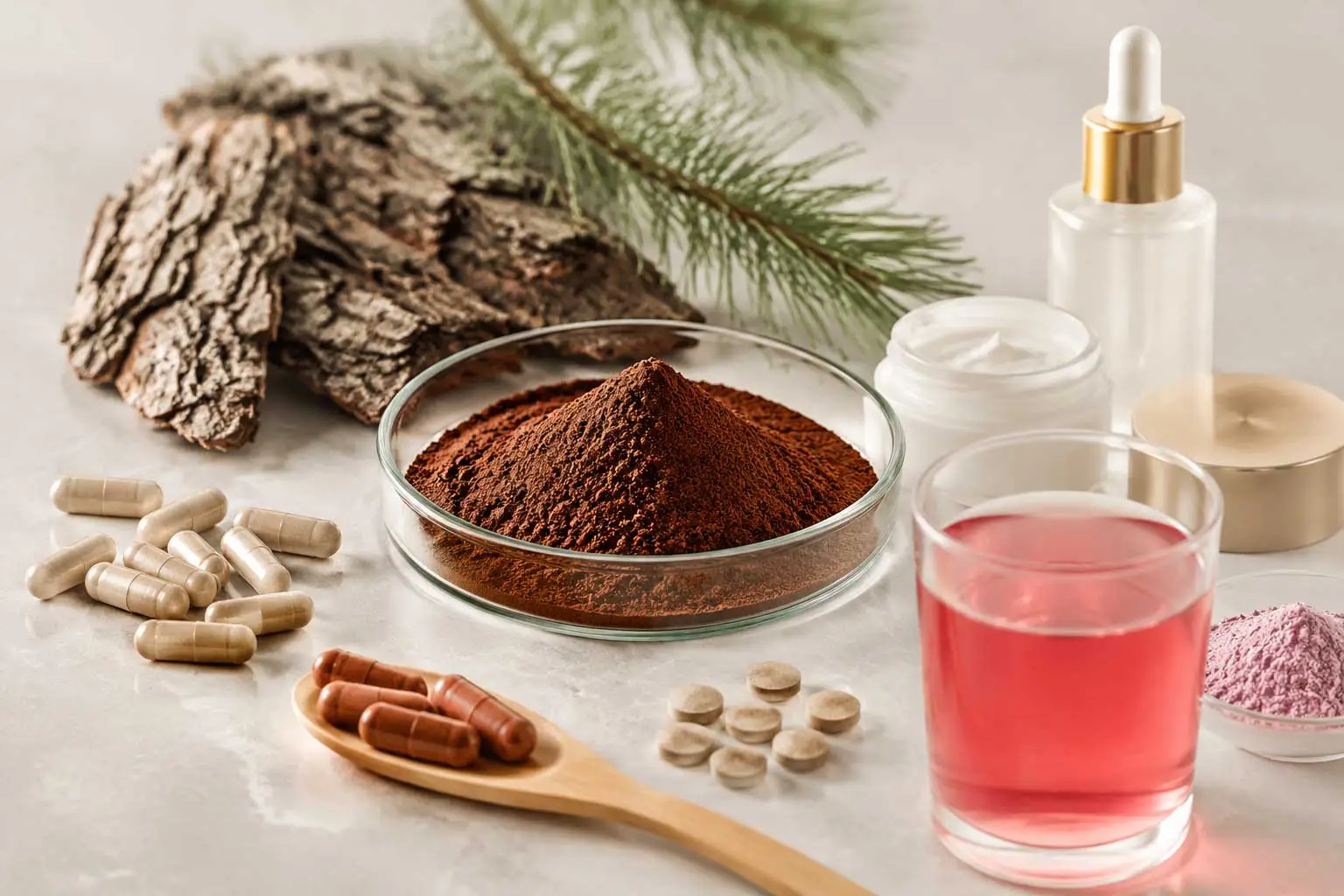
Today, pine bark extract for supplements is commonly incorporated into:
•Capsules
•Tablets
•Sachets
•Powder blends
•Daily nutritional products
Because of its concentrated OPC content, many supplement manufacturers prefer standardized grades that allow for precise formulation and consistent ingredient declarations.
Why Supplement Brands Prefer High-Standardized Extracts
From a manufacturing perspective, higher-standardized extracts simplify formulation management. Instead of compensating for fluctuating active compound levels, product developers can work with a consistent specification that supports efficient production and quality assurance procedures.
This is one reason why OPC pine bark extract continues to gain attention among brands focused on premium nutraceutical products.
For companies developing products for international markets, high-standardized extracts also provide additional confidence during supplier qualification, documentation review, and regulatory evaluation.
Growing Demand in Healthy Aging and Wellness Formulations
Consumer interest in wellness-oriented products continues to drive demand for botanical ingredients. As a result, pine bark extract powder 95% OPC is increasingly being considered by manufacturers developing products positioned within:
•Healthy aging
•Daily wellness
•Active lifestyle nutrition
•Premium botanical blends
For procurement teams, selecting a supplier with strong manufacturing controls, comprehensive documentation, and consistent standardization can help ensure that ingredient quality remains stable as production volumes grow.
How 95% OPC Pine Bark Extract Is Used in Functional Beverage Formulations
The functional beverage category has become one of the fastest-growing segments within the health and wellness industry. Consumers increasingly prefer convenient drink formats that fit into their daily routines, creating new opportunities for botanical ingredients with strong formulation potential.
As a result, pine bark extract for beverages has attracted growing interest from beverage developers looking for differentiated, plant-based ingredients.
Unlike traditional supplement formats, beverage applications require additional consideration regarding ingredient stability, solubility, appearance, and sensory characteristics. This makes specification selection particularly important when sourcing pine bark extract powder 95% OPC.
Beverage Formats Driving Demand
Today, OPC pine bark extract can be found in a variety of beverage concepts, including:
•Functional wellness drinks
•Beauty-from-within beverages
•Nutritional drink mixes
•Healthy aging beverage formulations
•Ready-to-mix powder sachets
Many beverage brands are actively seeking ingredients that support premium positioning while maintaining clean-label appeal. Standardized pine bark extract aligns well with these formulation trends because it offers consistent quality and clearly defined specifications.
Solubility and Formulation Considerations
One of the first questions beverage manufacturers ask is whether a water-soluble pine bark extract option is available. The answer often depends on the formulation objectives and processing requirements.
When evaluating a supplier, beverage developers should review:
•Solubility characteristics
•Particle size
•Appearance in solution
•Processing stability
•Compatibility with other active ingredients
A specification that performs well in capsules may not necessarily perform well in beverages. This is why formulation guidance and technical support are often valuable during ingredient selection.
Why Beverage Manufacturers Focus on Standardization
Consistency is particularly important in beverage production. Variations in active compound content, color, or physical properties can affect manufacturing efficiency and finished product quality.
For this reason, many beverage companies prioritize standardized pine bark extract powder with clearly defined specifications and comprehensive documentation.
When sourcing ingredients for commercial-scale beverage production, buyers should look for suppliers capable of providing:
•Batch-specific COAs
•Consistent active compound levels
•Reliable production capacity
•Technical support for formulation development
Pine Bark Extract Powder 95% OPC for Cosmetic and Beauty Applications
The beauty and personal care market continues to expand beyond traditional topical products.
Consumers increasingly seek holistic beauty solutions that combine skincare routines with nutritional support, creating strong demand for ingredients used in both cosmetic and nutricosmetic formulations. This trend has contributed to growing interest in pine bark extract for skincare and beauty-focused product development.
Beauty-From-Within Product Development
Many manufacturers are now developing products positioned around the concept of beauty-from-within. These formulations commonly include:
•Botanical extracts
•Polyphenol-rich ingredients
•Nutritional beauty blends
•Premium wellness ingredients
Within this category, Pine Bark Extract Powder 95% OPC is often selected because of its high degree of standardization and suitability for premium formulations.
Cosmetic Ingredient Selection Criteria
Cosmetic and personal care manufacturers typically evaluate ingredients using a broader set of criteria than active compound content alone. Key considerations may include:
•Ingredient consistency
•Appearance
•Color profile
•Stability characteristics
•Documentation support
•Supplier reliability
This is why sourcing decisions often extend beyond product specifications and include an evaluation of manufacturing standards and quality systems.
The Importance of Documentation in Cosmetic Applications
Cosmetic companies frequently require comprehensive technical documentation during supplier qualification. Typical requirements include:
•Product specifications
•COA documentation
•Heavy metal testing
•Microbiological reports
•Quality certifications
Suppliers capable of providing complete documentation packages can often simplify the qualification process and support faster project development.
Growing Demand for Premium Botanical Ingredients
As consumers become more selective about ingredient quality, cosmetic brands are placing greater emphasis on sourcing ingredients from experienced manufacturers with strong quality systems.
For procurement teams, choosing a supplier with established production capabilities and documented quality standards can help reduce risk while supporting long-term product consistency.
Why Manufacturing Standards Matter When Sourcing Pine Bark Extract Powder
For many buyers, evaluating a pine bark extract powder 95% OPC supplier begins with comparing specifications and pricing. However, experienced procurement teams understand that product quality is ultimately determined by the manufacturing systems behind the specification sheet.
Two suppliers may offer the same OPC content on paper, but the consistency, traceability, and reliability of the final product can vary significantly depending on production standards. This is why leading supplement, beverage, and cosmetic brands increasingly evaluate manufacturing capabilities before making purchasing decisions.
Quality Starts Long Before the Final Test Report
A common misconception is that product quality is determined solely by the final Certificate of Analysis. In reality, quality is built throughout the entire production process. Reliable manufacturers typically implement controls covering:
•Raw material qualification
•Production monitoring
•Process standardization
•In-process testing
•Finished product verification
•Batch traceability
These controls help ensure that each batch of standardized pine bark extract meets the same quality requirements consistently over time. For commercial manufacturers, consistency often matters more than achieving a single high assay result.
Why Production Infrastructure Matters
The scale and sophistication of a manufacturing facility often influence product reliability. When evaluating a pine bark extract manufacturer, buyers should consider:
•Production capacity
•Number of extraction lines
•Cleanroom standards
•Equipment modernization
•Quality control systems
Manufacturers operating multiple production lines with dedicated quality management systems are generally better equipped to support long-term commercial supply. For example, facilities capable of producing thousands of tons of botanical extracts annually typically have more robust production planning, inventory management, and quality assurance procedures than smaller operations. This becomes increasingly important when product demand grows and supply continuity becomes critical.
Certifications Are More Than Marketing Claims
International buyers often request certifications during supplier qualification. Recognized certifications such as:
•ISO9001
•ISO22000
•GMP-oriented manufacturing systems
•SC production licensing
provide additional confidence that quality processes are documented, monitored, and continuously improved. However, certifications should be viewed as part of a broader evaluation process rather than the sole indicator of quality. The most reliable suppliers combine certification systems with practical manufacturing experience and strong technical support capabilities.
Traceability Has Become a Procurement Requirement
Traceability is no longer simply a regulatory consideration. Many supplement brands, beverage manufacturers, and cosmetic companies now require detailed production records as part of their internal supplier qualification process. A professional pine bark extract supplier should be able to provide documentation covering:
•Raw material sourcing
•Batch production records
•Quality testing
•Product release procedures
This level of transparency helps reduce risk and supports long-term supplier relationships.
Manufacturing Strength Supports Long-Term Supply Stability
As brands grow, sourcing requirements often change. A supplier capable of supporting product development today may struggle to support commercial-scale production tomorrow.
This is why procurement teams frequently evaluate manufacturing capacity alongside product quality. Established manufacturers with modern production facilities, standardized quality systems, and large-scale extraction capabilities are generally better positioned to support long-term customer growth.
For companies purchasing bulk pine bark extract, manufacturing strength is not simply a quality consideration—it is a business continuity consideration.
How to Evaluate a Pine Bark Extract Supplier
Selecting a supplier is one of the most important decisions in the ingredient sourcing process. While pricing and specifications are important, experienced procurement teams typically evaluate suppliers based on their ability to deliver consistent quality, reliable documentation, technical support, and long-term supply stability.
Look for Proven Manufacturing Experience
In the botanical extract industry, manufacturing experience often translates directly into product consistency and operational reliability. Suppliers with decades of extraction expertise are generally better positioned to manage raw material variability, maintain standardized production processes, and support customers across different application sectors.
For example, manufacturers that have been operating since the early stages of China's botanical extract industry have typically developed stronger quality management systems and deeper technical knowledge than newer market entrants.
Established in 1991, CHEN LANG BIO TECH has accumulated more than three decades of experience in plant extraction, ingredient manufacturing, and deep processing. This experience allows us to support customers not only with product supply, but also with practical guidance on specification selection, documentation requirements, and application suitability.
Evaluate Production Capacity and Supply Stability
A supplier's ability to support your future growth is just as important as their ability to fulfill today's order. Many companies can provide samples or small commercial quantities. Fewer can reliably support large-scale production as demand increases. When assessing a pine bark extract manufacturer, buyers should consider:
•Annual production capacity
•Number of production lines
•Inventory planning systems
•Lead time consistency
•Supply chain resilience
CHEN LANG BIO TECH operates seven modern production lines built according to GMP standards, supported by a 100,000-class clean workshop. With an annual processing capacity of more than 3,000 tons of botanical extracts and fruit powders, we are able to support both development-stage projects and long-term commercial supply programs. For brands planning future growth, scalable manufacturing capacity reduces sourcing risk and helps ensure uninterrupted supply.
Review Quality Certifications and Regulatory Support
Quality certifications are often among the first documents procurement teams request during supplier qualification. However, certifications should be viewed as evidence of an integrated quality system rather than simply a marketing claim.A qualified supplier should be able to provide:
•Product specifications
•Batch-specific COAs
•Heavy metal testing
•Microbiological testing
•Traceability documentation
As a registered supplier of health food ingredients in China, CHEN LANG BIO TECH maintains ISO9001 and ISO22000 certified quality management systems and holds SC production licenses covering food ingredients, botanical beverage ingredients, and health food raw materials. These systems help ensure that every batch is manufactured according to documented procedures and supported by complete quality records.
Assess Technical Capabilities, Not Just Product Availability
The most valuable suppliers contribute to product development, not just procurement. This is particularly important when evaluating ingredients such as pine bark extract powder 95% OPC, where formulation requirements may differ depending on whether the product is intended for dietary supplements, functional beverages, or cosmetic applications.
A supplier with strong technical resources should be able to assist with:
•Specification selection
•Solubility considerations
•Application recommendations
•Documentation support
•Customized requirements
Over the years, we have supported customers across the nutraceutical, food and beverage, cosmetic, pharmaceutical, and animal nutrition industries. This broad application experience allows us to provide practical recommendations based on real manufacturing and formulation requirements rather than theoretical specifications alone.
Consider Long-Term Partnership Potential
The best supplier relationships are built on trust, transparency, and consistency. When evaluating a bulk pine bark extract supplier, buyers should look for partners that demonstrate:
•Stable manufacturing operations
•Responsive communication
•Reliable quality systems
•Export experience
•Ongoing technical support
These factors often have a greater impact on long-term success than small differences in product pricing. For companies sourcing pine bark extract powder 95% OPC, working with an established manufacturer that combines production capacity, certified quality systems, technical expertise, and global supply experience can significantly reduce procurement risk while supporting future business growth.
Frequently Asked Questions About Pine Bark Extract Powder 95% OPC
What Is Pine Bark Extract Powder 95% OPC?
Pine bark extract powder 95% OPC is a highly standardized botanical extract derived from Pinus pinaster bark and standardized to contain approximately 95% oligomeric proanthocyanidins (OPCs). It is commonly used in dietary supplements, functional beverages, and cosmetic formulations where ingredient consistency and high active compound content are required.
What Does 95% OPC Mean in Pine Bark Extract?
95% OPC means the extract contains approximately 95% oligomeric proanthocyanidins, measured according to the supplier's testing method. Higher OPC content generally indicates a more concentrated extract and allows formulators to achieve target active levels using lower ingredient inclusion rates.
Is 95% OPC Pine Bark Extract Better Than 65% or 85% OPC?
Not necessarily. The best specification depends on the intended application. 95% OPC pine bark extract is often selected for premium dietary supplements and high-potency formulations, while lower standardized grades may be suitable for beverages, food applications, or cost-sensitive products.
What Is the Typical Appearance of Pine Bark Extract Powder 95% OPC?
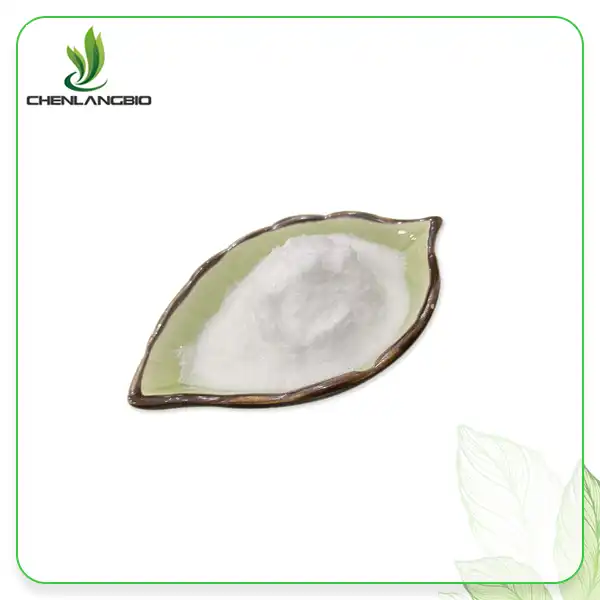
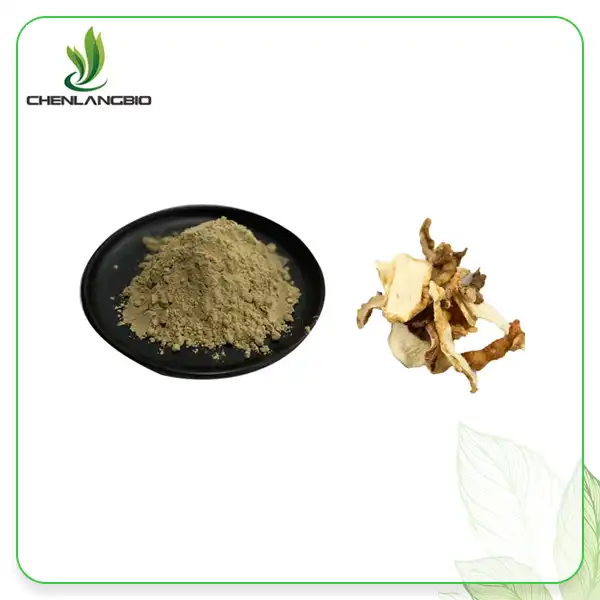
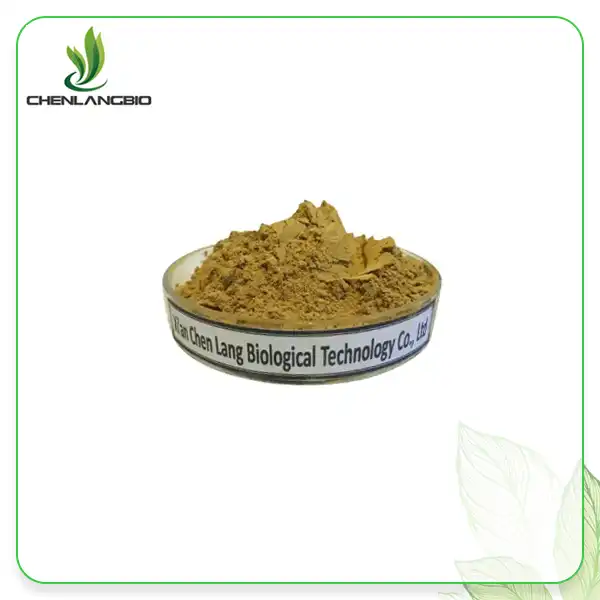
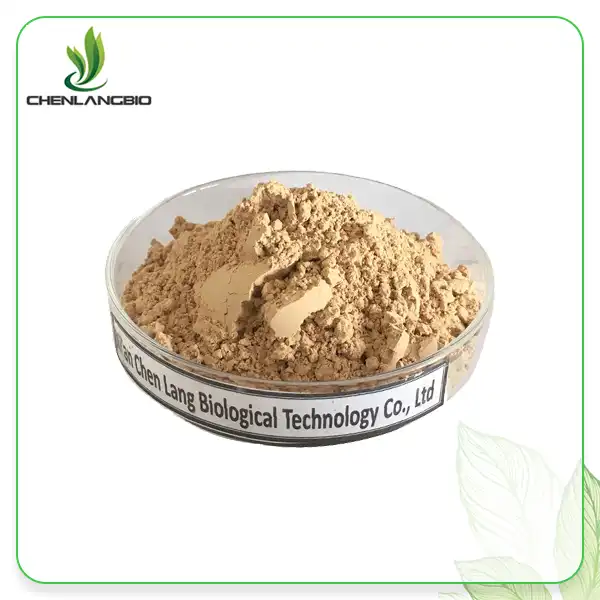
Most pine bark extract powder 95% OPC products appear as a reddish-brown to dark brown fine powder. Appearance may vary slightly depending on extraction technology, raw material origin, and manufacturing process.
What Documents Should a Pine Bark Extract Supplier Provide?
A professional supplier should provide:
•Certificate of Analysis (COA)
•Product Specification Sheet
•Heavy Metal Testing Report
•Microbiological Testing Report
•Safety Data Sheet (SDS)
These documents help support quality assurance, supplier qualification, and regulatory compliance.
Can Pine Bark Extract Powder 95% OPC Be Used in Dietary Supplements?
Yes. Pine bark extract for supplements is commonly used in capsules, tablets, sachets, powder blends, and other nutraceutical formulations due to its standardized OPC content and formulation flexibility.
Can Pine Bark Extract Powder 95% OPC Be Used in Functional Beverages?
Yes. Many manufacturers use pine bark extract for beverages in wellness drinks, beauty beverages, nutritional drink powders, and functional beverage formulations. Solubility and processing requirements should be reviewed before commercial production.
Can Pine Bark Extract Powder 95% OPC Be Used in Cosmetic Products?
Yes. Pine bark extract for skincare is used in cosmetic and nutricosmetic formulations, including beauty supplements, creams, serums, and beauty-from-within product concepts.
How Should Pine Bark Extract Powder 95% OPC Be Stored?
Store the product in a cool, dry place away from direct sunlight and moisture. Keep containers tightly sealed to maintain product stability and shelf life.
What Is the Typical Shelf Life of Pine Bark Extract Powder 95% OPC?
Shelf life is typically 24 months when stored under recommended conditions and in original unopened packaging. Buyers should always verify shelf-life information on the supplier's specification sheet.
Can Pine Bark Extract Powder 95% OPC Be Customized?
Yes. Many manufacturers offer customized options, including:
· OPC concentration
· Particle size
· Packaging
· Application-specific grades
Customization availability depends on production requirements and order volume.
What Should Buyers Look for When Choosing a Pine Bark Extract Supplier?
Buyers should evaluate:
· Manufacturing experience
· Product consistency
· Quality certifications
· COA documentation
· Production capacity
· Technical support
· Export experience
A reliable supplier should be able to support both product quality and long-term supply stability.
Why Choose CHEN LANG BIO TECH for Pine Bark Extract Powder 95% OPC?
CHEN LANG BIO TECH has specialized in botanical extraction since 1991 and operates seven GMP-oriented production lines and a 100,000-class clean workshop. The company maintains ISO9001 and ISO22000 certified quality systems and supports global customers with product documentation, technical assistance, and large-scale manufacturing capacity.
Conclusion
Choosing the right pine bark extract powder 95% OPC supplier involves much more than comparing active compound levels or requesting quotations. Successful sourcing decisions are built on a combination of product quality, manufacturing capability, documentation support, technical expertise, and supply chain reliability. Whether the ingredient is intended for dietary supplements, functional beverages, cosmetic formulations, or other health-focused products, buyers should carefully evaluate standardization, testing procedures, certifications, and supplier experience before making a purchasing decision.
As demand for premium botanical ingredients continues to grow, manufacturers that partner with experienced, quality-focused suppliers are often better positioned to maintain product consistency, support regulatory compliance, and scale production with confidence.
For companies seeking a reliable source of pine bark extract powder 95% OPC, working directly with an established manufacturer can help reduce procurement risk while creating a stronger foundation for long-term success.
Looking for a Reliable Pine Bark Extract Powder 95% OPC Supplier?
If you are evaluating suppliers, comparing specifications, or developing a new product formulation, our team can provide:
•Product Specifications
•COA Documentation
•Technical Support
•Samples for Evaluation
•Bulk Pricing and Quotations
Email: admin@chenlangbio.com
WhatsApp: +86-17782478823
Whether your project involves dietary supplements, functional beverages, cosmetics, or customized formulations, we are ready to support your sourcing and product development goals.

Send Inquiry
Related Industry Knowledge
- What Is Adenosine Triphosphate (ATP) Used For?
- How to Choose the Right Saw Palmetto Extract Supplier for Your Supplement Brand
- What is Liposomal Coenzyme Q10 Powder and How Does It Differ from Standard CoQ10 Powder?
- How to Use Diosmin Powder in Supplements and Pharmaceuticals?
- Podophyllin Powder: Uses in Modern Medicine
- Is Ectoin Good for Eczema
- What is the Mechanism of Action of Praziquantel
- Unlock the Power of Astaxanthin: The Ultimate Antioxidant from Haematococcus Pluvialis Extract
- What is Green Tea Extract EGCG Powder Used For
- What is Curcumin Turmeric Extract Powder Used to Treat