
Pine Bark Extract in Functional Beverages: Applications, Specifications & Supplier Insights
2026-06-02 12:32:30
Introduction
Pine bark extract in functional beverages is becoming an increasingly relevant topic as beverage brands seek innovative botanical ingredients for next-generation product development. The functional beverage category has evolved far beyond traditional energy drinks and vitamin-fortified waters. Today's consumers are looking for products that combine convenience, ingredient transparency, and naturally sourced components. As a result, beverage developers are increasingly exploring botanical ingredients that can support product differentiation while aligning with clean-label and plant-based trends.
Among these ingredients, pine bark extract has attracted growing attention from formulators working on next-generation beverage concepts. Rich in naturally occurring polyphenols and procyanidins, maritime pine bark extract is being evaluated for inclusion in a wide range of beverage formats, from wellness drinks and beauty beverages to premium nutritional blends.
For product development teams, ingredient selection is rarely based on consumer trends alone. Technical considerations such as solubility, ingredient compatibility, flavor impact, and processing stability play an equally important role. This is where standardized pine bark extract becomes particularly relevant. Consistent active content and reliable quality documentation allow beverage manufacturers to work with a more predictable ingredient profile during formulation and scale-up.
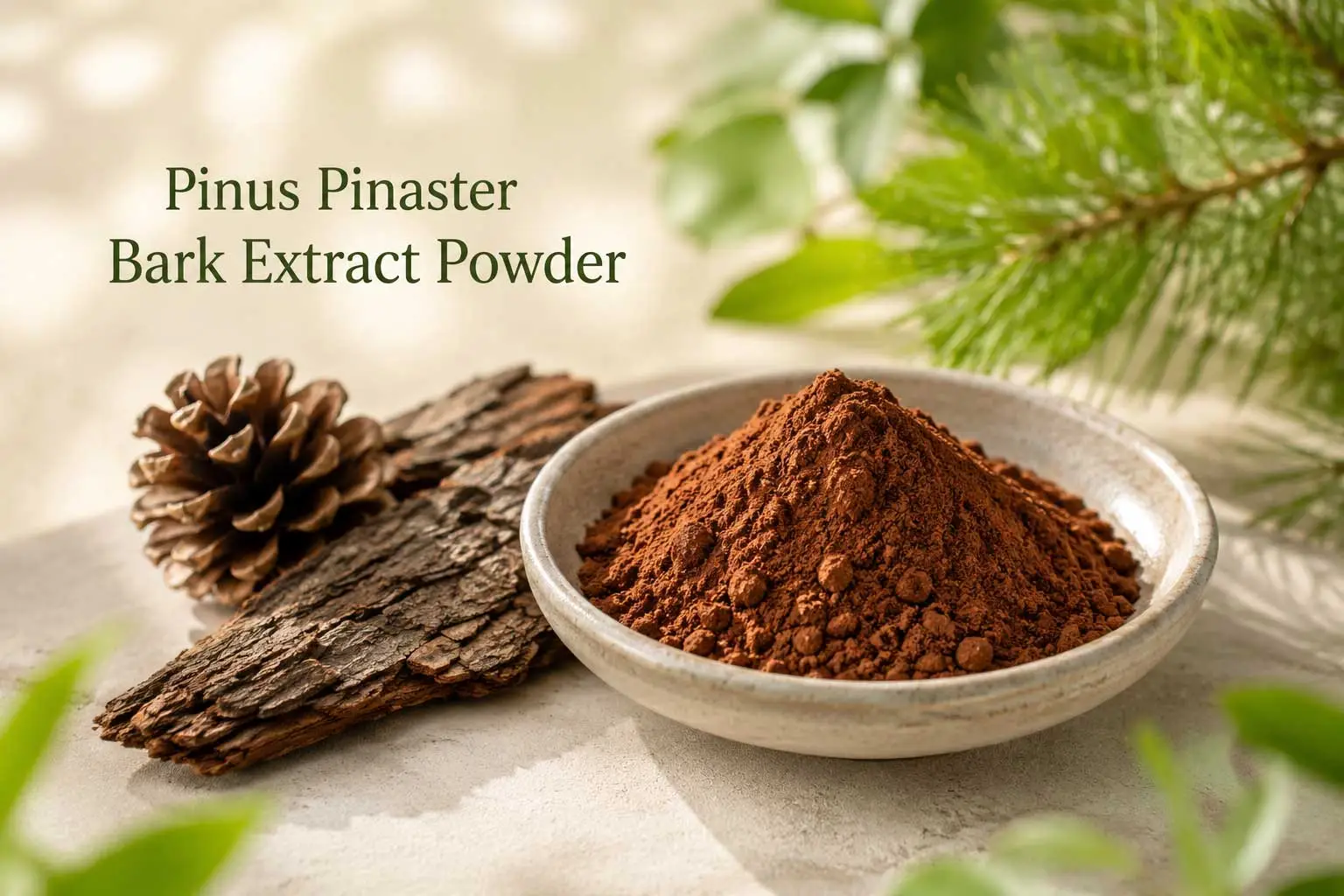
Another factor driving interest is the rapid growth of botanical beverage innovation. Across North America, Europe, and Asia, brands are actively seeking ingredients that help position products within categories such as antioxidant beverages, beauty-from-within drinks, healthy aging concepts, and plant-based wellness formulations. In these markets, pine bark extract for beverages offers both a recognizable botanical story and formulation flexibility.
For procurement teams, sourcing decisions extend beyond ingredient performance. Companies increasingly look for suppliers capable of providing bulk pine bark extract, technical documentation, and long-term supply support. As beverage brands continue expanding internationally, access to reliable ingredient partners has become just as important as the ingredient itself.
Understanding how pine bark extract in drink formulations is used, specified, and sourced can help manufacturers make more informed decisions when developing products for an increasingly competitive functional beverage market.
Why Pine Bark Extract Is Being Used in Modern Functional Beverage Formulations
As interest in pine bark extract continues to expand across nutraceuticals, skincare, and wellness products, the functional beverage sector has emerged as another promising area of application. The rise of functional beverages has created demand for ingredients that offer both formulation versatility and strong consumer appeal. While vitamins, minerals, and protein ingredients continue to dominate many categories, botanical extracts are playing an increasingly important role in product innovation. This shift has created new opportunities for ingredients such as pine bark extract beverage ingredient, particularly in premium wellness-focused formulations.
One reason for this growing interest is the broader movement toward plant-based beverage ingredients. Consumers are paying closer attention to ingredient sourcing and often favor products built around recognizable botanical components rather than highly synthetic ingredient systems. This trend has encouraged beverage manufacturers to explore extracts that can contribute to both formulation objectives and brand storytelling.
Another factor is the growing popularity of functional beverage ingredient trends centered around antioxidant-rich botanical blends. Modern beverage concepts frequently combine plant extracts, fruit concentrates, vitamins, and specialty nutrients to create differentiated products aimed at specific consumer segments. Within these formulations, maritime pine bark extract powder is increasingly being considered as part of broader botanical systems rather than as a standalone ingredient.
Product differentiation is also becoming more important. The functional beverage market is highly competitive, and brands are constantly looking for ways to stand out. Ingredients with strong botanical origins and established use in nutraceutical and cosmetic formulations often provide additional marketing flexibility. This is one reason why pine bark extract applications have expanded beyond traditional supplement formats and into beverage development.
From a formulation perspective, beverage manufacturers are particularly interested in ingredients that can be incorporated into multiple product categories. Depending on specification and processing requirements, pine bark extract for beverages may be considered for:
•Wellness beverages
•Botanical drink blends
•Beauty-from-within beverages
•Healthy aging beverage concepts
•Sports nutrition drinks
•Functional powder drink mixes
This versatility allows brands to work with a single botanical ingredient across multiple product lines while maintaining a consistent ingredient narrative.
Commercially, suppliers that understand beverage formulation requirements often provide additional value beyond raw material supply. Beverage manufacturers frequently require support related to ingredient specifications, solubility characteristics, documentation, and production scalability. For this reason, many procurement teams prefer working with experienced beverage ingredient suppliers capable of supporting both formulation development and long-term sourcing requirements.
As the functional beverage sector continues to grow, ingredients that combine formulation flexibility, supply reliability, and strong botanical positioning are likely to remain central to product innovation strategies. This is where pine bark extract supplier expertise becomes increasingly important, particularly for brands developing products intended for international markets.
Key Active Compounds in Pine Bark Extract Relevant to Beverage Applications
The commercial and formulation value of pine bark extract in functional beverages is largely determined by its active compounds. Chief among these are procyanidins, commonly standardized as oligomeric proanthocyanidins (OPCs), along with a spectrum of polyphenols. These compounds are central to ingredient consistency, formulation predictability, and marketing credibility within the beverage industry.
In functional beverage development, consistency in OPC content is critical. Standardized extracts, such as those providing pine bark extract powder 95% OPC, allow beverage formulators to predict how the ingredient will behave across multiple product batches and formats. Whether integrating the extract into wellness shots, beauty-from-within beverages, or powdered drink mixes, reliable specifications reduce formulation risks and support scalable production.
Beyond concentration, the solubility and dispersibility of pine bark extract for beverages are key technical considerations. Water-soluble grades are particularly valuable for ready-to-drink beverages, powdered formulations, and electrolyte blends, ensuring uniform distribution and minimizing sedimentation or taste impact. Suppliers that provide clear Certificates of Analysis (COA) and solubility data give product developers confidence in both performance and quality control.
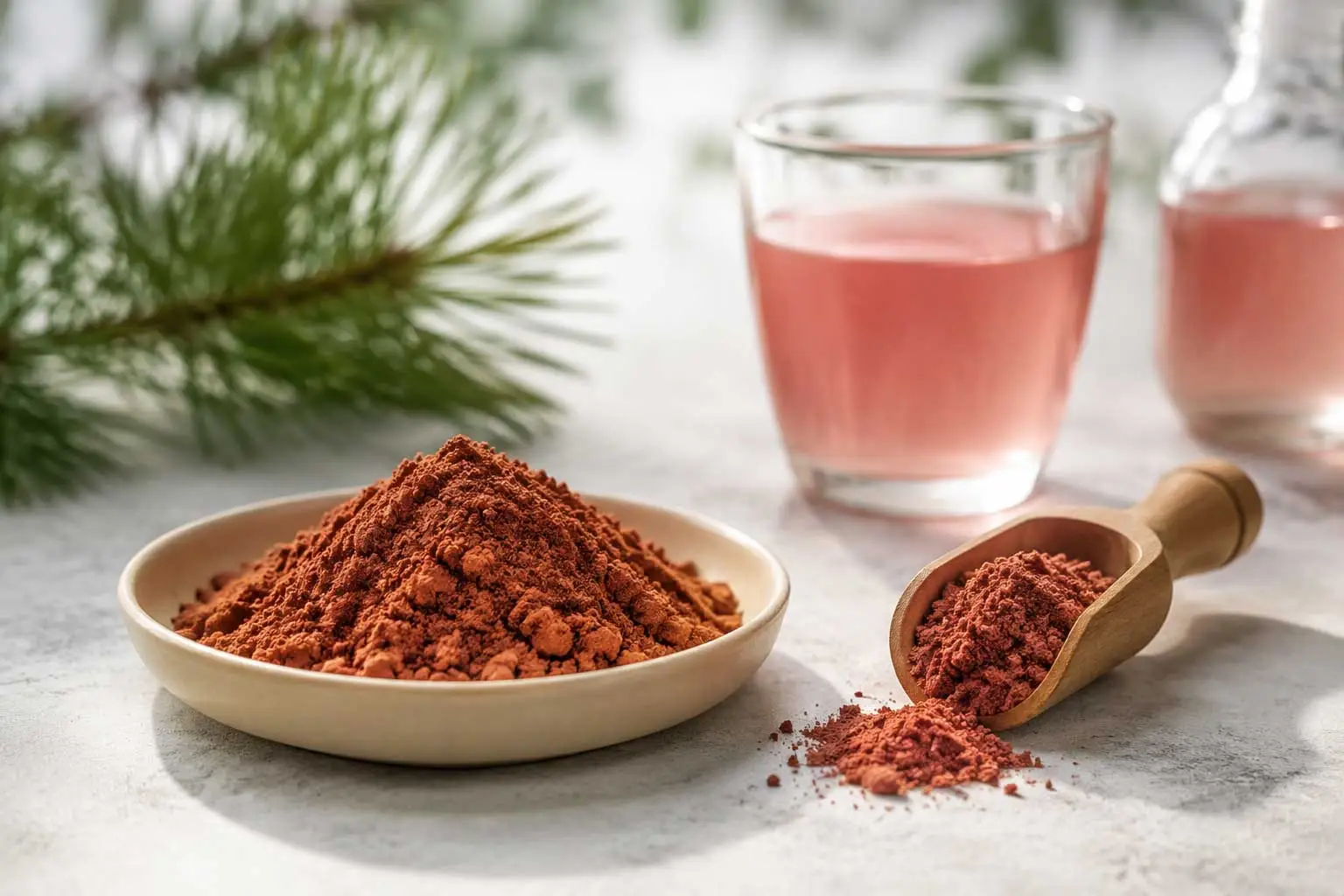
Polyphenols and procyanidins in pine bark extract are often leveraged in combination with other beverage ingredients to enhance product differentiation. Typical synergistic pairings include:
•Vitamin C for antioxidant systems
•Collagen peptides in beauty-focused beverages
•Grape seed extract and resveratrol in healthy aging drinks
•Botanical powders and fruit extracts for flavor and functional complexity
These combinations enable beverage brands to craft multi-functional products while maintaining a consistent botanical narrative.
From a commercial perspective, beverage manufacturers increasingly prioritize suppliers who can deliver both bulk pine bark extract and technical support. This includes guidance on selecting the appropriate OPC content, providing formulation tips, and ensuring documentation meets regulatory standards across different markets. By combining standardization, technical support, and supply reliability, suppliers enable brands to launch products efficiently while preserving quality and efficacy.
Overall, the standardized active compounds in pine bark extract underpin both its functional utility and commercial appeal in the beverage sector. Brands can leverage these characteristics to develop differentiated functional beverages that align with consumer demand for natural, science-backed ingredients.
Common Functional Beverage Applications for Pine Bark Extract
The versatility of pine bark extract beverage ingredient has led to its adoption across a wide range of functional beverage categories. Its standardized polyphenol profile allows formulators to create beverages that align with emerging consumer preferences for plant-based, clean-label, and scientifically credible products.
Wellness beverages often incorporate pine bark extract for beverages to provide a recognizable botanical component within antioxidant and general wellness formulations. These drinks may include fruit extracts, vitamins, and plant-based bioactives, using pine bark extract as a core botanical ingredient to enhance both formulation integrity and market positioning.
Beauty-from-within beverages represent another key application. Standardized maritime pine bark extract cosmetic ingredient blends well with collagen peptides, hyaluronic acid, and vitamin C to support product narratives centered on skin health and anti-aging. Its inclusion enables brands to bridge the gap between topical skincare and ingestible beauty products.
In sports nutrition drinks, water-soluble grades of pine bark extract can be integrated with electrolytes, amino acids, or botanical extracts to develop beverages targeting performance and recovery. Standardization ensures predictable functional activity across production batches, supporting both consumer trust and formulation efficiency.
Healthy aging beverage concepts leverage the antioxidant properties of polyphenol-rich botanical extracts, positioning pine bark extract beverage ingredient as a premium component in formulations aimed at adults seeking overall wellness support. Functional powder mixes and ready-to-drink formats can both benefit from standardized extract integration.
Lastly, botanical beverage blends allow beverage developers to combine multiple plant-derived ingredients to achieve complex flavor profiles and functional benefits. Here, pine bark extract for beverages provides a stable, high-quality polyphenol source, complementing other botanical actives while supporting clean-label positioning.
Across all these applications, the technical and commercial reliability of bulk pine bark extract is crucial. Formulation teams value suppliers who can provide standardized material, detailed specifications, and technical guidance, ensuring that functional beverages maintain consistent quality, stability, and ingredient performance at scale.
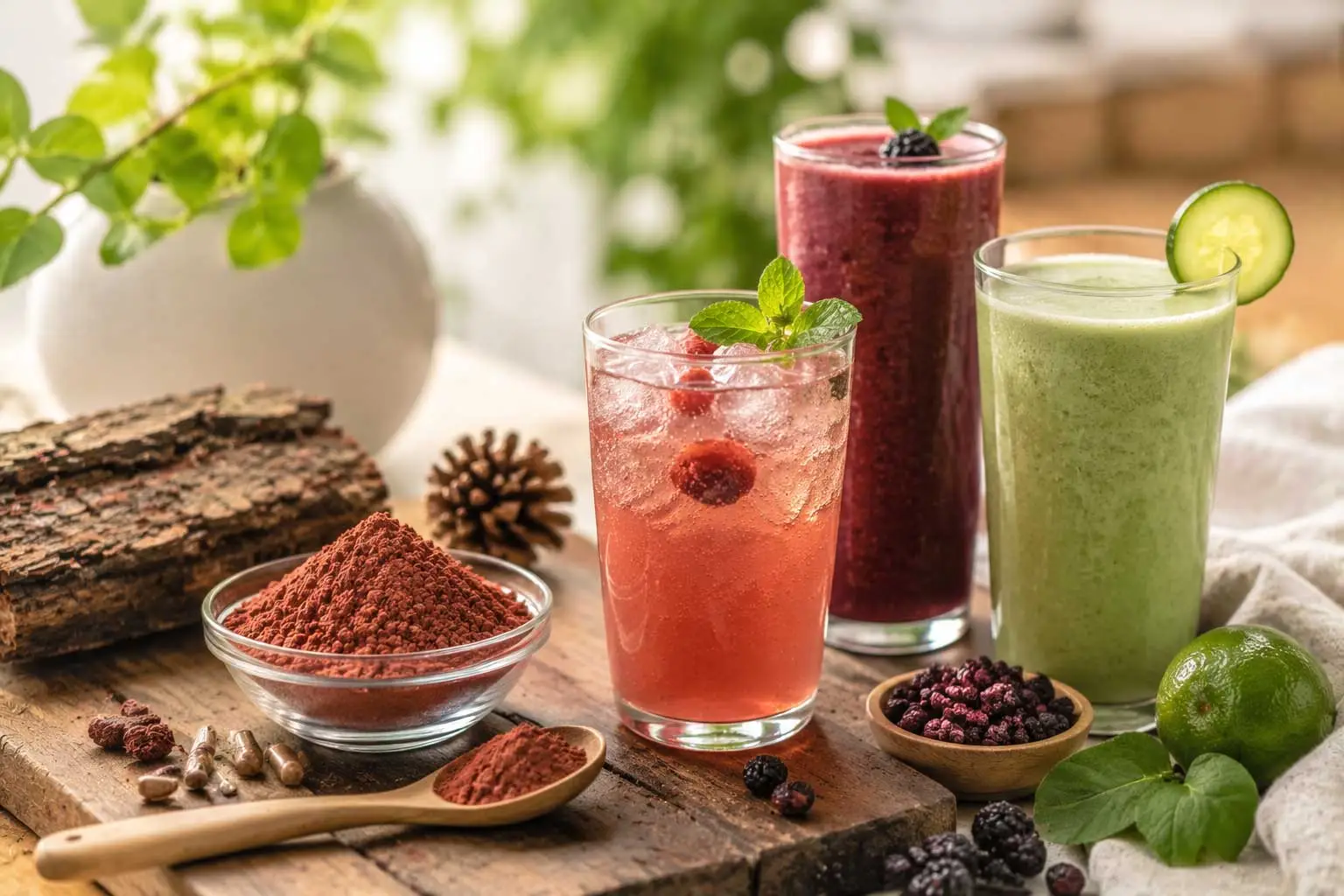
Ingredient Combinations Frequently Used in Beverage Formulations
Formulators developing functional beverages often leverage pine bark extract in combination with complementary ingredients to achieve multi-functional products. This approach enables brands to create beverages with enhanced antioxidant profiles, improved sensory characteristics, and stronger market positioning.
Common ingredient pairings include:
Vitamin C, which complements the antioxidant properties of pine bark extract and is widely recognized by consumers
Collagen peptides, particularly in beauty-from-within beverages targeting skin health and anti-aging
Green tea extract and resveratrol, used in healthy aging and general wellness formulations
Hyaluronic acid, incorporated into beauty and wellness drinks for its synergistic effect with botanical antioxidants
Electrolyte blends, which allow pine bark extract beverage ingredient to be included in sports nutrition or hydration-focused drinks
Fruit powders and botanical flavors, providing both functional benefits and natural flavor profiles
These combinations are not only designed for functional efficacy but also for commercial differentiation. Formulation teams consider ingredient compatibility, solubility, stability, and flavor interactions to ensure pine bark extract integrates seamlessly into beverages without negatively impacting texture, clarity, or taste.
From a sourcing perspective, brands benefit from suppliers who provide guidance on ingredient combinations and can supply bulk pine bark extract with technical documentation, standardized OPC content, and consistent quality. This reduces trial-and-error during product development and ensures reproducible outcomes across multiple batches.
Well-documented combinations also help marketing teams craft clear, compliant narratives for product labeling and promotional materials, reinforcing the commercial value of pine bark extract in functional beverages.
Choosing the Right Pine Bark Extract Specification for Functional Beverages
Selecting the correct specification is a critical step when incorporating pine bark extract into functional beverages. Not all extracts are created equal, and factors such as active compound content, water solubility, particle size, flavor profile, and processing stability can significantly affect the final product.
OPC concentration is one of the most important considerations. Extracts standardized to 65%–95% procyanidins allow beverage formulators to predict ingredient performance and maintain consistency across batches. Depending on the beverage format—powdered mixes, RTD beverages, or electrolyte drinks—the ideal specification may vary.
Water solubility is particularly relevant for ready-to-drink or powdered functional beverages. Extracts that disperse easily in liquid without sedimentation or flavor alteration help ensure a high-quality consumer experience. Suppliers who provide solubility data and guidance on formulation impact can greatly streamline development.
Other factors influencing specification selection include:
•Particle size, which affects texture and homogeneity in the beverage
•Moisture content, relevant for powdered blends to prevent clumping or microbial growth
•Flavor neutrality, ensuring pine bark extract does not negatively impact the taste profile
•Stability under processing conditions, such as heat, pH, or carbonation
Additionally, documentation such as Certificate of Analysis (COA), heavy metal testing, and batch traceability is essential for both regulatory compliance and internal quality assurance. Working with a supplier capable of providing customized pine bark extract specifications ensures that the extract can be tailored to specific beverage formulations while maintaining technical consistency.
Ultimately, the goal is to select a specification that balances functional performance, commercial viability, and production efficiency. A well-chosen standardized pine bark extract reduces development risks, supports consistent product quality, and enhances the commercial appeal of functional beverages.
Supply Chain Considerations for Beverage Manufacturers
For beverage brands, selecting the right ingredient is only part of the development process. Equally important is ensuring that the ingredient can be sourced consistently, supported with appropriate documentation, and supplied at commercial scale. This is particularly relevant when working with specialized botanical ingredients such as pine bark extract.
One of the primary concerns for beverage manufacturers is batch-to-batch consistency. Unlike small-scale product development, commercial beverage production requires ingredient specifications to remain stable over time. Variations in OPC content, color, solubility, or particle characteristics can affect product quality and manufacturing efficiency.
For this reason, many procurement teams prioritize suppliers capable of providing standardized pine bark extract supported by comprehensive quality systems. Consistency is especially important in ready-to-drink beverages, powdered drink mixes, and beauty beverages where product appearance and ingredient stability are closely monitored.
Documentation has also become a critical part of the sourcing process. Before approving a raw material, quality assurance departments often request:
•Product Specifications
•Certificate of Analysis (COA)
•Heavy Metal Testing
•Microbiological Reports
•Allergen Statements
•Non-GMO Documentation (when applicable)
Reliable suppliers of bulk pine bark extract should be able to provide these documents quickly and accurately, helping manufacturers accelerate product development and regulatory review.
Another important consideration is supply scalability. A beverage concept may begin with pilot production, but successful products can rapidly transition into larger commercial volumes. Manufacturers therefore prefer suppliers that can support both initial development quantities and future production growth.
Lead time stability is equally important. Functional beverage launches often involve coordinated production schedules, packaging procurement, and distribution planning. Unexpected delays in ingredient supply can disrupt these timelines and increase operational costs.
Packaging flexibility can also influence purchasing decisions. Depending on production requirements, manufacturers may request different packaging formats, moisture-control solutions, or export-ready configurations. Suppliers that can accommodate these requirements often become preferred sourcing partners.
As the functional beverage sector continues to expand globally, companies are increasingly seeking ingredient suppliers that combine technical expertise with dependable operational support. A strong supply chain partnership can reduce sourcing risk, improve production efficiency, and support long-term product success.
What Beverage Brands Look for in a Pine Bark Extract Supplier
The beverage industry is highly competitive, and brands are under constant pressure to launch products that are both innovative and commercially viable. As a result, selecting the right pine bark extract supplier involves much more than comparing prices.
One of the first factors beverage manufacturers evaluate is ingredient quality. Suppliers should be able to demonstrate standardized production methods and provide consistent procyanidin levels across every batch. This consistency helps ensure that beverage formulations remain stable and reproducible throughout commercial production.
Technical support is another important consideration. Beverage formulations present unique challenges compared to capsules or tablets. Factors such as water solubility, flavor compatibility, processing stability, and ingredient interactions all influence formulation success.
Experienced beverage ingredient suppliers can often provide valuable guidance regarding:
•Solubility characteristics
•Recommended specifications
•Processing considerations
•Ingredient compatibility
•Documentation support
This technical assistance can significantly reduce formulation development time and improve production efficiency.
Quality documentation also plays a major role in supplier evaluation. Beverage manufacturers typically require access to detailed specifications, COAs, and testing reports before approving a new ingredient. Suppliers that can provide transparent and comprehensive documentation are generally viewed as lower-risk sourcing partners.
Communication is another factor that should not be underestimated. Product development teams frequently operate under tight timelines and require prompt responses to technical questions, sample requests, and documentation inquiries. Suppliers that are responsive and easy to work with often become long-term partners rather than transactional vendors.
For brands planning international distribution, export experience can provide additional value. Suppliers familiar with global documentation requirements, logistics processes, and regulatory expectations can help streamline procurement and reduce complexity.
Ultimately, beverage manufacturers tend to prioritize suppliers that offer:
Consistent ingredient quality
Standardized specifications
Reliable documentation
Technical formulation support
Scalable production capacity
Responsive communication
Because in practice, a reliable supplier relationship often contributes just as much to a successful product launch as the ingredient itself.
Conclusion
As consumer demand for plant-based and functional products continues to grow, pine bark extract in functional beverages is becoming an increasingly attractive option for beverage developers seeking differentiated botanical ingredients.
Its naturally occurring procyanidins, standardized OPC content, and compatibility with a wide range of beverage systems make it suitable for applications ranging from wellness drinks and beauty beverages to sports nutrition and healthy aging concepts.
However, successful beverage development requires more than selecting an ingredient with a compelling botanical profile. Factors such as specification quality, water solubility, technical documentation, and long-term supply reliability all play a crucial role in determining whether an ingredient can support commercial success.
For formulators, understanding how to evaluate pine bark extract beverage specifications can simplify product development and improve manufacturing consistency. For procurement teams, choosing suppliers that provide standardized materials, technical support, and dependable supply chain management can significantly reduce sourcing risk.
As innovation within the functional beverage industry continues to accelerate, manufacturers are increasingly seeking ingredient partners capable of supporting not only product development but also long-term growth.
Whether you are formulating a new wellness beverage, expanding an existing product line, or evaluating new botanical ingredients for future projects, standardized maritime pine bark extract remains an ingredient worth considering within today's rapidly evolving beverage market.
Looking for a Reliable Pine Bark Extract Supplier for Beverage Projects?
Whether you are developing ready-to-drink beverages, powdered drink mixes, beauty beverages, or wellness formulations, access to the right ingredient specifications can make a significant difference during product development.
Available upon request:
•Product Specifications
•COA Documentation
•Customized OPC Content
•Water-Soluble Grades
•Beverage Formulation Support
•Bulk Supply Options
•Sample Requests
•Export Document
Contact
Email: admin@chenlangbio.com
WhatsApp: +86-17782478823
Frequently Asked Questions
Can pine bark extract be used in functional beverages?
Yes. Pine bark extract for beverages is increasingly being incorporated into wellness drinks, beauty beverages, sports nutrition products, and botanical beverage blends due to its standardized polyphenol profile and formulation flexibility.
What specification is commonly used for beverage formulations?
The most suitable specification depends on the beverage format. Many manufacturers evaluate standardized pine bark extract based on OPC content 50% and 95%, solubility, and processing requirements rather than focusing on a single specification.
Is water solubility important for beverage applications?
Absolutely. Water-soluble grades are often preferred for ready-to-drink beverages and powdered drink mixes because they support better dispersion and formulation stability.
What documents should beverage manufacturers request from suppliers?
Typical documentation includes:
•Product Specifications
•COA
•Heavy Metal Reports
•Microbiological Testing
•Batch Traceability Information
What should buyers look for in a pine bark extract supplier?
Key considerations include standardized production, quality consistency, technical support, documentation availability, and long-term supply reliability.

Send Inquiry
Related Industry Knowledge
- Is 3-O-Ethyl Ascorbic Acid Better Than L-Ascorbic Acid?
- Does Hydrolyzed Keratin Straighten Hair?
- Avenanthramides Skin Benefits Explained: What International Buyers Should Know Before Sourcing
- Bulk Tadalafil Powder Usage Guidelines for Pharmaceutical Manufacturing
- Shilajit: A Natural Phytocomplex with Potential Procognitive Activity
- Palmitoylethanolamide Powder for Athletes: A Game-Changer in Recovery
- Benefits of Water Soluble Coenzyme Q10
- How Effective is Dimethylmethoxy Chromanol Compared to Other Antioxidants
- How Quickly Does Praziquantel Work
- Does Sodium Ascorbyl Phosphate Oxidize