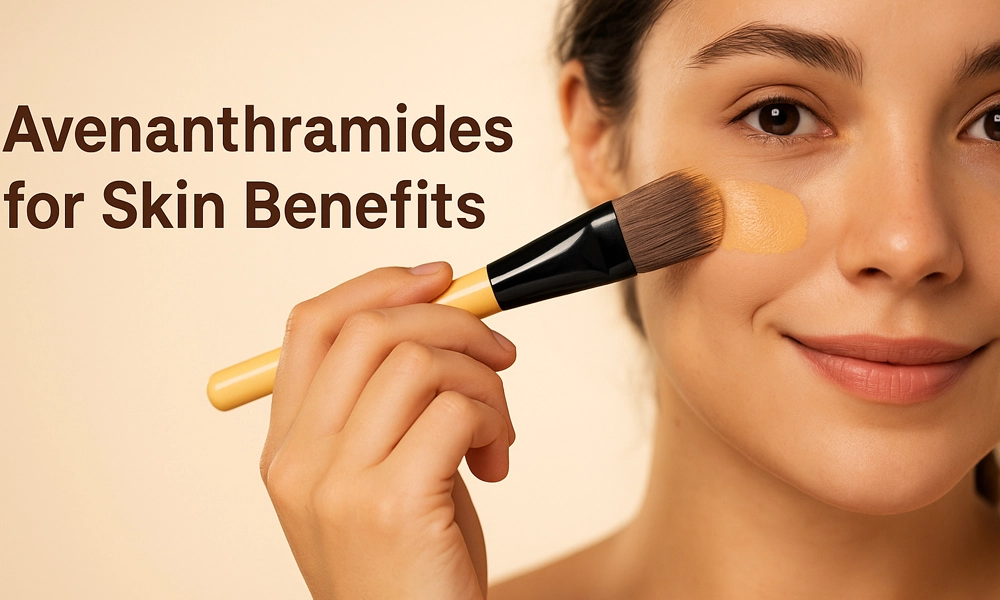
Avenanthramides Skin Benefits Explained: What International Buyers Should Know Before Sourcing
2025-11-29 12:13:26
Avenanthramides skin benefits have become a major point of discussion among cosmetic manufacturers and international raw-material buyers in recent years. As more brands move toward sensitive-skin and repair-focused formulations, this oat-derived active has gained attention not only for its calming performance, but also for its consistency, safety, and formulation flexibility. From our perspective at CHEN LANG BIO TECH, where we work closely with global OEM/ODM labs and product developers, Avenanthramides stand out as one of the most reliable natural actives available today.
Although it originates from something as familiar as oats, their behavior in skincare is anything but ordinary. These phenolic compounds are responsible for the soothing, anti-inflammatory qualities that have made oat-based formulas a staple in dermatology-inspired products. As the sensitive-skin category continues to grow worldwide, formulators are increasingly looking for actives that can deliver real comfort without compromising tolerability—and Avenanthramides fit this need exceptionally well.
International buyers often come to us with the same questions: How do avenanthramides work? What makes them different from standard oat extract? What should we check before sourcing them? This article we will answer those questions in a straightforward, formulation-focused way, helping you understand not only what the ingredient does, but also what to look for when choosing a supplier.
What Are Avenanthramides? Understanding the Oat Phenolic Compounds Behind Sensitive-Skin Performance
After seeing how quickly avenanthramides are gaining traction in the sensitive-skin category, it’s worth taking a step back to understand what these molecules actually are. Although the industry often refers broadly to “oat extract” as a soothing ingredient, the real functional power comes from a much smaller group of bioactive compounds known as Avenanthramides—the phenolic alkaloids naturally present in Avena sativa.
These compounds exist in only trace amounts in standard oat extract, which is why high-purity or standardized avenanthramides are becoming more common in professional formulations. Among the three main types—Avenanthramide A, B, and C—it is avenanthramide C that consistently shows the strongest anti-inflammatory and antioxidant performance. This explains why experienced formulators no longer treat oat extract and avenanthramides as interchangeable ingredients; their structure and concentration make a significant difference in how a product behaves on the skin.
What makes avenanthramides special is not just their soothing reputation, but the way they interact with key biological pathways. They help moderate inflammatory signals, calm sensory irritation, and protect skin cells from oxidative stress—all of which are central concerns for sensitive, reactive, or post-procedure skin. For brands developing comfort-oriented formulas, this targeted activity carries more value than a general botanical extract with inconsistent composition.
From a sourcing standpoint, the ingredient can be derived through controlled oat extraction or more modern biochemical methods that increase purity and batch consistency. Regardless of the method, the goal is always the same: to isolate the specific phenolic molecules responsible for the most meaningful Avenanthramides skin benefits, ensuring the ingredient performs predictably from batch to batch.
As we move into the formulation details, the picture becomes even clearer: Avenanthramides are not simply another “natural soothing ingredient.” They are precision-driven actives supported by strong research, making them well-suited for brands building calming, anti-redness, or barrier-focused product lines.
Avenanthramides Skin Benefits — Anti-Inflammatory, Anti-Itch, Barrier Support & Redness Reduction
Now that we understand the nature of Avenanthramides as high-value oat phenolic compounds, it becomes easier to see why they fit so seamlessly into sensitive-skin and recovery-focused skincare. Their structure directly explains the way they calm, protect, and stabilize the skin. To help you see the benefits more clearly, here’s a breakdown of the key advantages that matter most for formulation teams and international buyers:
1. Strong Anti-Inflammatory Activity (Mechanism-Driven Relief)
Avenanthramides help reduce inflammatory mediators such as IL-6, TNF-α, and NF-κB. This results in calmer, less reactive skin and makes them especially useful in products targeting irritation, overstimulation, or environmental stress.
2. Noticeable Anti-Itch Performance
By modulating histamine-related responses, Avenanthramides help reduce itch and discomfort—a benefit that consumers feel quickly.
This is valuable in body lotions, barrier creams, winter-care formulas, and products for dry or easily irritated skin.
3. Barrier Support and Moisture Retention
Avenanthramides contribute to healthier levels of filaggrin and improved tight-junction integrity, helping the skin stay resilient and hydrated.
This makes them ideal for lightweight hydrating essences, barrier moisturizers, and calming serums.
4. Visible Redness Reduction
Because they influence both inflammation and microvascular responses, Avenanthramides help reduce visible redness caused by over-cleansing, exfoliation, sun exposure, or environmental stress. Brands often rely on this effect when developing anti-redness serums or daily “comfort creams.”
5. Potent Antioxidant Protection
Avenanthramides also provide strong antioxidant benefits—at times outperforming classic antioxidants like vitamin E. This added protection helps shield the skin from oxidative stress and supports the long-term health of sensitive or reactive complexions.
6. High Compatibility with Modern Sensitive-Skin Formulations
Because they are gentle, effective at low doses, and easy to incorporate, Avenanthramides fit naturally into:
♦calming serums;
♦barrier-repair moisturizers;
♦post-procedure care;
♦dermatology-inspired formulations;
♦minimalist “clean beauty” systems.
Why Avenanthramides Are Ideal for Sensitive Skin & Post-Procedure Formulations
The qualities that make Avenanthramides effective in everyday soothing products also explain why they are so widely used in treatments designed for compromised or highly reactive skin. Once you understand how these molecules interact with inflammatory pathways and sensory irritation, their relevance to sensitive-skin and post-procedure care becomes unmistakable. For brands and manufacturers building repair-focused lines, this level of reliability is often what sets Avenanthramides apart from more conventional botanical extracts.
1. Exceptional Tolerability for Delicate and Reactive Skin
Unlike many natural extracts that may vary in composition or contain irritant by-products, avenanthramides are highly purified phenolic compounds with a clean safety profile. They do not introduce unnecessary fragrance components, essential oil residues, or volatile compounds—factors that commonly cause sensitivity. This makes them particularly suitable for skin that reacts easily to new products or active ingredients.
2. A Strong Fit for Post-Procedure Recovery
Procedures such as laser treatments, micro-needling, and chemical exfoliation temporarily weaken the skin barrier and heighten inflammatory responses. Avenanthramides help ease this overstimulation, offering comfort during the most reactive phase while supporting natural recovery.
They work without interrupting the healing process, making them a dependable choice for clinics, post-procedure product lines, and medical-aesthetic brands.
3. Comfort Without Compromise
One of the challenges in sensitive-skin product development is balancing effectiveness with tolerability. Avenanthramides deliver measurable soothing benefits without relying on exfoliation, vasoconstriction, or cell-turnover mechanisms that may cause discomfort.
For consumers who need steady, predictable comfort—rather than quick but irritating effects—Avenanthramides provide a stable foundation.
4. Seamless Integration Into Barrier-Repair and Minimalist Formulas
Modern skincare is moving toward simplified ingredient lists, with an emphasis on comfort and barrier integrity. Avenanthramides fit naturally into these “low-stress” formulations because they work at low usage levels, do not disrupt emulsions, and pair well with ceramides, hyaluronic acid, and other barrier-supporting systems. This makes them an ideal active ingredient for daily use in sensitive-skin moisturizers, toners, and essences.
5. A Trusted Active for All Age Groups
Because avenanthramides show minimal irritation potential, they are suitable for a wide range of applications, including baby-care products, fragrance-free sensitive-skin lines, and clean-label skincare. Their consistency and safety help formulators create products that appeal to cautious consumers who prioritize gentle, dermatologist-inspired solutions.
How to Formulate With Avenanthramides — Usage Levels, Compatibility & Ideal Product Formats
Once you understand why avenanthramides work so effectively on sensitive or compromised skin, the next practical question is how they behave inside a formula. This is often the point where international buyers, R&D teams, and OEM/ODM labs want clarity—because even a high-performance ingredient must still fit smoothly into a manufacturing environment. Fortunately, avenanthramides offer a level of formulation flexibility that makes them suitable for a wide variety of product types, from lightweight serums to richer recovery creams.
1. Recommended Usage Levels for Optimal Performance
Avenanthramides are highly potent, which means effective results can be achieved at relatively low dosages. Most calming or barrier-support formulas use them in the 0.05%–0.3% range, while more treatment-focused or post-procedure products may increase the concentration up to 0.5% or 1%, depending on the purity grade.
2. Broad Compatibility With Popular Skincare Actives
One of the biggest advantages for formulators is the ease with which Avenanthramides integrate into existing systems. They pair well with a range of widely used ingredients, including:
♦Ceramides for enhanced barrier repair;
♦Hyaluronic acid for hydration and skin softness;
♦Niacinamide for tone-evening and barrier strengthening;
♦Beta-glucan for additional soothing and water retention;
♦Centella asiatica extracts for synergistic calming benefits.
Because they coexist comfortably with these ingredients, Avenanthramides fit naturally into modern sensitive-skin and “barrier-first” formulations.
3. Processing Guidelines and Stability Considerations
From a production standpoint, avenanthramides are relatively straightforward to work with. They maintain stability across the pH 4.0–7.5 range and should be incorporated during the cool-down phase, typically below 40°C, to preserve full activity.
They do not significantly impact viscosity or emulsion structure, which simplifies pilot batching and scale-up for OEM/ODM manufacturing.
4. Suitable Product Formats Across Skin Types and Markets
Because of their versatility, avenanthramides powder suit a wide range of product concepts, including:
♦calming serums;
♦anti-redness essences;
♦barrier-repair creams;
♦soothing gel creams;
♦post-procedure recovery products;
♦lightweight hydrating toners and sprays;
♦baby-care formulations.
Their compatibility with both simple and more complex systems makes them easy to integrate across entire sensitive-skin product lines.
5. Ideal for Dermatology-Inspired, Minimalist, and Clean-Label Skincare
Given their clean safety profile and predictable performance, Avenanthramides are increasingly used in products where consumers expect visible calming benefits without irritation or complexity. They help brands build effective, dermatologist-inspired formulas with shorter ingredient lists—something that continues to gain traction in Western markets.
Avenanthramides vs Oat Extract — Which Ingredient Offers Better Performance for Sensitive-Skin Brands?
Many international buyers raise is how avenanthramides compare to standard oat extract. Because both ingredients originate from Avena sativa, it’s understandable that they are often discussed together. However, from a performance standpoint, their similarities end quickly. The needs of today’s sensitive-skin market—predictability, stability, and mechanism-driven benefits—tend to favor Avenanthramides for reasons that become clear once you look at how each ingredient behaves.
1. Concentration of Active Compounds
Traditional oat extract contains a broad mixture of sugars, lipids, and general nutrients. These components offer mild comfort, but they also vary significantly depending on crop conditions and extraction processes.
Avenanthramides, on the other hand, focus specifically on the phenolic molecules responsible for soothing, anti-redness, and anti-itch effects.
This higher concentration of functional actives gives Avenanthramides a much more consistent and targeted performance profile—something brands rely on when developing sensitive-skin or post-procedure products.
2. Mechanism-Driven Performance Instead of General Moisturization
Oat extract is often used for its softening and moisturizing qualities, but it does not strongly influence inflammatory pathways. Avenanthramides interact directly with IL-6, TNF-α, NF-κB, and histamine-related responses, offering a level of precision that oat extract cannot match.
For formulas where consumers expect visible calming, reduced redness, or improved comfort, this difference is significant.
3. Standardization and Batch Consistency
Because oat extract contains a broad range of compounds, the proportion of active molecules fluctuates from batch to batch. This is acceptable for general moisturizing products, but less ideal for dermatology-inspired or sensitive-skin formulas where stability and uniformity matter. Avenanthramides, especially standardized or purified forms such as Avenanthramide C, provide much more reliable consistency—making compliance, scale-up, and cross-market manufacturing smoother for OEM/ODM partners.
4. Value Positioning for Premium Product Lines
For brands looking to differentiate in the sensitive-skin, clinical, or post-procedure categories, the distinction between oat extract and avenanthramides becomes an important marketing and technical point. Avenanthramides carry a stronger scientific narrative, clearer benefits, and broader positioning potential. This gives brands more room for premium claims and a stronger story around targeted soothing, anti-redness care, and barrier repair.
5. Formulation Flexibility Across Product Types
While oat extract is most commonly used in creams or lotions, Avenanthramides adapt easily to serums, gels, essences, sprays, and other lightweight systems. This flexibility supports brands developing multi-step sensitive-skin routines, where consistent performance across different textures is essential.
Together, these differences make it clear why more manufacturers are transitioning from basic oat extracts to Avenanthramides as a primary soothing active. They offer higher impact, better consistency, and a clearer scientific identity—qualities increasingly demanded in modern sensitive-skin and recovery-focused products.
Avenanthramides Safety & Regulatory Profile — What International Buyers Should Know Before Importing
As more brands shift toward sensitive-skin and dermatology-inspired formulations, safety and regulatory compliance have become central considerations when evaluating new raw materials. For international buyers, understanding the safety profile of Avenanthramides is just as important as evaluating their performance. Fortunately, this is an area where Avenanthramides offer strong advantages, helping streamline both product development and cross-market registration.
1. Naturally Low Irritation and High Tolerability
Avenanthramides have a long history of use in soothing skincare and pose an extremely low risk of irritation. Because they are isolated phenolic compounds—rather than broad botanical extracts—they avoid many of the impurities or fragrance components that typically cause sensitivity.
This clean tolerability makes Avenanthramides one of the most dependable hypoallergenic skincare ingredients for formulas intended for reactive or compromised skin.
2. Non-Photosensitizing and Safe for Daily Use
Another important advantage is that Avenanthramides are non-photosensitizing, making them suitable for both daytime and nighttime applications. They do not increase UV reactivity nor interfere with sunscreen systems, which simplifies formulation planning. For brands offering daily moisturizers, anti-redness serums, or recovery products, this flexibility is a practical benefit.
3. Suitable for Sensitive Populations, Including Baby Care
The safety profile of avenanthramides extends across a wide range of skin types and age groups. Their minimal sensitization potential and clean biochemical structure make them appropriate for baby-care lines, fragrance-free sensitive-skin products, and formulations targeted at individuals with extremely reactive skin. This broad suitability increases the number of product categories where Avenanthramides can be used effectively.
4. Regulatory-Friendly Across Major Global Markets
Avenanthramides are derived from Avena sativa, a widely recognized food-source ingredient with a long safety history. As a result, they align well with the regulations in most major cosmetic markets, including:
♦United States (FDA)
♦European Union (EU Cosmetic Regulation)
♦United Kingdom
♦Australia
♦ASEAN markets
♦GCC and Middle East regions
This regulatory ease minimizes the documentation burden and reduces the risk of delays during formula approval or product registration. Many buyers consider this one of the strongest advantages of choosing Avenanthramides over more complex plant extracts.

5. Straightforward Documentation for Global Buyers
To support international compliance, high-quality suppliers typically offer a full documentation package. This often includes:
♦COA with HPLC analysis
♦MSDS
♦TDS
♦ISO certifications
♦Halal & Kosher
♦Allergen-free and Non-GMO statements
For manufacturers exporting finished products to multiple markets, this level of transparency helps ensure a smooth regulatory process with fewer surprises during audits or inspections.
Sourcing Avenanthramides — What International Buyers Should Check Before Ordering
When international buyers begin evaluating Avenanthramides for large-scale production, the sourcing process becomes just as important as the ingredient itself. Because Avenanthramides support sensitive-skin and recovery categories, brands typically expect consistent quality, predictable performance, and transparent documentation. Knowing what to review before committing to an order helps avoid costly reformulations or compliance challenges later on.
1. Purity Levels and Avenanthramide Composition
Not all avenanthramides are standardized to the same degree. Some suppliers offer general oat extracts with naturally occurring levels of Avenanthramides, while others provide high-purity materials enriched in Avenanthramide A, B, or C.
Buyers should confirm whether the ingredient is a broad extract or a targeted active, and whether the supplier provides HPLC data reflecting true phenolic content. Purity impacts both performance and usage levels in the final formula.
2. Source, Origin, and Production Method
Avenanthramides may come from traditional oat extraction or more modern biochemical or enzymatic processes designed to improve consistency. Understanding the production method helps buyers assess stability, scalability, and regulatory compliance. For manufacturers producing across multiple regions, the ability to trace origin and production standards is a practical advantage.
3. Batch Consistency and Standardized Specifications
Because sensitive-skin formulations rely heavily on predictable performance, batch consistency is essential. Buyers should review whether the supplier adheres to standardized specifications, including identified minimum active content, color uniformity, solubility, and safety data. Reliable specifications simplify OEM/ODM workflows and reduce the risk of unexpected variability during scale-up.
4. Technical Support for Formulators
Many brands underestimate the value of having technical support at the raw-material level. A good supplier should be able to provide guidance on usage levels, processing temperatures, pH compatibility, and synergistic pairings with ingredients such as ceramides or beta-glucan. This support helps streamline formulation work and ensures the ingredient performs as expected in different systems.
5. Documentation Package and Global Compliance
International buyers should confirm that the supplier can provide a complete documentation set, including:
♦COA with active-content verification
♦MSDS
♦TDS
♦ISO
♦Halal / Kosher
♦Allergen-free and Non-GMO statements
These documents are essential for seamless product registration in major markets. A well-prepared documentation package often reflects the supplier’s overall reliability.
6. Supply Stability and MOQ Flexibility
For brands that manage multiple production cycles or operate across several regions, supply stability is a key consideration. Buyers should look for suppliers that offer stable inventory, consistent lead times, and flexible MOQ options suitable for both pilot batches and full-scale production. This helps maintain continuity during formula testing and product launches without logistical interruptions.
Why Global Cosmetic Manufacturers Choose CHEN LANG BIO TECH as Their Avenanthramides Supplier
When buyers reach the point of comparing suppliers, they are usually not just looking for a raw material—they’re looking for reliability, technical clarity, and the confidence that the ingredient they choose will perform consistently in every market and every batch. This is exactly where CHEN LANG BIO TECH has earned the trust of international manufacturers. Our focus is not only on supplying avenanthramides, but on making sure that formulators have the flexibility and purity they need to build products that genuinely stand out in a highly competitive sensitive-skin category.
1. High-Purity Avenanthramides Up to 99% — A Level That Truly Makes a Difference
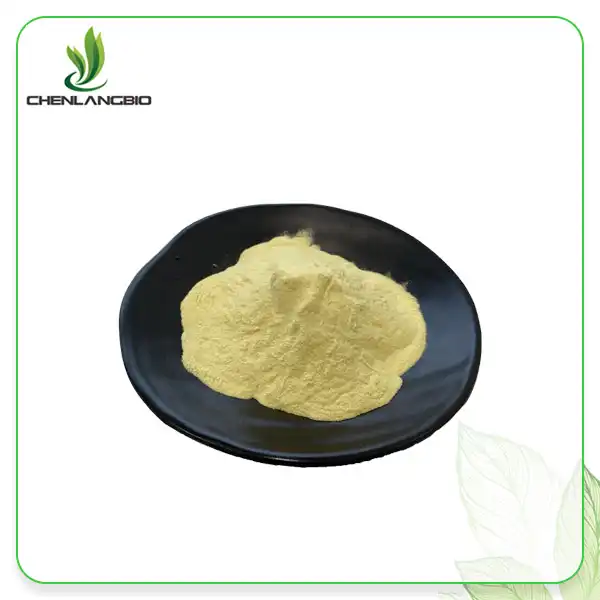
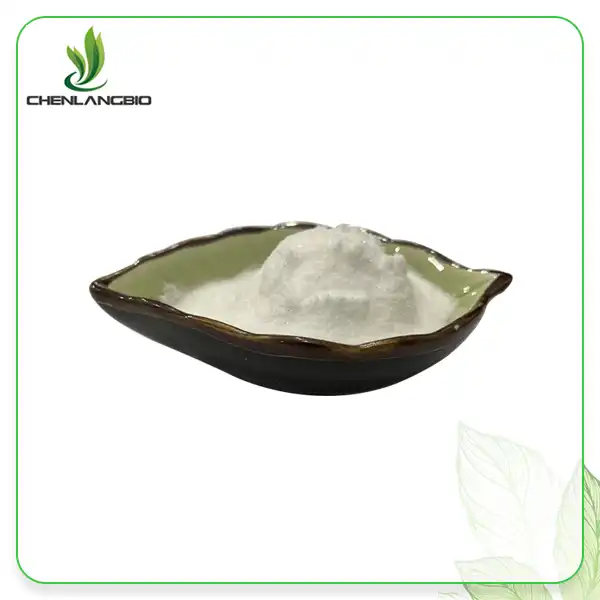
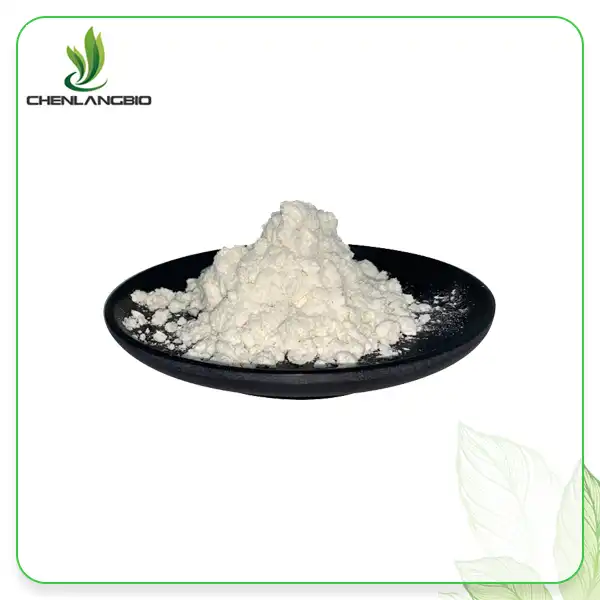
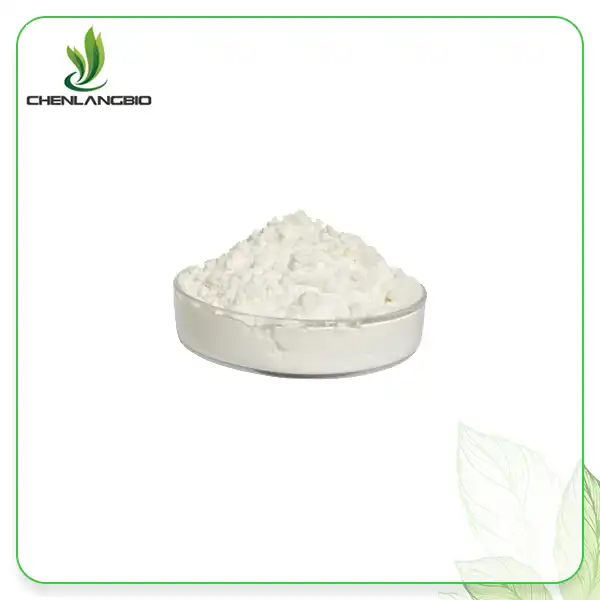
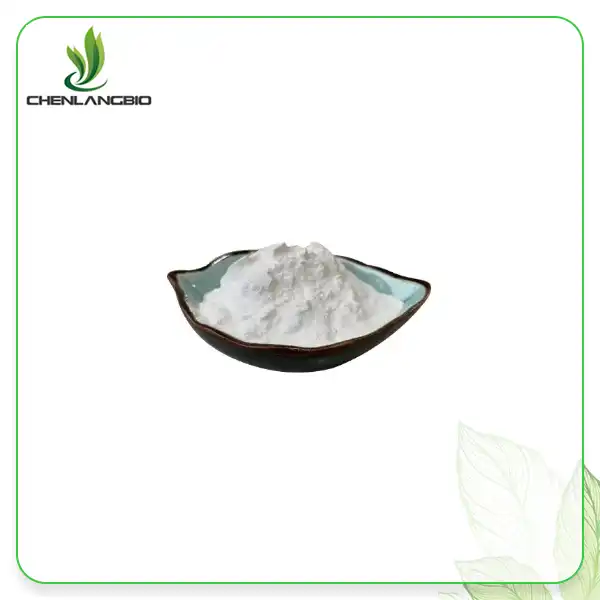
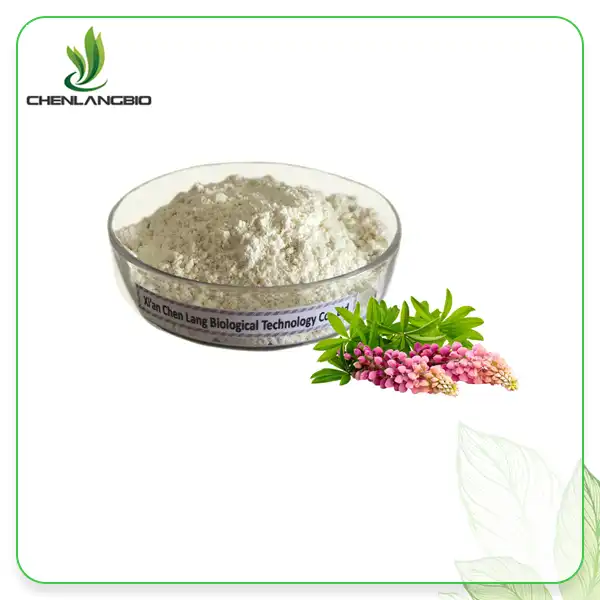
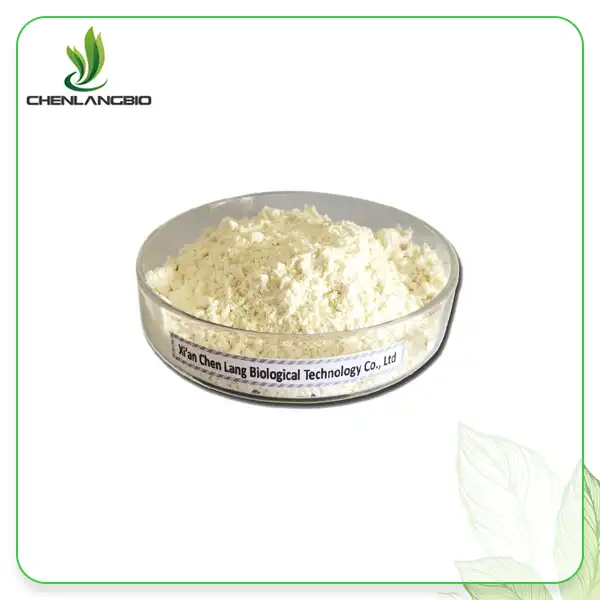
One of the most frequent comments we hear from new customers is how rare it is to find avenanthramides powder with purity levels approaching 99%.
Most suppliers rely on broad-spectrum oat extracts or lightly enriched actives, which may deliver mild benefits but lack the strength required for modern calming or post-procedure formulas.
Our high-purity grade offers a far more direct, focused activity—ideal for formulations where clarity, consistency, and performance matter. Brands building clinical-style, anti-redness, or sensitive-skin lines often choose this grade because it gives them stronger claims, cleaner INCI lists, and a more predictable soothing effect.
2. Two Functional Forms — Water-Soluble & Alcohol-Soluble
Formulators work with a wide range of systems, so one specification rarely suits every project. To support different manufacturing environments, we offer avenanthramides in two functional formats:
♦Water-soluble avenanthramides powder— ideal for serums, toners, essences, gels
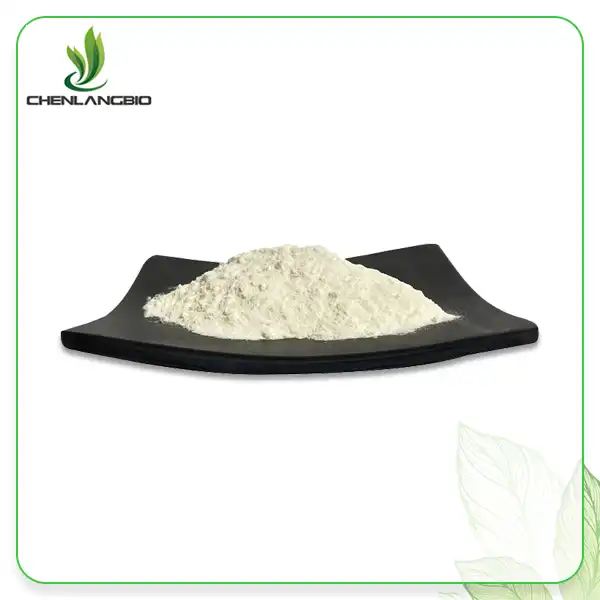
♦Alcohol-soluble avenanthramides — perfect for sprays, quick-dry systems, or formulas with higher alcohol content
This flexibility allows OEM/ODM labs to choose the option that fits their texture, process, and final positioning—without compromising active performance. For many customers, having both solubility choices significantly speeds up development and reduces reformulation time.
3. Consistent Quality Backed by Advanced QC and HPLC Verification
Our batches are tested with HPLC to confirm phenolic content and ensure the purity our documentation promises. Customers often mention that what they appreciate most is the predictability—every batch behaves the same way in their emulsions and gels, regardless of production scale or market destination.
4. Complete Documentation for Smooth Global Registration
We provide full documentation required for international compliance, including COA (HPLC), MSDS, TDS, ISO standards, Halal, Kosher, Non-GMO. This helps manufacturers avoid delays during product registration in the U.S., EU, Middle East, and Southeast Asia.
5. Flexible MOQ and Stable Inventory for Scaling Up
Whether a customer is starting with a lab sample or preparing for a global launch, we maintain flexible MOQ options and reliable stock.
This stability matters—especially for sensitive-skin brand lines where consistency is expected batch after batch.
Conclusion — Why Avenanthramides Are Becoming a Core Ingredient for Modern Sensitive-Skin Brands
As global interest in sensitive-skin and repair-focused products continues to rise, avenanthramides have moved from a niche botanical component to a truly strategic active. Their ability to calm inflammation, reduce redness, ease discomfort, and support the skin barrier places them among the most reliable natural ingredients available to formulators today. And unlike broader botanical extracts, avenanthramides offer this performance through well-defined mechanisms, making them an ideal choice for brands that prioritize both efficacy and tolerability.
For international buyers evaluating raw materials, the appeal goes beyond skin benefits. Avenanthramides provide consistency, regulatory ease, formulation flexibility, and a safety profile that aligns with the growing demand for cleaner, gentler, and science-backed skincare. Whether incorporated into serums, gel creams, essences, sprays, or post-procedure products, they deliver predictable value in a wide range of textures and concepts.
For manufacturers, OEM/ODM labs, and global skincare brands, Avenanthramides are no longer just an interesting addition—they’re becoming a cornerstone active for next-generation calming and repair formulations. And with reliable sourcing, strong documentation, and technical support, integrating them into your product line is easier than ever.
Whether you are formulating a calming serum, building a barrier-repair line, or expanding your sensitive-skin portfolio, choosing a dependable source of Avenanthramides will shape both the performance of your product and the confidence of your end consumer. At XI AN CHEN LANG BIO TECH CO., LTD, we supply high-purity avenanthramides—available in both water-soluble and alcohol-soluble forms—to support a wide range of formulation needs.
If you are looking for a reliable avenanthramides supplier with strong QC, flexible MOQ, and international shipping, our team is ready to support your project.
📩 Email: admin@chenlangbio.com
📱 WhatsApp: +86-17782478823

Send Inquiry
Related Industry Knowledge
- Dutasteride vs Finasteride Hair Loss: Which Treatment Offers Better Results
- Top 5 Benefits of Using Copper PCA in Cosmetics
- Can Chrysin Powder Be the Key to Better Platelet Activity?
- Bulk Dimethylmethoxy Chromanol: Uses and Benefits
- Do Hops Have Antioxidants
- Red Wine Extract Powder: Benefits and Uses
- Is It Safe to Take Alpha-GPC Every Day
- Is Dimethylmethoxy Chromanol Safe for Skin
- When To Take PQQ?
- Is Chaga Mushroom Extract Powder Bad for Your Liver