
What Is Adenosine Triphosphate (ATP) Used For?
2026-01-09 14:24:33
Adenosine triphosphate (ATP) is a critical energy carrier found in all living cells. Known for its vital role in energy metabolism, ATP is the primary molecule responsible for driving nearly every biological process, from muscle contraction to cellular repair. Although ATP is often mentioned in scientific literature, many may not fully understand its practical applications in various industries, especially for those sourcing raw materials for pharmaceutical or sports nutrition products.
This article explores the different applications of adenosine triphosphate (ATP), its roles in energy production, and why it matters to businesses in need of high-quality raw materials for their formulations. At CHEN LANG BIO TECH, we specialize in manufacturing ATP powder that meets the highest industry standards for purity and consistency, supplying businesses with a trusted source for their energy-related applications.
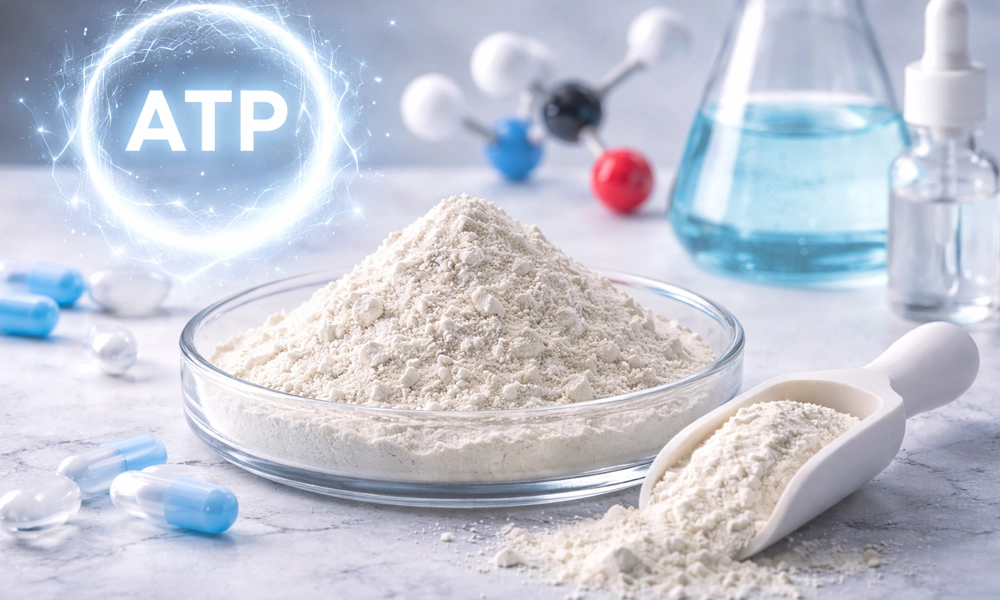
ATP in Cellular Energy Production
ATP plays a crucial role in cellular energy production. Every cellular function that requires energy, such as muscle contraction, active transport, protein synthesis, and neural communication, is powered by ATP. This molecule stores energy in its phosphate bonds, which, when broken, release energy to fuel a wide array of physiological processes.
In muscle cells, ATP is immediately available for use during physical activity, making it the primary energy source for activities like high-intensity exercise, muscle contraction, and endurance training. ATP is constantly recycled in the body, with a new molecule being regenerated from ADP (adenosine diphosphate) and inorganic phosphate as energy demands fluctuate.
For procurement teams and manufacturers sourcing ATP as an ingredient, understanding its role in energy transfer is essential for developing products designed to enhance performance and recovery.
What Is Adenosine Triphosphate (ATP) Used For?
ATP in Sports Nutrition and Performance Products
ATP is commonly used in the sports nutrition industry, particularly for performance supplements designed to support short-term energy needs during high-intensity physical activities. When an athlete engages in resistance training or sprinting, ATP is the immediate energy source required for muscle contractions. The rapid availability of ATP ensures muscles can perform optimally during explosive movements, making it an essential ingredient in pre-workout formulations.
Athletes supplementing with ATP are likely to experience improved strength output, reduced fatigue, and enhanced muscle endurance during intense physical activity. While ATP does not serve as a long-term energy source, its immediate impact on muscle performance is unparalleled.
In endurance sports, ATP is frequently used in combination with other ingredients like creatine, amino acids, and electrolytes to improve sustained energy production and support muscle recovery. This makes ATP an effective choice for products designed to improve exercise capacity and reduce recovery time.
ATP in Medicine and Pharmaceutical Applications
ATP has long been recognized for its importance in both basic and clinical applications. It plays a significant role in cellular functions and cell signaling pathways, which makes it highly relevant for certain pharmaceutical applications. ATP is often utilized in medical formulations for cell regeneration, tissue repair, and wound healing.
In the pharmaceutical industry, ATP is used as an active ingredient in injectable products and topical formulations, particularly those aimed at supporting cellular recovery and promoting neuroprotection. ATP's influence on cellular metabolism makes it useful in treatments for conditions like heart disease, neurological disorders, and aging-related diseases.
For pharmaceutical manufacturers, ATP is a versatile compound that can be incorporated into a range of applications, from topical treatments to more advanced drug delivery systems.
ATP vs ADP: Understanding the Energy Cycle
ATP and its counterpart, adenosine diphosphate (ADP), work together in a continuous energy cycle. ATP is synthesized from ADP and inorganic phosphate during cellular respiration, and when ATP is used, it is converted into ADP, releasing energy in the process. The cycle continues as ADP is recycled into ATP by various metabolic pathways, including glycolysis and oxidative phosphorylation.
|
Phase |
ATP |
ADP |
|
Molecular State |
Energy-rich (three phosphate groups) |
Energy-depleted (two phosphate groups) |
|
Primary Role |
Energy transfer |
Indicator of energy consumption |
|
Energy Mechanism |
Cellular energy release |
Regeneration process |
|
Relevance in Supplements |
Direct energy support |
Used as a marker for energy demand |
ATP is essential for direct energy transfer within the body, while ADP serves as a marker indicating when the body requires more ATP. This distinction is important for understanding how ATP functions in various applications, including sports nutrition and pharmaceutical formulations.
ATP Compared with Other Energy-Related Ingredients
ATP is frequently compared with other well-known energy-boosting ingredients like creatine and caffeine. Each of these ingredients plays a role in enhancing energy levels, but they work through different mechanisms in the body.
|
Ingredient |
Adenosine Triphosphate (ATP) |
Creatine |
Caffeine |
|
Primary Role |
Direct cellular energy transfer |
ATP regeneration |
CNS stimulation |
|
Energy Mechanism |
ATP–ADP cycle |
Phosphocreatine system |
Nervous system activation |
|
Used For |
Performance support, metabolism |
Strength & power |
Alertness & focus |
|
Suitable For |
Sports nutrition, pharma, research |
Strength training |
Pre-workout stimulation |
|
Stimulant Effect |
No |
No |
Yes |
ATP is fundamentally different from creatine and caffeine, as it directly delivers energy to cells, whereas creatine helps regenerate ATP stores, and caffeine enhances energy through central nervous system (CNS) stimulation. These distinctions make ATP supplementation especially useful for performance-focused products.
ATP Dosage and Usage in Nutritional Products
The appropriate dosage of ATP depends on the specific formulation and the intended application. Typical dosages vary based on product type and energy demands, with the most common ranges being:
|
Application Type |
Typical ATP Dosage |
|
Pre-workout products |
100–400 mg per serving |
|
Strength & power support |
200–400 mg per day |
|
Endurance formulations |
100–300 mg per day |
These dosages are designed to provide the optimal amount of energy for high-intensity exercise while also supporting muscle recovery in endurance-based activities.
For best results, ATP should be included in well-balanced formulas alongside other ingredients such as amino acids, creatine, and electrolytes, which can help maximize energy utilization during exercise and promote recovery afterward.
Where to Buy Adenosine Triphosphate Powder?
As an experienced adenosine triphosphate powder manufacturer and supplier, CHEN LANG BIO TECH has been serving the global health and nutrition industry for more than two decades. Our company is built on long-term industry experience, in-house manufacturing capability, and a strong commitment to quality and reliability. We focus on being a trusted raw material partner, allowing our customers to develop and sell their products with confidence and minimal after-sales concerns.
♦Over 20 Years of Industry Experience
With more than 20 years of continuous involvement in the health and wellness industry, we operate our own manufacturing facilities and maintain full control over production processes. Our business philosophy is based on integrity, consistency, and long-term cooperation. By supplying stable, well-documented raw materials, we help our customers reduce sourcing risks and focus on growing their markets. This experience allows us to understand the real needs of international buyers beyond pricing alone.
♦Strong Technical and R&D Capability
We maintain an independent R&D team with a strong background in biotechnology and food science. Our technical focus is not limited to standard production—we actively invest in process optimization and formulation innovation. For customers requiring customized solutions, we are able to provide tailored production and application support, ensuring that ATP raw materials meet specific formulation and regulatory requirements.
♦Strict Quality Control and Batch Traceability
Product quality is a core priority at CHEN LANG BIO TECH. Every batch of adenosine triphosphate powder for sale undergoes strict quality control procedures before release. Shipments are accompanied by complete factory documentation, including Certificates of Analysis (COA) and relevant compliance records. This ensures transparency, traceability, and consistency for customers operating in regulated markets.
♦Comprehensive Certifications and Integrated Capabilities
We operate as a modern, integrated enterprise covering solid beverage ingredients, health food raw materials, and OEM manufacturing services. Our company holds multiple industry certifications and owns over 30 proprietary patents, reflecting our long-term investment in innovation and compliance. With a wide range of raw materials and sufficient inventory levels, we are able to support both small-volume orders and long-term bulk supply agreements.
♦Reliable Supply and Professional Customer Support
To meet the needs of global customers, we maintain ready stock for bulk orders and offer fast, stable delivery schedules. In most cases, orders can be prepared and shipped within a short lead time. Our 24-hour customer service team ensures responsive communication across different time zones, supporting customers throughout the purchasing process. Whether you are looking to buy adenosine triphosphate online or establish a long-term supply relationship, our team is prepared to support your sourcing needs efficiently.
As a trusted partner capable of supplying bulk adenosine triphosphate powder, CHEN LANG BIO TECH combines manufacturing strength, technical expertise, and reliable service to support customers worldwide.
Conclusion
Adenosine triphosphate (ATP) is far more than just a molecular energy source—it's a key player in muscle function, cellular metabolism, and overall health. Whether you're in the sports nutrition industry, pharmaceuticals, or medical research, ATP plays an essential role in your formulations.
As a trusted ATP supplier, CHEN LANG BIO TECH is committed to providing high-quality ATP with consistent performance, fast processing, and reliable documentation. Contact us today to learn more about our ATP products and how they can benefit your business.
Email: admin@chenlangbio.com
Whatsapp: +86-17782478823
References
1, Berg, J. M., Tymoczko, J. L., & Stryer, L. (2015). Biochemistry (8th ed.). W. H. Freeman and Company.
2, Hargreaves, M., & Spriet, L. L. (2020). Skeletal muscle energy metabolism during exercise. Nature Metabolism, 2(9), 817–828.
3, Kenney, W. L., Wilmore, J. H., & Costill, D. L. (2020). Physiology of Sport and Exercise (7th ed.). Human Kinetics.
4, EFSA Panel on Dietetic Products, Nutrition and Allergies (NDA). (2012). Guidance on health claims related to physical performance and energy metabolism. EFSA Journal, 10(7), 2817.
5, Smith, A. E., et al. (2018). Effects of ATP supplementation on muscular performance. Journal of the International Society of Sports Nutrition, 15(1), 22.

Send Inquiry
Related Industry Knowledge
- Dutasteride vs Finasteride Hair Loss: Which Treatment Offers Better Results
- What Does Sodium Polyglutamate Do in a Formulation?
- How Does Beta Ecdysterone Work?
- How is Mung Bean Peptide Powder Used
- How Does Nitenpyram Work
- Which Is Better, Bakuchiol or Niacinamide
- Can Acanthopanax Senticosus Root Extract Improve Body Immunity
- Oat Extract Skin Benefits
- Does Olive Leaf Extract Powder Used in Cosmetic Products
- when Should I Take Marigold Extract Powder Lutein Morning or Night