
Tranexamic Acid Powder Solubility and Formulation Considerations: A Guide for Cosmetic Manufacturers
2026-07-27 14:03:50
Introduction: Why Solubility and Formulation Knowledge Matter for Tranexamic Acid Buyers
Tranexamic acid powder solubility is one of the key technical factors that cosmetic manufacturers evaluate when selecting this ingredient for skincare development. For formulation teams, understanding how a raw material dissolves, behaves in different formulation systems, and interacts with other ingredients is essential before moving from laboratory testing to commercial production.
Unlike consumer-facing discussions that mainly focus on ingredient benefits, professional cosmetic developers usually examine practical formulation characteristics. When evaluating tranexamic acid powder for skincare formulation, R&D teams need to understand questions such as: Is the ingredient suitable for water-based systems? What processing conditions support complete dissolution? How does pH influence formula stability? What factors should be considered when combining it with other active ingredients?
Tranexamic Acid has attracted attention among skincare manufacturers because of its favorable physicochemical properties, including good water solubility and compatibility with many aqueous cosmetic systems. However, the final performance of a finished product depends not only on the ingredient itself but also on raw material quality, formulation design, manufacturing conditions, and stability evaluation.
For companies looking to buy tranexamic acid powder, selecting a supplier that provides accurate technical information is an important part of the sourcing process. A professional tranexamic acid powder supplier should support customers with reliable specifications, quality documentation, and technical data that helps formulation teams make informed decisions.
In modern cosmetic manufacturing, successful product development requires a combination of ingredient science and practical formulation experience. Understanding the technical characteristics of Tranexamic Acid allows brands and formulators to design more stable, consistent, and commercially viable skincare products.
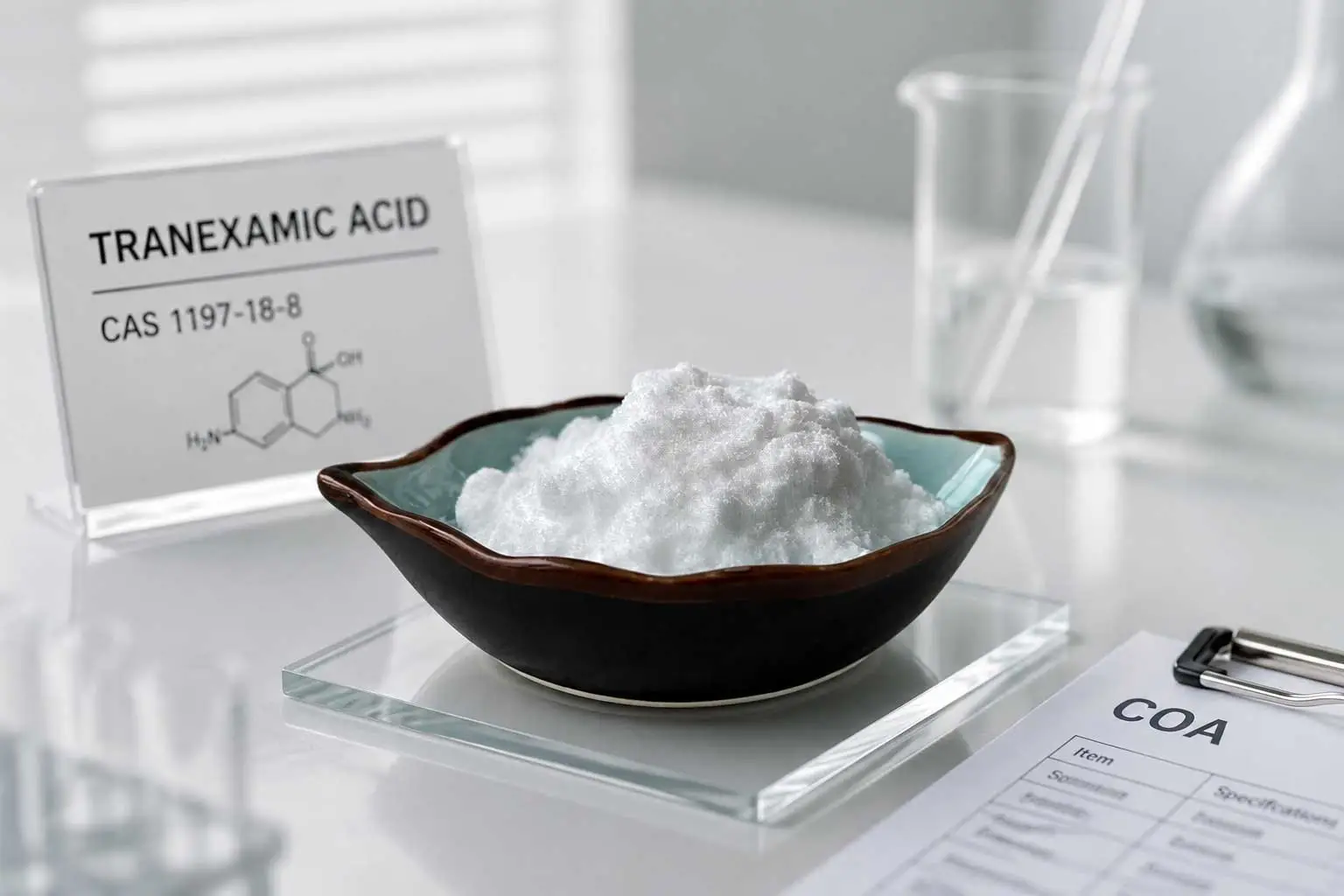
What Makes Tranexamic Acid Suitable for Cosmetic Formulations?
Tranexamic acid formulation development begins with understanding the fundamental characteristics of the ingredient. For cosmetic manufacturers, a suitable active ingredient should not only have an established application background but also demonstrate practical advantages during formulation processing.
Tranexamic Acid is a synthetic amino acid derivative with the chemical name trans-4-(aminomethyl)cyclohexane carboxylic acid. It has a molecular formula of C8H15NO2 and a molecular weight of approximately 157.21 g/mol. Due to its molecular structure, Tranexamic Acid exhibits strong hydrophilic characteristics, which contributes to its good compatibility with water-based cosmetic systems.
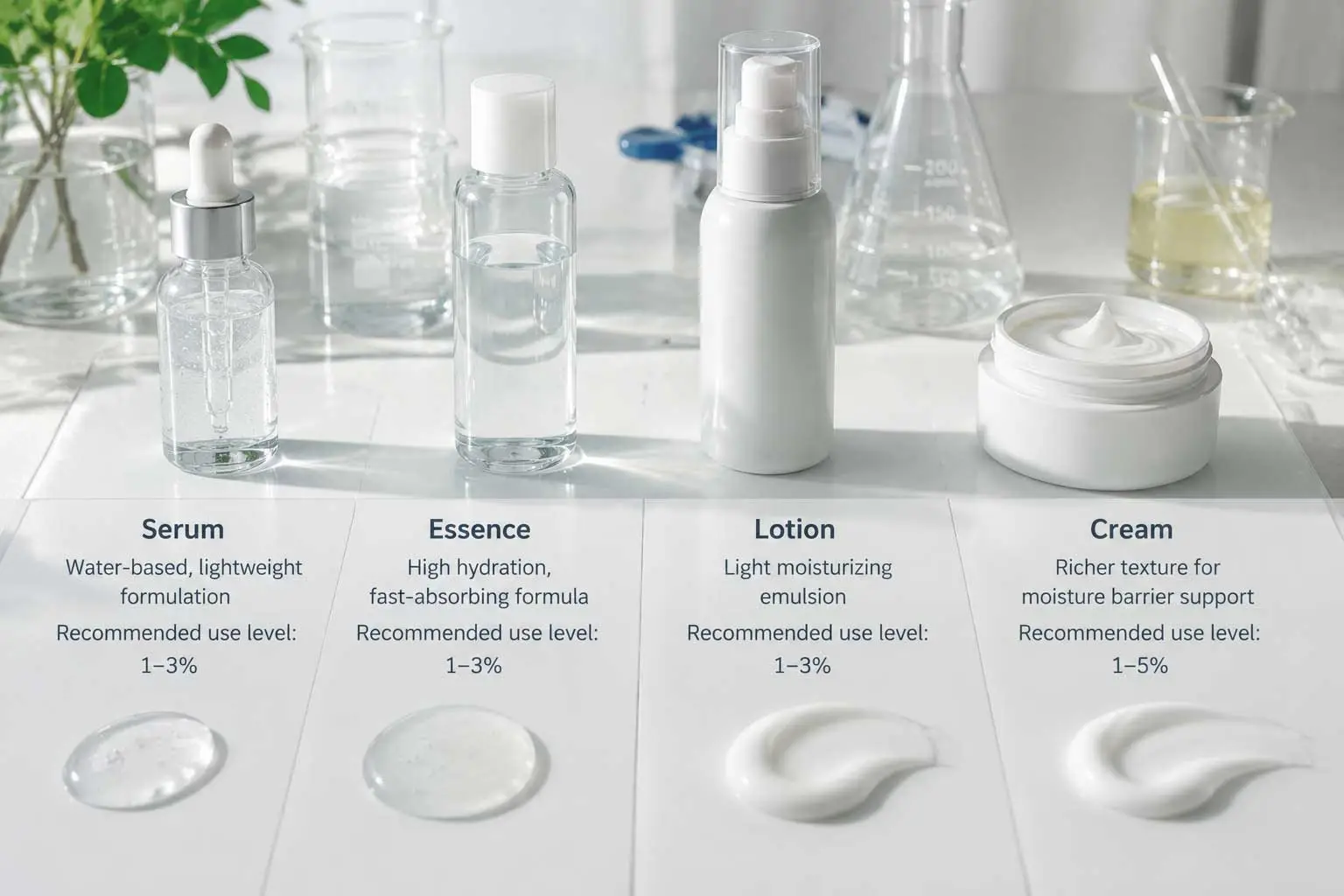
For formulators developing serums, essences, lotions, and other leave-on skincare products, water compatibility is an important consideration because many modern cosmetic formulations are based on aqueous systems. Ingredients that can be efficiently incorporated into the water phase often provide greater flexibility during product development.
A professional cosmetic grade tranexamic acid supplier provides raw material that meets defined quality standards, allowing manufacturers to evaluate the ingredient based on reliable technical information rather than inconsistent market descriptions.
However, formulation suitability is not determined by solubility alone. Cosmetic manufacturers also evaluate:
•purity and assay consistency;
•physical appearance;
•pH characteristics;
•compatibility with other ingredients;
•stability during storage.
This is why experienced skincare brands usually work with a qualified cosmetic ingredient supplier rather than selecting raw materials only based on price. The supplier’s understanding of ingredient properties and quality control directly influences the efficiency of product development.
Chemical Characteristics of Tranexamic Acid Powder as a Cosmetic Raw Material
Tranexamic acid raw material quality plays an important role in determining how effectively the ingredient performs during formulation development. Although different suppliers may provide the same CAS number (1197-18-8), the actual usability of the ingredient depends on factors such as purity level, manufacturing consistency, particle characteristics, and analytical verification.
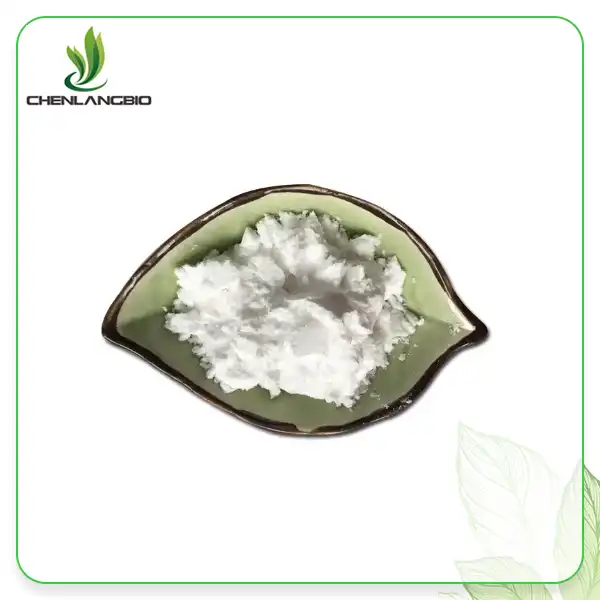
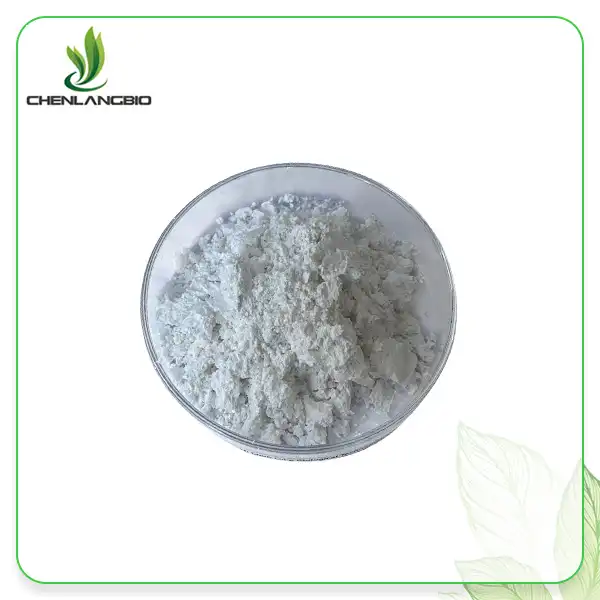
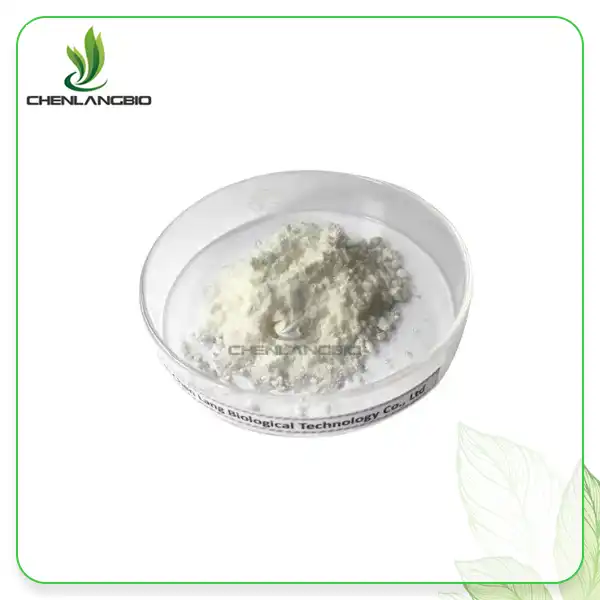
In raw material form, tranexamic acid powder is typically supplied as a white crystalline powder. Its crystalline structure and hydrophilic nature contribute to its ability to dissolve in aqueous systems, which is one reason it is frequently considered by formulators developing water-based skincare products.
From a formulation perspective, several physical properties are particularly important.
Hydrophilic Characteristics and Water Compatibility
The hydrophilic nature of Tranexamic Acid allows it to interact effectively with water molecules, making it suitable for incorporation into the aqueous phase of cosmetic formulations. Compared with many oil-soluble cosmetic actives that require additional solubilization strategies, Tranexamic Acid generally offers simpler processing options for water-based systems.
For a tranexamic acid manufacturer, maintaining consistent physical characteristics between batches is essential because differences in particle size, moisture content, or purity profile may influence dissolution behavior during production.
Purity and Specification Control
For manufacturers purchasing high purity tranexamic acid powder, purity is not only a quality indicator but also a factor affecting formulation reproducibility. A consistent raw material profile helps R&D teams optimize formulas more efficiently because the ingredient behaves predictably during repeated testing and scale-up production.
Professional buyers usually review:
•assay value;
•identification testing;
•related substances;
•solubility characteristics;
•storage requirements.
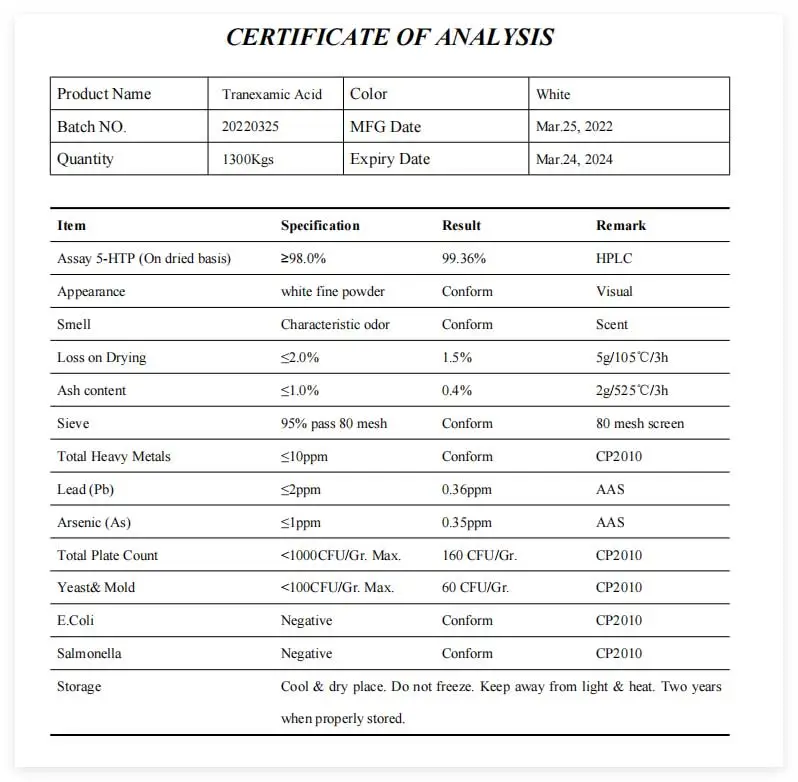
These parameters are typically confirmed through quality documents such as Certificate of Analysis (COA) and product specifications.
Why Raw Material Properties Matter During Scale-Up
During laboratory development, a formulation may be prepared using a small amount of ingredient under controlled conditions. However, commercial manufacturing requires the same formula to perform consistently across larger production volumes.
For this reason, companies sourcing bulk tranexamic acid powder need suppliers that can maintain stable product characteristics over repeated batches.
A reliable tranexamic acid powder supplier understands that raw material consistency is closely connected with manufacturing efficiency. Stable ingredient quality reduces the need for repeated adjustments during production and supports smoother transition from R&D testing to commercial manufacturing.
Tranexamic Acid Powder Solubility: What Formulators Should Know
Tranexamic acid powder solubility is one of the most important technical characteristics considered by cosmetic formulators when developing skincare products. For manufacturers, understanding dissolution behavior is not only related to whether the ingredient can be dissolved in water, but also how efficiently it can be incorporated into a formulation while maintaining consistency, stability, and manufacturing efficiency.
Tranexamic Acid is a hydrophilic amino acid derivative with good water solubility. According to published pharmaceutical and technical references, Tranexamic Acid is freely soluble in water, with reported aqueous solubility of approximately 167 mg/mL at 20°C. This property allows tranexamic acid powder to be incorporated into the aqueous phase of many cosmetic formulations without requiring complex oil-phase solubilization systems.
For skincare manufacturers developing tranexamic acid powder for skincare formulation, this water compatibility provides practical advantages during product development. However, solubility performance in a finished cosmetic formula depends on several factors, including ingredient concentration, water phase composition, temperature, mixing conditions, and the presence of other functional ingredients.
Therefore, professional formulators do not evaluate solubility as an isolated property. Instead, they consider how the raw material behaves within the entire formulation system.
Water Solubility and Dissolution Behavior of Tranexamic Acid Powder
Tranexamic acid solubility in water is primarily related to its molecular structure. The molecule contains functional groups that contribute to its hydrophilic characteristics, allowing it to interact effectively with water molecules.
In practical cosmetic manufacturing, this means that tranexamic acid powder can generally be added into the water phase during the preparation process. Compared with poorly water-soluble cosmetic ingredients that require additional solubilizers or delivery systems, Tranexamic Acid provides relatively straightforward processing characteristics for aqueous formulations.
For example, when developing:
•water-based serums;
•essences;
•lightweight lotions;
•hydrating cosmetic products;
formulators often evaluate whether the ingredient can achieve complete dissolution under the selected processing conditions.
A complete dissolution process helps avoid issues such as:
•visible particles in the finished product;
•uneven ingredient distribution;
•batch-to-batch variation;
•inconsistent product appearance.
For this reason, selecting a supplier that provides consistent high purity tranexamic acid powder is important because raw material quality can influence dissolution behavior during manufacturing.
Factors Affecting the Dissolution of Tranexamic Acid During Manufacturing
Although Tranexamic Acid has good water solubility, the actual dissolution process during production depends on how the ingredient is handled. Professional formulation teams usually consider several technical parameters before scaling up a product.
Ingredient Concentration
The concentration of Tranexamic Acid in a formulation can influence dissolution speed and processing requirements. At higher concentrations, sufficient mixing time and appropriate processing conditions may be required to ensure uniform dispersion.
For cosmetic manufacturers, the final usage level depends on the product category, regulatory requirements, formulation objectives, and compatibility with other ingredients.
A professional tranexamic acid manufacturer provides raw material quality information, while the final concentration selection should be determined through formulation evaluation and stability testing.
Temperature and Mixing Conditions
Temperature and mixing efficiency can influence how quickly a powder ingredient dissolves during manufacturing.
In general, formulators aim to achieve effective dissolution while avoiding unnecessary processing conditions that could affect other sensitive components in the formula.
Important processing factors include:
•water phase preparation;
•powder dispersion method;
•mixing speed;
•hydration time;
•addition sequence.
For companies developing tranexamic acid formulation systems, controlling these parameters helps improve manufacturing consistency and reduces the possibility of formulation problems during scale-up.
Order of Ingredient Addition
The sequence in which ingredients are introduced can influence the final product quality. For water-soluble ingredients such as Tranexamic Acid, formulators commonly evaluate whether the ingredient should be fully dissolved before adding other components.
The appropriate addition method depends on the overall formulation structure. For example, a simple aqueous serum may require a different process compared with a complex emulsion containing multiple active ingredients, thickeners, and stabilizers.
This is why experienced cosmetic manufacturers usually conduct laboratory testing before moving into commercial production.
pH Compatibility and Stability Considerations for Tranexamic Acid Formulations
Tranexamic acid pH compatibility is another important consideration when developing skincare formulations. Although solubility determines whether the ingredient can be incorporated into a formula, pH conditions influence the stability of the complete system.
Tranexamic Acid itself is a weakly acidic amino acid derivative. Technical specifications commonly evaluate the pH of an aqueous solution of the raw material, and a typical 1% aqueous solution shows a pH range around 6.5–8.0, depending on testing conditions and analytical methods.
For cosmetic formulators, this near-neutral pH profile generally provides flexibility when designing skincare products. However, the final formula pH should always be evaluated based on the complete ingredient system rather than the raw material alone.
Why pH Testing Matters in Tranexamic Acid Formulations
When developing a product containing tranexamic acid formulation, R&D teams usually evaluate how the ingredient performs under the target pH environment.
Factors that may require consideration include:
•compatibility with other active ingredients;
•preservative system performance;
•long-term stability;
•packaging conditions.
For example, combining multiple active ingredients in one formula requires careful evaluation because each ingredient may have different stability requirements.
A professional cosmetic ingredient supplier should provide accurate technical information, including specification data and quality documents, to help customers make informed formulation decisions.
Recommended Usage Level and Formulation Development Considerations
Tranexamic acid formulation guide information should be approached from a professional formulation perspective. Unlike pharmaceutical dosage recommendations, cosmetic usage levels depend on the intended product type, regional regulatory requirements, and the overall formula design.
In cosmetic applications, Tranexamic Acid is commonly evaluated within a typical usage range of approximately 1%–5%, depending on the product concept and formulation requirements. The final concentration should be determined through laboratory testing, stability studies, and compliance evaluation for the target market.
For manufacturers developing cosmetic grade tranexamic acid products, the most important considerations are not simply achieving a higher concentration but creating a stable and well-balanced formulation.
A well-designed formula requires evaluation of:
•ingredient compatibility;
•sensory properties;
•physical stability;
•manufacturing process;
•storage performance.
Practical Considerations for Cosmetic Manufacturers
For companies planning to buy tranexamic acid powder, understanding these formulation factors can help reduce development risks. A reliable raw material supplier should provide more than a specification sheet; technical information about solubility, pH characteristics, and handling properties can support more efficient product development.
A professional tranexamic acid powder supplier works as a technical partner by helping customers understand the characteristics of the raw material and providing consistent quality for commercial manufacturing.
For this reason, ingredient selection should consider both the material itself and the supplier’s ability to provide stable quality, complete documentation, and long-term supply support.
How to Incorporate Tranexamic Acid Into Skincare Products
Tranexamic acid powder for skincare formulation is commonly evaluated by cosmetic manufacturers based on how effectively it can be incorporated into different product systems. Although the ingredient has favorable water solubility, successful formulation requires more than simply dissolving the powder into water. Professional formulators consider the complete formula architecture, including the product format, ingredient compatibility, processing conditions, and long-term stability.
For skincare brands, the same raw material may behave differently depending on whether it is used in a lightweight serum, a moisturizing essence, or a more complex emulsion system. Therefore, understanding the formulation environment is essential when developing commercial products containing cosmetic grade tranexamic acid.
A reliable tranexamic acid powder supplier provides the technical foundation by ensuring consistent raw material quality, while the formulation team determines the optimal product design based on the target market and consumer requirements.
Tranexamic Acid in Serum and Essence Formulations
Tranexamic acid serum formulation is one of the most common application areas considered by skincare developers because serum products often use water-based systems designed to deliver active ingredients in a lightweight texture.
In a typical serum formulation, Tranexamic Acid is generally incorporated into the aqueous phase due to its hydrophilic characteristics. During development, formulators usually evaluate:
•dissolution efficiency;
•final pH of the formula;
•interaction with humectants and other active ingredients;
•viscosity and sensory properties;
•long-term stability.
Because serum formulas often contain multiple functional ingredients, the order of addition and mixing conditions can influence the final product quality. For example, the powder should be properly dispersed and fully dissolved before the formulation proceeds to later manufacturing steps.
For companies developing tranexamic acid skincare formulations, raw material consistency is particularly important because serum products are often positioned as concentrated active formulations where even small variations in ingredient quality may influence product development decisions.
Tranexamic Acid in Cream and Emulsion Systems
Tranexamic acid cream formulation requires additional consideration because emulsions contain both aqueous and oil phases. Compared with simple water-based systems, emulsions involve more complex interactions between active ingredients, emulsifiers, oils, thickeners, and stabilizing agents.
In these systems, Tranexamic Acid is generally considered a water-phase ingredient because of its hydrophilic properties. The formulation process usually requires careful control of:
•water phase preparation;
•ingredient addition sequence;
•homogenization conditions;
•final pH adjustment;
•stability testing.
For cosmetic manufacturers, the challenge is not only incorporating the ingredient but ensuring that the complete formula remains physically stable throughout its shelf life.
A professional cosmetic raw material supplier should understand that formulators need consistent and predictable raw materials. Stable ingredient quality allows R&D teams to focus on optimizing the finished product rather than dealing with unnecessary variations caused by raw material inconsistency.
Tranexamic Acid Compatibility With Other Cosmetic Ingredients
Tranexamic acid ingredient compatibility is an important consideration when developing multi-active skincare products. Modern cosmetic formulations often combine several functional ingredients to create differentiated products, but each ingredient has its own chemical characteristics and stability requirements.
For professional formulators, compatibility evaluation typically includes:
•pH compatibility;
•solubility behavior;
•chemical stability;
•interaction with preservatives;
•long-term storage performance.
A common mistake in cosmetic development is assuming that multiple popular ingredients can automatically be combined together. In reality, successful formulation requires testing and optimization based on the complete formula system.
Tranexamic Acid and Niacinamide Compatibility
Tranexamic acid and niacinamide are frequently discussed together because both ingredients are widely used in modern skincare development.
From a formulation perspective, both ingredients are water-soluble and commonly incorporated into aqueous cosmetic systems. However, formulators still need to evaluate the complete formula environment, including:
•pH range;
•concentration of each ingredient;
•supporting ingredients;
•stability during storage.
The compatibility of ingredients depends on the entire formulation, not only the individual characteristics of each raw material.
For brands developing advanced skincare products, working with a reliable cosmetic ingredient supplier helps ensure that each ingredient is supplied with accurate technical information.
Tranexamic Acid With Antioxidants and Supporting Ingredients
Tranexamic acid formulation compatibility should also be considered when combining the ingredient with antioxidants, moisturizing agents, and other skin-conditioning ingredients.
Many modern skincare products are designed as multi-functional formulas. However, adding more ingredients does not always improve product performance. Each additional component increases the importance of stability evaluation and manufacturing control.
Professional formulators usually assess:
•whether ingredients remain stable together;
•whether the final pH is appropriate;
•whether the formula maintains acceptable appearance and texture;
•whether the product remains consistent during storage.
This is why formulation knowledge and reliable raw material sourcing are closely connected.
How Raw Material Quality Affects Tranexamic Acid Formulation Performance
Tranexamic acid powder supplier selection has a direct impact on formulation development because raw material consistency determines how predictable the ingredient behaves during manufacturing.
A common misunderstanding among buyers is that all Tranexamic Acid materials with the same CAS number will perform identically. In practice, differences in manufacturing control, purification processes, impurity profile, and storage conditions may influence the overall quality characteristics of the material.
For cosmetic manufacturers purchasing bulk tranexamic acid powder, consistency between batches is especially important. A stable supply helps ensure that a formula developed during laboratory testing can be transferred smoothly into commercial production.
Professional suppliers should provide:
•Certificate of Analysis (COA);
•product specification;
•analytical testing information;
•storage recommendations;
•technical documentation.
These materials allow formulation teams and quality departments to evaluate the ingredient more efficiently.
Choosing the Right Tranexamic Acid Supplier for Cosmetic Development
Tranexamic acid manufacturer selection should consider more than product availability. For skincare brands and cosmetic manufacturers, a reliable supplier should act as a long-term raw material partner.
When evaluating suppliers, professional buyers usually consider:
►Quality Control Capability
A qualified supplier should have appropriate analytical testing methods and quality procedures to ensure consistent product performance.
►Technical Documentation
Clear documentation helps R&D teams and quality departments complete ingredient evaluation more efficiently.
►Supply Stability
For companies planning regular purchasing of bulk tranexamic acid powder, stable production capability is essential for maintaining continuous manufacturing.
A supplier that combines quality control, technical support, and reliable communication provides greater value than a supplier focused only on short-term pricing.
Frequently Asked Questions About Tranexamic Acid Formulation
How do you dissolve tranexamic acid powder?
Tranexamic acid powder solubility is generally considered good because Tranexamic Acid is highly water soluble. It is commonly incorporated into the aqueous phase of cosmetic formulations under appropriate mixing conditions.
What is the recommended usage level of tranexamic acid in cosmetics?
The typical cosmetic usage level of tranexamic acid depends on the product type, formulation design, and regulatory requirements of the target market. Many cosmetic formulations evaluate usage levels within approximately 1–5%, but final concentrations should be determined through formulation testing and stability evaluation.
What pH is suitable for tranexamic acid formulations?
Tranexamic acid pH compatibility depends on the complete formulation system. Raw material specifications commonly evaluate aqueous solution pH, while finished cosmetic products require additional stability testing based on their final formula.
Can tranexamic acid be combined with niacinamide?
Tranexamic acid and niacinamide can be considered together in skincare formulations, but compatibility should be evaluated based on the complete formula, including pH, concentration, and other ingredients.
Where can manufacturers buy cosmetic grade tranexamic acid?
Companies looking to buy tranexamic acid powder should select suppliers that provide consistent quality, technical documentation, and reliable supply capability.
Conclusion: Building Reliable Skincare Formulations With Quality Tranexamic Acid Powder
Tranexamic acid formulation development requires a combination of ingredient knowledge, technical evaluation, and reliable raw material sourcing. Understanding solubility, pH compatibility, processing requirements, and ingredient interactions allows cosmetic manufacturers to make better decisions during product development.
For companies sourcing cosmetic grade tranexamic acid, selecting a professional tranexamic acid powder supplier helps ensure consistent quality, complete documentation, and stable supply throughout the product lifecycle.
CHEN LANG BIO TECH supports global customers with reliable cosmetic raw materials, quality documentation, and professional supply solutions for skincare development.
References
1. Ebrahimi, B., & Naeini, F. F. (2014). Topical tranexamic acid as a promising treatment for melasma. Journal of Research in Medical Sciences, 19(8), 753-757.
2. Tse, T. W., & Hui, E. (2013). Tranexamic acid: An important emerging treatment option for melasma. Journal of Clinical and Aesthetic Dermatology, 6(11), 26-30.
3. Pazyar, N., Yaghoobi, R., & Kazerouni, A. (2017). Tranexamic acid in dermatology: A review of its mechanisms and applications. Dermatologic Therapy, 30(6), e12586.
4. Lee, J. H., Park, J. G., Lim, S. H., Kim, J. Y., Ahn, S. G., & Park, Y. M. (2016). Localized topical tranexamic acid for the treatment of melasma: A randomized controlled trial. Journal of Dermatological Treatment, 27(6), 508-513.
5. Pilbrant, Å., Schannong, M., & Vessman, J. (1981). Pharmacokinetics and bioavailability of tranexamic acid after oral administration. European Journal of Clinical Pharmacology, 20, 65-72.
6. United States Pharmacopeial Convention. (2023). Tranexamic Acid Monograph. United States Pharmacopeia.
7. European Pharmacopoeia Commission. (2023). Tranexamic Acid Monograph. European Pharmacopoeia.
8. British Pharmacopoeia Commission. (2023). Tranexamic Acid Monograph. British Pharmacopoeia.

Send Inquiry
Related Industry Knowledge
- Hyaluronic Acid Powder for Wrinkle Reduction: A Reliable Supplier for Your Anti-Aging Formulations
- Key Active Compounds in Olive Leaf Extract Powder: Oleuropein vs Hydroxytyrosol
- Minoxidil Powder Specifications: Purity, CAS Number and Quality Standards
- Is Phellinus Linteus Edible
- How Does 4-Butylresorcinol Work in Skincare
- What is the Difference Between Turmeric Powder and Curcumin Powder
- What is Sophora Extract
- When Should I Take Resveratrol Powder Supplement
- Is It Safe to Take Pure Fisetin Powder Every Day
- What is Shilajit Extract Powder