
Minoxidil Powder Specifications: Purity, CAS Number and Quality Standards
2025-12-23 16:42:45
Minoxidil powder is a widely used active raw material in pharmaceutical and cosmetic manufacturing, where clearly defined specifications are essential for formulation accuracy, regulatory compliance, and long-term supply consistency. For manufacturers and procurement teams, understanding the technical parameters of this ingredient is a critical step in qualifying suppliers and ensuring reliable production outcomes.
From our experience as a raw material manufacturer, questions around purity, CAS number, analytical methods, and quality documentation are among the most common considerations during sourcing. While minoxidil is well known as an ingredient, the powder form supplied for manufacturing purposes requires a different level of technical evaluation compared with finished or consumer-facing products.
This article provides a practical overview of minoxidil powder specifications, focusing on key identification data, purity expectations, testing approaches, and quality standards commonly applied in professional supply chains. The information is intended to support formulators, quality teams, and buyers who need a clear reference when assessing raw materials for pharmaceutical or cosmetic applications, based on manufacturing and supply experience rather than general product descriptions.
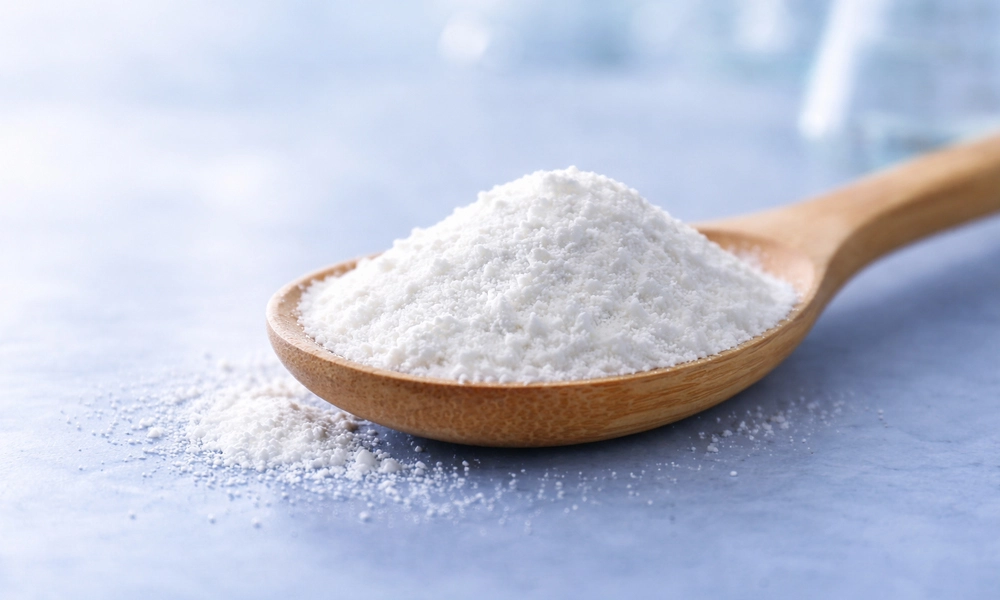
What Is Minoxidil Powder? A Raw Material Overview
Minoxidil Powder refers to the solid raw material form of minoxidil supplied for further formulation and manufacturing use. In professional supply chains, it is handled as an active ingredient rather than a finished product, and it is typically sourced by pharmaceutical companies, cosmetic manufacturers, and formulation laboratories that require precise control over concentration and quality.
In contrast to ready-to-use solutions or consumer products, minoxidil supplied in powder form allows manufacturers greater flexibility during formulation development. This format makes it possible to adjust active content, select suitable solvents or excipients, and design products that align with specific regulatory frameworks or market requirements. For this reason, the powder form is most commonly used in controlled production environments rather than for direct application.
From a manufacturing perspective, Minoxidil Powder is evaluated primarily on its identity, consistency, and suitability for downstream processing. Factors such as uniform particle characteristics, predictable solubility behavior, and stable chemical properties all influence how the material performs during formulation. These attributes are established and verified through defined production processes and quality controls before the material is released for supply.
It is also important to note that the role of minoxidil powder within a supply chain extends beyond its chemical composition. Traceability, documentation, and alignment with internal quality systems are equally critical. As a result, manufacturers and procurement teams typically assess this ingredient not only by what it is, but by how reliably it can be integrated into regulated manufacturing workflows.
Key Identification Data: CAS Number, Molecular Formula, and Basic Properties
In professional manufacturing and procurement workflows, clear identification data is the foundation of raw material qualification. For Minoxidil Powder, standardized chemical identifiers allow quality teams, formulators, and auditors to verify that the material being supplied is consistent with internal specifications and regulatory expectations.
Minoxidil Powder CAS Number and Chemical Identity
One of the most commonly referenced identifiers is the minoxidil powder CAS number, CAS: 38304-91-5, which provides a globally recognized reference for the compound’s chemical identity. The CAS number is routinely used in specifications, quality documents, and regulatory filings to ensure alignment between supplier documentation and customer requirements. For manufacturers, this identifier plays a key role in incoming material verification and record traceability.
Alongside the CAS reference, it is defined by its molecular structure, which forms the basis for analytical confirmation during quality control testing. These identifiers allow laboratories to confirm identity using validated methods before the material is approved for formulation or further processing.
Molecular Formula and Reference Information
The minoxidil powder molecular formula C9H15N5O is typically included in technical data sheets and specification documents as part of the basic chemical profile. While this information alone does not determine material quality, it provides an essential reference point for analytical testing and documentation review.
In regulated environments, matching molecular data across certificates, specifications, and internal records helps reduce the risk of misidentification and supports compliance during audits or inspections.
Basic Physical Properties Buyers Commonly Review
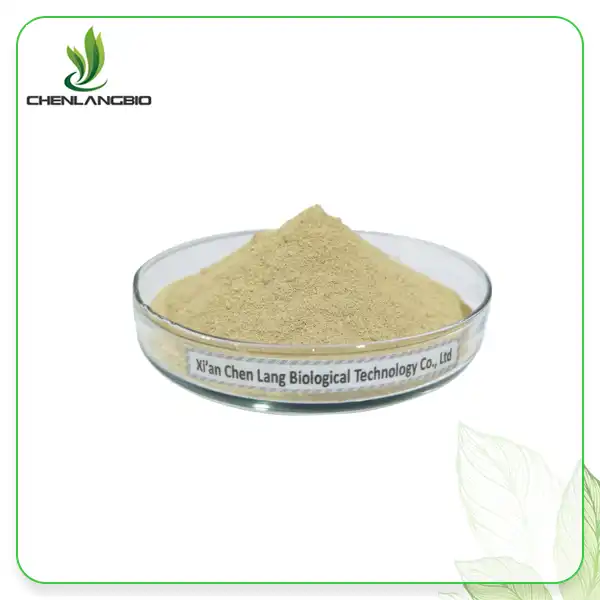
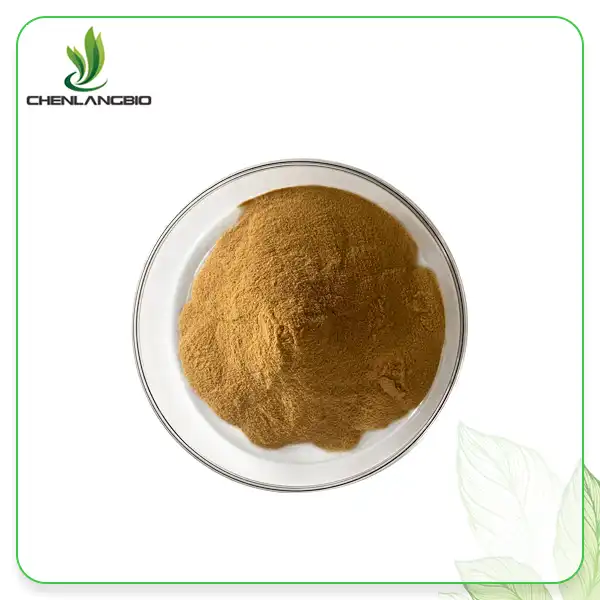
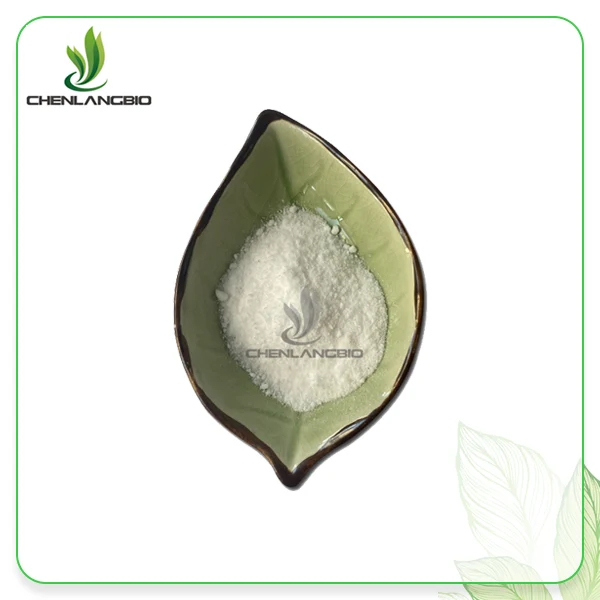
Beyond chemical identifiers, manufacturers also evaluate a set of physical characteristics when qualifying minoxidil powder. These commonly include appearance, particle form, and solubility behavior. Although these properties may seem straightforward, they can influence handling, formulation efficiency, and processing consistency in production settings.
For example, predictable solubility is important when incorporating the powder into topical systems, while consistent appearance and physical form support routine quality checks during incoming inspection. Understanding these basic attributes in advance helps formulation and production teams avoid unexpected variability during scale-up.
From a supplier perspective, providing clear and consistent identification data—covering minoxidil powder CAS number, molecular reference information, and physical characteristics—forms the baseline for transparent technical communication and long-term cooperation.
Purity Specifications: What “High Purity” Means in Practice
When evaluating Minoxidil Powder, purity is often one of the first parameters reviewed by procurement and quality teams. However, in manufacturing practice, purity is not simply a numerical value listed on a specification sheet. It represents a combination of analytical definition, impurity control, and batch-to-batch consistency that directly affects formulation reliability.
In professional supply chains, minoxidil powder purity is typically defined through validated analytical methods and clearly stated acceptance criteria. These criteria help ensure that the active content remains consistent across different production batches, reducing variability during formulation and scale-up. For manufacturers, this consistency is critical, as even small fluctuations in purity can influence solubility behavior or processing outcomes.
Understanding Purity Beyond a Percentage
While purity is often expressed as a percentage value, experienced buyers understand that this figure must be interpreted in context. The analytical method used, the reference standards applied, and the treatment of related substances all influence how purity is determined. As a result, two materials listed at the same purity level may perform differently if they are produced under different quality systems.
For Minoxidil Powder intended for pharmaceutical or cosmetic manufacturing, attention is also given to the profile of related substances. Impurity limits are established to ensure that any secondary components remain within acceptable ranges, supporting both product stability and regulatory compliance. This is why quality-focused manufacturers review not only the assay result, but also the overall impurity profile when qualifying a new supplier.
Batch Consistency and Quality Control
From a manufacturing standpoint, maintaining consistent minoxidil powder purity requires controlled production processes and regular analytical verification. Batch-to-batch consistency is achieved through standardized synthesis, purification, and in-process controls, followed by final testing prior to release.
For procurement teams, this consistency is often confirmed through review of historical batch data and accompanying documentation. Reliable suppliers are able to demonstrate that their purity specifications are supported by repeatable results rather than isolated test values. This level of transparency helps manufacturers integrate Minoxidil Powder into long-term production plans with greater confidence.
Ultimately, purity should be viewed as part of a broader quality framework rather than a standalone number. When assessed alongside identification data, testing methods, and documentation, it provides a practical indicator of whether a raw material is suitable for regulated manufacturing environments.
Test Methods: HPLC Assay and Other Common Quality Checks
In manufacturing and quality control environments, analytical testing provides the practical link between written specifications and actual material performance. For Minoxidil Powder, test methods are used not only to confirm compliance at release, but also to support consistency across batches and over time.
HPLC Assay for Minoxidil Powder
Among commonly applied analytical techniques, minoxidil powder HPLC assay is widely used to determine active content and confirm purity. High-performance liquid chromatography allows laboratories to separate and quantify the main component with a high degree of accuracy, making it suitable for routine quality control and batch comparison.
From a supplier’s perspective, a well-defined HPLC method supports reproducibility and transparency. For buyers, reviewing assay results generated by validated chromatographic methods helps ensure that the reported purity values are reliable and comparable between batches. This is particularly important when Minoxidil Powder is used in formulations that require precise dosing or consistent performance.
Identification and Confirmation Tests
In addition to assay testing, identification tests are routinely performed to verify that the supplied material matches its declared chemical identity. These tests help prevent misidentification and ensure alignment between internal records, specifications, and regulatory documentation.
For manufacturers, identity confirmation forms a basic but essential step in incoming material inspection. When combined with reference data such as the minoxidil powder CAS number, these tests provide confidence that the correct raw material has entered the production system.
Supporting Quality Checks in Routine Manufacturing
Beyond assay and identification, other quality checks are commonly included as part of standard release testing. These may involve assessments of physical characteristics, moisture content, or other parameters relevant to handling and formulation stability. While such tests are often straightforward, they play an important role in detecting variability that could affect downstream processing.
From a procurement and quality assurance standpoint, understanding which tests are applied—and how results are documented—helps clarify how suppliers maintain control over Minoxidil Powder quality. Reliable testing practices demonstrate that specifications are supported by routine verification rather than assumed compliance.
Taken together, analytical methods such as minoxidil powder HPLC testing, identity confirmation, and supporting quality checks form the technical foundation for consistent supply. They allow manufacturers to integrate raw materials into regulated workflows with greater confidence and predictability.
Quality Standards and Documentation: What Buyers Expect from a Supplier
In regulated manufacturing environments, written specifications and test results alone are not sufficient to qualify a raw material. For Minoxidil Powder, quality standards are defined not only by analytical values, but also by the documentation framework that supports traceability, consistency, and regulatory review.
From a buyer’s perspective, documentation serves as evidence that the material has been produced, tested, and released under controlled conditions. When sourcing minoxidil powder for pharmaceutical or cosmetic manufacturing, procurement and quality teams typically evaluate both the content and clarity of the documents provided by the supplier.
Certificate of Analysis and Batch-Specific Records
The Certificate of Analysis (COA) is one of the most critical documents accompanying Minoxidil Powder. A well-prepared COA outlines batch-specific test results, including assay values, identification confirmation, and relevant quality parameters. These records allow customers to verify that each batch meets agreed specifications before it is approved for use.
Beyond individual test values, consistency in COA format and reporting practices is equally important. For manufacturers managing multiple suppliers, standardized and transparent documentation simplifies internal review processes and supports efficient batch release decisions.
Supporting Documentation and Traceability
In addition to the COA, buyers commonly request supporting files such as safety data sheets and specification summaries. These documents provide essential information for handling, storage, and internal compliance systems. For Minoxidil Powder suppliers, the ability to provide complete and up-to-date documentation reflects the maturity of their quality management systems.
Traceability is another key element of quality assurance. Clear batch identification, production records, and retention samples enable manufacturers to track materials throughout the supply chain. This level of traceability is particularly important in the event of audits, investigations, or regulatory inspections.
Quality Systems Behind the Documentation
From a manufacturing standpoint, documentation is a reflection of the processes behind it. Reliable suppliers maintain defined quality standards through controlled production procedures, validated analytical methods, and routine internal reviews. For buyers evaluating Minoxidil Powder quality standards, this system-level approach provides assurance that specifications are consistently met over time, rather than achieved on a one-time basis.
When documentation is accurate, complete, and supported by a structured quality framework, it becomes a practical tool for building long-term cooperation between manufacturers and suppliers.
Pharmaceutical Grade vs Cosmetic Grade: How Specifications May Differ
When sourcing minoxidil powder, one of the questions frequently raised by manufacturers is whether pharmaceutical grade or cosmetic grade material is required for a specific application. While both grades are derived from the same chemical compound, the expectations around specifications, documentation, and quality control may differ depending on the intended use.
Understanding Grade Classification in Practice
In manufacturing contexts, grade classification is not merely a label but a reflection of how the material is produced, tested, and documented. Pharmaceutical grade minoxidil powder is typically supplied to meet more stringent internal and regulatory requirements, particularly where materials are used in regulated drug manufacturing or compounding environments. These requirements often include tighter impurity limits, more extensive documentation, and enhanced traceability.
By comparison, cosmetic grade minoxidil powder is generally supplied for use in cosmetic or personal care formulations, where quality standards remain important but may be aligned with a different regulatory framework. In these cases, specifications are designed to support formulation safety and consistency without necessarily meeting the full scope of pharmaceutical compliance.
Differences in Specifications and Documentation
From a technical standpoint, the differences between pharmaceutical and cosmetic grades may be reflected in several areas, including analytical scope, acceptance criteria, and documentation depth. For example, pharmaceutical grade material may be accompanied by more detailed batch records, validated test methods, and extended quality documentation to support audits or regulatory submissions.
Manufacturers selecting Minoxidil Powder for cosmetic applications often focus on consistent purity, stable physical properties, and clear safety documentation. In both cases, however, the underlying expectation is that the material is produced under controlled conditions and supported by reliable analytical data.
Choosing the Appropriate Grade for Your Application
Selecting the appropriate grade of minoxidil powder depends largely on the target market, product positioning, and regulatory obligations of the finished formulation. Procurement and quality teams typically evaluate grade requirements early in the sourcing process to ensure alignment with internal standards and external compliance needs.
Rather than assuming one grade is universally suitable, manufacturers benefit from working with suppliers who can clearly explain grade differences and provide technical support during qualification. This approach helps ensure that specifications are matched to actual application requirements, reducing the risk of misalignment during production or regulatory review.
Packaging, Storage, and Shelf Life: Protecting Quality After Release
Once Minoxidil Powder has passed final quality release, appropriate packaging and storage become essential to preserving its integrity throughout transportation, warehousing, and downstream handling. For manufacturers and distributors, these factors are an extension of quality control rather than a separate logistical consideration.
Packaging Considerations for Minoxidil Powder
In bulk supply, minoxidil powder packaging is designed to protect the material from moisture, light, and physical contamination. Packaging materials are typically selected based on their barrier properties and suitability for long-distance transport. Secure sealing and clear labeling support traceability and help prevent cross-contamination during storage and handling.
For procurement teams, packaging consistency is often evaluated alongside material specifications. Well-designed bulk packaging not only protects Minoxidil Powder during shipment, but also facilitates efficient inventory management and batch identification within manufacturing facilities.
Storage Conditions and Handling Practices
Proper minoxidil powder storage conditions play a critical role in maintaining chemical stability and physical consistency. In general, the material is stored in a cool, dry environment and protected from direct light. These conditions help minimize the risk of degradation or moisture uptake that could affect performance during formulation.
Handling practices are equally important. Controlled storage environments, clear handling instructions, and routine inspections help ensure that Minoxidil Powder remains within specification throughout its shelf life. For manufacturers operating under quality management systems, adherence to defined storage conditions is often verified during internal audits and external inspections.
Shelf Life and Stability Considerations
The assigned minoxidil powder shelf life reflects both stability data and manufacturing experience. Shelf life is determined based on controlled studies and ongoing monitoring, providing users with a defined timeframe during which the material is expected to meet specification when stored as recommended.
From a practical standpoint, manufacturers and buyers rely on shelf life information to plan procurement cycles and production schedules. Consistent shelf life assignment, supported by documentation and traceability, allows Minoxidil Powder to be integrated into long-term supply planning with confidence.
Taken together, appropriate packaging, storage, and shelf life management ensure that material quality established at release is maintained until final use. These factors are a critical part of responsible supply and should be evaluated alongside specifications and testing when qualifying a supplier.
Frequently Asked Questions About Minoxidil Powder
Where to buy minoxidil powder for manufacturing use?
For professional applications, where to buy minoxidil powder is primarily a sourcing and qualification question rather than a retail one. Manufacturers typically purchase minoxidil in powder form directly from qualified suppliers or producers that can provide consistent specifications, batch-specific documentation, and technical support. Evaluating supplier experience, quality systems, and documentation capability is an essential part of the sourcing process.
Is minoxidil powder used for hair growth formulations?
Minoxidil powder for hair growth is commonly used as an active raw material in the development of topical formulations within pharmaceutical and cosmetic manufacturing environments. In this context, the powder is incorporated into controlled formulations by qualified professionals. It is supplied for formulation and production purposes, rather than as a finished or consumer-ready product.
What purity level is typically supplied for manufacturing?
For pharmaceutical and cosmetic applications, Minoxidil Powder is generally supplied at high purity levels suitable for formulation use. Exact acceptance criteria depend on the intended application and internal quality requirements. Batch-specific purity results are confirmed through validated analytical testing and documented in the accompanying quality files.
What should be included in a minoxidil powder COA?
A complete minoxidil powder COA typically includes identification results, assay or purity values, and confirmation that the material meets predefined specifications. Buyers often review COA content as part of incoming material inspection to ensure alignment with internal standards before release to production.
Is minoxidil powder suitable for cosmetic manufacturing?
Minoxidil powder is widely used in cosmetic and pharmaceutical manufacturing when handled under appropriate quality systems. Suitability depends on grade selection, documentation, and compliance with applicable regulations in the target market.
Conclusion
Minoxidil powder plays an important role as an active raw material in pharmaceutical and cosmetic manufacturing, where clearly defined specifications and reliable quality systems are essential. From identification data and purity control to analytical testing, documentation, and storage conditions, each element contributes to the material’s suitability for formulation and long-term use.
For manufacturers evaluating minoxidil powder for hair growth formulations or other professional applications, understanding these technical parameters helps reduce sourcing risk and supports consistent production outcomes. Decisions around where to buy minoxidil powder are best guided by supplier capability, transparency, and experience within regulated supply chains, rather than by basic product descriptions alone.
By approaching minoxidil sourcing with a structured evaluation of specifications, quality standards, and supply reliability, manufacturers can ensure that the material they select aligns with both formulation requirements and internal quality expectations.
As a manufacturer and long-term supplier of minoxidil powder, we support customers throughout qualification, formulation, and ongoing supply. For technical inquiries, documentation requests, or discussions related to quality standards and supply planning, our team is available to assist.
📩 Technical inquiries: admin@chenlangbio.com

Send Inquiry
Related Industry Knowledge
- Should You Take Magnesium L-Threonate? Benefits, Dosage, and Risks
- What is Dihydromyricetin Used for?
- Top 5 Reasons Sellers Choose 5HTP Powder for Their Business
- Choosing the Best Podophyllin Powder Supplier
- Best Recipes Featuring Kola Nut Extract Powder
- How Does Centella Asiatica Work?
- What is The Mode of Action of 4 Butylresorcinol
- What is the Mechanism of Action of Praziquantel
- Who Should Not Take Alpha-GPC
- Fisetin Powder Anti-Aging and Extending Lifespan