
Bakuchiol Stability in Cosmetic Formulations: A Raw Material Guide for Cosmetic Manufacturers
2026-06-22 14:43:29
1. Introduction: Importance of Bakuchiol Stability in Cosmetic Formulation Development
In modern cosmetic science, ingredient stability has become one of the most critical parameters in determining formulation success, especially for high-performance anti-aging systems. The growing interest in bakuchiol stability in cosmetic formulations reflects a broader shift within the skincare industry toward more reliable, plant-based functional actives that can meet both performance and manufacturing requirements.
Traditionally, retinol has been the benchmark for anti-aging efficacy. However, its limitations in terms of photodegradation, oxidation sensitivity, and formulation constraints have created increasing demand for more stable alternatives. This has led formulators and procurement teams to evaluate natural cosmetic active ingredients with improved stability profiles, particularly those suitable for large-scale production and global distribution.
From a raw material sourcing perspective, cosmetic manufacturers are no longer focusing solely on efficacy. Instead, procurement decisions now include stability data, batch consistency, and supply chain reliability. As a result, demand for bulk bakuchiol raw material suppliers for cosmetic manufacturers has increased significantly across Europe, North America, and Asia-Pacific markets.
In parallel, formulation teams are prioritizing ingredients that can maintain performance across different delivery systems, including emulsions, oil-based serums, and hybrid skincare formulations. This shift has positioned bakuchiol as a key plant-based cosmetic active ingredient for clean beauty formulations, particularly in products designed for sensitive skin and daily-use applications.
Ultimately, understanding stability is no longer a secondary consideration. It is now a core factor in cosmetic ingredient selection, directly influencing product performance, shelf life, and regulatory acceptance in global markets.
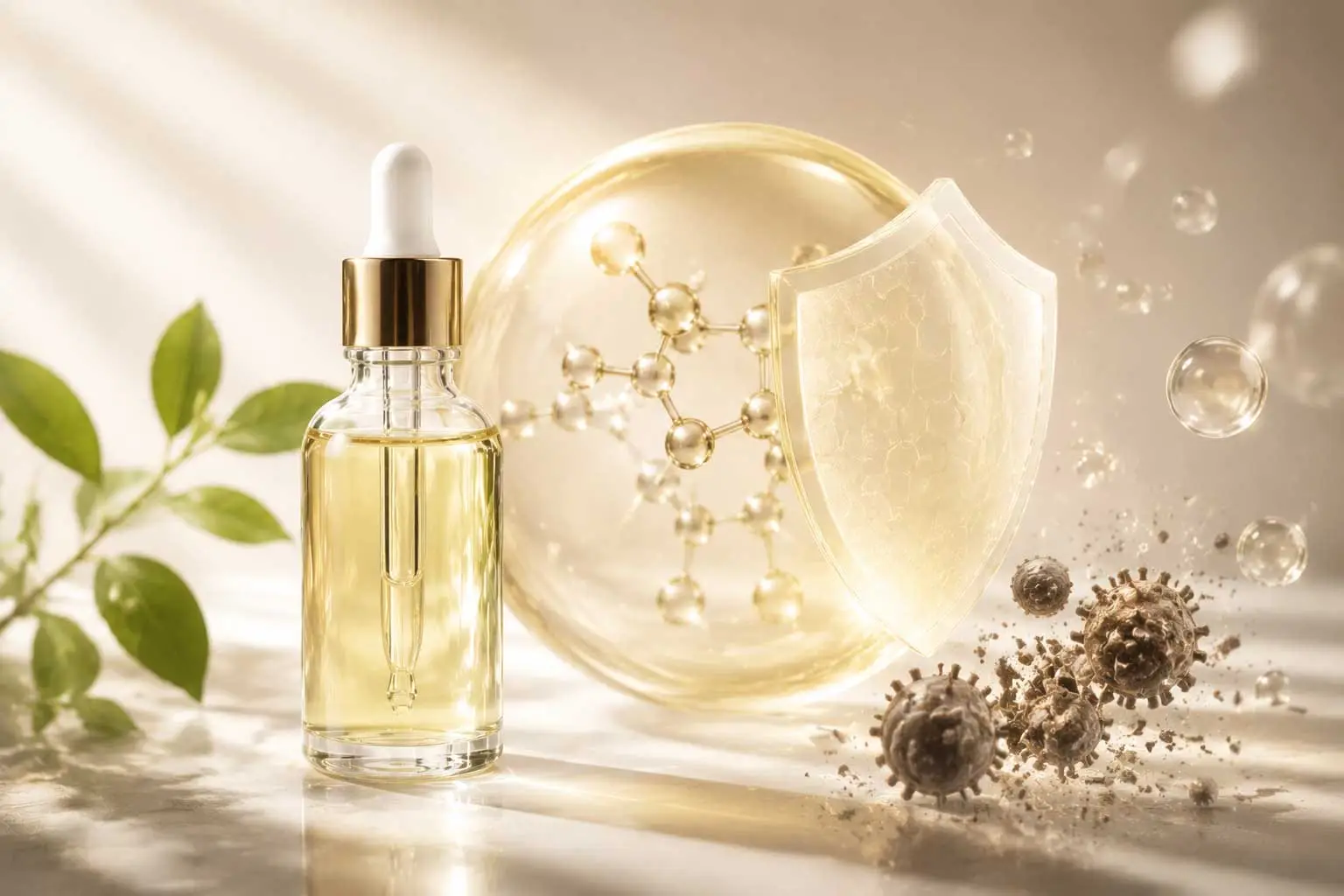
2. Photostability of Bakuchiol in Cosmetic Systems
One of the most important advantages of bakuchiol in modern formulation science is its superior photostability compared to traditional retinoids. In the context of bakuchiol photostability in cosmetic formulations, this characteristic plays a decisive role in determining its suitability for both daytime and nighttime skincare applications.
Unlike retinol, which is highly sensitive to UV exposure and requires protective packaging systems or encapsulation technologies, bakuchiol demonstrates significantly improved resistance to light-induced degradation. This allows formulators to incorporate it into a broader range of skincare products without compromising functional integrity under normal usage conditions.
From a formulation engineering perspective, this stability advantage supports its integration into photostable cosmetic active ingredient systems, particularly in daily-use serums, moisturizers, and hybrid skincare products. The ability to maintain structural integrity under light exposure significantly reduces formulation complexity and improves manufacturing efficiency.
For cosmetic manufacturers and ingredient procurement teams, photostability is not only a technical parameter but also a commercial advantage. Ingredients with higher stability reduce the need for specialized packaging systems and extended stability testing cycles. This is particularly relevant for companies sourcing from a cosmetic ingredient supplier offering stable plant-based raw materials with validated testing data.
In industrial applications, bakuchiol’s photostability supports its use in clean beauty positioning, where transparency, safety, and performance consistency are key consumer expectations. This has further strengthened its position as a preferred alternative in natural retinol replacement ingredient systems for skincare formulation development.
3. Oxidation Resistance and Shelf-Life Stability in Formulation Systems
Beyond photostability, oxidation resistance is another critical factor in evaluating bakuchiol stability in cosmetic formulations. Oxidative degradation is a common challenge in botanical actives, often leading to reduced efficacy and shortened shelf life in finished products.
Bakuchiol demonstrates relatively strong resistance to oxidative stress compared to many other plant-derived cosmetic ingredients. This makes it suitable for use in a wide range of skincare systems, including emulsions, serums, and oil-based formulations. Its structural stability under normal storage conditions contributes to improved shelf-life performance in finished cosmetic products.
From a formulation science perspective, oxidation resistance is closely linked to packaging design, antioxidant system integration, and storage environment. For formulators, this means that bakuchiol can be incorporated into systems with lower dependency on complex stabilization technologies, improving overall formulation efficiency.
In the context of cosmetic raw material shelf-life stability requirements, bakuchiol offers a practical advantage for manufacturers aiming to scale production while maintaining consistent product quality. This is particularly relevant for brands operating in international markets where regulatory compliance and product stability testing are essential.
For procurement teams, selecting a bulk cosmetic ingredient supplier with documented oxidation stability data and batch-to-batch consistency is critical. Reliable supply chain partners ensure that formulation performance remains consistent across production cycles, reducing variability in finished skincare products.
As a result, bakuchiol is increasingly positioned not only as a functional active ingredient but also as a stable raw material solution for long-term cosmetic manufacturing strategies.
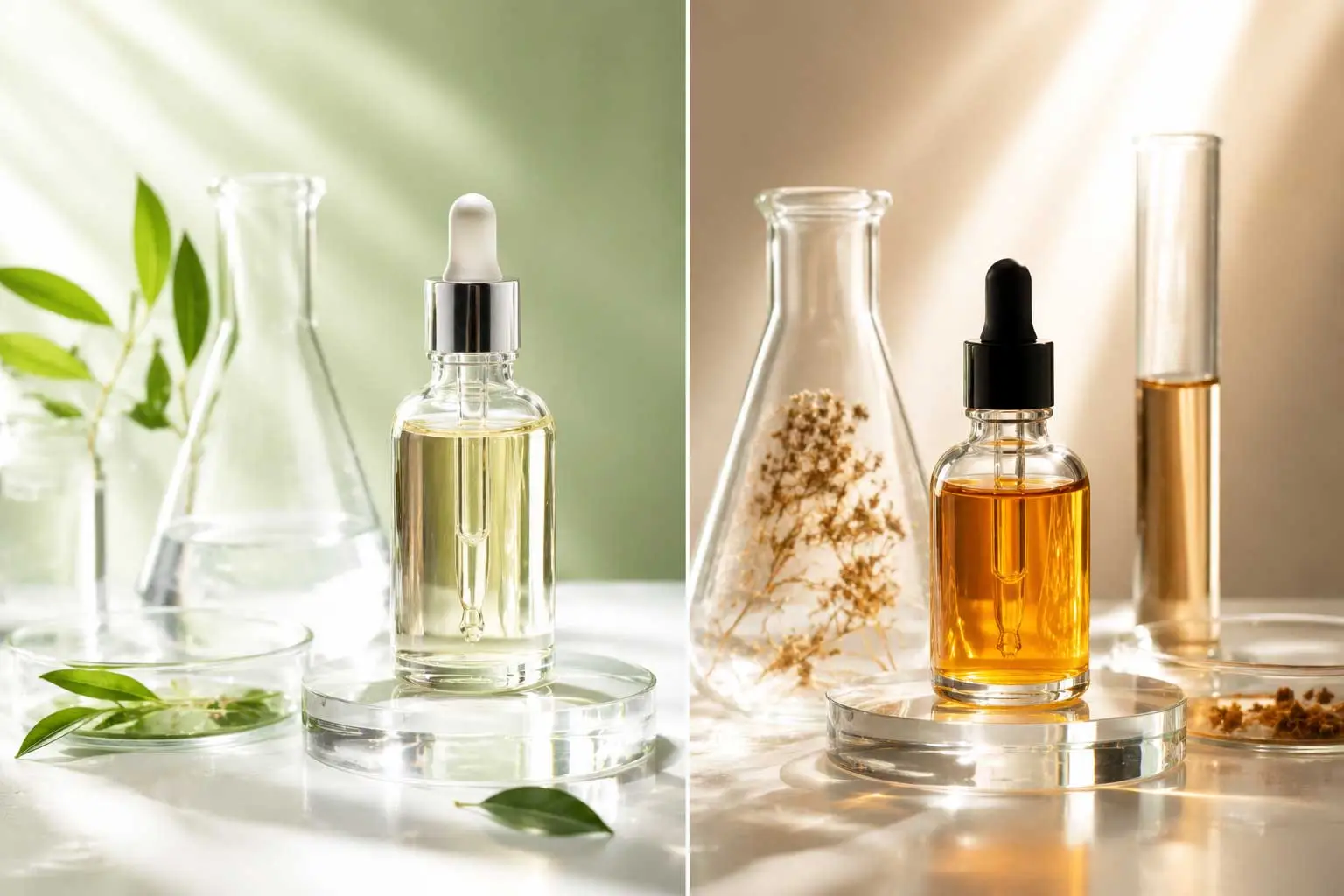
4. Formulation Compatibility and Stability in Cosmetic Systems
In addition to intrinsic stability, formulation compatibility plays a significant role in determining the overall performance of bakuchiol in cosmetic systems. The evaluation of bakuchiol compatibility in cosmetic formulations includes its behavior in oil phases, emulsions, and multi-active ingredient systems.
Bakuchiol is classified as an oil-soluble cosmetic active, which allows it to integrate efficiently into a wide range of formulation types. This includes oil-based serums, O/W emulsions, and modern hybrid skincare systems designed for enhanced skin delivery and sensory performance.
From a formulation development perspective, bakuchiol demonstrates good compatibility with commonly used cosmetic ingredients such as esters, emollients, and selected antioxidant systems. This makes it suitable for multifunctional skincare formulations that combine hydration, anti-aging, and skin barrier support functions.
In contrast, retinol often requires more controlled formulation environments due to its sensitivity to oxygen and light, which can limit system flexibility. Bakuchiol’s broader compatibility profile therefore provides formulators with greater freedom in designing multifunctional cosmetic active ingredient systems for modern skincare applications.
For industrial manufacturers, compatibility is closely linked to production efficiency. Ingredients that integrate smoothly into existing formulation systems reduce development time and lower manufacturing complexity. This is why many brands prefer working with a cosmetic ingredient supplier capable of providing technical formulation support and compatibility testing guidance.
Ultimately, formulation compatibility is not just a technical consideration—it is a strategic factor that influences product innovation speed, manufacturing scalability, and long-term brand competitiveness in the global skincare market.
5. Storage Conditions and Industrial Handling Stability
In industrial cosmetic manufacturing, maintaining the stability of active ingredients during storage is essential for ensuring consistent product quality across production cycles. Although bakuchiol demonstrates relatively strong intrinsic stability compared to many botanical actives, proper storage conditions remain a critical factor in preserving its functional integrity over time.
From a cosmetic raw material stability management perspective, bakuchiol should be stored under controlled environmental conditions to minimize oxidation, photodegradation, and moisture-related variability.
Recommended Storage Conditions for Bakuchiol (Industrial Standard Guidance)
Based on typical cosmetic ingredient handling practices, the following conditions are generally recommended for maintaining optimal stability:
♦Temperature: 15°C – 25°C (controlled room temperature)
•void prolonged exposure above 30°C
•Do not store near heat sources or direct sunlight
•Humidity: Below 60% RH (relative humidity)
•Excess moisture may affect long-term stability in bulk storage environments
♦Light Exposure: Protected from direct light
•Use opaque or amber containers for storage
•Avoid UV exposure during warehousing and handling
♦Container Type: Airtight sealed packaging
•Recommended: aluminum foil bags, amber glass, or HDPE sealed drums
•Minimize repeated air exposure after opening
Shelf Life and Stability Profile
Under appropriate storage conditions, bakuchiol typically maintains a shelf life of up to 24 months without significant degradation in purity or functional performance.
However, once opened, exposure to oxygen and light should be minimized to preserve its integrity, especially in large-scale manufacturing environments where partial usage over extended production cycles is common.
From a bulk cosmetic raw material supply chain perspective, stability consistency over time is a key quality indicator used by formulators and procurement teams when selecting suppliers.
Industrial Handling Guidelines for Cosmetic Manufacturers
During handling and processing, the following best practices are recommended to ensure formulation consistency:
•Allow material to return to room temperature before opening if stored in cooler environments
•Avoid repeated freeze-thaw or extreme temperature cycling
•Minimize long-term exposure to open air during production batching
•Use nitrogen protection where extended storage of opened material is required in high-precision formulations
These practices are particularly important in large-scale cosmetic manufacturing environments where batch-to-batch consistency of active ingredients directly impacts final product quality.
Stability Considerations in Supply Chain Management
For cosmetic manufacturers and R&D teams, storage stability is not only a technical parameter but also a supply chain quality indicator. Reliable cosmetic ingredient suppliers providing validated stability data and controlled storage protocols are increasingly preferred in global procurement decisions.
Consistent storage and handling practices across the supply chain help ensure that bakuchiol maintains its expected performance in:
•Anti-aging serums
•Emulsion systems
•Oil-based cosmetic formulations
•Clean beauty skincare products
Formulation Insight (Industrial Perspective)
In practice, bakuchiol’s stability profile allows it to be integrated into a wide range of cosmetic systems without requiring highly specialized storage infrastructure. This makes it particularly suitable for global manufacturers seeking a stable plant-based cosmetic active ingredient for scalable production.
However, maintaining proper storage conditions remains essential to ensure reproducibility from laboratory development to commercial-scale manufacturing.
6. Formulation Application Impact of Stability on Product Performance
The stability of an active ingredient directly influences its performance in finished cosmetic products. In the case of bakuchiol stability in cosmetic formulations, this relationship becomes particularly important when evaluating long-term efficacy, sensory performance, and shelf-life consistency.
Stable ingredients allow formulators to design more predictable systems, reducing the need for excessive stabilization technologies or protective delivery systems. This has a direct impact on manufacturing efficiency and cost optimization, especially in large-scale production environments.
In anti-aging skincare systems, bakuchiol’s stable behavior contributes to consistent performance across a wide range of product formats, including serums, creams, and emulsions. This makes it a highly adaptable cosmetic active ingredient for multifunctional skincare formulations, particularly in clean beauty and sensitive skin product categories.
From a commercial perspective, ingredient stability also influences market performance. Products formulated with stable actives typically demonstrate improved shelf-life reliability, reduced batch rejection rates, and stronger consumer trust. These factors are critical for brands operating in highly competitive skincare segments.
For procurement teams and formulators, selecting a cosmetic ingredient supplier providing stability-backed raw materials and formulation support ensures that product performance remains consistent from laboratory development to full-scale manufacturing.
7. Industrial Quality Control and Batch Consistency in Bakuchiol Supply
In global cosmetic manufacturing, batch-to-batch consistency is a fundamental requirement for maintaining product quality and regulatory compliance. This is especially important when sourcing functional actives such as bakuchiol, where even minor variations in purity or composition can affect formulation performance.
From a production standpoint, bakuchiol batch consistency in cosmetic raw material supply is achieved through strict quality control systems, including controlled extraction processes, impurity monitoring, and standardized testing protocols. Supercritical CO₂ extraction technology is often used to ensure high purity and minimal residual solvents.
Quality assurance typically includes analytical verification of active content, impurity profiling, and stability testing under defined conditions. These measures ensure that each batch meets predefined specifications required by cosmetic manufacturers operating in global markets.
For procurement teams, working with a cosmetic ingredient manufacturer offering GMP-compliant production and full COA/MSDS documentation is essential for minimizing supply chain risks. Consistent raw material quality directly impacts formulation reproducibility and reduces the likelihood of production deviations.
In addition, reliable batch consistency supports regulatory submissions and product registration processes in multiple jurisdictions, further strengthening the commercial viability of cosmetic formulations containing bakuchiol.
8. Formulation Best Practices for Maintaining Stability in Skincare Systems
Maintaining stability in cosmetic formulations is not solely dependent on raw material quality; it also requires careful system design and formulation strategy. In the case of bakuchiol stability in skincare formulations, several best practices can significantly enhance product performance and shelf-life reliability.
One of the most important considerations is the proper incorporation of bakuchiol into the oil phase during emulsification. This ensures uniform dispersion and reduces the risk of phase separation or degradation during production. Additionally, temperature control during processing is critical to maintaining ingredient integrity.
The selection of emulsifiers, antioxidants, and carrier oils also plays a key role in stabilizing the final system. Properly balanced formulation systems can significantly enhance the performance of oil-soluble cosmetic active ingredients, improving both stability and sensory properties.
From an R&D perspective, pre-formulation testing is essential for evaluating compatibility, oxidation resistance, and long-term stability under different environmental conditions. These evaluations are standard practice in advanced cosmetic formulation development for anti-aging skincare products.
For manufacturers, collaborating with a cosmetic ingredient supplier offering technical formulation support and stability guidance can significantly reduce development cycles and improve final product success rates in competitive markets.
9. Market Demand for Stable Cosmetic Raw Materials
The global skincare industry is experiencing a sustained increase in demand for stable, plant-based cosmetic raw materials. This trend is driven by consumer preference for clean beauty products, as well as regulatory pressure for safer and more transparent ingredient sourcing.
Within this context, stable cosmetic raw materials for skincare formulations such as bakuchiol have gained significant commercial traction. Their ability to combine functional performance with formulation flexibility makes them highly attractive to cosmetic manufacturers targeting premium and mass-market segments.
The rise of plant-based cosmetic active ingredients in global skincare markets reflects a broader shift toward sustainability and natural sourcing. Brands are increasingly prioritizing ingredients that offer both efficacy and stability while aligning with clean beauty positioning strategies.
From a supply chain perspective, this has increased demand for bulk cosmetic ingredient suppliers capable of providing consistent quality, documentation support, and scalable production capacity. Manufacturers that can meet these requirements are better positioned to serve international cosmetic brands with complex formulation needs.
As market demand continues to evolve, stability will remain a defining factor in ingredient selection and supplier evaluation across the global cosmetic industry.
Conclusion: Choosing a Stable Bakuchiol Supplier for Cosmetic Manufacturing
The increasing focus on bakuchiol stability in cosmetic formulations reflects a broader transformation in the global skincare industry, where ingredient selection is no longer driven solely by efficacy, but also by stability performance, supply chain reliability, and formulation adaptability.
As cosmetic manufacturers continue to shift toward plant-based cosmetic active ingredients for clean beauty applications, bakuchiol has emerged as a widely adopted raw material due to its favorable balance of stability, compatibility, and functional performance across multiple formulation systems.
However, from an industrial perspective, ingredient performance alone is not sufficient. The consistency of supply, quality control systems, and technical support capabilities of the raw material provider play an equally important role in ensuring successful product development and commercialization.
For formulators and procurement teams, selecting a cosmetic ingredient supplier capable of providing stable bulk bakuchiol raw materials with full documentation support (including COA, MSDS, and stability data) is essential for maintaining formulation reliability across global manufacturing operations.
In addition, technical collaboration during early-stage formulation development—such as guidance on dosage optimization, storage conditions, and system compatibility—can significantly reduce development risk and improve time-to-market efficiency.
Technical Communication & Sample Support
For teams working on formulation development, stability testing, or raw material evaluation, technical documentation and sample requests are typically handled through standard industry communication channels.
These include:
📧 Email: admin@chenlangbio.com
🌐 Website: http://www.chenlangbio.com
📱 WhatsApp: +86-17782478823
These channels are generally used for technical inquiries, COA/MSDS requests, bulk ingredient sourcing discussions, and formulation support communication, rather than direct commercial promotion.
🧠 Industry Perspective
In modern cosmetic supply chains, collaboration between formulators and raw material suppliers has become increasingly technical in nature. The ability to provide consistent material quality, supported by clear stability data and formulation guidance, is now a key differentiator among global cosmetic ingredient manufacturers and botanical extract suppliers.
As a result, bakuchiol continues to gain traction not only as a functional cosmetic active ingredient, but also as a strategically important material in next-generation skincare formulation systems.

Send Inquiry
Related Industry Knowledge
- Where to Buy Beta Ecdysterone Online: Best Deals & Bulk Orders
- How HPLC Testing Verifies DHEA Powder Purity?
- What Are the Key Applications of Milk Thistle Extract in Modern Herbal Medicine?
- What Are the Top Uses of Natural Daidzein Powder in Cosmetics and Health Products?
- What is Bulk Dimethylmethoxy Chromanol? Benefits & Uses
- How Does Pyrrolidinyl Diaminopyrimidine Oxide Work?
- Top 5 Health Supplements Featuring Lupinus Albus Extract
- How Do You Know if Praziquantel is Working
- Is Pure Natural Green Tea Extract the Same as Caffeine
- What Functions of the Cycloastragenol Powder