
How HPLC Testing Verifies DHEA Powder Purity?
2026-05-28 13:49:31
Introduction
As global quality standards continue to rise across the nutraceutical and pharmaceutical ingredient industries, laboratory verification has become an essential part of raw material procurement. For companies sourcing bulk DHEA powder, purchasing decisions are increasingly influenced not only by pricing and availability, but also by the supplier’s ability to provide transparent analytical testing and stable quality documentation.
Among the analytical methods used throughout the nutraceutical sector, HPLC testing remains one of the most widely accepted approaches for verifying purity, assay consistency, and overall raw material quality. International buyers frequently request HPLC reports during supplier qualification because the testing process provides measurable insight into whether a material meets commercial manufacturing standards.
This is especially important when sourcing pharmaceutical grade DHEA powder for use in capsules, tablets, and nutraceutical formulations where ingredient consistency directly affects production stability and finished product performance. Even small variations in purity or impurity levels can influence formulation efficiency, inventory management, and long-term product consistency during commercial manufacturing.
As a result, procurement teams are placing greater emphasis on suppliers capable of maintaining transparent laboratory systems and reliable DHEA raw material testing procedures. In many cases, HPLC documentation has become an important part of broader supplier qualification and procurement risk management strategies.
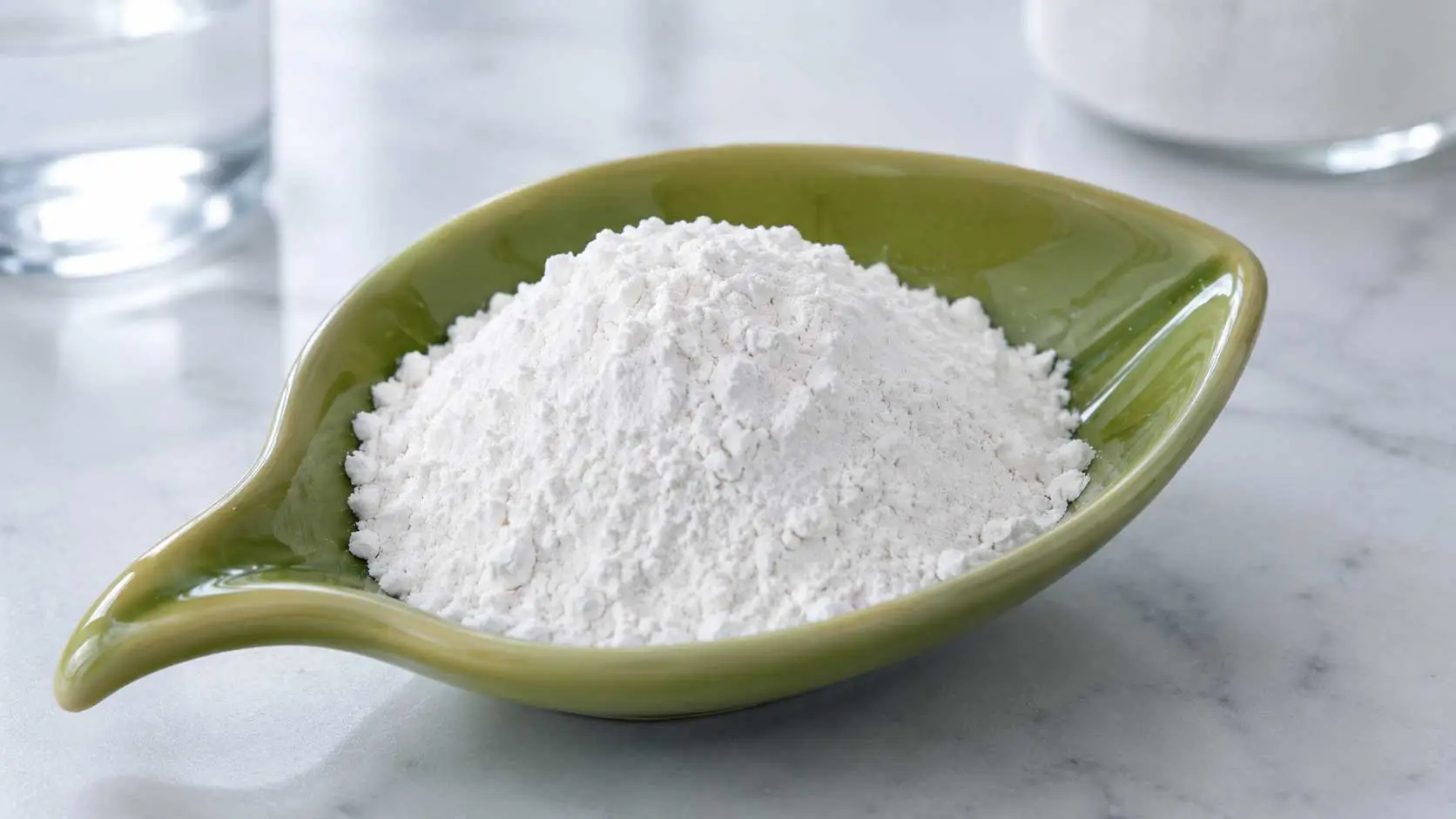
At CHEN LANG BIO TECH, we have seen a growing number of international customers request additional information related to assay verification, chromatogram analysis, batch consistency, and laboratory documentation before confirming commercial procurement orders. This trend reflects a broader shift within the global nutraceutical industry toward more structured and technically driven sourcing decisions.
This guide explains how HPLC tested DHEA powder is evaluated, what quality parameters buyers should review, and why laboratory transparency has become increasingly important when selecting long-term raw material suppliers.
Why HPLC Testing Matters in DHEA Powder Procurement
For companies sourcing bulk DHEA powder, laboratory testing plays a central role in supplier qualification and procurement risk management. Within the international nutraceutical industry, procurement teams increasingly rely on analytical testing systems to evaluate whether raw materials meet required purity standards and manufacturing expectations before entering commercial production.
Among these analytical methods, DHEA HPLC testing has become one of the most widely accepted approaches for verifying assay consistency, impurity levels, and batch reliability. Professional buyers often request HPLC reports during procurement because they provide objective laboratory data that helps support more informed sourcing decisions.
Unlike basic visual inspection or simplified specification sheets, HPLC analysis offers measurable information regarding material composition and purity verification. This level of testing transparency has become increasingly important as supplement manufacturers place greater emphasis on production consistency and long-term supply stability.
Why International Buyers Request HPLC Reports
International buyers sourcing pharmaceutical grade DHEA powder frequently request HPLC documentation as part of the supplier qualification process.
Professional procurement teams use these reports to evaluate:
•Assay consistency
•Purity verification
•Impurity detection
•Batch traceability
•Laboratory testing standards
Transparent laboratory documentation helps buyers assess whether a supplier maintains stable manufacturing controls and reliable quality management procedures.
In many cases, HPLC reports are reviewed alongside COA documentation, production specifications, and packaging standards to determine whether a supplier can support long-term commercial manufacturing requirements.
For supplement brands operating in highly regulated markets, analytical transparency is often considered an essential part of procurement compliance and supplier reliability.
How Purity Impacts Supplement Manufacturing
Purity consistency directly affects manufacturing performance throughout the nutraceutical production process.
Variations in assay value, impurity content, or raw material composition may influence:
•Blending performance
•Dosage consistency
•Capsule filling efficiency
•Tablet compression stability
•Finished product uniformity
For manufacturers producing nutraceutical formulations at commercial scale, unstable raw material quality can create operational inefficiencies and increase production risk.
This is one of the reasons companies sourcing high-purity DHEA powder increasingly prioritize suppliers capable of maintaining consistent analytical standards across repeated production batches.
Reliable DHEA powder suppliers understand that assay stability and batch consistency are essential not only for regulatory expectations, but also for supporting efficient large-scale manufacturing operations.
Why Testing Transparency Matters in Supplier Evaluation
Testing transparency has become one of the most important indicators of supplier credibility within the international ingredient industry.
Professional buyers increasingly evaluate whether suppliers can provide:
•Complete HPLC reports
•Assay verification data
•Laboratory methodologies
•Batch-specific testing documentation
•Traceable COA records
Suppliers capable of maintaining transparent quality systems are generally viewed as more reliable because they demonstrate stronger operational control and laboratory capability.
By contrast, incomplete analytical reports, vague assay documentation, or inconsistent testing formats may indicate weaker quality management systems or limited laboratory oversight.
At CHEN LANG BIO TECH, we have found that experienced procurement teams increasingly prioritize suppliers capable of combining transparent laboratory verification with stable manufacturing systems and responsive technical communication.
As the nutraceutical industry continues evolving globally, testing transparency is becoming a key part of long-term supplier trust and procurement stability.
What Is HPLC Testing and How Does It Work?
Within the pharmaceutical and nutraceutical raw material industries, HPLC analysis for DHEA powder is widely used to evaluate purity, identify impurities, and confirm assay consistency before commercial shipment.
HPLC, or high-performance liquid chromatography, is an analytical testing method designed to separate, identify, and quantify chemical components within a material sample. Compared with simpler screening techniques, HPLC provides a much higher level of analytical precision and reproducibility, making it particularly valuable for testing pharmaceutical grade DHEA powder intended for commercial manufacturing applications.
For procurement teams, understanding the basic purpose of HPLC testing can help improve supplier evaluation and reduce sourcing uncertainty during bulk raw material procurement.
Understanding the Basics of HPLC Analysis
The HPLC testing process typically involves dissolving a material sample into a liquid solution and passing it through a specialized chromatographic column under controlled pressure conditions.
As the sample moves through the system, different compounds separate based on their chemical characteristics and interaction with the chromatographic column. The testing equipment then detects and records these separated compounds, generating analytical data used to evaluate purity and composition.
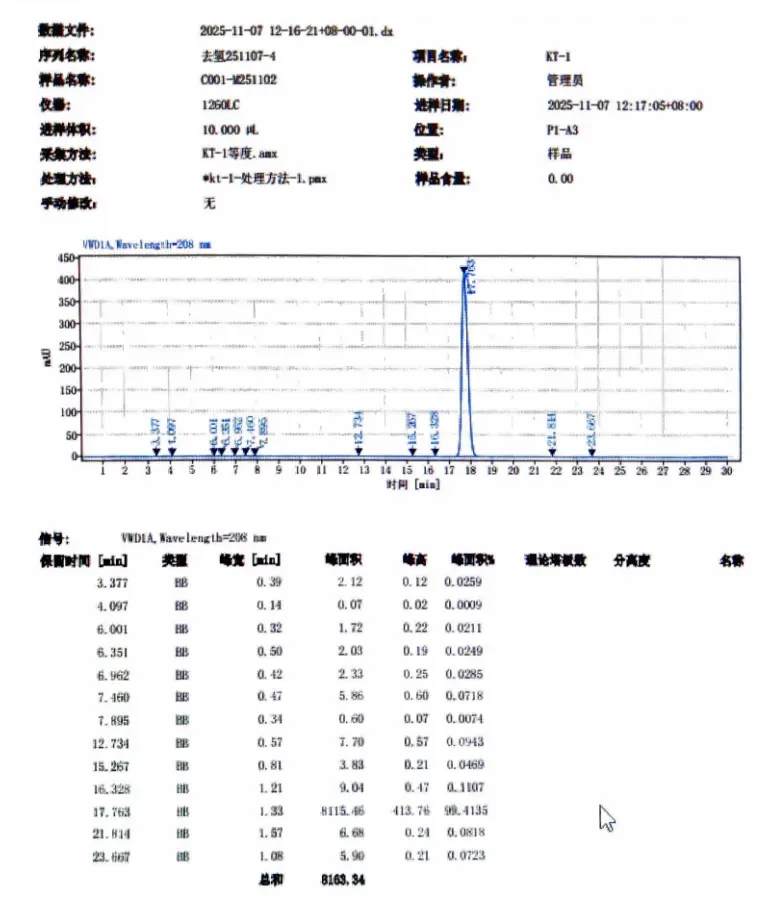
This analytical process produces a chromatogram — a visual output that helps laboratory personnel identify the presence of the target compound as well as potential impurities or unwanted substances within the material.
For buyers sourcing HPLC tested DHEA powder, chromatographic analysis provides measurable verification that the material meets required assay specifications and quality standards.
What HPLC Measures in DHEA Powder
For DHEA raw material testing, HPLC analysis is commonly used to verify several important quality parameters.
These may include:
•Assay percentage
•Purity consistency
•Impurity profile
•Batch uniformity
•Detection of unwanted compounds
The assay value indicates the concentration of active DHEA present within the material sample. Higher assay consistency is generally associated with more stable manufacturing quality and improved formulation reliability.
HPLC testing can also help identify trace impurities that may not be visible through standard visual inspection or simplified testing procedures. This level of analytical sensitivity is one of the reasons HPLC remains widely accepted throughout pharmaceutical and nutraceutical ingredient manufacturing.
For supplement manufacturers sourcing bulk DHEA powder, reliable impurity detection helps reduce procurement risk and improve long-term formulation consistency.
Why HPLC Is Widely Used in Pharmaceutical Raw Materials
Within the global nutraceutical industry, HPLC testing is valued because it combines analytical precision, repeatability, and strong quality verification capability.
Reliable suppliers use HPLC testing methods to support:
•Batch consistency control
•COA documentation
•Supplier qualification
•Production quality monitoring
•Procurement transparency
Compared with suppliers relying on limited analytical systems, manufacturers maintaining structured laboratory testing procedures are generally viewed as more capable of supporting long-term commercial production requirements.
This is particularly important for buyers sourcing high-purity DHEA powder for regulated nutraceutical markets where assay consistency and documentation transparency are essential parts of procurement evaluation.
At CHEN LANG BIO TECH, we have observed that professional procurement teams increasingly evaluate laboratory capability as part of broader supplier qualification standards. Buyers are placing greater emphasis on analytical transparency and stable testing systems when selecting long-term ingredient partners.
As global quality expectations continue to rise, HPLC verification has become more than simply a laboratory procedure — it now serves as an important foundation for supplier trust, procurement stability, and long-term manufacturing reliability.
Key Quality Parameters Verified Through HPLC Testing
For international buyers sourcing bulk DHEA powder, HPLC analysis provides far more than a simple purity percentage. Professional procurement teams increasingly rely on laboratory testing to evaluate whether suppliers can maintain stable manufacturing standards, consistent assay performance, and reliable batch quality across commercial production cycles.
Within the nutraceutical industry, HPLC testing has become an important part of broader quality assurance systems because it allows buyers to verify multiple technical parameters before confirming procurement decisions.
Reliable DHEA powder suppliers generally use HPLC analysis not only to support COA documentation, but also to monitor production consistency, impurity control, and long-term manufacturing stability throughout the supply chain.
Assay Verification and Purity Standards
One of the primary functions of DHEA purity testing is assay verification.
The assay value indicates the percentage of active DHEA present within a material sample and serves as one of the most important quality indicators reviewed during procurement evaluation.
For buyers sourcing pharmaceutical grade DHEA powder, stable assay consistency is essential because formulation accuracy and production performance often depend on reliable raw material purity.
Professional procurement teams typically evaluate whether assay values remain consistent across different production batches rather than focusing solely on isolated test results. Stable assay performance is generally viewed as an indicator of stronger manufacturing control and more reliable production systems.
Reliable suppliers also provide transparent assay verification through detailed laboratory documentation and chromatogram analysis rather than relying on vague or incomplete specification reporting.
Batch Consistency and Production Stability
For supplement manufacturers and nutraceutical formulation companies, maintaining stable quality across repeated production cycles is one of the most important requirements in raw material procurement. Even when a single batch meets specification standards, inconsistent quality between shipments can still create significant operational challenges during commercial manufacturing.
This is one of the primary reasons why professional buyers sourcing bulk DHEA powder increasingly evaluate batch consistency through structured HPLC analysis and long-term laboratory monitoring procedures.
Reliable suppliers use HPLC testing not only to verify individual assay values, but also to monitor production stability over time. Consistent chromatographic results across multiple batches generally indicate stronger manufacturing control systems, standardized processing procedures, and more reliable raw material management practices.
For companies producing capsules, tablets, or nutraceutical blends, batch consistency directly affects:
•Formulation accuracy
•Blending performance
•Dosage uniformity
•Production efficiency
•Finished product stability
Variations in purity, moisture content, or impurity profile may create manufacturing complications that increase operational costs and reduce production reliability.
Procurement teams therefore increasingly request historical testing records and batch-specific assay documentation when evaluating pharmaceutical grade DHEA powder suppliers. Stable analytical performance across repeated production batches is often viewed as an indicator of stronger operational maturity and better long-term supply capability.
Another important factor is process reproducibility. Suppliers capable of maintaining controlled manufacturing environments, standardized production parameters, and consistent laboratory verification procedures are generally better positioned to support large-scale commercial procurement requirements.
In practice, reliable batch consistency is rarely achieved through testing alone. It usually reflects the combined effectiveness of:
•Raw material selection systems
•Production process control
•Laboratory monitoring procedures
•Packaging management
•Inventory handling standards
Suppliers investing in structured quality systems are often able to reduce variability throughout the manufacturing process, helping improve procurement stability for international buyers sourcing high-purity DHEA powder.
At CHEN LANG BIO TECH, we have observed that many supplement manufacturers now place greater emphasis on long-term batch reliability than isolated assay values alone. Buyers increasingly understand that stable manufacturing performance is essential for maintaining formulation consistency, production efficiency, and long-term supply chain confidence.
As the nutraceutical industry continues to evolve globally, batch consistency is becoming a central component of supplier evaluation and procurement risk management throughout the international raw material market.
Supporting COA Documentation Through HPLC Analysis
Within the nutraceutical ingredient industry, a professional DHEA powder COA serves as one of the most important technical documents used during supplier qualification and procurement review. However, the reliability of a COA ultimately depends on the accuracy and transparency of the laboratory testing systems supporting it.
This is where HPLC testing plays a critical role.
Reliable suppliers use HPLC analysis to generate assay verification data that supports COA documentation and helps confirm whether a production batch meets required specification standards before shipment.
For international buyers sourcing pharmaceutical grade DHEA powder, transparent laboratory verification provides greater confidence that the material being purchased aligns with the reported analytical data and production specifications.
Professional procurement teams often evaluate whether a COA includes:
•Batch-specific assay values
•Testing methodology references
•HPLC chromatogram data
•Specification limits
•Laboratory verification details
•Production traceability information
Complete and technically consistent documentation is generally viewed as a sign of stronger operational control and more reliable quality assurance systems.
By contrast, vague assay reporting, incomplete testing references, or generic documentation formats may indicate weaker laboratory oversight or limited analytical capability.
Many buyers also compare HPLC data against other supplier documentation such as product specifications, packaging labels, and export records to confirm consistency across the entire procurement process.
For suppliers, maintaining transparent COA systems supported by structured DHEA laboratory testing procedures helps improve buyer confidence and long-term procurement stability.
At CHEN LANG BIO TECH, we have found that experienced procurement teams increasingly review laboratory documentation in greater technical detail before confirming commercial procurement agreements. Buyers are no longer evaluating COA reports as simple specification sheets — they are using them as indicators of manufacturing quality, analytical capability, and supplier reliability.
As global quality expectations continue to rise across the nutraceutical market, HPLC-supported COA verification is becoming an increasingly important foundation for supplier transparency, procurement confidence, and long-term commercial partnership development.
How Buyers Interpret DHEA HPLC Reports
For professional procurement teams, reviewing an HPLC report involves much more than simply checking whether a material meets a target purity percentage. Within the international nutraceutical ingredient industry, experienced buyers increasingly use DHEA HPLC reports as tools for evaluating supplier credibility, analytical capability, and long-term manufacturing reliability.
As quality expectations continue to rise globally, procurement decisions are becoming more technically driven. Buyers sourcing bulk DHEA powder often review chromatographic analysis, assay consistency, and laboratory documentation in detail before confirming commercial procurement agreements.
A professionally prepared HPLC report not only verifies assay performance — it also reflects the supplier’s overall approach to quality control, laboratory transparency, and batch traceability management.
Understanding Retention Time and Assay Values
One of the first technical areas procurement teams review within a DHEA laboratory analysis report is retention time and assay percentage.
Retention time refers to the point at which the target DHEA compound appears during chromatographic separation. Consistent retention times across repeated production batches generally indicate stable analytical procedures and properly controlled testing systems.
The assay value itself measures the concentration of active DHEA present within the tested sample. Buyers sourcing high-purity DHEA powder typically compare assay values against specification limits and historical production records to evaluate batch consistency over time.
Professional buyers often look for:
•Stable assay percentages
•Consistent chromatographic performance
•Clearly defined specification standards
•Transparent testing methodology
rather than focusing solely on isolated purity claims.
Reliable suppliers generally maintain standardized analytical procedures that help improve repeatability and laboratory consistency across multiple production cycles.
For supplement manufacturers operating commercial production lines, stable assay performance is important because fluctuations in raw material purity may affect dosage consistency, formulation stability, and manufacturing efficiency during large-scale production.
How to Review Chromatogram Data
The chromatogram itself is often one of the most important parts of an HPLC report because it provides visual confirmation of the analytical testing process.
A chromatogram displays peaks representing compounds detected within the tested sample. In professionally prepared HPLC tested DHEA powder reports, the primary peak should correspond clearly to the target DHEA compound, while secondary peaks may indicate trace impurities or related compounds present within the material.
Experienced procurement teams commonly evaluate several technical aspects of chromatogram quality, including:
•Peak clarity
•Peak separation
•Baseline stability
•Retention time consistency
•Overall report readability
Clear and well-separated chromatographic peaks generally suggest stronger analytical precision and better-controlled testing procedures. Poor peak resolution, unstable baselines, or unclear chromatographic presentation may indicate weaker laboratory systems or inconsistent analytical standards.
Buyers increasingly understand that chromatogram quality often reflects broader operational standards within the supplier’s manufacturing and laboratory environment.
For companies sourcing pharmaceutical grade DHEA powder, transparent chromatographic reporting helps improve confidence in supplier testing capability and long-term batch consistency.
Identifying Incomplete or Unreliable Testing Reports
As international buyers become more experienced in supplier qualification, they are also becoming increasingly skilled at identifying weaknesses within laboratory documentation and analytical reporting systems.
Not all DHEA HPLC testing reports provide the same level of technical transparency. Some reports may contain limited analytical detail, incomplete testing information, or generic formatting that makes it difficult for buyers to properly evaluate testing credibility.
Professional procurement teams often review reports for potential warning signs such as:
•Missing chromatogram data
•Incomplete assay methodology
•Lack of batch traceability
•Generic report templates
•Missing laboratory verification information
•Inconsistent specification standards
One common issue involves reports that display assay percentages without supporting chromatographic analysis or detailed testing references. While the purity value itself may appear acceptable, insufficient supporting data can reduce confidence in the reliability of the laboratory process.
Another concern involves reused or visually identical HPLC reports across multiple production batches. Experienced buyers frequently compare documentation consistency and batch-specific information to determine whether reports reflect actual analytical testing or generic template formatting.
Procurement teams also review whether HPLC documentation aligns consistently with other technical records such as:
•COA documentation
•Product specifications
•Packaging labels
•Manufacturing dates
•Export records
Discrepancies between documents may indicate weak internal quality systems or inconsistent production oversight.
At CHEN LANG BIO TECH, we have observed that international supplement manufacturers increasingly evaluate analytical transparency as a core part of supplier qualification. Buyers are no longer reviewing laboratory reports as simple technical attachments — they are using them to assess operational reliability, quality management maturity, and long-term procurement stability.
As global quality expectations continue to evolve, professionally prepared HPLC documentation is becoming an increasingly important indicator of supplier credibility within the international nutraceutical raw material market.
Why Reliable Suppliers Invest in HPLC Quality Systems
As procurement standards continue to evolve within the global nutraceutical industry, laboratory capability has become one of the most important indicators of supplier reliability and long-term manufacturing stability. For companies sourcing bulk DHEA powder, advanced analytical systems are no longer viewed as optional technical features — they are increasingly considered essential components of professional quality assurance infrastructure.
Reliable suppliers understand that consistent raw material quality depends heavily on structured laboratory verification procedures, stable analytical standards, and transparent testing documentation throughout the production process.
This is one of the primary reasons experienced manufacturers continue investing in advanced HPLC laboratory systems and broader quality control infrastructure.
Why Advanced Testing Systems Improve Procurement Stability
For international buyers, procurement stability depends on far more than pricing or product availability alone. Long-term supply reliability often requires suppliers to maintain controlled manufacturing systems capable of delivering consistent assay performance and transparent laboratory verification across repeated production cycles.
Suppliers operating structured DHEA quality control systems typically invest in:
•HPLC analytical equipment
•Laboratory calibration procedures
•Batch monitoring systems
•Assay verification protocols
•Documentation management processes
•Internal quality inspection standards
These investments help improve production consistency while reducing the risk of assay variability, contamination issues, or inconsistent laboratory reporting during commercial manufacturing.
For supplement companies sourcing pharmaceutical grade DHEA powder, stable laboratory systems are particularly important because formulation consistency and production efficiency often depend on reliable raw material performance across multiple production batches.
Professional buyers increasingly evaluate whether suppliers maintain dedicated laboratory procedures capable of supporting:
•Batch traceability
•Impurity detection
•Assay reproducibility
•Long-term quality consistency
•COA transparency
rather than relying solely on simplified specification sheets or isolated test results.
Suppliers with stronger analytical infrastructure are generally better positioned to identify production inconsistencies before shipment, helping reduce procurement risk and improve long-term supply chain reliability for international customers.
How Laboratory Transparency Builds Long-Term Buyer Trust
Within the international nutraceutical ingredient market, transparency has become one of the most important factors influencing supplier credibility and long-term procurement relationships.
Professional buyers increasingly prefer suppliers capable of providing:
•Complete HPLC reports
•Transparent assay verification
•Batch-specific laboratory documentation
•Consistent COA records
•Responsive technical communication
This level of transparency helps procurement teams evaluate whether suppliers maintain stable manufacturing standards and reliable quality management systems over time.
By contrast, incomplete testing reports, inconsistent analytical data, or vague documentation practices may reduce buyer confidence and create additional sourcing uncertainty during supplier qualification.
For many international supplement manufacturers, laboratory transparency now serves as a practical indicator of broader operational maturity. Suppliers capable of maintaining organized documentation systems and clear technical communication are often viewed as more dependable long-term procurement partners.
At CHEN LANG BIO TECH, we have observed that buyers sourcing HPLC tested DHEA powder are increasingly focused on analytical credibility and quality system transparency rather than pricing alone. Procurement teams are placing greater emphasis on suppliers capable of combining stable manufacturing performance with professional laboratory support and responsive technical communication.
As the nutraceutical industry continues to mature globally, suppliers investing in structured HPLC verification systems and transparent quality management procedures are generally better positioned to support sustainable long-term procurement partnerships with international supplement brands and ingredient distributors.
Frequently Asked Questions About DHEA HPLC Testing
What Does HPLC Testing Measure in DHEA Powder?
HPLC testing is primarily used to verify assay purity, identify impurities, and evaluate batch consistency within bulk DHEA powder. The analytical process helps confirm whether the material meets required specification standards before commercial shipment.
Professional procurement teams often use HPLC reports to review assay values, chromatogram data, and laboratory verification procedures during supplier qualification.
Why Is HPLC Testing Important for Pharmaceutical Grade DHEA Powder?
For companies sourcing pharmaceutical grade DHEA powder, stable assay consistency and transparent laboratory verification are essential for maintaining formulation reliability and manufacturing efficiency.
HPLC analysis provides measurable analytical data that helps buyers evaluate:
•Purity consistency
•Impurity control
•Batch stability
•Supplier testing capability
This level of verification supports broader procurement quality assurance and long-term supply chain reliability.
How Can Buyers Verify an HPLC Report?
Professional buyers typically review several areas when evaluating DHEA HPLC reports, including:
•Assay percentage
•Retention time consistency
•Chromatogram clarity
•Batch traceability
•Testing methodology
•COA consistency
Many procurement teams also compare HPLC reports with other supplier documentation such as packaging labels, specification sheets, and export records to confirm overall documentation accuracy.
What Purity Level Is Expected for High-Quality DHEA Powder?
Purity specifications may vary depending on application requirements and destination market standards. However, buyers sourcing high-purity DHEA powder generally expect transparent assay verification supported by structured laboratory testing systems and batch-specific analytical documentation.
Reliable suppliers typically provide HPLC-supported assay verification together with complete COA records during commercial procurement evaluation.
Can Suppliers Provide Third-Party HPLC Testing Reports?
Yes. Many professional suppliers can provide third-party laboratory testing reports upon request as part of supplier qualification and procurement review procedures.
International buyers often use third-party testing documentation as an additional verification layer when evaluating DHEA raw material suppliers and confirming long-term procurement reliability.
Conclusion: Building Procurement Confidence Through Reliable HPLC Verification
As global quality expectations continue evolving across the nutraceutical industry, laboratory transparency and analytical consistency are becoming increasingly important parts of supplier qualification and procurement risk management.
For companies sourcing bulk DHEA powder, professionally structured HPLC testing systems help support assay verification, impurity control, batch consistency, and long-term manufacturing stability throughout the supply chain.
At CHEN LANG BIO TECH, we continue working with international supplement manufacturers, formulation companies, and ingredient distributors seeking reliable access to pharmaceutical grade DHEA powder supported by transparent laboratory documentation and stable quality systems. Buyers requesting additional information related to HPLC reports, COA verification, or procurement support are welcome to contact our team directly at admin@chenlangbio.com for technical assistance and product-related inquiries.
As procurement standards continue rising globally, suppliers capable of combining analytical transparency with stable manufacturing performance will remain better positioned to support long-term partnerships within the international nutraceutical raw material market.

Send Inquiry
Related Industry Knowledge
- Resveratrol Powder Price: How to Evaluate Cost, Purity, and Supplier Quality
- Tretinoin in Demand: Global Supply Trends You Need to Know
- Should PQQ be Taken with Coenzyme Q10 (CoQ10)?
- Podophyllin Powder: Uses in Modern Medicine
- How Do You Administer Nitenpyram Powder
- Sodium Methylesculetin Acetate vs. Other Antioxidants
- Does Bakuchiol Fade Dark Spots
- Hydroxypinacolone Retinoate vs Retinol
- Quaternium 73 for Acne
- Is Chaga Mushroom Extract Powder Bad for Your Liver