Resveratrol Powder Price: How to Evaluate Cost, Purity, and Supplier Quality
2025-12-08 15:05:25
Resveratrol powder has become one of the most in-demand ingredients across the skincare and nutraceutical industries, and naturally, one of the first questions buyers ask is how the resveratrol price is determined. Over the past few years, we’ve seen a growing gap between suppliers in terms of purity, production methods, and consistency, all of which influence the final cost per kilogram. From our experience working directly with global brands, the market price is shaped less by “location” or “scale” and more by the technical decisions behind how the ingredient is manufactured.
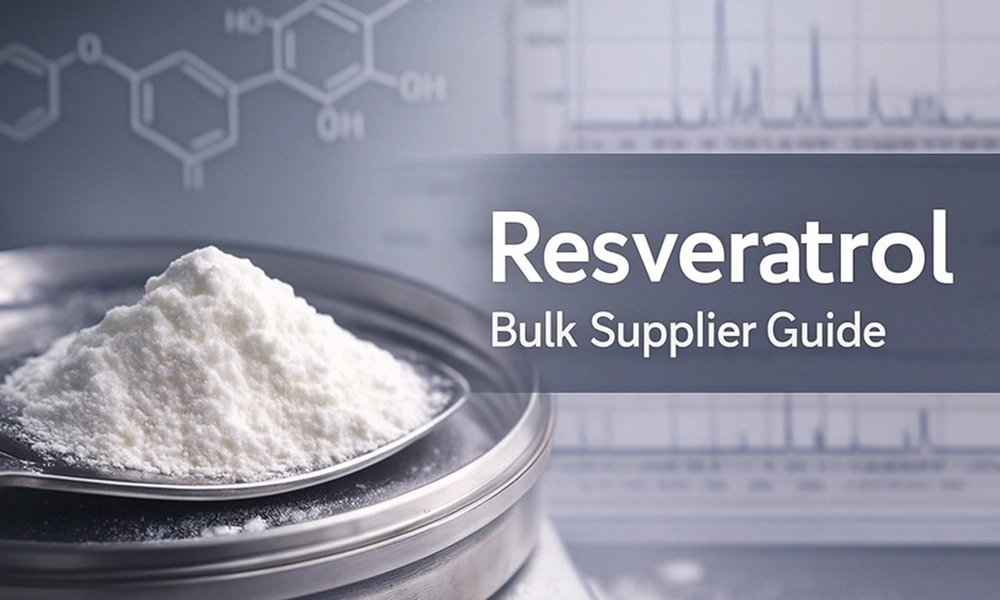
As demand increases, buyers often notice that resveratrol sourced from true manufacturers—especially those capable of producing high-purity, all-trans material—tends to sit in a higher but more stable price range. This difference usually reflects the quality of the purification steps, impurity control, whiteness, and batch-to-batch reliability, all of which play a major role in how well the ingredient performs in real formulations. At the same time, unusually low pricing often signals reduced purity, inflated assay methods, or non-manufacturer sourcing.
This guide explains the key factors that influence resveratrol powder pricing, how purity and process affect market value, and what procurement teams should expect when evaluating suppliers. Our goal is to give buyers a clear, practical understanding of why prices vary and how to identify a fair, reliable quote from a supplier that can support long-term production needs.
What Determines Resveratrol Powder Price Per KG?
When buyers begin comparing quotations, one of the first things they notice is how widely the resveratrol price per kg can vary between suppliers. These differences are not random. They reflect the underlying cost structure of the raw material, the level of purification required, and the reliability of the production process behind each batch. Understanding these factors helps procurement teams evaluate whether a price is reasonable—and whether the supplier behind it is capable of supporting long-term production.
1. Purity grade and assay method
The most direct driver of the cost of resveratrol powder is purity. High-purity, all-trans material requires more refined extraction, multi-stage purification, and strict crystallization control. Lower-purity botanical extracts are less expensive but offer less consistency. Inaccurate UV-based purity claims can also distort price comparisons, making HPLC data essential when reviewing offers.
2. Production route: botanical extraction vs. fermentation
Fermentation-derived resveratrol is typically cleaner and more consistent, but the process requires more advanced equipment and longer production cycles. Botanical extraction is less costly but often results in higher variability. This distinction directly influences market pricing and long-term formulation performance.
3. Supplier type and manufacturing capability
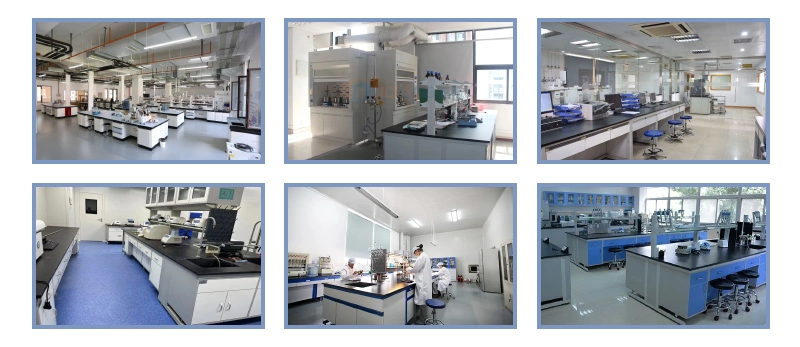
True manufacturers operate with resin columns, crystallization tanks, and in-house HPLC testing—capabilities that traders or small workshops simply do not have. Prices from real producers tend to be higher but far more stable. Extremely low pricing often indicates re-sold material, inconsistent quality, or limited quality control.
4. Impurity levels, whiteness, and cosmetic suitability
For skincare brands, whiteness, flowability, and impurity control matter just as much as purity. Achieving bright, cosmetic-grade resveratrol requires deeper refinement, which increases production cost but ensures better compatibility and appearance in formulations.
5. Order quantity and annual volume commitment
MOQ, contract volumes, and recurring orders influence the final pricing structure. Larger, consistent orders allow manufacturers to plan production efficiently and offer more stable long-term pricing.
Price Differences Between Resveratrol 50%, 98%, and 99% Purity
Once buyers understand what shapes the overall cost structure, the next question is usually how the different purity grades compare—especially when the resveratrol price per kg varies so sharply between 50% extract, 98% high-purity, and 99% premium grades. These three categories serve very different product needs, so the pricing naturally reflects their level of refinement and the expectations of the industries that use them.
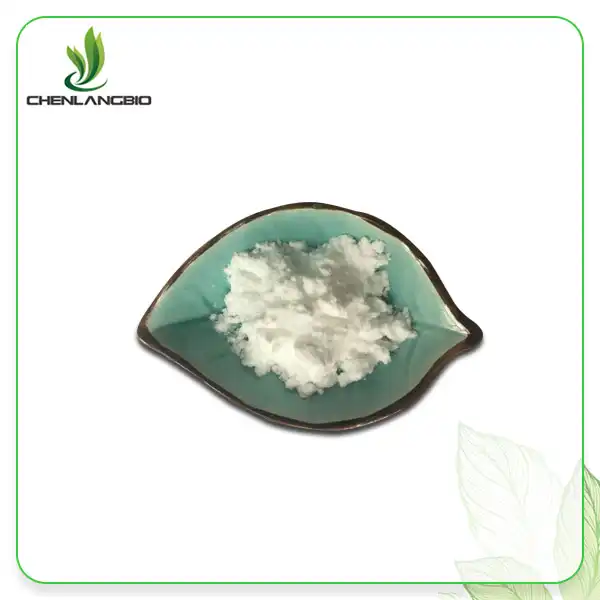
The 50% resveratrol extract is generally positioned for cost-sensitive formulations, particularly in food applications or entry-level antioxidant blends. Because it undergoes fewer purification steps and retains part of the botanical matrix, it offers a lower price point and a broader, less specialized use profile. For brands looking to add a natural polyphenol component without strict purity requirements, this grade delivers good value.
By contrast, 98% resveratrol powder is the specification most international buyers rely on for supplements and skincare. Its higher purity ensures better color stability, cleaner chromatographic profiles, and predictable behavior in formulations—qualities that matter to brands focused on consistency. The additional processing required to reach this purity level, especially controlling anthraquinones and off-color compounds, contributes to the higher pricing. In most cases, this grade offers the best balance between cost and performance.
The 99% all-trans grade sits in its own category. It is chosen by formulators who need exceptional clarity and purity, particularly in high-end serums, clinical studies, or premium nutraceutical lines. Achieving ≥99% purity with a stable all-trans profile requires deeper refinement and tighter crystallization control, which significantly increases production cost. While not every project requires this level, buyers who do choose it typically value its aesthetic transparency and regulatory cleanliness.
When viewed this way, the price differences between the three grades tend to feel more logical. Each purity level aligns with a distinct set of formulation priorities, allowing buyers to choose the grade that best matches their product positioning rather than selecting solely on cost.
Fermentation vs. Botanical Extraction – Which One Costs More and Why
As buyers look deeper into purity levels, the discussion naturally shifts to how the material is made—because production method is one of the strongest indicators of price and long-term consistency. In the resveratrol market, most suppliers rely on either botanical extraction from Polygonum cuspidatum or a fermentation-based process, and the difference between these two routes explains much of the variation in market pricing.
Botanical extraction remains the more traditional and cost-efficient method. The raw material is relatively affordable, and the process can be scaled quickly. However, plant-derived batches also inherit the natural variability of the source material—differences in fiber content, anthraquinone levels, and seasonal changes all influence how stable the extract will be. For buyers who need predictable performance but are working within a certain budget, the botanical resveratrol cost can be appealing, as long as the supplier maintains proper purification and testing controls.
Fermentation takes a different approach. Instead of depending on agricultural inputs, production begins with a controlled microbial process designed to generate a cleaner precursor profile from the start. This greatly reduces contaminants such as pesticides, heavy metals, and anthraquinones, and it supports much tighter batch-to-batch uniformity. Achieving this level of control requires more sophisticated equipment and longer production cycles, which is why fermented resveratrol price typically sits higher. But many skincare and high-end supplement brands feel the added consistency and cleaner impurity profile justify the difference.
The choice between these two routes isn’t simply a matter of cost—it comes down to how much reliability and purity your final formulation demands. Some buyers prioritize affordability for broad-market applications, while others place higher value on stability, safety, and appearance. Understanding the production route gives you a clearer picture of why prices vary and which material aligns best with your product strategy.
How Supplier Type Influences Resveratrol Pricing
As buyers compare quotations, another key factor that often explains price variations is the type of supplier behind the material. Even when two companies offer the same purity specification, the structure of their operations—and the level of control they have over production—can lead to very different pricing outcomes. This is where the distinction between a true resveratrol manufacturer China and a general trading company becomes especially relevant.
Manufacturers who operate their own extraction lines, purification systems, and analytical labs follow a cost model built around real production. Their pricing reflects the equipment investment, quality controls, resin regeneration cycles, and the labor required to maintain consistent output. Because they manage every step internally, they also tend to offer more stable long-term pricing and clearer documentation. For buyers who value predictability and transparency, these advantages often outweigh small differences in cost.
In contrast, traders or intermediaries work with fluctuating purchase prices from different factories. Their quotes can look attractive at first glance, but they may shift unexpectedly with market availability, and batch consistency is harder to guarantee. This is often where unusually low offers originate—prices that seem appealing until color variation, impurity levels, or documentation issues appear down the line. For brands depending on a reliable supply chain, these uncertainties can quickly become operational challenges.
There is also a middle category: workshops with limited purification capability. They may offer a “factory price,” but their equipment cannot support the deeper processing required for high whiteness or low-emodin profiles. Their material may technically reach the purity number but fall short in areas that matter to formulators. Understanding this distinction helps buyers avoid comparing quotations that are not truly equivalent.
When evaluating any bulk resveratrol supplier, the goal isn’t simply to find the lowest quote—it’s to understand whether the supplier has the infrastructure and expertise to deliver the same quality every time. This clarity makes price comparisons fairer and ensures the material will perform consistently once it enters your production line.
How Purity, Whiteness, and Impurity Levels Affect Price and Quality
Once buyers begin reviewing technical documents and comparing samples, the impact of purity and impurity control becomes immediately clear. Even within the same specification, two materials that both claim to be high purity resveratrol powder can behave very differently in a finished formulation. These differences often trace back to whiteness, crystallization quality, and how thoroughly the supplier removes compounds that influence stability and appearance.
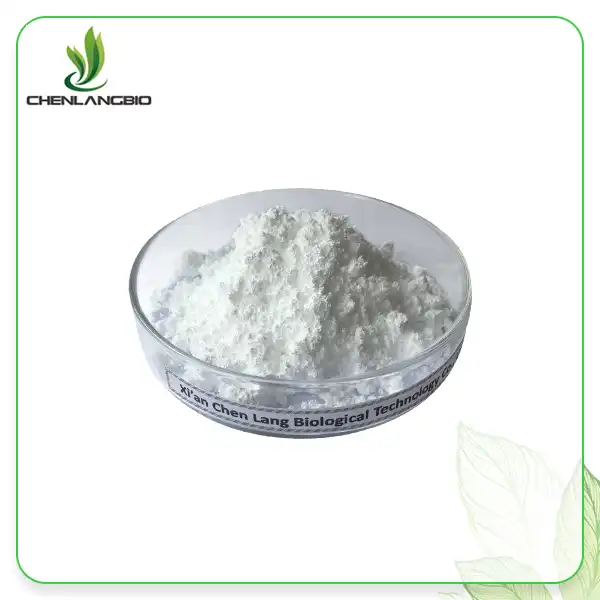
Whiteness is a good example. For supplement brands, it reflects the cleanliness of the extract. But for cosmetic formulators, it becomes a critical quality marker. A bright, uniform powder blends seamlessly into serums and creams, while off-white or slightly yellow material can shift the final product's tone. Achieving a stable, high whiteness level requires tighter control over purification and crystallization, which explains why cosmetic grade resveratrol typically sits at a higher price point.
Impurity control plays an equally important role. Compounds like emodin, naturally present in botanical sources, can affect color, stability, and regulatory compliance—especially in markets with strict limits. Suppliers capable of producing low-emodin resveratrol invest more heavily in resin purification, decolorization steps, and analytical verification. Buyers who have worked with multiple sources quickly notice how this impacts both product performance and cost.
Purity itself goes beyond the number shown on a COA. Two powders labeled “98%” may differ sharply depending on whether the supplier relies on UV or HPLC testing, how well side-peaks are controlled, and whether the material retains a clean all-trans profile. These technical nuances translate into real-world differences in stability testing, color retention, and compatibility with emulsions or tablets.
For procurement teams, recognizing how these qualities influence pricing helps clarify why some materials sit higher in the market—because they carry forward the type of consistency and appearance that formulators depend on. When you know how these factors present themselves in your final product, evaluating price becomes far more straightforward.
Why Many Overseas Buyers Prefer CHEN LANG BIO TECH for Bulk Resveratrol
For many international brands, choosing a bulk resveratrol supplier China is ultimately about finding a partner who can support consistent quality, transparent documentation, and long-term production planning. Over the years, this is where ChenLangBio has earned the trust of overseas clients—through a combination of clear process control, steady output, and technical communication that helps buyers make informed decisions.
As a resveratrol powder manufacturer, our production relies on a fermentation-based route designed to deliver a cleaner precursor profile from the start. This approach allows us to achieve higher whiteness, lower anthraquinone levels, and greater control over the crystallization behavior of the final ingredient. Buyers who work with high purity resveratrol 98% often notice the difference immediately in both appearance and stability, especially when the material is used in skincare applications where color and particle uniformity matter.
Batch-to-batch consistency is another area where many customers find value. Because we manage our own fermentation, purification, and analytical steps, we are able to maintain stable monthly output and reduce the fluctuations that often occur with plant-extracted materials. For OEM and private-label manufacturers, this stability directly supports production scheduling, long-term pricing, and predictable formulation performance.
Many of our long-term partners also appreciate the level of technical support provided with each shipment. In addition to standard documentation such as COA and HPLC, we share impurity profiles, stability insights, and formulation considerations when needed. This helps brands understand how the material will behave in real applications—whether in emulsions, serums, tablets, or beverage systems—and creates a smoother development process for teams working on new product launches.
FAQ about Resveratrol Price
1. Why do resveratrol prices vary so much between suppliers?
Prices differ mainly because the cost of producing high-purity, stable resveratrol varies widely across production routes and supplier capability. Manufacturers who operate full purification and crystallization lines typically deliver cleaner profiles, higher whiteness, and better batch stability—and their pricing reflects that. Lower offers often come from trading companies or workshops that don’t control production and rely on fluctuating raw materials or simplified purification steps.
2. Is 98% resveratrol worth the higher price compared to 50% extract?
For most supplement and skincare applications, yes. 98% high purity resveratrol offers better color stability, cleaner chromatographic peaks, and more predictable performance in emulsions or tablets. The 50% extract can be suitable for cost-sensitive formulas, but it lacks the clarity, potency, and consistency needed for premium or clinically positioned products.
3. What should I look for in a resveratrol supplier before requesting a quote?
A reliable supplier should provide batch-specific HPLC, transparent impurity data, and evidence of real manufacturing capability. Consistent whiteness, low-emodin control, and stable monthly output are strong indicators of a true resveratrol powder manufacturer rather than a reseller. If you are in skincare, consider whether the supplier can also explain formulation compatibility and provide guidance when needed.
4.Do lower prices indicate lower quality?
Not always—but unusually low prices often correlate with reduced purity consistency, higher impurity levels, or sourcing via trading layers rather than a controlled manufacturing system. If the pricing is significantly below market norms, buyers should review HPLC data, impurity profiles, and supplier qualifications carefully before committing.
5.What documents should a professional supplier provide?
A complete package typically includes COA, batch-specific HPLC, microbial and heavy-metal tests, solvent residues, stability information, and where applicable, allergen statements and production flow descriptions. For skincare projects, compatibility notes or formulation guidance can be extremely valuable.
Conclusion
As the global demand for bulk resveratrol powder continues to grow, the difference between suppliers becomes increasingly clear. Factors such as purity, production method, impurity control, and analytical transparency all shape how a material performs once it enters a formulation. For buyers, understanding these details makes it easier to navigate pricing differences and choose a partner who can support both current projects and long-term product development.
At CHEN LANG BIO TECH, our focus has always been on supplying high purity resveratrol 98% with stable quality, clean impurity profiles, and dependable monthly output. Whether your priority is consistency for large OEM runs or technical support for new formulations, we aim to provide clarity and predictable performance—not just a commodity quote. Many overseas customers choose us because they prefer working with a resveratrol supplier China that manages its own fermentation, purification, and testing, and can present data that stands up to regulatory review.
If you are evaluating suppliers, preparing a new project, or simply need a reliable reference point for resveratrol powder pricing, our team is here to help. We can provide batch-specific HPLC data, COA, impurity profiles, or technical samples to support your decision-making. You are welcome to reach out anytime to discuss sourcing requirements or request a quotation.
Email: admin@chenlangbio.com
WhatsApp: +86-17782478823
We look forward to supporting your next formulation and becoming a partner you can rely on for consistent quality and clear communication.

Send Inquiry
Related Industry Knowledge
- Where to Buy Ajuga turkestanica Extract – CHEN LANG BIO TECH Verified China Manufacturer
- Top 6 Industries Benefiting from Mangiferin Today
- Lycopene Powder Leads Natural Antioxidant Segment
- How Does Ascorbyl Tetraisopalmitate compare to other forms of Vitamin C?
- What are the Chemical Properties of Calcium Alpha-Ketoglutarate Monohydrate?
- What are the Potential Health Benefits of Spermidine Supplementation?
- The Science Behind Pure Fisetin
- What Foods are High in Ergothioneine and Glutathione
- What is Phenylethyl Resorcinol Product
- What is Yohimbine Hydrochloride Used for