
Yohimbine Hydrochloride vs Yohimbe Extract: Which Raw Material Is Better for Manufacturers?
2026-07-30 16:36:39
Introduction: Yohimbine Hydrochloride vs Yohimbe Extract for Professional Raw Material Selection
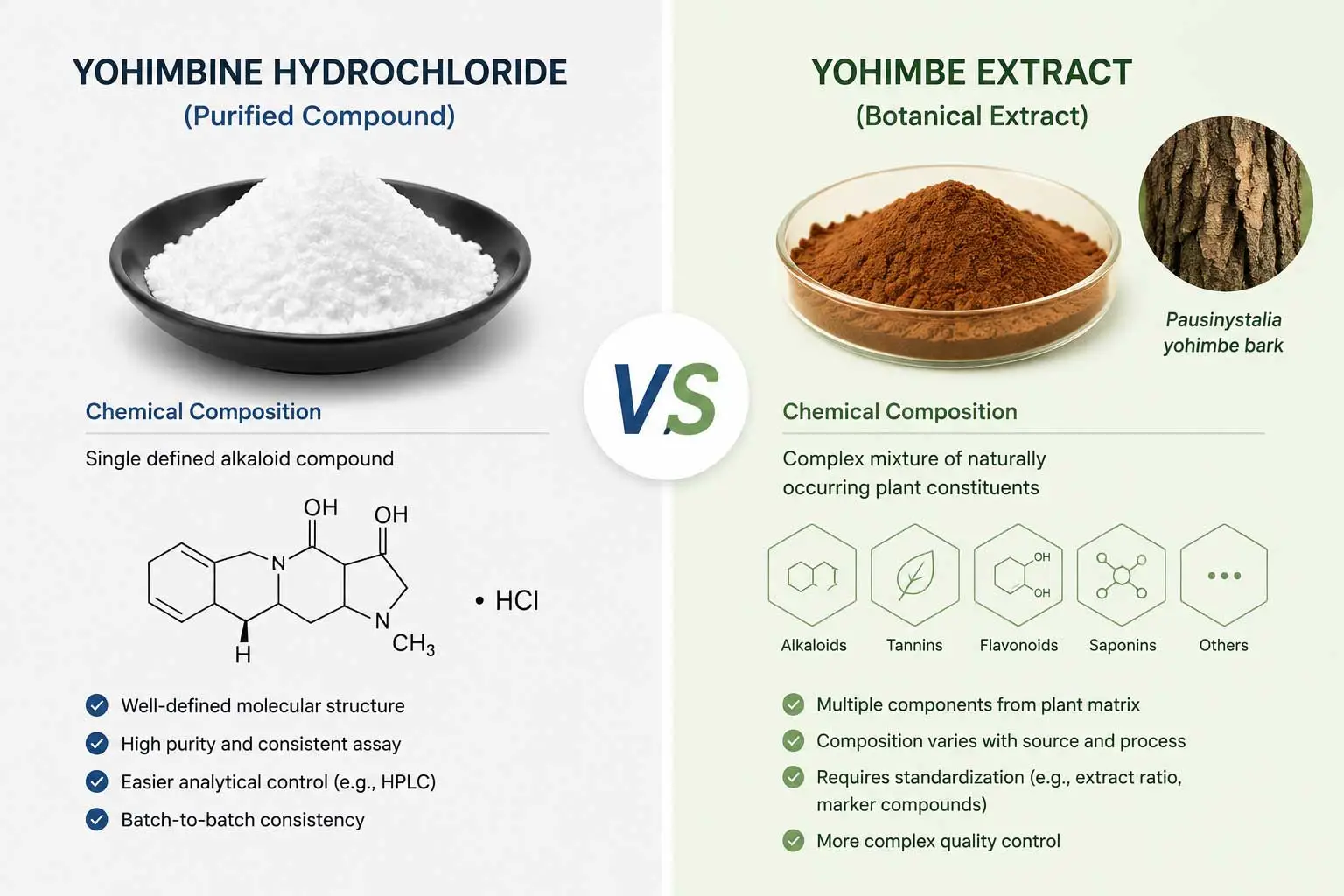
Yohimbine Hydrochloride vs Yohimbe Extract is an important comparison for manufacturers, distributors, and ingredient buyers who are sourcing yohimbe-derived raw materials. Although both ingredients originate from Pausinystalia yohimbe, they represent two different approaches to ingredient production: one is a purified and standardized compound, while the other is a botanical extract containing a broader range of naturally occurring plant constituents.
For companies evaluating which ingredient is more suitable for their production requirements, the decision is mainly determined by factors such as purity specification, batch consistency, analytical requirements, and documentation standards. Yohimbine Hydrochloride powder is a refined alkaloid ingredient with a clearly defined chemical structure and controlled assay value, while Yohimbe Extract reflects the characteristics of the original botanical material and may vary depending on extraction technology and standardization level.
For most manufacturers requiring precise raw material specifications, reliable quality control, and reproducible production results, standardized yohimbine hydrochloride powder provides advantages in terms of consistency and analytical transparency. However, botanical extracts may still be selected for applications where a broader plant-derived profile is preferred.
As a professional manufacturer and supplier of botanical-derived active compounds, CHEN LANG BIO TECH focuses on providing high-quality yohimbine hydrochloride powder with standardized specifications, HPLC testing, and complete technical documentation. Our experience in plant-based ingredients allows us to support global customers who require reliable supply, stable quality, and professional raw material solutions.
This article explains the differences between Yohimbine Hydrochloride vs Yohimbe Extract, helping ingredient purchasers understand how these two materials differ in composition, standardization, quality evaluation, and supplier selection.
What Is Yohimbine Hydrochloride Powder? Understanding the Standardized Yohimbine HCL Raw Material
Yohimbine Hydrochloride powder is a purified hydrochloride salt form of yohimbine, a naturally occurring indole alkaloid originally derived from the bark of Pausinystalia yohimbe. Compared with traditional botanical extracts, yohimbine HCL powder represents a more precisely defined raw material because the manufacturing process focuses on isolating and standardizing a specific compound rather than maintaining the complete plant matrix.
For professional buyers searching for a yohimbine hydrochloride supplier, the primary consideration is usually not only the botanical origin but also the ability of the supplier to provide consistent analytical specifications. A standardized ingredient allows manufacturers to evaluate each batch based on measurable quality parameters, including assay value, identification, appearance, and related testing data.
Commercially available 98% yohimbine hydrochloride powder is commonly evaluated through HPLC analysis, which provides quantitative verification of the compound content. For ingredient manufacturers and distributors, this type of analytical control is important because it allows clearer quality comparison between different suppliers and reduces uncertainty during raw material qualification.
The hydrochloride form is widely used as a raw material format because salt formation can improve handling characteristics and provide a stable specification for industrial applications. When manufacturers source specialty compounds, a defined chemical form helps establish clearer expectations regarding storage, testing, and production consistency.
From a procurement perspective, qualified buyers typically evaluate yohimbine HCL purity, testing methodology, and documentation rather than relying only on the product name. A reliable yohimbine HCL manufacturer should be able to provide batch-specific quality information, including a Certificate of Analysis (COA), product specifications, and analytical reports.
What Is Yohimbe Extract? Understanding Yohimbe Bark Extract as a Botanical Raw Material
Yohimbe Extract is a botanical ingredient produced from the bark of Pausinystalia yohimbe. Unlike purified yohimbine hydrochloride, which contains a defined single compound, yohimbe bark extract contains multiple naturally occurring constituents from the original plant material.
The characteristics of yohimbe extract powder are influenced by the entire manufacturing process, including the quality of the botanical raw material, extraction technology, concentration ratio, purification approach, and the standardization requirements established by the manufacturer. Because botanical extracts retain a wider range of plant components, their composition can vary depending on production methods and raw material characteristics.
For buyers evaluating a yohimbe extract supplier, understanding standardization is particularly important. A botanical extract is not evaluated only by its plant source; manufacturers also need to consider extraction consistency, analytical methods, and whether the supplier can maintain stable specifications across different production batches.
Compared with purified compounds, botanical extracts often represent a more complex ingredient category. Their value comes from maintaining the characteristics of the original plant material, while purified ingredients focus on delivering a controlled and measurable compound profile.
This difference is common throughout the natural ingredient industry. For example, manufacturers often choose between a standardized active compound and a broader botanical extract depending on their formulation objectives, quality requirements, and regulatory considerations.
Therefore, the choice between yohimbine hydrochloride vs yohimbe extract should not be viewed as simply choosing a “better” ingredient. Instead, professional buyers should evaluate which raw material format provides the level of consistency, documentation, and technical suitability required for their specific application.
Yohimbine Hydrochloride vs Yohimbe Extract: Why Standardization Matters for Manufacturers
The main difference between yohimbine hydrochloride vs yohimbe extract is the level of standardization and control available to manufacturers. While both materials originate from the same botanical source, they serve different purposes in raw material supply chains.
A manufacturer purchasing yohimbine hydrochloride powder typically expects a clearly defined compound specification, including a target purity level and analytical confirmation. In contrast, a company purchasing yohimbe extract powder usually evaluates the overall botanical profile, extraction characteristics, and standardization parameters provided by the supplier.
For modern ingredient sourcing, standardization has become one of the most important factors affecting raw material selection. Manufacturers need materials that can be consistently evaluated, documented, and integrated into their quality management systems.
This is why professional buyers often compare:
•chemical identity and composition;
•purity verification methods;
•batch-to-batch consistency;
•supplier documentation;
•long-term supply reliability.
A supplier that understands these factors can provide more value than simply offering a product with a stated specification. The ability to support customers with technical documents, analytical testing, and consistent production processes is an essential part of modern raw material sourcing.
Yohimbine Hydrochloride vs Yohimbe Extract: Key Differences in Composition, Purity, and Quality Control
Yohimbine Hydrochloride vs Yohimbe Extract: A Direct Comparison for Raw Material Buyers
Yohimbine Hydrochloride vs Yohimbe Extract mainly differs in three aspects: chemical definition, standardization level, and quality control requirements. Although both ingredients originate from Pausinystalia yohimbe, they are supplied to manufacturers in fundamentally different forms.
For companies purchasing yohimbine hydrochloride powder or evaluating a yohimbe extract supplier, the key question is not which ingredient is universally better, but which raw material provides the specification control required for the intended application.
The following comparison summarizes the main differences that professional buyers consider during supplier evaluation.
|
Comparison Factor |
Yohimbine Hydrochloride Powder |
Yohimbe Extract |
|
Ingredient Type |
Purified alkaloid compound |
Botanical extract |
|
Source Material |
Derived from Pausinystalia yohimbe |
Derived from Pausinystalia yohimbe bark |
|
Chemical Profile |
Single defined compound |
Multiple naturally occurring plant constituents |
|
Standardization Level |
Controlled assay specification, commonly 98% HPLC |
Depends on extract ratio and marker compound standardization |
|
Quality Evaluation |
Mainly based on purity, identification, and analytical testing |
Requires evaluation of extract characteristics and botanical consistency |
|
Batch Consistency |
Generally easier to maintain due to defined composition |
More dependent on raw botanical material and extraction process |
|
Analytical Method |
Commonly verified by HPLC assay |
May require multiple analytical evaluations |
|
Documentation Requirement |
COA, HPLC report, specification sheet |
COA, extract specification, botanical information |
|
Preferred Buyer Type |
Manufacturers requiring standardized raw materials |
Companies looking for botanical extract formats |
For manufacturers that require a clearly defined ingredient profile, yohimbine hydrochloride powder generally provides a higher level of analytical control and easier batch comparison.
Chemical Composition: Purified Yohimbine Compound vs Botanical Extract Matrix
The primary difference between yohimbine hydrochloride vs yohimbe extract is the chemical composition of the final raw material.
Yohimbine Hydrochloride is a purified compound with a defined molecular structure. During manufacturing, the target alkaloid is isolated and converted into hydrochloride salt form, producing a material with a controlled chemical identity.
For buyers sourcing 98% yohimbine HCL, the important quality parameters are centered around:
•assay percentage;
•compound identification;
•purity profile;
•analytical verification.
This allows manufacturers to establish clear acceptance criteria when receiving each batch.
In contrast, yohimbe extract powder is a botanical preparation that retains multiple components naturally present in the plant. The final composition depends on the complete extraction process, including raw material quality, extraction technology, concentration procedure, and standardization method.
For botanical extracts, quality evaluation usually focuses on:
•botanical identity;
•extraction ratio;
•marker compound content;
•consistency between batches.
The difference is similar to the broader distinction between a purified active ingredient and a standardized plant extract. One provides a defined chemical specification, while the other represents a more complex botanical profile.
Purity and Standardization: Why Manufacturers Prefer Defined Specifications
For raw material manufacturers, yohimbine HCL purity is one of the most important purchasing criteria because it directly affects quality control and production consistency.
A professional yohimbine hydrochloride supplier should provide a clear specification, such as:
•Purity: ≥98%
•Testing method: HPLC
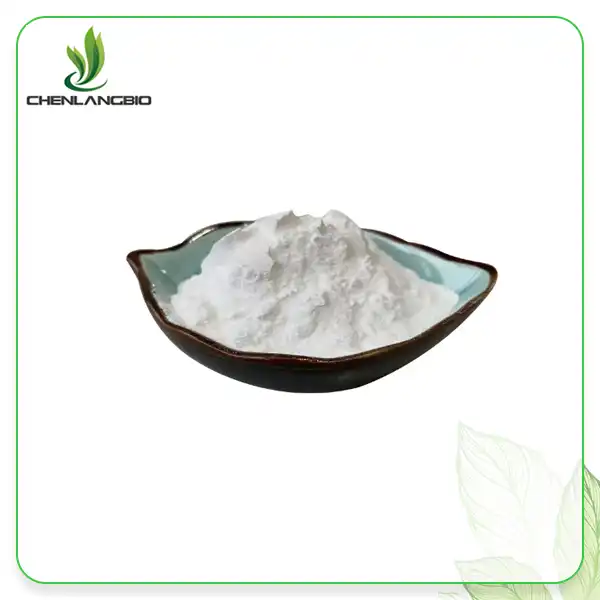
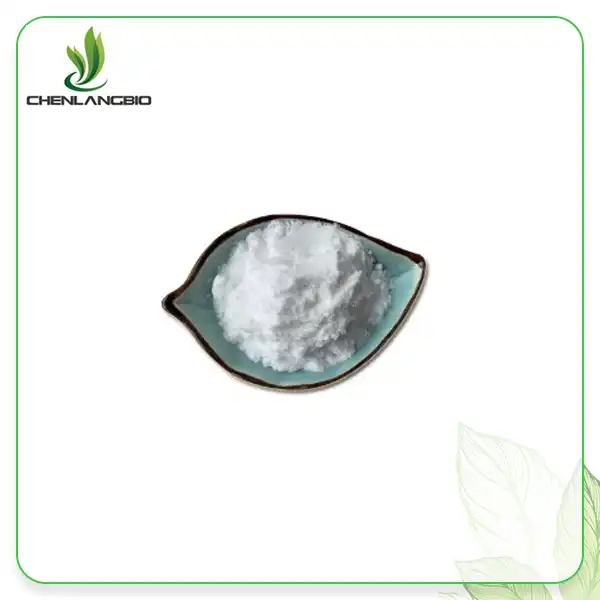
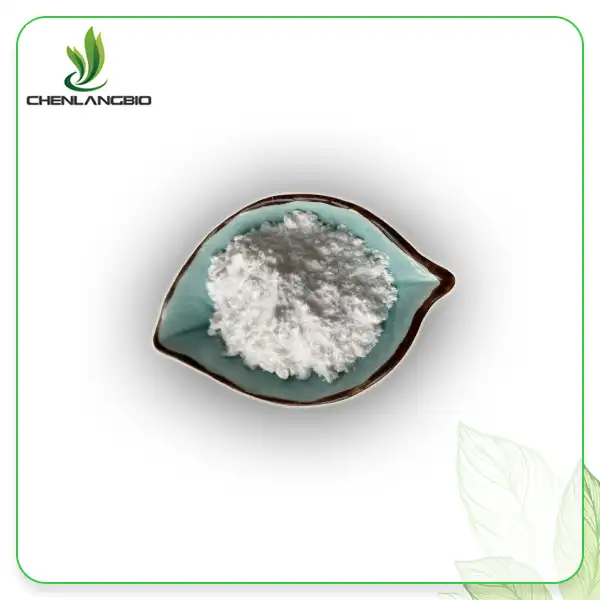
•Appearance: white crystalline powder
•Batch-specific analytical data
The advantage of standardized yohimbine hydrochloride powder is that every production batch can be evaluated against the same quality standard.
For example, a buyer purchasing from a reliable yohimbine hydrochloride manufacturer can compare:
•whether the assay meets the agreed specification;
•whether analytical results remain consistent between batches;
•whether documentation matches the supplied material.
For yohimbe extract, purity evaluation is more complicated because botanical extracts are not defined by one isolated compound. Instead, buyers need to evaluate whether the extract meets the agreed standardization requirements.
|
Quality Evaluation |
Yohimbine Hydrochloride |
Yohimbe Extract |
|
Main Quality Indicator |
Assay of target compound |
Extract specification and marker compounds |
|
Testing Focus |
Purity and identity confirmation |
Botanical profile and standardization |
|
Batch Comparison |
More straightforward |
Requires more detailed evaluation |
|
Supplier Control |
Based on purification and testing |
Based on botanical sourcing and extraction control |
For companies developing standardized formulations, purified compounds often provide advantages because the raw material specification is clearer and easier to control.
HPLC Testing: Understanding Yohimbine Hydrochloride Quality Verification
Yohimbine HPLC testing is a critical quality evaluation method used to confirm the purity and content of yohimbine hydrochloride powder.
High-performance liquid chromatography (HPLC) allows manufacturers and suppliers to quantitatively measure the target compound and verify whether the material meets the agreed specification.
For a qualified bulk yohimbine HCL supplier, HPLC testing is typically part of batch release procedures. Buyers should request analytical documentation showing:
•assay result;
•testing method;
•batch number;
•test date;
•specification comparison.
This information helps manufacturers complete supplier qualification and maintain traceability within their quality systems.
Compared with purified yohimbine hydrochloride, botanical extracts require a broader analytical approach because the material contains multiple constituents. Testing may focus on characteristic compounds and overall extract consistency rather than a single purified molecule.
|
Testing Aspect |
Yohimbine Hydrochloride |
Yohimbe Extract |
|
Primary Test Purpose |
Confirm compound purity |
Verify extract characteristics |
|
Common Method |
HPLC assay |
HPLC or other botanical analysis methods |
|
Main Result |
Specific assay percentage |
Marker compounds / extract specification |
|
Quality Control Difficulty |
More standardized |
More dependent on botanical variation |
Batch Consistency and Supply Reliability: A Key Factor for Global Buyers
For international buyers, batch consistency is often more important than the initial purchase price.
A stable bulk yohimbine supplier should be able to provide consistent specifications over repeated orders because manufacturers need predictable raw materials for ongoing production.
Because yohimbine hydrochloride powder is a purified compound, its production parameters are easier to define. Suppliers can control:
•purification process;
•crystallization conditions;
•drying process;
•analytical release criteria.
As a result, manufacturers can establish clearer incoming quality standards.
For yohimbe extract, consistency depends on additional variables related to botanical materials. Even when the extraction process is controlled, natural raw materials may introduce greater variation.
|
Supply Consideration |
Yohimbine Hydrochloride |
Yohimbe Extract |
|
Raw Material Variation |
Lower after purification |
Higher due to botanical source |
|
Specification Control |
Compound-based |
Extract-based |
|
Batch Comparison |
Easier |
Requires more parameters |
|
Long-Term Supply Management |
More predictable |
Depends on extraction consistency |
For companies that require repeatable specifications across multiple production cycles, standardized yohimbine HCL raw material can simplify quality management.
Formulation Considerations: Selecting the Right Yohimbine Raw Material Format
The choice between yohimbine hydrochloride vs yohimbe extract should ultimately depend on the technical requirements of the project.
Manufacturers selecting yohimbine hydrochloride powder usually prioritize:
•defined chemical identity;
•controlled purity;
•analytical consistency;
•standardized documentation.
Companies selecting yohimbe extract may prioritize:
•botanical ingredient positioning;
•plant-derived extract format;
•broader natural compound profile.
For professional buyers, the most important step is matching the ingredient format with the required quality standard rather than choosing based only on product name or price.
A reliable supplier should help customers evaluate the differences and provide the necessary technical information, including specifications, analytical reports, and quality documentation.
Which Raw Material Should Manufacturers Choose? Yohimbine Hydrochloride or Yohimbe Extract?
Selecting Between Yohimbine Hydrochloride and Yohimbe Extract Based on Manufacturing Requirements
When comparing yohimbine hydrochloride vs yohimbe extract, manufacturers should select the raw material based on their required specification, quality control system, and final application requirements rather than simply comparing the ingredient name or purchase price.
For companies that need a clearly defined compound with consistent analytical characteristics, yohimbine hydrochloride powder is generally the more suitable option because it provides a standardized specification, measurable purity level, and easier batch-to-batch quality evaluation.
On the other hand, yohimbe extract powder may be considered when a botanical extract format is specifically required and the manufacturer prefers to work with a broader plant-derived ingredient profile.
The following table summarizes how professional buyers typically evaluate these two raw material formats.
|
Buyer Consideration |
Yohimbine Hydrochloride Powder |
Yohimbe Extract |
|
Main Requirement |
Standardized compound specification |
Botanical extract characteristics |
|
Quality Control Priority |
Purity, assay, analytical verification |
Extract profile, marker compounds, botanical consistency |
|
Suitable Buyer |
Manufacturers requiring precise specifications |
Companies sourcing plant extract ingredients |
|
Supplier Documentation |
COA, HPLC report, specification sheet |
COA, extract specification, botanical documentation |
|
Batch Management |
Easier comparison between production lots |
Requires more evaluation factors |
|
Raw Material Control |
More controlled after purification |
More dependent on botanical source |
For most professional ingredient buyers, the decision comes down to one key question:
Does the project require a purified and standardized compound, or a botanical extract with a broader natural profile?
Understanding this difference helps manufacturers avoid selecting a raw material based only on marketing descriptions and instead focus on measurable quality requirements.
When Should Manufacturers Choose Yohimbine Hydrochloride Powder?
Advantages of Standardized Yohimbine HCL for Raw Material Applications
Manufacturers usually consider yohimbine hydrochloride powder when they require a raw material with defined specifications and reliable analytical control.
A standardized compound format can provide advantages during supplier qualification and production management because the material characteristics are clearly established before entering the manufacturing process.
For example, companies sourcing 98% yohimbine HCL generally evaluate the following factors:
Defined Purity Specification
A stated purity specification allows buyers to establish clear acceptance criteria. Instead of evaluating a complex botanical profile, manufacturers can verify whether the material meets the agreed assay requirement through analytical testing.
Reliable Analytical Verification
Professional buyers often require suppliers to provide yohimbine HPLC testing results to confirm the identity and purity of the material. This analytical approach supports quality control procedures and improves transparency between suppliers and customers.
Consistent Raw Material Performance
For manufacturers producing products with strict internal specifications, consistency between batches is essential. A standardized compound allows easier comparison between different production lots and simplifies quality management.
Complete Technical Documentation
A qualified yohimbine hydrochloride manufacturer should provide relevant technical documents, including:
•Certificate of Analysis (COA);
•product specification sheet;
•safety documentation;
•analytical test reports.
These documents help international buyers complete supplier evaluation and maintain regulatory and quality records.
When Should Manufacturers Choose Yohimbe Extract?
Botanical Extract Selection for Companies Seeking Plant-Derived Ingredients
Although yohimbine hydrochloride powder offers a higher level of chemical standardization, yohimbe extract remains a different type of raw material with its own application positioning.
Companies choosing yohimbe bark extract typically focus on botanical sourcing, extract characteristics, and the overall plant-derived ingredient profile.
When evaluating a yohimbe extract supplier, manufacturers should pay attention to:
|
Evaluation Factor |
Why It Matters |
|
Botanical identification |
Confirms the correct plant source and raw material authenticity |
|
Extraction method |
Influences the final extract characteristics |
|
Standardization level |
Determines consistency of the extract specification |
|
Analytical testing |
Supports quality verification |
|
Traceability |
Helps maintain supply chain transparency |
For botanical extracts, supplier capability is especially important because the final ingredient quality depends not only on laboratory testing but also on raw material sourcing and manufacturing control.
A professional botanical ingredient supplier should be able to explain the origin of the raw material, production process, quality testing system, and documentation support.
How to Choose a Reliable Yohimbine Hydrochloride Supplier
Key Factors Buyers Should Evaluate Before Purchasing Bulk Yohimbine HCL
Choosing the right yohimbine hydrochloride supplier requires more than comparing quotations. For specialty raw materials, buyers need to evaluate whether the supplier can consistently provide the required quality standard, documentation, and long-term supply reliability.
The following factors are commonly considered by professional ingredient purchasers.
1. Analytical Capability and Quality Testing System
A reliable supplier should have appropriate analytical capabilities to verify product quality.
For bulk yohimbine HCL supplier evaluation, buyers should confirm whether the manufacturer provides:
•HPLC purity testing;
•batch-specific COA;
•specification confirmation;
•quality inspection records.
Analytical transparency is particularly important for purified compounds because the value of the ingredient depends on accurate specification control.
2. Manufacturing Experience and Process Control
A professional yohimbine HCL manufacturer should have experience managing specialty ingredient production, including raw material control, purification procedures, and quality release processes.
Manufacturing capability directly affects:
•batch consistency;
•production stability;
•documentation accuracy;
•customer support efficiency.
At CHEN LANG BIO TECH, our experience with botanical-derived active compounds allows us to provide standardized raw materials supported by controlled production procedures and technical documentation.
3. Documentation Support for International Buyers
For global procurement, documentation is an essential part of supplier qualification.
Buyers commonly request:
|
Document |
Purpose |
|
COA |
Confirms batch-specific quality results |
|
HPLC report |
Verifies purity and analytical data |
|
SDS/MSDS |
Provides safety and handling information |
|
Specification sheet |
Defines product requirements |
|
Packaging information |
Supports logistics planning |
A supplier that can provide complete documentation helps customers reduce qualification time and improve supply chain management.
4. Supply Capability and Long-Term Cooperation
For companies purchasing bulk yohimbine hydrochloride powder, stable supply is an important consideration.
A reliable supplier should demonstrate:
•consistent production capability;
•flexible order support;
•clear communication;
•professional export experience.
Price is an important factor, but for specialty ingredients, long-term quality consistency is often more valuable than selecting the lowest quotation.
Quality Standards for Yohimbine Hydrochloride Powder: What Buyers Should Know
Understanding Specifications Before Purchasing Yohimbine HCL Raw Material
Before purchasing yohimbine hydrochloride powder, professional buyers should understand which specifications define product quality.
A typical quality evaluation may include:
|
Parameter |
Importance |
|
Appearance |
Confirms physical characteristics of the powder |
|
Purity assay |
Determines active compound content |
|
Testing method |
Ensures analytical reliability |
|
Identification |
Confirms material identity |
|
Packaging |
Protects product quality during storage and transport |
For companies sourcing 98% yohimbine hydrochloride powder, the supplier should clearly define the product specification and provide supporting analytical documentation.
A transparent specification system allows buyers to compare suppliers more effectively and establish reliable quality standards for future purchases.
Frequently Asked Questions About Yohimbine Hydrochloride and Yohimbe Extract
Is Yohimbine Hydrochloride the Same as Yohimbe Extract?
No. Yohimbine Hydrochloride is a purified compound derived from yohimbe, while yohimbe extract is a botanical extract containing multiple naturally occurring constituents from the plant material. The main difference is the level of standardization and chemical definition.
Why Do Manufacturers Prefer Standardized Yohimbine Hydrochloride?
Manufacturers often select yohimbine hydrochloride powder when they need controlled purity, analytical consistency, and clearly defined specifications.
A standardized compound simplifies quality evaluation and supplier qualification.
How Is Yohimbine Hydrochloride Purity Tested?
The purity of yohimbine HCL is commonly evaluated through HPLC analysis, which measures the compound content and confirms whether the material meets the agreed specification.
What Documents Should Buyers Request from a Yohimbine Supplier?
Professional buyers usually request:
•COA;
•HPLC analytical report;
•specification sheet;
•SDS/MSDS.
These documents support quality evaluation and international procurement procedures.
Can Manufacturers Buy Yohimbine Hydrochloride Powder in Bulk?
Yes. Qualified suppliers can provide bulk yohimbine hydrochloride powder according to customer requirements, including different order quantities, packaging options, and technical documentation needs.
Conclusion: Choosing the Right Yohimbine Raw Material Depends on Quality Requirements
The comparison of yohimbine hydrochloride vs yohimbe extract shows that these two ingredients serve different raw material needs. Yohimbine Hydrochloride provides a standardized and analytically defined compound format, while Yohimbe Extract represents a broader botanical ingredient category.
For manufacturers evaluating a yohimbe-derived ingredient, the most important factors are not only product availability and pricing, but also purity specification, testing capability, documentation support, and supplier reliability.
CHEN LANG BIO TECH supplies yohimbine hydrochloride powder with standardized specifications, professional quality documentation, and flexible supply solutions for global ingredient buyers.
If you are evaluating a new yohimbine HCL supplier, requesting product specifications, or looking for bulk supply support, our technical team is available to provide further information.

Send Inquiry
Related Industry Knowledge
- Where to Buy Hexamidine Diisethionate in Bulk
- Tadalafil Powder vs Vardenafil API: Industrial and Research Comparison
- Palmitoylethanolamide Powder for Athletes: A Game-Changer in Recovery
- How Does β-NMN Rrelate to NAD+ and Aging?
- How to Eat Phellinus Linteus?
- How Do Hops Flavonoids Work in the Body
- Does Praziquantel Treat Tapeworms
- Can Humans Take Praziquantel
- How Do You Use Magnesium Ascorbyl Phosphate
- Are Tribulus Terrestris Extract Powder Good for You