
How to Use Hyaluronic Acid Powder for Skin Hydration and Anti-Aging?
2026-04-09 10:35:03
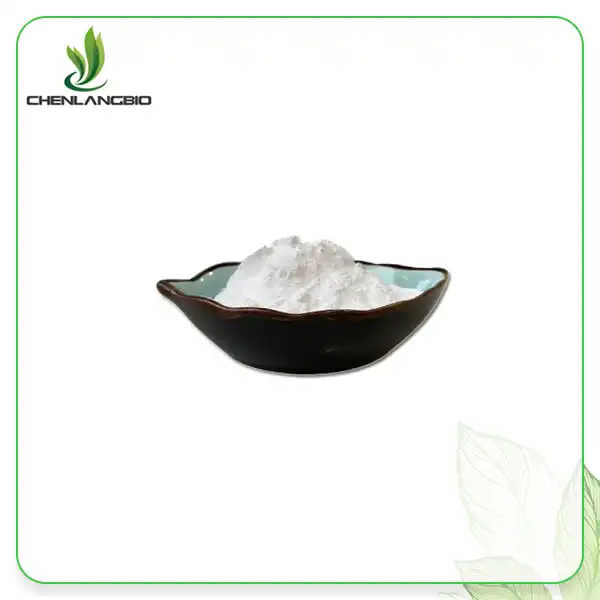
Healthy, hydrated skin is a cornerstone of overall wellness, and its maintenance has become increasingly important in both cosmetic and nutraceutical industries. Among the most effective ingredients for addressing skin dryness, loss of elasticity, and visible signs of aging is hyaluronic acid powder. Derived from highly purified plant-based or biotechnologically produced sources, this ingredient has become a critical component in topical formulations and oral supplements alike. Its remarkable capacity to retain water within the skin matrix, along with its role in cellular repair and extracellular matrix support, makes it an essential ingredient for formulators seeking measurable improvements in skin health.
What is Hyaluronic Acid Powder and How It Works for Skin?
Hyaluronic acid powder is a naturally occurring glycosaminoglycan, a type of long-chain carbohydrate found in connective tissues, particularly in the dermis of the skin. Its primary function is to maintain hydration by binding water molecules, which supports tissue elasticity and structural integrity. The ability of hyaluronic acid to retain water is directly related to its molecular weight: high molecular weight molecules form a film on the skin surface, creating an immediate moisture barrier, whereas low molecular weight molecules penetrate deeper into the dermal layers, stimulating fibroblast activity and collagen synthesis.
At a cellular level, it interacts with specific receptors such as CD44 and RHAMM, triggering processes that enhance tissue repair and reduce inflammation. This dual mechanism—surface hydration and deep dermal activity—explains why hyaluronic acid is effective in both cosmetic and therapeutic applications. Modern formulations leverage this science to create powders that are stable, bioavailable, and compatible with a wide range of cosmetic and nutraceutical products.
Key Benefits of Using Hyaluronic Acid Powder for Skin Hydration and Anti-Aging
The advantages of hyaluronic acid powder extend beyond simple hydration. By drawing and retaining moisture in the dermis, it not only improves skin suppleness but also smooths fine lines and reduces the visual impact of wrinkles. Over time, enhanced hydration supports barrier function, which is critical for protecting against environmental stressors such as UV exposure and pollution.
Additionally, hyaluronic acid powder has been shown to modulate inflammatory responses in the skin and assist in neutralizing oxidative stress, contributing to healthier, more resilient skin. These properties make it highly valuable in anti-aging formulations. Whether incorporated into topical creams, serums, or oral supplements, consistent use of high-purity hyaluronic acid powder supports long-term improvements in skin elasticity, firmness, and overall appearance.
How to Apply Hyaluronic Acid Powder for Maximum Skin Benefits
Optimal application of hyaluronic acid powder requires attention to both formulation and dosage. For topical products, the powder is typically dissolved in water or aqueous carriers before being incorporated into creams, serums, or masks. Concentrations are generally tailored to molecular weight, ranging from 0.1% for low molecular weight formulations to 2% for high molecular weight surface barrier applications. Exceeding these concentrations does not improve efficacy and may hinder absorption.
When used in oral supplements, hyaluronic acid powder is combined with stabilizing agents or synergistic nutrients such as collagen peptides, vitamin C, or antioxidants, ensuring bioavailability and enhanced skin benefits. Proper handling, storage, and incorporation techniques are essential to preserve the integrity and functionality of the powder, which is why partnering with a reliable supplier can make a significant difference in product performance.
Choosing the Right Hyaluronic Acid Powder for Your Skincare Products
Understanding the structural and source-related nuances of hyaluronic acid powder is foundational when developing high‑performance skincare formulations. From a biochemical perspective, hyaluronic acid (HA) is a linear glycosaminoglycan—essentially a long chain of repeating disaccharide units—that exists in nature with a broad range of molecular weights. The size of these polymer chains is not a trivial specification; it directly dictates how HA interacts with skin tissue, influences hydration layers, and integrates within complex product matrices.
Molecular Weight Differences: High vs. Low
Molecular weight, measured in kilodaltons (kDa), describes the average mass of HA molecules distributed within a powder batch. High molecular weight HA typically refers to polysaccharide chains exceeding approximately 1,000 kDa, while low molecular weight HA encompasses fragments generally below 300–1000 kDa depending on analytical method definitions.
•High Molecular Weight HA
Larger polymers are physically too large to penetrate beyond the stratum corneum, the outermost epidermal layer, but this is a functional advantage for surface hydration. These high‑mass chains form a light, breathable, moisture‑binding film that significantly reduces transepidermal water loss and reinforces the skin’s barrier integrity. This action is especially valuable in emulsions or creams where immediate sensory hydration and protective film‑forming properties are desired.
•Low Molecular Weight HA
Smaller fragments possess greater dermal mobility, enabling them to traverse the outer barrier and reach deeper epidermal layers. Clinical evidence suggests that these lower molecular fractions not only attract water internally but also engage with dermal fibroblasts—Stimulating endogenous collagen synthesis and elastin production over time. This deeper action supports structural hydration and can contribute to measurable anti‑aging outcomes, such as improved elasticity and reduced wrinkle depth.
In practice, many advanced formulations strategically combine high and low molecular weight HA to achieve multilayer hydration—surface barrier enhancement and deeper moisture support concurrently. This synergistic approach aligns with contemporary dermal biology principles, which recognize that optimal hydration and anti‑aging efficacy require addressing water balance at multiple skin depths.
Source Considerations: Microbial Fermentation vs. Animal‑Derived Materials
The raw material source of hyaluronic acid powder has profound implications for product quality, safety, and regulatory compliance. Historically, HA was extracted from animal connective tissues rich in hyaluronan, such as rooster combs or bovine vitreous humor. While these sources yield biologically native HA, extraction from animal matrices poses challenges including ethical concerns, batch variability, and the potential for residual protein or pathogen contamination. Consequently, animal‑derived production techniques have largely been supplanted in modern cosmetic and nutraceutical supply chains.
In contrast, microbial fermentation—typically using engineered strains of Streptococcus or other safe production hosts—has become the dominant industrial method. Fermentation enables controlled biosynthesis of HA with predictable molecular weight distribution, scalable yields, and minimized risk of animal‑borne impurities. The process also aligns with sustainability and cruelty‑free priorities increasingly demanded in global markets.
From a quality and purity standpoint, fermentation‑derived HA can be purified to meet stringent cosmetic and pharmaceutical standards. Analytical techniques such as HPLC‑SEC (High‑Performance Liquid Chromatography–Size Exclusion Chromatography) are used to confirm molecular weight distribution and ensure narrow polydispersity, which is critical for consistent performance in end products. Industrial purification workflows involve steps to remove residual proteins, nucleic acids, endotoxins, and fermentation by‑products, yielding a material that is white, high‑purity, and nearly odourless—qualities essential for premium skincare formulations.
Quality, Purity, and Regulatory Compliance
For manufacturers targeting international markets—especially the EU, US, or ASEAN regions—comprehensive quality control is non‑negotiable. Analytical specifications often include:
Purity Levels: Cosmetic‑grade HA powders typically exceed 90–95% purity, verified through certificate of analysis (CoA) and independent laboratory testing. Lower purity materials may contain residual salts, proteins, or microbial remnants that compromise stability and increase irritation risk if used in high concentrations.
Molecular Weight Precision: Disclosing narrow molecular weight distribution rather than vague descriptors such as “low” or “high” enhances formulation predictability. True low MW HA intended for deeper epidermal activity is frequently specified within a defined kDa range rather than a broad label claim.
Endotoxin Levels: While critical for injectable or medical applications, even topical cosmetic and nutraceutical uses benefit from low endotoxin levels to reduce irritation potential.
These analytical criteria directly influence performance outcomes and consumer safety, underscoring the importance of strong supplier transparency and technical documentation.
FAQ
1. How does hyaluronic acid powder improve skin hydration?
Hyaluronic acid is a glycosaminoglycan with a unique capacity to bind and retain water molecules, a property that underpins its role in skin hydration. When formulated correctly, hyaluronic acid powder for skin attracts moisture from the environment and underlying tissue layers into the stratum corneum, promoting sustained hydration. In topical products, this manifests as improved skin softness and reduced transepidermal water loss. In oral formulations, systemic hydration support can indirectly enhance skin moisture levels by improving overall tissue hydration balance. Studies show that consistent use of HA in properly calibrated molecular weight forms supports both immediate and long‑term moisture retention, helping the skin maintain elasticity and resilience under daily environmental stress.
2. Is hyaluronic acid powder safe for all skin types, including sensitive skin?
Safety and tolerance are critical considerations for any skincare ingredient. High‑purity hyaluronic acid powder for sensitive skin is generally well tolerated because its molecular structure is biologically compatible with human dermal systems and does not act as an irritant in most individuals. Unlike harsh chemical hydrators, HA works by naturally binding water rather than stripping lipids or altering pH, which reduces the risk of irritation. However, as with any active ingredient, formulators should ensure that the HA powder is free from residual proteins, endotoxins, and contaminants, and that it is sourced and processed under rigorous quality standards. Patch testing is recommended when introducing new formulations to sensitive or compromised skin.
3. Can hyaluronic acid powder be combined with other skincare actives?
One of the strengths of hyaluronic acid powder for skincare formulations is its compatibility with a broad range of complementary actives. Because HA acts primarily as a hydration matrix and does not alter skin pH significantly, it pairs well with antioxidants (such as vitamins C and E), peptides, ceramides, niacinamide, and even retinoids. In topical systems, HA can enhance the delivery profile of other ingredients by maintaining a hydrated epidermal environment that facilitates better absorption. In oral supplement blends, combining HA with collagen peptides or bioactive botanicals can support synergistic effects on skin elasticity and overall skin health. Good formulation practice involves assessing ingredient stability and solubility to ensure that combinations remain effective and safe throughout the product’s shelf life.
4. What is the recommended usage level of hyaluronic acid powder in skin formulations?
The appropriate concentration of hyaluronic acid powder in a skincare formulation depends on the intended functional outcome and the molecular weight of the HA used. For surface‑focused hydration and barrier support, high molecular weight HA is typically effective at lower inclusion rates—often between 0.5% and 2% in final cosmetic formulations—because of its strong moisture‑binding capability. Lower molecular weight fractions, which aim at deeper dermal hydration and structural support, may be used at similar or slightly higher concentrations, depending on product texture and performance goals. In oral nutraceutical applications, dosages are guided by clinical evidence and regulatory guidelines, with common daily intake levels ranging from 50 mg to 200 mg in combination with synergistic nutrients for systemic skin benefits. Rigorous stability and efficacy testing in pilot batches help ensure that the selected usage level delivers the desired results without compromising product quality.
5. How soon can results be expected from using hyaluronic acid powder for skin hydration and anti‑aging?
The timeline for visible results from hyaluronic acid powder for skin hydration and anti‑aging varies according to the route of administration and individual skin biology. Topical use in creams, serums, or masks often leads to perceptible improvements in surface hydration and skin plumpness almost immediately after application, due to the moisture‑binding effect at the epidermal level. Deeper structural benefits—such as improved elasticity, smoother fine lines, and more balanced skin texture—generally accrue over consistent use for several weeks, typically 4–8 weeks, as the skin’s repair mechanisms engage with lower molecular weight fractions. Oral supplement regimens may require longer‑term use (often 8–12 weeks) to influence systemic hydration and support dermal health from within. Clinical studies reinforce that sustained, daily use yields the most meaningful improvements in both hydration metrics and subjective anti‑aging outcomes.
Conclusion – Maximizing Skin Hydration and Anti-Aging with Hyaluronic Acid Powder
Hyaluronic acid powder continues to be a cornerstone ingredient for supporting skin hydration, elasticity, and the reduction of fine lines. By understanding molecular weight differences and selecting high-purity sources, formulators can design products that address both immediate hydration and long-term dermal support. Combining rigorous quality control with careful formulation ensures consistent performance across a variety of cosmetic and nutraceutical applications.
At CHEN LANG BIO TECH, we are committed to providing high-quality hyaluronic acid powder with precise molecular weight specifications and reliable purity standards. For additional information regarding our products, formulation guidance, or sourcing support, you can reach us at Email: admin@chenlangbio.com or Whatsapp: +86-17782478823. Our goal is to assist partners in developing skincare and supplement products that meet scientific standards and consumer expectations.
References
1, Chylińska N, Maciejczyk M. Hyaluronic Acid and Skin: Its Role in Aging and Wound‑Healing Processes. Gels. 2025;11(4):281. Review of HA functions in skin aging, hydration, elasticity, and wound healing.
2, Karabat MU, Tuncer MC. Effects of hyaluronic acid on skin at the cellular level: a systematic review. Int J Med Sci. 2025;71(8):e20250208. Systematic review summarizing HA influence on skin cells, extracellular matrix, hydration, and inflammation.
3, Zhou R, Yu M. The Effect of Local Hyaluronic Acid Injection on Skin Aging: A Systematic Review and Meta‑Analysis. J Cosmet Dermatol. 2025;24(1):e16760. Meta‑analysis showing improved skin hydration and radiance with HA treatments.
4, Amin P, Sarabi A, Choe S, et al. Oral Hyaluronic Acid Supplement: Efficacy in Skin Hydration, Elasticity, and Wrinkle Depth Reduction. J Drugs Dermatol. 2025;24(9):910–919. Meta‑analysis of oral HA supplementation effects on key skin parameters.
5, Hyaluronic Acid (HA). StatPearls. National Center for Biotechnology Information (NCBI Bookshelf). Overview of HA chemistry, mechanism of action, tissue distribution, and relevance to skin viscoelasticity.
6, Liu Y, Li Y, Wu N, Xie C, Suo H, Li Y, Tao J. Effects of hyaluronic acid with different molecular weights and concentrations on skin optical clearing and collagen fibril structural characteristics. Int J Biol Macromol. 2025;318(Pt 3):144954. Study on the functional influence of HA molecular weight on skin structural properties.
7, Om Prakash O, et al. Hyaluronic acid in modern Cosmeceuticals: a review of skin health and anti‑aging innovations. J Dermatol Cosmetol. 2025;9(3):10. Review of HA structural, pharmacological, and therapeutic roles in modern cosmeceutical applications.

Send Inquiry
Related Industry Knowledge
- Nitenpyram for Flea Control in Dogs and Cats: How This Fast-Acting Insecticide Works
- High Purity Sialic Acid Benefits for Skin Hydration and Radiance
- 7 Magnesium Threonate Benefits
- Why Zeaxanthin Powder Is a Must-Have Ingredient in Eye Care Formulas?
- How Does Tranexamic Acid Powder Work in the Body?
- Paeoniflorin 80%: A Natural Solution for Inflammation
- Fisetin Powder Manufacturer
- China Natural Pearl Powder manufacturers for Skin Whitening
- What is Green Tea Extract EGCG Powder Used For
- Does Naringin Powder Lower Cholesterol