
Nitenpyram for Flea Control in Dogs and Cats: How This Fast-Acting Insecticide Works
2026-03-18 10:17:42
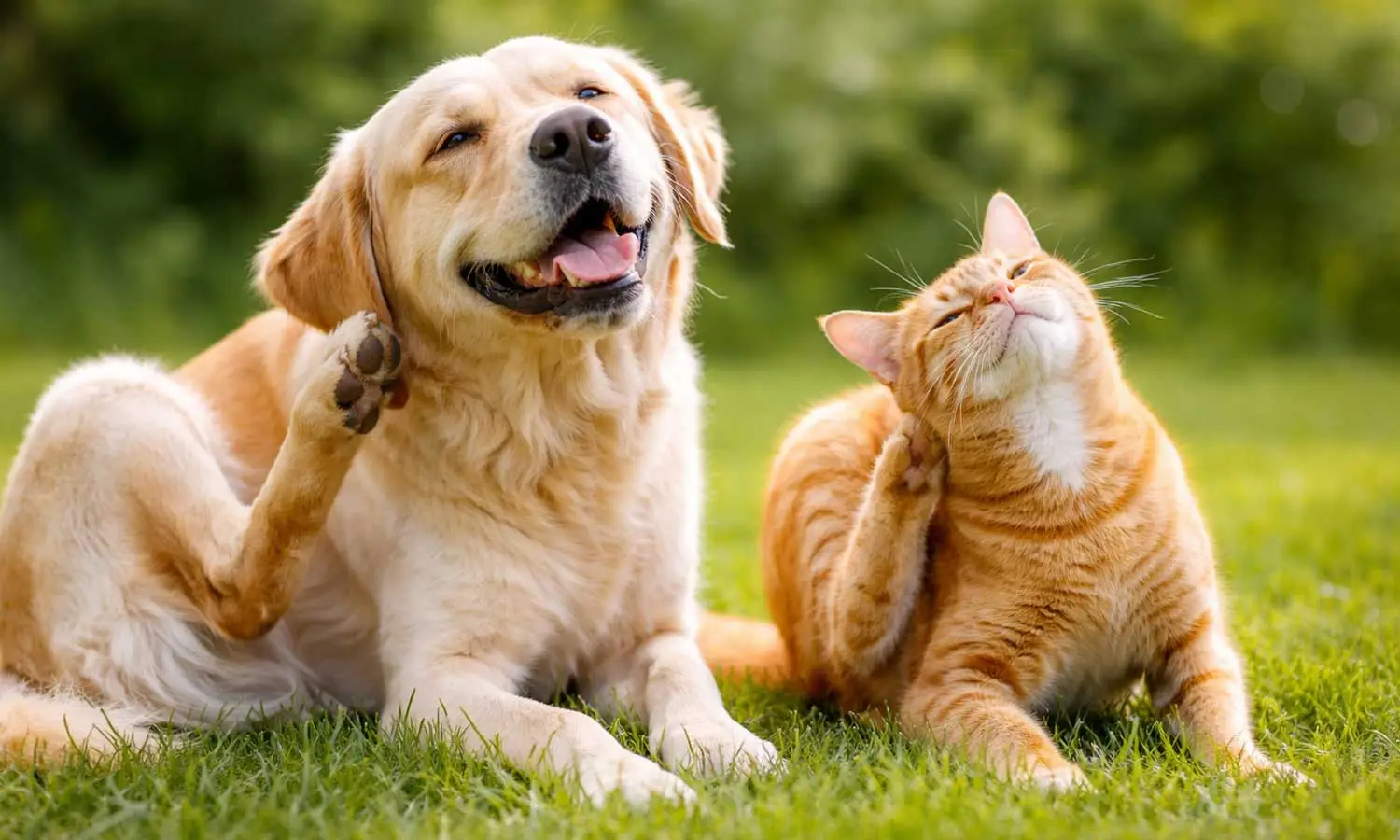
Why Flea Control Is Essential for Dogs and Cats
Nitenpyram powder is widely recognized as a fast-acting insecticide used to eliminate fleas in companion animals. Before understanding how this compound works in veterinary flea treatments, it is important to examine why effective flea control for dogs and cats remains a critical part of modern pet health management.
Flea infestations are among the most common parasitic problems affecting companion animals worldwide. Once a pet flea infestation occurs, fleas can reproduce rapidly and spread throughout the animal’s environment, including bedding, carpets, and furniture. Because adult fleas can lay dozens of eggs per day, infestations may escalate quickly if appropriate flea treatment for pets is not implemented in time.

Beyond causing discomfort, fleas can lead to several medical complications in dogs and cats. Continuous flea feeding may trigger skin irritation, itching, and inflammation. Many animals develop allergic reactions to flea saliva, a condition commonly referred to as flea allergy dermatitis. In more severe cases, persistent infestations may even lead to anemia, particularly in young or small animals.
Fleas also play a role in transmitting parasites. For example, fleas can act as intermediate hosts for certain tapeworm species. When infected fleas are ingested during grooming, pets may develop intestinal parasite infections.
Because flea populations can increase rapidly, veterinary parasite control strategies often require insecticides that act quickly against adult fleas. Fast-acting compounds such as nitenpyram flea treatment formulations are particularly valuable when animals are already experiencing active infestations and require immediate relief from biting parasites.
What Is Nitenpyram Powder?
Itis a fast-acting neonicotinoid insecticide widely used as an active ingredient in both agricultural pest control products and veterinary flea treatment formulations. The compound is specifically designed to target the insect nervous system, making it highly effective against parasites such as fleas as well as several species of sap-feeding insects.
Chemically, nitenpyram insecticide belongs to the neonicotinoid class, a group of insecticides that interact with nicotinic acetylcholine receptors in insects. When these receptors are overstimulated, neural signaling becomes disrupted, leading to paralysis and rapid insect death. This mechanism explains why nitenpyram flea treatment products are able to eliminate adult fleas quickly after administration.
In industrial production, nitenpyram powder is typically manufactured as technical material used by formulation companies developing veterinary and agricultural insecticide products. Veterinary pharmaceutical manufacturers often incorporate the compound into flea control formulations designed for dogs and cats, where rapid elimination of biting parasites is required.
Because of its consistent insecticidal activity and formulation compatibility, many pesticide and veterinary pharmaceutical companies source high purity nitenpyram powder as a raw material for product development. For large-scale production, manufacturers frequently purchase bulk nitenpyram powder to ensure a stable supply of active ingredient for veterinary and pest-control formulations.
As global demand for veterinary parasite control products continues to grow, the role of experienced nitenpyram manufacturers and reliable nitenpyram powder suppliers has become increasingly important. Formulation companies seeking to buy nitenpyram powder for product development typically evaluate factors such as purity, quality documentation, and supply stability when selecting a production partner.
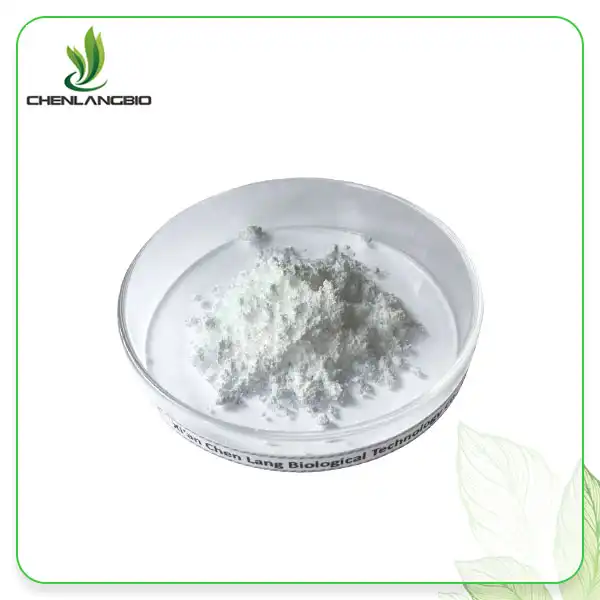
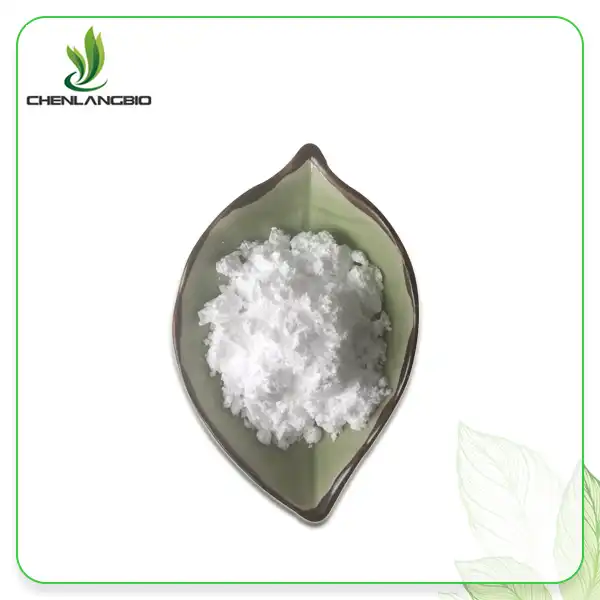
At CHEN LANG BIO TECH, nitenpyram powder is produced as a bright yellow crystalline material suitable for use as an insecticide active ingredient. Each production batch is supported by analytical documentation to ensure consistent quality for formulation manufacturers working in both agricultural and veterinary sectors.
Chemical Identity and Key Properties
The chemical structure and physical characteristics of nitenpyram powder contribute significantly to its insecticidal activity.
|
Chemical Name |
Nitenpyram |
|
CAS |
150824-47-8 |
|
Molecular Formula |
C₁₁H₁₅ClN₄O₂ |
|
Molecular Weight |
270.7154 |
|
Appearance |
Yellow powder |
The nitenpyram insecticide properties that contribute to its performance include high water solubility and rapid biological activity. These characteristics allow the compound to be absorbed quickly by insects and begin affecting their nervous systems shortly after exposure.
How Nitenpyram Kills Fleas in Dogs and Cats
The effectiveness of nitenpyram flea treatment is directly related to the compound’s interaction with the insect nervous system. As a neonicotinoid insecticide, nitenpyram specifically targets nicotinic acetylcholine receptors in insects.
When fleas feed on an animal that has received a veterinary formulation containing nitenpyram insecticide, the compound enters the flea’s body through the ingested blood meal. Once inside the insect, the active ingredient binds to neural receptors responsible for transmitting nerve impulses.
This interaction leads to continuous stimulation of the flea’s nervous system. Instead of allowing normal nerve signals to activate and then stop, the compound keeps the receptors activated, disrupting neural communication.
As neural overstimulation continues, the flea loses its ability to coordinate muscle activity. This neurological disruption ultimately causes paralysis and rapid death.
Because of this nitenpyram insecticide mechanism, fleas exposed to the compound typically begin dying within a short period of time after ingestion. This rapid mode of action is one of the primary reasons the compound has become widely used in veterinary flea control products.
Interaction With the Flea Nervous System
The nitenpyram mode of action involves binding to insect nicotinic acetylcholine receptors, commonly abbreviated as nAChRs. These receptors are essential components of the insect nervous system and play a critical role in transmitting signals between neurons.
Under normal conditions, the neurotransmitter acetylcholine binds temporarily to these receptors, triggering a nerve signal that is quickly terminated. When nitenpyram insecticide binds to the same receptor sites, it mimics the neurotransmitter but prevents the signal from shutting off properly.
As a result, nerve cells continue firing continuously. This persistent neural stimulation causes severe neurological disruption within the flea’s nervous system.
Why Nitenpyram Works So Quickly
One of the most important characteristics of nitenpyram flea treatment is its rapid insecticidal activity. Several chemical and biological factors contribute to this fast performance.
•First, nitenpyram powder has high water solubility, which allows it to dissolve and distribute quickly within the host animal’s bloodstream. When fleas feed on the treated animal, the active ingredient can be rapidly ingested.
•Second, the compound binds efficiently to insect neural receptors, meaning the toxic effect begins almost immediately after exposure. Because of this property, the nitenpyram speed of kill is often faster than that of many other insecticides used in flea control products.
For pets suffering from active flea infestations, the rapid activity of fast acting flea treatment formulations containing nitenpyram can provide quick relief from biting fleas and associated irritation.
Benefits of Nitenpyram Flea Treatment for Pets
For veterinarians and pet owners, the effectiveness of nitenpyram flea treatment for dogs and nitenpyram flea treatment for cats is largely determined by how quickly the compound can eliminate adult fleas and reduce discomfort caused by biting parasites.
Because nitenpyram insecticide acts directly on the flea nervous system, it is widely recognized as a fast-acting solution for controlling active flea infestations. In veterinary practice, rapid elimination of adult fleas is often critical because fleas can reproduce quickly and cause significant irritation to animals.
Once administered through veterinary formulations, the active ingredient is absorbed into the animal’s bloodstream. When fleas feed on the treated animal, they ingest the compound and experience rapid neurological disruption.
For pets experiencing severe infestations, the rapid activity of nitenpyram flea treatment for dogs and nitenpyram flea treatment for cats can provide noticeable relief from itching and irritation within a short period of time. This quick response helps reduce scratching behavior and lowers the risk of skin damage associated with flea bites.
Key Benefits of Nitenpyram Flea Treatment
|
Benefit |
Explanation |
|
Rapid flea elimination |
Fleas begin dying shortly after exposure |
|
Immediate relief for pets |
Reduces itching and irritation caused by flea bites |
|
Fast onset of action |
Effective control within hours |
|
Targeted action |
Designed to eliminate adult fleas responsible for biting |
These characteristics explain why veterinary products containing nitenpyram flea treatment active ingredients are often used when immediate flea control is required.
Veterinary Applications of Nitenpyram
In veterinary medicine, nitenpyram veterinary medicine formulations are primarily developed to control flea infestations in companion animals such as dogs and cats. Fleas remain one of the most common external parasites affecting pets worldwide, making effective control strategies essential for veterinary care.
Many veterinary pharmaceutical products incorporate nitenpyram flea tablets as a fast-acting solution for eliminating adult fleas. When pets receive these formulations, the active ingredient enters the bloodstream and becomes available to fleas that feed on the host animal.
The compound’s rapid insecticidal activity allows veterinarians to quickly reduce flea populations during active infestations. Because of this property, nitenpyram veterinary medicine formulations are often recommended in situations where pets require immediate flea control.
Common Veterinary Applications
|
Veterinary Application |
Purpose |
|
Flea control tablets for dogs |
Rapid elimination of adult fleas |
|
Flea control tablets for cats |
Immediate suppression of flea infestations |
|
Veterinary pharmaceutical formulations |
Use of nitenpyram flea tablets as an active ingredient |
From a formulation perspective, veterinary pharmaceutical companies rely on veterinary insecticide ingredient suppliers capable of providing consistent raw materials to support the development of flea control products.
Typical Nitenpyram Dosage for Dogs and Cats
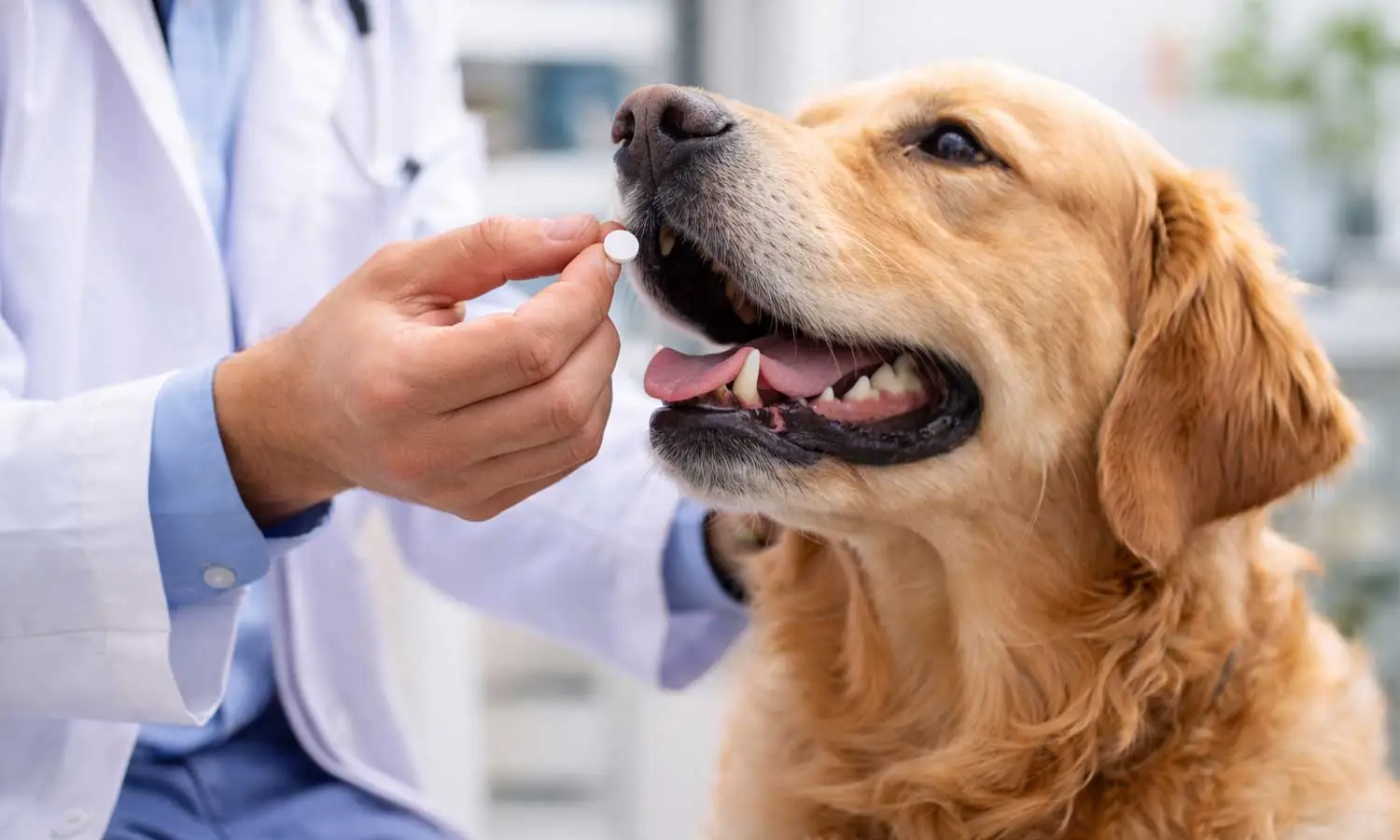
In veterinary flea control products, nitenpyram flea treatment is generally administered orally according to body weight. Public product labels and regulatory documents consistently describe a minimum effective dose of 1 mg/kg body weight for dogs and cats. In commercial veterinary products, this is commonly translated into weight-based tablet strengths rather than customized compounding.
Common Weight-Based Dosing Reference
|
Animal |
Body Weight |
Typical Nitenpyram Dose |
|
Cats |
1.0–11.0 kg |
11.4 mg |
|
Small dogs |
1.0–11.0 kg |
11.4 mg |
|
Medium to large dogs |
11.1–57.0 kg |
57 mg |
|
Very large dogs |
Over 57.0 kg |
2 × 57 mg tablets |
This dosing structure reflects the standard weight categories used in widely distributed nitenpyram veterinary medicine products. Regulatory and label information also states that these products are intended for dogs, puppies, cats, and kittens 4 weeks of age and older and 2 lb (about 0.9 kg) or greater, with repeat treatment commonly described as up to once daily if re-infestation occurs.
Why Nitenpyram Is Effective at Low Dosage
One reason nitenpyram flea treatment for dogs and nitenpyram flea treatment for cats can work at relatively low dosage levels is the compound’s high affinity for insect nicotinic acetylcholine receptors. Even small concentrations are capable of triggering severe neural disruption in fleas.
Once ingested by the parasite during feeding, the compound rapidly interferes with the flea nervous system, leading to paralysis and death. Because of this mechanism, nitenpyram insecticide is widely recognized for its rapid onset of activity compared with many other flea control compounds.
Relevance for Veterinary Formulation Development
From a formulation perspective, the established dosage profile is one reason nitenpyram powder remains an important veterinary insecticide ingredient used by pharmaceutical manufacturers. The active ingredient is effective at relatively low mg/kg levels and has a well-documented dosing framework for flea control products in dogs and cats.
For veterinary pharmaceutical developers, sourcing high purity nitenpyram powder is essential to ensure consistent active ingredient concentration in finished products. Many manufacturers therefore procure bulk nitenpyram powder from experienced suppliers when producing veterinary flea treatment formulations.
At CHEN LANG BIO TECH, nitenpyram powder is produced as a bright yellow crystalline material suitable for use as an insecticide active ingredient. Each production batch is supported by analytical documentation, including COA verification, helping formulation manufacturers maintain consistent quality standards when developing flea control products.
Technical Note
Because veterinary pharmaceutical regulations may differ between countries, dosage instructions for finished veterinary products should always follow the approved label guidance and veterinary regulatory requirements applicable in the destination market. The information above is presented as a general reference derived from publicly available veterinary product labeling and scientific literature describing the typical use of nitenpyram flea treatment products.
Nitenpyram vs Other Flea Control Ingredients
When evaluating flea control products, veterinary researchers often compare nitenpyram vs imidacloprid and nitenpyram vs spinosad to understand how different active ingredients perform in controlling flea infestations.
Although these insecticides belong to different chemical groups, they are all used in flea control products for companion animals. The primary differences between these compounds generally relate to speed of action, persistence, and formulation types.
Comparison of Selected Flea Control Ingredients
|
Feature |
Nitenpyram |
Imidacloprid |
Spinosad |
|
Speed of action |
Very fast |
Moderate |
Moderate |
|
Target parasites |
Adult fleas |
Fleas and other pests |
Adult fleas |
|
Common formulation |
Oral flea treatment |
Topical insecticide |
Oral flea treatment |
Comparisons such as nitenpyram vs imidacloprid often emphasize the rapid speed at which nitenpyram can eliminate adult fleas. Meanwhile, comparisons of nitenpyram vs spinosad typically focus on differences in formulation approaches and duration of activity.
For veterinary professionals, selecting the appropriate active ingredient depends on the specific needs of the animal, the severity of infestation, and the desired speed of flea elimination.
How Veterinary Manufacturers Source Nitenpyram Powder
For companies developing veterinary flea control products, sourcing reliable nitenpyram powder is an important step in the production process. Veterinary pharmaceutical manufacturers typically require high-quality active ingredients to ensure consistent performance in finished formulations.
When evaluating suppliers, companies often consider several factors such as product purity, quality documentation, and production capacity. Reliable nitenpyram powder suppliers generally provide analytical documentation and technical specifications to support product development.
Key Factors When Selecting a Supplier
|
Factor |
Importance |
|
Purity and quality control |
Ensures consistent insecticidal activity |
|
Technical documentation |
Includes COA and analytical reports |
|
Production capacity |
Supports large-scale manufacturing |
|
Global logistics |
Enables reliable international supply |
Veterinary pharmaceutical companies seeking to buy nitenpyram powder often prioritize suppliers capable of delivering high purity nitenpyram powder with stable quality. For large-scale production, purchasing bulk nitenpyram powder ensures a consistent supply of active ingredient for flea control formulations.
At CHEN LANG BIO TECH, nitenpyram powder is produced as a bright yellow crystalline material suitable for veterinary and agricultural formulations. Each production batch is accompanied by analytical documentation, and stable inventory levels allow formulation manufacturers to obtain bulk nitenpyram powder with flexible order quantities and global shipping options.
FAQ: Nitenpyram for Flea Control in Dogs and Cats
What is nitenpyram used for in dogs and cats?
Nitenpyram flea treatment is primarily used to eliminate adult fleas in companion animals. When pets receive veterinary formulations containing nitenpyram insecticide, fleas ingest the active ingredient while feeding on the animal’s blood. The compound then disrupts the flea nervous system, leading to rapid paralysis and death. Because of this fast mechanism of action, nitenpyram for dogs and nitenpyram for cats is commonly used when immediate control of flea infestations is required.
How fast does nitenpyram kill fleas?
The nitenpyram speed of kill is one of the key characteristics that distinguishes this compound from many other flea control ingredients. Scientific studies and veterinary product labels indicate that adult fleas can begin dying within a short period after treatment. Because nitenpyram insecticide rapidly binds to insect neural receptors, it can interrupt nerve signaling quickly, making it a widely used fast acting flea treatment in veterinary medicine.
Is nitenpyram safe for dogs and cats?
Veterinary products containing nitenpyram flea tablets are commonly used in dogs and cats when administered according to approved veterinary product labeling. These products are typically designed for animals above a minimum age and body weight specified in veterinary labeling. When used appropriately, nitenpyram veterinary medicine formulations are intended to target fleas without affecting the host animal’s nervous system because the compound shows selective activity toward insect receptors.
How does nitenpyram work against fleas?
The nitenpyram insecticide mechanism involves binding to nicotinic acetylcholine receptors in the insect nervous system. When fleas ingest the compound, neural transmission becomes disrupted due to continuous receptor stimulation. This neurological disruption leads to paralysis and rapid death of the flea. Because this nitenpyram mode of action targets insect receptors specifically, the compound can act quickly against parasites feeding on treated animals.
What industries use nitenpyram powder?
Nitenpyram powder is used in several industries related to pest control and veterinary health. In agriculture, it is studied for controlling certain sap-feeding insects. In veterinary medicine, it is incorporated into nitenpyram flea treatment products designed for companion animals. For companies developing these formulations, sourcing high purity nitenpyram powder from a reliable nitenpyram manufacturer or nitenpyram powder supplier is an important part of maintaining consistent product quality.
Conclusion
The widespread use of nitenpyram powder in veterinary flea control products reflects the compound’s rapid insecticidal activity and well-understood mechanism of action. By targeting nicotinic acetylcholine receptors in the insect nervous system, nitenpyram insecticide can quickly disrupt neural signaling in fleas, making it an effective active ingredient in products designed to control flea infestations in dogs and cats.
In veterinary practice, formulations containing nitenpyram flea treatment are valued for their ability to eliminate adult fleas rapidly, helping reduce irritation and discomfort associated with flea bites. The established dosage framework and rapid onset of action have contributed to the compound’s continued use in veterinary parasite management.
For veterinary pharmaceutical developers and pest-control formulation companies, access to reliable raw materials remains essential. High purity nitenpyram powder is commonly used as an insecticide active ingredient in veterinary formulations, and consistent supply helps ensure stable product development and manufacturing.
For technical information regarding nitenpyram powder, product specifications, or supply availability, inquiries may be directed to the technical team at CHEN LANG BIO TECH:
Email: admin@chenlangbio.com
Website: https://www.chenlangbio.com
References
1, Tomizawa, M., & Casida, J. E. Neonicotinoid insecticide toxicology: mechanisms of selective action. Annual Review of Pharmacology and Toxicology.
2, Elbert, A., Haas, M., Springer, B., Thielert, W., & Nauen, R. Applied aspects of neonicotinoid uses in crop protection. Pest Management Science.
3, U.S. Food and Drug Administration (FDA). Nitenpyram (Capstar) Freedom of Information Summary. Available at: https://animaldrugsatfda.fda.gov
4, DailyMed. Nitenpyram tablet label information for dogs and cats. Available at: https://dailymed.nlm.nih.gov
5, European Medicines Agency (EMA). Veterinary medicinal products containing nitenpyram. Available at: https://www.ema.europa.eu
6, Rust, M. K. Advances in the control of cat fleas on dogs and cats. Trends in Parasitology.
7, Dryden, M. W. Flea and tick control in companion animals. Veterinary Dermatology.
8, McTier, T. L., et al. Speed of kill of nitenpyram against fleas on dogs and cats. Veterinary Parasitology.
9, Nauen, R., & Denholm, I. Resistance of insect pests to neonicotinoid insecticides. Archives of Insect Biochemistry and Physiology.
10, Sparks, T. C. Insecticide discovery and development. Pesticide Biochemistry and Physiology.

Send Inquiry
Related Industry Knowledge
- Oligopeptide-68 vs Niacinamide: Which Ingredient Is Better for Skin Brightening?
- How Does Dihydromyricetin Work?
- How Does Liposomal CoQ10 Compare to Regular CoQ10 Supplements?
- What Are the Potential Health Benefits of L-Ergothioneine?
- How Does β-NMN Rrelate to NAD+ and Aging?
- Why Durian Fruit Powder is Trending
- How Long Does 4-Butylresorcinol Take to Work
- Hydroxypinacolone Retinoate vs Retinol
- Why We Love Pure Natural Quercetin
- Apple Polyphenol Extract Benefits