
Freeze-Dried Raspberry Powder vs Spray-Dried Raspberry Powder: Which Is Better for Food Manufacturers?
2026-05-12 11:08:20
As consumer demand continues to shift toward clean-label, fruit-based, and naturally flavored products, manufacturers are under increasing pressure to select ingredients that balance functionality, product quality, and commercial scalability. Among the most widely used fruit ingredients in modern formulations, freeze-dried raspberry powder and spray-dried raspberry powder are frequently compared by product developers, sourcing managers, and R&D teams across the global food industry.
Although both ingredients originate from raspberries, the drying technology used during processing significantly influences flavor retention, nutritional profile, appearance, production cost, and application performance. For manufacturers developing premium beverages, bakery products, nutritional blends, or functional snacks, choosing the right type of fruit powder for food manufacturers can directly impact product positioning and consumer perception.
From a sourcing perspective, understanding the differences between bulk raspberry powder supplier options is equally important. Purchasing teams increasingly evaluate ingredient stability, formulation compatibility, clean-label suitability, and supply reliability before selecting a long-term ingredient partner. This article provides a detailed comparison between freeze-dried raspberry powder and spray-dried raspberry powder, helping manufacturers determine which option aligns best with their production goals, brand positioning, and commercial strategy.
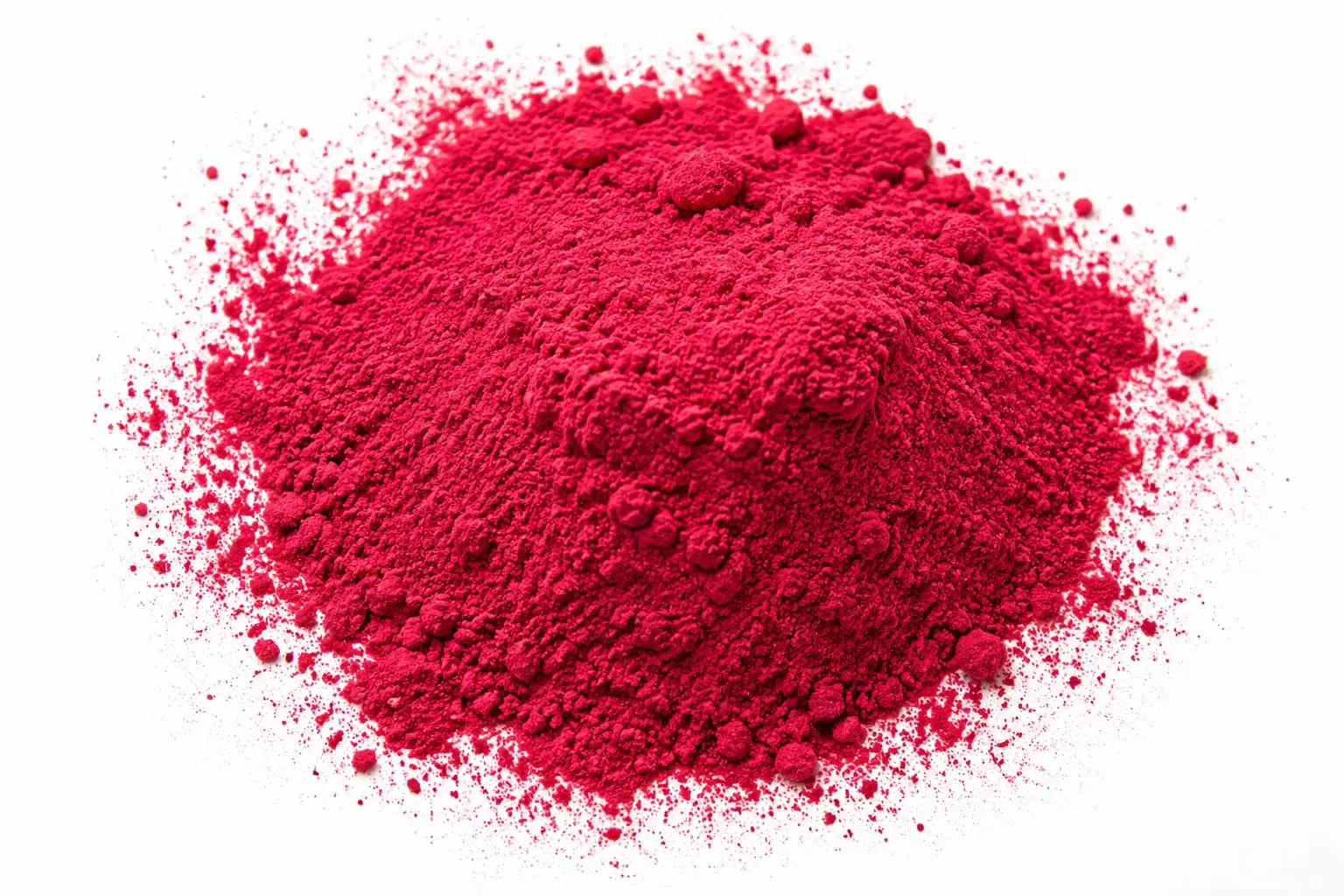
Why Food Manufacturers Compare Freeze-Dried and Spray-Dried Raspberry Powder
The rapid growth of the global clean-label movement has transformed the way food manufacturers evaluate fruit ingredients. Consumers increasingly expect products to contain recognizable, naturally derived components with minimal processing and no unnecessary additives. As a result, ingredient selection has become a strategic decision rather than simply a sourcing exercise.
For many manufacturers, the comparison between freeze-dried fruit powder applications and spray-dried alternatives begins with product positioning. Premium beverage brands, functional nutrition companies, and high-end bakery manufacturers often prioritize authentic fruit flavor, natural appearance, and strong ingredient transparency. In contrast, large-scale mass-market producers may place greater emphasis on processing efficiency, cost optimization, and formulation stability.
This is where the distinction between drying technologies becomes commercially significant. The processing method used to create spray-dried fruit powder or freeze-dried powder affects nearly every aspect of ingredient performance — including flavor intensity, moisture content, color retention, solubility, texture, and shelf stability. Manufacturers seeking a premium raspberry powder for manufacturing often evaluate freeze-drying for its ability to preserve the original characteristics of fresh raspberries, while spray-drying may appeal to brands focused on production scalability and lower ingredient costs.
Supply chain considerations also play a major role. Procurement teams sourcing bulk fruit powder for industry applications need ingredients that can integrate consistently into high-volume production environments. Stability during transportation, storage performance, and batch-to-batch consistency are essential factors, particularly for international manufacturers managing complex supply chains.
At the same time, brands are becoming increasingly aware that ingredient quality influences not only formulation performance but also marketing potential. Products made with natural raspberry powder supplier ingredients can support premium positioning, clean-label messaging, and more sophisticated product storytelling in competitive retail markets.
For this reason, comparing freeze-dried vs spray-dried raspberry powders is no longer simply a technical discussion — it is a broader commercial decision involving product quality, consumer expectations, operational efficiency, and long-term brand value.
What Is Freeze-Dried Raspberry Powder?
Freeze-dried raspberry powder is produced through a low-temperature dehydration process designed to preserve the natural structure, flavor, aroma, and nutritional composition of fresh raspberries. Unlike conventional drying methods that rely on high heat, freeze-drying removes moisture through sublimation, allowing water to transition directly from ice to vapor under controlled vacuum conditions.
This advanced process helps maintain the fruit’s original sensory characteristics while significantly reducing moisture content, resulting in a stable powder with excellent shelf life and strong formulation versatility. Because the fruit is processed at low temperatures, Freeze-Drying Technology for Fruit Powder minimizes thermal degradation and preserves more of the delicate compounds responsible for raspberry flavor, color, and aroma.
For manufacturers developing premium products, this processing method offers clear advantages. Premium freeze-dried raspberry powder typically delivers brighter natural color, stronger fruit flavor, and a cleaner label profile compared to many conventional fruit powders. The absence of high-temperature exposure also contributes to improved retention of naturally occurring nutrients and plant compounds, making freeze-dried ingredients especially attractive for brands focused on premium or minimally processed formulations.
One of the defining characteristics of Natural Raspberry Powder produced through freeze-drying is its highly concentrated fruit profile. Because very little dilution occurs during processing, manufacturers can achieve intense raspberry flavor and color with relatively low inclusion rates. This makes freeze-dried powder particularly suitable for products where visual appearance and authentic fruit taste are critical purchasing factors.
The lightweight texture and excellent solubility of Bulk Freeze-Dried Raspberry Powder also support wide application flexibility across multiple industries. Beverage manufacturers frequently use freeze-dried raspberry powder in smoothies, instant drink blends, flavored waters, and nutritional beverages. In bakery and confectionery applications, the powder can be incorporated into fillings, frostings, batters, coatings, and inclusions without significantly affecting texture or processing stability.
In premium nutrition products, freeze-dried raspberry powder is often selected for clean-label protein blends, fruit-enhanced meal replacements, and plant-based functional formulations. Manufacturers developing these products increasingly prioritize ingredient transparency, making Industrial Raspberry Powder Supplier capabilities such as traceability, quality consistency, and low-moisture stability especially important.
From a commercial perspective, freeze-dried powder is commonly associated with higher-end formulations due to its premium production process and superior sensory performance. Although manufacturing costs are generally higher than spray-dried alternatives, many brands view the additional investment as worthwhile because it supports stronger product differentiation, premium retail positioning, and enhanced consumer perception.
In today’s increasingly competitive food and beverage market, OEM Freeze-Dried Fruit Powder solutions are also becoming more common as brands seek customized ingredient specifications, particle sizes, packaging formats, and private-label support. Manufacturers working with experienced suppliers often gain greater flexibility in product development while maintaining stable ingredient quality across large-scale production cycles.
What Is Spray-Dried Raspberry Powder?
Spray-dried raspberry powder is produced using a high-temperature drying process in which liquid raspberry concentrate or puree is atomized into fine droplets and rapidly dried with heated air inside a drying chamber. This method is widely used throughout the food industry because it offers efficient large-scale production, strong processing consistency, and lower manufacturing costs compared to freeze-drying.
During spray-drying, carrier ingredients such as maltodextrin are often added to improve drying performance, reduce stickiness, and enhance powder flowability. As a result, many spray-dried fruit powder supplier products contain a lower percentage of pure fruit solids than freeze-dried alternatives. However, this formulation approach also provides practical advantages for industrial food manufacturing, particularly in applications where cost control and high production efficiency are priorities.
One of the key commercial strengths of fruit juice powder produced through spray-drying is its scalability. The process supports high-volume continuous production and allows manufacturers to generate large quantities of stable powder with relatively consistent particle size and moisture levels. This makes spray-dried powders especially attractive for mass-market food products, beverage premixes, confectionery coatings, and flavored dry blends.
For companies focused on price-sensitive markets, Cost-Effective Raspberry Powder solutions can help reduce formulation costs while still delivering acceptable flavor and color performance. Spray-dried powders generally dissolve easily, blend efficiently into dry formulations, and maintain good handling characteristics during industrial production. These operational advantages contribute to the widespread use of spray-dried powders across global food manufacturing.
At the same time, there are several important differences between spray-dried and freeze-dried products that manufacturers must consider carefully. Exposure to elevated temperatures during spray-drying can lead to partial loss of volatile aroma compounds and some naturally occurring nutrients. In many cases, the final powder may deliver milder fruit flavor intensity and less vibrant natural color compared to freeze-dried raspberry powder.
Additionally, the use of carrier ingredients can influence labeling requirements and affect clean-label positioning. Brands seeking highly concentrated fruit ingredients or premium marketing claims may therefore prefer freeze-dried alternatives, particularly for upscale retail products and functional nutrition categories.
Nevertheless, Industrial Fruit Powder produced through spray-drying remains a highly valuable ingredient category for many applications. Beverage powders, flavored snacks, bakery mixes, dairy flavor systems, and instant nutritional products often benefit from the processing efficiency and economic advantages associated with spray-dried formulations.
For global sourcing teams, selecting the right wholesale raspberry powder solution ultimately depends on balancing product performance, formulation objectives, ingredient transparency, and commercial targets. Manufacturers operating in high-volume categories frequently evaluate both freeze-dried and spray-dried options to determine which approach delivers the strongest combination of operational efficiency and consumer appeal.
Freeze-Dried vs Spray-Dried Raspberry Powder: Key Differences
Although both powders originate from raspberries, the production method creates substantial differences in flavor performance, nutritional integrity, formulation behavior, and commercial positioning. For manufacturers evaluating ingredients for premium beverages, bakery products, dairy formulations, or nutritional applications, understanding these differences is essential when selecting the most appropriate fruit powder for food manufacturers.
From an industrial perspective, the decision between freeze-dried raspberry powder and spray-dried raspberry powder often depends on the balance between product quality, production efficiency, ingredient cost, and target market positioning. Premium brands generally prioritize sensory quality and clean-label positioning, while large-scale manufacturers may focus more heavily on processing scalability and formulation economics.
The following comparison highlights the most important differences between the two technologies and explains how each option performs across commercial food manufacturing applications.
Freeze-Dried Raspberry Powder vs Spray-Dried Raspberry Powder Comparison Table
|
Feature |
Freeze-Dried Raspberry Powder |
Spray-Dried Raspberry Powder |
|
Drying Method |
Low-temperature vacuum freeze-drying |
High-temperature spray drying |
|
Flavor Retention |
Excellent natural raspberry flavor |
Moderate fruit flavor |
|
Aroma Preservation |
High retention of volatile compounds |
Partial aroma loss possible |
|
Color Stability |
Vibrant natural red color |
Less intense color |
|
Nutrient Retention |
Higher preservation of natural compounds |
Moderate nutrient retention |
|
Carrier Ingredients |
Usually minimal or none |
Often contains maltodextrin |
|
Solubility |
Excellent |
Excellent |
|
Texture |
Light, porous, natural |
Fine, uniform powder |
|
Moisture Content |
Very low |
Low |
|
Shelf Stability |
Excellent under dry storage |
Excellent |
|
Processing Cost |
Higher |
Lower |
|
Product Positioning |
Premium & clean-label products |
Cost-efficient mass-market products |
|
Typical Applications |
Functional beverages, premium bakery, nutrition |
Instant beverages, snack coatings, dry blends |
This comparison illustrates why many premium manufacturers increasingly choose premium freeze-dried raspberry powder when developing high-value formulations focused on natural positioning and strong fruit character. Meanwhile, cost-effective raspberry powder produced through spray-drying continues to play a major role in high-volume commercial production due to its scalability and lower production cost.
Flavor and Aroma Retention
Flavor is one of the most commercially important factors influencing ingredient selection. In competitive food categories, authentic fruit taste directly impacts consumer perception and repeat purchasing behavior.
Because freeze-dried fruit powder benefits include low-temperature processing, the technology preserves a greater percentage of volatile aroma compounds naturally found in raspberries. This results in a more authentic fruit profile with stronger aroma intensity and brighter flavor expression. Beverage manufacturers, in particular, often prefer freeze-dried ingredients because they provide a fresher fruit character in smoothies, flavored waters, and nutritional beverages.
In contrast, spray-dried fruit powder applications may experience partial flavor degradation during high-temperature drying. While modern spray-drying systems are highly efficient, some delicate aroma compounds are sensitive to heat exposure and may diminish during processing. To compensate, manufacturers sometimes increase inclusion levels or supplement flavor systems in finished formulations.
For brands developing premium clean-label products, the superior sensory performance of freeze-dried raspberry powder often supports stronger product differentiation and more premium consumer positioning.
Color Stability and Appearance
Visual appearance is another major consideration for food manufacturers, especially in categories where vibrant fruit color influences purchase decisions. Products marketed as natural or fruit-forward are expected to deliver visually appealing color without artificial additives.
One of the strongest advantages of premium fruit powder vs spray-dried fruit powder lies in color retention. Freeze-drying preserves the natural pigments of raspberries more effectively because the process avoids prolonged exposure to heat. As a result, freeze-dried raspberry powder typically exhibits a brighter and more visually attractive red tone.
This characteristic is particularly valuable for applications such as:
•smoothie blends
•yogurt formulations
•confectionery coatings
•premium bakery fillings
•nutritional beverage powders
By comparison, spray-dried raspberry powder often produces a softer or slightly muted color profile. While still commercially acceptable for many applications, it may not deliver the same premium visual impact required in higher-end products.
For manufacturers focused on natural product aesthetics and clean-label positioning, vibrant appearance can significantly influence overall brand perception and retail competitiveness.
Nutritional Preservation
Nutritional integrity has become increasingly important as consumers seek products perceived as natural, minimally processed, and ingredient-conscious. Although manufacturers must avoid unapproved health claims, ingredient quality remains a central component of premium food product development.
Because freeze-drying operates under low-temperature conditions, Freeze-Dried Fruit Powder Benefits include stronger preservation of naturally occurring compounds compared with traditional heat-based drying systems. Vitamins, plant pigments, and flavor compounds are generally retained more effectively, helping maintain the fruit’s original nutritional profile.
This makes Best Raspberry Powder for Food Manufacturers a particularly relevant consideration in categories such as:
•nutritional beverages
•protein blends
•meal replacement powders
•plant-based snacks
•functional bakery products
In spray-dried powders, thermal exposure may reduce some heat-sensitive compounds during processing. While spray-dried products remain highly functional ingredients, manufacturers developing premium nutrition-focused products often prefer freeze-dried ingredients due to their cleaner positioning and stronger ingredient transparency.
For many brands, this distinction influences not only formulation strategy but also marketing communication and consumer trust.
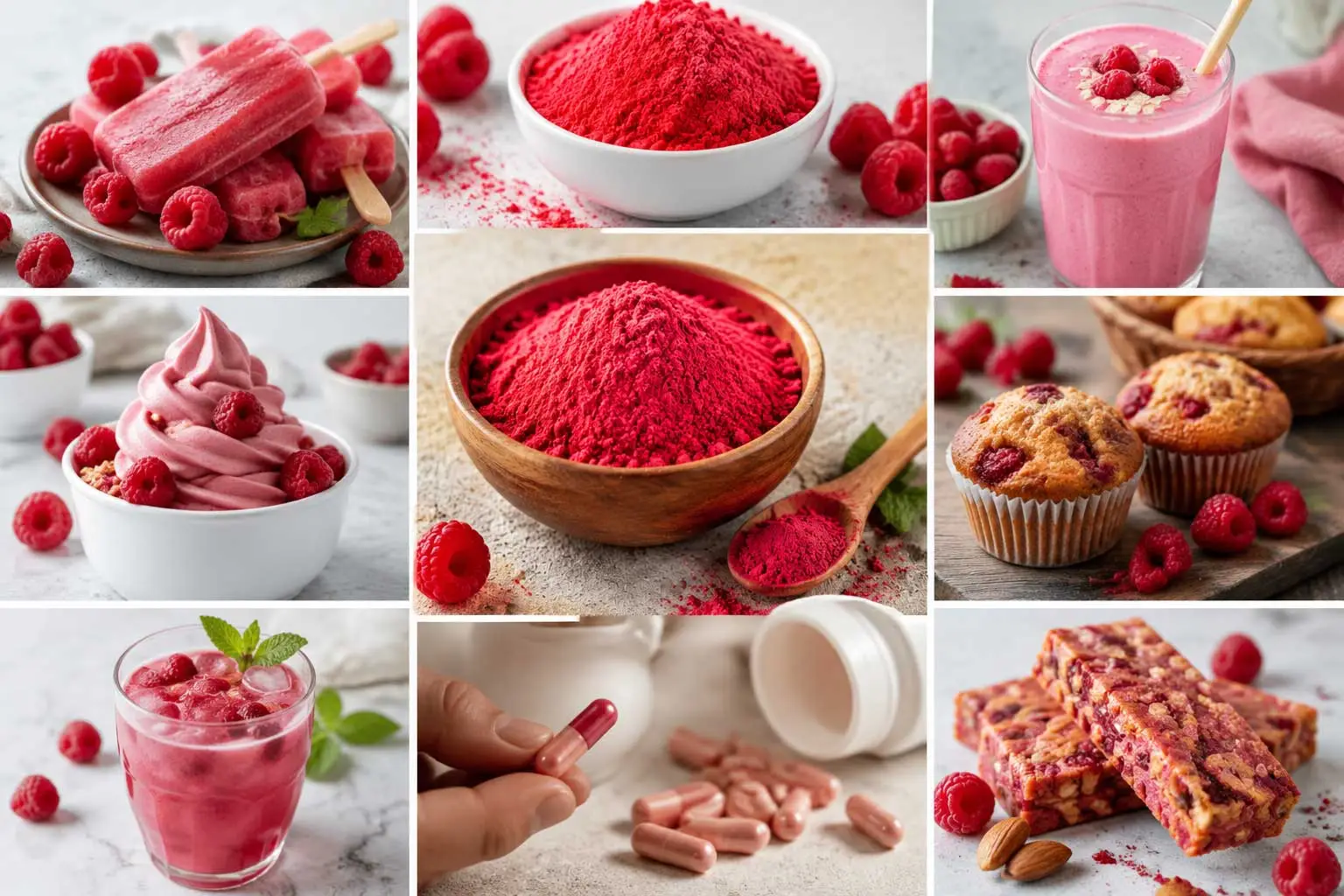
Solubility and Processing Performance
From an operational standpoint, both powders offer strong formulation flexibility and can integrate effectively into industrial manufacturing systems. However, there are important differences in texture, particle structure, and formulation behavior that may influence ingredient selection depending on the final application.
Freeze-dried raspberry powder generally has a lighter, more porous structure that disperses rapidly in liquid systems. It is particularly suitable for premium beverages, smoothie blends, dairy applications, and fruit-forward nutritional products where natural texture and concentrated flavor are priorities.
Meanwhile, spray-dried fruit powder applications are often favored in high-speed industrial processing environments because spray-dried powders typically exhibit highly uniform particle size and flowability. These characteristics can simplify automated blending, large-scale dry mixing, and continuous production operations.
For manufacturers sourcing Industrial Fruit Powder Supplier solutions, understanding processing compatibility is critical. Production equipment, moisture sensitivity, blending systems, and final product texture all influence whether freeze-dried or spray-dried ingredients are the better operational fit.
Production Cost and Commercial Scalability
Commercial scalability is often one of the most decisive factors in ingredient procurement. While freeze-dried products offer superior sensory and clean-label characteristics, they also require more complex processing technology and longer production times.
As a result, freeze-dried raspberry powder is generally positioned as a premium ingredient category with higher raw material and manufacturing costs. Brands targeting premium retail markets, functional nutrition segments, or clean-label consumers often accept these higher costs because the ingredient contributes directly to perceived product quality and brand differentiation.
By contrast, bulk raspberry powder manufacturer operations using spray-drying technology can produce significantly larger volumes at lower cost. This makes spray-dried powder highly attractive for mainstream beverage systems, snack seasonings, bakery premixes, and other cost-sensitive formulations.
For procurement teams evaluating buy freeze-dried raspberry powder versus spray-dried alternatives, the decision ultimately depends on product strategy:
premium positioning and natural ingredient transparency
or cost optimization and mass-market scalability
Both technologies have valuable commercial roles within modern food manufacturing. The key is selecting the ingredient system that aligns most effectively with the brand’s product objectives, operational requirements, and target consumer expectations.
Which Raspberry Powder Is Better for Different Applications?
Selecting between freeze-dried raspberry powder and spray-dried alternatives ultimately depends on the target application, product positioning, processing requirements, and commercial objectives. Different product categories prioritize different performance characteristics, which means there is no universal solution suitable for every formulation.
For premium food and beverage manufacturers, ingredient quality often directly influences brand perception, retail pricing potential, and consumer loyalty. Meanwhile, large-scale industrial manufacturers may prioritize operational efficiency, formulation stability, and ingredient economics. Understanding how each powder performs across specific applications allows procurement teams and product developers to make more strategic sourcing decisions.
Best Choice for Functional Beverages
In functional beverage applications, ingredient quality is highly visible to consumers. Flavor clarity, natural color, solubility, and clean-label positioning all play important roles in product success.
For this reason, freeze-dried raspberry powder for drinks is often preferred in premium beverage categories such as:
•smoothies
•protein beverages
•wellness drinks
•flavored waters
•nutritional shake blends
•fruit-based instant beverage powders
Because freeze-drying preserves more volatile aroma compounds, beverages formulated with Raspberry Powder for Smoothies typically deliver a fresher fruit taste and stronger natural aroma compared to spray-dried alternatives. The vibrant natural red color also enhances visual appeal without requiring synthetic color systems.
Another major advantage is ingredient transparency. Many beverage brands increasingly market clean-label products featuring real fruit ingredients and minimal processing. Using Natural Fruit Powder for Beverages helps support premium positioning while aligning with consumer expectations for recognizable ingredients.
Spray-dried powders still perform well in beverage systems, particularly in high-volume instant drink mixes and cost-sensitive formulations. Their excellent flowability and rapid dispersibility simplify industrial production. However, for brands prioritizing premium flavor performance and natural product positioning, freeze-dried powder generally offers a stronger sensory advantage.
Best Choice for Bakery and Confectionery
Bakery and confectionery manufacturers evaluate fruit powders differently from beverage producers. In these categories, ingredient performance must remain stable under mixing, baking, filling, coating, or heating conditions while still delivering attractive flavor and appearance.
Raspberry Powder for Bakery applications often include:
•cake batters
•fillings
•icings
•cookies
•chocolates
•pastries
•fruit coatings
•confectionery centers
In premium baked goods and artisan confectionery, freeze-dried raspberry powder is frequently selected because of its concentrated flavor profile and vivid natural appearance. The powder can provide strong fruit identity even at relatively low inclusion rates, helping manufacturers achieve premium sensory positioning.
Freeze-dried powder is especially valuable in applications where visible fruit color or authentic berry flavor plays a central role in the product experience. Premium pastry manufacturers, for example, often use freeze-dried powders in frostings, glazes, and inclusions to create more natural visual appeal.
At the same time, fruit powder for baking applications produced through spray-drying remains highly popular in industrial-scale bakery production. Spray-dried powders offer cost efficiency, consistent particle size, and easier integration into automated production systems. In products where fruit flavor is complementary rather than dominant, spray-dried powder may provide a commercially efficient solution.
For procurement teams balancing product quality and manufacturing economics, the ideal solution often depends on whether the product targets premium retail positioning or large-scale mainstream distribution.
Best Choice for Nutritional Products
The global nutrition category continues to grow rapidly, particularly within protein powders, meal replacement systems, plant-based formulations, and functional snack products. Consumers in these categories increasingly prioritize ingredient transparency and recognizable fruit ingredients, making powder selection more strategically important.
In premium formulations, freeze-dried raspberry powder for nutritional products is commonly favored because it aligns closely with clean-label trends and minimally processed ingredient positioning. Its concentrated fruit profile supports stronger flavor impact without relying heavily on artificial flavor systems.
Manufacturers producing:
•protein powders
•superfood blends
•nutrition bars
•plant-based supplements
•wellness snacks
•meal replacement beverages
often use natural fruit powder for supplements to improve flavor complexity and create a more natural consumer experience. Freeze-dried powders also integrate effectively into dry blend systems while maintaining strong visual appeal and ingredient authenticity.
In contrast, spray-dried powders are frequently used in value-oriented nutritional products where production efficiency and lower ingredient costs are priorities. Their uniform flowability and blending consistency support large-scale automated manufacturing, particularly for powdered beverage systems and economy nutrition lines.
For brands competing in premium nutrition markets, however, the stronger flavor retention and cleaner label profile of freeze-dried ingredients often provide meaningful commercial advantages.
Best Choice for Cost-Sensitive Mass Production
Not every food product requires premium ingredient positioning. In many large-scale manufacturing environments, controlling formulation costs while maintaining stable production efficiency is the primary objective.
This is where bulk spray-dried raspberry powder often delivers significant operational value. Spray-drying technology supports continuous high-volume production with relatively low manufacturing cost, making it highly suitable for mainstream commercial applications such as:
•instant beverage powders
•flavored snack coatings
•dry bakery mixes
•candy flavor systems
•industrial dessert formulations
•powdered seasoning blends
For manufacturers operating in highly competitive retail segments, Cost-Effective fruit powder solutions can improve pricing flexibility while still delivering acceptable flavor and appearance performance. Spray-dried powders also typically demonstrate excellent handling properties in automated production systems, supporting efficient industrial processing.
In global manufacturing environments where ingredient pricing, supply consistency, and production scalability are key priorities, spray-dried powder remains an essential category within the broader Industrial fruit powder supplier market.
Ultimately, the choice between freeze-dried and spray-dried raspberry powder should reflect the product’s intended market positioning, formulation goals, processing environment, and target consumer expectations.
How to Choose the Right Raspberry Powder Supplier
Choosing the right ingredient supplier is just as important as selecting the right drying technology. For food manufacturers, ingredient consistency directly impacts formulation stability, production efficiency, product quality, and long-term brand reputation.
As global demand for Freeze-Dried Raspberry Powder and spray-dried fruit ingredients continues to grow, procurement teams increasingly evaluate suppliers not only on pricing, but also on manufacturing capability, certification standards, technical support, and supply chain reliability.
A qualified supplier should be able to provide consistent specifications, scalable production capacity, and strong quality control systems capable of supporting long-term commercial manufacturing requirements.
Key Certifications to Look For
Food safety and compliance remain fundamental considerations in global ingredient sourcing. Manufacturers purchasing Certified Raspberry Powder Supplier products should prioritize suppliers operating under internationally recognized quality systems.
Common certifications include:
|
Certification |
Importance for Manufacturers |
|
ISO22000 |
Food safety management system |
|
HACCP |
Hazard prevention and process control |
|
HALAL |
Suitable for global food markets |
|
Kosher |
Important for specialty retail markets |
|
GMP |
Manufacturing consistency and compliance |
|
BRC |
International food safety standard |
Working with an ISO22000 fruit powder supplier or HACCP fruit powder manufacturer helps reduce procurement risk while improving confidence in ingredient traceability, hygiene standards, and production consistency.
These certifications are particularly important for brands exporting internationally or supplying major retailers with strict compliance requirements.
Why Manufacturing Capability Matters
For industrial food manufacturers, supplier production capacity can significantly influence operational stability. Delays in ingredient supply, inconsistent particle size, or poor moisture control can disrupt production schedules and affect final product quality.
A reliable bulk freeze-dried raspberry powder supplier should offer:
•stable raw material sourcing
•industrial-scale production capability
•advanced drying technology
•strict microbiological testing
•consistent particle size control
•flexible packaging solutions
•long-term supply reliability
Manufacturers sourcing from an experienced Industrial Fruit Powder Manufacturer also benefit from improved technical communication during product development and commercial scaling. This becomes especially important when optimizing formulations for beverages, bakery systems, or nutritional products requiring precise ingredient functionality.
OEM and Private Label Support
As more brands expand into customized nutrition, beverage, and functional food categories, demand for OEM raspberry powder supplier services continues to increase.
OEM and private-label capabilities may include:
•customized particle size
•tailored moisture specifications
•branded packaging
•retail-ready formats
•customized blend development
•formulation support
•export documentation assistance
For growing brands, working with a Private Label Fruit Powder Manufacturer can reduce operational complexity while accelerating product development timelines. Suppliers with strong OEM capabilities often become long-term strategic partners rather than simply raw material vendors.
In competitive global markets, flexible supplier support increasingly plays a major role in helping brands scale efficiently while maintaining consistent product quality and market differentiation.
Procurement Considerations for Bulk Raspberry Powder
For food manufacturers and ingredient sourcing teams, selecting the right raspberry powder involves more than simply comparing flavor or price. Procurement decisions must account for supply stability, packaging efficiency, production compatibility, shelf life, logistics performance, and long-term commercial scalability.
As demand for bulk raspberry powder order solutions continues to rise across the global food and beverage industry, procurement departments increasingly prioritize suppliers capable of supporting stable industrial production while maintaining consistent ingredient quality. Whether sourcing freeze-dried or spray-dried products, manufacturers should evaluate suppliers through both technical and operational perspectives.
One of the first considerations is minimum order quantity (MOQ). Large-scale beverage, bakery, and nutrition manufacturers often require stable monthly supply volumes, while smaller brands may initially prefer lower MOQs for product development and pilot production. Experienced suppliers typically offer flexible packaging and scalable order structures to support both emerging and established brands.
Packaging format also plays an important role in ingredient stability and operational efficiency. Most wholesale freeze-dried raspberry powder suppliers provide industrial packaging options such as:
|
Packaging Type |
Typical Use |
|
1kg Aluminum Foil Bags |
R&D, small-batch production |
|
5kg Foil Bags |
Medium-scale manufacturing |
|
25kg Fiber Drums |
Industrial food production |
|
Customized OEM Packaging |
Private label and retail applications |
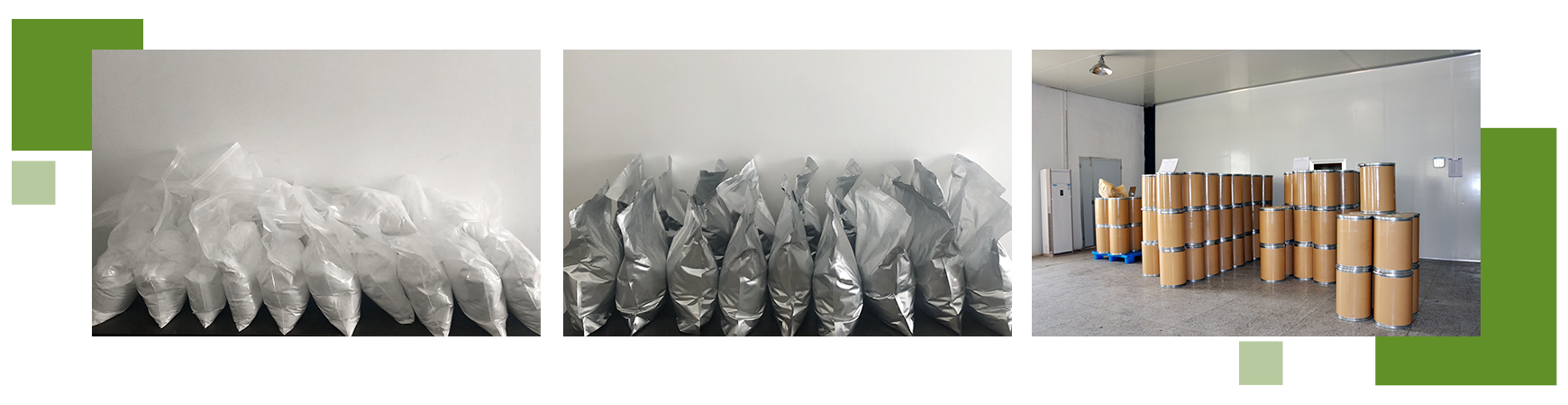
Proper moisture protection is essential because fruit powders are naturally hygroscopic and can absorb humidity during storage or transportation. Manufacturers purchasing Bulk Fruit Powder Packaging solutions should ensure that suppliers use food-grade moisture barriers and secure export packaging suitable for long-distance shipping.
Lead time and logistics capability are equally important for global procurement teams. Reliable suppliers should maintain stable raw material sourcing and sufficient production capacity to support continuous manufacturing schedules. Delayed ingredient shipments can disrupt production planning, increase inventory pressure, and affect retailer fulfillment timelines.
When evaluating Industrial Raspberry Powder Supply, procurement teams should also consider:
•annual production capacity
•export experience
•documentation support
•microbiological testing standards
•batch-to-batch consistency
•warehouse conditions
•shipping flexibility
Manufacturers sourcing internationally often benefit from working with suppliers that can provide complete export documentation, including certificates of analysis, microbiological reports, allergen statements, and regulatory compliance records. These documents simplify customs clearance and improve supply chain transparency for multinational food brands.
Another important factor is ingredient consistency. Variations in color, moisture, particle size, or flavor intensity can create formulation instability and affect finished product quality. Experienced suppliers use standardized production systems and quality control protocols to maintain stable specifications across large production cycles.
For brands developing premium formulations, requesting pilot samples before large-scale procurement is highly recommended. This allows R&D teams to test ingredient compatibility in real production environments before finalizing a long-term purchasing agreement.
As more brands move toward clean-label and fruit-forward product positioning, procurement strategy increasingly becomes part of broader brand strategy. Selecting the right buy raspberry powder online partner is no longer only about sourcing ingredients — it is about securing stable product quality, reliable manufacturing support, and long-term commercial flexibility.
Final Recommendation for Food Manufacturers
When comparing freeze-dried raspberry powder and spray-dried alternatives, there is no universally “better” option for every application. The ideal choice depends on the manufacturer’s product category, target market, formulation objectives, pricing strategy, and brand positioning.
For premium beverages, clean-label nutrition products, high-end bakery applications, and fruit-forward functional foods, premium freeze-dried raspberry powder often delivers superior value. Its stronger flavor retention, vibrant natural color, minimal processing profile, and clean-label appeal help brands create differentiated products with higher perceived quality. Manufacturers focused on premium retail positioning frequently view freeze-dried ingredients as an investment in both product performance and long-term brand equity.
By contrast, bulk raspberry powder supplier solutions based on spray-drying technology remain highly effective for mainstream industrial production. Spray-dried powders provide strong processing efficiency, excellent scalability, and lower production cost, making them ideal for high-volume beverage mixes, bakery systems, confectionery applications, and value-oriented nutritional products.
In many cases, leading manufacturers use both ingredient types strategically across different product lines. Premium formulations may rely on freeze-dried ingredients to strengthen consumer perception and product quality, while large-scale commercial products may prioritize the operational efficiency and economic advantages of spray-dried systems.
Ultimately, the most effective procurement strategy aligns ingredient technology with the product’s intended positioning and market expectations. Manufacturers that clearly understand these distinctions are better equipped to optimize formulation performance, improve operational consistency, and build stronger product differentiation in increasingly competitive global food markets.
FAQ: Freeze-Dried Raspberry Powder vs Spray-Dried Raspberry Powder
Is freeze-dried raspberry powder better than spray-dried raspberry powder?
Freeze-dried raspberry powder is generally preferred for premium food and beverage products because it preserves more natural flavor, color, and aroma. Spray-Dried Raspberry Powder is more cost-effective and commonly used in large-scale industrial production. The best option depends on product positioning, formulation goals, and budget.
Which raspberry powder is best for smoothies and beverages?
For smoothies, protein drinks, and clean-label beverages, freeze-dried raspberry powder for Drinks is often the preferred choice due to its vibrant color, strong fruit flavor, and minimal additives. It dissolves easily and works well in premium beverage formulations.
Does freeze-dried raspberry powder contain additives?
Most freeze-dried raspberry powder contains little or no carrier ingredients. In contrast, spray-dried fruit powder often includes maltodextrin or other carriers to improve processing stability and flowability.
Which raspberry powder is better for bakery applications?
Freeze-dried raspberry powder is commonly used in premium bakery and confectionery products because of its concentrated flavor and natural appearance. Spray-dried raspberry powder is often selected for large-scale bakery production where cost efficiency and processing consistency are priorities.
How do manufacturers choose a reliable raspberry powder supplier?
When selecting a bulk raspberry powder supplier, manufacturers typically evaluate:
•food safety certifications
•production capacity
•quality consistency
•OEM support
•export experience
•packaging flexibility
A reliable supplier should provide stable quality, technical documentation, and long-term supply capability.
Is freeze-dried raspberry powder suitable for nutritional products?
Yes. Freeze-dried raspberry powder for nutritional products is widely used in protein powders, nutrition bars, meal replacement blends, and wellness beverages because of its natural flavor and clean-label appeal.
Why is freeze-dried raspberry powder more expensive?
Freeze-dried raspberry powder requires a more advanced low-temperature drying process, which increases production cost. However, many manufacturers choose it for premium products because of its superior flavor retention, natural color, and clean-label positioning.
Conclusion
As consumer expectations continue to evolve, food manufacturers are placing greater emphasis on ingredient transparency, natural flavor systems, and premium product positioning. Both freeze-dried raspberry powder and spray-dried alternatives play valuable roles within modern food production, but each technology offers distinct advantages depending on the intended application and commercial objectives.
For brands prioritizing clean-label positioning, authentic fruit flavor, and premium sensory quality, bulk freeze-dried raspberry powder provides exceptional formulation value across beverages, bakery products, nutritional blends, and functional foods. Manufacturers focused on high-volume industrial efficiency and cost optimization may find spray-dried systems more suitable for large-scale mainstream production.
Selecting the right OEM raspberry powder manufacturer is equally important. A reliable supplier should offer consistent quality, strong production capability, international certifications, flexible packaging solutions, and long-term technical support to help manufacturers scale efficiently and maintain stable product performance.
Companies seeking dependable natural raspberry powder supplier solutions for industrial food manufacturing are encouraged to request samples, review technical specifications, and evaluate ingredient compatibility within their own formulations.
For bulk inquiries, OEM projects, or technical support regarding freeze-dried raspberry powder supplier solutions, contact:
Email: admin@chenlangbio.com
Whether developing premium nutritional products, fruit-forward beverages, or large-scale commercial food systems, selecting the right raspberry powder technology can significantly influence product quality, brand positioning, and long-term market competitiveness.

Send Inquiry
Related Industry Knowledge
- What Is Adenosine Triphosphate (ATP) Used For?
- Trans-Resveratrol Benefits: Why This Active Form Is Preferred in Premium Anti-Aging Supplements
- What Does Shilajit Do to Your Body?
- What is the Difference between Chondroitin Sulfate and Glucosamine?
- What is Sodium Ascorbyl Phosphate?
- What are the Benefits of Phellinus Linteus?
- Red Wine Extract Powder for Skin Health and Beauty
- What Is The Mechanism Of Action Of Dyphylline
- Revitalize Your Eyes with Marigold Extract Natural Solution for Eye Health
- Does Cyanotis Arachnoidea Extract Ecdysone Can Use in Cosmetic Products