
Coenzyme Q10 Powder vs Softgel: Which Form is Best for Your Supplement Formulations?
2026-05-25 16:05:40
When deciding between coenzyme Q10 powder vs softgel, manufacturers and supplement formulators must carefully evaluate the differences in bioavailability, stability, and formulation flexibility. Each form offers unique advantages: Coenzyme Q10 powder provides long-term stability and cost-effective bulk production, while softgel capsules offer convenience and enhanced absorption for premium products. Understanding these distinctions is essential for sourcing high-quality CoQ10 raw materials, selecting reliable suppliers, and designing supplements that meet both consumer expectations and regulatory standards. By comparing Coenzyme Q10 Powder vs Softgel, companies can make informed decisions that optimize product performance and ensure consistent quality across global markets.
Understanding Coenzyme Q10 Powder
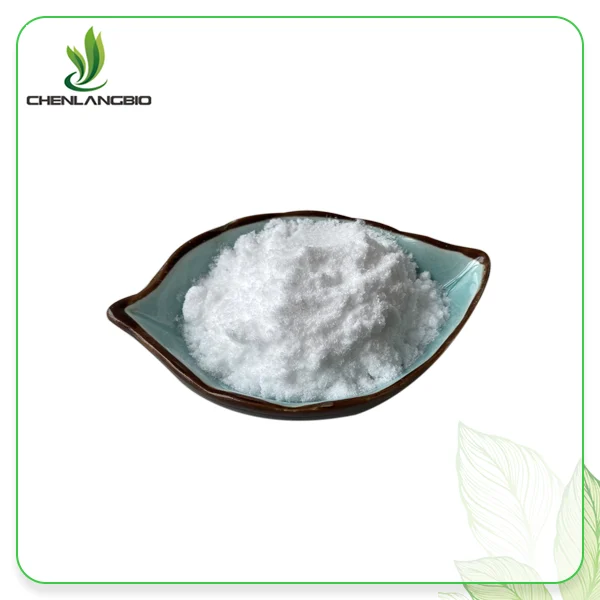
Coenzyme Q10 powder is a widely used raw material in nutraceuticals and dietary supplements, known for its role in supporting cellular energy production and antioxidant defense. For manufacturers evaluating coenzyme Q10 powder vs softgel, the powder form offers several advantages: it allows precise dosing, is compatible with capsules, tablets, and powdered beverages, and provides a cost-effective solution for bulk CoQ10 powder procurement. High-quality CoQ10 raw materials sourced from reputable suppliers ensure consistent purity, particle size, and oxidative stability, which are essential for regulatory compliance and reliable formulation performance in global markets.
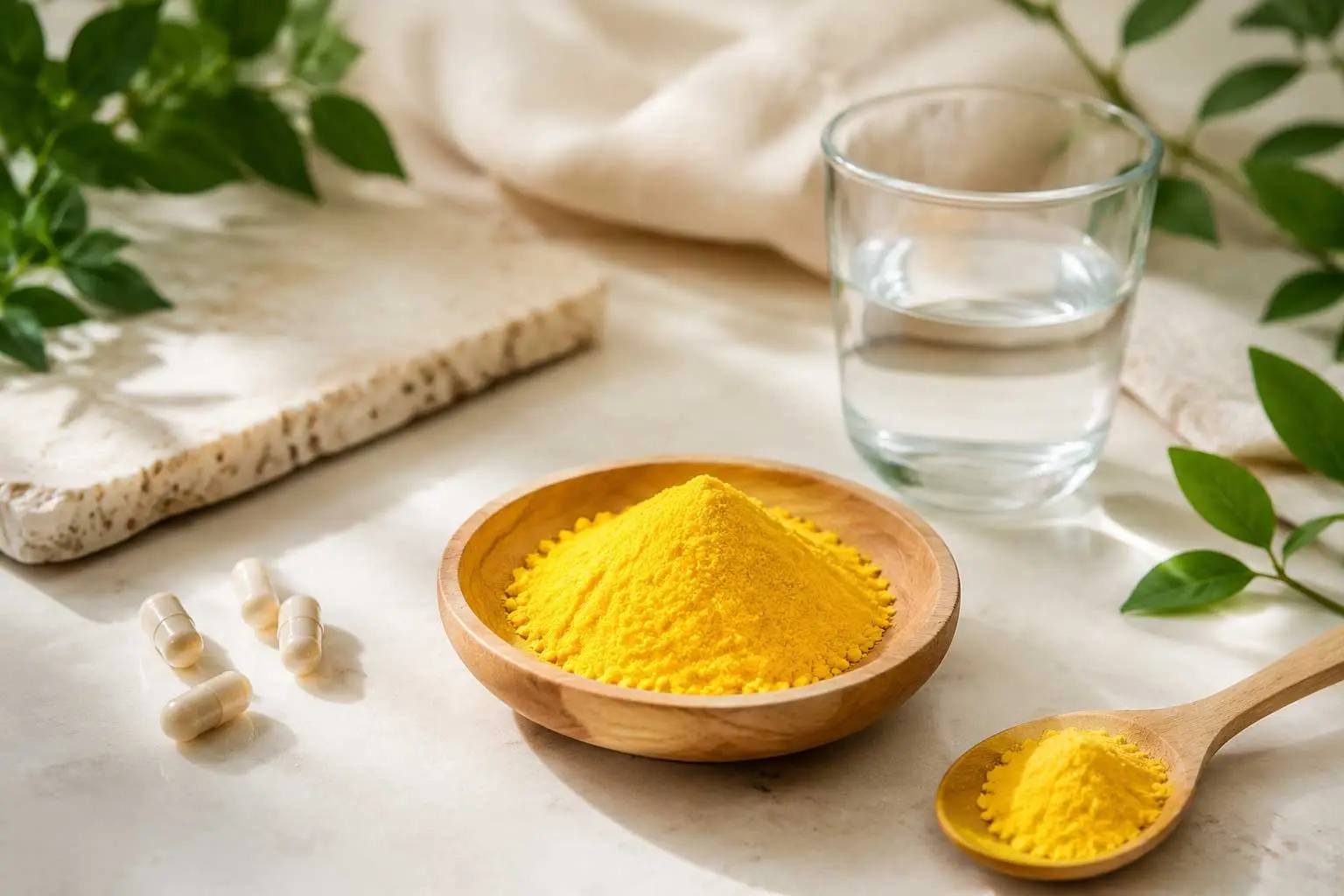
In addition to its stability, coenzyme Q10 powder offers flexibility in formulation. It can be precisely measured for capsules, tablets, powdered beverages, and functional foods, making it ideal for both bulk CoQ10 powder procurement and premium formulations. Compared to softgel capsules, the powder form allows greater control over dosage and consistency across large production batches. Suppliers providing high-quality CoQ10 raw materials with verified Certificates of Analysis (COA), consistent particle size, and low moisture content enable manufacturers to maintain predictable performance, regulatory compliance, and long-term product efficacy.
From a commercial perspective, coenzyme Q10 powder is advantageous for companies targeting large-scale production and cost-effective solutions. Its long shelf life, combined with stable chemical properties, ensures that manufacturers can confidently integrate the ingredient into a wide range of supplement formats. When comparing Coenzyme Q10 Powder vs Softgel, the powder provides a more scalable option for bulk orders while still delivering reliable bioavailability when formulated correctly. Partnering with reputable suppliers ensures consistent quality, supports international compliance, and reduces the risk of batch variation that could impact consumer trust and product performance.
Understanding Coenzyme Q10 Softgel Capsules
Coenzyme Q10 softgel capsules offer an alternative delivery form to Coenzyme Q10 Powder, providing convenience, pre-measured dosing, and improved patient or consumer compliance. Softgels encapsulate the active ingredient in a lipid matrix, enhancing solubility and bioavailability. From a supplier perspective, sourcing high-quality CoQ10 softgel capsules allows manufacturers to deliver ready-to-use products for premium supplements, reducing formulation complexity and minimizing handling errors compared to powdered raw materials. Evaluating the differences between coenzyme Q10 powder vs softgel is essential for manufacturers deciding on production scale, target market, and product positioning.
Softgel capsules are particularly advantageous for premium supplement formulations because the encapsulation protects CoQ10 from oxidation and improves stability in liquid or oil-based matrices. Compared to Coenzyme Q10 Powder, softgels offer consistent dosing, easier administration, and reduced variability across batches. For manufacturers planning bulk CoQ10 softgel production, it is crucial to partner with suppliers who provide verified Certificates of Analysis (COA), batch consistency, and technical guidance to ensure the softgels meet international standards such as ISO, GMP, Kosher, and Halal.
Commercially, softgels are often positioned as a premium delivery format, appealing to health-conscious consumers seeking convenience and enhanced absorption. When comparing Coenzyme Q10 powder vs softgel, softgels provide a ready-to-use option with high consumer acceptance, while powder remains more flexible for large-scale formulations or customized supplement blends. Collaborating with a reliable CoQ10 softgel supplier ensures consistent quality, compliance with regulatory requirements, and technical support for formulation integration, ultimately supporting both product efficacy and market competitiveness.
Understanding Coenzyme Q10 Softgel Capsules
Coenzyme Q10 softgel capsules offer an alternative delivery form to Coenzyme Q10 Powder, providing convenience, pre-measured dosing, and improved patient or consumer compliance. Softgels encapsulate the active ingredient in a lipid matrix, enhancing solubility and bioavailability. From a supplier perspective, sourcing high-quality CoQ10 softgel capsules allows manufacturers to deliver ready-to-use products for premium supplements, reducing formulation complexity and minimizing handling errors compared to powdered raw materials. Evaluating the differences between coenzyme Q10 powder vs softgel is essential for manufacturers deciding on production scale, target market, and product positioning.
Softgel capsules are particularly advantageous for premium supplement formulations because the encapsulation protects CoQ10 from oxidation and improves stability in liquid or oil-based matrices. Compared to coenzyme Q10 powder, softgels offer consistent dosing, easier administration, and reduced variability across batches. For manufacturers planning bulk CoQ10 softgel production, it is crucial to partner with suppliers who provide verified Certificates of Analysis (COA), batch consistency, and technical guidance to ensure the softgels meet international standards such as ISO, GMP, Kosher, and Halal.
Commercially, softgels are often positioned as a premium delivery format, appealing to health-conscious consumers seeking convenience and enhanced absorption. When comparing coenzyme Q10 powder vs softgel, softgels provide a ready-to-use option with high consumer acceptance, while powder remains more flexible for large-scale formulations or customized supplement blends. Collaborating with a reliable CoQ10 softgel supplier ensures consistent quality, compliance with regulatory requirements, and technical support for formulation integration, ultimately supporting both product efficacy and market competitiveness.
Key Differences Between Coenzyme Q10 Powder and Softgel
When evaluating coenzyme Q10 powder vs softgel, it is important to consider differences in bioavailability, stability, formulation flexibility, and cost, as these factors directly influence both product performance and manufacturing efficiency. Understanding these distinctions helps manufacturers select the most appropriate form for their supplement line and target market.
Absorption and Bioavailability:
Softgel capsules generally offer faster and more efficient CoQ10 absorption, as the lipid matrix enhances solubility in the digestive system. In contrast, Coenzyme Q10 Powder requires formulation optimization to achieve comparable bioavailability, although it remains suitable for bulk production and flexible dosage forms.
Stability and Shelf Life:
Powder forms provide excellent chemical stability and longer shelf life under standard storage conditions, making them cost-effective for bulk CoQ10 powder procurement. Softgels, while convenient for consumers, require careful temperature and light-controlled storage to maintain potency over time.
Formulation Flexibility:
Manufacturers sourcing CoQ10 powder can create capsules, tablets, or functional beverages with precise dosing and large-scale production efficiency. Softgel capsules offer ready-to-use convenience but limit flexibility in blending with other powdered ingredients.
Commercial Considerations:
Choosing between coenzyme Q10 powder vs softgel also depends on market positioning and production scale. Powder is ideal for large-volume, cost-sensitive formulations, while softgels target premium segments emphasizing convenience, dosage precision, and absorption efficiency.
Comparison Table: Coenzyme Q10 Powder vs Softgel Capsules
|
Feature |
Coenzyme Q10 Powder |
Coenzyme Q10 Softgel |
|
Bioavailability |
Moderate; formulation-dependent |
High; enhanced by lipid matrix |
|
Stability |
Excellent under standard storage |
Sensitive to heat and light; requires controlled storage |
|
Formulation Flexibility |
High; capsules, tablets, beverages |
Limited to softgel or liquid formats |
|
Cost |
Cost-effective for bulk production |
Premium pricing for convenience and absorption |
|
Recommended Use |
High-volume supplements, functional foods |
Premium supplements, ready-to-use capsules |
How to Choose the Right Form for Your Formulations
Selecting between Coenzyme Q10 Powder vs Softgel requires careful consideration of both technical and commercial factors. Manufacturers and formulators must evaluate bioavailability, stability, product positioning, and production scale to determine which form best suits their supplement portfolio.
Formulation Goals:
For formulations that require precise dosing and flexibility, such as powdered beverages, tablets, or multi-ingredient capsules, CoQ10 Powder is often preferred. Its versatility allows manufacturers to adjust concentration levels and integrate the ingredient seamlessly into complex formulas. On the other hand, Softgel Capsules are ideal for premium supplements where convenience, consistent dosing, and rapid absorption are the main selling points.
Market Positioning:
The target consumer segment heavily influences the choice. CoQ10 Powder supports high-volume, cost-effective production for general wellness and cardiovascular supplements. Softgels, with enhanced absorption and consumer-friendly administration, are better suited for high-end, premium formulations that command higher price points. Understanding market demand ensures that manufacturers optimize both production cost and product appeal.
Supplier Support and Quality Assurance:
Working with a trusted CoQ10 supplier is critical. High-quality suppliers provide verified Certificates of Analysis (COA), guidance on formulation integration, and consistent batch quality. Companies like CHEN LANG BIO TECH offer bulk CoQ10 Powder and Softgel solutions with international certifications (ISO, GMP, Kosher, Halal, FDA), enabling manufacturers to make informed choices that guarantee product efficacy, regulatory compliance, and market reliability.
Cost and Production Considerations:
Budget constraints and production scale are also key factors. While Softgels may carry a higher per-unit cost due to encapsulation technology, they reduce formulation complexity and improve absorption. Powdered CoQ10, by contrast, is more economical for large-scale production and allows flexibility in multi-ingredient blends, making it suitable for both bulk procurement and customized supplement formulations.
Bulk Purchasing Strategies for Coenzyme Q10
For manufacturers and formulators, effective bulk purchasing strategies are essential to maintain consistent supply of Coenzyme Q10 Powder or Softgel Capsules while optimizing production costs and operational efficiency. Implementing a structured procurement plan ensures that manufacturers can deliver reliable, high-quality supplements to global markets without interruptions.
Forecasting Demand:
Accurately estimating monthly and annual requirements for bulk CoQ10 powder or softgel capsules allows companies to avoid stockouts and minimize inventory costs. Consideration should be given to seasonal demand, new product launches, and expected market growth, ensuring that bulk orders align with production schedules and strategic planning.
Supplier Selection and Verification:
Partnering with a trusted CoQ10 supplier is critical. Reliable suppliers provide Certificates of Analysis (COA), batch consistency, and technical support, enabling manufacturers to integrate high-quality CoQ10 raw materials seamlessly. Long-term collaboration with certified suppliers like CHEN LANG BIO TECH ensures access to both powder and softgel forms with international certifications (ISO, GMP, Kosher, Halal, FDA), helping companies maintain regulatory compliance and quality control.

Storage and Logistics Considerations:
Proper storage and handling are essential to preserve bioavailability and potency. Liposomal and standard CoQ10 powders require cool, dry, and light-protected storage, while softgel capsules may need temperature-controlled shipping to maintain product integrity. Selecting suppliers experienced in international logistics ensures that bulk shipments arrive on time and in optimal condition.
Cost Optimization and Production Planning:
Balancing cost with product quality is vital. Standard CoQ10 Powder offers cost efficiency for high-volume formulations, whereas softgel capsules, while more expensive, provide superior absorption and convenience. Bulk purchasing strategies should consider formulation goals, market positioning, and supplier support, optimizing both profit margins and consumer satisfaction.
Frequently Asked Questions (FAQ) About Coenzyme Q10 Powder vs Softgel
Q1: What are the main differences between coenzyme Q10 powder and softgel capsules?
The primary differences involve bioavailability, stability, and application. Softgel capsules enhance solubility and absorption due to the lipid matrix, while CoQ10 powder offers long-term stability, flexibility in dosage, and suitability for bulk production. Understanding Coenzyme Q10 Powder vs Softgel helps manufacturers select the optimal form for their supplement formulations.
Q2: Which form provides higher absorption in the body?
Softgel capsules generally provide higher bioavailability because the lipid encapsulation allows faster uptake. Powdered CoQ10 can achieve good absorption when combined with appropriate formulation techniques, but softgels are often preferred in premium supplements for enhanced efficacy.
Q3: Can both forms be used in capsules, softgels, and beverages?
Yes. Coenzyme Q10 powder is highly versatile and can be incorporated into tablets, capsules, powdered beverages, and functional foods, whereas softgels offer ready-to-use convenience and are ideal for liquid or oil-based formulations.
Q4: How should each form be stored and handled?
Powdered CoQ10 should be stored in a cool, dry, and light-protected environment. Softgel capsules require temperature-controlled storage to preserve the potency and bioavailability of the lipid-encapsulated CoQ10. Proper handling ensures consistent quality for both bulk CoQ10 powder and softgels.
Q5: What should manufacturers look for in a CoQ10 supplier?
Suppliers must provide Certificates of Analysis (COA), batch-to-batch consistency, and international certifications such as ISO, GMP, Kosher, Halal, and FDA. Trusted suppliers, like CHEN LANG BIO TECH, also provide technical guidance on formulation and storage, supporting manufacturers in achieving reliable and effective supplement products.
Q6: How does cost influence the choice between powder and softgel?
CoQ10 powder is generally more cost-effective for bulk manufacturing, while softgels carry a premium due to encapsulation and enhanced absorption. Manufacturers must balance formulation goals, market positioning, and budget to select the optimal form.
Conclusion
When comparing coenzyme Q10 powder vs softgel, selecting the right form depends on formulation goals, target market, and production scale. CoQ10 Powder provides flexibility, long-term stability, and cost-effective solutions for high-volume production, while Softgel capsules offer enhanced bioavailability, convenience, and premium positioning for consumers seeking rapid absorption and ready-to-use formats. Understanding these differences is essential for manufacturers and formulators aiming to create high-quality supplements that meet regulatory standards and consumer expectations.
Partnering with a trusted CoQ10 supplier ensures consistent quality, reliable supply, and technical guidance. Suppliers that provide Certificates of Analysis (COA), adhere to international standards (ISO, GMP, Kosher, Halal, FDA), and offer formulation support can help manufacturers integrate bulk CoQ10 Powder or softgels seamlessly into their products. This collaboration reduces production risks and ensures regulatory compliance, while enabling product differentiation in a competitive market.
CHEN LANG BIO TECH delivers high-quality coenzyme Q10 powder and softgel capsules with verified certifications and proprietary production technologies. With a modern 20,000 m² facility, advanced equipment, and experienced R&D teams, the company provides stable, premium-grade CoQ10 suitable for both bulk manufacturing and premium supplement formulations. Manufacturers can rely on consistent quality, technical consultation, and international compliance when sourcing from CHEN LANG BIO TECH.
For inquiries, bulk orders, or technical consultation regarding CoQ10 powder or softgel Capsules, please contact:
Email: admin@chenlangbio.com
Phone/Whatsapp: +86-17782478823
Website: www.chenlangbio.com
By understanding the differences between coenzyme Q10 powder vs softgel and selecting a reliable supplier, supplement developers can optimize formulation performance, enhance market competitiveness, and deliver superior products that satisfy global consumers.

Send Inquiry
Related Industry Knowledge
- Minoxidil Powder Specifications: Purity, CAS Number and Quality Standards
- Punicalagin vs. Ellagic Acid: Key Differences in Pomegranate Peel Extract for Skincare Formulations
- How Does Hydrolyzed Keratin Strengthen Damaged Hair?
- Can Hydroxypropyl Tetrahydropyrantriol be Used for Sensitive Skin?
- What is Tranexamic Acid Powder Used for?
- Does L-Ergothioneine Have Cardiovascular Benefits?
- How to Grow Phellinus Linteus?
- What is the Difference between Dimethylmethoxy Chromanyl Palmitate and Other Skin Lightening Agents
- What is Centella Powder Used for
- What does Alpha Arbutin White Powder Do to Skin