
Ashwagandha Extract vs Powder: Which Is Better for Supplement Applications?
2026-03-27 17:01:46
Ashwagandha Extract vs Powder: Why This Comparison Matters in Modern Supplement Formulation
In recent years, ashwagandha extract powder has become one of the most widely used botanical ingredients in supplement development, particularly across categories such as stress support, sleep optimization, and sports nutrition. As product formulations evolve toward greater precision and consistency, the distinction between extract and raw powder is no longer a minor technical detail—it directly influences efficacy, dosage design, and product positioning.
From a formulation perspective, the comparison between ashwagandha extract vs powder is not simply about choosing between two forms of the same plant. Instead, it reflects a broader shift in the supplement industry—from traditional whole-herb usage toward standardized, performance-driven ingredients.
For manufacturers and brands developing products for global markets, the choice of ashwagandha extract for supplements versus raw powder impacts several critical factors:
•Active compound consistency
•Dosage efficiency
•Label claims and standardization
•Supply chain stability
This is why understanding what is ashwagandha extract powder—and how it differs from conventional root powder—is essential when evaluating ingredient suitability for modern supplement applications.
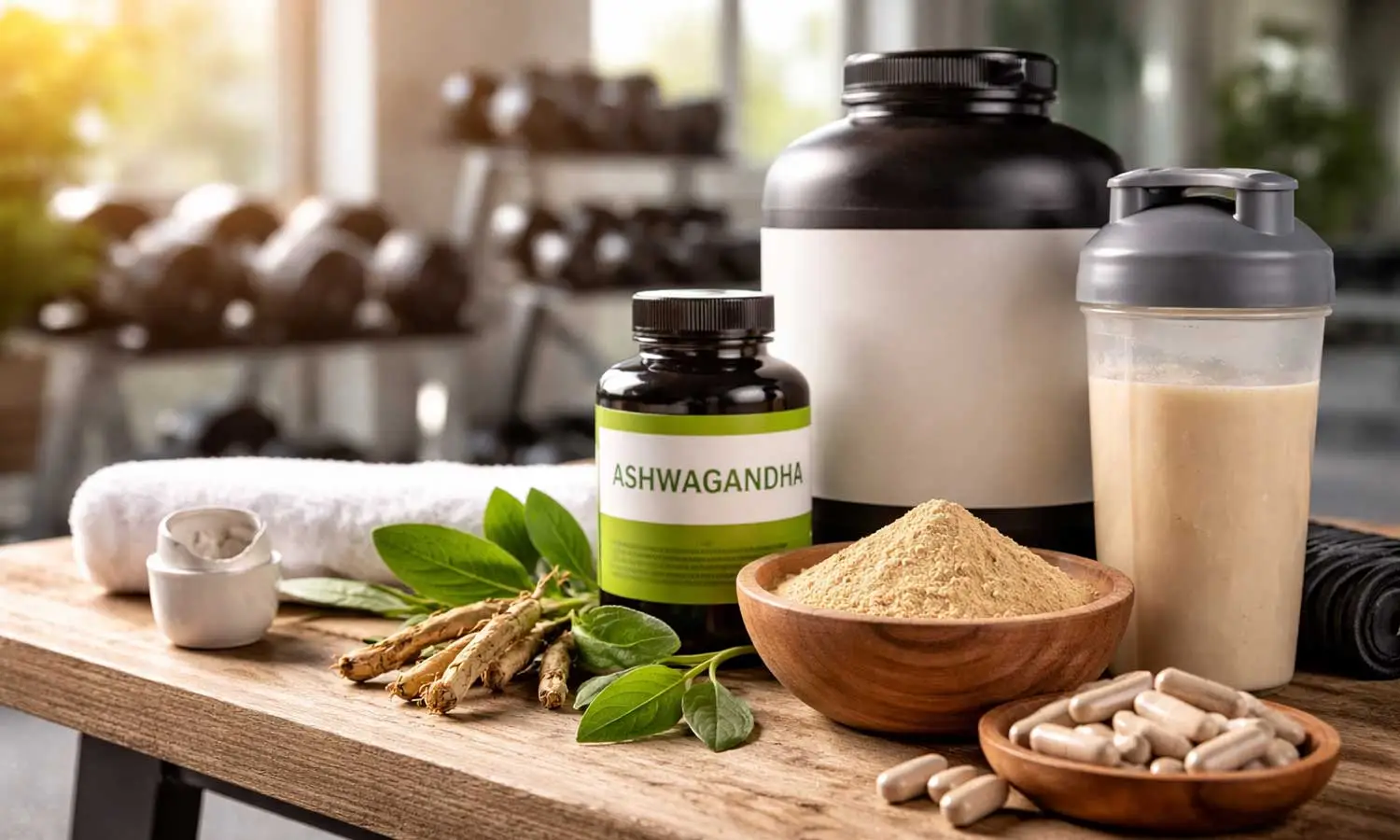
What Is the Difference Between Ashwagandha Extract and Ashwagandha Powder?
At a fundamental level, the difference between extract and powder lies in concentration, composition, and functionality.
Raw Botanical Material vs Standardized Extract
Ashwagandha powder is typically produced by drying and grinding the root of Withania somnifera into a fine particulate form. It retains the full spectrum of naturally occurring compounds, but without concentration or standardization.
In contrast, standardized ashwagandha extract is produced through controlled extraction processes that isolate and concentrate active compounds—primarily withanolides. This allows manufacturers to deliver a defined level of bioactive components in each batch.
This distinction is central to understanding the difference between raw botanical powder vs standardized extract:
|
Parameter |
Ashwagandha Powder |
Ashwagandha Extract Powder |
|
Composition |
Whole root material |
Concentrated extract |
|
Active compounds |
Variable |
Standardized (e.g., withanolides %) |
|
Consistency |
Low to moderate |
High |
|
Application |
Traditional / general wellness |
Targeted supplement formulation |
From a production standpoint, botanical extract vs raw powder represents two fundamentally different ingredient strategies—one based on natural variability, the other on controlled reproducibility.
Why Withanolides Content Changes the Comparison
The key differentiator between extract and powder is the concentration of withanolides, the compounds most closely associated with ashwagandha’s functional properties.
In raw powder, withanolides content is naturally present but typically low and highly variable depending on cultivation, harvest conditions, and processing.
In contrast, ashwagandha extract 5% withanolides or higher-potency variants provide:
•Defined active compound levels
•Improved formulation accuracy
•More predictable functional outcomes
This is why high potency ashwagandha extract is often preferred in applications where consistency and measurable performance are required.
In practical terms, the comparison is not simply extract vs powder—it is standardized bioactive delivery vs natural variability. For a more detailed breakdown of standardized extract strength, see our analysis on ashwagandha extract 5% vs 10% withanolides, where we compare potency, dosage, and formulation strategies.
Ashwagandha Extract vs Powder: Which Delivers Better Performance in Supplements?
When evaluating performance in supplement applications, the comparison between extract and powder becomes more technical. The key factors include potency, dosage efficiency, and formulation compatibility.
Potency and Active Compound Consistency
One of the main advantages of ashwagandha extract powder is its ability to deliver consistent levels of active compounds.
A standardized extract supplier ensures that each batch contains a defined percentage of withanolides, allowing formulators to align product performance with clinical data.
In contrast, powder-based ingredients may exhibit active compound consistency challenges, as their composition can vary significantly between batches.
For brands aiming to develop reproducible formulations, this difference is critical.
Dosage Efficiency and Capsule Load
Dosage is one of the most practical differences between extract and powder.
Based on clinical studies and formulation practices, typical dosage ranges are as follows:
|
Form |
Typical Daily Dosage |
Active Compound Consideration |
Practical Implication |
|
Ashwagandha Powder |
3,000 – 6,000 mg/day |
Low natural withanolides content |
High capsule count / larger serving size |
|
Ashwagandha Extract (5% withanolides) |
300 – 600 mg/day |
Standardized active compounds |
Lower dosage, higher efficiency |
|
High Potency Extract (≥10%) |
125 – 300 mg/day |
Higher concentration |
Suitable for premium formulations |
👉 Interpretation:
•ashwagandha powder dosage vs extract differs by up to 10x in required intake
•Extracts allow for more compact formulations (capsules, tablets)
•Powder is more suitable for bulk or functional food formats
This difference directly impacts dosage efficiency supplement ingredients, especially in capsule-based products where space is limited.
Solubility, Stability, and Formulation Flexibility
Another important factor is how the ingredient behaves in different delivery systems.
Ashwagandha extract powder is typically more adaptable in:
•Capsules and tablets
•Functional blends
•Standardized formulations
Its improved supplement formulation compatibility allows for easier integration with other active ingredients.
On the other hand, powder forms are often used in:
•Functional beverages
•Traditional herbal products
•Whole-food positioning formulas
However, challenges related to extract stability in supplements and powder solubility must be carefully managed during formulation.
When Is Ashwagandha Powder the Better Choice?
Although extracts are often preferred in performance-driven formulations, ashwagandha powder remains relevant in specific applications.
Whole-Herb Positioning in Natural Wellness Products
For brands focused on “natural” or “whole-herb” positioning, powder offers a more traditional ingredient profile.
Products marketed as:
•minimally processed
•plant-based
•whole botanical
often favor whole herb ashwagandha powder to align with consumer expectations.
This makes powder particularly suitable for natural wellness ingredients and lifestyle-oriented supplement categories.
Cost-Sensitive Formulations and Broad-Market Products
Cost is another important factor.
Compared to extracts, powder is generally:
•lower in cost
•easier to source in large volumes
•suitable for high-dose formulations
For brands developing mass-market products, cost effective supplement ingredients often include powder-based options.
This is why ashwagandha powder bulk supplier channels remain active, particularly for:
•powder blends
•beverage applications
•entry-level supplements
When Is Standardized Ashwagandha Extract the Better Choice?
While both forms have their place, standardized ashwagandha extract is increasingly preferred in formulations that require precision, consistency, and measurable functional outcomes.
Better Fit for Stress, Sleep, and Sports Nutrition Applications
In targeted formulations, the role of ashwagandha extract powder is closely aligned with its ability to deliver consistent levels of active compounds.
For example:
•In stress-support products, extracts standardized for withanolides are used to align with clinical dosage ranges
•In sleep formulations, controlled concentrations enable more predictable formulation outcomes
•In sports nutrition, extract-based ingredients are preferred for performance, recovery, and hormonal balance applications
This makes ashwagandha extract for stress supplements, ashwagandha extract for sleep formulations, and ashwagandha extract for sports nutrition more technically viable when standardized extracts are used.
From a formulation standpoint, this consistency allows product developers to design formulas that match both functional claims and regulatory expectations.
Better Fit for Premium and Science-Backed Products
In premium product categories, ingredient selection is often driven by clinical alignment and label transparency.
A standardized ashwagandha extract allows for:
•Defined withanolide content
•Reproducible formulation results
•Alignment with published research ranges
This makes it particularly suitable for:
•High-end adaptogen blends
•Performance supplements
•Products positioned around efficacy rather than general wellness
As a result, high potency ashwagandha extract is commonly used in formulations that emphasize science-backed positioning and consistent performance.
Ashwagandha Extract Powder Comparison Table: Cost, Potency, Dosage, and Applications
To better understand the practical differences between extract and powder, the following table summarizes key formulation considerations.
Ashwagandha Extract vs Powder Comparison
|
Parameter |
Ashwagandha Powder |
Ashwagandha Extract Powder |
|
Raw Material |
Whole root powder |
Concentrated extract |
|
Withanolides Content |
Low, variable |
Standardized (e.g., 5%–10%) |
|
Dosage Range |
3,000–6,000 mg/day |
125–600 mg/day |
|
Potency |
Low |
Moderate to high |
|
Capsule Efficiency |
Low (high fill weight) |
High (low dosage required) |
|
Formulation Type |
Functional foods, powders |
Capsules, tablets, premium blends |
|
Cost per kg |
Lower |
Higher |
|
Cost per serving |
Often higher (due to dosage) |
More efficient |
|
Stability |
Moderate |
High |
|
Best Use Case |
Whole-herb positioning |
Targeted supplement formulation |
Cost vs Performance Consideration
From a procurement perspective, comparing ashwagandha extract price per kg with powder pricing alone can be misleading.
While extract has a higher unit price, it often delivers:
•Lower dosage requirements
•Reduced capsule count
•Improved product positioning
This means that in many cases, extract-based formulations provide better cost-efficiency when evaluated at the finished product level.
This is particularly relevant when sourcing from a bulk ashwagandha extract supplier, where formulation efficiency directly affects manufacturing cost.
How to Choose the Right Ashwagandha Extract Powder for Your Product Line
Selecting the appropriate form of ashwagandha is not a one-size-fits-all decision. It depends on product positioning, target market, and formulation strategy.
Define Your Product Positioning First
The first step in selecting ashwagandha extract powder is to define the intended product category.
For example:
•Mass-market wellness products → powder may be sufficient
•Premium supplements → extract is typically preferred
•Sports or functional products → standardized extract is often required
•Understanding supplement brand positioning helps determine whether the formulation should prioritize cost, performance, or standardization.
Check Standardization, Documentation, and Quality Control
When evaluating suppliers, quality documentation is essential.
A reliable ashwagandha extract supplier should provide:
•Full ashwagandha extract COA
•Third-party testing reports
•Withanolide standardization data
•Contaminant analysis
Working with a third party tested herbal extract ensures that the ingredient meets both safety and consistency requirements.
For manufacturers sourcing globally, documentation is also critical for regulatory compliance.
Evaluate Supply Stability and Manufacturing Capability
Beyond technical specifications, supply reliability plays a critical role.
An experienced ashwagandha extract powder manufacturer should be able to demonstrate:
•Consistent batch production
•Stable raw material sourcing
•Scalable production capacity
For companies requiring long-term sourcing, choosing a bulk ashwagandha extract supplier with established infrastructure helps reduce risks related to supply fluctuations and quality variability.
What Buyers Should Look for in an Ashwagandha Extract Supplier or Powder Manufacturer
Selecting a supplier is often the most decisive factor in ensuring product consistency and safety.
Certifications, Testing, and Compliance
A qualified ashwagandha extract powder manufacturer should operate under recognized quality systems.
Key indicators include:
HACCP certification (food safety control)
ISO 22000 food safety management
Halal and Kosher certifications for global markets
FDA-compliant production standards
These certifications indicate that the manufacturer follows structured processes for safety, traceability, and quality control.
Batch Consistency and Export Experience
Consistency across batches is essential, especially for brands operating in regulated markets.
A reliable ashwagandha extract supplier should be able to provide:
•Batch-to-batch consistency data
•Export documentation
•Experience with international regulatory requirements
For global buyers, working with a wholesale ashwagandha extract supplier that understands export logistics and compliance requirements can significantly reduce operational risk.
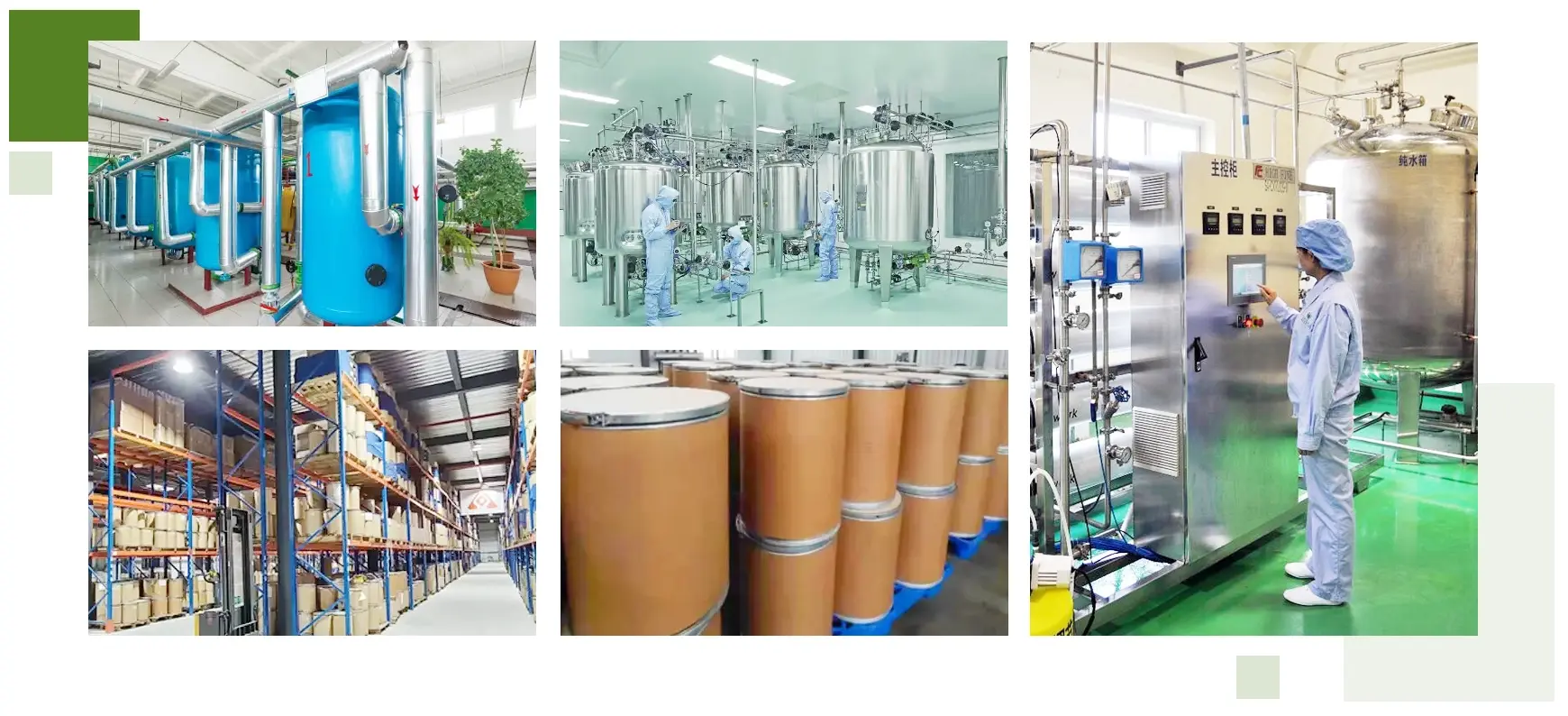
FAQ: Ashwagandha Extract Powder for Supplement Applications
Is ashwagandha extract stronger than ashwagandha powder?
Yes, in terms of active compound concentration, ashwagandha extract powder is significantly more potent due to its standardized withanolides content.
Which is better for capsules, ashwagandha extract or powder?
For capsule formulations, extract is generally preferred because it requires lower dosage and allows for more efficient capsule design.
Does standardized ashwagandha extract contain more withanolides?
Yes, standardized ashwagandha extract is specifically processed to contain defined levels of withanolides, unlike raw powder where content is variable.
Where can I source bulk ashwagandha extract powder?
Bulk sourcing typically involves working with an experienced ashwagandha extract powder supplier or manufacturer capable of providing standardized extracts, documentation, and stable supply.
What documents should a supplier provide?
A qualified supplier should provide:
•COA (Certificate of Analysis)
•MSDS
•Testing reports
•Certification documentation
Conclusion: Choosing the Best Ashwagandha Form for Supplement Applications
The choice between extract and powder ultimately depends on formulation intent rather than a universal preference.
Ashwagandha powder continues to play a role in traditional and cost-sensitive applications, particularly where whole-herb positioning is relevant. However, for modern supplement development—especially in categories such as stress support, sleep optimization, and sports nutrition—ashwagandha extract powder offers clear advantages in terms of standardization, dosage efficiency, and formulation consistency.
From a technical perspective, extract-based ingredients allow for more precise control over active compound delivery, making them better aligned with reproducible formulation strategies and evolving regulatory expectations.
At the same time, the performance of any ashwagandha ingredient is closely linked to manufacturing quality, standardization processes, and batch consistency. This is why selecting a reliable ashwagandha extract supplier or ashwagandha extract powder manufacturer is not only a sourcing decision, but a critical factor in ensuring long-term product stability.
At CHEN LANG BIO TECH, our work with ashwagandha extract powder focuses on standardized extraction, controlled raw material sourcing, and batch-level verification to support consistent application across different supplement formats. For formulation-related discussions, technical specifications, or documentation requests, communication can be directed to:
📧 Email: admin@chenlangbio.com
🌐 Website: www.chenlangbio.com
📚 References
1,National Institutes of Health, Office of Dietary Supplements.
Ashwagandha: Fact Sheet for Health Professionals.
Available at: https://ods.od.nih.gov/factsheets/Ashwagandha-HealthProfessional/
2,Accessed March 2026.
National Center for Complementary and Integrative Health (NCCIH).
Ashwagandha.
Available at: https://www.nccih.nih.gov/health/ashwagandha
3,Accessed March 2026.
Chandrasekhar, K., Kapoor, J., & Anishetty, S. (2012).
A prospective, randomized double-blind, placebo-controlled study of safety and efficacy of a high-concentration full-spectrum extract of ashwagandha root in reducing stress and anxiety.
Indian Journal of Psychological Medicine, 34(3), 255–262.
https://doi.org/10.4103/0253-7176.106022
4,Lopresti, A. L., Smith, S. J., Malvi, H., & Kodgule, R. (2019).
An investigation into the stress-relieving and pharmacological actions of an ashwagandha extract: A randomized, double-blind, placebo-controlled study.
Medicine, 98(37), e17186.
https://doi.org/10.1097/MD.0000000000017186
5,Langade, D., Kanchi, S., Salve, J., Debnath, K., & Ambegaokar, D. (2019).
Clinical evaluation of the safety and efficacy of ashwagandha root extract in improving sleep quality: A randomized, double-blind, placebo-controlled study.
Cureus, 11(9), e5797.
https://doi.org/10.7759/cureus.5797
6,Sharma, A. K., Basu, I., & Singh, S. (2018).
Efficacy and safety of ashwagandha root extract in subclinical hypothyroid patients: A double-blind, randomized placebo-controlled trial.
Journal of Alternative and Complementary Medicine, 24(3), 243–248.
https://doi.org/10.1089/acm.2017.0183
7,Tandon, N., & Yadav, S. S. (2020).
Safety and clinical effectiveness of Withania somnifera (Ashwagandha): A systematic review and meta-analysis.
Journal of Ethnopharmacology, 255, 112768.
https://doi.org/10.1016/j.jep.2020.112768

Send Inquiry
Related Industry Knowledge
- Minoxidil Powder vs Minoxidil Solution: Key Differences for Manufacturers
- Top 5 Benefits of Laminaria Japonica Extract for Glowing Skin
- How does D-Luciferin Sodium Salt Work in Bioluminescence?
- Are There Any Solubility Considerations for Kopyrrol Powder?
- Are Hops Flavonoids Safe to Consume
- What is Ergothioneine Good for
- Is 4-Hexylresorcinol Safe
- What is Copper PCA
- Dimethylmethoxy Chromanyl Palmitate For Skin
- What is Turkesterone Powder? The Newest Supplement In the Whole Market Improve Immunity