
Tranexamic Acid for Skin: Benefits, Mechanism, and Cosmetic Ingredient Applications
2026-02-03 17:57:39
Tranexamic acid powder has become a widely adopted cosmetic ingredient for formulations targeting the appearance of hyperpigmentation, uneven skin tone, and post-inflammatory discoloration. In cosmetic applications, tranexamic acid is valued for its ability to support a more even-looking complexion through interference with key signaling pathways associated with excess melanin production, without acting as a direct bleaching agent.
From a formulation perspective, cosmetic-grade tranexamic acid is typically incorporated into water-based systems such as serums, lotions, emulsions, and targeted treatment products. Its favorable solubility profile and compatibility with common cosmetic ingredients make it suitable for modern brightening and tone-correcting formulations positioned for daily use.
For cosmetic brands and ingredient buyers, selecting a reliable tranexamic acid supplier involves more than assessing efficacy claims. Critical considerations include ingredient purity, batch-to-batch consistency, documented quality control, and the availability of technical and regulatory documentation such as COA, MSDS, and specification sheets. Cosmetic-grade material should be manufactured under a controlled quality system to ensure stability, safety, and formulation reproducibility.
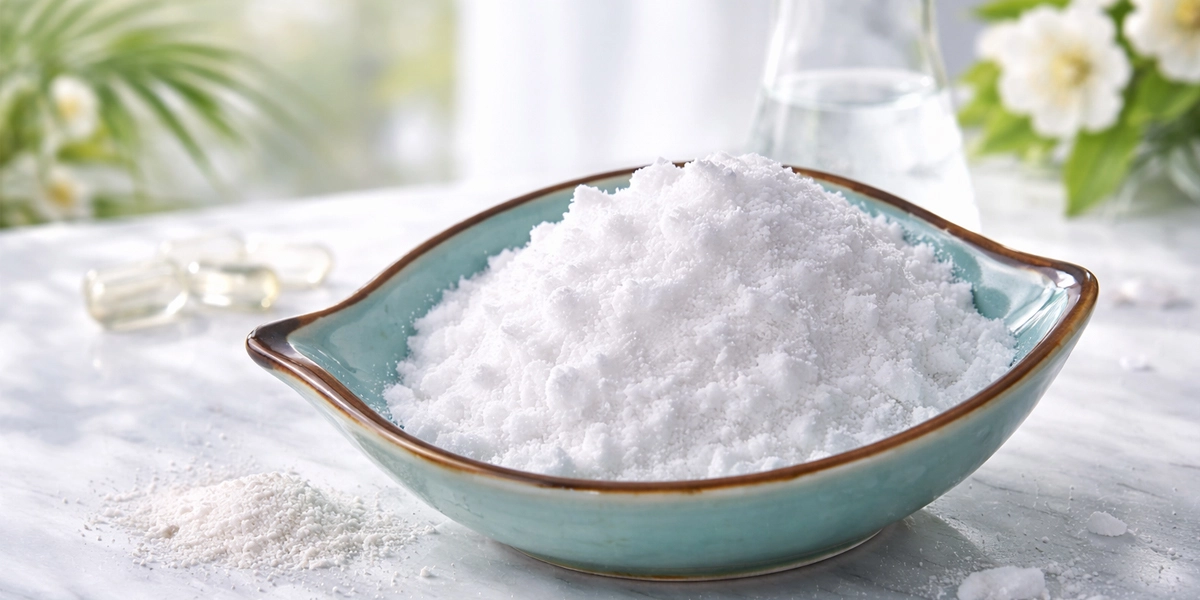
As an experienced cosmetic ingredient manufacturer and supplier, CHEN LANG BIO TECH provides cosmetic-grade tranexamic acid designed to meet the practical requirements of international cosmetic brands and formulators. Our focus is on consistent quality, clear documentation, and stable supply for bulk cosmetic ingredient applications, supporting product development from formulation testing through to commercial-scale production.
This paper provides a technical overview of tranexamic acid for skin-related cosmetic applications, covering functional benefits, mechanism of action, formulation guidance, quality expectations, and key considerations for sourcing tranexamic acid as a cosmetic ingredient in bulk.
What Is Tranexamic Acid?
Tranexamic acid is a synthetic derivative of the amino acid lysine and is widely recognized for its functional role in cosmetic formulations targeting the appearance of uneven skin tone and discoloration. In cosmetic applications, tranexamic acid is classified and supplied as a cosmetic-grade active ingredient, distinct from pharmaceutical-grade materials intended for systemic or injectable use.
As a cosmetic ingredient, tranexamic acid is primarily valued for its performance in topical formulations designed to improve the appearance of dark spots, post-acne marks, and overall tone irregularity. It does not function as a direct depigmenting or bleaching agent. Instead, cosmetic-grade tranexamic acid supports skin tone uniformity through modulation of biological signaling processes associated with excess melanin formation triggered by inflammation or external stressors.
From a sourcing perspective, cosmetic brands and formulators typically specify tranexamic acid based on key material attributes including purity level, solubility behavior in aqueous systems, particle characteristics, and the presence of controlled impurities. Cosmetic-grade tranexamic acid is generally supplied as a white crystalline powder, suitable for precise dosing and easy incorporation into water-based cosmetic formulations such as serums, emulsions, lotions, and essence-type products.
It is important for ingredient buyers to distinguish cosmetic-grade tranexamic acid from pharmaceutical-grade or industrial-grade variants. While the chemical structure may be similar, cosmetic-grade material is manufactured and released according to quality specifications relevant to topical application, formulation stability, and consumer safety expectations. Documentation such as a certificate of analysis (COA), material safety data sheet (MSDS), and technical data sheet (TDS) is typically required to support formulation development, regulatory review, and internal quality assessment.
As a cosmetic ingredient manufacturer and supplier, CHEN LANG BIO TECH focuses on providing tranexamic acid that meets the practical requirements of cosmetic formulation and large-scale production, ensuring consistency, traceability, and documentation suitable for international cosmetic ingredient sourcing.
Benefits of Tranexamic Acid for Skin
Tone-Evening and Brightening Appearance Support
In cosmetic formulations, one of the primary benefits of tranexamic acid for skin is its ability to support a more even-looking complexion. As a cosmetic active ingredient, tranexamic acid for skin care formulations is commonly used to address the visible appearance of uneven tone caused by excess melanin signaling rather than direct pigment overproduction. This makes it suitable for daily-use brightening products positioned for gradual and sustained tone correction.
Improvement of Dark Spot and Discoloration Appearance
Tranexamic acid for hyperpigmentation appearance is widely adopted in cosmetic products targeting the visible intensity of dark spots. In topical cosmetic applications, tranexamic acid is frequently included in formulations designed to improve the appearance of localized discoloration without relying on aggressive exfoliation or skin-sensitizing mechanisms. This positioning aligns well with modern cosmetic trends focused on long-term skin appearance improvement rather than immediate visual masking.
Support for Post-Inflammatory Hyperpigmentation (PIH) Appearance
A key cosmetic use case for tranexamic acid is its application in products targeting the appearance of post-inflammatory hyperpigmentation (PIH). Tranexamic acid for post inflammatory hyperpigmentation is commonly used in formulations developed for acne-prone skin, where discoloration remains visible after inflammatory episodes. From a cosmetic positioning standpoint, tranexamic acid allows brands to address PIH-related appearance concerns while maintaining compatibility with barrier-supportive and non-irritating formulation strategies.
Compatibility with Sensitive-Skin and Barrier-Focused Formulations
Unlike some traditional brightening agents, tranexamic acid cosmetic benefits are often associated with favorable skin tolerance when properly formulated. Because tranexamic acid does not act as a direct exfoliant or melanin synthesis inhibitor, it is commonly used in products positioned for sensitive-skin or compromised-skin markets. This compatibility enables formulators to combine tranexamic acid with ingredients such as niacinamide, panthenol, and selected soothing agents, supporting multi-functional cosmetic systems.
Formulation Flexibility Across Product Types
From a practical formulation perspective, tranexamic acid in skin care formulations offers a high degree of flexibility. It can be incorporated into a wide range of cosmetic product types, including serums, emulsions, lotions, and targeted treatment products, without significantly altering sensory properties when used within recommended ranges. For cosmetic brands and ingredient buyers, this versatility supports efficient product line expansion using a single core active ingredient.
As a cosmetic ingredient manufacturer and supplier, CHEN LANG BIO TECH provides cosmetic-grade tranexamic acid designed to support these functional benefits through consistent quality, controlled specifications, and documentation suitable for formulation development and commercial production.
Mechanism of Action of Tranexamic Acid in Cosmetic Applications
Biological Pathways Involved in Uneven Skin Tone Appearance
To understand the mechanism of tranexamic acid in skin, it is important to consider the biological pathways associated with visible discoloration and uneven tone in cosmetic contexts. External factors such as UV exposure, inflammation, and barrier disruption can trigger the release of signaling mediators that stimulate melanocyte activity. These signals do not necessarily increase melanin synthesis directly but can amplify the transfer and uneven distribution of melanin within the epidermis, leading to the appearance of dark spots and irregular tone.
How Tranexamic Acid Interferes with Melanin-Related Signaling
In topical cosmetic formulations, how tranexamic acid works in cosmetics is primarily associated with its interaction with plasmin-related pathways involved in inflammation-induced pigmentation signaling. Tranexamic acid is structurally similar to lysine and can interfere with plasminogen activation at the skin surface level. By modulating this upstream signaling cascade, tranexamic acid helps reduce the intensity of signals that contribute to excess melanin expression following inflammatory or environmental stress, supporting a more even-looking complexion over time.
Indirect Modulation Rather Than Direct Pigment Suppression
Unlike traditional depigmenting agents, tranexamic acid melanin pathway activity in cosmetics is indirect. Tranexamic acid does not act as a tyrosinase inhibitor and does not chemically suppress melanin synthesis. This indirect mechanism is a key reason why tranexamic acid is widely adopted in cosmetic formulations designed for repeated use. From a regulatory and formulation standpoint, this positioning supports cosmetic claims focused on appearance improvement rather than physiological alteration.
Synergistic Mechanism with Other Cosmetic Actives
From a formulation design perspective, tranexamic acid mechanism of action allows it to function effectively in multi-active cosmetic systems. Because it targets signaling pathways rather than pigment production enzymes, tranexamic acid is commonly combined with ingredients such as niacinamide, vitamin C derivatives, and alpha-arbutin. These combinations allow formulators to address multiple contributors to uneven tone, including oxidative stress, barrier function, and melanin transfer, without excessive irritation potential.
Relevance of Mechanism to Formulation and Ingredient Selection
For cosmetic ingredient buyers and formulators, understanding the mechanism of tranexamic acid in cosmetic applications provides practical guidance for ingredient selection and product positioning. The upstream modulation approach of tranexamic acid supports its use in long-term skincare routines and broad consumer groups, including formulations positioned for sensitive or post-acne skin. As a tranexamic acid manufacturer and supplier, CHEN LANG BIO TECH supplies this powder with consistent quality to ensure predictable performance aligned with this established cosmetic mechanism.
Cosmetic Applications and Formulation Guidance
Suitable Cosmetic Product Types
In cosmetic development, tranexamic acid cosmetic applications extend across a wide range of topical product formats. Due to its stability and formulation flexibility, tranexamic acid in skin care formulations is commonly incorporated into water-based serums, emulsified creams and lotions, toners, essences, sheet masks, and targeted spot-treatment products. This versatility allows cosmetic brands to standardize a core active ingredient across multiple product lines while maintaining consistent performance positioning.
Recommended Use Levels in Cosmetic Formulations
From an industry formulation standpoint, tranexamic acid cosmetic use level is typically determined by product positioning, formulation system, and target consumer group. In cosmetic applications, tranexamic acid is commonly used within a controlled concentration range that supports visible tone-evening benefits without compromising formulation stability or skin tolerance. Ingredient buyers and formulators should evaluate optimal use levels through internal testing and stability studies, particularly when developing products intended for daily or long-term use.
Solubility and Incorporation into Formulations
Tranexamic acid solubility in cosmetics is one of its key formulation advantages. Tranexamic acid is readily soluble in water, making it suitable for aqueous phases of cosmetic formulations. In practice, it is typically dissolved in the water phase under moderate agitation before emulsification or final system adjustment. Proper dissolution ensures uniform distribution of the active ingredient and contributes to consistent product performance across production batches.
pH Compatibility and System Considerations
For cosmetic formulations, tranexamic acid pH compatibility is an important technical consideration. Tranexamic acid performs optimally within a mildly acidic to near-neutral pH range commonly used in skin care products. Formulators should verify pH stability during both initial formulation and accelerated stability testing, particularly when combining tranexamic acid with acidic actives or exfoliating ingredients. Maintaining appropriate pH conditions supports ingredient stability and minimizes the risk of precipitation or performance variation.
Compatibility with Other Cosmetic Ingredients
In multi-active formulations, tranexamic acid ingredient compatibility is generally favorable. It is commonly combined with ingredients such as niacinamide, panthenol, selected vitamin C derivatives, and moisturizing agents. This compatibility enables the development of comprehensive cosmetic systems addressing uneven tone, barrier support, and overall skin appearance. However, formulators should conduct compatibility and stability testing when combining tranexamic acid with strong acids, high-electrolyte systems, or complex botanical extracts.
Processing and Manufacturing Considerations
From a production perspective, tranexamic acid cosmetic formulation guidance includes attention to addition order, mixing conditions, and batch consistency. Incorporating tranexamic acid during the appropriate formulation phase and maintaining controlled processing parameters supports reproducible quality at scale.
Stability, Compatibility, and Processing Considerations
Stability Factors in Finished Cosmetic Products
When evaluating tranexamic acid stability in cosmetic formulations, formulators typically focus on long-term performance rather than short-term activity. In properly designed systems, tranexamic acid demonstrates good chemical stability under standard storage conditions used for skin care products. Stability is most closely influenced by formulation pH, overall system composition, and exposure to extreme processing temperatures. For products intended for extended shelf life, stability verification through accelerated testing remains a recommended practice.
Interaction with Formulation Environment
From a formulation standpoint, tranexamic acid compatibility in cosmetics is generally reliable, particularly in water-based and emulsified systems. However, formulation performance should be assessed holistically. High concentrations of electrolytes, extreme pH conditions, or highly complex botanical systems may influence ingredient behavior over time. Careful system design and routine stability monitoring help ensure consistent appearance and performance throughout the product lifecycle.
Packaging Considerations for Cosmetic Products
Although tranexamic acid itself is not highly sensitive to light or oxygen, packaging considerations for tranexamic acid formulations are primarily driven by overall formula stability rather than the active ingredient alone. Packaging formats such as airless pumps, opaque containers, or well-sealed bottles are commonly selected to protect the complete formulation from environmental stress, particularly in products positioned for daily or long-term use.
Processing and Scale-Up Experience
In commercial manufacturing, tranexamic acid processing considerations are largely related to dissolution efficiency and batch uniformity. Ensuring complete solubilization during the water phase and maintaining controlled mixing conditions supports consistent distribution of the active ingredient across large production volumes. During scale-up, maintaining consistent raw material quality and clearly defined processing parameters helps minimize batch-to-batch variability.
Practical Implications for Ingredient Selection
For cosmetic brands and ingredient buyers, these stability and processing considerations reinforce the importance of sourcing tranexamic acid from a qualified cosmetic ingredient supplier. Consistent specifications, reliable solubility behavior, and clear technical documentation support predictable formulation outcomes at both pilot and commercial scale.
Key Specifications for Cosmetic-Grade Tranexamic Acid
When sourcing cosmetic-grade tranexamic acid, ingredient buyers typically evaluate a defined set of technical specifications to ensure suitability for topical applications. These specifications commonly include appearance, assay (purity), moisture content, and impurity profile. Consistent particle characteristics and reliable solubility behavior are also important to support accurate dosing and uniform distribution in cosmetic formulations. Variability in any of these parameters can directly affect formulation performance, stability, and batch-to-batch consistency. Please inquiry Email: admin@chenlangbio.com and get COA of tranexamic acid powder.
Batch Consistency and Traceability
For cosmetic manufacturers, batch-to-batch consistency of tranexamic acid is a critical quality requirement. Even minor variations in raw material quality can lead to measurable differences in finished product appearance or stability over time. As a result, cosmetic ingredient suppliers are expected to maintain robust traceability systems, enabling each production batch to be tracked from raw material input through finished product release. This level of control supports internal quality audits and reduces formulation risk during scale-up.
Quality Management and Manufacturing Environment
The production of cosmetic-grade active ingredients requires a controlled manufacturing environment supported by a documented quality management system. Tranexamic acid manufacturing for cosmetic use should be conducted under standardized procedures covering material handling, in-process controls, and final product testing. Quality systems such as ISO 9001 provide a structured framework for maintaining consistent processes and continuous improvement across production and quality control operations.
Documentation Commonly Required by Cosmetic Brands
From a procurement perspective, tranexamic acid supplier documentation plays a central role in supplier qualification. Cosmetic brands and contract manufacturers typically require a certificate of analysis (COA) for each batch, along with a material safety data sheet (MSDS), technical data sheet (TDS), and detailed product specifications. These documents support formulation development, regulatory review, and internal quality assurance processes.
CHEN LANG BIO TECH Quality Approach
As a cosmetic ingredient manufacturer and supplier, CHEN LANG BIO TECH operates dedicated production facilities with a total building area of 6,400 square meters, comprising five production lines supported by independently managed controlled environments. Our quality system is certified to ISO 9001 standards, and each batch of cosmetic-grade tranexamic acid is released with complete documentation, including COA and MSDS, to support reliable sourcing and long-term supply partnerships.
Safety, Regulatory, and Market Considerations for Cosmetic Use
Cosmetic Safety and Intended Use Positioning
In cosmetic applications, tranexamic acid safety for skin care products is assessed based on topical use, formulation context, and concentration range rather than systemic exposure. When formulated appropriately, tranexamic acid is widely used in cosmetic products positioned for improving the appearance of uneven skin tone. It is important for brands to ensure that product claims remain within the scope of cosmetic regulations, focusing on visible appearance benefits rather than therapeutic or medical outcomes.
Regulatory Considerations Across Key Markets
From a regulatory standpoint, tranexamic acid cosmetic regulatory status may vary by region, and cosmetic brands are responsible for verifying compliance with local requirements in their target markets. In regions such as the EU, United States, and major Asian markets, tranexamic acid is commonly evaluated within the framework of cosmetic ingredient safety assessments rather than drug regulations, provided that product positioning and claims remain cosmetic in nature. Ingredient documentation supplied by manufacturers plays an essential role in supporting these assessments.
Labeling and INCI Identification
For product labeling and formulation documentation, tranexamic acid INCI name is used consistently across international cosmetic markets. Accurate ingredient identification supports transparency in labeling, facilitates regulatory review, and ensures alignment between raw material documentation and finished product specifications. Ingredient buyers should confirm that supplier-provided documentation clearly references the correct INCI designation and material specifications.
Market Trends and Product Positioning
In recent years, tranexamic acid in cosmetic market applications has gained increased attention due to consumer demand for tone-evening solutions that align with sensitive-skin and long-term use positioning. Cosmetic brands increasingly favor active ingredients that support gradual appearance improvement without aggressive mechanisms. This market trend reinforces the importance of sourcing tranexamic acid that meets both technical formulation needs and regulatory expectations.
Supplier Responsibility in Safety Support
As a cosmetic ingredient manufacturer and supplier, CHEN LANG BIO TECH supports customer safety and compliance efforts by providing complete and transparent documentation, including COA, MSDS, and technical data. This information enables cosmetic brands and manufacturers to conduct internal safety evaluations and regulatory reviews with confidence when incorporating tranexamic acid into cosmetic formulations.
Frequently Asked Questions about Tranexamic Acid
What is tranexamic acid used for in cosmetics?
In cosmetic formulations, tranexamic acid for skin care is used to support a more even-looking complexion and to improve the visible appearance of dark spots and tone irregularity.
Is tranexamic acid water-soluble?
Yes. Tranexamic acid solubility in cosmetics is favorable, making it suitable for water-based systems such as serums, emulsions, and toners.
What is the typical cosmetic use level of tranexamic acid?
Tranexamic acid cosmetic use level is formulation-dependent and should be determined through internal testing, product positioning, and stability evaluation.
Can tranexamic acid be combined with other cosmetic actives?
Yes. Tranexamic acid ingredient compatibility is generally good with niacinamide, vitamin C derivatives, and barrier-supportive ingredients when properly formulated.
What documents should a tranexamic acid supplier provide?
Cosmetic brands typically require COA, MSDS, TDS, and specification sheets to support formulation, quality control, and regulatory review.
Conclusion
For brands and manufacturers seeking bulk tranexamic acid for cosmetic applications, supplier reliability extends beyond product quality alone. Stable production capacity, consistent specifications, and responsive technical communication are essential for long-term cooperation.
As a professional tranexamic acid manufacturer and supplier, CHEN LANG BIO TECH specializes in the production and supply of cosmetic-grade active ingredients for international cosmetic brands. We always supply high quality and purity more than 99% in global market. If you are looking to buy tranexamic acid as a cosmetic ingredient, or to evaluate a qualified tranexamic acid supplier or manufacturer for bulk sourcing, please contact us Email: admin@chenlangbio.com, our technical and sales teams are available to provide specifications, samples, and documentation upon request.

Send Inquiry
Related Industry Knowledge
- Where to Buy Resveratrol Powder in Bulk?
- What Does Ajuga turkestanica Extract Do?
- What is the Use of Myricetin?
- What Is Asiaticoside Powder Used For?
- How Can Acetylcysteine Powder Improve Your Respiratory Health Formulations?
- What Role Does Vitamin D3 Powder Play in Enhancing Functional Foods and Drinks?
- Does Sodium Ascorbyl Phosphate Work?
- Do Green Tea Extract Have Caffeine
- What is Praziquantel Tablet Used For
- What is Garlic Extract Powder Allicin