
Quaternium-73 for Acne Formulations: What Formulators Should Know
2026-08-24 21:56:47
Quaternium-73 for acne formulations is typically evaluated as a low-use-level antimicrobial cosmetic ingredient, particularly in products developed for oily, blemish-prone or acne-prone skin. Published commercial formulation guidance commonly places Quaternium-73 at approximately 0.001–0.005%, but selecting a percentage is only the beginning of formulation work. Because the ingredient is used at very low levels and has limited water solubility, formulators need to consider weighing accuracy, pre-dissolution, uniform distribution, pH, compatibility and finished-product stability before moving from a laboratory prototype to commercial production.
Quaternium-73 is identified by CAS 15763-48-1 and is also encountered commercially as Pionin. Its antimicrobial activity, including reported activity relevant to Cutibacterium acnes, explains why it appears in acne-prone skincare development. That does not make the raw material an acne medicine, nor does raw-material antimicrobial data establish the performance of a finished cosmetic product. For R&D teams, the more useful question is how to formulate the ingredient reproducibly and how to verify that the commercial raw material matches the grade used during development.
Why Is Quaternium-73 Considered for Acne-Prone Skin Formulations?
The formulation interest in Quaternium-73 for acne-prone skin is closely connected with microbiology. Cutibacterium acnes, formerly classified as Propionibacterium acnes, is part of the skin microbiota and is associated with acne pathophysiology. A recent review of truncal acne specifically identifies Quaternium-73 among quaternary ammonium compounds used in skincare approaches intended to suppress C. acnes.
For a cosmetic formulator, this provides a rational basis for considering Quaternium-73 in acne skincare, but it should not be extended beyond the evidence. Raw-material antimicrobial activity and finished-product efficacy are different questions. Once Quaternium-73 enters a serum, gel, cleanser or emulsion, its behavior is influenced by concentration, solvent system, pH and interactions with the rest of the formulation.
This distinction is particularly important for product claims. Describing a cosmetic as formulated for blemish-prone or oily skin is different from claiming that the ingredient treats or cures acne. The latter moves into therapeutic territory and may change the regulatory status of the finished product depending on the market.
For a more detailed discussion of the antimicrobial evidence and mechanism, formulators can separately review how Quaternium-73 works rather than attempting to use antimicrobial data as a substitute for formulation testing.
What Is the Recommended Quaternium-73 Use Level in Cosmetics?
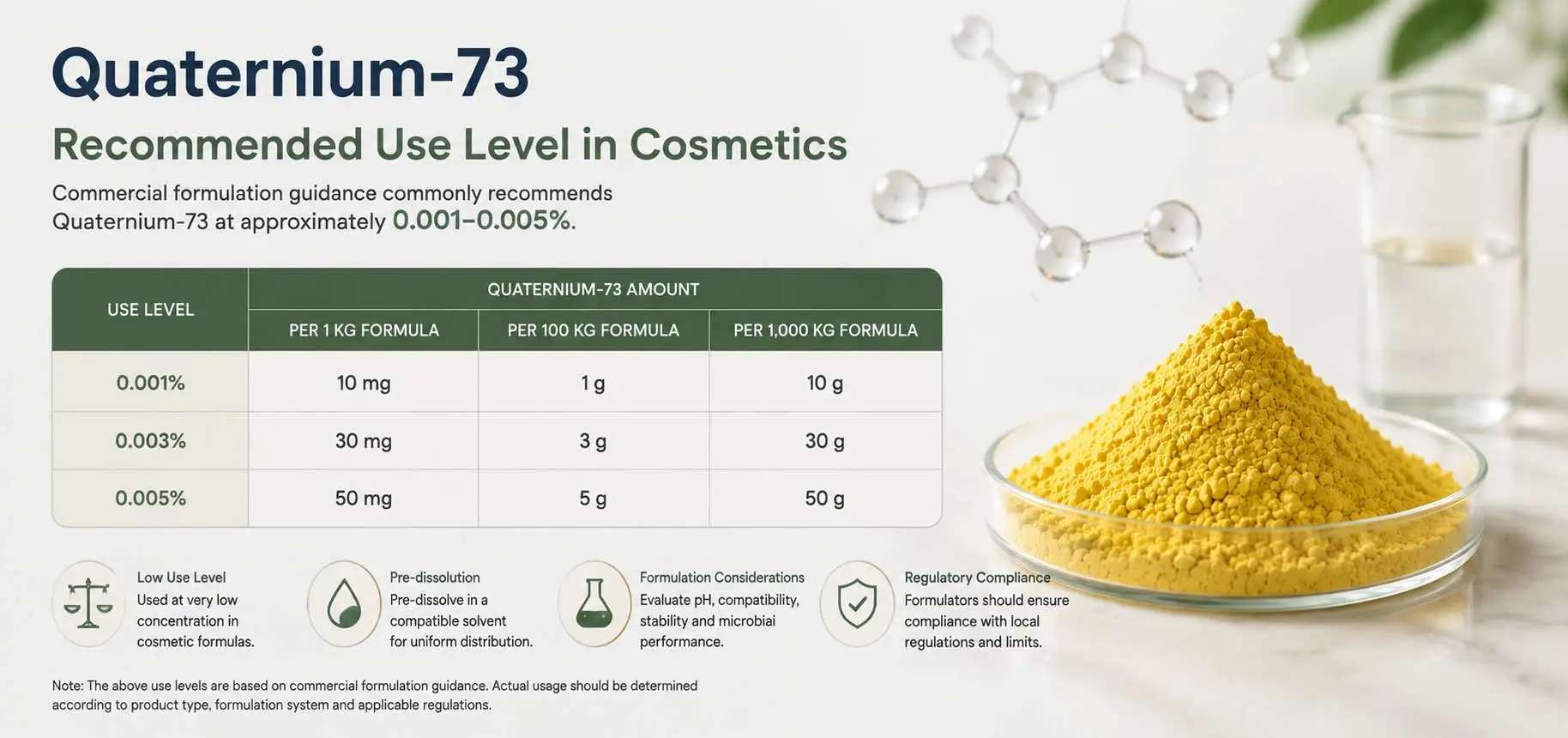
Commercial technical information from multiple raw-material sources gives a Quaternium-73 use level of approximately 0.001–0.005%. One technical source also describes a stable pH range of 5.5–8.0 and recommends pre-dissolution in compatible glycols before incorporation.
The 0.001–0.005% figure should be treated as formulation guidance rather than a universal regulatory allowance. Regulatory requirements need to be checked separately for every destination market. Taiwan, for example, lists Quaternium-73 at a maximum concentration of 0.005% in its cosmetic ingredient restrictions; the amended list is scheduled to take effect on October 1, 2027.
For manufacturing purposes, the percentage becomes more meaningful when converted into actual weights:
|
Quaternium-73 dosage |
Per 1 kg formula |
Per 100 kg formula |
Per 1,000 kg formula |
|
0.001% |
10 mg |
1 g |
10 g |
|
0.003% |
30 mg |
3 g |
30 g |
|
0.005% |
50 mg |
5 g |
50 g |
This table illustrates one of the main practical challenges with how much Quaternium-73 to use. At 0.001%, a 100 kg pilot batch requires only 1 g of raw material. That is a very small quantity relative to the batch mass, so accurate weighing and homogeneous distribution become more important than they would be for an ingredient used at several percent.
Why Accurate Weighing Matters at Low Quaternium-73 Dosage
The low Quaternium-73 concentration creates a scale-up issue that can easily be overlooked during bench formulation.
A laboratory making a 1 kg prototype at 0.001% theoretically needs only 10 mg. Whether that quantity can be weighed accurately depends on the balance, weighing procedure and laboratory controls. Even at 100 kg scale, the required amount is only 1 g.
This is one reason a controlled premix can be useful. Rather than attempting to distribute a tiny amount of dry powder uniformly through a large manufacturing vessel, the weighed material can first be incorporated into an appropriate compatible carrier. A known amount of this premix can then be introduced under controlled mixing conditions.
The premix concentration and procedure should be documented. Otherwise, losses on weighing paper, transfer tools or premix vessels can become disproportionately significant when the total amount of active material is only a few grams.
For commercial Quaternium-73 formulation process development, the R&D record should therefore include not only the target percentage but also weighing tolerance, premix composition, transfer procedure and mixing conditions.
How to Dissolve Quaternium-73 Before Adding It to a Formula
Quaternium-73 solubility is an important formulation consideration because the ingredient is not highly water-soluble.
One commercial technical source describes Quaternium-73 as soluble in butylene glycol, propylene glycol, ethanol and 1,2-pentanediol, while being only slightly soluble in water. The same source recommends pre-dissolving the material in butylene glycol, propylene glycol or 1,2-pentanediol before addition.
That gives formulators a useful starting point for how to dissolve Quaternium-73, but it is not a universal recipe. The carrier should be compatible with the finished formula and appropriate for the intended product category.
For example, if butylene glycol is already present in a leave-on serum, using part of the formula's existing glycol phase to prepare a Quaternium-73 premix may be more straightforward than introducing an additional solvent solely for the active. The amount required to achieve complete dissolution should be established experimentally rather than assumed.
Should Quaternium-73 Be Pre-Dissolved?
For many low-dose formulations, pre-dissolution is a practical approach because it can improve both handling and distribution. The objective is not simply to make the powder disappear visually. The premix should be reproducible and should remain suitable when incorporated into the complete formulation.
The formulator should observe the premix for undissolved material, crystallization or precipitation and then repeat those observations after it enters the finished product.
Why Complete and Uniform Incorporation Matters
A nominal 0.003% addition is meaningful only if the ingredient is uniformly distributed.
Incomplete dissolution can introduce visible particles or clarity problems in toners and serums. In opaque emulsions, undissolved material may be harder to detect visually, making a controlled premix and validated mixing procedure even more valuable.
For scale-up, document solvent-to-active ratio, temperature if heating is used, mixing time and visual endpoint rather than relying on an informal instruction such as “mix until dissolved.”
When Should Quaternium-73 Be Added During Cosmetic Manufacturing?
There is no single addition point that should be copied into every Quaternium-73 cosmetic formulation.
Commercial technical guidance reports good thermal stability, with one source stating stability up to 90°C. That information can help define an experimental starting point, but thermal stability of the isolated ingredient does not automatically prove that every Quaternium-73-containing formulation should be processed at 90°C.
The appropriate addition stage depends on the vehicle and manufacturing process. In a cold-process serum, a glycol premix may be incorporated during the appropriate liquid phase under moderate agitation. In an emulsion, the formulator needs to determine which phase and processing stage give complete distribution without destabilizing the system.
For a production SOP, “add Quaternium-73” is insufficient. A useful instruction identifies the premix, addition temperature, mixing speed or equipment where relevant, mixing duration and endpoint.
Pilot production should then confirm that the procedure developed at bench scale remains reproducible when vessel geometry and batch size change.
What pH Range Should Formulators Consider for Quaternium-73?
Commercial formulation guidance reports Quaternium-73 pH stability in approximately the 5.5–8.0 range for the referenced grade.
This is useful technical information, but formulators should distinguish raw-material guidance from finished-product stability. A serum at pH 6.0 contains far more than Quaternium-73, and the stability of the complete system depends on every component.
The practical approach is to measure and record the pH of the completed formulation after all components have been incorporated, then monitor pH during the established stability program. A meaningful shift over time can indicate chemical or physical changes that deserve investigation.
This is especially relevant when Quaternium-73 is combined with ingredients whose preferred formulation conditions differ significantly.
What Ingredients Are Compatible With Quaternium-73?
Questions about Quaternium-73 compatibility should be answered through formulation testing rather than ingredient-name matching.
Quaternium-73 With Niacinamide
Quaternium-73 with niacinamide may be commercially interesting in formulations for oily or blemish-prone skin, but the fact that two ingredients fit the same product concept does not establish compatibility.
Formulators should evaluate the complete solvent system, final pH, appearance, color, viscosity and stability. If both ingredients remain within suitable formulation conditions and the prototype remains stable, the combination can then be assessed within the manufacturer's normal product-development program.
Quaternium-73 With Salicylic Acid
Quaternium-73 with salicylic acid requires particular attention to formulation architecture because salicylic acid itself introduces solubility and pH considerations.
The relevant question is not simply “Can they be used together?” but whether a specific formula can keep both ingredients appropriately incorporated while maintaining the required pH, clarity or emulsion stability.
This should be demonstrated experimentally. A combination found in a competitor product or supplier sample formula does not prove compatibility in a different solvent, surfactant or polymer system.
Surfactants, Polymers and Other Functional Ingredients
For cleansers and gels, Quaternium-73 ingredient compatibility should include observations of surfactant and polymer systems. Ionic interactions can affect clarity, viscosity and physical stability in complex formulations.
Changes such as haze, precipitation, viscosity drift or phase instability during storage are more informative than an unsupported compatibility list.
Which Cosmetic Products Can Use Quaternium-73?
Commercial sources describe Quaternium-73 for skincare and cleansing applications, and the ingredient is particularly relevant to formulations positioned for oily or acne-prone skin.
From a formulation perspective, different product formats create different technical questions:
|
Product format |
What the formulator should evaluate |
|
Quaternium-73 cleanser |
Surfactant compatibility, premix behavior and rinse-off conditions |
|
Quaternium-73 serum |
Solubility, clarity, pH and leave-on stability |
|
Toner |
Solvent system, clarity and precipitation |
|
Gel |
Polymer compatibility, viscosity and uniform distribution |
|
Cream/emulsion |
Phase incorporation, color and physical stability |
|
Localized skincare product |
Low-dose accuracy and uniformity |
|
Scalp-care formulation |
Surfactant/solvent environment and finished-product testing |
The difference between rinse-off and leave-on formats deserves particular attention. A facial cleanser has short contact time and a surfactant-rich environment, while a serum remains on the skin in a very different vehicle. Using the same Quaternium-73 dosage does not mean the ingredient will behave identically in both products.
Does Quaternium-73 Replace the Preservative System?
Antimicrobial activity should not automatically be interpreted as evidence that Quaternium-73 can replace the complete preservation system of a cosmetic.
A preservative strategy needs to protect the finished product under its actual manufacturing, packaging, storage and consumer-use conditions. Water activity, pH, packaging, manufacturing hygiene and the rest of the formulation all influence microbiological risk.
This distinction is important because supplier literature sometimes describes Quaternium-73 preservative applications. Such information may justify investigating the ingredient's contribution to a preservation strategy, but it does not remove the need to validate the finished product.
Why Finished-Product Challenge Testing Still Matters
A preservative efficacy test or appropriate cosmetic challenge test evaluates the finished formula rather than the isolated raw material.
Formulators should therefore avoid converting antimicrobial or MIC data directly into a conclusion that the finished product is adequately preserved. Preservation must be demonstrated using the applicable testing and regulatory framework for the product and market.
What Stability Tests Should Be Run on a Quaternium-73 Formula?
A useful Quaternium-73 stability test should evaluate the complete formulation rather than Quaternium-73 in isolation.
Depending on product type and the manufacturer's stability protocol, observations can include appearance, color, odor, pH, viscosity, clarity, precipitation and phase separation. Packaging compatibility should also be considered because commercial stability ultimately concerns the product in its intended package.
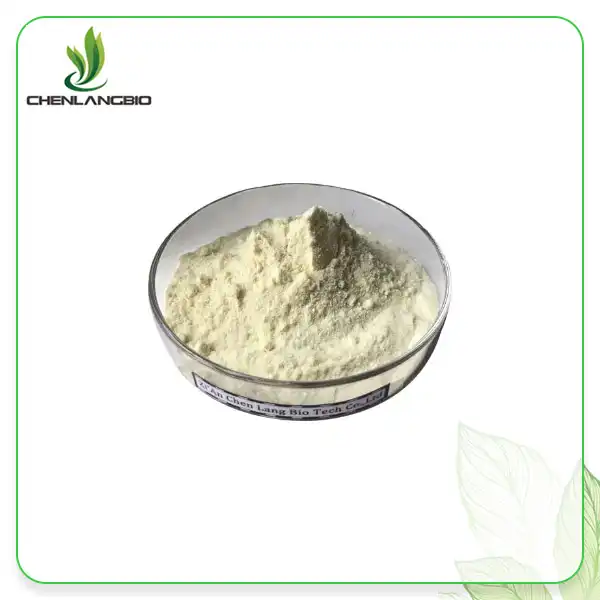
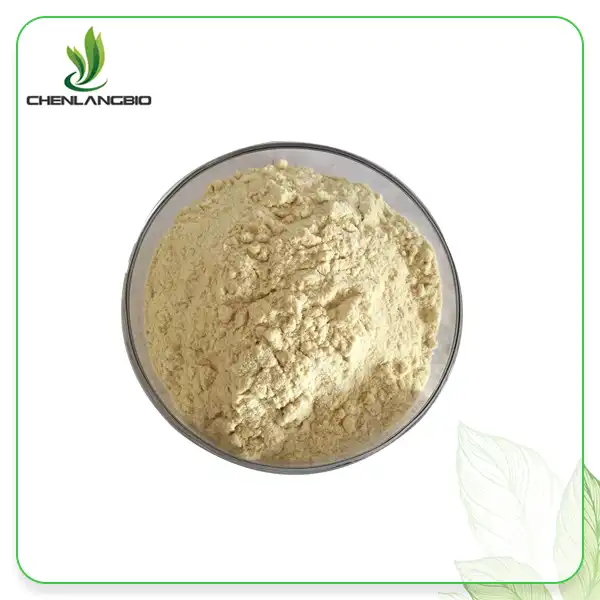
Commercial suppliers describe Quaternium-73 as a yellow or yellowish material. At a use level measured in thousandths of a percent, this does not automatically mean that the finished formula will appear visibly yellow. The actual color contribution depends on concentration, vehicle, background color and packaging, so it should be evaluated in the real prototype rather than predicted from the raw powder.
Room-temperature monitoring, accelerated conditions, temperature cycling and light exposure may all be relevant depending on the product-development protocol. Where light sensitivity is identified in the supplier's technical information, light exposure and packaging selection deserve particular attention.
How Should Formulators Evaluate a Quaternium-73 Prototype?
A disciplined Quaternium-73 formulation test should progress from bench work to pilot production rather than jumping directly from a successful beaker trial to a commercial batch.
A practical sequence is:
Bench formulation → dissolution and appearance → pH and viscosity → compatibility → stability evaluation → microbiological assessment where applicable → pilot batch → commercial scale-up
Record the raw-material lot used in the successful prototype. This becomes particularly important when the project later moves to purchasing, because the formulation team needs to know whether the commercial shipment corresponds to the material originally approved.
Pilot batches should also verify mixing and incorporation. A premix that disperses easily in a 1 kg laboratory batch may behave differently when introduced into a 500 or 1,000 kg manufacturing vessel.
What Quaternium-73 Raw Material Specifications Should Buyers Check?
Once R&D has selected the ingredient, purchasing and quality teams should qualify the Quaternium-73 raw material rather than buying solely against the product name.
At minimum, review identity, appearance, Quaternium-73 assay or purity, analytical method, storage conditions and shelf life according to the supplier's specification. The documents should consistently identify Quaternium-73 and CAS 15763-48-1.
The Quaternium-73 specification and Quaternium-73 COA serve different purposes. A specification establishes the acceptance criteria for the commercial grade; a batch-specific COA reports the actual results for a particular production lot.
Where Quaternium-73 HPLC purity is used as a quality parameter, buyers should confirm that the analytical basis is consistent. A website statement such as “98%+” is not a substitute for a batch document.
This matters because formulation reproducibility depends partly on raw-material reproducibility. A laboratory cannot confidently diagnose a formulation change if the incoming material itself is poorly characterized.
Why Formulators Should Test a Supplier Sample Before Scale-Up
A Quaternium-73 sample should ideally represent the same commercial specification that will be supplied after approval.
Use the sample for the actual pre-dissolution and prototype work planned for the finished product. Record its lot number and COA, then retain the formulation observations with the R&D file.
When the first commercial shipment arrives, the buyer can compare its documentation with the approved sample rather than relying on memory or appearance.
This becomes particularly valuable when qualifying a second Quaternium-73 raw material supplier. A nominally identical CAS number does not eliminate the need to confirm that the new commercial material behaves appropriately in an established formula.
Choosing a Quaternium-73 Supplier for Cosmetic Formulation
A capable Quaternium-73 supplier should support the transition from laboratory evaluation to repeat commercial purchasing.
Before approval, request a current specification, representative or batch-specific COA, sample, packaging information and storage guidance. Ask whether the sample represents the commercial grade and whether the same specification can be maintained for repeat orders.
Whether the company describes itself as a Quaternium-73 manufacturer, Pionin supplier, CAS 15763-48-1 supplier or cosmetic ingredient distributor is less important than traceability and consistency.
For buyers seeking a cosmetic grade Quaternium-73 supplier, technical communication is particularly useful during scale-up. If an R&D team encounters a dissolution, appearance or specification question, the supplier should be able to discuss the raw material rather than simply resend a quotation.
Buying Quaternium-73 for R&D and Commercial Production
For companies preparing to buy Quaternium-73, an efficient purchasing sequence is:
Sample → R&D trial → pilot batch → first commercial order → repeat bulk supply
This keeps the Quaternium-73 price per kg from becoming the primary qualification criterion before the material has been technically approved.
CHEN LANG BIO TECH supplies Quaternium-73 for cosmetic formulation projects. Our current commercial packaging includes 1 kg aluminum foil bags and 25 kg fiber drums, and routinely stocked orders can generally be arranged for shipment within approximately 2–3 working days after payment, subject to stock confirmation. Larger bulk Quaternium-73 requirements should be scheduled according to current inventory and production planning.
Buyers evaluating where to buy Quaternium-73 can request the current specification, COA, sample availability, MOQ and quotation before placing a commercial order.
Quaternium-73 Formulation FAQ
What is the recommended use level of Quaternium-73?
Commercial formulation guidance commonly recommends approximately 0.001–0.005%. The actual Quaternium-73 use level should be determined according to the supplier grade, formulation, finished-product testing and applicable market regulations.
How do you dissolve Quaternium-73?
Technical guidance describes Quaternium-73 as soluble in solvents including butylene glycol, propylene glycol, ethanol and 1,2-pentanediol and only slightly soluble in water. Pre-dissolution in a compatible glycol is commonly recommended before incorporation.
Can Quaternium-73 be used with niacinamide?
Potential combinations should be evaluated in the complete formulation rather than assumed from ingredient names. Check final pH, solubility, appearance, viscosity and stability before approving Quaternium-73 with niacinamide for scale-up.
Can Quaternium-73 be formulated with salicylic acid?
A Quaternium-73 with salicylic acid formulation requires careful consideration of the solvent system and pH, particularly because salicylic acid has its own solubility requirements. Compatibility should be established experimentally in the intended formula.
Can Quaternium-73 be used in cleansers and serums?
Commercial information supports use across skincare and cleansing products. A Quaternium-73 cleanser and Quaternium-73 serum, however, represent very different formulation environments, so dissolution, compatibility and stability should be evaluated separately.
Does Quaternium-73 replace a cosmetic preservative?
Not automatically. Although Quaternium-73 has antimicrobial activity, the adequacy of a preservative system is a finished-product question. Appropriate preservative efficacy or challenge testing remains necessary according to the formulation and market requirements.
From Laboratory Formulation to Commercial Quaternium-73 Supply
Successful use of Quaternium-73 for acne formulations depends on controlling practical variables rather than simply selecting an addition percentage. At the commonly referenced 0.001–0.005% range, accurate weighing, appropriate pre-dissolution, uniform incorporation, pH, compatibility and stability testing become central to reproducible scale-up.
For cosmetic manufacturers, formulation laboratories, OEM/ODM companies and ingredient distributors, raw-material consistency should be treated as part of that formulation control. CHEN LANG BIO TECH can provide current Quaternium-73 specification, COA information, samples, packaging details, MOQ, lead time and commercial quotations for technical evaluation.
Email: admin@chenlangbio.com
References
1. Taiwan Food and Drug Administration. List of Preservatives Allowed in Cosmetic Products. Quaternium-73 is listed at 0.005%.
2. Taiwan Food and Drug Administration. Amended List of Ingredients Restricted in Cosmetic Products, effective October 1, 2027. Includes Quaternium-73 at 0.005%.
3. Feng et al. Truncal Acne: Pathophysiology, Clinical Features, and Management Strategies. Discusses C. acnes and Quaternium-73 among antimicrobial approaches in acne-oriented skincare.
4. MCBiotec. Quaternium-73 Technical Information. Reports recommended use level of 0.001–0.005%, pH 5.5–8.0, solvent information and pre-dissolution guidance.
5. Suzhou Health Chemicals. Quaternium-73 Product Information. Reports 0.001–0.005% recommended use level, cosmetic applications and storage information.
6. CHEN LANG BIO TECH. Quaternium-73 Product Information. Current commercial information including 1 kg aluminum foil bag and 25 kg fiber drum packaging and typical stock-order dispatch information.

Send Inquiry
Related Industry Knowledge
- Hydrolyzed Keratin Powder vs Keratin Peptide Powder Are They the Same Ingredient?
- What Are Procyanidins in Pine Bark Extract and Why Do They Matter in Formulations?
- 7 Applications for Lycopene Powder in Formulations
- Does Beta Ecdysterone Build Muscle?
- Are Bergenia Plants Full Sun?
- Is Pyrrolidinyl Diaminopyrimidine Oxide Effective Against Hair Loss?
- Is Monobenzone Better than Hydroquinone
- Is Centella Asiatica Extract Safe for Skin
- What Is Turkesterone Powder
- Why Should Put Pure Fisetin Powder in My Diet