What Are Procyanidins in Pine Bark Extract and Why Do They Matter in Formulations?
2026-06-01 14:49:46
Introduction
As formulation standards continue to evolve across the nutraceutical and cosmetic industries, manufacturers are paying closer attention to the active compounds behind botanical ingredients rather than focusing solely on ingredient names. In the case of pine bark extract, one of the most important compound groups attracting industry attention is procyanidins.
Naturally occurring in maritime pine bark extract, procyanidins belong to a class of plant-derived polyphenols commonly associated with antioxidant-oriented botanical formulations. These compounds are also widely referred to as oligomeric proanthocyanidins (OPCs), a term frequently used in supplement and cosmetic ingredient specifications.
For procurement teams and formulation developers, understanding procyanidins in pine bark extract is important for several reasons. Active compound levels can directly influence:
•ingredient positioning
•formulation consistency
•standardization requirements
•sourcing strategy
•product differentiation
This is particularly relevant in modern markets where brands increasingly seek standardized pine bark extract with clearly defined active content and reliable documentation support.
In international ingredient supply chains, OPCs in pine bark extract are now commonly evaluated alongside other formulation considerations such as solubility, mesh size, batch consistency, and compatibility with multi-ingredient systems. As a result, supplement brands and cosmetic manufacturers are no longer sourcing botanical extracts based on generic labeling alone. Instead, they are prioritizing active compound transparency and formulation-oriented specifications.
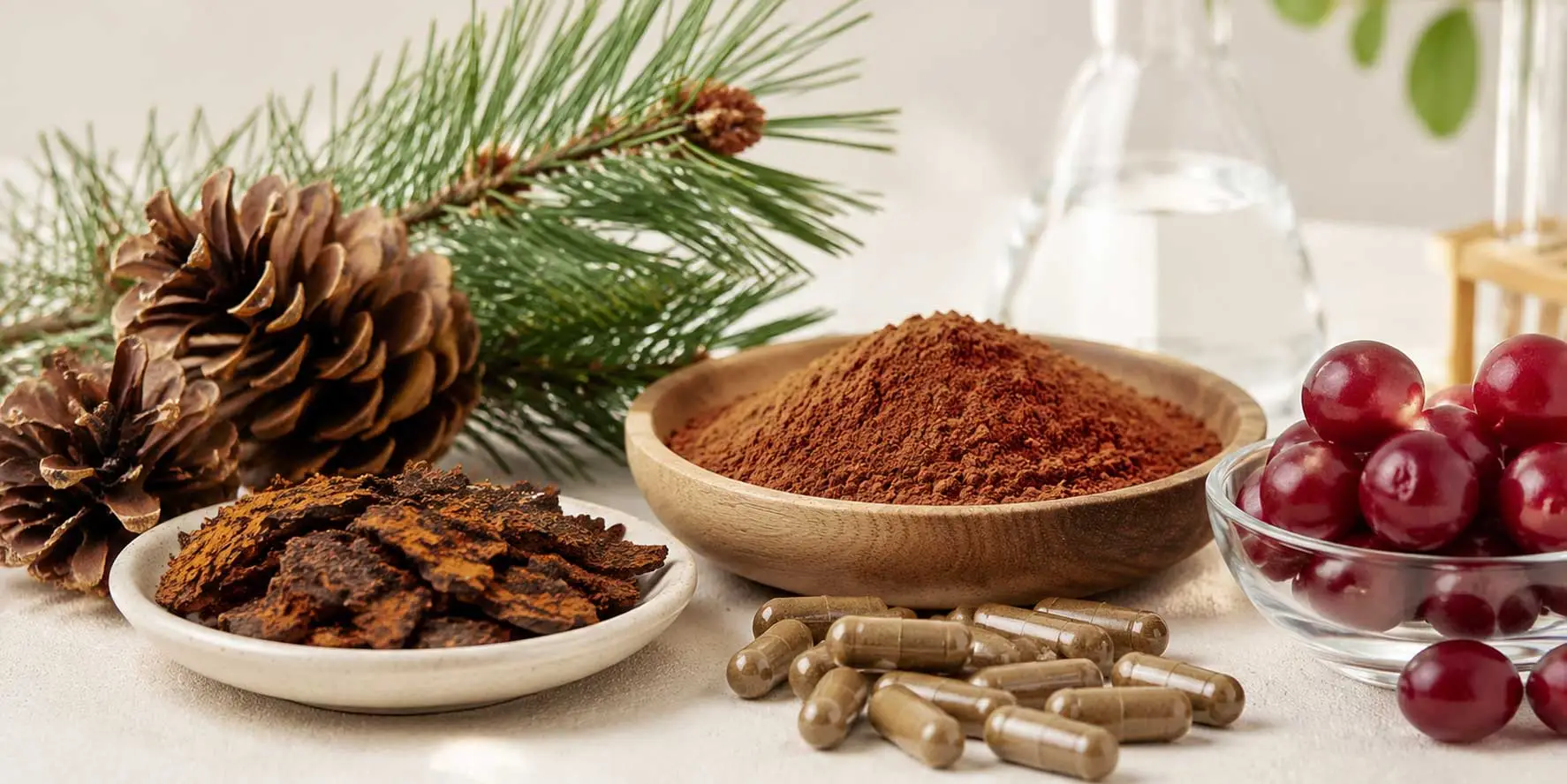
Another reason the topic continues gaining industry attention is the growing demand for botanical polyphenols in antioxidant, beauty-from-within, and healthy aging product categories. Consumers increasingly prefer recognizable plant-derived ingredients, especially in formulations positioned around clean-label and naturally sourced concepts.
For manufacturers sourcing bulk pine bark extract, understanding the role of procyanidins can also help simplify supplier evaluation. Reliable suppliers are typically expected to provide:
•standardized active content
•COA documentation
•microbiological testing
•heavy metal analysis
•formulation-oriented specification support
As the market for antioxidant botanical compounds continues expanding globally, procyanidins remain one of the defining components behind the commercial relevance of maritime pine bark extract across both nutraceutical and cosmetic formulation sectors.
Understanding Procyanidins and OPCs in Pine Bark Extract
Within the botanical extract industry, procyanidins are widely recognized as one of the key active compound groups found in pine bark extract polyphenols. These naturally occurring compounds belong to the broader flavonoid family and are commonly present in various plant materials, including grape seed, cocoa, berries, and maritime pine bark.
In OPC pine bark extract, the term OPC refers to oligomeric proanthocyanidins, a subgroup of polyphenolic compounds frequently standardized in nutraceutical and cosmetic ingredient formulations. Because of their structural properties and compatibility with antioxidant-oriented systems, OPCs have become an important benchmark for evaluating the quality and consistency of many botanical extracts.
For ingredient manufacturers, procyanidin content often serves as a core specification indicator. This is why many commercial maritime pine bark extract compounds are standardized to specific active percentages, particularly for supplement and cosmetic applications requiring batch-to-batch consistency.
In international nutraceutical markets, standardized extracts commonly include:
•95% OPC pine bark extract
•high-polyphenol pine bark extract
•water-soluble pine bark extract grades
•customized procyanidin specifications
These standardization practices are especially important for manufacturers developing products with multiple active ingredients. Inconsistent botanical extracts may affect formulation stability, color profile, solubility behavior, or ingredient compatibility within finished systems.
Another important distinction is the relationship between oligomeric proanthocyanidins and other naturally occurring botanical antioxidant compounds. While procyanidins are often discussed independently, they are part of a broader matrix of polyphenols and flavonoids naturally present in maritime pine bark.
This broader polyphenol profile is one reason why polyphenol-rich botanical extract ingredients continue attracting attention in modern supplement and skincare development. Rather than focusing on isolated compounds alone, many formulation companies now prefer botanical systems with naturally occurring compound diversity.
For procurement teams, however, active content alone is no longer sufficient when evaluating ingredient quality. Buyers sourcing standardized pine bark extract manufacturers increasingly request:
•active compound testing
•COA documentation
•traceability information
•microbiological standards
•heavy metal testing
•particle size specifications
This shift reflects broader changes within global ingredient sourcing, where quality assurance and formulation consistency have become essential purchasing considerations.
From a formulation perspective, OPC-rich pine bark extract is frequently incorporated into:
•antioxidant supplement blends
•beauty-from-within products
•botanical skincare systems
•healthy aging formulations
•polyphenol-focused wellness products
Its compatibility across both ingestible and topical systems continues to make pine bark extract specification quality an important consideration for supplement brands, cosmetic formulators, and contract manufacturers developing internationally positioned products.
As botanical ingredient markets become increasingly competitive, suppliers capable of providing consistent pine bark extract COA support, standardized active contents, and scalable bulk supply are becoming more valuable partners for formulation-focused companies worldwide.
Why Procyanidins Matter in Nutraceutical Formulations
For nutraceutical manufacturers, procyanidins in pine bark extract are more than just a scientific detail—they serve as a key indicator of ingredient quality and formulation potential. The active compound content directly influences how an extract performs in multi-ingredient blends, particularly those targeting antioxidant support, healthy aging, or beauty-from-within concepts.
In supplement development, standardized OPC pine bark extract is frequently used to ensure consistent results across production batches. Active compound stability is critical when combining ingredients like collagen, vitamin C, CoQ10, and grape seed extract into antioxidant or anti-aging formulations. Any variation in procyanidin content could affect both the efficacy perception and the physical properties of the final product.
For procurement teams, understanding pine bark extract specification parameters is crucial. Reliable suppliers of standardized pine bark extract offer not only consistent procyanidin levels but also supporting documentation such as COAs, heavy metal testing, microbiological analysis, and solubility specifications. This documentation is essential for meeting international regulatory requirements and for supporting claims in manufacturer and private-label production.
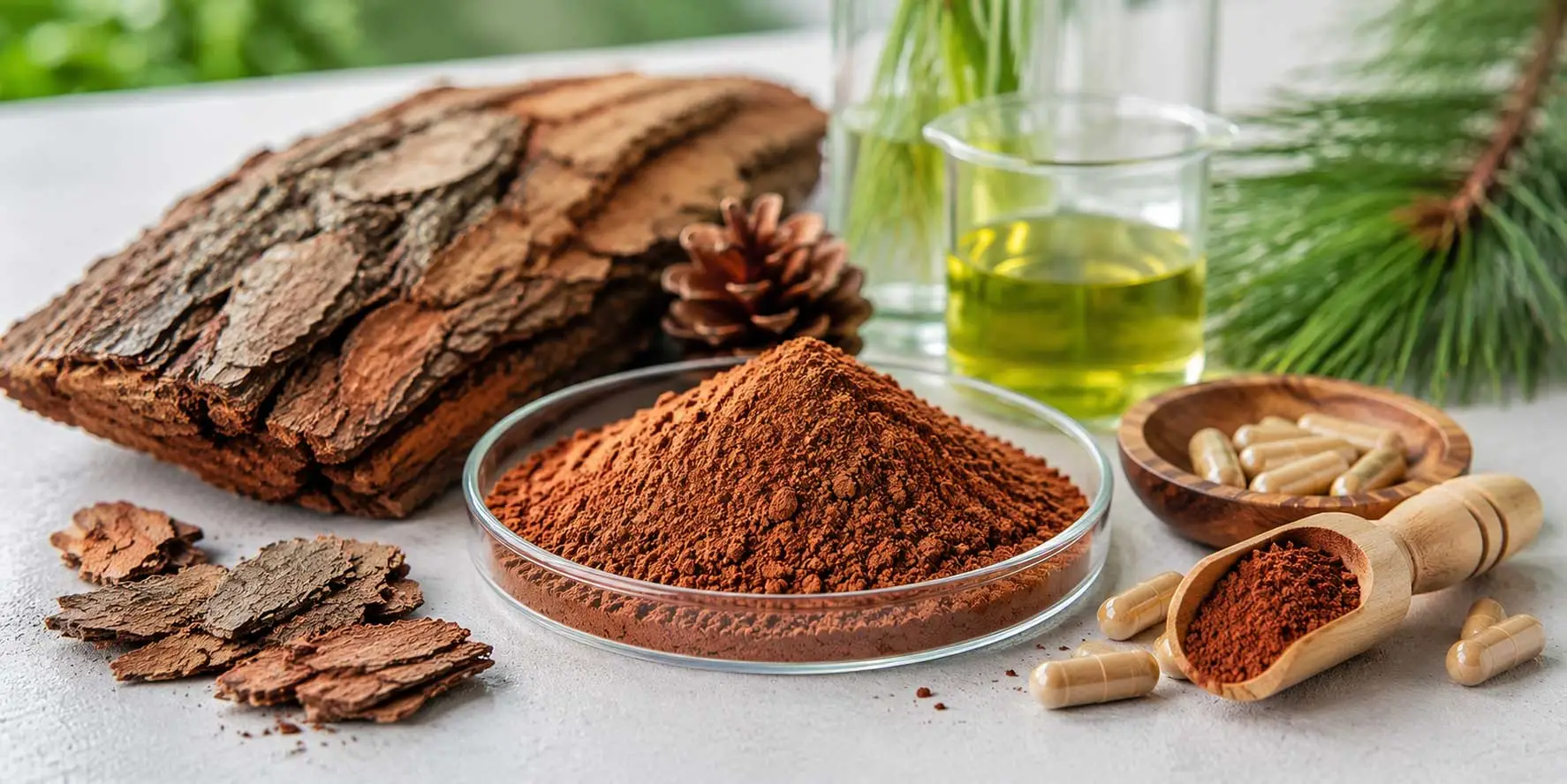
Another consideration is formulation flexibility. Extracts standardized for procyanidin content allow manufacturers to adapt the ingredient across multiple product formats, including capsules, tablets, powdered blends, and functional beverages. This versatility makes OPC-rich pine bark extract attractive for brands seeking efficiency in multi-product lines without compromising ingredient consistency.
From a commercial perspective, sourcing bulk pine bark extract with reliable procyanidin levels helps brands manage both cost and supply chain risk. Standardized extract suppliers can accommodate large-scale production, customized active ratios, and export requirements—critical factors for supplement and cosmetic companies distributing products internationally.
Finally, procyanidins contribute to the broader value proposition of botanical extracts in formulations. Their presence allows brands to highlight the natural, polyphenol-rich composition of their products, aligning with consumer trends favoring plant-based, clean-label ingredients. For manufacturers, this dual benefit—scientific integrity and market positioning—reinforces the commercial importance of selecting high-quality, maritime pine bark extract.
Procyanidins in Cosmetic and Skincare Applications
Beyond supplements, maritime pine bark extract cosmetic ingredient applications have grown rapidly, driven by the demand for plant-derived, polyphenol-rich skincare formulations. Procyanidins in pine bark extract are widely recognized for their ability to stabilize botanical formulations and complement other active compounds such as hyaluronic acid, niacinamide, and botanical oils.
Cosmetic formulators value standardized pine bark extract because its consistent OPC content ensures predictable performance in serums, creams, and emulsions. This reliability is essential when creating multi-component formulations where ingredient interactions can influence texture, color, or stability.
The inclusion of polyphenol-rich botanical extracts also aligns with clean-label and naturally positioned skincare products. Consumers increasingly seek formulations where botanical identity is transparent, and sourcing is traceable. This trend has elevated the importance of working with suppliers capable of providing bulk maritime pine bark extract with clear documentation, batch traceability, and standardized active content.
In practice, cosmetic applications of OPC-rich pine bark extract include:
•Anti-aging serums
•Skin-conditioning creams
•Botanical emulsions
•Beauty-from-within topical products
Manufacturers often combine maritime pine bark extract cosmetic ingredient with other plant-derived antioxidants to enhance formulation appeal while maintaining product stability. Standardized procyanidin levels ensure that both ingestible and topical formulations can deliver consistent quality without compromising the visual or sensory properties of the product.
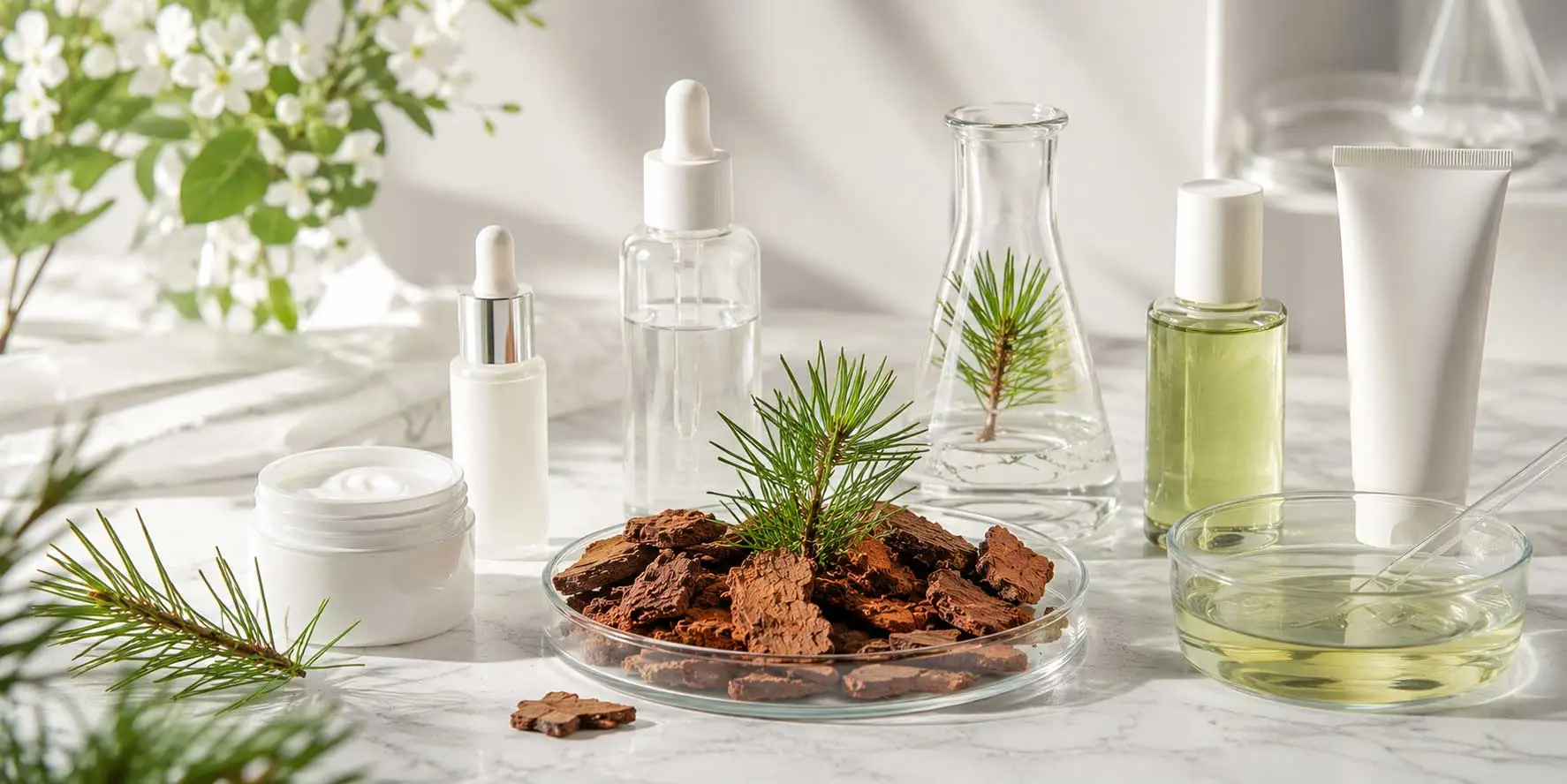
From a commercial standpoint, sourcing pine bark extract cosmetic ingredients with dependable OPC content supports:
•Private-label production
•Multi-market product distribution
•Bulk supply agreements
•Technical documentation and COA support
The combination of formulation versatility, standardized active content, and consistent quality makes pine bark extract a valuable ingredient for cosmetic brands, skincare developers, and manufacturers seeking reliable botanical solutions. By leveraging these properties, brands can confidently integrate botanical antioxidants into their product lines, ensuring both scientific credibility and market appeal.
Standardization, Specifications, and Quality Considerations
When sourcing pine bark extract, understanding the standardization and quality parameters is essential for manufacturers and procurement teams. Procyanidin content, expressed as a percentage of the total extract, is the primary specification used to ensure consistent performance across both nutraceutical and cosmetic applications. Standardized extracts help avoid variability that could affect formulation stability, solubility, or sensory characteristics.
High-quality maritime pine bark extract is typically accompanied by a Certificate of Analysis (COA) detailing active compounds, heavy metals, and microbiological compliance. For companies developing bulk formulations, these documents are indispensable for both internal quality assurance and regulatory compliance in international markets.
Batch-to-batch consistency is another critical factor. Extracts standardized for procyanidin content allow formulators to maintain the integrity of multi-ingredient blends, whether combining collagen, vitamin C, or hyaluronic acid. Variations in active compounds could affect both efficacy perception and the product’s physical stability, making reliable standardized pine bark extract suppliers vital partners for long-term production.
Manufacturers also consider additional specifications such as solubility, particle size, and water-soluble grades. Suppliers offering tailored options enable more flexibility in formulating capsules, tablets, powders, beverages, and topical skincare products. This adaptability is particularly important for contract manufacturers and private-label brands seeking to differentiate their products across multiple markets.
Quality control processes are equally important. Reputable suppliers typically conduct comprehensive testing on every batch, including microbiological assessments and heavy metal analysis. This ensures that bulk pine bark extract not only meets formulation standards but also aligns with global safety and regulatory expectations. Such practices build trust between suppliers and brand developers and reduce potential risks in commercial production.
Lastly, reliable supply chain management is crucial. Manufacturers sourcing pine bark extract powder require a stable, long-term supply to support production planning and market consistency. Suppliers who can provide scalable bulk quantities along with transparent documentation and quality verification are more likely to foster enduring global partners relationships.
Choosing the Right Pine Bark Extract Supplier for Formulation Projects
Selecting a supplier for pine bark extract goes beyond evaluating cost—it involves assessing technical expertise, quality assurance, and the ability to meet production scale requirements. A trusted supplier provides standardized OPC pine bark extract with consistent active compound levels and full documentation, enabling manufacturers to maintain formulation integrity and regulatory compliance.
Procurement teams often prioritize suppliers who can support:
•Bulk supply for capsules, tablets, powders, or skincare formulations
•Customized procyanidin percentages or polyphenol profiles
•Documentation including COAs, heavy metal testing, and microbiological reports
•International export support and packaging options
Such capabilities are particularly important for brands developing private-label or multi-market products, where consistency and traceability are essential. Working with a supplier who understands both technical and commercial needs can streamline formulation development, reduce production risks, and support efficient supply chain management.
From a commercial perspective, the ability to adjust bulk pine bark extract specifications to match formulation goals offers significant advantages. It allows manufacturers to balance cost considerations with product positioning, whether creating high-end beauty-from-within supplements or antioxidant-focused wellness products. Suppliers capable of providing these tailored solutions play a strategic role in a brand’s long-term formulation strategy.
In addition, transparent communication and responsive technical support are vital. Brands need partners who can provide detailed guidance on active compound ranges, batch testing results, and storage or handling recommendations. This level of collaboration ensures that standardized pine bark extract suppliers align with the high standards expected in nutraceutical and cosmetic industries.
Ultimately, choosing the right supplier combines technical assurance, flexible production capabilities, and reliable documentation. Manufacturers sourcing maritime pine bark extract can confidently incorporate it into both ingestible and topical products when these criteria are met, resulting in formulations that are consistent, market-ready, and fully compliant with international regulations.
Frequently Asked Questions
What are procyanidins in pine bark extract?
Procyanidins are naturally occurring polyphenolic compounds found in maritime pine bark. They belong to a broader group of plant flavonoids and are commonly standardized in pine bark extract specifications used by nutraceutical and cosmetic manufacturers.
Are procyanidins the same as OPCs?
Not exactly. OPCs, or oligomeric proanthocyanidins, are a specific class of procyanidins. In commercial ingredient markets, the terms are often used together when discussing standardized pine bark extract products.
Why do supplement manufacturers pay attention to procyanidin content?
Procyanidin content is frequently used as a quality benchmark because it helps indicate active compound concentration and supports consistency across formulation batches.
What is a common specification for pine bark extract?
One of the most common specifications in the ingredient market is pine bark extract powder 95% OPC, although customized active contents may also be available depending on formulation requirements.
Can pine bark extract be used in cosmetic formulations?
Yes. Maritime pine bark extract cosmetic ingredient applications include serums, creams, emulsions, and other botanical skincare systems where standardized plant-derived ingredients are preferred.
What documents should buyers request from a pine bark extract supplier?
Before sourcing bulk pine bark extract, buyers typically request:
•COA
•Specification sheet
•Heavy metal testing
•Microbiological testing
•Batch information
•Packaging specifications
These documents help support quality verification and regulatory compliance requirements.
Conclusion
For formulators, procurement teams, and product developers, procyanidins in pine bark extract are not simply a specification on a technical data sheet. They are one of the key factors that determine ingredient quality, formulation consistency, and long-term product positioning.
As demand continues to grow for plant-derived ingredients across nutraceutical and cosmetic markets, manufacturers are placing greater emphasis on active compound transparency and standardized production. This is one reason why standardized pine bark extract remains a widely used ingredient in antioxidant-focused supplements, beauty-from-within products, botanical skincare systems, and healthy aging formulations.
Throughout the development process, understanding the role of OPC pine bark extract helps formulation teams make more informed decisions regarding ingredient selection, active content requirements, and supplier evaluation. Beyond the active compounds themselves, factors such as documentation support, batch consistency, quality control standards, and supply chain reliability have become equally important.
For companies sourcing bulk pine bark extract, the goal is often not simply to purchase a botanical extract, but to secure a reliable ingredient partner capable of supporting formulation requirements over the long term. Consistent active content, clear specifications, and scalable production capacity can have a direct impact on product development efficiency and commercial success.
Whether the application involves dietary supplements, functional nutrition products, or cosmetic formulations, procyanidins continue to be one of the defining characteristics that make maritime pine bark extract a valuable ingredient within modern formulation strategies.
As botanical ingredient markets become increasingly competitive, understanding the science behind active compounds can help brands move beyond generic sourcing decisions and build products with stronger technical foundations and clearer market positioning.
Request Technical Specifications or Bulk Supply Information
If you are evaluating pine bark extract supplier options for nutraceutical, cosmetic, or formulation projects, technical information and customized specification support may help simplify the sourcing process.
Information available upon request includes:
•Product specifications
•COA documentation
•Active content options
•Customized procyanidin levels
•Bulk packaging details
•Export documentation support
•Sample availability
Contact Information
Email: admin@chenlangbio.com
WhatsApp: +86-17782478823
To receive the most relevant information, it is helpful to include:
•Desired specification
•Application type
•Target market
•Estimated annual demand
•Packaging requirements
This allows technical recommendations and supply options to be aligned more closely with formulation and procurement needs.

Send Inquiry
Related Industry Knowledge
- Is Centella Asiatica Extract Powder Better Than Vitamin C?
- Buy 5 Alpha Hydroxy Laxogenin Powder in Bulk: High Purity Supply from China Manufacturer
- What Is 5 Alpha Hydroxy Laxogenin Powder and How Does It Work in the Body
- Pelargonium Sidoides Extract: Benefits and Side Effects
- How to Root Bergenia?
- How Does Cetyl Tranexamate HCL Work?
- How Does Pyrrolidinyl Diaminopyrimidine Oxide Work?
- What is Kopexil Used For
- Are Hops Flavonoids Safe to Consume
- Hydroxypinacolone Retinoate vs Retinol