
PQQ Disodium Salt vs PQQ Acid: What’s the Difference
2026-01-21 15:07:22
As interest in pyrroloquinoline quinone (PQQ) continues to grow across dietary supplements, functional foods, pharmaceuticals, and cosmetic formulations, manufacturers are increasingly faced with an important technical decision: choosing between PQQ disodium salt vs PQQ acid. While both forms originate from the same compound, their chemical characteristics, handling properties, and formulation behavior differ in meaningful ways.
From a professional raw material supply perspective, understanding the difference between PQQ disodium salt and PQQ acid is not about determining which form is “better,” but rather about identifying which form is more suitable for a specific formulation environment, regulatory framework, and production process. This distinction is particularly important for manufacturers sourcing PQQ in bulk quantities for industrial use.
This article provides a structured, technical comparison of PQQ acid and PQQ disodium salt, focusing on their chemical nature, solubility, stability, application scenarios, and key considerations when sourcing from a reliable supplier.
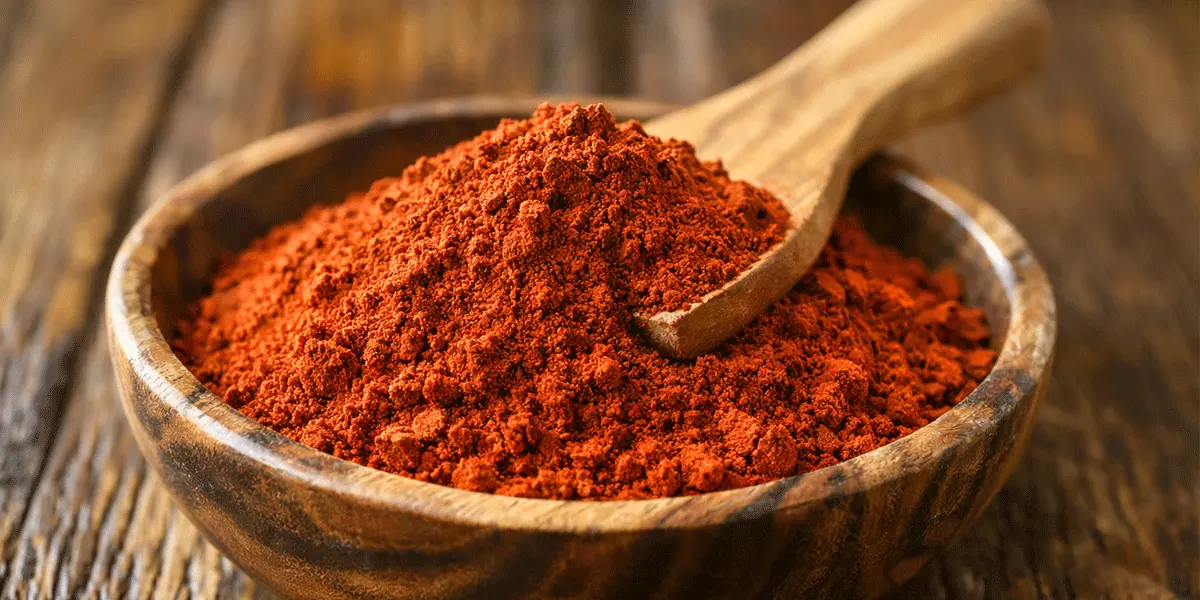

What Is PQQ Acid?
PQQ acid, also referred to as pyrroloquinoline quinone acid, represents the base molecular form of Pyrroloquinoline Quinone. Chemically, it is a quinone compound characterized by multiple carboxyl functional groups, which contribute to its redox activity and structural properties.
In industrial contexts, PQQ acid is often regarded as the foundational form from which other salt forms, such as disodium salt, are derived. It is typically supplied as a solid powder with defined purity specifications and is used primarily in controlled formulation or research-oriented environments.
From a handling standpoint, PQQ acid tends to exhibit lower aqueous solubility compared to its salt forms. As a result, its use may require more careful consideration during formulation, particularly in systems where uniform dispersion or dissolution is critical.
What Is PQQ Disodium Salt?
PQQ disodium salt, commonly labeled as PQQ-2Na, is a salt form produced by neutralizing PQQ acid with sodium ions. This conversion alters certain physicochemical properties of the compound while retaining the core quinone structure.
In commercial and industrial settings, PQQ disodium salt is the more frequently supplied form due to its enhanced formulation compatibility. The presence of sodium ions generally improves water solubility, making PQQ disodium salt easier to handle in aqueous and semi-aqueous systems.
Because of these properties, PQQ-2Na is widely used by manufacturers who require consistent dispersion, predictable processing behavior, and scalable production performance.
Chemical Structure Differences Between PQQ Acid and PQQ Disodium Salt
The primary chemical structure difference between PQQ acid and PQQ disodium salt lies in the ionic state of the molecule. While the quinone backbone remains unchanged, the disodium salt form incorporates sodium counterions that interact with the acidic functional groups.
This structural modification influences several downstream characteristics, including solubility, hygroscopic behavior, and interaction with formulation matrices. From a technical perspective, these differences do not alter the identity of the active compound, but they do affect how the material behaves during manufacturing and storage.
Understanding the chemical structure of PQQ acid versus the PQQ disodium salt chemical structure helps formulation scientists anticipate processing requirements and select the most appropriate form for their application.
Chemical and Regulatory Information: PQQ Acid vs PQQ Disodium Salt
|
Item |
PQQ Acid |
PQQ Disodium Salt (PQQ-2Na) |
|
Chemical Name |
Pyrroloquinoline Quinone |
Pyrroloquinoline Quinone Disodium Salt |
|
Common Abbreviation |
PQQ Acid |
PQQ-2Na |
|
CAS Number |
72909-34-3 |
122628-50-6 |
|
Molecular Formula |
C₁₄H₆N₂O₈ |
C₁₄H₄N₂Na₂O₈ |
|
Molecular Weight |
330.20 g/mol |
375.17 g/mol |
|
Chemical Form |
Free acid |
Disodium salt |
|
Ionic State |
Non-salt form |
Sodium salt form |
|
Appearance |
Red to reddish-brown powder |
Red to reddish-brown powder |
|
Solubility in Water |
Limited |
Improved |
|
Typical Industrial Use |
Research, intermediate formulations |
Commercial formulations, bulk supply |
While both forms share the same quinone backbone, the differences in molecular formula and ionic state directly influence solubility, handling behavior, and formulation compatibility. From a manufacturing and sourcing perspective, these distinctions are important when evaluating processing requirements and selecting the appropriate PQQ form for specific industrial applications.
Stability and Handling Differences in Industrial Formulations
Stability is another critical factor when evaluating PQQ stability in industrial environments. Both PQQ acid and PQQ disodium salt are sensitive to external conditions such as moisture, light, and temperature, but their responses to these factors can differ.
PQQ disodium salt stability is generally regarded as favorable in controlled formulation systems, particularly where consistent hydration and pH conditions are maintained. Its handling characteristics often support smoother processing and reduced variability during large-scale production.
PQQ acid, while stable under appropriate storage conditions, may require stricter control measures to maintain uniform performance. These considerations become increasingly important in bulk handling, long-term storage, and international transportation.
Application Scenarios: When to Use PQQ Acid or PQQ Disodium Salt
Choosing between PQQ acid applications and PQQ disodium salt applications depends largely on formulation objectives and processing requirements.
Dietary Supplement Manufacturing
In dietary supplement manufacturing, PQQ disodium salt is often selected due to its formulation flexibility and ease of integration into standardized production systems. PQQ acid may be used in specific scenarios where formulation design allows for controlled dispersion.
Functional Foods and Beverages
For functional food and beverage applications, solubility and stability are key considerations. As a result, PQQ disodium salt is commonly preferred in liquid or semi-liquid matrices.
Pharmaceutical Research and Development
In pharmaceutical research, both forms may be utilized depending on experimental design and formulation objectives. PQQ acid is sometimes used as a reference or intermediate form, while PQQ disodium salt supports broader formulation studies.
Cosmetic Formulations
In cosmetic and personal care formulations, ingredient compatibility and stability are essential. PQQ disodium salt is frequently evaluated for its handling properties within complex formulation systems.
Across all sectors, the selection of PQQ form reflects technical requirements rather than consumer-facing considerations.
Regulatory and Formulation Considerations
When sourcing PQQ for industrial use, regulatory and formulation considerations must be carefully evaluated. Different markets may recognize or permit specific forms of PQQ depending on local regulations and application categories.
Manufacturers are responsible for ensuring that the selected form—whether PQQ acid or PQQ disodium salt—complies with applicable regulations in their target markets. Raw material suppliers support this process by providing documentation, specifications, and traceability data.
Importantly, regulatory compliance relates to the finished product, and formulation decisions should always be guided by qualified regulatory professionals.
Choosing the Right PQQ Form from a Supplier Perspective
From a sourcing standpoint, selecting the appropriate PQQ form requires close collaboration with a qualified PQQ manufacturer and supplier that combines technical expertise with stable production capabilities. Beyond the choice between PQQ acid and PQQ disodium salt, manufacturers should evaluate a supplier’s research background, quality systems, and long-term supply reliability. We can supply:
♦Availability of both forms
♦Batch consistency and purity
♦Technical documentation and support
♦Production scalability and lead time
CHEN LANG BIO TECH is an innovation-driven manufacturer specializing in the research, production, and global supply of novel food ingredients and functional raw materials. Our core product portfolio includes pyrroloquinoline quinone (PQQ), PQQ disodium salt, amino acid derivatives, and other bioactive ingredients developed for use in dietary supplements, functional foods, pharmaceuticals, and cosmetic formulations.
With multiple authorized domestic and international invention patents and additional patent applications in progress, our technical capabilities are supported by continuous R&D investment and independent intellectual property. All production is carried out under comprehensive quality management systems, supported by industry-recognized certifications and strict batch-level quality control, ensuring consistent purity, traceability, and compliance.
Working directly with an experienced PQQ supplier that integrates research, manufacturing, and quality assurance enables customers to evaluate bulk PQQ powder options with confidence and receive technical support tailored to specific formulation and production requirements. For detailed specifications, available forms, and sourcing information, manufacturers may refer to our pyrroloquinoline quinone powder product page or contact our technical team for further discussion.
Conclusion: Making an Informed Decision Between PQQ Acid and PQQ Disodium Salt
In conclusion, the comparison of PQQ disodium salt vs PQQ acid highlights the importance of understanding how chemical form influences formulation behavior, processing efficiency, and supply considerations. Neither form is inherently superior; rather, each serves a distinct role depending on application requirements and manufacturing conditions.
By evaluating solubility, stability, application scenarios, and regulatory considerations, manufacturers can make informed decisions that support consistent production and long-term sourcing reliability. For those sourcing bulk pyrroloquinoline quinone powder, partnering with a knowledgeable supplier ensures access to the appropriate form, comprehensive documentation, and dependable supply.
For technical specifications, available forms, or sourcing information, manufacturers may contact our technical team at admin@chenlangbio.com to discuss specific formulation and supply requirements.

Send Inquiry

Related Industry Knowledge
- Is Diosmin Safe for Hemorrhoids
- Can l Use Centella Asiatica Every Day
- Pure Pomegranate Powder: Skincare Benefits
- The Science Behind Lupinus Albus Extract and Its Benefits
- How Long Does Sildenafil Powder Last? Effects and Duration
- Potential Green Tea Extract Benefits
- High-Quality Melatonin Powder for Restful Sleep and Relaxation
- Why We Love Pure Natural Quercetin
- What is Echinacea Extract Powder Good For
- What is Tribulus Terrestris Extract Used for