
Optimal DHEA Dosage for Testosterone: What Supplement Brands Need to Know
2025-12-02 16:38:33
DHEA powder has become one of the most in-demand raw materials for men’s vitality and testosterone-support formulas, and dosage is the factor that determines whether a product performs well or falls short. As more brands explore hormone-support solutions, understanding the DHEA dosage for testosterone is no longer optional—it’s essential for delivering results that consumers can feel and trust.
For many supplement manufacturers, DHEA sits at the intersection of science, regulation, and market demand. It’s a precursor hormone with the potential to influence testosterone levels, but only when used in the right range and for the right demographic. Too little offers little benefit; too much may create unwanted stimulation. Finding the optimal dose is what separates premium formulas from generic ones.

In this guide, we walk through how dehydroepiandrosterone supports testosterone production, what current research suggests about effective dosing, and how supplement brands can work with DHEA safely, responsibly, and competitively. If you’re sourcing raw materials or formulating men’s health products, this is the clarity you need before choosing the dosage strategy for your next launch.
What Is DHEA Powder and How Does It Influence Testosterone Production?
To understand dosage, we first need to clarify what DHEA powder actually is and how it functions inside the body. Dehydroepiandrosterone is a naturally occurring hormone precursor produced by the adrenal glands. Instead of acting like testosterone itself, DHEA serves as a raw material—an upstream molecule the body can convert into other hormones depending on need, age, and metabolic conditions.
From a formulation perspective, DHEA is valued because it follows a clear biochemical pathway:
DHEA → Androstenedione → Testosterone.
This pathway explains why DHEA appears in so many men’s vitality formulas. It provides the body with the foundational substrate that supports hormone balance, especially in adults whose natural DHEA levels decline steadily with age.
However, it’s important to emphasize that conversion rates are not identical across all users. Younger men with naturally healthy testosterone production may see limited benefit. In contrast, older adults—particularly those with low baseline DHEA—tend to respond more noticeably. This is why clinical studies showing increases in testosterone often involve men over 40.
For supplement brands, this means that the effect of DHEA depends on context, which is why understanding the correct DHEA dosage for testosterone support is so important. A well-designed formula provides enough DHEA to elevate the precursor pool without pushing the body beyond its natural equilibrium. Overdosing doesn’t accelerate testosterone production; it simply increases the risk of overstimulation.
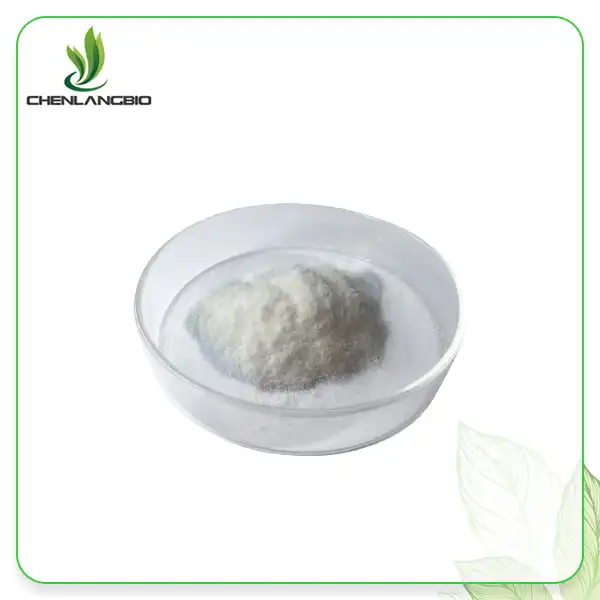
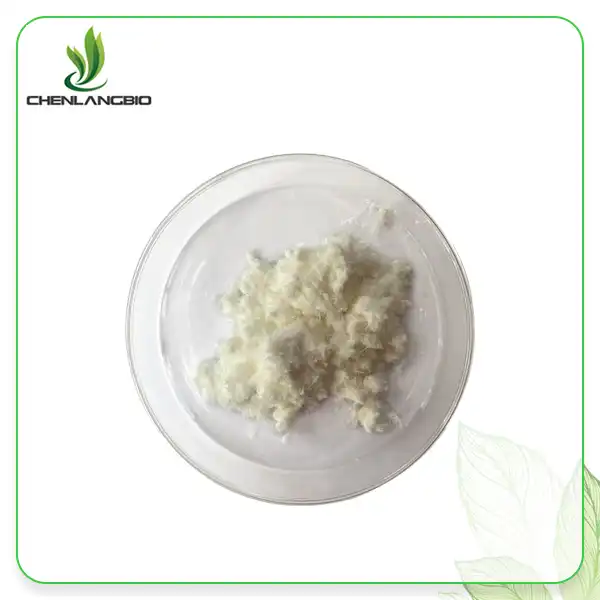
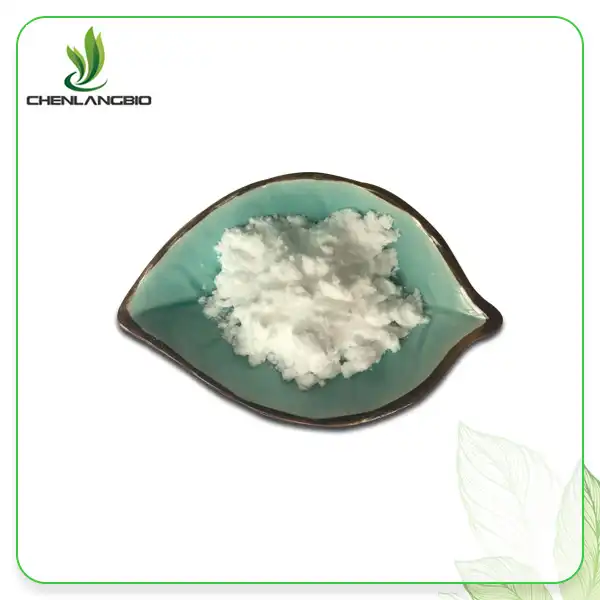
Because of its predictable biochemical role and favorable manufacturing profile, bulk DHEA powder remains one of the most efficient raw materials for testosterone-support products. Its stability, compatibility with capsules and tablets, and consistent potency make it a reliable choice for brands building men’s health supplements.
Does DHEA Really Raise Testosterone? A Clear Look at Current Research
With growing interest in men’s vitality supplements, one of the most common questions we hear from brand owners is whether DHEA truly supports higher testosterone levels. The short answer is yes—but with important nuances. Research shows that Dehydroepiandrosterone can influence testosterone production, but the effect depends on age, baseline hormone levels, and overall metabolic environment.
Clinical studies consistently demonstrate that middle-aged and older men—particularly those with declining adrenal function—are the most responsive to DHEA supplementation. In this group, DHEA acts as the missing precursor in a pathway that has become less efficient with age. By restoring this upstream molecule, the body can naturally increase downstream androgen levels. This is why many studies involving men over 40 report measurable improvements in testosterone after supplementing with DHEA.
Younger men, however, typically show a more modest response. Their adrenal system still produces adequate DHEA, and testosterone synthesis is already functioning at a higher baseline. For this demographic, supplementing with DHEA powder may support general vitality but is less likely to create significant hormonal shifts. That’s an important consideration for brands positioning products for different age groups and markets.
Another factor influencing outcomes is dosage. Studies suggesting a positive impact on testosterone generally fall within moderate daily amounts—an approach that balances efficacy with safety. This is why clarifying the optimal DHEA dosage for testosterone is essential. Too little may not deliver measurable results, while excessively high amounts do not amplify benefits and carry a higher risk of side effects.
The research also highlights that DHEA does not behave like artificial testosterone or potent androgen boosters. It doesn’t override the body’s hormonal control systems; instead, it supplies the foundational substrate the body can use when needed. This makes it a more physiological, controlled, and predictable tool for brands developing long-term hormone-support formulas.
Optimal DHEA Dosage for Testosterone: What Studies Suggest
Once we understand how DHEA influences hormone pathways, the next question becomes clear: what dosage actually works? This is where research provides helpful guidance for supplement brands. While DHEA is widely used across age groups, studies focusing on testosterone support point to a dosage range that balances effectiveness with safety—especially for formulations targeting men over 40.
Most clinical data examining testosterone changes rely on moderate daily amounts. Across multiple studies, men taking between 25 mg and 50 mg of DHEA per day experienced the most consistent increases in testosterone markers. Within this range, the body receives enough precursor material to support androgen production without overwhelming its natural regulatory systems. This balance is crucial because DHEA does not force the body to produce testosterone; it simply supplies the substrate needed for a healthier hormonal environment.
For older men—particularly those whose natural DHEA levels have declined sharply—dosages at the higher end of this moderate range tend to produce more meaningful changes. This aligns with the natural physiology of aging: lower baseline DHEA results in a larger response when the precursor is restored. As a result, brands developing vitality or men’s health formulas for mature demographics often choose serving sizes that fall between 30 mg and 50 mg, depending on positioning and market regulations.
Younger men, however, generally do not require the same amount. Their bodies typically convert DHEA more efficiently, so using the upper end of the dosing range adds little benefit and may increase the likelihood of overstimulation. For this group, lower daily amounts—around 15 mg to 25 mg—are often sufficient if testosterone support is the goal. This aligns with growing search interest in terms like “best DHEA dosage for testosterone in younger men” or “how much DHEA should men under 40 take?”
Formulation format also matters. With micronized DHEA powder, absorption improves, meaning the same nominal dose delivers slightly stronger physiological activity. Brands using micronized material often reduce serving sizes by 10–20% to maintain predictable outcomes. This is one reason micronized material appears frequently in searches for “high-absorption DHEA dosage” or “micronized DHEA testosterone support.”
What the research makes clear is that more is not better. Exceeding 50 mg per day rarely enhances testosterone production but significantly increases the risk of side effects. From a product-development standpoint, the goal is not to push hormonal boundaries but to support the body’s natural pathways—an approach that aligns with the expectations of today’s more informed consumer base.
Dosage Breakdown for Key Demographics (Men 25–40 / Men 40+ / Athletes)
DHEA is not a one-size-fits-all ingredient. Its impact on testosterone depends heavily on age, baseline hormone status, lifestyle, and metabolic efficiency. This makes demographic-specific dosing essential for supplement brands aiming to deliver predictable results. Below is a practical, research-aligned framework that many formulation teams use when determining the right DHEA dosage for testosterone across key male groups.
1. Men Ages 25–40: Supporting Hormonal Balance Rather Than Boosting Peak Testosterone
For younger men, natural DHEA production is still relatively high, and testosterone synthesis tends to be efficient. Because of this, lower daily servings are usually sufficient.
Most experts recommend 15 mg to 25 mg per day for this age group. This range supports hormonal balance and general vitality without overwhelming the body’s regulatory systems. Higher amounts rarely produce additional testosterone benefits and are more likely to create overstimulation in sensitive users.
This lower range aligns well with formulas targeting search intent such as “DHEA dosage for younger men”, “DHEA powder for male wellness”, and “does DHEA help testosterone in men under 40”—queries that reflect cautious, informed consumers who want support without pushing their endocrine system too aggressively.
2. Men Ages 40+ : The Group With the Most Noticeable Response to DHEA
Middle-aged and older men tend to benefit most from DHEA supplementation because natural production declines sharply with age. For this demographic, moderate daily dosages between 25 mg and 50 mg show the clearest support for testosterone balance in research and real-world use.
At these levels, Dehydroepiandrosterone replenishes the precursor pool that the adrenal glands can no longer maintain on their own. As a result, many users in this age group experience improvements in energy, mood stability, training capacity, and in some cases, testosterone markers.
This demographic also generates the highest commercial interest in searches such as “best DHEA dosage for testosterone after 40”, “DHEA powder for aging men”, and “does DHEA boost testosterone in older adults.” Brands targeting this market often rely on HPLC-verified bulk DHEA powder to ensure consistent potency.
3. Athletes and Highly Active Men: Special Considerations for Metabolic Demand
Athletes operate under higher metabolic stress, and their hormonal pathways respond differently due to intense training, recovery cycles, and cortisol fluctuations. Some may benefit from slightly higher DHEA support, especially when managing stress or recovery during demanding training phases.
However, this does not mean they require excessive doses. In most cases, 25 mg to 40 mg is sufficient for athletic populations. Higher amounts do not reliably translate into stronger testosterone benefits and may interact with recovery or sleep patterns if used improperly.
Brands serving fitness-focused markets often see search demand around “DHEA for athletes,”, “best DHEA dosage for bodybuilding,” and “micronized DHEA for performance”—highlighting the need for clean, high-absorption raw materials rather than aggressive dosing.
When DHEA Dosage Becomes Too High — Risks and Overstimulation Signs
While moderate amounts of DHEA can support testosterone production, going beyond evidence-based ranges does not produce faster or stronger benefits. In fact, excessive dosing tends to create more problems than it solves. Understanding where that threshold lies is essential for brands positioning safe and effective men’s health formulas—especially those built around DHEA powder as a primary active ingredient.
Most concerns arise when users exceed 50 mg to 75 mg per day, particularly if they are younger or already producing adequate natural DHEA. At higher amounts, the body may experience a temporary sense of overstimulation. This is not a stimulant effect in the traditional sense, but rather the result of pushing hormonal pathways more aggressively than needed. Users often describe feeling mentally alert at the wrong times, or noticing a shift in mood or skin sensitivity—signs that the dose is not in harmony with the body’s natural rhythm.
Sleep disturbances are one of the earliest indicators. Searches such as “can high-dose DHEA cause insomnia” or “DHEA overstimulation symptoms” are common among individuals who increased their dose too quickly. This reaction tends to resolve when the dose is reduced or moved earlier in the day, but it underscores why brands must guide consumers toward reasonable serving sizes.
Another risk of excessive dosing is hormonal imbalance. Elevated DHEA does not translate linearly into higher testosterone; instead, the body diverts the excess into other pathways, including estrogenic or androgenic metabolites. This may result in unintended side effects such as increased oil production, irritability, or restlessness—issues that can easily be avoided with thoughtful formulation and clear dosage instructions.
For supplement manufacturers using bulk DHEA powder, the goal is not to push the upper limit of effectiveness but to stay within a range that the research consistently supports. When used responsibly, DHEA works with the body rather than against it. When used carelessly, it becomes unpredictable—something no brand wants associated with their product.
Why Micronized DHEA Powder Offers Better Testosterone Support
As the market becomes more competitive, supplement brands are paying closer attention not only to dosage, but also to the form of DHEA they choose. One option increasingly favored by formulators is micronized DHEA powder, a version processed to reduce particle size and improve bioavailability. For products aimed at supporting testosterone, absorption efficiency can make a measurable difference in how consistently users respond.
Micronization improves dissolution and surface area, allowing DHEA to be absorbed more smoothly through the digestive system. This leads to steadier serum levels and a more predictable physiological effect. Manufacturers often note that users respond to micronized material at slightly lower doses compared to standard-grade DHEA—an advantage when designing clean, well-balanced formulas.
This improved absorption also helps moderate the variability found among different age groups. Older adults, whose metabolic efficiency may be lower, often benefit from the more reliable uptake of micronized DHEA powder. Meanwhile, younger men—who already convert DHEA efficiently—may appreciate that they can achieve the desired effect without resorting to high-dose products. These differences align with search trends such as “micronized DHEA benefits,” “high-absorption DHEA for testosterone,” and “micronized DHEA vs regular DHEA.”
Another advantage is formulation flexibility. Micronized material blends more easily into capsules and tablets, ensuring uniform dosing and reducing the risk of potency variation between servings. For brands working with multi-ingredient testosterone blends—such as stacks combining DHEA with zinc, ashwagandha, or vitamin D—this consistency is especially valuable.
While micronized DHEA generally costs slightly more than standard material, most brands find that the improved performance, customer satisfaction, and cleaner label claims justify the investment. In a competitive category where users expect real, perceivable results, delivering better absorption is not just a technical upgrade—it’s a commercial advantage.
How to Formulate DHEA With Other Testosterone-Support Ingredients
Formulating with DHEA powder opens the door to a wide range of synergistic ingredient combinations—especially in men’s vitality and hormone-support categories. While DHEA lays the hormonal foundation through its precursor role, pairing it with complementary nutrients can help brands create a more complete and better-performing product. The key is choosing ingredients that support testosterone production from multiple angles without overwhelming the body or complicating regulatory compliance.
One of the most reliable partners for DHEA is zinc. Zinc plays a core role in androgen production and overall endocrine balance, and a large portion of the male population consumes less than optimal levels. Combining DHEA with zinc helps support users searching for “DHEA testosterone booster formula” or “best DHEA stack for men.” Zinc strengthens the nutritional foundation, while DHEA contributes the hormonal precursor.
Another common addition is ashwagandha, particularly its root extract. Ashwagandha’s ability to regulate cortisol aligns well with DHEA’s role in hormonal balance. Together, they build a stronger platform for mood, stress resilience, and training recovery—factors that indirectly influence testosterone levels. This combination appeals strongly to users researching “DHEA with ashwagandha,” “DHEA stress and testosterone support,” and similar long-tail intent.
Vitamin D3 and K2 also make sense in testosterone-support formulas. Vitamin D status is closely linked with androgen levels in men, while K2 supports better utilization of vitamin D and overall hormonal harmony. These nutrients help round out formulas positioned for long-term vitality rather than short-term stimulation, aligning with searches like “DHEA vitamin D testosterone stack” and “best supplements to combine with DHEA.”
For more performance-driven formulas, ingredients like Tongkat Ali or Tribulus may be included, though these botanicals vary in evidence quality. When positioned responsibly and dosed correctly, they help create broader appeal among consumers seeking support for training intensity, libido, and active lifestyle performance. These combinations often attract queries such as “DHEA stack for athletes” and “testosterone booster blend with DHEA.”
When building multi-ingredient formulas, the priority is balance. DHEA is effective at moderate dosages, and pairing it with too many strong androgens or adaptogens may overcrowd the formula or confuse the product’s positioning. Clear benefits, clean synergy, and thoughtful dosing create the best consumer experience and reduce the risk of overstimulation—something that can occur if a formula leans too heavily on aggressive ingredient stacking.
CHEN LANG BIO TECH Supply High-Purity DHEA Powder
For supplement brands producing men’s vitality or testosterone-support products, choosing the right source of DHEA powder is just as important as selecting the correct dosage. The quality of the raw material directly influences potency, absorption, safety, and ultimately consumer satisfaction. Since DHEA is a hormone precursor, buyers cannot afford to compromise on consistency or compliance.
The first priority is purity. Reliable suppliers provide HPLC-verified bulk DHEA powder, ensuring that every batch meets the stated purity specification without residual impurities or unwanted by-products. This matters because even small variations in purity can affect how the ingredient performs in testosterone-support formulas. For brands marketing products positioned around “DHEA dosage for testosterone” or “Dehydroepiandrosterone men’s health supplements,” HPLC testing is not optional—it is the foundation of product credibility. As an experienced DHEA manufacturer, we can supply high quality with HPLC test data, we supply documents of every batch of DHEA before export.
We are trustworthy supplier provide a complete technical package, including COA, MSDS, TDS, allergen statements, and certifications such as ISO, Halal, and Kosher. These documents streamline compliance in major markets and reduce regulatory risk, especially in regions with stricter rules around hormone-related ingredients. Search trends like “DHEA powder supplier with documentation” and “DHEA raw material manufacturer China” highlight how important proper paperwork has become for international buyers.
Packaging quality and storage conditions also deserve attention. Because DHEA is sensitive to heat, light, and oxidation, the ingredient must be properly sealed, labeled, and stored to preserve potency. We use secure packaging and offer guidance on long-term stability—details that matter for brands shipping finished products across varying climates.
FAQ about Dehydroepiandrosterone Powder
1.What should supplement brands look for when sourcing bulk DHEA powder?
Buyers should prioritize:
♦HPLC-verified purity
♦Complete documentation (COA, MSDS, TDS, ISO, Halal, Kosher)
♦Consistent particle size (especially for micronized DHEA)
♦Stable supply and compliant manufacturing
♦Secure packaging and proper storage recommendations
We can supply all these docuemnts you need when epxort.
2.Does DHEA really help increase testosterone levels?
Yes, research shows that Dehydroepiandrosterone can support testosterone production, particularly in men over 40 whose natural DHEA levels have declined. DHEA works as a precursor in the androgen pathway, helping the body produce testosterone more efficiently. However, results are most consistent when using evidence-based doses and high-purity DHEA powder.
3.Should younger men take DHEA for testosterone?
Younger men often produce sufficient natural DHEA, so the effect on testosterone may be milder. Some use DHEA for general vitality or stress balance, but aggressive dosing is unnecessary. Formulators typically recommend conservative amounts when targeting this demographic.
4.Can women use DHEA for testosterone support?
Women metabolize DHEA differently, and testosterone-related goals are not the same as in men. While women do use DHEA for general hormone balance, hair health, or mood support, the dosage and expected outcomes differ greatly.
5.Is DHEA legal to use in testosterone-support supplements?
In the U.S., DHEA is permitted in dietary supplements. In the EU and certain other regions, regulations may vary. Brands should always verify local compliance and rely on suppliers with complete regulatory documentation.
Source High-Purity DHEA Powder From a Trusted Supplier
If your upcoming formulation relies on consistent hormonal support, steady absorption, and clinically aligned dosing, selecting the right supplier for high-purity DHEA powder is just as important as choosing the correct dosage strategy. At XI AN CHEN LANG BIO TECH CO., LTD, we work closely with international supplement brands that require dependable quality, clean documentation, and stable long-term supply for testosterone-support and men’s vitality products.
Our bulk DHEA powder is HPLC-verified for purity and identity, produced under controlled conditions, and supported with the full technical documentation package needed for global compliance—including COA, MSDS, TDS, ISO certifications, Halal, and Kosher. Whether you are developing a new formula or scaling an existing line, our team ensures that your product performs consistently from batch to batch.
We also assist formulators with practical guidance on dosage planning, ingredient compatibility, and the advantages of micronized DHEA powder for improved absorption—helping you create a more predictable and market-ready product.
If you are sourcing reliable raw materials for testosterone-support supplements, we are ready to provide samples, quotations, or technical support.
📩 Email: admin@chenlangbio.com
📱 WhatsApp: +86-17782478823

Send Inquiry
Related Industry Knowledge
- What Role Does HPLC-Tested Milk Thistle Extract Play in Liver Detox Products?
- Isobutylamido Thiazolyl Resorcinol: A Powerful Brightening Agent
- How Witch Hazel Leaf Extract Can Transform Your Skin
- Instant Kava Powder: Benefits and Uses in 2024
- What is Camellia Oleifera Seed Extract Powder Used for
- What Are The Benefits Of Coenzyme Q10 Powder
- Unlocking the Benefits: Understanding the Uses of Indole-3-Carbinol
- Phenylethyl Resorcinol vs Hydroquinone
- What's Unique Functions of Haematococcus Powder in Skin Care
- Where to Buy Epimedium Extract Powder