How to Choose a Reliable DHEA Powder Supplier?
2026-05-26 15:20:01
Introduction
As global demand for nutraceutical ingredients continues to expand, supplement manufacturers and formulation companies are placing greater emphasis on sourcing stable and compliant raw materials. Among these ingredients, DHEA powder has become increasingly important in wellness, healthy aging, sports nutrition, and hormone-support formulations. However, finding a truly reliable DHEA powder supplier is no longer simply a matter of comparing prices. Procurement teams today must evaluate manufacturing standards, quality consistency, regulatory documentation, and long-term supply capabilities before making purchasing decisions.
In the international ingredient market, the gap between suppliers can be significant. Some manufacturers focus primarily on low-cost trading, while others invest heavily in quality systems, laboratory testing, and export compliance. For buyers looking to buy DHEA powder for commercial formulations, selecting the wrong supplier can lead to unstable quality, delayed shipments, documentation issues, and ultimately damage to brand reputation.
At CHEN LANG BIO TECH, we have worked with global supplement brands, ingredient distributors, and contract manufacturers who increasingly prioritize transparency, traceability, and technical support when sourcing bulk DHEA powder. In many cases, procurement success depends less on finding the cheapest offer and more on identifying a supplier capable of delivering consistent pharmaceutical grade DHEA powder with proper testing documentation and reliable international logistics support.
This guide explores the key factors professional buyers should consider when evaluating a DHEA raw material supplier, from GMP manufacturing standards and HPLC testing to export experience and long-term supply stability. For international procurement teams, understanding these criteria is essential to building a dependable ingredient supply chain in an increasingly competitive market.
Understanding the Global DHEA Powder Supply Market
The global market for DHEA powder has become increasingly competitive as demand for nutraceutical ingredients continues to expand across North America, Europe, Australia, and parts of Asia. Supplement brands, contract manufacturers, and ingredient distributors are placing greater emphasis on sourcing stable, compliant, and high-quality raw materials that can support long-term product development. As a result, the expectations placed on a professional DHEA powder supplier today are significantly higher than they were even a few years ago.
In the early stages of the nutraceutical industry, many buyers focused primarily on pricing. However, as regulatory requirements and quality standards have evolved, procurement priorities have shifted toward consistency, traceability, and manufacturing transparency. Companies sourcing bulk DHEA powder are now paying closer attention to factors such as HPLC testing, batch stability, GMP manufacturing standards, and export experience before establishing long-term supplier relationships.
At the same time, the market has become increasingly saturated with trading companies offering inconsistent quality and limited technical support. For international buyers, this creates additional sourcing risks. A product may appear competitive on paper, but without proper documentation, laboratory verification, or stable production capability, procurement problems can quickly emerge during commercial manufacturing. This is one of the reasons experienced supplement brands often prefer working directly with established DHEA manufacturers rather than relying solely on intermediaries.
Another major shift within the industry is the growing importance of operational transparency. Buyers today expect more than a simple specification sheet. They want to understand how a supplier manages quality control, handles large-volume production, verifies purity standards, and maintains supply chain reliability over time. In many cases, detailed technical communication has become just as important as pricing itself.
This change is also influencing how professional ingredient companies position themselves within the market. Suppliers that openly discuss manufacturing procedures, laboratory testing systems, export logistics, and procurement support tend to build stronger credibility with formulation companies and international distributors. Content related to COA verification, GMP-certified production, HPLC-tested DHEA powder, and bulk export capabilities helps procurement teams better evaluate whether a supplier can realistically support commercial-scale operations.
For companies sourcing pharmaceutical grade DHEA powder, long-term supply stability is becoming a key strategic consideration. Production interruptions, inconsistent purity, and delayed shipments can create significant downstream costs for supplement manufacturers operating in competitive markets. As a result, buyers are increasingly prioritizing suppliers with stable manufacturing capacity, professional documentation systems, and established international shipping experience.
In today’s nutraceutical supply chain, selecting a reliable DHEA raw material supplier is no longer simply a purchasing decision. It is a long-term operational decision that directly impacts product quality, production efficiency, and brand reputation.
Key Factors to Evaluate a DHEA Powder Supplier
Selecting a dependable DHEA powder supplier requires a structured procurement approach. In the international nutraceutical ingredient industry, supplier evaluation extends far beyond pricing alone. Buyers must carefully assess manufacturing standards, documentation systems, export capabilities, communication efficiency, and long-term supply reliability before establishing procurement partnerships.
The first and most important factor is whether the supplier can consistently provide pharmaceutical grade DHEA powder supported by verifiable testing documentation. A professional supplier should be able to provide complete Certificates of Analysis (COA), HPLC assay reports, batch specifications, and traceability records upon request. These documents are critical for supplement manufacturers operating in regulated markets where ingredient consistency directly impacts formulation quality and compliance.
In practice, many procurement teams prioritize suppliers who demonstrate transparent quality control systems rather than those offering the lowest prices. Low-cost sourcing can create significant downstream risks if the material fails purity verification or if supply interruptions occur during production cycles. This is particularly important when sourcing bulk DHEA powder for long-term manufacturing contracts.
Another critical consideration is manufacturing capability. Reliable DHEA manufacturers should maintain stable production capacity, modern quality inspection equipment, and established operational procedures. Buyers should evaluate whether the supplier has experience handling large-volume orders, international logistics coordination, and export documentation requirements.
At CHEN LANG BIO TECH, we have seen that experienced buyers increasingly request information about production workflows, quality assurance procedures, and laboratory testing methods before initiating bulk procurement discussions. This reflects a broader shift within the industry toward supplier transparency and operational accountability.
Communication efficiency is also a major factor that is often underestimated. International procurement requires ongoing coordination related to production schedules, packaging specifications, shipping timelines, customs documentation, and technical support. A qualified DHEA raw material supplier should respond clearly, provide accurate lead times, and support buyers throughout the procurement process.
For many supplement brands and contract manufacturers, technical support has become equally important as pricing. Buyers increasingly prefer suppliers capable of answering formulation-related questions, stability considerations, packaging recommendations, and storage guidance. This level of professional support helps strengthen long-term supplier relationships and reduces operational uncertainty.
Finally, buyers should assess whether the supplier has established export experience in target markets such as the United States, Europe, Australia, and Southeast Asia. International logistics expertise is essential when shipping bulk DHEA powder globally, particularly when customs documentation, labeling requirements, and transportation conditions vary across regions.
In today’s increasingly competitive ingredient market, choosing the right supplier is ultimately about reducing procurement risk while ensuring long-term quality consistency. Companies that prioritize verified manufacturing standards, transparent documentation, and stable global supply chains are far better positioned to support sustainable product growth.
Verify Pharmaceutical Grade Standards
One of the clearest indicators of a reliable DHEA powder supplier is the ability to meet recognized pharmaceutical and nutraceutical manufacturing standards. In global ingredient sourcing, the term pharmaceutical grade DHEA powder should represent far more than a marketing claim. It should reflect measurable quality systems, validated testing procedures, and controlled manufacturing environments designed to ensure product consistency and safety.
For international buyers, GMP compliance is often one of the first factors evaluated during supplier qualification. A professional GMP certified supplier should operate under documented production protocols, sanitation procedures, and batch management systems that support traceability throughout the manufacturing process. These standards help reduce contamination risks, improve consistency, and support long-term supply reliability.
Beyond GMP documentation, buyers should also assess whether the supplier maintains proper laboratory testing capabilities. Reliable manufacturers typically utilize HPLC systems and other analytical technologies to verify assay content, purity, moisture levels, and batch consistency before shipment. This level of testing is especially important for companies sourcing high-purity DHEA powder for regulated supplement formulations or contract manufacturing projects.
Another important consideration is production specialization. Suppliers focused specifically on pharmaceutical raw material manufacturing often maintain stronger quality systems than general trading companies. They are more likely to understand international documentation requirements, provide technical support, and implement stable production controls that align with professional procurement expectations.
Procurement teams should also request sample documentation before initiating large-volume purchases. Reviewing COA reports, manufacturing specifications, and quality control procedures provides valuable insight into whether a supplier can support long-term procurement needs. In many cases, the consistency and professionalism of this documentation reveal more about supplier reliability than pricing alone.
As the nutraceutical industry continues to mature, global buyers are becoming increasingly selective about supplier qualification standards. Manufacturers capable of demonstrating strong quality systems, transparent testing procedures, and stable production capabilities are far more likely to establish lasting partnerships with international supplement brands and ingredient distributors.
Why Quality Control Matters in DHEA Powder Sourcing
In the international nutraceutical ingredient market, quality consistency has become one of the most important factors influencing long-term supplier relationships. For companies sourcing bulk DHEA powder, even small variations in purity, stability, or production standards can create significant downstream challenges during formulation and manufacturing. As a result, professional procurement teams increasingly prioritize suppliers with established quality control systems and transparent testing procedures.
One of the most common issues buyers encounter when sourcing from inexperienced suppliers is inconsistent batch quality. While a sample may initially meet specifications, later production batches can sometimes vary in purity, moisture levels, particle size, or stability performance. These inconsistencies can directly affect capsule filling, tablet compression, product shelf life, and overall formulation reliability.
This is why experienced supplement manufacturers often place strong emphasis on supplier testing capabilities before establishing long-term purchasing agreements. Reliable DHEA powder suppliers should operate with documented quality procedures that monitor raw material inspection, in-process testing, and final batch verification throughout production.
Among the most important analytical methods used in the industry is HPLC testing. High-performance liquid chromatography helps verify assay content, identify impurities, and confirm whether the material meets established purity standards. For buyers sourcing pharmaceutical grade DHEA powder, HPLC analysis provides an additional layer of confidence regarding product consistency and specification compliance.
However, testing alone is not enough. Buyers also need confidence that quality standards are maintained consistently across future production cycles. This is where batch traceability and manufacturing control become essential. Professional suppliers should maintain complete production records, batch numbering systems, and testing documentation that allow customers to verify consistency over time.

Another increasingly important consideration is supplier transparency. International buyers today expect more than a standard specification sheet. They want to understand how testing is performed, how raw materials are sourced, and how quality deviations are handled internally. Suppliers capable of providing detailed COA documentation, laboratory reports, and technical explanations are generally viewed as more reliable long-term partners.
Storage stability is also a key part of quality management that is often overlooked. Improper packaging or transportation conditions can affect moisture levels, purity stability, and overall product performance during international shipping. Reliable suppliers should therefore provide guidance regarding storage conditions, shelf life, and export packaging standards for high-purity DHEA powder.
As the supplement industry continues to become more competitive, quality assurance is no longer viewed as a secondary consideration. For many international buyers, it has become one of the primary criteria used to evaluate supplier professionalism, operational maturity, and long-term procurement reliability.
Manufacturing Standards and GMP Compliance
In today’s global nutraceutical industry, manufacturing standards play a critical role in supplier evaluation. Buyers sourcing pharmaceutical grade DHEA powder are increasingly focused on whether a supplier operates under controlled production systems capable of supporting long-term consistency, traceability, and international compliance expectations.
For professional ingredient manufacturers, GMP compliance is no longer optional — it has become a baseline expectation within the international supply chain. A reliable GMP-certified DHEA manufacturer should maintain documented production procedures, sanitation controls, equipment maintenance protocols, and standardized batch management systems throughout the manufacturing process.
Modern supplement brands and contract manufacturers are under growing pressure to ensure the quality and traceability of their raw material supply chains. As a result, procurement teams often request detailed information about manufacturing environments, laboratory capabilities, and production workflows before approving new suppliers.
In many cases, buyers are also interested in understanding whether a supplier operates as a true manufacturer or primarily as a trading company. Suppliers with dedicated production facilities generally maintain greater control over product consistency, lead times, packaging standards, and quality verification procedures.
At CHEN LANG BIO TECH, we have observed that international buyers increasingly value suppliers who can demonstrate both operational transparency and technical competence. Companies that openly communicate their manufacturing standards, testing systems, and production processes often establish stronger long-term relationships with supplement brands and ingredient distributors.
Production environment control is particularly important for bulk DHEA powder manufacturing. Clean production conditions, standardized operating procedures, and proper material handling protocols help reduce contamination risks and improve batch consistency. Professional manufacturers typically implement multiple inspection checkpoints throughout production to ensure quality stability before export.
Another important factor is manufacturing scalability. Buyers sourcing ingredients for commercial formulations need suppliers capable of supporting both current procurement volumes and future growth. Stable production capacity becomes especially important when working with international supplement brands operating in competitive retail markets where supply interruptions can create significant operational costs.
In addition to production itself, professional manufacturers should also maintain internal laboratory testing capabilities. Analytical equipment such as HPLC systems allows manufacturers to verify purity, assay content, and specification compliance before shipment. These testing systems help support long-term quality assurance and reinforce supplier credibility within the international nutraceutical market.
As regulatory expectations continue to evolve globally, buyers are becoming more selective about supplier qualification standards. Manufacturers capable of combining GMP production systems, transparent quality control procedures, and stable export capabilities are generally better positioned to support long-term commercial partnerships within the dietary supplement industry.
Packaging, Storage, and International Shipping
For international buyers sourcing bulk DHEA powder, packaging and logistics play a critical role in maintaining product quality throughout transportation and storage. Even when raw materials meet specification standards during production, improper packaging or unstable shipping conditions can still affect moisture levels, purity stability, and overall product performance during international transit. This is why experienced procurement teams often evaluate a supplier’s export packaging standards and logistics capabilities as part of the supplier qualification process.
Professional DHEA powder suppliers typically use moisture-resistant and light-protective packaging systems designed for long-distance transportation and warehouse storage. For smaller-volume orders, 1kg to 5kg aluminum foil bags are commonly used to provide strong protection against humidity, oxidation, and contamination during shipping. These packaging options are especially suitable for sample evaluation, formulation testing, and small-scale production projects.
For larger commercial procurement, 25kg fiber drums with double-layer inner polyethylene bags are widely used for bulk DHEA powder export shipments. This type of packaging helps maintain product stability while providing additional structural protection during international transportation, loading, and warehousing.
In addition to standard packaging configurations, many professional suppliers also support customized packaging solutions based on customer requirements. International buyers may request customized labels, private packaging specifications, pallet configurations, or specific transportation standards depending on destination market regulations and internal warehouse systems.
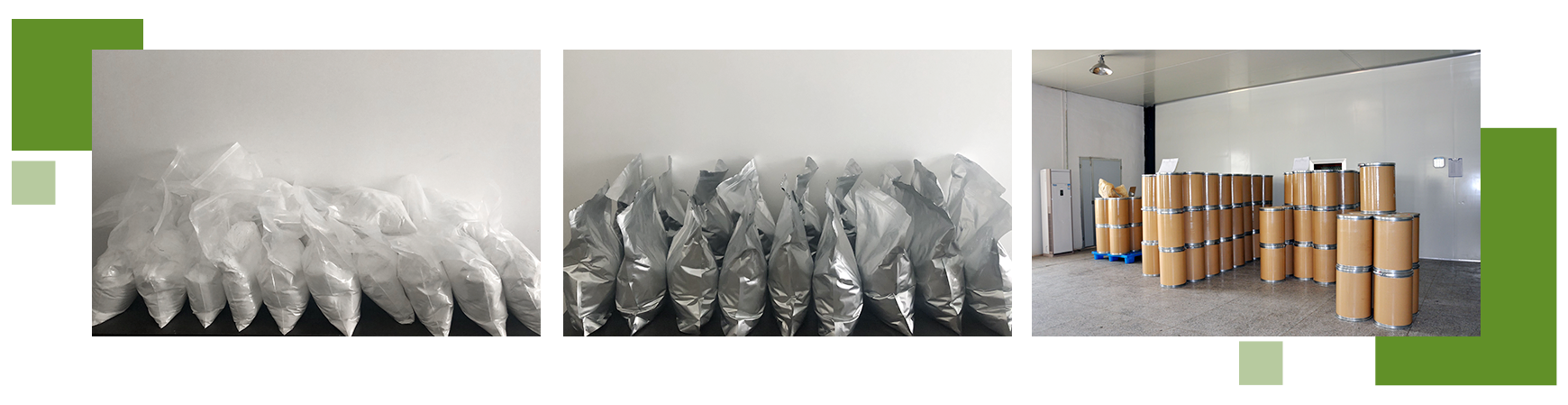
Storage recommendations are equally important for maintaining the stability of high-purity DHEA powder. In most cases, the material should be stored in a cool, dry, and well-ventilated environment away from direct sunlight, excessive humidity, and heat exposure. Reliable suppliers should provide clear storage guidance and shelf-life recommendations to support long-term inventory management.
For global shipments, experienced exporters typically support air freight, sea freight, and express courier transportation depending on customer timelines and procurement volume. Suppliers with established export experience are generally better equipped to manage customs documentation, international logistics coordination, and packaging compliance for overseas buyers.
MOQ, Pricing, and Bulk Procurement Considerations
For companies sourcing bulk DHEA powder, pricing should always be evaluated within the broader context of long-term supply reliability, quality consistency, and operational support. While procurement teams naturally compare quotations across multiple suppliers, experienced buyers understand that the lowest initial price does not always represent the best long-term value.
One of the most important factors influencing procurement cost is minimum order quantity, commonly referred to as MOQ. Different DHEA powder suppliers may offer varying MOQ structures depending on production scale, packaging requirements, and export logistics. Some manufacturers focus primarily on large-volume commercial orders, while others maintain greater flexibility for smaller trial purchases and formulation testing projects.
For supplement brands entering new product categories, lower MOQ options can help reduce inventory risk during early-stage product development. At the same time, larger procurement volumes often provide significant advantages in terms of bulk DHEA powder pricing, production scheduling, and supply stability.
Another important consideration is pricing transparency. Professional suppliers should clearly explain how quotations are structured, including packaging costs, testing documentation, shipping arrangements, and lead times. Buyers evaluating pharmaceutical grade DHEA powder should also confirm whether pricing includes laboratory testing reports such as HPLC analysis and COA documentation.
Procurement teams should also consider the operational costs associated with supplier inconsistency. Delayed shipments, unstable quality, incomplete export documents, or inadequate communication can create substantial downstream expenses that ultimately outweigh small differences in material pricing.
Long-term procurement partnerships are becoming increasingly common within the nutraceutical ingredient industry. Rather than purchasing solely on a spot-order basis, many supplement manufacturers now prioritize suppliers capable of supporting stable forecasting, consistent production planning, and scalable supply agreements.
At CHEN LANG BIO TECH, we have found that international buyers increasingly value suppliers who combine competitive pricing with transparent communication, reliable export coordination, and consistent quality standards. In many cases, procurement stability becomes a more important business factor than short-term cost reduction alone.
Frequently Asked Questions About DHEA Powder Suppliers
What should I look for in a reliable DHEA powder supplier?
Professional buyers typically evaluate several factors, including GMP manufacturing standards, HPLC testing capability, COA transparency, export experience, and long-term supply stability. A qualified DHEA powder supplier should be able to provide detailed technical documentation and maintain consistent communication throughout the procurement process.
Can suppliers provide COA and HPLC testing reports?
Yes. Reliable suppliers of pharmaceutical grade DHEA powder generally provide Certificates of Analysis (COA), HPLC assay reports, and specification documents upon request. These reports help buyers verify purity, assay content, and batch consistency before commercial procurement.
What is the standard MOQ for bulk DHEA powder?
MOQ requirements can vary depending on the supplier and packaging configuration. Many manufacturers offer flexible options for trial evaluation, while larger commercial orders typically receive more competitive bulk DHEA powder pricing.
How is DHEA powder packaged for international shipping?
Most professional suppliers use moisture-resistant inner packaging combined with aluminum foil bags or fiber drums to protect product stability during transportation. Export packaging standards are especially important for maintaining the quality of high-purity DHEA powder during long-distance shipping.
Can I request a sample before placing a bulk order?
Yes. We provide sample quantities for laboratory evaluation, formulation testing, and quality verification before confirming large-volume purchases. This allows buyers to assess product quality and documentation standards before entering long-term procurement agreements.
Conclusion: Building a Reliable Long-Term DHEA Supply Partnership
As the global nutraceutical industry continues to evolve, sourcing decisions are becoming increasingly strategic for supplement manufacturers, formulation companies, and ingredient distributors. Choosing a reliable DHEA powder supplier today is no longer simply about securing competitive pricing — it is about building a stable supply chain supported by consistent quality standards, transparent documentation, and dependable operational support.
Professional buyers are placing greater emphasis on supplier credibility, manufacturing standards, HPLC testing capability, export experience, and long-term production stability. In many cases, the ability to maintain consistent batch quality and reliable international logistics has become just as important as the raw material itself.
At CHEN LANG BIO TECH, we have worked with customers across North America, Europe, Southeast Asia, and other international markets who value practical communication, stable supply capacity, and transparent quality systems throughout the procurement process. For buyers evaluating bulk DHEA powder suppliers, access to technical documentation, COA reports, packaging flexibility, and responsive export support can significantly improve procurement efficiency and reduce operational uncertainty.
Companies interested in additional product specifications, sample requests, or export packaging details are welcome to contact our team directly at admin@chenlangbio.com. We are always available to provide further technical information and support for international procurement projects involving pharmaceutical grade DHEA powder and related nutraceutical raw materials.

Send Inquiry
Related Industry Knowledge
- Adenosine Triphosphate (ATP) vs Adenosine Diphosphate (ADP): Understanding the Energy Cycle
- Hyaluronic Acid Powder vs. Serum: Which is Better for Your Skincare Products
- Supply Chain Secure: Premium Ashwagandha Extract Withanolides Sourcing
- How Does Kopexil Compare to Minoxidil?
- Is Centella Asiatica An Antioxidant
- Does Sodium Copper Chlorophyllin Affect Oxalate Levels
- Is Camellia Oleifera Seed Extract Safe
- What are the Benefits of Glabridin Powder
- What Are the Do's and Don'ts of Bakuchiol
- What is Diosmin Powder Good For