
Diosmin Powder vs Rutin: Key Differences and Applications in Supplement Formulations
2026-05-13 15:24:04
1. Introduction: Why Supplement Manufacturers Compare Diosmin Powder and Rutin
The global nutraceutical industry has seen a significant increase in demand for flavonoid-based ingredients over the past decade, particularly in formulations targeting circulation support, healthy aging, and cardiovascular wellness. As supplement brands continue expanding product lines focused on vascular health and preventive wellness, flavonoids such as diosmin and rutin have become increasingly important in modern supplement development.
Among circulation-focused ingredients, diosmin powder vs rutin has become a common comparison within formulation and procurement discussions because both compounds are widely used in vascular wellness applications while offering distinct functional and commercial advantages.
For supplement manufacturers, ingredient selection today involves much more than simply evaluating biological activity. Modern formulation teams also assess manufacturing compatibility, supply chain stability, ingredient positioning, and long-term sourcing reliability before integrating flavonoids into commercial nutraceutical products.
This is particularly important in the rapidly growing category of circulation support flavonoids, where competition among supplement brands continues intensifying across North America and Europe.
Consumers increasingly seek products positioned for:
•Healthy circulation
•Vein support
•Active aging
•Cardiovascular wellness
•Antioxidant protection
As a result, supplement companies are placing greater emphasis on sourcing scientifically recognized flavonoids capable of supporting these product categories.
Within this environment, vascular wellness ingredients such as diosmin and rutin are gaining commercial relevance because they align with broader market trends related to mobility, healthy aging, and preventive health support.
From a sourcing perspective, procurement teams evaluating diosmin powder for supplement formulations often compare it with rutin because the two flavonoids occupy overlapping but distinct positions within the nutraceutical market.
Commercially, both ingredients are frequently incorporated into:
•Circulation support capsules
•Vascular wellness tablets
•Healthy aging supplements
•Citrus flavonoid complexes
•Multi-functional nutraceutical blends
However, the formulation strategy behind each ingredient can vary considerably depending on target market positioning and manufacturing requirements.
For companies operating in competitive nutraceutical markets, working with a professional supplement ingredient supplier capable of supporting technical documentation, scalable production, and long-term bulk supply is becoming increasingly important.
As demand for circulation and vascular wellness products continues growing globally, procurement searches related to bulk diosmin powder, rutin sourcing, and bulk nutraceutical ingredients are expected to expand further in the coming years.
Understanding the practical differences between diosmin and rutin is therefore highly relevant for supplement manufacturers seeking to optimize product positioning, formulation efficiency, and ingredient sourcing strategies.
2. What Is Diosmin Powder? Applications and Benefits in Supplement Formulations
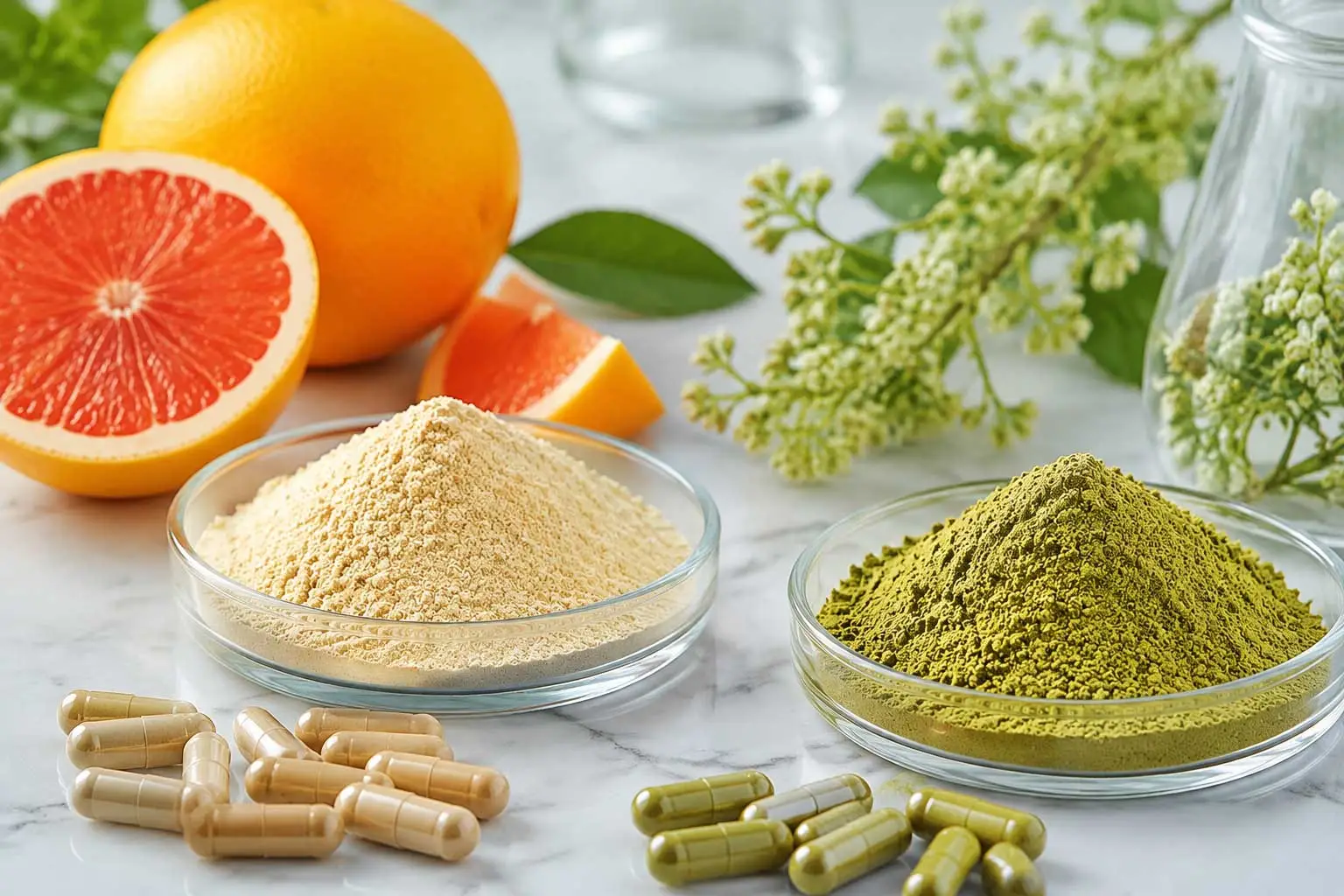
Diosmin powder is a citrus-derived flavonoid widely used in nutraceutical and pharmaceutical formulations focused on circulation support and vascular wellness. Commercially, diosmin is typically produced from hesperidin-rich citrus materials through controlled conversion processes that yield high-purity flavonoid compounds suitable for supplement manufacturing.
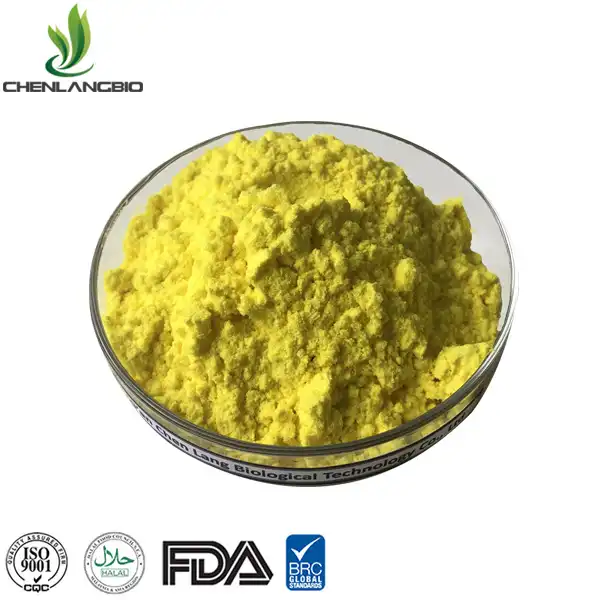
In today’s nutraceutical industry, high purity diosmin powder 95% has become one of the most commercially significant flavonoid ingredients used in circulation-focused supplements. Manufacturers frequently incorporate diosmin into products targeting vein health, active aging, healthy blood flow, and vascular support.
One reason for its growing popularity is its compatibility with modern supplement manufacturing systems. Compared with many botanical extracts that may present formulation instability or production limitations, diosmin demonstrates relatively stable physical properties suitable for large-scale nutraceutical production.
As a result, diosmin powder for circulation support is commonly used in:
•Hard capsules
•Tablets
•Powder blends
•Flavonoid complexes
•Healthy aging formulations
In premium nutraceutical products, pharmaceutical-grade diosmin powder is often preferred because of its higher purity standards and enhanced documentation support. Manufacturers producing circulation support supplements for regulated markets increasingly prioritize suppliers capable of providing:
•HPLC purity testing
•CoA documentation
•Batch traceability
•Heavy metal testing
•Stable bulk supply
These operational factors are especially important for large-scale supplement production projects.
From a formulation standpoint, manufacturers evaluating diosmin powder capsules also consider technical parameters such as:
•Particle size distribution
•Blend uniformity
•Powder flowability
•Stability during encapsulation
•Compression compatibility for tablets
These characteristics directly affect manufacturing efficiency and final product consistency.
Commercially, diosmin has developed strong positioning within circulation and vascular wellness categories because of its broad application potential in active aging and vein support supplements. This has contributed to increasing procurement demand for Diosmin Powder supplement ingredients among nutraceutical brands and contract manufacturers worldwide.
For supplement companies seeking long-term sourcing stability, selecting a professional bulk diosmin powder manufacturer is often just as important as the ingredient itself. Reliable suppliers can support formulation optimization, export logistics, packaging customization, and regulatory documentation required for international markets.
As circulation wellness continues evolving into a major nutraceutical category, demand for buy diosmin powder searches and bulk circulation ingredients is expected to remain strong across both supplement and pharmaceutical sectors.
3. What Is Rutin? Plant-Derived Flavonoid Applications in Nutraceuticals
Rutin is a naturally occurring plant flavonoid commonly extracted from botanical sources such as Sophora japonica, buckwheat, and citrus plants. Within the nutraceutical industry, rutin is widely recognized for its antioxidant properties and its compatibility with vascular wellness and circulation-focused formulations.
As a plant-derived flavonoid ingredient, rutin has become increasingly popular in healthy aging and cardiovascular wellness supplements because of its flexibility within multi-functional nutraceutical blends.
Commercially, rutin powder for supplements is commonly incorporated into products targeting:
•Vascular support
•Antioxidant wellness
•Healthy circulation
•Cardiovascular balance
•Active aging nutrition
Unlike diosmin, which is strongly positioned within circulation and vein support categories, rutin is often marketed as a broader wellness flavonoid with applications extending beyond vascular health alone.
This versatility has contributed to growing demand for high purity rutin powder among supplement manufacturers seeking flavonoid ingredients suitable for antioxidant and circulation-support formulations.
From a formulation perspective, rutin is frequently combined with:
•Citrus flavonoids
•Vitamin C
•Botanical antioxidants
•Polyphenol complexes
•Healthy aging ingredients
These combinations allow supplement brands to create products positioned for broader preventive wellness categories.
For manufacturers evaluating rutin supplement applications, formulation compatibility and ingredient stability are important procurement considerations. Reliable rutin powder suppliers typically provide:
•Standardized purity specifications
•Technical documentation
•Batch consistency
•Export support
•Flexible bulk packaging options
These operational capabilities are especially important for contract manufacturers producing large-scale circulation and wellness supplements.
In recent years, increasing consumer interest in natural antioxidants and plant-derived nutraceuticals has further strengthened demand for bulk rutin powder supplier solutions within global supplement markets.
From a commercial standpoint, rutin also benefits from broad formulation flexibility. It is widely used in capsules, tablets, powder blends, and combination nutraceutical products targeting both circulation wellness and general antioxidant support.
As procurement interest in buy rutin powder and bulk flavonoid ingredients continues expanding, manufacturers increasingly prioritize suppliers capable of maintaining stable production quality and long-term supply reliability.
For nutraceutical companies developing circulation support and healthy aging formulations, rutin remains one of the most commercially adaptable flavonoids available within the botanical ingredient market.
4. Diosmin Powder vs Rutin: Key Differences in Supplement Formulations
Although diosmin and rutin are both flavonoids commonly used in nutraceutical applications, they differ significantly in sourcing, formulation positioning, manufacturing applications, and commercial market focus.
Understanding the difference between diosmin and rutin is particularly important for supplement manufacturers developing circulation support and vascular wellness products.
From a sourcing perspective, diosmin is primarily derived from citrus flavonoids, while rutin is generally extracted from plant materials such as Sophora japonica and buckwheat. This difference in botanical origin influences not only formulation positioning but also consumer perception and marketing strategy.
Commercially, diosmin vs rutin for supplements is often discussed in the context of circulation support and healthy aging formulations because both ingredients are associated with vascular wellness categories. However, their functional positioning within the supplement market differs substantially.
Diosmin Powder is generally regarded as a more specialized circulation support ingredient commonly used in:
•Vein health supplements
•Circulation support capsules
•Vascular wellness tablets
•Active aging formulations
•Pharmaceutical-style nutraceutical products
By comparison, rutin is more broadly positioned within antioxidant and plant-flavonoid categories. It is frequently used in:
•General antioxidant supplements
•Botanical wellness blends
•Cardiovascular support formulations
•Polyphenol complexes
•Multi-functional nutraceutical products
Another major distinction involves formulation compatibility and manufacturing strategy.
Manufacturers evaluating flavonoid supplement formulations typically compare ingredients based on:
•Solubility characteristics
•Stability during production
•Compatibility with capsules and tablets
•Blend uniformity
•Scalability for bulk manufacturing
These operational considerations directly influence production efficiency and formulation consistency.
In premium circulation supplements, diosmin is often preferred because of its stronger positioning within vascular and vein health categories. Meanwhile, rutin offers broader flexibility for antioxidant and general wellness formulations.
The following comparison illustrates key commercial distinctions between the two ingredients:
|
Feature |
Diosmin Powder |
Rutin |
|
Primary Source |
Citrus Flavonoids |
Sophora japonica / Buckwheat |
|
Main Market Position |
Circulation & Vein Health |
Antioxidant & Botanical Wellness |
|
Typical Applications |
Vascular Support Formulas |
Multi-Functional Wellness Blends |
|
Common Dosage Forms |
Capsules & Tablets |
Capsules, Tablets, Powder Blends |
|
Commercial Positioning |
Premium Circulation Supplements |
General Flavonoid Formulations |
For procurement teams comparing best flavonoid for circulation support, the optimal choice often depends on intended product positioning rather than ingredient popularity alone.
As the nutraceutical industry continues expanding into highly targeted wellness categories, understanding the practical differences between diosmin and rutin is becoming increasingly important for formulators, procurement managers, and supplement manufacturers seeking competitive product differentiation.
5. Applications of Diosmin Powder and Rutin in Circulation and Vascular Wellness Supplements
As circulation wellness continues evolving into one of the fastest-growing sectors within the nutraceutical industry, flavonoids such as diosmin and rutin are increasingly incorporated into supplement formulations targeting vascular balance, active aging, and healthy blood flow support.
Although both ingredients are widely used in circulation-focused products, their commercial positioning and formulation strategies can differ significantly depending on the target market and intended supplement category.
Within premium circulation formulations, diosmin powder for vein health is often positioned as a more specialized ingredient associated with vascular wellness and healthy circulation maintenance. Manufacturers commonly incorporate diosmin into products designed for:
•Vein support supplements
•Healthy circulation capsules
•Active aging formulations
•Microcirculation support products
•Vascular wellness nutraceuticals
This strong positioning within circulation-focused categories has contributed to rising global demand for circulation support supplement ingredients containing diosmin.
In recent years, supplement brands targeting middle-aged and aging consumers have increasingly focused on circulation wellness as part of broader healthy aging strategies. This trend has expanded the commercial relevance of Diosmin for healthy circulation within the nutraceutical sector.
From a formulation perspective, diosmin is frequently combined with:
•Hesperidin
•Citrus flavonoids
•Grape seed extract
•Vitamin C
•Horse chestnut extract
These combinations allow manufacturers to develop comprehensive circulation support products while strengthening product differentiation in competitive supplement markets.
By contrast, rutin is often positioned as a broader antioxidant flavonoid suitable for multi-functional wellness formulations. Although rutin for vascular wellness remains highly relevant in circulation-focused products, it is also commonly used in formulations targeting antioxidant support, cardiovascular balance, and plant-based wellness.
This broader positioning gives rutin greater flexibility across several nutraceutical categories, including:
•Antioxidant supplements
•Botanical flavonoid blends
•Cardiovascular wellness products
•Polyphenol complexes
•Healthy aging nutrition
As consumer demand for plant-derived nutraceutical ingredients continues rising, many manufacturers are increasingly integrating rutin into broader wellness formulations rather than highly specialized circulation products alone.
Commercially, both ingredients are widely used within flavonoids for cardiovascular wellness because they align with growing consumer interest in preventive health and active lifestyle support.
Another major trend influencing formulation strategy is the increasing popularity of multi-flavonoid blends. Supplement companies frequently combine diosmin and rutin together within circulation and antioxidant products to create broader-spectrum nutraceutical formulations.
This approach allows manufacturers to:
•Improve product positioning
•Expand consumer appeal
•Support multiple wellness categories
•Enhance flavonoid diversity in formulations
For supplement companies developing circulation and vascular wellness products, selecting the appropriate flavonoid often depends on intended formulation positioning, target demographics, and overall product strategy rather than a single ingredient comparison alone.
As demand for circulation wellness supplements continues expanding globally, procurement interest in bulk circulation support ingredients and bulk rutin powder suppliers is expected to remain strong across both nutraceutical and pharmaceutical manufacturing sectors.
6. Formulation and Manufacturing Considerations for Supplement Brands
For nutraceutical manufacturers, ingredient functionality is only one part of successful supplement development. Modern formulation teams must also consider production efficiency, scalability, formulation compatibility, and long-term supply consistency when selecting flavonoid ingredients.
This is particularly important when evaluating diosmin powder formulation compatibility versus rutin in commercial supplement manufacturing environments.
One of the major advantages of diosmin is its strong positioning within circulation-focused capsule and tablet products. Manufacturers commonly incorporate diosmin into standardized formulations because of its compatibility with modern nutraceutical production systems.
Within large-scale manufacturing operations, capsule supplement ingredients must demonstrate reliable physical characteristics, including:
•Stable particle size distribution
•Consistent powder flowability
•Blend homogeneity
•Stability during encapsulation
•Compression compatibility for tablets
These factors directly influence manufacturing efficiency and finished product quality.
For supplement brands producing circulation support products, diosmin’s relatively stable formulation behavior makes it highly suitable for:
•Hard capsules
•Compressed tablets
•Stick packs
•Powder blends
•Multi-flavonoid nutraceuticals
Rutin, meanwhile, offers strong flexibility within broader botanical formulations and antioxidant blends. However, because it is often used in more complex plant-based formulations, manufacturers may evaluate additional formulation variables related to ingredient interactions and blend stability.
Another important consideration in tablet formulation flavonoids is scalability for commercial manufacturing.
As circulation and healthy aging supplements continue growing globally, procurement teams increasingly prioritize suppliers capable of supporting:
•Long-term bulk supply
•Stable production capacity
•Batch consistency
•Technical documentation
•Flexible packaging options
These operational capabilities are especially important for companies managing large-scale nutraceutical production across multiple international markets.
For contract manufacturers and OEM supplement brands, sourcing from experienced OEM supplement ingredient suppliers can significantly improve formulation efficiency and reduce manufacturing risk.
Reliable suppliers can assist with:
•Ingredient specification support
•Production compatibility guidance
•Packaging customization
•Export logistics coordination
•Technical documentation preparation
This level of technical support is becoming increasingly valuable as nutraceutical formulations grow more sophisticated and globally regulated.
Commercially, demand for bulk flavonoid manufacturing continues increasing because supplement companies are expanding circulation and healthy aging product portfolios across North America, Europe, and Asia-Pacific markets.
As a result, manufacturers increasingly seek long-term partnerships with professional contract manufacturing ingredient suppliers capable of maintaining stable quality and scalable production reliability.
For supplement brands developing circulation support and vascular wellness products, formulation success depends not only on ingredient selection, but also on manufacturing compatibility, operational scalability, and supplier expertise throughout the production process.
7. How to Choose a Reliable Diosmin Powder or Rutin Supplier
As global demand for flavonoid-based supplements continues increasing, selecting the right ingredient supplier has become a strategic decision for nutraceutical manufacturers and procurement teams.
Today’s supplement industry requires more than simply sourcing raw materials. Manufacturers increasingly seek long-term partners capable of supporting formulation development, technical compliance, stable production, and international supply chain management.
When evaluating high purity Diosmin Powder suppliers or rutin manufacturers, procurement teams typically focus on several critical operational factors.
One of the most important considerations is manufacturing quality systems. Reliable suppliers generally operate under internationally recognized certifications such as:
•GMP
•ISO
•HACCP
These standards help ensure production consistency, ingredient traceability, and compliance with international nutraceutical manufacturing requirements.
For circulation-focused formulations, analytical testing and quality assurance are also essential.
Professional suppliers typically provide:
•HPLC purity analysis
•Heavy metal testing
•Microbial testing
•Residual solvent analysis
•Stability verification
These procedures help support consistent formulation performance and reduce manufacturing risk for supplement brands.
Another major consideration is documentation support. Companies sourcing ingredients for regulated markets often require:
•CoA documentation
•Technical specification sheets
•MSDS documentation
•Batch traceability
•Packaging information
These materials are particularly important for supplement companies exporting products to North America and Europe.
Operational scalability is another increasingly important factor for manufacturers sourcing bulk flavonoid ingredient manufacturers.
Reliable suppliers should be capable of supporting:
•Long-term bulk supply
•Stable lead times
•Flexible MOQ options
•Export logistics coordination
•Customized packaging solutions
As circulation wellness supplements continue expanding globally, supplement brands increasingly prioritize sourcing partners capable of maintaining stable production quality across multiple commercial manufacturing cycles.
For procurement teams comparing flavonoid suppliers, technical communication and responsiveness also play a critical role.
Manufacturers value suppliers who can assist with:
•Formulation optimization
•Ingredient compatibility guidance
•Production troubleshooting
•Regulatory documentation support
These operational advantages help reduce formulation delays and improve manufacturing efficiency.
Commercially, procurement searches related to buy Diosmin Powder, wholesale rutin powder supplier, and bulk supplement ingredient suppliers continue increasing as supplement companies expand circulation and healthy aging product portfolios.
As a result, supplier reliability, manufacturing transparency, and quality assurance systems are becoming increasingly important competitive factors within the global nutraceutical ingredient market.
8. FAQ About Diosmin Powder and Rutin for Supplements
What is the main difference between diosmin and rutin?
The primary difference between diosmin and rutin lies in their formulation positioning and commercial applications. Diosmin is more strongly associated with circulation and vein health supplements, while rutin is commonly positioned within broader antioxidant and botanical wellness formulations.
Is Diosmin better than Rutin for circulation support?
For premium circulation and vascular wellness products, many manufacturers prefer diosmin powder for circulation support because of its strong positioning within vein health and vascular formulations. However, rutin remains highly valuable in antioxidant and cardiovascular wellness supplements.
Can Diosmin and Rutin be combined in supplement formulations?
Yes. Combining diosmin and rutin is increasingly common in circulation wellness and healthy aging formulations. Multi-flavonoid blends allow supplement manufacturers to create broader-spectrum nutraceutical products targeting both vascular support and antioxidant wellness.
Where can manufacturers buy bulk diosmin powder?
Companies seeking to buy diosmin powder in bulk should evaluate suppliers based on ingredient purity, technical documentation, production scalability, and export experience. Reliable suppliers typically provide HPLC-tested materials suitable for nutraceutical and pharmaceutical manufacturing.
What affects diosmin powder price?
Several factors influence diosmin powder price, including purity specifications, manufacturing standards, testing requirements, packaging options, and order volume. Pharmaceutical-grade diosmin with enhanced documentation support generally commands higher pricing due to stricter quality control standards.
Do suppliers provide pharmaceutical-grade diosmin powder?
Yes. Many professional manufacturers offer pharmaceutical-grade diosmin powder supported by CoA documentation, HPLC purity testing, and international quality certifications suitable for supplement and pharmaceutical applications.
9. Conclusion: Choosing the Right Flavonoid for Supplement Formulations
As the nutraceutical industry continues moving toward more targeted circulation and healthy aging products, flavonoids such as diosmin and rutin are becoming increasingly important in modern supplement development. Both ingredients offer valuable applications within vascular wellness and antioxidant formulations, yet their positioning within commercial products differs depending on formulation strategy, manufacturing goals, and target consumer demographics.
Throughout this comparison of diosmin powder vs rutin, it becomes clear that the choice between these flavonoids is not simply a matter of selecting one ingredient over another. Instead, successful formulation decisions are typically based on:
•Intended supplement positioning
•Target wellness category
•Manufacturing compatibility
•Consumer demand trends
•Ingredient sourcing strategy
For supplement brands focused on circulation and vein support products, high purity Diosmin Powder is often preferred because of its strong association with vascular wellness and circulation-focused formulations. Its compatibility with capsules, tablets, and premium nutraceutical blends makes it highly suitable for circulation support and active aging products.
Meanwhile, rutin continues to play an important role within antioxidant and plant-based wellness formulations. Its flexibility across multiple supplement categories makes it particularly attractive for manufacturers developing broader botanical and cardiovascular wellness products.
Commercially, many supplement companies now combine diosmin and rutin together within multi-flavonoid formulations in order to create broader-spectrum circulation support flavonoids targeting both vascular wellness and antioxidant support.
From a sourcing perspective, selecting a reliable bulk diosmin powder supplier or rutin manufacturer is equally important. Modern procurement decisions increasingly prioritize:
•Product purity
•Batch consistency
•Technical documentation
•GMP manufacturing
•Export capability
•Long-term supply reliability
These operational considerations directly affect manufacturing stability and finished product quality.
As demand for circulation support and healthy aging supplements continues expanding globally, procurement searches related to buy diosmin powder, bulk rutin powder supplier, and bulk nutraceutical ingredients are expected to continue growing across North America, Europe, and emerging supplement markets.
For manufacturers evaluating flavonoid sourcing strategies, working with experienced suppliers capable of supporting formulation guidance, technical documentation, and scalable production can significantly improve operational efficiency and long-term product consistency.
Companies seeking additional information regarding pharmaceutical-grade diosmin powder, rutin ingredients, technical specifications, or bulk supply support may contact the technical team directly through:
Website: www.chenlangbio.com
Email: admin@chenlangbio.com
As circulation wellness and active aging continue shaping the future of the nutraceutical industry, professionally manufactured flavonoid ingredients are expected to remain among the most commercially valuable categories within supplement formulation development.

Send Inquiry
Related Industry Knowledge
- How Can You Ensure High Consistency and Purity in Acetylcysteine Powder Supply?
- How Does Indole-3-methanol Contribute to Hormone Balance and Immune Support?
- How Does Liposomal CoQ10 Compare to Regular CoQ10 Supplements?
- What are the Benefits of Cetyl Tranexamate HCL?
- Can Minoxidil Powder Be Used by Both Men and Women
- Do Green Tea Extract Have Caffeine
- What is Green Tea Extract Powder
- Is Sepiwhite Powder Safe For Long-Term Use
- What is Melatonin Extract Powder
- What is Pure Lycopene Powder and Why Your Skin Needs It