
What Not to Mix with Madecassoside: A Practical Formulation Perspective
2025-12-30 15:27:11
As madecassoside powder becomes increasingly common in modern skin care formulations, formulators and ingredient buyers often ask the same practical question: What not to mix with madecassoside?
This question does not usually come from concerns about skin safety. Instead, it reflects a deeper need to understand ingredient compatibility, formulation stability, and long-term performance. Madecassoside is widely regarded as a gentle and formulation-friendly active, but like any bioactive ingredient, its behavior depends heavily on the formulation environment in which it is used.
This article explains what not to mix with madecassoside from a professional cosmetic formulation standpoint. Rather than listing “forbidden combinations,” it focuses on the real factors that influence compatibility—such as pH, oxidation, active load, and processing conditions—so that formulators can make informed, technically sound decisions.
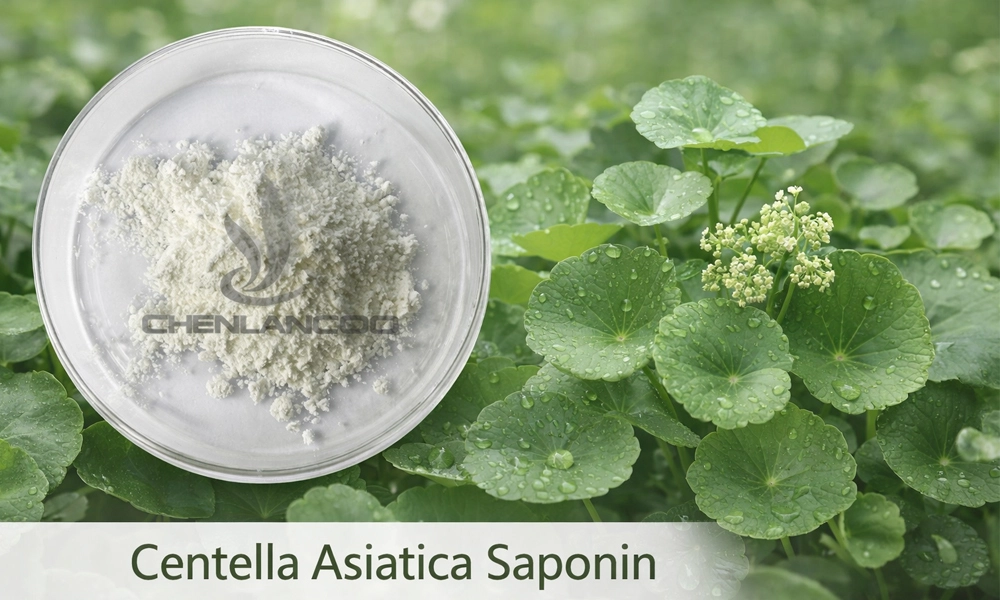
Why Compatibility Questions Arise with Madecassoside
Madecassoside is derived from centella asiatica and belongs to the triterpenoid saponin family. It is frequently selected for products designed for sensitive skin, barrier support, or repair-oriented formulations. As its use expands, it is increasingly combined with acids, retinoids, peptides, and other high-impact actives.
In this context, questions about what not to mix with madecassoside are less about ingredient conflict and more about formulation risk management. Formulators want to ensure that madecassoside remains stable, retains its structural integrity, and delivers consistent performance throughout the product’s shelf life.
How Stable Is Madecassoside as a Cosmetic Ingredient?
Before discussing compatibility, it is important to understand the inherent stability of madecassoside. Compared with many plant-derived actives, madecassoside is considered relatively stable under standard cosmetic conditions. Its glycosylated structure contributes to good solubility in aqueous systems and reduces its tendency toward rapid degradation.
However, stability is never absolute. Madecassoside stability is influenced by formulation parameters such as pH, exposure to oxygen, and processing conditions. When these parameters move outside typical cosmetic ranges, compatibility issues may emerge—not because of direct ingredient conflicts, but because the formulation environment becomes unfavorable.
Can Madecassoside Be Used with Acids?
One of the most common long-tail questions related to what not to mix with madecassoside is whether it can be used alongside exfoliating acids.
The answer is nuanced. Madecassoside and mild acids can coexist successfully in many formulations, particularly when the final pH is maintained within a moderate range. Problems tend to arise in formulations designed to operate at very low pH levels, such as high-strength AHA or peel-type products.
At extremely low pH, glycosylated compounds like madecassoside may be subject to gradual hydrolytic stress over time. This does not mean acids should be avoided altogether, but it does mean that pH control and stability testing are essential when acids are part of the formulation.
Key takeaway: What not to mix with madecassoside is not “acids” in general, but poorly controlled, highly acidic formulation environments.
Why pH Control Matters When Using Madecassoside?
pH is one of the most critical variables influencing ingredient compatibility. Madecassoside pH stability is generally favorable in mildly acidic to neutral systems, which aligns well with most skin care formulations.
As pH shifts toward extreme values, the risk of structural stress increases. This is why formulators evaluating what not to mix with madecassoside often focus on pH first. In many cases, adjusting pH or buffering the system resolves perceived incompatibility without removing any ingredients.
From a formulation standpoint, pH management is often more important than ingredient avoidance.
Can Madecassoside Be Combined with Retinoids?
Another frequently searched topic is whether madecassoside can be used with retinoids. In professional formulation practice, madecassoside and retinoids are often used together, particularly in products designed to balance performance with skin comfort.
Compatibility concerns typically stem from the inherent sensitivity of retinoids rather than from madecassoside itself. Retinoids require careful formulation to manage oxidation, light sensitivity, and stability. When combined with other actives, the formulation as a whole must be designed to support all components.
In this case, what not to mix with madecassoside is not retinoids per se, but retinoid systems that lack adequate formulation protection.
Does Oxidation Affect Madecassoside Compatibility?
Oxidation is another area where compatibility questions arise. Compared with polyphenols or certain vitamins, madecassoside powder is not highly oxidation-prone. However, in formulations with high oxidative potential, even relatively stable ingredients can be affected over time.
Factors that may increase oxidative stress include:
♦High concentrations of oxidation-sensitive actives
♦Insufficient antioxidant systems
♦Packaging that allows excessive oxygen exposure
In such cases, compatibility issues are usually resolved through antioxidant support and packaging optimization, rather than by excluding madecassoside or other actives.
What Happens When Too Many Actives Are Used Together?
Modern skin care products often aim to deliver multiple benefits through the inclusion of numerous active ingredients. While this approach is effective, it can also increase formulation complexity.
When many actives are used at high concentrations, the formulation may experience:
♦Solubility challenges
♦Phase instability
♦Increased ionic strength
In these situations, madecassoside is rarely the cause of instability, but it can be affected by overall system stress. Therefore, what not to mix with madecassoside sometimes means avoiding overcrowded formulations that lack balance and support.

Common Mistakes That Create Compatibility Issues
Many perceived incompatibilities associated with madecassoside can be traced back to formulation or process-related issues rather than ingredient conflicts. Common mistakes include:
♦Adding madecassoside late in development without re-evaluating pH
♦Insufficient stability testing under accelerated conditions
♦Excessive processing temperature or shear
♦Inadequate control of oxidation
Addressing these factors often resolves compatibility concerns without changing the ingredient system.
How Formulators Evaluate Madecassoside Compatibility
Professional formulators assess compatibility through a combination of:
♦pH optimization and buffering
♦Incremental active loading
♦Stability and stress testing
♦Monitoring physical and chemical changes over time
This systematic approach ensures that madecassoside remains compatible within the formulation and performs as intended throughout its shelf life.
Key Takeaways on What Not to Mix with Madecassoside
Ultimately, what not to mix with madecassoside is not a fixed list of prohibited ingredients. Instead, it is a question of formulation design. Madecassoside is generally compatible with a wide range of cosmetic ingredients when pH, oxidation, and active load are properly managed.
When issues arise, they are usually related to formulation environment, not ingredient identity. Understanding this distinction allows formulators to use madecassoside effectively without unnecessary limitations.
Conclusion
From a formulation perspective, what not to mix with madecassoside is best understood as a matter of controlling formulation conditions rather than avoiding specific ingredients. Madecassoside is a stable, formulation-friendly active that integrates well into many skin care systems when used thoughtfully.
At CHEN LANG BIO TECH, we support customers in evaluating madecassoside powder compatibility within their specific formulation context, providing guidance on pH range, concentration, processing conditions, and stability considerations.
Contact CHEN LANG BIO TECH
📧 Email: admin@chenlangbio.com
🌐 Website: https://www.chenlangbio.com
References
1, Brinkhaus, B., Lindner, M., Schuppan, D., & Hahn, E. G. (2000). Chemical, pharmacological and clinical profile of the East Asian medicinal plant Centella asiatica. Phytomedicine, 7(5), 427–448.
2, James, J. T., & Dubery, I. A. (2009). Pentacyclic triterpenoids from the medicinal herb, Centella asiatica. Journal of Ethnopharmacology, 126(2), 181–187.
3, Cosmetic Ingredient Review (CIR). Safety Assessment of Centella asiatica–Derived Ingredients.
4, Barel, A. O., Paye, M., & Maibach, H. I. (2014). Handbook of Cosmetic Science and Technology. CRC Press.
5, Tadros, T. (2013). Emulsion Formation and Stability. Wiley-VCH.

Send Inquiry
Related Industry Knowledge
- P5P Benefits: Why Active Vitamin B6 Is a Superior Choice for Modern Supplement Brands
- Kaempferol's Role in Taming Allergic Responses
- How Does Serrapeptase Powder Ensure Superior Enzyme Stability?
- Meglumine Powder and Its Role in Modern Medicine
- Why Kola Nut Extract Powder is Trending in 2024?
- What are the Health Benefits of Phellinus Linteus
- What are the Side Effects of Taking EGCG
- What Does Alpha-GPC Do to the Brain
- Sepiwhite MSH Powder for Sale
- when Should I Take Marigold Extract Powder Lutein Morning or Night