
What Is Olive Leaf Extract Powder? Composition, Oleuropein Content & Manufacturing Process
2026-02-05 15:22:57
Introduction: Why Olive Leaf Extract Powder Matters in Ingredient Manufacturing
In recent years, olive leaf extract powder has evolved from a niche botanical ingredient into a widely adopted raw material across dietary supplements, functional foods, and cosmetic formulations. While olive oil has long been associated with the Mediterranean diet, the leaves of Olea europaea represent a distinctly different and highly concentrated source of bioactive compounds.
From a manufacturing and formulation perspective, it is not valued simply for its traditional use, but for its standardized composition, process-controlled potency, and reliable scalability for bulk applications. These attributes make it suitable for professional ingredient sourcing rather than casual consumer use.
At CHEN LANG BIO TECH, we approach olive leaf extract powder as an industrial ingredient, not a finished product. Our focus is on consistent active compound delivery, batch traceability, and compatibility with downstream formulations. Understanding what olive leaf extract powder truly is—how it is produced, what it contains, and how its quality is defined—is essential for buyers sourcing this ingredient in bulk supply environments.
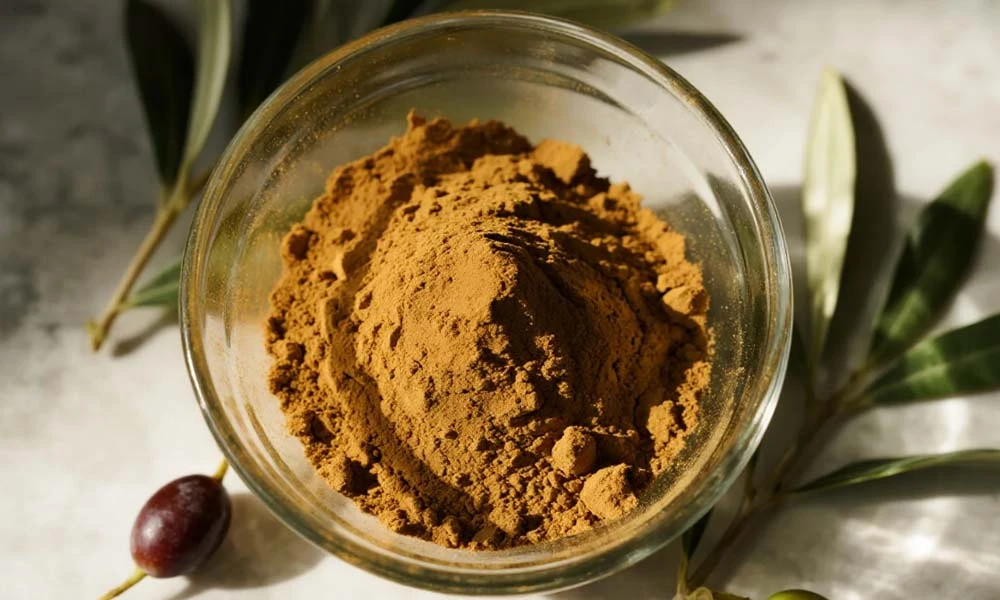
What Is Olive Leaf Extract Powder?
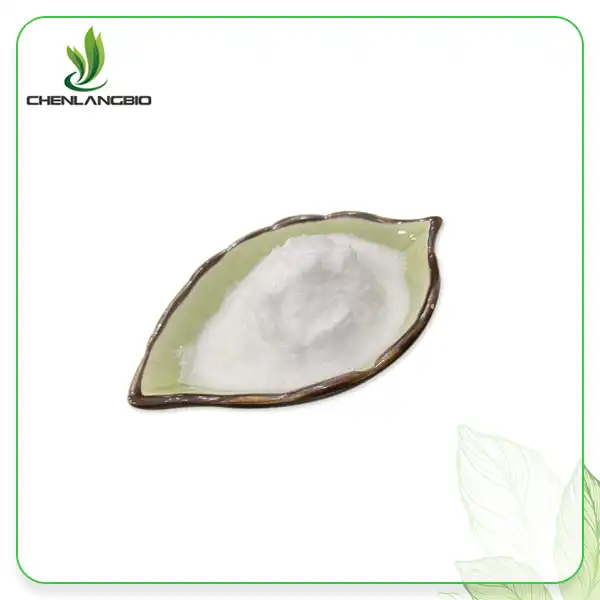
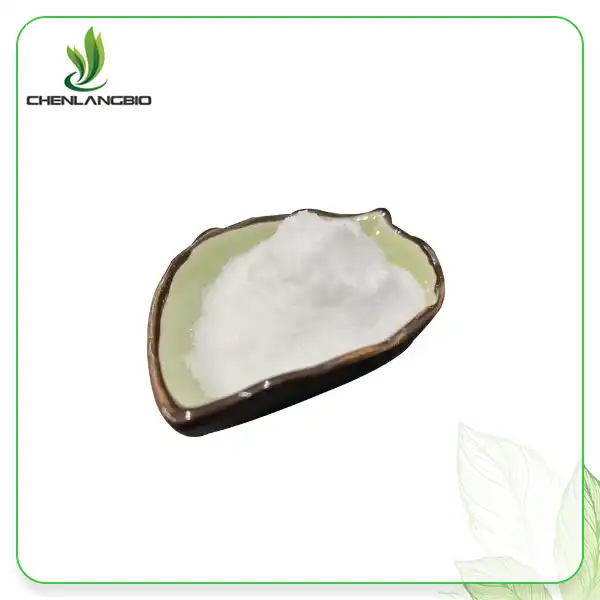
Olive leaf extract powder is a concentrated botanical ingredient produced by extracting bioactive compounds from the leaves of the olive tree (Olea europaea), followed by concentration and drying into a stable powder form.
Unlike olive leaf powder, which is typically made by drying and milling whole leaves, olive leaf extract powder undergoes a selective extraction process. This process isolates and enriches specific phytochemicals—most notably polyphenols—while removing a large portion of insoluble plant material.
From a technical standpoint, an extract powder is defined by three core characteristics:
•Extraction-based concentration, rather than mechanical size reduction
•Standardization to active markers, commonly oleuropein
•Improved solubility, stability, and formulation flexibility
In ingredient manufacturing, this distinction is critical. While raw powders may vary significantly in composition, a properly produced olive leaf extract powder offers predictable performance, making it suitable for regulated production environments such as supplements, functional foods, and personal care formulations.
For buyers comparing olive leaf extract vs olive leaf powder, the extract form is typically chosen when potency per unit weight, batch consistency, and quality control documentation are required.
Composition of Olive Leaf Extract Powder
Key Active Compounds in Olive Leaf Extract Powder
The functional value of olive leaf extract powder is determined by its phytochemical profile. Unlike single-compound ingredients, olive leaf extract is a multi-component botanical system, with several compounds working in combination.
♦Oleuropein – The Primary Marker Compound
Oleuropein is the most recognized and commonly standardized compound in olive leaf extract powder. It belongs to the secoiridoid class of polyphenols and is naturally abundant in olive leaves.
From an ingredient supplier’s perspective, oleuropein serves two important roles:
•It acts as a potency indicator, allowing buyers to compare extracts on a standardized basis
•It provides a quantifiable quality benchmark for specification sheets and COA documentation
Most commercial olive leaf extract powders are standardized to a defined oleuropein content, expressed as a percentage by weight. This value directly influences formulation dosage, cost efficiency, and application suitability.
♦Hydroxytyrosol and Related Polyphenols
In addition to oleuropein, olive leaf extract powder contains a range of other polyphenols, including hydroxytyrosol, flavonoids, and phenolic acids.
Hydroxytyrosol is particularly noteworthy because it can be formed through the hydrolysis of oleuropein during processing or storage. While present in smaller quantities, it contributes to the overall antioxidant profile of the extract.
Understanding the relationship between oleuropein and hydroxytyrosol is important for buyers evaluating extract stability and intended application, especially in formulations sensitive to oxidation or pH changes.
♦Minor Components and Natural Variability
Beyond these primary compounds, olive leaf extract powder also contains minor constituents such as rutin, luteolin derivatives, and other secoiridoids. Their concentrations can vary based on:
•Leaf maturity
•Harvest timing
•Geographic origin
•Extraction parameters
This natural variability underscores the importance of controlled sourcing and standardized manufacturing, particularly for buyers requiring long-term supply consistency.
Oleuropein Content Explained: Why Percentage Matters
Typical Oleuropein Percentages on the Market
In commercial ingredient supply, olive leaf extract powder is commonly offered in standardized grades, such as:
10% oleuropein
20% oleuropein
40% oleuropein (or higher, depending on process)
These percentages refer to the oleuropein content in olive leaf extract powder, measured using validated analytical methods such as HPLC.
Higher oleuropein percentages do not inherently mean “better” for every application. Instead, they offer greater concentration, allowing formulators to achieve target activity levels with lower inclusion rates.
How Oleuropein Content Affects Potency and Dosage
From a formulation standpoint, oleuropein percentage directly influences:
•Dosage calculations
•Capsule or tablet size constraints
•Cost-per-active-unit
For example, a high oleuropein olive leaf extract powder may be preferred in compact dosage forms or premium formulations, while lower-percentage extracts may be more suitable for blends or functional food applications.
Standardization and Batch Consistency
Standardization is not simply about hitting a target percentage. It also involves ensuring batch-to-batch consistency, which is critical for large-scale production.
At CHEN LANG BIO TECH, standardized olive leaf extract powder is produced with defined acceptance ranges, ensuring that each batch meets specification requirements outlined in the COA. This level of control reduces formulation variability and supports regulatory compliance in downstream manufacturing.
Manufacturing Process of Olive Leaf Extract Powder
Raw Material Selection and Pre-Treatment
The manufacturing process begins with the careful selection of olive leaves, as raw material quality directly determines extract performance and consistency. At CHEN LANG BIO TECH, olive leaves are sourced from our own olive cultivation base covering more than 5,000 acres, allowing full control from planting to harvest. This vertically integrated sourcing model ensures traceability and minimizes variability often associated with third-party raw material procurement.
Factors such as botanical authenticity, cultivation environment, harvest timing, and leaf maturity are closely monitored to ensure that only leaves meeting defined quality criteria enter the extraction process. This upstream control plays a critical role in ensuring the quality, effectiveness, and safety of the final olive leaf extract powder.
Before extraction, harvested leaves undergo standardized pre-treatment steps, including cleaning, controlled drying, and size reduction. These steps are designed to reduce microbial load, stabilize moisture levels, and prepare the plant material for efficient extraction, forming a consistent and reliable foundation for downstream processing.
Extraction Methods Used for Olive Leaf Extract
Several extraction methods are used in the industry, most commonly:
Water extraction
Hydroalcoholic extraction
The choice of method affects both the polyphenol profile and oleuropein yield. Rather than a one-size-fits-all approach, extraction parameters are typically optimized based on target specifications.
Understanding how olive leaf extract powder is made allows buyers to better evaluate supplier capabilities and process transparency.
Concentration, Drying, and Powder Formation
After extraction, the liquid extract is filtered and concentrated. The concentrate is then dried—commonly through spray drying or controlled low-temperature drying—to produce a free-flowing powder.
Drying conditions are critical. Excessive heat can degrade polyphenols, while insufficient drying can compromise stability and shelf life.
Quality Control During Manufacturing
Throughout production, in-process controls monitor key parameters such as solid content, active compound levels, and microbial standards. This ensures the final olive leaf extract powder meets defined quality requirements before packaging.
Quality Specifications and Testing Parameters
Common Specifications for bulk olive leaf extract powder
Typical specifications may include:
•Appearance and color
•Solubility characteristics
•Particle size distribution
•Assay of oleuropein
These parameters help buyers assess suitability for specific applications.
COA, MSDS, and Traceability
Professional ingredient supply relies not only on documentation, but on the analytical capability behind it. For olive leaf extract powder, a standard COA (Certificate of Analysis) provides verified results for key physicochemical parameters and active compound content, while MSDS documentation supports safe handling, storage, and international transportation requirements.
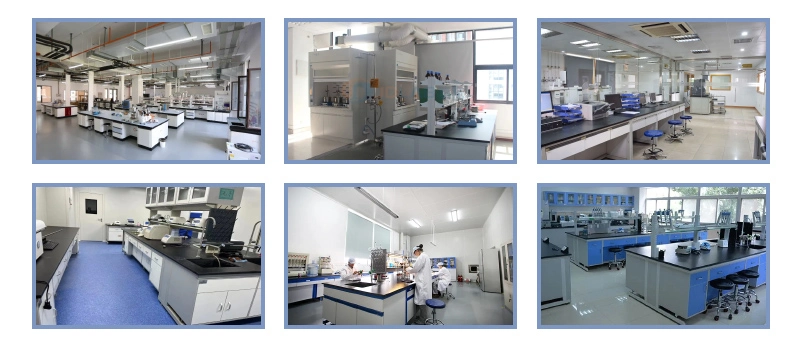
At CHEN LANG BIO TECH, quality verification is supported by an in-house analytical laboratory equipped with advanced testing instruments, including high-performance liquid chromatography (HPLC), UV–visible spectrophotometers, analytical balances, and dedicated equipment for moisture and ash determination. These systems enable accurate quantification of oleuropein and other active components, as well as routine monitoring of extract consistency.
In addition to active content analysis, comprehensive testing is conducted for residual solvents, pesticide residues, heavy metals, and microbiological parameters, ensuring that olive leaf extract powder meets applicable quality and safety expectations for use in dietary supplements, functional foods, and cosmetic applications.
Batch traceability links each finished product lot to its corresponding raw material batches, processing records, and analytical results. This closed-loop quality system supports internal quality control, third-party audits, and long-term supply reliability for bulk ingredient buyers.
Stability and Storage Considerations
Olive leaf extract powder is sensitive to moisture and light. Proper packaging and storage conditions are essential to maintain olive leaf extract powder stability throughout its shelf life.
Applications of Olive Leaf Extract Powder in Finished Products
Dietary Supplements
Olive leaf extract powder is widely used in capsules, tablets, and powder blends, valued for its standardized composition and formulation flexibility.
Functional Foods and Beverages
In functional foods, compatibility with other ingredients and flavor profiles becomes important. Extract grade selection plays a key role here.
Cosmetic and Personal Care Applications
In cosmetic formulations, olive leaf extract powder is incorporated for its polyphenol content and stability under controlled conditions.
Supplier Perspective: What Buyers Should Know Before Sourcing
From a supplier’s standpoint, sourcing bulk olive leaf extract powder involves more than price comparison. Buyers should evaluate:
•Manufacturing transparency;
•Standardization methods;
•Quality documentation;
•Long-term supply capability.
Working with a direct olive leaf extract powder manufacturer allows for better communication, customization, and consistency over time.
Conclusion
Olive leaf extract powder, when produced under controlled conditions, is best understood as a standardized botanical ingredient rather than a generic plant-derived material. Its value is defined by transparent composition, clearly quantified oleuropein content, and a manufacturing process that ensures reproducibility, stability, and batch-to-batch consistency.
For formulation scientists, quality teams, and procurement professionals, a clear understanding of raw material sourcing, extraction methodology, and analytical control is essential to achieving reliable product performance. Factors such as upstream cultivation control, standardized extraction, and comprehensive quality testing directly influence how olive leaf extract powder performs in real-world applications.
As an ingredient manufacturer and bulk supplier, CHEN LANG BIO TECH approaches olive leaf extract powder with a focus on process control, traceability, and long-term supply reliability. Our role is to support customers with technically defined raw materials that integrate smoothly into regulated production environments.
For further technical details, specifications, or sourcing discussions related to olive leaf extract powder, please contact us email: admin@chenlangbio.com, our technical team is available to provide additional information and documentation upon request.

Send Inquiry
Related Industry Knowledge
- Adenosine Triphosphate (ATP) in Nutritional Products: Functions, Formulation, and Sourcing Guide
- Is Broccoli Extract Powder Good for Weight Loss?
- Is Spermidine Trihydrochloride Toxic?
- Exploring Sodium Methylesculetin Acetate in Skincare
- Does Green Tea Extract Give You Energy
- Does Sodium Ascorbyl Phosphate Promote Collagen
- What is Phenylethyl Resorcinol Product
- What is Apple Polyphenol Extract
- What's Different Between Honokiol Powder and Magnolol
- What is Ginger Extract Powder Good for