
Adenosine Triphosphate (ATP) in Nutritional Products: Functions, Formulation, and Sourcing Guide
2026-01-05 13:15:25
In recent years, adenosine triphosphate (ATP) has become an increasingly discussed ingredient in nutritional and sports performance products. Unlike stimulants or hormone-related compounds, ATP occupies a unique position as a fundamental molecule involved in cellular energy metabolism. For nutritional brands and ingredient buyers, the growing interest in ATP is less about novelty and more about how this molecule can be positioned, formulated, and sourced responsibly within modern nutritional products.
As a adenosine triphosphate manufacturer and supplier, in this article, CHEN LANG BIO TECH is written from a raw material and formulation perspective, focusing on how ATP is used in nutritional products, what buyers should understand about its functional role, and how to evaluate ATP suppliers and specifications. Rather than making performance claims, the goal is to provide practical, decision-oriented insight for brands and procurement teams.
What Is Adenosine Triphosphate (ATP) in the Context of Nutritional Products?
ATP is widely recognized in biology as the primary molecule responsible for energy transfer within cells. In living systems, ATP stores and releases energy through the conversion between ATP, ADP, and inorganic phosphate. This process underpins muscle contraction, metabolic reactions, and many physiological functions.
APT Product Information
|
Name |
Adenosine Triphosphate |
|
Other Name |
ATP |
|
Purity |
98% |
|
CAS |
56-65-5 |
|
EINECS |
200-283-2 |
|
Molecular Formula |
C10H16N5O13P3 |
|
Molecular Weight |
507.18 |
|
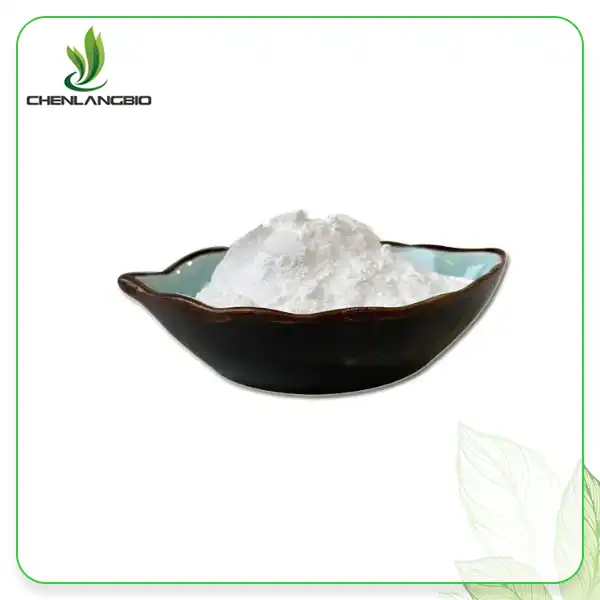
Appearance |
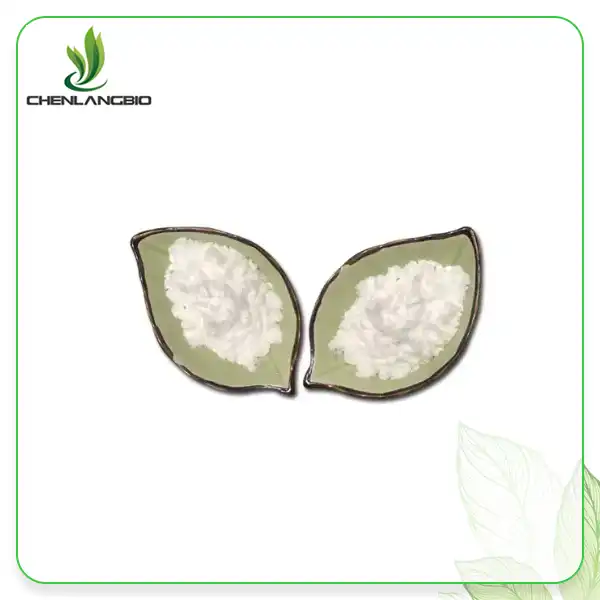
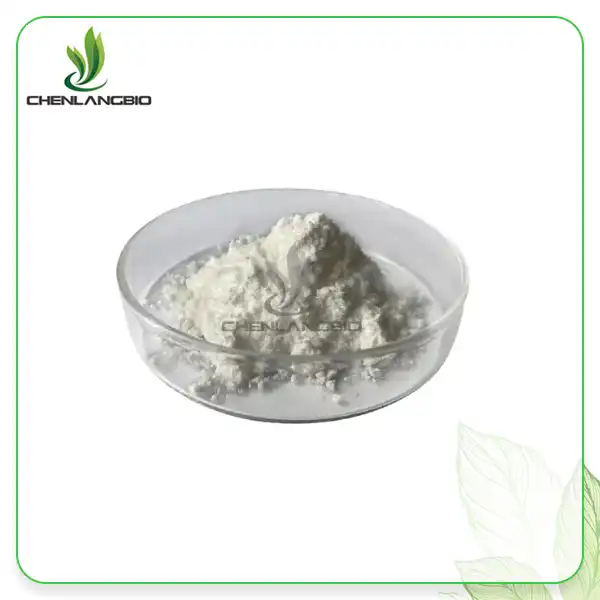
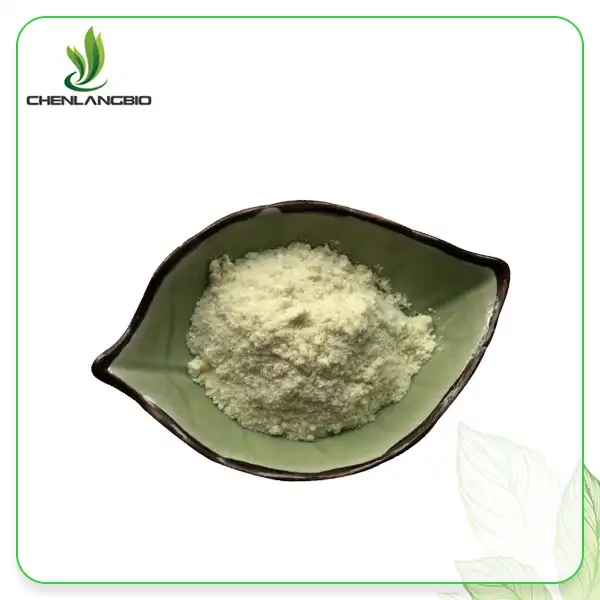
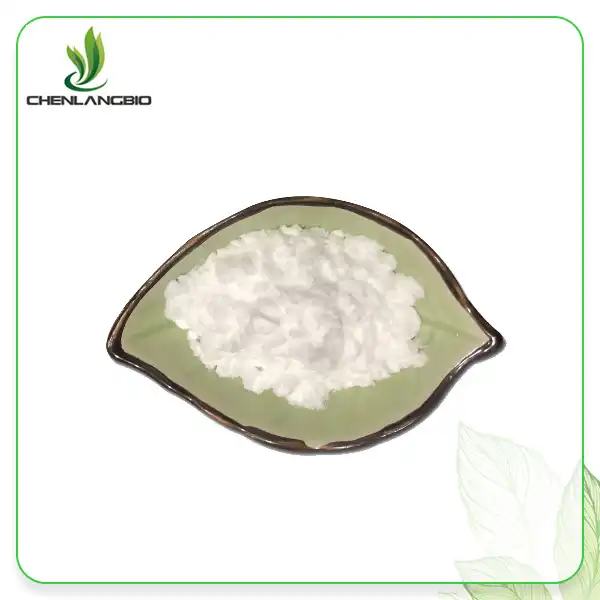
White to off-white crystalline powder |
|
Solubility |
Water-soluble |
|
Packaging |
1kg/aluminum foil bag; 10kg or 25kg/paper drum |
|
Shelf Life |
24 months when properly stored |
|
Storage |
Keep in cool, dry place. Avoid light and moisture. |
In nutritional products, ATP is not positioned as a drug or therapeutic agent. Instead, it is used as a functional ingredient associated with energy metabolism support, particularly in products designed for physical activity, training routines, and energy-demanding lifestyles.
When buyers search for ATP ingredient for supplements or ATP powder for sports nutrition, they are typically referring to ATP-based raw materials supplied for use in dietary supplements, sports nutrition formulas, or functional food concepts. Understanding this distinction is important: ATP in nutritional products is about supporting energy-related processes, not delivering immediate pharmacological effects.
Why Brands Use ATP: Practical Functions in Nutritional Products
From a product development standpoint, ATP is used because it aligns with how brands communicate energy at the cellular level, rather than surface-level stimulation. Unlike caffeine or other stimulants, ATP fits into formulations that emphasize sustained energy, physical performance support, and metabolic efficiency.
In sports nutrition, ATP is often included in products targeting:
•Training performance support;
•Muscle function during high-intensity activity;
•Energy availability during repeated exertion.
In daily energy or active lifestyle products, ATP may be positioned as part of a broader energy-support concept, often alongside vitamins, minerals, or other metabolic cofactors.
Where ATP Fits in Formulas: Product Types and Format Selection
One of the most common questions from procurement teams is where ATP fits best within a product portfolio. In practice, ATP is used across several nutritional product formats, each with different formulation considerations.
Capsules and Tablets
Capsule and tablet formats are commonly used when ATP is part of a multi-ingredient blend. These formats allow for controlled dosing, protection from environmental factors, and compatibility with other powdered ingredients. For buyers sourcing ATP powder for capsules, consistency and particle handling are often more important than taste or dispersibility.
Powders and Stick Packs
Powdered formats are popular in sports nutrition, particularly for pre-workout or performance blends. In these applications, ATP must be evaluated for flowability, blend uniformity, and stability, especially when combined with amino acids or carbohydrates.
Functional Beverages and Shots
Liquid systems present additional challenges. When ATP is used in beverages, solubility, pH compatibility, and stability over shelf life become critical evaluation factors. Buyers exploring ATP in sports drink formulations should pay close attention to technical documentation and formulation testing.
Ingredient Forms and Specifications Buyers Ask For
ATP is not a one-size-fits-all ingredient. In the raw material market, ATP-related ingredients may be supplied in different forms depending on intended use, regulatory environment, and formulation needs.
When evaluating ATP raw material specifications, buyers typically focus on:
•Assay or content specification;
•Appearance and odor;
•Solubility characteristics;
•Microbiological limits;
•Heavy metals and contaminants.
Clear and consistent specifications allow brands to compare suppliers effectively. A reliable supplier should be able to provide batch-specific COA, explain analytical methods, and demonstrate consistency over time. XI AN CHEN LANG BIO TECH can supply COA and other data to confirm the quality and these requirements.
For procurement teams, the goal is not simply to purchase ATP, but to source an ATP ingredient that integrates smoothly into existing formulations and meets internal quality standards.
Solubility, pH, and Stability: What Formulators Need to Know
From a formulation perspective, ATP requires careful consideration. Although ATP is inherently water-related in biological systems, its behavior in finished nutritional products depends heavily on formulation conditions.
Solubility
ATP-based ingredients are generally evaluated for water solubility or dispersibility, particularly for powdered and liquid applications. Solubility can influence uniformity, appearance, and consumer experience in finished products.
pH Compatibility
ATP stability can be affected by pH. Most nutritional formulations operate within a controlled pH range, and compatibility testing is essential, especially for beverages or effervescent systems. Buyers should confirm typical pH tolerance ranges with suppliers rather than relying on assumptions.
Stability and Shelf Life
Environmental factors such as heat, moisture, oxygen, and light can influence ATP stability. Packaging selection and processing conditions therefore play an important role. Suppliers should be able to discuss storage recommendations and expected shelf life under standard conditions.
These technical details are particularly relevant for brands seeking ATP stability in formulation without compromising product performance.
Quality Control and Supplier Evaluation Checklist
For buyers sourcing ATP, supplier evaluation is often just as important as ingredient selection itself. Beyond price and availability, reliable suppliers are expected to demonstrate consistent quality control, transparent documentation, and stable supply capability over time.
Key evaluation points typically include:
•Availability of a Certificate of Analysis (COA) for every production batch;
•Clear identification and traceability of raw materials;
•Standardized analytical and testing methods;
•Proven batch-to-batch consistency;
•Ability to support documentation requirements for regulatory and internal review.
As a manufacturer of nutritional raw materials, CHEN LANG BIO TECH aligns closely with these evaluation criteria. We produce ATP-related ingredients under controlled manufacturing conditions, with each batch supplied with a corresponding COA to ensure transparency and consistency. Quality control is integrated throughout our production process, from raw material selection to finished product testing.
In addition, we maintain stable production capacity and reliable inventory planning, enabling consistent supply for both routine orders and long-term cooperation. Our experience supporting customers across multiple international markets allows us to respond efficiently to documentation requests and technical inquiries.
For buyers seeking a dependable ATP ingredient supplier with structured quality control, clear batch documentation, and stable delivery capability, working with an experienced manufacturer can significantly reduce sourcing risk and support sustainable product development.
How to Position ATP in Marketing Without Compliance Risk
From a regulatory standpoint, ATP should be positioned carefully. Most markets allow ATP to be discussed in terms of supporting energy metabolism or physical performance, but not as a treatment or medical solution.
Acceptable positioning often includes:
•Supporting energy metabolism;
•Supporting physical performance routines;
•Supporting active lifestyles.
Risky positioning includes disease claims, therapeutic language, or exaggerated performance promises. For global brands, conservative and consistent messaging reduces compliance risk across markets.
ATP vs Other “Energy” Ingredients: When Buyers Choose ATP
ATP is often compared with other energy-related ingredients. Understanding these distinctions helps buyers build balanced formulations.
ATP vs Creatine: Creatine is associated with energy storage, while ATP is associated with energy transfer. The two are often complementary rather than competitive.
ATP vs Caffeine: Caffeine provides stimulation, whereas ATP supports energy metabolism concepts without stimulant effects.
ATP vs CoQ10 or NAD+: These ingredients support mitochondrial or metabolic pathways, but serve different positioning strategies.
Buyers often choose ATP when they want to emphasize cellular energy support rather than immediate stimulation.
Recommended Use Scenarios and Formulation Strategy
In practice, ATP is most effective when used as part of a well-designed formulation strategy. It is commonly combined with amino acids, minerals, or botanical extracts in sports nutrition and active lifestyle products.
Rather than acting alone, ATP contributes to a system-level formulation, supporting energy-related concepts within a broader ingredient framework. For buyers, the focus should be on compatibility, consistency, and positioning rather than isolated performance claims.
FAQ: Common Questions Buyers Search About Adenosine Triphosphate (ATP) Ingredient
Is ATP suitable for sports nutrition products?
Yes. ATP is widely used in sports nutrition as a functional ingredient associated with energy metabolism support.
Is ATP water soluble?
Solubility depends on the specific form and formulation conditions. Please contact us for more documentation.
What documents of ATP you provide?
We supply COA, MSDS, technical data sheets, and batch traceability information are standard.
Is ATP stable in beverages?
Stability depends on pH, formulation, and storage conditions. Testing is recommended.
Can ATP be combined with other performance ingredients?
Yes. ATP is often used alongside amino acids, minerals, and other metabolic support ingredients.
Conclusion: Work with a Reliable Nutritional Ingredient Supplier
For brands and product developers sourcing ATP as a functional ingredient, working with an experienced and reliable supplier is essential for long-term product success.
CHEN LANG BIO TECH specializes in the production and supply of nutritional and botanical raw materials, including ATP-related ingredients for supplement and sports nutrition applications. We operate with structured quality control, provide a Certificate of Analysis (COA) for every batch, and support customers with clear technical documentation throughout the sourcing process.
With stable production capacity and consistent inventory planning, we are able to support both regular orders and long-term supply programs. Our team has extensive experience supplying nutritional ingredients to international markets and responding efficiently to regulatory and technical inquiries.
If you would like to request adenosine triphosphate specifications, COA samples, technical documentation, or discuss sourcing requirements, please feel free to contact us.
📧 Email: admin@chenlangbio.com
📞 Phone/Whatsapp: +86-17782478823
We look forward to supporting your product development and sourcing needs with dependable, high-quality nutritional ingredients.
References
1, Dinan, L. (2001). Phytoecdysteroids: Biological aspects. Phytochemistry, 57(3), 325–339.
2, Parr, M. K., et al. (2015). Ecdysteroids: A novel class of anabolic agents? Journal of Steroid Biochemistry and Molecular Biology, 145, 144–156.
3, Smith, A. D., & Jones, B. R. (2018). Cellular energy metabolism and nutritional ingredients. Nutrition Reviews, 76(6), 421–436.

Send Inquiry
Related Industry Knowledge
- How Does Vitamin D3 Powder Support Bone Health and Calcium Absorption?
- How Does Serrapeptase Powder Ensure Superior Enzyme Stability?
- Does Turkesterone Increase Testosterone?
- Why Doesn't My Bergenia Flower?
- What is the Solubility of D-Luciferin Sodium Salt?
- How Should Kopexil be Applied for Best Results?
- Top Benefits of Isobutylamido Thiazolyl Resorcinol in Skincare
- Does Ergothioneine Lower Blood Pressure
- Is Magnesium Ascorbyl Phosphate A Skin-lightening Agent
- Does Tribulus Terrestris Extract Powder Work