Urolithin A Benefits: What It Is, How It Works and Why It Matters
2026-03-23 17:16:45
Why Urolithin A Is Gaining Attention in Longevity Science
Urolithin A powder has quickly moved from a niche research compound to a focal point in the global discussion around healthy aging and cellular longevity. As interest in mitochondrial health supplements and next-generation nutraceuticals continues to grow, this compound is increasingly recognized for its role in supporting one of the body’s most fundamental biological processes—cellular energy renewal.
What makes urolithin a benefits particularly compelling is not just the breadth of potential applications, but the depth of scientific interest behind it. Unlike many trending ingredients that rely primarily on anecdotal claims, urolithin A is closely tied to the study of mitophagy, a mechanism associated with the selective recycling of damaged mitochondria. This connection places it at the intersection of aging research, metabolic health, and performance optimization.
From a market perspective, the rise of urolithin a longevity supplements reflects a broader shift. Consumers and brands alike are moving beyond surface-level wellness toward ingredients that target underlying biological processes. In this context, Urolithin A is no longer just another nutraceutical raw material—it represents a category of ingredients designed to support long-term cellular function.
At CHEN LANG BIO TECH, we have observed a clear increase in demand from supplement brands seeking reliable sources of urolithin a supplement ingredients, particularly those developing products focused on anti-aging, energy, and muscle health. This growing interest underscores an important reality: understanding the science behind Urolithin A is now essential not only for researchers, but also for product developers and procurement teams.
What Is Urolithin A? A Scientific Overview
Urolithin A is a naturally occurring metabolite produced in the human body through the transformation of ellagitannins—compounds found in foods such as pomegranates, walnuts, and berries. However, this conversion is not universal. It depends on the composition of an individual’s gut microbiota, meaning that not everyone can efficiently produce Urolithin A through diet alone.
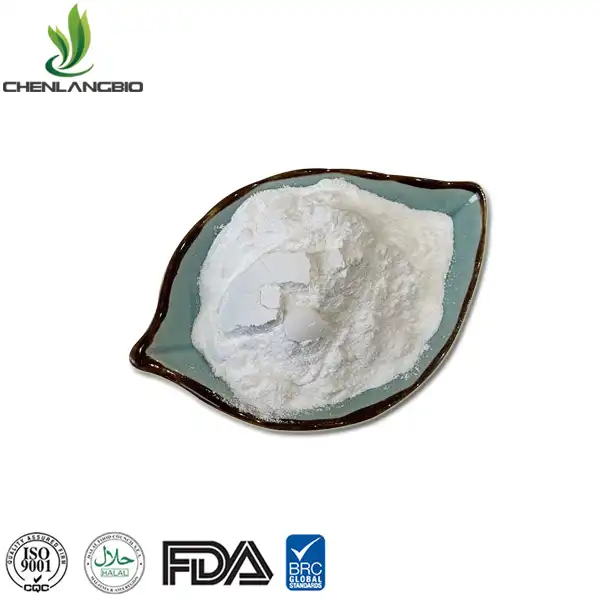
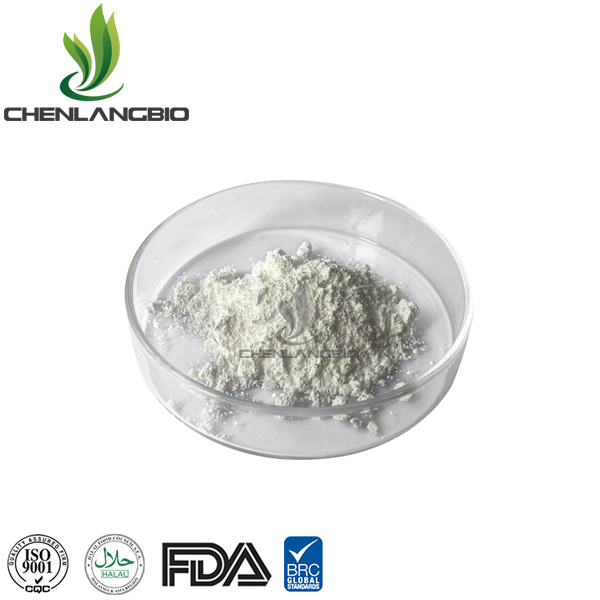
This biological limitation is one of the main reasons why urolithin a powder has become an important urolithin a supplement ingredient in the nutraceutical industry. By delivering the active compound directly, manufacturers can bypass variability in gut metabolism and ensure more consistent intake.
From a production standpoint, commercially available urolithin a raw material is typically obtained through controlled synthesis processes rather than direct extraction. This approach allows for higher purity, better scalability, and more reliable quality control—factors that are critical when developing products for global markets.
It is also important to distinguish between the scientific concept of urolithin A and its commercial form. In research literature, Urolithin A is often discussed in the context of metabolic pathways and cellular mechanisms. In practice, however, it is used as a standardized urolithin a powder designed for incorporation into dietary supplements, including capsules, tablets, and functional blends.
For brands entering this category, understanding both the biological origin and the industrial production of urolithin a supplement ingredients provides a more complete picture of how the compound functions and how it can be effectively applied.
How Urolithin A Works?
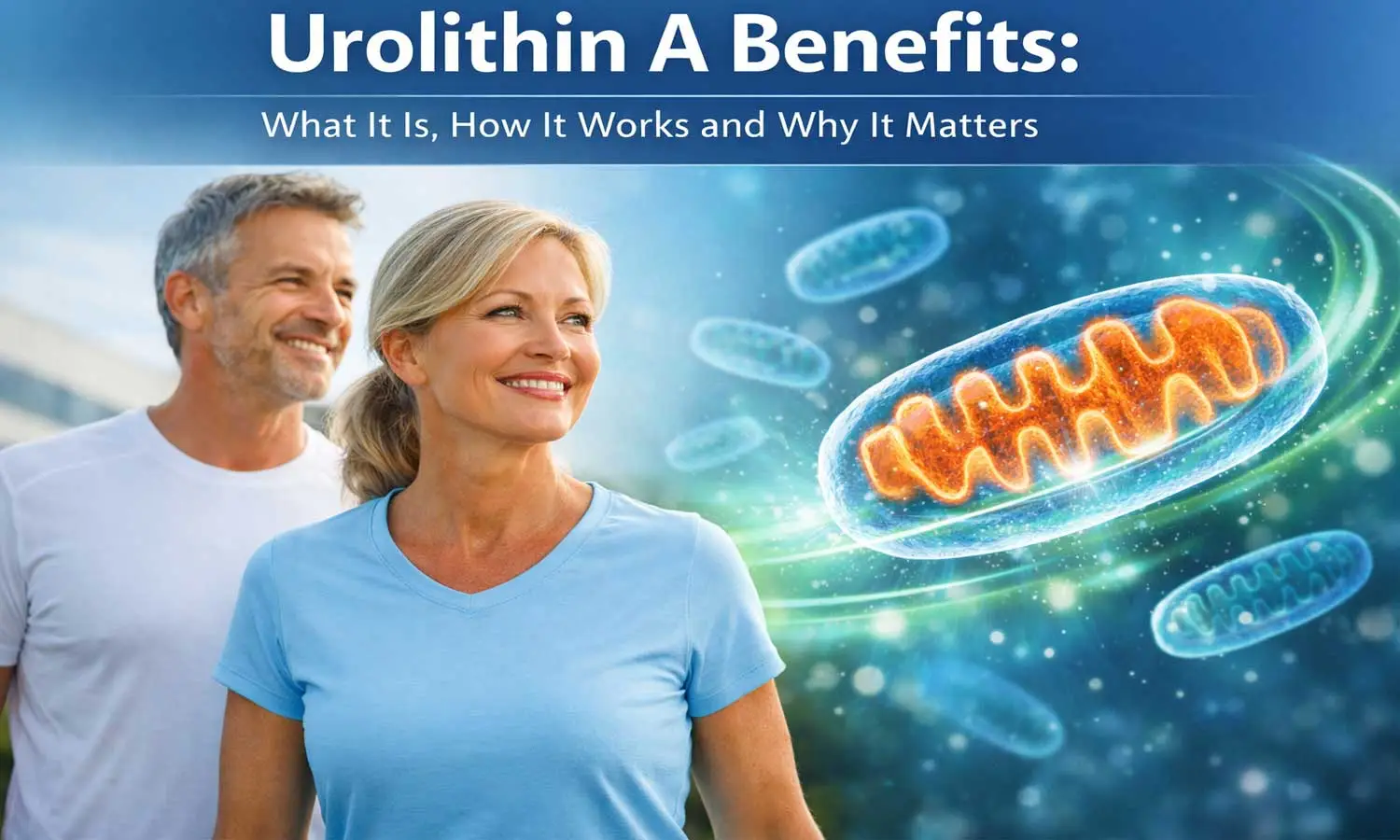
At the core of urolithin a benefits lies its interaction with mitochondrial function—specifically, its ability to support a process known as mitophagy.
Mitochondria are often referred to as the “powerhouses” of the cell, responsible for generating the energy required for virtually all biological activities. Over time, however, these structures can become damaged or less efficient. The accumulation of dysfunctional mitochondria is associated with aging, reduced energy levels, and a decline in cellular performance.
This is where urolithin a mechanism of action becomes particularly relevant. Research suggests that urolithin A can help activate mitophagy, the body’s natural system for identifying and removing damaged mitochondria. By facilitating this process, urolithin A may contribute to the renewal of healthier mitochondrial populations within cells.
Understanding how urolithin a works requires looking at the broader context of cellular maintenance. Rather than acting as a stimulant or quick energy booster, Urolithin A operates at a foundational level—supporting the body’s ability to maintain and optimize its own energy-producing systems.
This distinction is important for both product positioning and formulation. Ingredients that target mitochondrial function supplements are increasingly valued not for immediate effects, but for their potential to support long-term cellular resilience.
In practical terms, this mechanism has implications across multiple areas, including aging, physical performance, and metabolic health. As interest in mitophagy activation supplements continues to expand, Urolithin A stands out as one of the few compounds with a clearly defined biological pathway linked to this process.
Key Urolithin A Benefits Backed by Research
The growing interest in urolithin a benefits is largely driven by its potential to influence several interconnected aspects of health. While research is ongoing, current findings point to a range of applications that are particularly relevant for modern nutraceutical development.
Mitochondrial Health Support
One of the most widely discussed urolithin a mitochondrial health benefits is its role in supporting mitochondrial renewal. By promoting mitophagy, urolithin A may help maintain a healthier population of mitochondria, which is essential for efficient energy production.
For consumers, this translates into a more fundamental form of support compared to traditional cellular energy supplements. Rather than temporarily boosting energy levels, Urolithin A targets the underlying systems responsible for energy generation.
Anti-Aging and Longevity
The connection between mitochondrial function and aging has positioned Urolithin A as a promising anti-aging ingredient. As mitochondrial efficiency declines with age, the ability to restore or maintain function becomes increasingly important.
This is why urolithin a anti aging applications are frequently associated with longevity supplements. By supporting cellular renewal processes, Urolithin A aligns with a broader category of healthy aging ingredients focused on long-term wellness rather than short-term effects.
Muscle Function and Physical Performance
Emerging research has also explored the impact of Urolithin A on muscle health. Mitochondria play a critical role in muscle function, particularly in endurance and recovery.
As a result, urolithin a muscle health benefits are of growing interest in both clinical and sports nutrition contexts. Ingredients that support mitochondrial efficiency may contribute to improved muscle performance, especially in aging populations.
For product developers, this opens opportunities to position urolithin A as a sports nutrition ingredient that bridges the gap between performance and longevity.
Energy and Cellular Vitality
At a broader level, many of the observed effects of urolithin A relate to overall cellular vitality. By supporting mitochondrial quality, the compound may contribute to improved energy metabolism and reduced cellular fatigue.
This is often reflected in discussions around urolithin a energy support and its role as a cellular vitality supplement. While not a stimulant, its mechanism offers a more sustainable approach to energy management.
Across these categories, the appeal of urolithin A lies in its ability to address multiple aspects of health through a unified biological pathway. This makes it particularly attractive for brands seeking to develop products that combine scientific credibility with clear functional benefits.
Clinical Research on Urolithin A: What Studies Show
Urolithin A has attracted significant scientific attention, particularly in the context of mitochondrial health and aging. While early research began with cellular and animal models, more recent work has expanded into urolithin a clinical studies involving human subjects, providing a stronger foundation for its application in nutraceutical products.
Several urolithin a human trials have focused on its effects on mitochondrial function and muscle health. These studies suggest that supplementation may support improvements in muscle endurance and cellular energy metabolism, particularly in aging populations. Although outcomes can vary depending on study design and dosage, the consistency of findings across multiple investigations has strengthened confidence in the compound’s potential.
From a formulation and sourcing perspective, the presence of clinical evidence of urolithin a is particularly important. It allows brands to position their products within a scientifically supported framework, rather than relying solely on general wellness claims.
At the same time, it is important to approach the research landscape with nuance. Not all urolithin a research is equal in quality or relevance. Differences in dosage, bioavailability, and study populations can influence results. For this reason, product developers should consider not only whether studies exist, but how closely those studies align with their intended applications.
Ultimately, the growing body of urolithin a evidence reinforces its position as a serious ingredient within the evolving field of longevity science.
Applications of Urolithin A in Dietary Supplements
As research progresses, urolithin A supplement applications have expanded across multiple categories within the nutraceutical industry. Today, it is commonly used in products targeting healthy aging, energy support, and muscle function.
From a formulation standpoint, urolithin a powder is typically incorporated into:
•Capsules and tablets for standardized dosing
•Functional powders and drink mixes
•Combination formulations with other longevity-focused ingredients
The flexibility of urolithin a dietary supplement ingredient makes it suitable for a wide range of product concepts. However, effective application requires attention to factors such as dosage, stability, and compatibility with other actives.
For example, when designing urolithin a capsules dosage, developers must consider not only the target intake level but also the purity and consistency of the raw material. Variations in urolithin a powder bulk quality can directly affect formulation performance and final product positioning.
This is where supplier selection becomes increasingly relevant. A reliable urolithin a ingredient supplier can provide not only consistent material, but also technical insights that support product development.
In practice, the most successful formulations are those that integrate scientific understanding with practical considerations—ensuring that the benefits observed in research can be translated into real-world applications.
Urolithin A vs Other Longevity Ingredients
As interest in longevity-focused products grows, urolithin A is often compared with other well-known ingredients such as NMN, resveratrol, and PQQ. Each of these compounds targets different aspects of cellular health, and understanding these distinctions is important for both positioning and formulation.
In discussions around urolithin a vs nmn, the key difference lies in their mechanisms. NMN is primarily associated with NAD+ metabolism, while Urolithin A focuses on mitochondrial quality control through mitophagy. These mechanisms are complementary rather than directly competitive.
Similarly, comparisons such as urolithin a vs resveratrol highlight differences in biological pathways. Resveratrol is often linked to antioxidant activity and sirtuin activation, whereas Urolithin A operates through mitochondrial renewal processes.
When evaluating longevity ingredients comparison, it becomes clear that urolithin A occupies a unique position. Rather than acting as a general antioxidant or metabolic booster, it targets a specific and well-defined cellular process.
For brands, this distinction provides an opportunity to develop differentiated products. Instead of viewing these ingredients as substitutes, many formulations now combine them to create multi-pathway approaches to healthy aging.
Choosing High-Quality Urolithin A Powder for Supplements
As the market for urolithin A powder continues to expand, quality differentiation has become increasingly important. Not all materials available on the market meet the standards required for professional nutraceutical applications.
When evaluating high quality urolithin a powder, several factors should be considered:
•Purity level, typically urolithin a 98% powder or higher
•Availability of detailed urolithin a COA documentation
•Consistency across production batches
•Transparency in testing methods and specifications
For brands working with bulk urolithin a powder, these factors are directly linked to product reliability and regulatory acceptance. Inconsistent raw materials can lead to formulation challenges, failed testing, or delays in market entry.
Equally important is the reliability of the urolithin a powder supplier. A qualified partner should be able to provide not only material, but also documentation, testing support, and supply stability.
At CHEN LANG BIO TECH, we focus on delivering high purity urolithin a powder supported by batch-specific COA and third-party verification. With stable production capacity and consistent supply, we support brands seeking a reliable urolithin a manufacturer for long-term collaboration.
Why Urolithin A Matters for the Future of Nutraceuticals
The growing interest in urolithin A reflects a broader shift within the nutraceutical industry. Rather than focusing solely on symptomatic relief or short-term benefits, the market is increasingly oriented toward ingredients that support underlying biological systems.
In this context, urolithin A represents a new generation of mitophagy supplements—products designed to enhance cellular maintenance and resilience. This aligns with emerging trends in longevity supplements and next generation nutraceutical ingredients, where scientific validation and mechanism-driven benefits are becoming key differentiators.
Market data and industry developments suggest that urolithin a market trends will continue to evolve as more research becomes available and consumer awareness increases. For brands, early adoption of such ingredients can provide a competitive advantage in a rapidly changing landscape.
More importantly, the relevance of urolithin A extends beyond a single product category. Its mechanism-based approach reflects a deeper understanding of how targeted nutritional interventions can support long-term health.
Conclusion
The story of urolithin A is ultimately one of translation—from complex biological mechanisms to practical applications in modern health products.
From its role in mitophagy and mitochondrial function to its growing presence in dietary supplement applications, it has established itself as a scientifically grounded ingredient with broad potential across longevity, energy, and muscle health formulations.
For product developers and procurement teams, understanding urolithin a benefits is only part of the equation. Equally important is ensuring that the selected raw material delivers consistent quality, verified specifications, and long-term supply reliability.
As demand for urolithin a powder bulk continues to grow, sourcing decisions increasingly shape not only product performance but also brand credibility in competitive markets.
For teams evaluating urolithin a powder suppliers, it is often useful to work directly with manufacturers who can provide transparent documentation, stable production capacity, and technical insight into formulation applications.
CHEN LANG BIO TECH works with partners across the nutraceutical and supplement industry, supporting projects with high-purity urolithin A powder, batch-level documentation, and consistent supply.
For technical details, COA samples, or formulation-related questions, you can reach our team at:
Email: admin@chenlangbio.com
Website: www.chenlangbio.com

Send Inquiry
Related Industry Knowledge
- Marine Fish Oligopeptide Powder: Sources, Applications, and Quality Standards
- Where to Buy Minoxidil Powder in Bulk?
- Sialic Acid for Skincare Functions, Formulation Value, and Manufacturing Considerations
- How Does β-NMN Rrelate to NAD+ and Aging?
- How Does Centella Asiatica Work?
- Top Benefits of Tart Cherry Extract Powder
- How to Give Praziquantel Powder to a Cat
- What Does Madecassoside Do for Skin
- Chrysin Benefits
- What is Phenylethyl Resorcinol in Skin Care