
Spermidine vs Urolithin A: Key Differences, Benefits and Supplement Applications
2026-04-30 20:10:18
What Is Spermidine?
Spermidine is a naturally occurring polyamine found in all living cells, where it plays a role in maintaining normal cellular structure and function. For those exploring what is spermidine, it is best understood as a small molecular compound involved in fundamental biological processes rather than a single-purpose ingredient.
In terms of sourcing, spermidine can be obtained from dietary materials such as wheat germ, soy derivatives, and other plant-based sources. However, the concentration in these spermidine natural sources is typically low and can vary depending on origin and processing conditions. For this reason, natural extracts are often standardized at specific levels, but they may still present variability in composition.
From an industrial perspective, spermidine is more commonly used as a spermidine supplement ingredient in its standardized form. Materials such as spermidine trihydrochloride are widely adopted because they offer defined purity, improved stability, and better compatibility with manufacturing processes. This makes them suitable as a spermidine raw material for companies developing products at scale.
For buyers and formulators, working with a reliable spermidine ingredient supplier is essential. Consistent specifications, validated analytical data, and scalable production capabilities all play a role in ensuring that the material performs reliably in finished products.
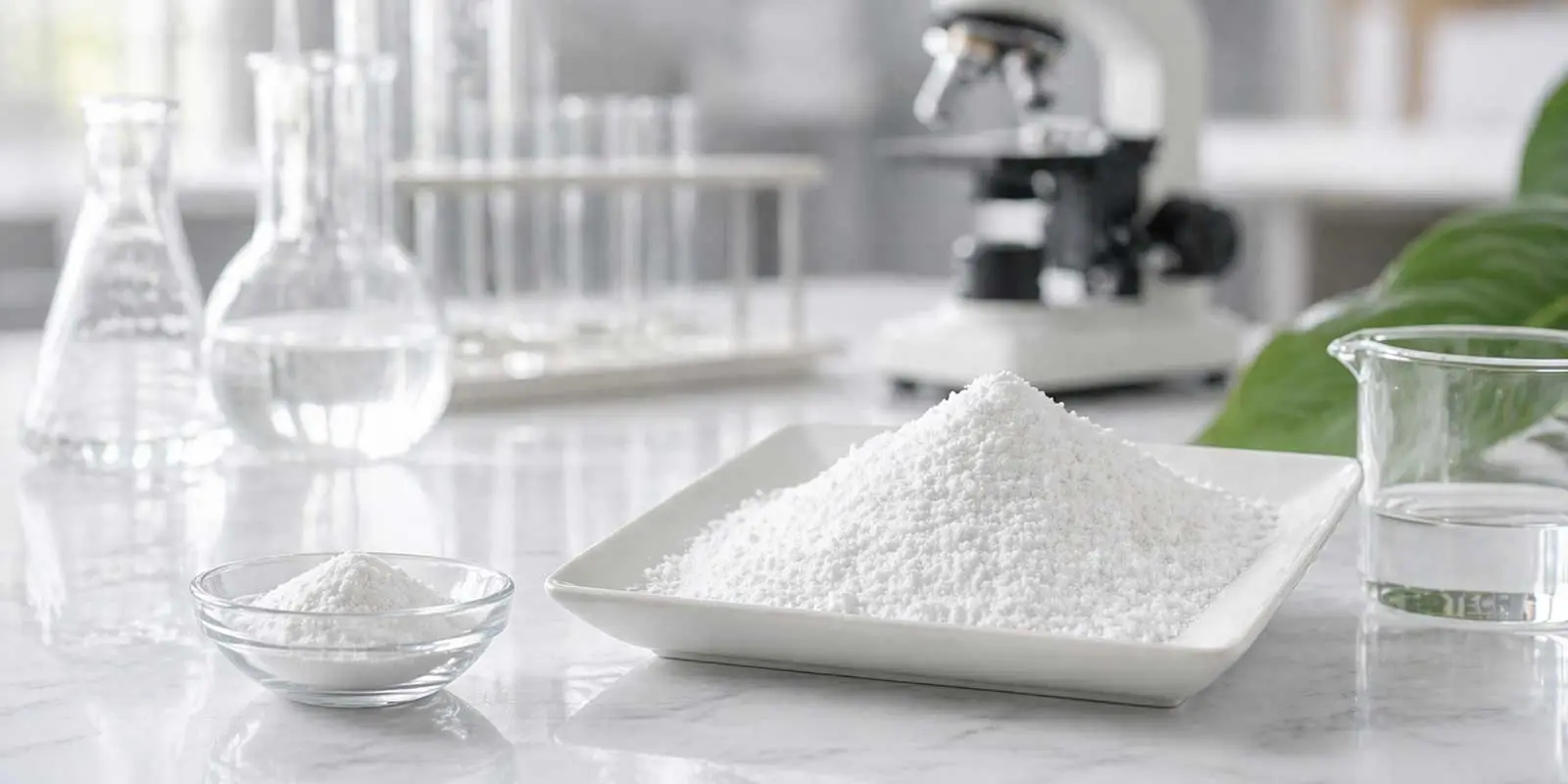
What Is Urolithin A?
Urolithin A is a compound generated through the metabolism of certain dietary components by gut microbiota. For readers asking what is urolithin A, it is typically described as a metabolite derived from ellagitannins, which are present in foods such as pomegranates and berries.
In commercial applications, Urolithin A is produced through controlled processes to ensure consistency and purity. It is commonly positioned as a urolithin A supplement ingredient, particularly in formulations focused on cellular and metabolic pathways.
When discussing urolithin A benefits, it is important to maintain a research-based perspective. Much of the current understanding comes from laboratory and controlled studies, and interpretations should be aligned with scientific context rather than generalized conclusions.
From a sourcing standpoint, Urolithin A is considered a specialized urolithin A ingredient, often associated with higher production complexity. For manufacturers, this can influence both cost and supply considerations, particularly when evaluating long-term procurement strategies.
Spermidine vs Urolithin A: Key Differences Explained
Spermidine and Urolithin A are both discussed in the context of modern supplement development, but they differ significantly in origin, production, and practical application. Understanding the difference between spermidine and urolithin A is essential for manufacturers evaluating ingredient suitability.
From a sourcing perspective, spermidine—especially in standardized forms such as spermidine trihydrochloride—is produced through controlled processes that allow for consistent purity and scalable supply. Urolithin A, by contrast, is derived from metabolic pathways and requires more complex production methods to achieve industrial-grade material.
In formulation and manufacturing environments, these differences become more pronounced. When comparing spermidine vs urolithin A, factors such as stability, concentration, and batch consistency often have a greater impact than theoretical mechanisms.
Key Comparison: Spermidine vs Urolithin A
|
Factor |
Spermidine (Trihydrochloride) |
Urolithin A |
|
Origin |
Naturally occurring polyamine, industrially standardized |
Metabolite derived from ellagitannins (via gut microbiota) |
|
Raw Material Form |
Spermidine trihydrochloride (high purity standardized compound) |
Purified compound via complex synthesis or biotransformation |
|
Typical Purity |
≥98%–99% |
Typically high purity but dependent on process |
|
Production Complexity |
Relatively scalable and well-established |
More complex and cost-intensive production |
|
Stability |
High stability under standard manufacturing conditions |
Stability depends on formulation and storage conditions |
|
Batch Consistency |
Highly consistent across production batches |
May vary depending on process and supplier |
|
Formulation Efficiency |
High (low dosage input due to concentration) |
Moderate (depends on formulation design) |
|
Supply Chain |
Established spermidine bulk supplier network |
More limited supplier base |
|
Cost Structure |
Generally more predictable in bulk |
Often higher due to production complexity |
|
Application Focus |
Widely used as spermidine supplement ingredient |
Used in specialized supplement formulations |
Practical Implications for Buyers and Manufacturers
For procurement teams and product developers, the comparison of urolithin A vs spermidine is not simply a scientific discussion—it is a practical decision tied to formulation efficiency and supply reliability.
Spermidine, particularly in its trihydrochloride form, offers advantages in terms of scalability, stability, and cost predictability. These characteristics make it easier to integrate into large-scale production while maintaining consistent quality.
Urolithin A remains relevant for certain product concepts, especially where its specific research positioning is required. However, its production complexity and supply considerations can influence how it is used in commercial formulations.
In practice, manufacturers tend to evaluate both ingredients based on how well they align with production requirements, rather than treating them as directly interchangeable options.
Benefits Comparison
When comparing functional ingredients, benefit discussions are often used as an initial reference point. However, evaluating spermidine benefits and urolithin A benefits requires a research-based perspective rather than simplified or absolute conclusions.
In practice, these compounds are studied in different biological contexts, and their relevance in product development depends on formulation goals, positioning, and target markets.
Spermidine Benefits
In scientific research, spermidine is frequently associated with cellular maintenance processes. Studies exploring spermidine benefits often examine its role in pathways related to internal cellular regulation, particularly in the context of cellular health supplements.
A key area of interest is its connection to autophagy-related processes, where cells manage and recycle internal components. While this research is ongoing and primarily conducted under controlled conditions, it has contributed to increased attention toward spermidine as a functional ingredient.
From a formulation standpoint, spermidine is often selected for products positioned around long-term cellular maintenance and general wellness support. Its compatibility with standardized forms such as spermidine trihydrochloride also makes it suitable for scalable manufacturing.
Urolithin A Benefits
Urolithin A is typically discussed in relation to mitochondrial function. Research into urolithin A benefits often focuses on cellular energy pathways, where mitochondrial activity plays a central role.
Studies examining longevity mechanism pathways frequently include Urolithin A in the context of metabolic processes and cellular energy systems. As with spermidine, these findings are primarily derived from laboratory and controlled studies, and should be interpreted within a scientific framework.
In product development, Urolithin A is often used in formulations that emphasize energy-related cellular processes. Its positioning may differ depending on market focus and target audience.
How to Interpret These Benefits in Product Development
For manufacturers and formulators, a longevity supplements comparison is less about determining which ingredient is superior, and more about understanding how each aligns with specific product objectives.
Rather than relying solely on benefit claims, experienced buyers consider how an ingredient performs in formulation, how stable it is during production, and how reliably it can be sourced. These factors often have a greater impact on final product quality than theoretical comparisons.
In practice, benefit analysis is most useful when combined with technical considerations such as stability, dosage efficiency, and supply consistency—especially in large-scale manufacturing environments.
Supplement Applications and Formulation Differences
In practical product development, the choice between ingredients is often determined by how effectively they can be integrated into a formulation. When comparing spermidine supplement ingredient and urolithin A supplement ingredient, formulation efficiency becomes a key consideration.
Spermidine, particularly in the form of spermidine trihydrochloride powder, is widely used due to its consistent composition and ease of handling. Its stability allows it to be incorporated into capsules, tablets, and powder blends without significant modification to standard manufacturing processes.
Urolithin A can also be formulated in similar delivery formats, but depending on the product design, it may require more controlled conditions to maintain stability. This can influence formulation strategies, especially for products intended for long shelf life or global distribution.
For teams selecting a supplement formulation ingredient, these differences translate into practical decisions. Ingredients that offer predictable behavior during blending, encapsulation, and storage tend to reduce production variability and improve overall efficiency.
In large-scale manufacturing environments, this level of consistency is often prioritized over theoretical comparisons, as it directly impacts production timelines and product quality.

Stability and Manufacturing Considerations
Stability is one of the most critical parameters in raw material selection. When evaluating spermidine stability and urolithin A stability, differences in chemical structure and production methods can influence how each ingredient performs under real-world conditions.
Spermidine trihydrochloride is generally valued for its stability within standard manufacturing environments. It maintains its integrity under typical storage and processing conditions, which simplifies production and reduces the risk of degradation.
Urolithin A, while suitable for many applications, may require more careful handling depending on formulation and environmental factors. This can affect both shelf life and consistency, particularly in large-scale production settings.
For companies involved in supplement manufacturing, stable raw materials are essential for maintaining consistent output. Variability at the raw material level can lead to challenges in quality control and increase the need for process adjustments.
From a broader perspective, evaluating raw material stability is not only a technical consideration—it is also a strategic one. Materials that perform reliably across different production conditions enable manufacturers to scale more efficiently.
Cost and Supply Chain Comparison
For procurement teams, cost and supply chain stability are often decisive factors. When comparing spermidine price and urolithin A price, it is important to look beyond initial quotations and consider long-term sourcing implications.
Spermidine, particularly in standardized forms such as spermidine trihydrochloride bulk, is typically supported by a more established production infrastructure. This contributes to relatively stable pricing and consistent availability, especially for bulk orders.
In contrast, Urolithin A production can involve more complex processes, which may influence both cost and scalability. As a result, sourcing urolithin A supplier options may require closer evaluation of production capability and lead times.
From a purchasing perspective, working with a reliable spermidine bulk supplier provides advantages in both cost predictability and supply continuity. This is particularly important for companies planning long-term product lines or scaling production across multiple markets.
Ultimately, experienced buyers tend to evaluate total value rather than unit price alone. This includes consistency, supply reliability, and the ability to maintain specifications over time—factors that often have a greater impact on overall production efficiency.
Why Spermidine Trihydrochloride Is Widely Used in Manufacturing
Once products move beyond early development and into scale, the advantages of standardized materials become much more visible.
For many manufacturers, spermidine trihydrochloride is not just a chemical form—it is a practical solution to several common production challenges. Its defined composition allows for precise dosing, and its stability supports consistent performance across batches.
In addition, access to high purity spermidine—typically in the ≥98–99% range—makes it easier to control formulation outcomes. This is particularly important for companies working under strict quality systems or targeting international markets.
From a production standpoint, working with an experienced spermidine manufacturer also plays a key role. Suppliers that understand scale-up, quality control, and regulatory expectations can help ensure that materials perform consistently from development through to full production.
At CHEN LANG BIO TECH, long-term experience in small-molecule design and manufacturing allows projects to move efficiently from early-stage concept to bulk production. With integrated capabilities—from route development to GMP-aligned manufacturing—materials such as spermidine trihydrochloride can be delivered with a high degree of consistency across different scales.
For buyers, this kind of reliability is often what determines whether an ingredient can support long-term product development, rather than just short-term formulation.
How to Choose Between Spermidine and Urolithin A
When it comes to choosing between these two ingredients, most experienced teams don’t start with “which is better.” The more practical question is: which one fits the product you are trying to build.
For companies evaluating spermidine vs urolithin A which to choose, the decision usually comes down to three factors—formulation practicality, supply reliability, and long-term scalability.
If the priority is formulation efficiency and consistent performance, spermidine—especially in standardized forms—tends to be easier to work with. It integrates well into common dosage forms and does not introduce significant complexity into the production process.
On the other hand, Urolithin A may be selected in cases where its specific research positioning aligns with a product concept. In those situations, formulation design is often adjusted accordingly to accommodate the material.
From a sourcing perspective, supplement ingredient selection is rarely a short-term decision. Companies planning to scale production generally prioritize ingredients that can be sourced consistently over time, with stable specifications and predictable supply.
In practice, many procurement teams look beyond individual ingredient trends and focus on how well a material supports manufacturing, quality control, and long-term product development.
FAQ About Spermidine vs Urolithin A
Which ingredient is more suitable for large-scale production?
From a manufacturing standpoint, spermidine trihydrochloride is often easier to scale due to its stability and well-defined specifications. It typically requires fewer adjustments during production, which can improve consistency across batches.
Is there a significant difference in sourcing availability?
Yes, supply structure can differ. A spermidine bulk supplier network is generally more established, which helps ensure consistent availability. Urolithin A supply may depend more on specific production capabilities and supplier capacity.
How do buyers compare spermidine and urolithin A in practice?
When evaluating urolithin A vs spermidine, buyers usually consider how each ingredient performs in formulation, how stable it is during processing, and how reliably it can be sourced. These factors often matter more than theoretical comparisons.
Which ingredient offers better cost efficiency in formulation?
Cost efficiency is not only about raw material price. While spermidine price and Urolithin A pricing can vary, formulation efficiency—such as required dosage and stability—often has a greater impact on overall production cost.
Are both ingredients suitable for supplement applications?
Both can be used in supplements, but their roles may differ depending on product design. In many cases, spermidine supplement ingredient applications focus on formulation flexibility, while Urolithin A may be used in more targeted product concepts.
Conclusion: Ingredient Selection Is a Practical Decision
Comparisons such as spermidine vs urolithin A are useful, but they rarely lead to a single universal answer. Each ingredient is studied within a different scientific context, and each serves a different role in product development.
For manufacturers, the decision is ultimately practical. It depends on how the ingredient behaves in formulation, how stable it is during production, and how reliably it can be sourced at scale.
Standardized materials such as spermidine trihydrochloride are often chosen because they offer a balance of consistency, scalability, and ease of integration into manufacturing processes. These factors become increasingly important as products move from concept to large-scale production.
Rather than focusing solely on research positioning, most experienced teams evaluate ingredients based on how well they support long-term product quality and supply stability.
Contact for Technical Support and Bulk Supply
For teams exploring sourcing options or planning to buy spermidine trihydrochloride, discussing specifications and production requirements early can help avoid delays later in development.
If you need more detailed information, such as:
Product specifications and COA
Analytical data (HPLC, NMR)
Sample availability for evaluation
spermidine trihydrochloride bulk supply options
You can reach out to CHEN LANG BIO TECH for further discussion.
📧 Email: admin@chenlangbio.com
🌐 Website: www.chenlangbio.com
💬 WhatsApp / WeChat: +86-17782478823

Send Inquiry
Related Industry Knowledge
- The Benefits of Beta Ecdysterone for Muscle Growth and Performance
- L-Carnosine: A Key Ingredient in Diabetes and Metabolic Health Support
- What is the Difference between Chondroitin Sulfate and Glucosamine?
- How Effective is Glabridin Powder for Hyperpigmentation
- Is Tetrahydrocurcumin Safe for the Skin
- Are Camellia Oleifera and Camellia Japonica Seed Oil the Same
- Quaternium-73 for Acne
- Deoxyarbutin Manufacturer for Skin
- What is Different Between Low Molecular and High Molecular Hyaluronic Acid Powder
- Which is better Ashwagandha root or Ashwagandha Extract Withanolides