
Safety and Quality Considerations of Pyrroloquinoline Quinone (PQQ)
2026-01-21 15:15:21
What Is Pyrroloquinoline Quinone (PQQ)?
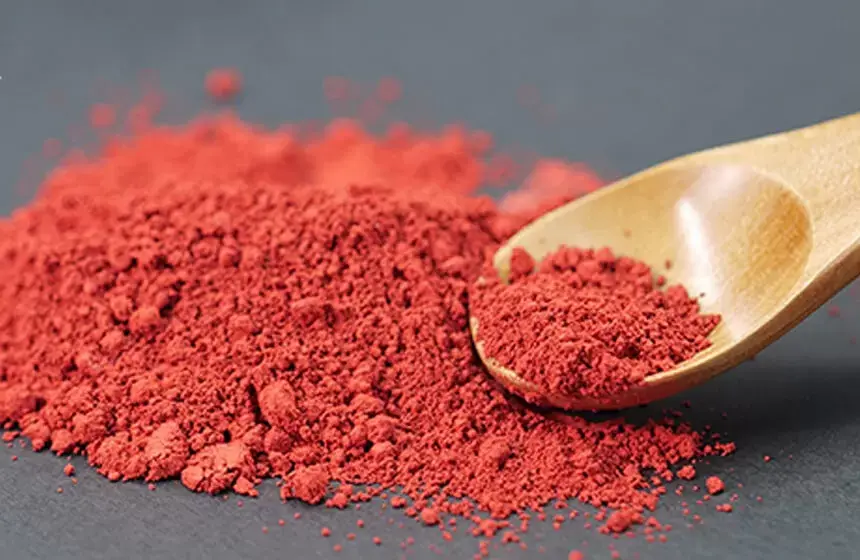
Pyrroloquinoline quinone (PQQ) is a redox-active organic compound that has attracted sustained interest in scientific research and ingredient development over the past several decades. Structurally, PQQ is classified as a quinone derivative, characterized by its ability to participate in oxidation–reduction reactions. This chemical property has made it a subject of study in various biological, biochemical, and material science contexts.
From an industry standpoint, PQQ is primarily viewed as a functional ingredient and research compound, rather than a finished consumer product. It is produced and supplied as a raw material for use in formulation development, experimental research, and ingredient innovation. Manufacturers and buyers typically evaluate PQQ based on its chemical identity, purity profile, stability, and reproducibility across production batches.
In contrast to consumer-facing descriptions that focus on outcomes or perceived effects, professional discussions around PQQ emphasize material characteristics and quality attributes. These include molecular consistency, impurity control, analytical verification, and compliance with applicable standards. Understanding PQQ at this fundamental level provides the foundation for any subsequent discussion of safety and quality considerations.
Why Safety and Quality Matter for PQQ Ingredients
In the ingredient and supplement industry, safety and quality are not abstract concepts; they are operational requirements that determine whether a raw material can be reliably integrated into manufacturing processes. For compounds such as PQQ, which are studied for their functional properties, these considerations become especially important.
Discussions around pyrroloquinoline quinone safety are often influenced by how the ingredient is sourced, processed, and tested. While consumer searches frequently focus on questions related to benefits or potential side effects, manufacturers and buyers approach safety from a different perspective. Rather than asking whether an ingredient is “good” or “bad,” industry professionals assess whether it meets defined specifications and whether potential risks are adequately controlled through quality systems.
In this context, references to pyrroloquinoline quinone side effects are generally addressed through structured safety assessments rather than anecdotal reports. These assessments may include toxicological evaluations, impurity analysis, and stability studies. Importantly, safety considerations at the ingredient level are closely tied to quality management practices. Poor quality control can introduce variability that complicates safety evaluations, whereas consistent manufacturing supports predictable and assessable outcomes.
For this reason, safety and quality are inseparable topics when discussing PQQ as an ingredient. A well-defined quality framework not only supports regulatory compliance but also underpins confidence throughout the supply chain.
Reported Functional Properties in Scientific Research
Pyrroloquinoline quinone has been the subject of numerous scientific publications exploring its functional properties. In academic literature, researchers have examined PQQ in relation to oxidative processes, cellular signaling pathways, and biochemical interactions. These studies often use controlled experimental models to investigate how PQQ behaves under specific conditions.
It is important to emphasize that reported findings in scientific research should be understood within their proper context. When literature discusses pyrroloquinoline quinone benefits, these observations are typically presented as research outcomes rather than as direct health claims. For manufacturers and formulators, such findings provide insight into why PQQ may be of interest as a functional ingredient, but they do not replace the need for rigorous quality evaluation.
From an industry perspective, research findings serve as background information that informs ingredient selection and formulation strategies. They help explain why PQQ continues to attract attention in product development, but they do not define how an ingredient should be used or marketed. Responsible manufacturers distinguish clearly between scientific exploration and commercial application, ensuring that research insights are integrated appropriately into quality-driven decision-making processes.
Quality Control Factors That Influence PQQ Safety
Quality control plays a central role in determining both the safety and suitability of PQQ as an ingredient. Several key factors are routinely evaluated by manufacturers and buyers when assessing PQQ quality.
Raw Material Source and Consistency
The quality of PQQ begins with its raw material source. Consistent sourcing is essential to minimize variability in the final product. Manufacturers typically establish defined criteria for raw materials to ensure that each production batch begins with inputs that meet established standards. Variability at this early stage can propagate throughout the production process, making downstream quality control more challenging.
Purity and Impurity Profile
Purity is one of the most closely monitored parameters for PQQ. Analytical methods such as high-performance liquid chromatography (HPLC) are commonly used to confirm identity and quantify purity levels. In addition to overall purity, impurity profiles are carefully evaluated. Trace impurities, if not controlled, can affect both safety assessments and formulation performance.
Analytical Verification
Reliable analytical testing provides objective confirmation that PQQ meets its specified criteria. Routine testing ensures that each batch aligns with predefined specifications and supports documentation such as Certificates of Analysis (COA). From a buyer’s perspective, transparent analytical data is a critical component of supplier evaluation.
Batch-to-Batch Reproducibility
Consistency across batches is a defining characteristic of high-quality ingredient supply. For PQQ, reproducibility supports predictable performance in downstream applications and simplifies quality assurance processes. Manufacturers invest in standardized procedures and controlled processing environments to achieve this level of consistency.
Manufacturing and Processing Considerations
Manufacturing practices have a direct influence on the quality and safety profile of pyrroloquinoline quinone. Although specific production methods may vary among suppliers, industry best practices emphasize control, traceability, and validation at each stage of processing.
Controlled processing conditions help preserve the chemical integrity of PQQ while minimizing the formation of unwanted byproducts. Parameters such as temperature, reaction conditions, and purification steps are carefully monitored to ensure consistency. Well-documented manufacturing protocols also support traceability, allowing manufacturers to link finished batches back to specific production runs and raw material lots.
From a quality perspective, robust manufacturing systems reduce variability and support compliance with relevant standards. For buyers, understanding how PQQ is manufactured provides additional assurance that the ingredient has been produced under conditions appropriate for professional use.
Regulatory and Compliance Perspective
Regulatory considerations are an essential aspect of evaluating PQQ safety and quality. Requirements vary across regions and markets, reflecting differences in regulatory frameworks and intended applications. Manufacturers and buyers must therefore approach compliance as an ongoing process rather than a one-time checklist.
In general, regulatory discussions around PQQ focus on documentation, safety data, and quality systems rather than consumer-facing claims. Compliance involves ensuring that production processes meet applicable standards, that testing protocols are properly validated, and that supporting documentation is available upon request.
By maintaining a proactive approach to compliance, suppliers help facilitate smoother communication with customers and regulatory authorities. This approach also reinforces confidence in the ingredient’s safety profile, as compliance is closely linked to disciplined quality management.
Intended Applications in Ingredient and Formulation Development
When industry professionals ask what pyrroloquinoline quinone is “good for,” the question is best understood in terms of intended applications rather than consumer outcomes. In formulation development, PQQ is evaluated based on its compatibility with specific product concepts and manufacturing requirements.
Manufacturers consider factors such as solubility, stability, and interaction with other ingredients when determining whether PQQ is suitable for a given application. These evaluations are conducted within the framework of formulation science and product development, not individual consumption guidance.
By framing application discussions in this way, suppliers and buyers maintain a clear distinction between ingredient functionality and end-product claims. This approach supports responsible product development and aligns with industry best practices.
How Buyers Evaluate PQQ Safety and Quality
From a procurement standpoint, evaluating PQQ involves a structured review of multiple criteria. Buyers typically assess:
♦Purity specifications and analytical data;
♦Quality control procedures;
♦Batch consistency and supply reliability;
♦Availability of documentation such as COA and technical data sheets.
These factors collectively inform purchasing decisions and supplier selection. Buyers seek partners who demonstrate transparency, consistency, and technical competence. In this context, safety is understood as the outcome of disciplined quality management rather than a standalone attribute.
Industry Perspective on PQQ Safety and Quality
Across the ingredient industry, there is broad consensus that safety and quality considerations form the foundation of responsible PQQ supply. Rather than focusing on simplified narratives, professionals emphasize systems, controls, and documentation that support consistent outcomes.
This industry perspective reflects an understanding that high-quality ingredients enable reliable product development. By prioritizing safety and quality at the raw material level, manufacturers and buyers contribute to a more robust and trustworthy supply chain.
Conclusion and Technical Inquiry
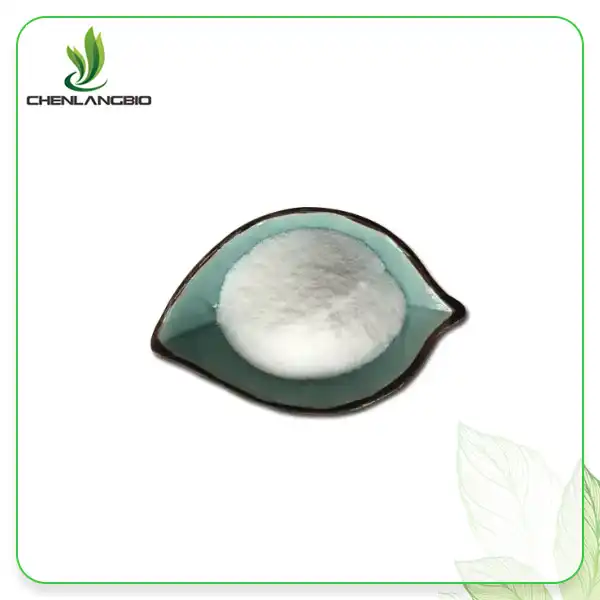
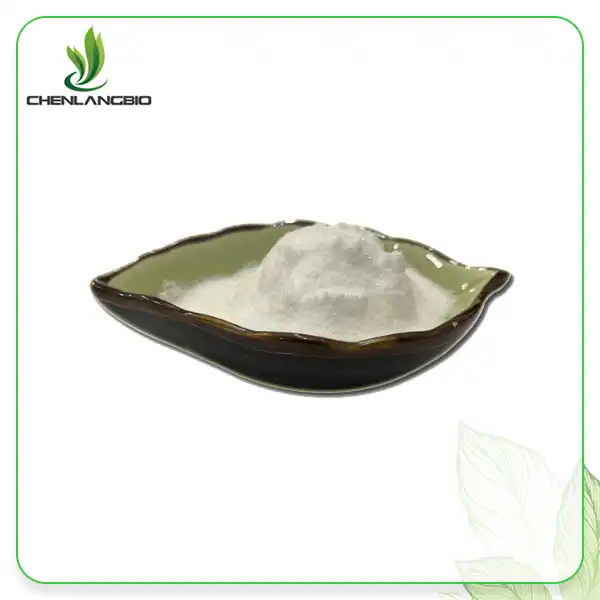
From an industry standpoint, pyrroloquinoline quinone (PQQ) powder is assessed through structured safety frameworks and quality control systems rather than through consumer-oriented claims. Factors such as raw material consistency, purity verification, analytical testing, and batch-to-batch reproducibility collectively define the suitability of PQQ for professional use in formulation development and ingredient supply.
As interest in PQQ continues across research, supplement formulation, and ingredient innovation, maintaining transparency, traceability, and rigorous quality standards remains essential for responsible sourcing. A clear focus on safety and quality not only supports regulatory alignment, but also enables manufacturers and buyers to make informed, long-term decisions.
For technical specifications, Certificates of Analysis (COA), bulk supply information, or quality documentation related to pyrroloquinoline quinone (PQQ), please contact us: Email: admin@chenlangbio.com
Our technical team will be pleased to support your evaluation and sourcing requirements.
References
Rucker, R. B., Chowanadisai, W., & Nakano, M. Potential physiological importance of pyrroloquinoline quinone. Biofactors.
Killgore, J., & Smith, L. Pyrroloquinoline quinone: biochemical properties and research perspectives. Journal of Nutritional Biochemistry.
EFSA Panel on Dietetic Products, Nutrition and Allergies. Scientific opinion on the safety of pyrroloquinoline quinone disodium salt as a novel food ingredient.
Review articles on redox-active compounds and ingredient quality control in peer-reviewed journals.

Send Inquiry
Related Industry Knowledge
- Oleuropein Powder: A Rising Star in the Botanical Extract Industry
- Can Chrysin Powder Be the Key to Better Platelet Activity?
- Are There Any Side Effects or Risks Associated with Genistein?
- How Does PQQ Work in the Body?
- What Types of Cacti Are Used for Cactus Extract Powder?
- Is It Safe to Take Alpha-GPC Every Day
- What Is Praziquantel Used for in Fish
- How Much EGCG In Lipton Green Tea?
- What is Oat Straw Extract Good for
- What Benefits of Spine Date Seed Extract Powder?