
Oyster Peptide vs Fish Peptide: Functional Benefits and Bulk Supply in Dietary Supplements
2026-05-21 18:04:01
1. Introduction – Growing Demand for Marine Peptides in Dietary Supplements
The global dietary supplements and functional foods market has seen a surge in demand for marine bioactive peptides, with both oyster peptide powder and fish peptide powder emerging as leading ingredients. Understanding the differences between oyster peptide vs fish peptide is essential for manufacturers aiming to develop products that meet consumer expectations for nutritional support, wellness, and functional benefits.
Oyster peptides are particularly valued for their low molecular weight and high amino acid content, which facilitates rapid absorption and integration into functional beverages, protein powders, and supplement formulations. In comparison, fish peptides provide a complementary profile of bioactive marine peptides and amino acids, often leveraged for antioxidant properties, muscle recovery, and general wellness applications.
When considering oyster peptide vs fish peptide, manufacturers must evaluate not only the functional benefits but also sourcing reliability, batch consistency, and supplier certifications. Partnering with a trusted wholesale peptide supplier ensures that both oyster peptides and fish peptides maintain consistent quality, verified by Certificates of Analysis (COA) and adherence to GMP, ISO, and FSSC standards. This approach allows brands to confidently integrate high-quality peptides into their dietary supplements and functional foods, ensuring both efficacy and consumer trust.
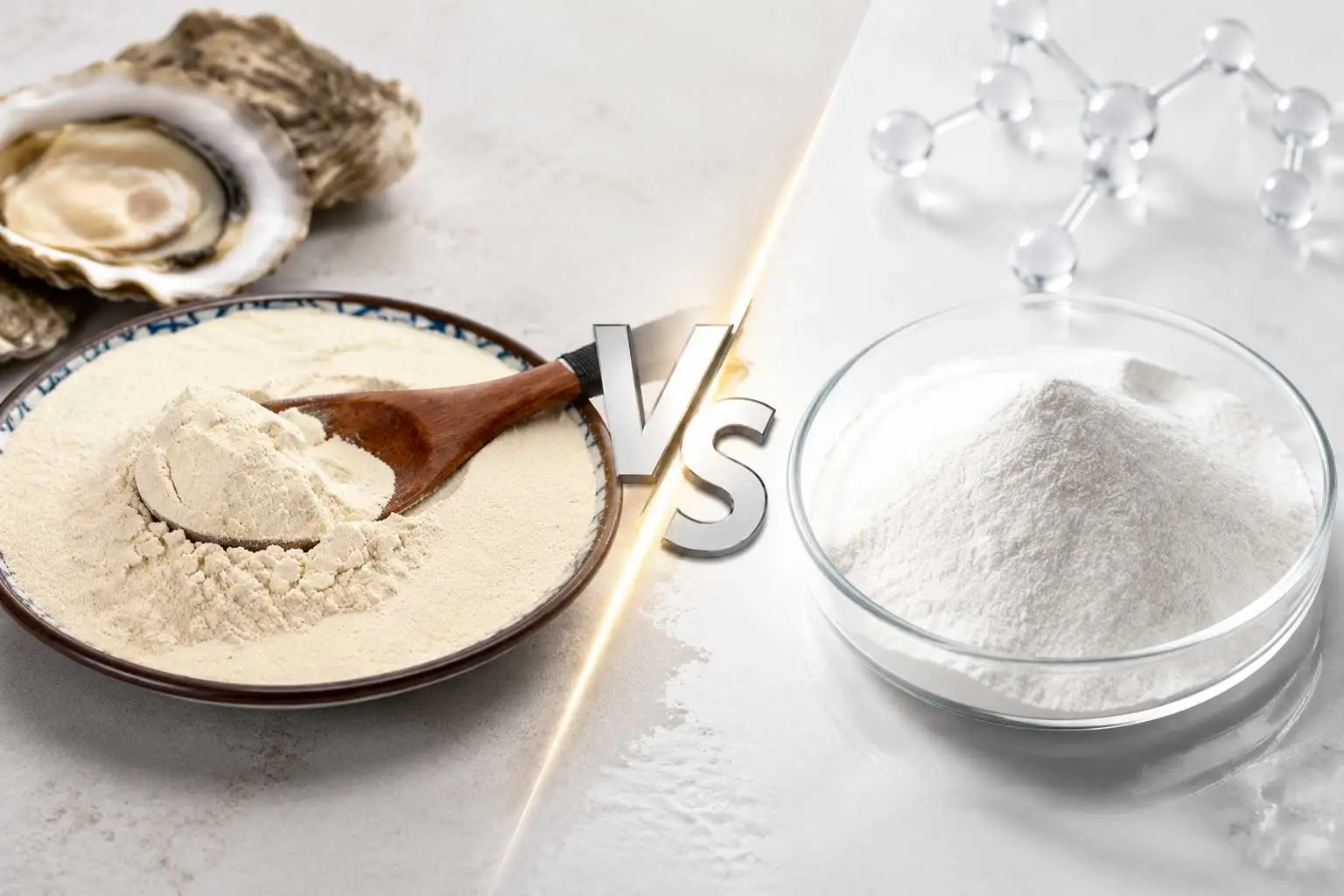
2. Understanding Oyster Peptides and Fish Peptides
Understanding the differences between oyster peptide vs fish peptide begins with a closer look at each ingredient’s origin, composition, and functional properties.
Oyster Peptides
Oyster peptide powder is produced through enzymatic hydrolysis of dried oysters, yielding low molecular weight peptides (500–2000 Da) that are highly soluble in water. These peptides are rich in marine bioactive compounds such as taurine, glycine, and glutamic acid, which contribute to general wellness, energy support, and immune maintenance in dietary supplements.
Key Functional Properties:
•Immune Support: Contains bioactive peptides that help maintain normal immune function.
•Energy and Vitality: Amino acid profile supports energy metabolism and physical performance.
•Antioxidant Potential: Offers protection against oxidative stress in functional foods and beverages.
Applications:
•Functional beverages, protein powders, supplement capsules, and powdered nutritional formulas.
•Suitable for general wellness products emphasizing energy, immunity, and bioactive support.
Fish Peptides
Fish peptide powder is derived from enzymatically hydrolyzed fish proteins, producing peptides with slightly higher molecular weight (2000–5000 Da) compared to oyster peptides. These marine bioactive peptides are also highly soluble and contain amino acids such as glycine, proline, and hydroxyproline. Fish peptides are often used for muscle recovery, antioxidant support, and structural protein supplementation.
Key Functional Properties:
•Muscle Recovery: Supports protein synthesis and post-exercise recovery in nutritional products.
•Skin, Hair, and Connective Tissue Support: Provides building blocks for collagen synthesis and connective tissue health.
•Antioxidant Activity: Contains peptides that help maintain stability and nutritional value in formulations.
Applications:
•Functional foods, dietary supplements, protein-enriched powders, capsules, and sports nutrition products.
•Ideal for products emphasizing muscle maintenance, connective tissue health, or antioxidant benefits.
By comparing oyster peptide vs fish peptide, manufacturers can select the right ingredient based on product goals. Oyster peptides are ideal for energy and immune-focused formulations, while fish peptides excel in muscle, antioxidant, and structural support applications. Selecting a high-quality peptide supplier ensures consistent bulk peptide quality, verified Certificates of Analysis (COA), and regulatory compliance, supporting reliable integration into functional foods and dietary supplements.
3. Key Differences Between Oyster Peptides and Fish Peptides
Understanding the distinctions between oyster peptide vs fish peptide is essential for manufacturers developing functional foods and dietary supplements. The table below summarizes the primary differences in molecular structure, composition, solubility, and functional focus:
|
Property |
Oyster Peptides |
Fish Peptides |
|
Molecular Weight |
500–2000 Da (low molecular weight) |
2000–5000 Da (medium molecular weight) |
|
Amino Acid Profile |
Rich in taurine, glycine, glutamic acid, and other marine bioactive peptides |
Rich in glycine, proline, hydroxyproline, and antioxidant peptides |
|
Solubility |
Highly water-soluble, neutral taste, ideal for beverages and powders |
Water-soluble, slight odor, may require blending for flavor neutrality |
|
Functional Focus |
Immune support, energy, general wellness, antioxidant potential |
Muscle recovery, connective tissue support, antioxidant activity |
|
Physical Appearance |
Fine pale yellow powder |
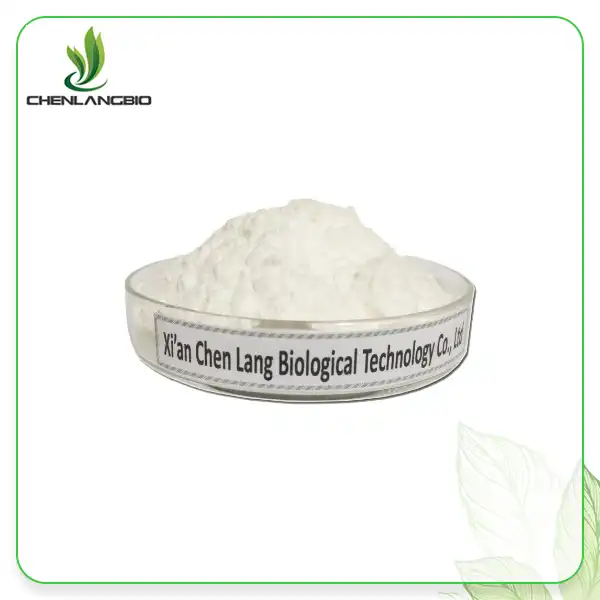
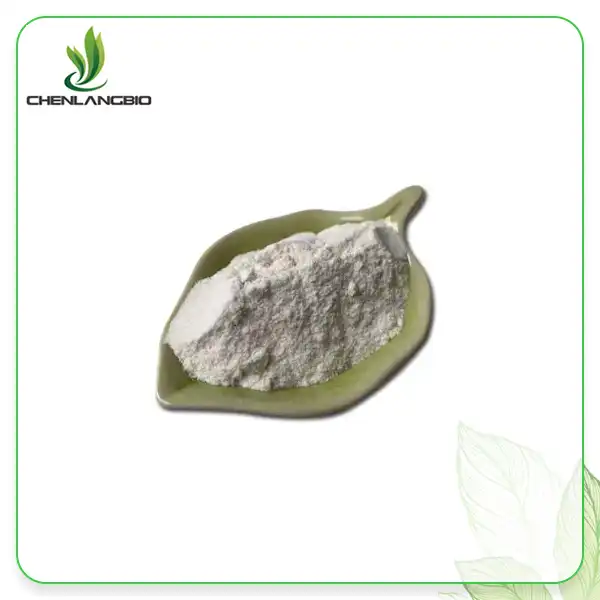
White to off-white powder |
|
Typical Applications |
Functional beverages, protein powders, supplement capsules, dietary formulas |
Protein-enriched supplements, capsules, tablets, sports nutrition powders |
|
Key Advantages |
Rapid absorption, highly versatile in functional food formulations |
Supports structural proteins, ideal for joint, skin, and muscle-focused products |
In practical applications, oyster peptides are preferred when the product aims to provide general wellness, energy support, and immune maintenance due to their low molecular weight and high solubility. Their marine bioactive peptides are readily integrated into functional foods and dietary supplements, ensuring rapid bioavailability and consistent performance.
Fish peptides, by comparison, excel in formulations targeting muscle recovery, skin health, and connective tissue support. Their amino acid profile, particularly glycine, proline, and hydroxyproline, makes them well-suited for sports nutrition, beauty supplements, and structural protein enrichment.
By analyzing oyster peptide vs fish peptide, manufacturers can make informed decisions on ingredient selection. For example, combining oyster peptides for general health support with fish peptides for structural or antioxidant benefits can create multi-functional supplements and functional foods that appeal to a broader consumer base.
4. Functional Benefits Comparison of Oyster Peptides and Fish Peptides
Comparing oyster peptide vs fish peptide highlights the unique functional properties each ingredient brings to dietary supplements and functional foods. Understanding these distinctions allows manufacturers to develop products with precise nutritional and wellness benefits.
Immune Support
Oyster peptide powder contains a rich composition of marine bioactive peptides and amino acids that contribute to immune system support in wellness-focused functional foods and supplements. Compared to fish peptides, oyster peptides provide a broader spectrum of bioactive compounds that enhance general health and vitality, making them ideal for formulations aimed at energy and immune maintenance.
Energy and Metabolic Support
Due to their low molecular weight and high solubility, oyster peptides are rapidly absorbed, supporting energy metabolism and endurance in beverages, powders, and supplement capsules. While fish peptides contain essential amino acids beneficial for recovery, their functional profile is more aligned with structural protein support, making oyster peptides the preferred choice for energy-focused products.
Skin, Hair, and Connective Tissue Support
Collagen-building amino acids in fish peptides, such as glycine, proline, and hydroxyproline, make them highly effective in supporting skin, joint, and connective tissue health. In contrast, oyster peptides contribute indirectly to skin wellness through amino acids and marine bioactive compounds. Manufacturers often combine oyster peptide vs fish peptide in formulations to create multi-functional supplements that provide both general wellness and structural support.
Antioxidant Potential
Both oyster peptide powder and fish peptide powder contain bioactive compounds with antioxidant properties, helping maintain product stability and overall nutritional efficacy. Oyster peptides are particularly noted for energy and oxidative balance, while fish peptides are valued for cellular protection and recovery applications, making both ingredients complementary in functional foods and dietary supplements.
Muscle Recovery and Protein Enrichment
Fish peptides are often incorporated into sports nutrition powders and protein supplements due to their amino acid profile that supports muscle maintenance and recovery. Oyster peptides, while more focused on immune and energy support, can still contribute to protein enrichment, offering versatility in multi-functional supplement formulations.

Application Flexibility
Understanding oyster peptide vs fish peptide allows formulators to optimize product development. Oyster peptides are suitable for functional beverages, general wellness powders, and capsules, while fish peptides excel in muscle recovery formulas, skin-targeted supplements, and antioxidant-rich products. By combining the two, manufacturers can produce high-quality dietary supplements and functional foods that meet diverse consumer needs.
How to Source Bulk Oyster and Fish Peptides
Sourcing high-quality oyster peptide powder and fish peptide powder requires careful evaluation of suppliers’credentials and production capabilities. When comparing oyster peptide vs fish peptide, manufacturers should consider both functional benefits and bulk supply capacity.
A reliable oyster peptide supplier or oyster peptide manufacturer ensures that each batch meets strict quality standards. Key considerations include:
•Certificates of Analysis (COA) verifying peptide content, molecular weight, and purity
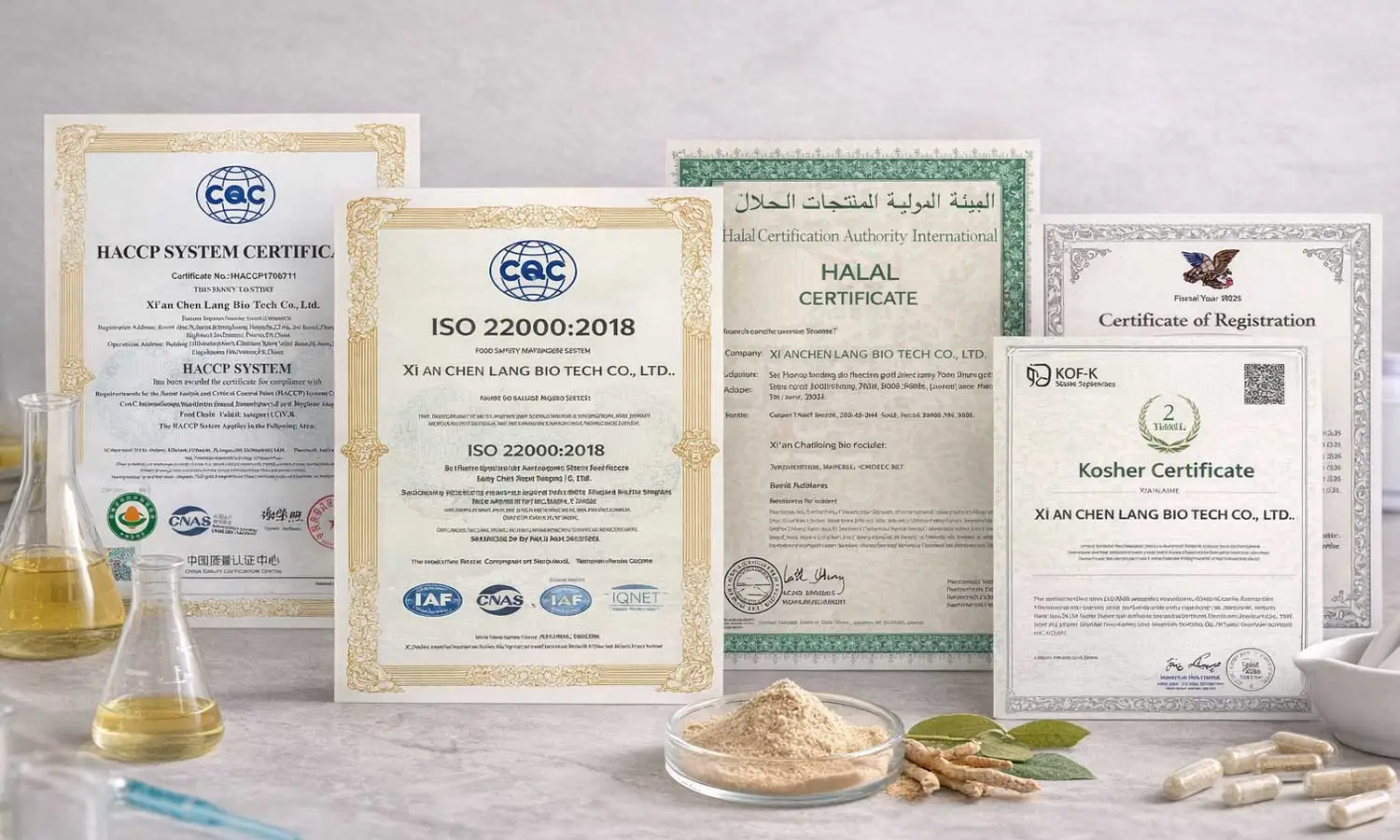
•Compliance with GMP, ISO 22000, and FSSC 22000 standards
•Technical support for ODM or OEM formulation integration
Working with a trusted oyster peptide factory guarantees consistent bulk peptide powder supply for dietary supplements and functional foods, providing scalability for both local and international distribution. Manufacturers sourcing oyster peptides and fish peptides in bulk can confidently formulate products that maintain functional efficacy and consumer trust.
6. Packaging, Storage, and Logistics Considerations
Proper packaging, storage, and logistics are essential to maintain the quality and functionality of oyster peptide vs fish peptide powders. Bulk oyster peptide powder and fish peptide powder are typically packaged in 25 kg or 50 kg drums or smaller sealed bags, protecting the marine bioactive peptides from moisture and environmental degradation.
Storage should be in a cool, dry, and airtight environment, avoiding light and humidity to preserve peptide stability. Reliable oyster peptide suppliers and manufacturers provide clear storage guidelines to ensure that bulk ingredients arrive in optimal condition for formulation.
For international distribution, suppliers often handle FOB or CIF shipping, temperature-controlled logistics, and documentation, ensuring that both oyster peptides and fish peptides maintain quality during transit. Proper logistics management helps manufacturers integrate these peptides seamlessly into functional foods, beverages, and dietary supplements.
7. Applications Across Industries
Functional Foods
Oyster peptide powder and fish peptide powder enhance the nutritional value of functional foods such as protein bars, powdered beverages, and snacks. Oyster peptides provide immune and energy support, while fish peptides are ideal for muscle recovery and antioxidant-rich formulations.
Dietary Supplements
In capsules, tablets, and powdered supplements, oyster peptides are preferred for energy and wellness-focused products, whereas fish peptides provide structural support for skin, joints, and connective tissue. Selecting the right peptide combination allows for multi-functional dietary supplements.
Cosmetics and Personal Care
Fish peptides contribute to skin, hair, and connective tissue support, while oyster peptides can complement these formulations with marine bioactive compounds that support overall wellness in beauty-focused supplements.
Pet Food and Animal Nutrition
Both oyster peptide powder and fish peptide powder can enhance pet food and animal nutrition products. Oyster peptides enrich general protein content, and fish peptides support joint and connective tissue health, suitable for premium pet supplements.
8. Frequently Asked Questions (FAQ)
What are the main differences between oyster peptides and fish peptides?
Oyster peptides are primarily used for immune support, energy, and general wellness, while fish peptides focus on muscle recovery, skin, and connective tissue support.
Can oyster peptides and fish peptides be combined in one supplement?
Yes, combining oyster peptide vs fish peptide can create multi-functional dietary supplements that deliver both wellness and structural benefits.
How should bulk peptide powders be stored?
Store in a cool, dry, and airtight environment to maintain the stability of marine bioactive peptides.
What is the typical MOQ for bulk peptide powders?
Our minimum order quantities usually range from 1 kg to 25Kg, depending on supplier and packaging options.
How can I request samples or technical specifications from a supplier?
Contact a trusted oyster peptide supplier, oyster peptide manufacturer, or oyster peptide factory via email to request COA, technical specifications, or product samples for verification before placing bulk orders.
9. Conclusion & Recommendations for Bulk Peptide Procurement
Selecting the right ingredient between oyster peptide vs fish peptide depends on product goals. Oyster peptides are ideal for general wellness, energy, and immune support, while fish peptides excel in muscle recovery, antioxidant activity, and connective tissue support.
Working with a reliable oyster peptide supplier, oyster peptide manufacturer, or oyster peptide factory ensures consistent bulk peptide quality, verified COA, and compliance with GMP and ISO standards. Proper storage, logistics, and technical support allow manufacturers to integrate oyster peptides and fish peptides efficiently into functional foods and dietary supplements.
For inquiries, product documentation, or samples, manufacturers can contact admin@chenlangbio.com. Partnering with a trusted supplier ensures access to high-quality bulk peptides, supports formulation integrity, and enables scalable production for global markets.

Send Inquiry
Related Industry Knowledge
- Magnesium L-Threonate vs Magnesium Glycinate: Which Is Better for Brain Support?
- 5 Powerful Benefits of Asiaticoside Powder
- What are the Benefits of Cetyl Tranexamate HCL in Skincare?
- Natural Cleaning with Soapnut Extract Powder
- Top Myths About Saccharomyces Ferment Lysate Debunked
- Is It Safe to Take Alpha-GPC Every Day
- What is 5-Aminolevulinic Acid Used For
- How Is Polyphenol Good for You
- What is Copper PCA
- Quaternium 73 for Acne