
Oyster Peptide vs Collagen Peptide: Which is Best for Functional Foods and Supplements
2026-05-21 18:03:02
1. Introduction – Rising Interest in Oyster Peptides and Collagen Peptides
The use of oyster peptide powder and collagen peptides has gained significant attention in the global functional foods and dietary supplements markets. Consumers and manufacturers are increasingly interested in ingredients that provide reliable marine bioactive peptides and high-quality protein sources to enhance the nutritional profile of their products.
Oyster peptides are valued for their low molecular weight and rich amino acid content, making them easily absorbed and versatile for use in functional beverages, protein bars, and supplement powders. Meanwhile, collagen peptides are widely recognized for their role in supporting skin, joint, and bone-focused formulations.
Sourcing high-quality oyster peptides or collagen peptides from a trusted wholesale supplier ensures that bulk ingredients maintain consistency, purity, and efficacy across production batches, providing manufacturers with confidence in product development and long-term supply stability.
2. Understanding Oyster Peptides and Collagen Peptides
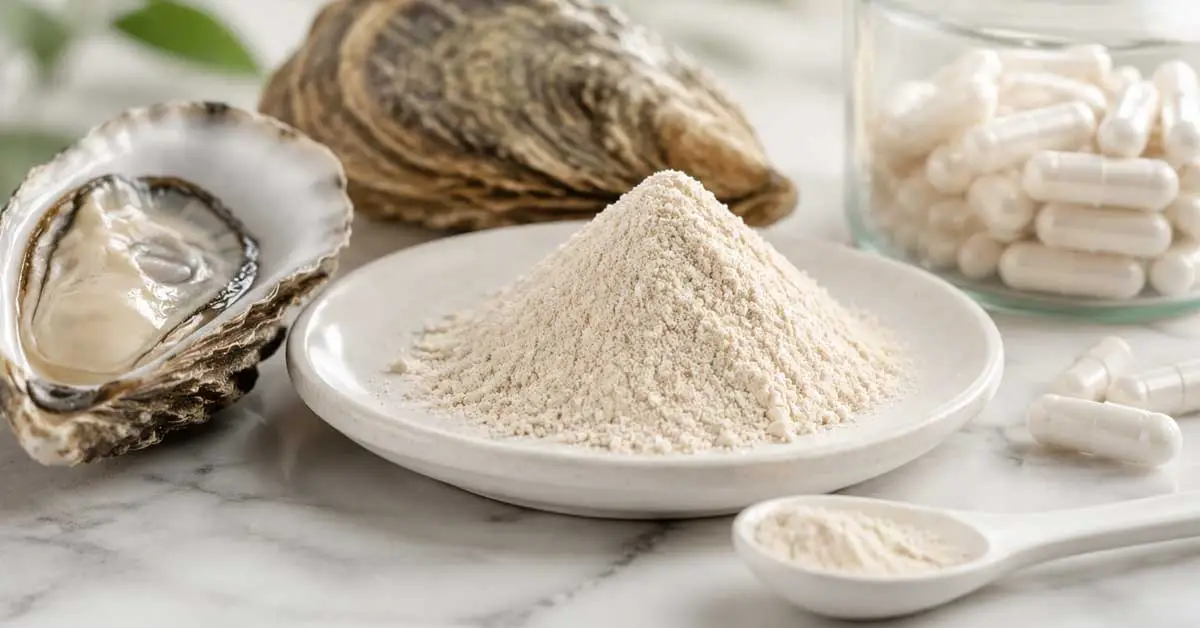
Oyster peptide powder is derived from enzymatic hydrolysis of dried oysters, resulting in low molecular weight peptides with high solubility and bioactive properties. These peptides provide essential amino acids and are commonly used in functional foods and dietary supplements to enhance nutritional value without altering taste or texture.
Collagen peptides are obtained from bovine, fish, or chicken sources, yielding peptides that are widely used in nutritional supplements, functional beverages, and cosmetic applications. Their amino acid composition makes them particularly suited for formulations targeting skin, hair, and joint wellness.
Selecting high-quality peptides requires evaluating suppliers’certifications, including GMP, ISO 22000, and FSSC 22000, as well as reviewing Certificates of Analysis (COA) to ensure consistent peptide content, molecular weight, and purity. Reliable sourcing guarantees that each batch of bulk oyster peptide or collagen peptide powder maintains performance in various product applications.
3. Key Differences Between Oyster Peptides and Collagen Peptides
To help manufacturers and formulators understand the distinctions between oyster peptides and collagen peptides, the table below summarizes their key physical and functional properties:
|
Property |
Oyster Peptides |
Collagen Peptides |
|
Molecular Weight |
500–2000 Da (low molecular weight) |
2000–5000 Da (varies by source) |
|
Amino Acid Composition |
Rich in glycine, glutamic acid, taurine, and other marine bioactive peptides |
Rich in glycine, proline, hydroxyproline |
|
Solubility |
Highly soluble in water, neutral taste |
Soluble in water, may require heating for full dissolution |
|
Physical Appearance |
Fine pale yellow powder |
White to off-white powder |
|
Functional Focus |
Immune support, energy, general wellness |
Skin elasticity, joint and connective tissue support |
|
Typical Applications |
Functional beverages, protein powders, dietary supplements |
Capsules, tablets, powdered supplements, skincare products |
|
Source |
Enzymatically hydrolyzed oysters |
Bovine, fish, or chicken collagen sources |
In practice, oyster peptides are preferred for formulations that emphasize immune support, energy maintenance, and general nutritional enhancement due to their low molecular weight and high solubility. Their marine bioactive peptides profile allows them to integrate seamlessly into functional foods and dietary supplements.
On the other hand, collagen peptides are more targeted for skin, joint, and connective tissue formulations. Their slightly higher molecular weight and specific amino acid composition, particularly glycine, proline, and hydroxyproline, make them ideal for nutritional supplements and beauty-focused products where protein building blocks are required.
Understanding these differences in physical and functional properties allows product developers to choose the most suitable peptide for their formulations. Combining knowledge of bulk oyster peptide powder and collagen peptide powder properties ensures that both functional foods and dietary supplements meet their intended performance and consumer expectations.
4. Functional Benefits Comparison of Oyster Peptides and Collagen Peptides
When comparing oyster peptide vs collagen peptide, understanding their specific functional advantages helps manufacturers design products for functional foods and dietary supplements with targeted benefits.
Immune Support
Oyster peptide powder contains marine bioactive peptides and essential amino acids that contribute to overall nutritional balance in dietary supplements. It is particularly suited for formulations emphasizing immune support and general wellness. In contrast, collagen peptides provide minimal direct contribution to immune-related functions, making oyster peptides the preferred choice for functional foods and beverages targeting wellness.
Energy and Metabolic Support
Due to their low molecular weight and high amino acid content, oyster peptides support energy metabolism and recovery when included in supplement powders or functional beverages. They help maintain physical performance and vitality, whereas collagen peptides are more targeted toward structural support and are less effective for energy-oriented formulations. This distinction makes oyster peptide vs collagen peptide comparisons critical for energy-focused product design.
Skin Health and Beauty Applications
While oyster peptides can contribute amino acids that support skin wellness, collagen peptides excel in skin elasticity, hydration, and connective tissue support. Their high content of glycine, proline, and hydroxyproline makes them the optimal ingredient in beauty-focused dietary supplements, capsules, or powders. Manufacturers often combine both ingredients, leveraging oyster peptides for general nutrition and collagen peptides for skin-targeted functionality.
Antioxidant Properties
Both oyster peptides and collagen peptides contain bioactive compounds, but oyster peptides are particularly recognized for their antioxidant potential in functional foods and beverages. These peptides help maintain product stability and contribute to overall nutritional efficacy. In applications where oxidative stress is a consideration, Oyster Peptide vs Collagen Peptide comparisons guide ingredient selection.
Muscle Recovery and Protein Enrichment
Oyster peptides are highly soluble and provide rapidly absorbable amino acids, supporting muscle maintenance and recovery in protein powders and supplement formulations. Collagen peptides, while contributing to structural proteins, have slower absorption and are more specialized for connective tissue support. Selecting between oyster peptides and collagen peptides allows manufacturers to tailor products for muscle, energy, and joint-targeted formulations.
Functional Formulation Flexibility
Oyster peptides integrate seamlessly into a wide variety of beverages, powdered supplements, and functional foods due to their neutral taste and solubility. Collagen peptides are ideal for capsules, tablets, and beauty-focused powders. Understanding the functional differences between Oyster Peptide vs Collagen Peptide enables precise product development to meet both nutritional and functional claims without violating regulatory compliance.
5. How to Choose the Right Peptide for Your Product
Selecting between oyster peptide vs collagen peptide depends on the product’s functional goals and the target consumer. For formulations emphasizing immune support, energy, and general wellness, oyster peptide powder is the preferred ingredient due to its low molecular weight, high solubility, and rich amino acid profile.
For products focused on skin, joint, or connective tissue support, collagen peptides provide targeted amino acids, such as glycine, proline, and hydroxyproline, which are critical for structural protein support. Understanding these functional differences ensures that dietary supplements and functional foods deliver the intended nutritional benefits while maintaining consistent product quality.
Partnering with a trusted wholesale peptide supplier helps secure high-quality oyster peptides or collagen peptides with verified Certificates of Analysis (COA). Suppliers offering ODM, OEM, and technical formulation support can assist manufacturers in integrating peptides efficiently into beverages, powders, capsules, or bars, ensuring scalability and functional consistency.
Evaluating supplier reliability, certifications, and batch consistency is essential for bulk peptide procurement. A well-chosen supplier ensures that your product formulations using Oyster Peptide vs Collagen Peptide perform consistently, meet international standards, and satisfy consumer expectations.
6. Packaging, Storage, and Logistics Considerations
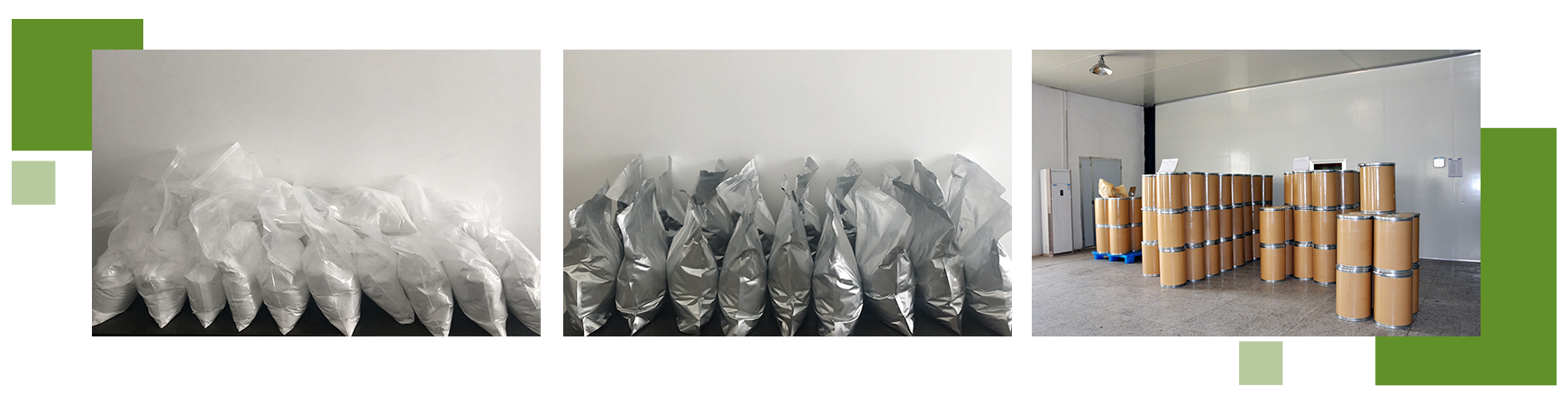
Proper packaging, storage, and logistics management are crucial for maintaining the functional integrity of Oyster Peptide vs Collagen Peptide in dietary supplements and functional foods. Bulk oyster peptide powder and collagen peptide powder are typically packaged in 1 kg bags, 25 kg drums, or 50 kg barrels, designed to prevent moisture ingress and protect bioactive peptides during transport.
Storage should be in a cool, dry, and airtight environment to preserve marine bioactive peptides and prevent degradation. Suppliers often provide detailed storage and handling instructions to ensure stability across long-distance shipping and storage periods.
For international distribution, experienced suppliers manage FOB or CIF shipping, temperature-controlled transport, and customs documentation. Proper logistics and packaging practices guarantee that both oyster peptides and collagen peptides arrive at manufacturers’facilities in optimal condition, ready for immediate incorporation into functional foods, beverages, or dietary supplements.
7. Applications Across Industries
Functional Foods
Oyster peptides are widely used in functional foods such as protein bars, powdered beverages, and snacks for their marine bioactive peptides and amino acid content. Their neutral taste and high solubility make them suitable for various formulations. Collagen peptides are also integrated into functional foods, particularly in formulations targeting skin or joint wellness, offering structural protein enrichment.
Dietary Supplements
In capsules, tablets, or powdered supplements, oyster peptides provide general immune and energy support, while collagen peptides are used for skin, joint, and connective tissue support. Selecting the right peptide based on intended functionality ensures consistent consumer benefits across all batches.
Cosmetics and Personal Care
Collagen peptides are favored in cosmetic-related dietary supplements, such as powders or capsules aimed at skin hydration and elasticity. Oyster peptides can complement these formulations by adding marine bioactive peptides that contribute to overall nutritional support.

Pet Food and Animal Nutrition
Both oyster peptides and collagen peptides can be incorporated into pet foods or animal feed. Oyster peptides enrich protein content and amino acids, while collagen peptides support joint and connective tissue health, making them suitable for premium pet supplements.
Agriculture and Aquaculture
In animal feed and aquaculture applications, oyster peptides provide essential marine bioactive peptides that support growth and overall health. Collagen peptides can be used to improve structural protein content in certain feed formulations.
8. Frequently Asked Questions (FAQ)
Which peptide is better for immune support, oyster peptides or collagen peptides?
Oyster peptide powder is more suited for immune support and general wellness formulations, while collagen peptides focus on skin and joint support.
Can oyster peptides and collagen peptides be combined in one product?
Yes, many functional foods and dietary supplements combine both ingredients to deliver energy, immune, and structural benefits simultaneously.
How should bulk oyster peptide and collagen peptide powders be stored?
Store both in a cool, dry, and airtight environment to maintain bioactive peptide stability and prevent degradation.
What is the typical MOQ for bulk peptide powders?
Minimum order quantities usually range from 25 kg to 1 ton, depending on supplier and packaging options.
How can I request samples or documentation for peptide powders?
Manufacturers can contact suppliers via email to request COA, technical specifications, or product samples to verify bulk oyster peptide or collagen peptide quality before procurement.
9. Conclusion & Recommendations for Bulk Peptide Sourcing
Choosing the right ingredient between oyster peptide vs collagen peptide depends on the intended functionality of your dietary supplements or functional foods. Oyster peptides provide a broad spectrum of marine bioactive peptides that support general wellness, energy maintenance, and immune support. Collagen peptides, on the other hand, are specialized for skin, joint, and connective tissue support, making them ideal for beauty- or structure-focused formulations.
For manufacturers, sourcing high-quality oyster peptide powder or collagen peptide powder from a trusted wholesale supplier is critical. Verified Certificates of Analysis (COA), production in GMP-certified facilities, and compliance with ISO 22000 or FSSC 22000 standards ensure consistent quality and functionality in all batches.
When planning bulk orders, consider production capacity, logistics, and storage recommendations to maintain bioactive peptide stability. Suppliers offering technical guidance, ODM, and OEM services can assist in seamlessly integrating peptides into a variety of products such as beverages, protein powders, capsules, or functional foods.
For inquiries, samples, or detailed product specifications, manufacturers can contact admin@chenlangbio.com. Engaging directly with a reliable supplier ensures access to high-quality bulk oyster peptides and collagen peptides, supports product development, and provides confidence in both formulation performance and supply chain stability.
By understanding the functional differences between oyster peptide vs collagen peptide and sourcing from credible suppliers, manufacturers can create targeted, high-quality products that meet consumer demands in the competitive functional foods and dietary supplements market.

Send Inquiry
Related Industry Knowledge
- What Is Oyster Peptide Powder? Benefits and Bulk Supply Guide
- Choosing the Right Insecticide: The Benefits of Natural Pyrethrin Over Synthetics
- What Are the Benefits of Turkesterone Powder?
- Helichrysum Arenarium Flower: A Holistic Remedy
- What are the Storage and Handling Recommendations for D-Luciferin Sodium Salt?
- What Are the Potential Health Benefits of L-Ergothioneine?
- What is EGCG Green Tea Extract Used for
- What is Sodium Copper Chlorophyllin Used For
- Resveratrol for Skin
- What Does Rhodiola Rosea Extract powder Do for You