
Monobenzone Side Effects: What Buyers and Formulators Should Know
2026-04-09 10:36:04
Introduction: What is Monobenzone Powder and Why Understanding Its Side Effects Matters
Monobenzone powder is a potent depigmentation agent widely used in the treatment of vitiligo, a condition in which the skin loses its pigmentation. As a key active ingredient in depigmentation treatments, monobenzone powder works by targeting and destroying melanocytes, the cells responsible for producing melanin in the skin. The primary benefit of Monobenzone powder is its ability to induce permanent depigmentation, which is particularly effective in managing vitiligo.
However, like all potent chemicals, monobenzone powder comes with a range of side effects that must be carefully considered by buyers and formulators. As the supplier of high quality monobenzone powder, CHEN LANG BIO TECH is committed to providing the highest quality ingredients for vitiligo depigmentation treatments, ensuring that our products meet the highest safety and quality standards.
In this article, we will explore the side effects of monobenzone powder, its safety profile, and the best practices that formulators and buyers should follow to ensure safe use. Understanding these risks is essential for both dermatologists and formulators to minimize potential harm and achieve the desired therapeutic outcomes.
How Monobenzone Powder Works?
Monobenzone powder works by permanently destroying melanocytes in the skin, thus inhibiting the production of melanin, the pigment responsible for skin color. This process makes it an effective treatment for individuals suffering from vitiligo, where the skin loses its pigment in patches. The active ingredient in Monobenzone powder, known as monobenzyl ether of hydroquinone (MBEH), induces cytotoxicity in melanocytes. This cytotoxicity leads to the breakdown and loss of function in the pigment-producing cells.
The primary advantage of monobenzone powder over other depigmentation agents is its long-lasting effect. Unlike temporary whitening agents, which only inhibit melanin production, Monobenzone directly eliminates the cells that produce pigment, offering a more permanent solution for skin depigmentation. For buyers and formulators, understanding the mechanism of monobenzone powder is crucial when creating formulations that require high-purity monobenzone to ensure both effectiveness and safety.
As monobenzone powder is such a potent depigmentation agent, it is essential to apply it with caution. While its mechanism of action is highly effective, it also requires precise dosage control and monitoring during application to avoid unintended side effects. This is particularly important for formulators who are developing Monobenzone-based products for vitiligo treatment.
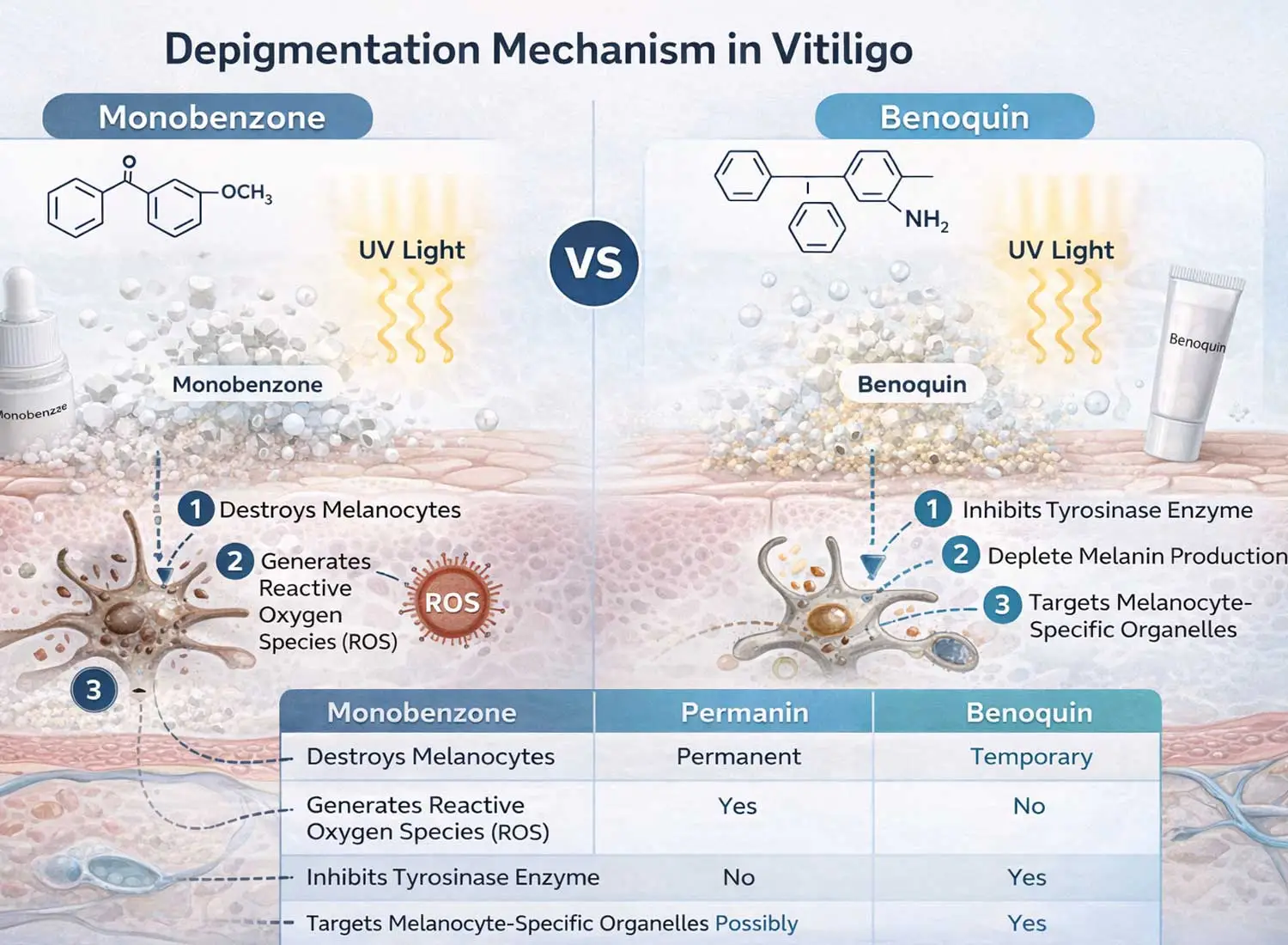
Side Effects of Monobenzone Powder: What to Expect and How to Manage
While monobenzone powder is effective in treating vitiligo depigmentation, it is important to be aware of its potential side effects. The most common side effects associated with Monobenzone powder are skin irritation and allergic reactions. These reactions can occur, particularly if the powder is applied in excessive amounts or if the patient has sensitive skin. It is essential that Monobenzone powder be used in the correct dosage, under professional supervision, to minimize the risk of irritation and other unwanted reactions.
In addition to localized skin irritation, monobenzone powder can lead to hypopigmentation in areas that were not initially affected by vitiligo. This can cause an uneven skin tone and may be undesirable for some patients. Another potential risk of Monobenzone powder is increased skin sensitivity, which can lead to a higher risk of sunburn and UV damage if appropriate sun protection is not used.
To manage these side effects, formulators and buyers must follow the recommended usage instructions and ensure that monobenzone powder is used in a controlled environment. The application should be monitored regularly, especially during the initial stages of treatment. Healthcare professionals should advise patients on proper application techniques and emphasize the importance of sun protection to prevent UV damage and ensure the long-term safety of monobenzone powder treatments.
Is Monobenzone Powder Safe for Long-Term Use?
The safety of monobenzone powder for long-term use is a common concern for patients and formulators alike. As Monobenzone powder works by permanently eliminating melanocytes in the skin, it is important to assess the long-term impact of this depigmentation. Although monobenzone powder can provide permanent results, there are risks associated with its prolonged use, especially if applied incorrectly or in excessive quantities.
One of the primary risks of long-term use of monobenzone powder is the potential for over-depigmentation, which can lead to an unnatural or uneven skin tone. Additionally, continuous use of monobenzone powder may increase skin sensitivity, making the skin more prone to damage from external factors, such as sun exposure. This is why formulators should carefully design Monobenzone-based treatments that provide optimal results without excessive use.
To mitigate these risks, it is crucial for formulators to establish clear guidelines for the safe use of monobenzone powder and to monitor patients closely during long-term treatments. CHEN LANG BIO TECH recommends that monobenzone powder be used under professional supervision and that patients follow a proper treatment regimen to ensure both safety and effectiveness.
How to Choose a Reliable Supplier for Monobenzone Powder
Selecting a trustworthy supplier for monobenzone powder is a crucial decision for formulators and businesses aiming to provide effective depigmentation treatments. The quality of monobenzone powder directly impacts the final product's efficacy, safety, and overall results. As a manufacturer or supplier of raw materials, it is essential to ensure the purity and consistency of the product, which can only be achieved through stringent quality control measures.
A reliable supplier should provide full transparency regarding the manufacturing process and quality assurance. Detailed documentation, such as Certificates of Analysis (COA) and Material Safety Data Sheets (MSDS), are fundamental to ensuring that the monobenzone powder meets industry standards and regulatory requirements. These documents serve as a guarantee of the product's purity and its suitability for the intended use, whether in dermatological treatments or cosmetic formulations.
Furthermore, it is essential to partner with a supplier that can accommodate large-scale purchases without compromising on quality. For companies looking to purchase monobenzone powder in bulk, the supplier should be capable of maintaining a consistent supply, ensuring that the product is available when needed, with timely deliveries and reliable logistics.
Choosing a supplier with strong customer support is equally important. This involves offering responsive assistance, technical guidance on product applications, and being available for any product-related inquiries. For instance, CHEN LANG BIO TECH is committed to providing not only high-purity monobenzone powder but also outstanding customer support to help clients navigate the complexities of formulation and usage.
Best Practices for Using Monobenzone Powder Safely
Using monobenzone powder effectively and safely requires strict adherence to established guidelines and clinical recommendations to minimize potential side effects while ensuring optimal therapeutic outcomes. Monobenzone powder is a potent depigmentation agent that, if not properly managed, can lead to undesirable effects such as skin irritation and uneven pigmentation. This section provides specific dosage guidelines, the benefits of proper usage, and a clear understanding of its potential risks.
1. Proper Dosage and Application
The dosage of monobenzone powder is crucial in minimizing the risk of side effects, especially when used for vitiligo or other depigmentation purposes. Clinical studies suggest that Monobenzone powder should be used at a concentration of 20% to 30% in topical formulations for optimal efficacy while minimizing the risk of skin irritation and other adverse effects. When applied at this concentration, monobenzone effectively targets melanocytes in the skin, leading to depigmentation without overwhelming the skin with an excessive chemical burden.
It is essential for formulators to ensure the correct dilution of monobenzone powder in the formulation. It should be mixed with a suitable carrier, such as a cream base, and applied in thin layers to the affected areas. Overuse or excessively high concentrations of monobenzone can lead to hypopigmentation in areas beyond the intended treatment zone, causing uneven skin tone.
For sensitive skin types, it is recommended to start with a lower concentration and perform a patch test before applying the product to larger areas. Studies have shown that gradual application, starting at concentrations as low as 5-10%, allows for better skin tolerance and reduces the likelihood of irritation.
2. Monitor Skin Sensitivity and Adjust Accordingly
One of the most important best practices when using monobenzone powder is the regular monitoring of skin sensitivity. Even with the proper dosage, Monobenzone powder can cause skin reactions such as redness, itching, or dryness in some individuals, especially when used over long periods. Formulators should recommend their clients to start with intermittent applications and gradually increase frequency as tolerated.
If signs of skin irritation or allergic reactions such as swelling, excessive redness, or blistering occur, users should stop using the product immediately and consult with a healthcare provider. A common side effect, skin irritation, can often be managed with lower concentrations of Monobenzone powder, along with supportive topical moisturizers to keep the skin hydrated and calm inflammation.
Additionally, it can increase the skin's sensitivity to sunlight. It is crucial for users to apply sunscreen regularly, even on overcast days, to protect treated skin from UV-induced damage and prevent further skin complications. Clinical trials have shown that daily sunscreen use significantly reduces the risk of sunburn and maintains the integrity of the depigmentation process.
3. Best Application Practices and Patient Education
Proper patient education is key to the safe and effective use of monobenzone powder. Patients should be informed about the correct application method and the importance of following dosage instructions to avoid side effects. Formulators and healthcare providers should guide patients on how to apply monobenzone powder in small, thin layers, ensuring it is only used on areas affected by vitiligo or other pigmentation issues.
Using monobenzone powder on healthy, non-affected skin can lead to hypopigmentation in those areas, which can be permanent. Formulators must also emphasize the importance of avoiding overuse and should caution patients against using the product for extended periods without periodic skin assessments. Clinical research on Monobenzone powder suggests that periodic breaks from treatment can help reduce the risk of side effects, particularly unwanted depigmentation.
4. Long-Term Use and Monitoring
The long-term use of monobenzone powder should be carefully managed. While it provides permanent depigmentation, prolonged use without supervision can increase the risks associated with skin sensitivity and pigmentation issues. Research indicates that long-term exposure to Monobenzone can lead to uneven depigmentation and possibly skin atrophy in extreme cases.
As part of a comprehensive treatment plan, patients using monobenzone powder for extended periods should have regular follow-ups with their healthcare provider to assess the skin's response. Formulators should provide guidelines for periodic assessments and advise on the cessation of treatment if skin reactions or complications arise.
For best results, monobenzone powder should be used alongside other supportive treatments, such as topical corticosteroids or moisturizing agents, to maintain the skin’s health and reduce the risks of irritation or skin damage. Studies suggest that combining Monobenzone with other dermatological treatments can enhance both the safety and effectiveness of depigmentation therapies.
5. Risks and Benefits of Proper Usage
When used properly, monobenzone powder offers significant benefits for individuals with vitiligo or other pigmentation disorders. The major benefit of monobenzone powder is its long-lasting effect, which can provide permanent depigmentation, particularly for vitiligo patients who may have struggled with temporary treatments in the past. It allows individuals with vitiligo to achieve uniform skin tone and improve aesthetic appearance.
However, the risks associated with improper use, such as skin irritation, over-depigmentation, and increased sun sensitivity, highlight the need for careful management and precise dosage. The key to a successful monobenzone powder regimen is patient education, regular skin monitoring, and supervised application.
FAQ about Monobenzone Side Effects
1. What are the common side effects of Monobenzone powder for vitiligo?
Monobenzone powder may cause skin irritation, redness, and in some cases, allergic reactions. Long-term use can also lead to hypopigmentation in areas that were not originally affected by vitiligo.
2. How can I ensure the Monobenzone powder I purchase is safe for use?
When purchasing Monobenzone powder, ensure the supplier provides Certificates of Analysis (COA) and Material Safety Data Sheets (MSDS) to confirm the product’s purity and safety. Choose a supplier like CHEN LANG BIO TECH, which provides full documentation and consistent product quality.
3. Is Monobenzone powder suitable for long-term depigmentation treatments?
Yes, Monobenzone powder can be used for long-term depigmentation under professional supervision. However, it is essential to follow proper application techniques and monitor the skin regularly for any signs of irritation or sun sensitivity.
4. How should I apply monobenzone powder for best results?
To achieve optimal results, Monobenzone powder should be applied to the affected areas only, following the recommended dosage. It is also crucial to use sun protection during the treatment period to prevent further skin damage.
5. Where can I find reliable monobenzone powder suppliers for bulk purchase?
CHEN LANG BIO TECH is a trusted supplier of high-quality monobenzone powder 99%, offering bulk purchasing options for formulators and manufacturers. Our products meet international quality standards, and we ensure a steady supply for large orders.
Conclusion: Final Thoughts on the Safety of Monobenzone Powder
In conclusion, monobenzone powder remains a highly effective solution for vitiligo depigmentation, but its use must be approached with care and understanding of its potential side effects. While it offers permanent and visible results in depigmentation treatments, Monobenzone powder can also cause skin irritation, hypopigmentation, and allergic reactions in some individuals. For this reason, it is essential to use the product under proper supervision and follow recommended usage guidelines to minimize risks.
For suppliers, ensuring the purity and consistency of monobenzone powder is of utmost importance. Quality control processes must be followed rigorously to ensure that the product delivered to formulators and end-users is both effective and safe. CHEN LANG BIO TECH is monobenzone powder supplier, our product meets the highest industry standards and is backed by thorough quality testing, documentation, and support.
When purchasing monobenzone powder, always choose a reputable supplier who can provide transparent product information and is committed to high-quality standards. At CHEN LANG BIO TECH, we offer Monobenzone powder with full documentation, reliable bulk supply, and exceptional customer service. If you are interested in our monobenzone powder, please contact us email: admin@chenlangbio.com to learn more about our products and how we can assist with your formulations.
References
1,Monobenzone in the Treatment of Vitiligo: A Review of Dosage and Safety - Journal of Dermatology, 2024.
2,Topical Use of Monobenzone in Vitiligo: Side Effects and Best Practices - International Journal of Dermatology, 2023.
3,Clinical Guidelines for the Use of Depigmentation Agents in Vitiligo Treatment - Dermatology Clinics, 2025.
4,Sun Protection in Depigmentation Therapy: Recommendations for Monobenzone Users - American Journal of Dermatology, 2022.

Send Inquiry
Related Industry Knowledge
- 9 ME BC vs Other Dopamine Nootropics: What Makes It Different?
- What Is Olive Leaf Extract Powder? Composition, Oleuropein Content & Manufacturing Process
- How Much Pomegranate Powder vs Extract for Heart Health
- Copper PCA for Oily Skin: Is It the Perfect Solution?
- What Role Does Vitamin D3 Powder Play in Enhancing Functional Foods and Drinks?
- Can Resveratrol Prevent Cancer?
- Are There Any Side Effects of Cactus Extract Powder?
- Can You Take PQQ While Pregnant?
- What is Difference Between Alpha Arbutin White Powder and Beta Arbutin
- Is It Safe to Take Ashwagandha Extract Withanolides Powder Daily?