
L-Carnosine Powder Solubility, Stability and Formulation Guide for Supplement Manufacturers
2026-06-30 15:44:27
1. Introduction: Industrial Importance of L-Carnosine Powder in Modern Supplement Formulation
The increasing complexity of modern supplement formulation has significantly elevated the importance of amino acid–based antioxidant ingredients within the global nutraceutical industry. Among these, L-Carnosine powder has become a widely evaluated raw material due to its functional versatility, formulation compatibility, and stability in diverse delivery systems.
From an industry perspective, formulators are no longer focusing solely on biological activity. Instead, greater attention is being placed on practical manufacturing considerations such as solubility performance, stability under processing conditions, and long-term storage behavior. These factors are particularly important when sourcing from a bulk L-Carnosine powder supplier, where consistency and scalability directly influence final product quality.
In global procurement systems, increasing demand for GMP certified amino acid manufacturers reflects a broader shift toward stricter quality control and documentation transparency. Supplement developers and functional food brands now routinely require full COA documentation, HPLC verification, and traceable production systems when selecting antioxidant raw material suppliers.
Within this evolving framework, L-Carnosine is often evaluated alongside other antioxidant ingredients in terms of formulation behavior and industrial usability. This has positioned it as a strategic ingredient in both dietary supplement and cosmetic applications, where reliable sourcing from a stable L-Carnosine powder manufacturer in China is becoming increasingly important.
2. L-Carnosine Powder Solubility Profile: Water Compatibility and Formulation Behavior
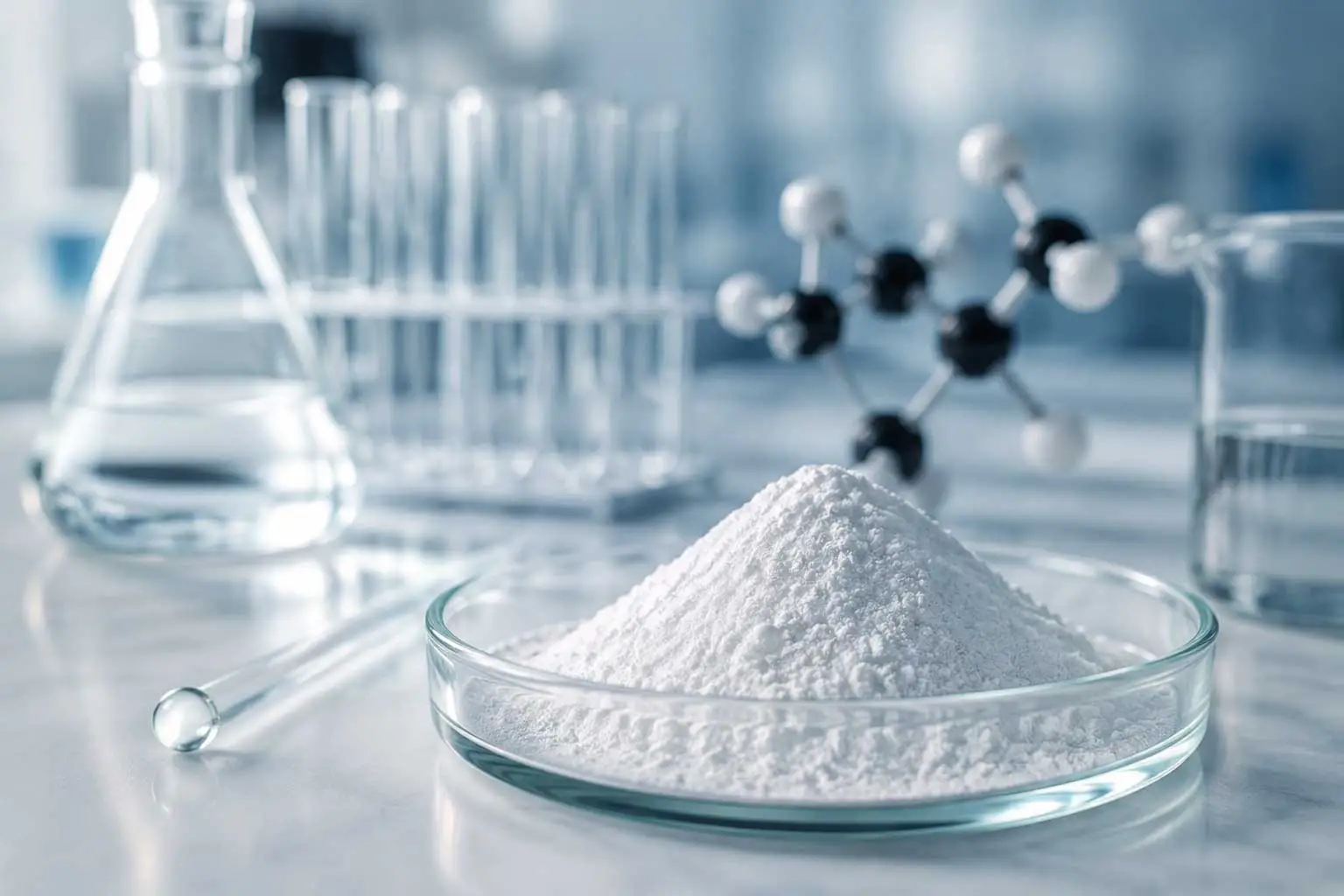
The solubility characteristics of L-Carnosine powder play a critical role in determining its suitability across different supplement and functional food applications. As a water-soluble dipeptide, L-Carnosine demonstrates favorable dissolution behavior in neutral aqueous systems, making it compatible with capsules, powders, and liquid-based formulations.
From a formulation engineering standpoint, L-Carnosine powder solubility in water is influenced by several factors including pH conditions, temperature variations, and the presence of other active compounds. In most standard formulation environments, it maintains stable dispersion, which allows manufacturers to integrate it into multi-ingredient systems without significant processing complications.
This property has increased demand for bulk soluble amino acid raw materials, particularly among supplement manufacturers seeking stable antioxidant systems for scalable production. In practical applications, formulators often prioritize ingredients that maintain consistent solubility performance to reduce production variability and improve end-product stability.
For companies sourcing from a L-Carnosine powder supplier China, solubility data is often a key technical parameter requested during qualification. Reliable suppliers typically provide detailed specification sheets, including solubility behavior, particle size distribution, and compatibility profiles with other nutraceutical ingredients.
As formulation systems become more advanced, solubility performance is increasingly viewed not only as a technical characteristic but also as a critical factor influencing manufacturing efficiency and product consistency.
Stability of L-Carnosine Powder (pH, Temperature & Processing Control)
The stability and solubility behavior of L-Carnosine powder are key physicochemical parameters that directly influence its performance in supplement and cosmetic formulations. Based on published physicochemical data and industrial formulation references, L-Carnosine demonstrates a water solubility of approximately 20–50 mg/mL at room temperature (20–25°C), with solubility improving under slightly elevated temperatures due to enhanced molecular mobility.
From a pH perspective, L-Carnosine remains most stable in a neutral to mildly acidic environment (pH 6.0–7.5). Within this range, the dipeptide structure maintains good integrity and avoids accelerated degradation reactions. Under strongly acidic or alkaline conditions (pH <4 or pH >9), hydrolysis and structural instability may increase, which can negatively impact long-term formulation stability.
Temperature plays an equally important role in processing and storage. In controlled formulation systems, L-Carnosine exhibits good stability under normal processing temperatures below 60°C. However, prolonged exposure to elevated temperatures above this threshold may accelerate degradation pathways, particularly in aqueous systems or when combined with oxidizing excipients.
From an industrial manufacturing perspective, bulk L-Carnosine powder suppliers typically recommend processing under controlled conditions, including:
•Low-moisture storage environments (RH < 50%)
•Temperature-controlled handling below 25°C for long-term storage
•Avoidance of strong oxidizing agents during blending
•Rapid cooling after thermal processing when incorporated into liquid systems
In addition, formulation engineers often apply protective strategies such as encapsulation, antioxidant pairing systems, or pH buffering systems to maintain stability during production and shelf life extension.
For GMP-grade L-Carnosine powder manufacturers, stability testing is typically conducted under accelerated conditions (40°C / 75% RH) to evaluate degradation kinetics and ensure consistent performance across different climate zones. These data are essential for supplement brands requiring reliable bulk amino acid raw materials with predictable behavior during global distribution.
Overall, the solubility and stability profile of L-Carnosine makes it suitable for a wide range of applications, provided that formulation parameters such as pH, temperature, and moisture exposure are properly controlled during manufacturing and storage.
4. Formulation Compatibility: How L-Carnosine Performs in Supplement Systems
The formulation compatibility of L-Carnosine powder is one of the key factors driving its widespread adoption in dietary supplement and functional nutrition products. Its ability to integrate into multiple delivery systems makes it a versatile ingredient for manufacturers targeting antioxidant and anti-aging formulations.
In capsule and tablet systems, L-Carnosine demonstrates strong compatibility with standard excipients and active blends, allowing for efficient formulation without significant stability compromise. In powdered formulations, it maintains uniform dispersion, which is essential for consistent dosing and product performance.
For liquid systems, formulation engineers often evaluate L-Carnosine powder formulation guide parameters such as solubility behavior, pH interaction, and ingredient synergy. These factors are critical when designing multi-active antioxidant systems where ingredient compatibility directly impacts final product stability.
From a sourcing perspective, manufacturers working with bulk supplement ingredient suppliers increasingly prioritize technical support in addition to raw material provision. This includes formulation guidance, compatibility data, and stability recommendations provided by experienced antioxidant amino acid manufacturers.
Within this context, companies such as CHEN LANG BIO TECH typically support formulation teams by providing application-oriented technical data for L-Carnosine powder (CAS 305-84-0), ensuring that manufacturers can optimize ingredient performance across different product systems without compromising stability or quality consistency.
5. Manufacturing Impact on Solubility and Stability of L-Carnosine Powder
The solubility and stability characteristics of L-Carnosine powder are not only intrinsic molecular properties but are also significantly influenced by the manufacturing process. Differences between fermentation-based and chemical synthesis routes can lead to variations in crystal structure, particle size distribution, and ultimately formulation behavior.
From an industrial perspective, bulk L-Carnosine powder manufacturers typically implement controlled crystallization and purification steps to ensure uniform particle morphology. These parameters directly impact dissolution rate and dispersion efficiency in aqueous systems, particularly in liquid supplement formulations.
High-purity materials produced under GMP manufacturing conditions generally demonstrate more consistent solubility profiles due to reduced impurity interference. In contrast, variations in residual intermediates or moisture content may affect long-term stability, especially in high-temperature or high-humidity environments.
For formulators sourcing from a L-Carnosine powder supplier in China, understanding the manufacturing route is essential for predicting performance in final applications. This includes evaluating HPLC purity data, particle engineering processes, and batch-to-batch consistency documentation.
6. Storage Conditions, Packaging and Shelf Life Considerations
Proper storage and packaging are essential to maintaining the physicochemical integrity of L-Carnosine powder throughout its shelf life. As a hygroscopic amino acid derivative, it requires controlled environmental conditions to prevent moisture absorption and potential degradation.
Industry-standard recommendations from antioxidant amino acid raw material suppliers typically include storage in a cool, dry environment below 25°C, with relative humidity maintained below 50%. Exposure to direct sunlight, high humidity, or oxidizing environments should be avoided to preserve stability.
From a packaging perspective, bulk L-Carnosine powder suppliers commonly use double-layer packaging systems, such as aluminum foil bags combined with fiber drums, to provide both moisture and light protection. For industrial-scale distribution, nitrogen-sealed or vacuum-packed systems may also be applied depending on customer requirements.
Shelf life under proper storage conditions is generally supported through accelerated stability testing conducted by GMP certified manufacturers, ensuring consistent performance over extended distribution cycles in global supply chains.
7. Application Scope in Supplement and Cosmetic Formulation Systems
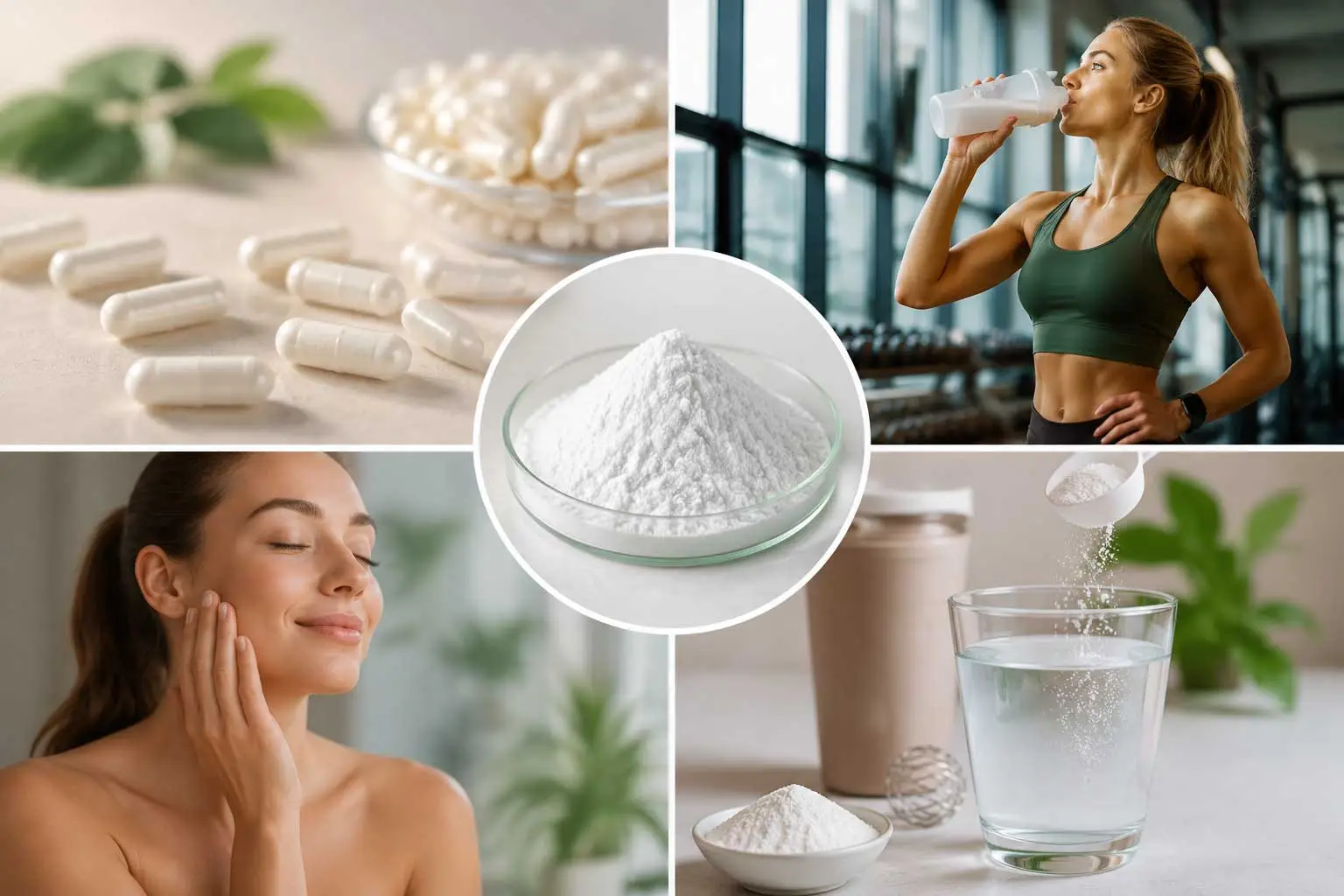
The functional versatility of L-Carnosine powder has led to its widespread adoption across dietary supplement, functional food, and cosmetic formulation systems. Its dual antioxidant and anti-glycation properties make it particularly relevant in multi-functional ingredient systems.
In dietary supplement applications, it is commonly incorporated into antioxidant blends, anti-aging formulations, and cellular health support systems. In cosmetic formulations, cosmetic grade L-Carnosine raw material is often used in skin protection and barrier-support products due to its compatibility with emulsions and aqueous systems.
From a sourcing perspective, manufacturers developing these products typically rely on bulk supplement ingredient suppliers capable of providing consistent quality, regulatory documentation, and technical formulation support.
As formulation complexity increases, demand for functional amino acid ingredient manufacturers continues to grow, particularly those capable of supporting both technical data provision and scalable production supply chains.
8. Cost Structure, MOQ and Bulk Supply Strategy
The cost structure of L-Carnosine powder is influenced by multiple factors, including production method, purity level, order volume, and long-term supply agreements. In global sourcing practice, fermentation and synthesis routes may also contribute to pricing variability depending on process efficiency and scale.
Most bulk L-Carnosine powder suppliers in China offer flexible MOQ systems to accommodate different stages of product development. For early-stage formulation testing, minimum order quantities typically start at 1 kilogram, allowing manufacturers to conduct laboratory and pilot-scale evaluations without excessive inventory commitment.
For larger commercial requirements, pricing is generally adjusted based on volume, with bulk order discount structures available for long-term procurement partnerships. This is particularly relevant for companies sourcing antioxidant amino acid raw materials for continuous manufacturing cycles.
In addition to pricing, supply chain stability and lead time consistency have become key decision-making factors for international buyers, especially in nutraceutical and cosmetic industries where uninterrupted production is critical.
9. Supplier Selection Criteria for L-Carnosine Powder
Selecting a reliable L-Carnosine powder supplier requires a structured evaluation of both technical and commercial capabilities. Key parameters include GMP compliance, analytical testing systems, production scalability, and documentation transparency.
High-quality amino acid manufacturers in China typically provide comprehensive COA documentation, HPLC purity reports, and stability data to support international regulatory requirements. These documents are essential for validating ingredient quality during formulation development.
In addition, batch consistency is a critical factor in supplier qualification. Variability in particle size distribution, purity levels, or moisture content can significantly impact formulation performance, particularly in sensitive antioxidant systems.
From a commercial standpoint, buyers sourcing bulk antioxidant raw materials also evaluate supplier responsiveness, MOQ flexibility, and long-term supply capability. These factors collectively determine the reliability of a supplier partnership in global supply chains.

10. FAQ Section: L-Carnosine Powder Solubility, Stability and Formulation Guide
What is the typical solubility of L-Carnosine powder in water?
L-Carnosine powder is reported to have a solubility range of approximately 20–50 mg/mL in purified water at 20–25°C, depending on particle size, purity, and formulation conditions. Solubility can be improved by mild heating or adjusting the system to a neutral pH environment.
In industrial formulation practice, most bulk L-Carnosine powder suppliers recommend dissolution under controlled conditions below 40–60°C to maintain structural stability while achieving complete dispersion in aqueous systems.
2. What is the optimal pH range for L-Carnosine stability?
L-Carnosine shows the highest stability in a slightly neutral to mildly acidic range (pH 6.0–7.5). Within this range, the dipeptide structure remains stable and suitable for most supplement and cosmetic formulations.
Under highly acidic (below pH 4) or strongly alkaline conditions (above pH 9), degradation risk increases, which may affect long-term stability in finished products. For this reason, GMP amino acid manufacturers typically provide pH stability guidance for formulation optimization.
3. Is L-Carnosine powder stable under heat processing?
L-Carnosine demonstrates moderate thermal stability under standard processing conditions. It is generally stable at temperatures below 60°C, especially in dry powder form.
However, prolonged exposure to high heat or combination with oxidizing conditions may accelerate degradation. In industrial applications, antioxidant amino acid raw material suppliers often recommend adding L-Carnosine during cooling phases or post-thermal processing stages to preserve activity.
4. What is the recommended storage condition for bulk L-Carnosine powder?
For optimal stability, bulk L-Carnosine powder should be stored in a cool, dry environment with controlled humidity (preferably below 50% RH) and temperatures below 25°C.
Packaging is typically provided in moisture-resistant containers such as aluminum foil bags or fiber drums. Under proper storage conditions, the shelf life is generally supported by stability testing conducted by L-Carnosine powder manufacturers and may extend up to 24 months.
5. What is the difference between fermentation and synthesis in L-Carnosine production?
Fermentation-based production uses bio-based pathways involving microbial or enzymatic systems, while synthesis involves controlled chemical peptide formation followed by purification.
Both methods can produce high-quality L-Carnosine powder, but they differ in process control, scalability, and cost structure. For example, fermentation may be preferred for sustainability-oriented production, while synthesis is often selected for tighter specification control in bulk amino acid manufacturing.
6. How do suppliers ensure quality consistency of L-Carnosine powder?
Quality consistency is ensured through multi-layer testing systems, including HPLC purity analysis, moisture control, heavy metal testing, and microbial limit checks.
Professional GMP-certified L-Carnosine powder suppliers also provide COA documentation for every batch, ensuring traceability and compliance with international supplement and cosmetic standards.
7. What should buyers consider when sourcing L-Carnosine powder in bulk?
Key factors include purity specification (typically ≥99%), stability data, COA/HPLC verification, MOQ flexibility, and long-term supply capability.
Many formulators also evaluate bulk L-Carnosine powder suppliers in China based on production capacity, documentation transparency, and consistency across multiple batches, especially for large-scale manufacturing programs.
11. Conclusion: Future Trends in L-Carnosine Formulation and Supply Chain Development
The global demand for antioxidant ingredients continues to expand, and L-Carnosine powder formulation systems are expected to play an increasingly important role in next-generation supplement and cosmetic product development.
As industry requirements shift toward higher purity standards, improved formulation stability, and more efficient manufacturing processes, both fermentation and synthesis production routes will continue to coexist within the bulk L-Carnosine powder supply chain. Each method offers distinct advantages depending on application requirements, cost structure, and regulatory expectations.
Future trends indicate a growing preference for suppliers capable of offering integrated manufacturing capabilities, including GMP production systems, analytical testing support, and consistent global logistics reliability. This is particularly relevant for manufacturers sourcing antioxidant amino acid raw materials in highly competitive international markets.
In practical supply chain operations, technical communication between formulators and raw material producers is often essential during qualification and scale-up stages. For specifications related to L-Carnosine powder (CAS 305-84-0), including COA documentation, HPLC analysis data, solubility profiles, or bulk supply requirements, direct communication with the manufacturing team is typically used to ensure accurate technical alignment.
📩 Technical contact: admin@chenlangbio.com
(For formulation support, specification review, and bulk supply coordination)

Send Inquiry
Related Industry Knowledge
- NAD+ and Resveratrol: Why Formulators Combine Them and How to Choose the Right Raw Material
- Buy Methyloxetanecarbamido Thiazolyl Resorcinol in Bulk: CHEN LANG BIO TECH Verified China Manufacturer
- Tadalafil Powder: Uses, How It Works, and Where to Buy Bulk Tadalafil Powder
- The Growing Demand for Chondroitin Sulfate in Premium Pet Joint Supplements
- The Role of Zeaxanthin Powder in Cognitive Health Support
- Can Tranexamic Acid be Used for Melasma or Dark Spots?
- What is Potassium Methoxysalicylate Used for?
- Are Hops Good for Gut?
- Is Sodium Methylesculetin Acetate Safe for Use in Personal Care Products?
- What Benefits of Spine Date Seed Extract Powder?