
Is Madecassoside Suitable for Sensitive Skin
2025-12-31 14:23:07
As skin care formulations continue to evolve toward higher performance, the definition of “gentle” has become increasingly complex. Consumers with easily irritated or reactive skin are no longer satisfied with simply avoiding strong actives—they are looking for products that actively support comfort, resilience, and long-term tolerance. This shift has naturally led to a growing interest in ingredients like madecassoside and a common question from both brands and formulators: is madecassoside suitable for sensitive skin?
From the perspective of an ingredient supplier, this is not just a marketing question. It reflects real formulation challenges: how to build products that deliver results while remaining compatible with compromised or reactive skin. In this context, understanding whether madecassoside for sensitive skin makes sense requires looking beyond trends and focusing on ingredient behavior, formulation design, and practical experience.
This article explores is madecassoside suitable for sensitive skin through an ingredient-led, formulation-focused lens—drawing on scientific understanding, industry practice, and real-world application considerations.
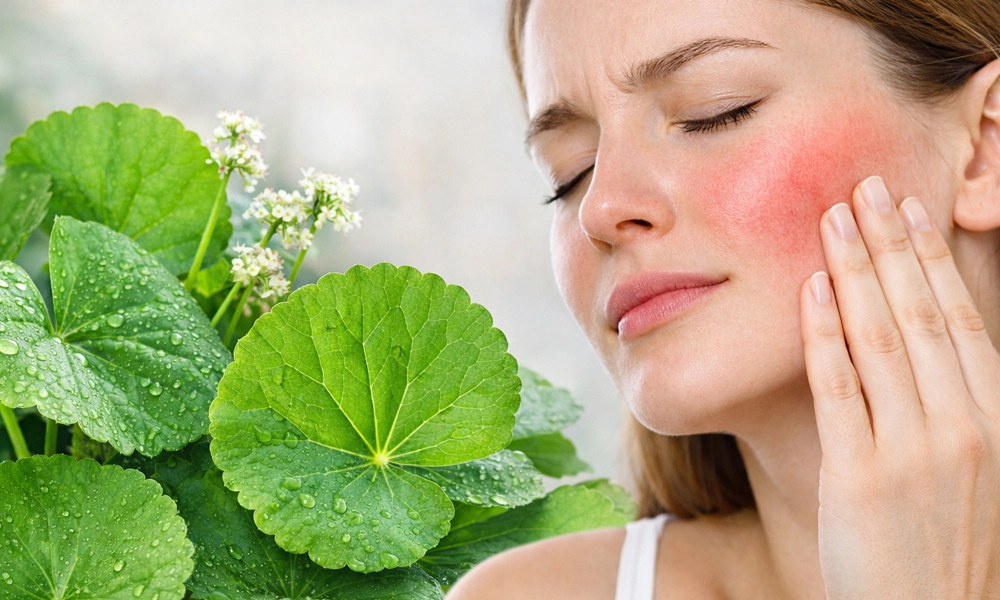
Quick Answer: Is Madecassoside Good for Sensitive Skin?
Is madecassoside good for sensitive skin?
In most cosmetic and skin care formulations, the answer is yes—madecassoside is widely regarded as a well-tolerated ingredient suitable for products designed for sensitive or reactive skin profiles.
From a formulation standpoint, madecassoside is considered safe for sensitive skin when used within typical cosmetic concentration ranges and incorporated into a well-designed system. Its popularity in comfort-focused and barrier-supporting formulations reflects both research findings and extensive industry use.
However, as with any active ingredient, suitability depends on how it is formulated, what other components are present, and the overall product concept.
What Sensitive Skin Actually Means (and Why It’s Hard to Formulate For)
Before evaluating madecassoside for sensitive skin, it is important to clarify what “sensitive skin” actually refers to in a formulation context.
Sensitive skin is not a single condition, but rather a tendency toward heightened reactivity. This reactivity may present as stinging, burning, redness, tightness, or discomfort in response to stimuli that are well tolerated by other skin types. Common contributing factors include a weakened skin barrier, altered nerve responses, and increased susceptibility to environmental or chemical triggers.
From a product development perspective, this means that formulating for sensitive skin is less about adding one “gentle” ingredient and more about minimizing cumulative stress. Even ingredients that are individually well tolerated can cause reactions if the formulation environment is unbalanced.
This is why questions like is madecassoside suitable for sensitive skin cannot be answered in isolation—they must be considered within the broader formulation system.
What Is Madecassoside? A Quick Ingredient Overview
To understand why madecassoside for sensitive skin has gained attention, it helps to look at what madecassoside is from an ingredient standpoint.
Madecassoside is a triterpenoid saponin naturally derived from Centella asiatica. In cosmetic applications, it is typically supplied as a highly standardized ingredient, allowing formulators to work with a clearly defined active compound rather than a complex botanical mixture.
Searches such as what is madecassoside, madecassoside ingredient, and madecassoside from centella asiatica reflect growing interest in this distinction. Unlike whole plant extracts, madecassoside offers greater formulation precision and consistency, which is especially valuable when designing products for sensitive skin.
This level of control is one of the reasons madecassoside is frequently selected for formulations where predictability and tolerability are priorities.
Madecassoside Product Information
|
Name |
Madecassoside |
|
CAS |
34540-22-2 |
|
Purity |
90% |
|
Molecular Formula |
C48H78O20 |
|
Molecula Weight |
975.121 |
|
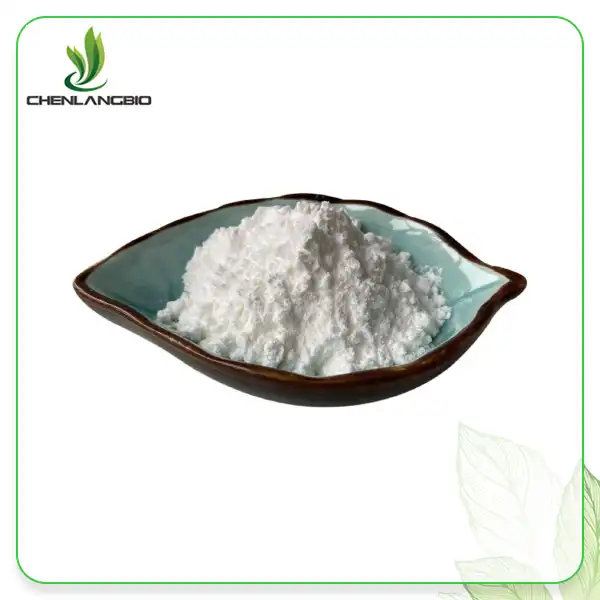
Appearance |
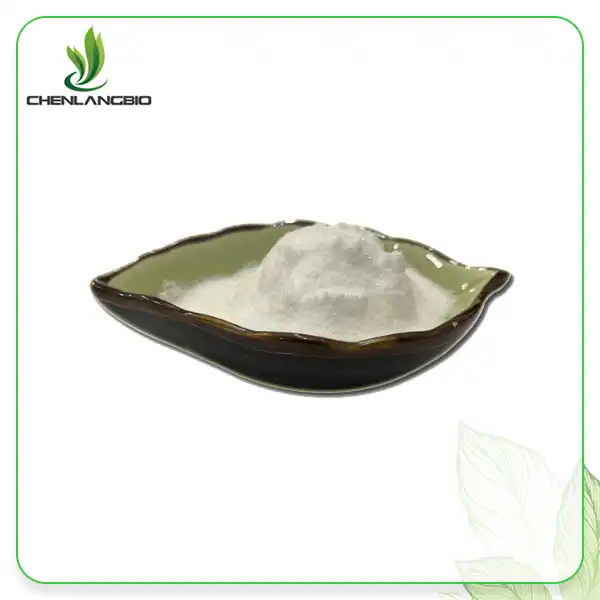
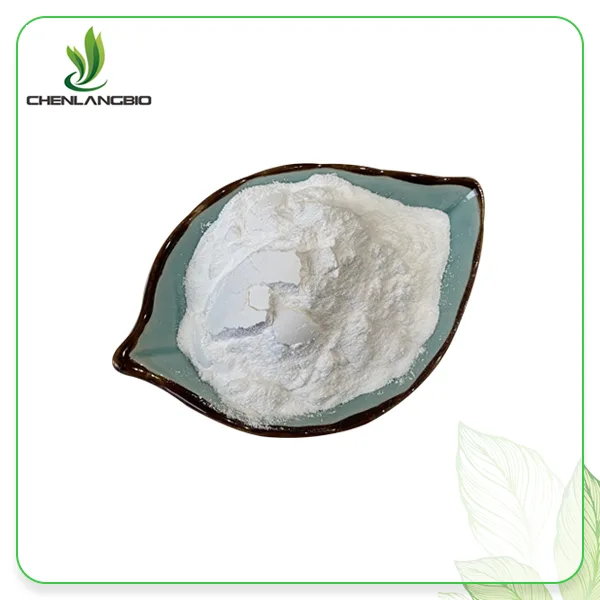
White powder |
|
Package |
1Kg/Aluminum foil bag |
How Madecassoside Supports Comfort-Focused Skin Care Formulas
In the context of sensitive skin products, madecassoside is not positioned as a corrective or medicinal ingredient. Instead, it is commonly used as part of a comfort-focused formulation strategy.
From an ingredient perspective, madecassoside is often associated with soothing and barrier-support concepts, which explains the rise of searches like madecassoside soothing, madecassoside skin barrier, and madecassoside redness. These associations come from both research literature and extensive use in dermocosmetic formulations.
Importantly, madecassoside does not act in isolation. Its value lies in how it integrates into formulations designed to reduce overall irritation potential—working alongside emollients, humectants, and other supportive ingredients to create a more skin-friendly system.
Madecassoside vs Centella Asiatica Extract for Sensitive Skin
A common point of comparison in sensitive skin formulation is madecassoside vs centella asiatica extract. While both originate from the same plant, their formulation roles are quite different.
|
Aspect |
Madecassoside |
Centella Asiatica Extract |
|
Ingredient type |
Single, defined compound |
Multi-component botanical extract |
|
Standardization |
High, compound-specific |
Variable, marker-based |
|
Batch consistency |
Very high |
Dependent on plant source |
|
Formulation control |
Precise |
Broader botanical profile |
|
Suitability for sensitive skin |
High, when properly formulated |
Depends on extract quality |
For sensitive skin formulations, madecassoside vs centella asiatica extract is often a question of control versus complexity. Madecassoside allows formulators to introduce a specific Centella-derived component with minimal variability, while whole extracts offer a broader phytochemical profile that may or may not be suitable for highly reactive skin.
Is Madecassoside Safe for Sensitive Skin? What Research and Practice Suggest
When evaluating madecassoside safety and madecassoside tolerability, both research and industry practice point in the same direction: madecassoside is widely used in products designed for sensitive or compromised skin.
Clinical and dermocosmetic studies examining madecassoside-containing formulations often focus on skin comfort, barrier support, and tolerance parameters. While these studies do not frame madecassoside as a treatment, they support its inclusion in formulations intended for sensitive skin profiles.
This combination of scientific literature and real-world usage underpins why madecassoside clinical study and madecassoside safety remain relevant search topics for formulators and brands alike.
Best Concentration of Madecassoside for Sensitive Skin Products
One of the most practical questions related to madecassoside for sensitive skin is how much to use.
Typical cosmetic use levels for madecassoside vary depending on product type and formulation goals. Industry practice generally falls within the following ranges:
|
Product Type |
Typical Madecassoside Range |
|
Daily creams & lotions |
0.05% – 0.3% |
|
Serums & targeted products |
0.1% – 1.0% |
|
Intensive or repair-focused products |
Up to 1.0% (formulation-dependent) |
Searches such as madecassoside concentration in skincare, madecassoside dosage in cosmetics, and how much madecassoside to use reflect the importance of dosing decisions. For sensitive skin, lower concentrations are often preferred initially, with adjustments made based on tolerance and formulation performance.
Can You Use Madecassoside with Niacinamide, Ceramides, and Panthenol?
Sensitive skin formulations often rely on ingredient combinations rather than single actives. This leads to frequent questions about madecassoside with niacinamide, madecassoside with ceramides, and madecassoside with panthenol.
From a formulation perspective, these combinations are common and generally well tolerated. Each ingredient contributes to a different aspect of skin comfort and barrier support:
Niacinamide is often included for barrier and tone-related benefits
♦Ceramides support lipid barrier structure
♦Panthenol contributes to hydration and comfort
♦Madecassoside integrates well into these systems when pH and formulation balance are properly managed.
Can Sensitive Skin Use Madecassoside with Retinol or Acids?
Another frequent concern is whether sensitive skin can use madecassoside with retinol or acids. The answer depends largely on formulation design.
Madecassoside is often included in retinol-containing products aimed at improving tolerance. When combined with acids, compatibility depends on pH and concentration. In both cases, madecassoside does not create incompatibility on its own, but rather participates in a system that must be carefully balanced.
This is why searches like madecassoside with retinol and madecassoside with glycolic acid are best addressed from a formulation standpoint rather than as blanket usage rules.
How to Choose a Madecassoside Product for Sensitive Skin
For brands and formulators evaluating how to choose madecassoside skincare, a practical checklist approach is often helpful:
•Clear ingredient specifications
•Controlled concentration levels
•Minimal fragrance and irritants
•Stability and tolerance testing
This approach supports products designed for eczema-prone or highly reactive skin tendencies, without making medical claims.
FAQ: Madecassoside and Sensitive Skin
Is madecassoside non-comedogenic?
Madecassoside itself is not known to be comedogenic; overall product formulation determines pore compatibility.
Can madecassoside be used daily?
Yes, madecassoside is commonly used in daily skin care products.
Madecassoside vs cica for sensitive skin—what’s the difference?
“Cica” often refers to Centella extracts, while madecassoside is a specific, standardized component.
Final Takeaway: When Madecassoside Makes Sense for Sensitive Skin
So, is madecassoside suitable for sensitive skin?
When formulated correctly, madecassoside is widely regarded as a valuable ingredient for sensitive and reactive skin formulations, offering consistency, control, and compatibility with comfort-focused product designs.
At CHEN LANG BIO TECH, we support customers in sourcing and formulating madecassoside for sensitive skin applications, providing technical documentation, specifications, and formulation insight.
Contact CHEN LANG BIO TECH
📧 Email: admin@chenlangbio.com
🌐 Website: https://www.chenlangbio.com
References
1, Brinkhaus, B., Lindner, M., Schuppan, D., & Hahn, E. G. (2000). Chemical, pharmacological and clinical profile of the East Asian medicinal plant Centella asiatica. Phytomedicine, 7(5), 427–448.
2, James, J. T., & Dubery, I. A. (2009). Pentacyclic triterpenoids from the medicinal herb, Centella asiatica. Journal of Ethnopharmacology, 126(2), 181–187.
3, Barel, A. O., Paye, M., & Maibach, H. I. (2014). Handbook of Cosmetic Science and Technology. CRC Press.
4, Cosmetic Ingredient Review (CIR). Safety Assessment of Centella asiatica–Derived Ingredients.

Send Inquiry
Related Industry Knowledge
- Is Bifida Ferment Lysate Good for Skin?
- Does P5P Help With Sleep?
- 4 Key Applications of Asiaticoside Powder in Wellness
- How Does Vitamin D3 Powder Support Bone Health and Calcium Absorption?
- Everything You Need to Know About Sesamin Powder
- How to Make Centella Asiatica Extract?
- In What Forms is Kopyrrol Available?
- Can You Take EGCG Everyday
- How Long Does Bakuchiol Purging Last
- How To Take Lufenuron