
Is 3-O-Ethyl Ascorbic Acid Effective for Commercial Skincare Products?
2026-02-14 12:15:01
Is 3-O-Ethyl Ascorbic Acid effective?
For cosmetic manufacturers, this question goes far beyond visible brightening results or antioxidant claims. In a commercial environment, “effective” means something broader and more strategic. It means an ingredient must not only deliver performance in laboratory testing, but also remain stable through production, withstand transportation across varying climates, maintain consistency from batch to batch, and support long-term brand positioning.
Over the past decade, 3-O-Ethyl Ascorbic Acid has emerged as one of the most widely adopted stabilized vitamin C derivatives in professional skincare formulations. Its growing popularity is not accidental. As product development cycles become shorter and global distribution networks more complex, manufacturers increasingly prioritize ingredients that balance efficacy with operational reliability.
Traditional L-Ascorbic Acid remains scientifically respected, yet its sensitivity to oxidation, strict low-pH requirements, and packaging demands can introduce formulation and supply-chain challenges. In contrast, 3-O-Ethyl Ascorbic Acid was developed to improve stability while preserving functional relevance in brightening and antioxidant systems. For many commercial brands, that balance is what determines whether an ingredient is truly viable at scale.
At CHEN LANG BIO TECH, we work with formulation teams and procurement managers evaluating vitamin C derivatives not just from a performance perspective, but from a manufacturing and long-term supply standpoint. In this decision-focused guide, we will examine what “effective” really means for commercial skincare products—and whether 3-O-Ethyl Ascorbic Acid meets those expectations in real-world production environments.
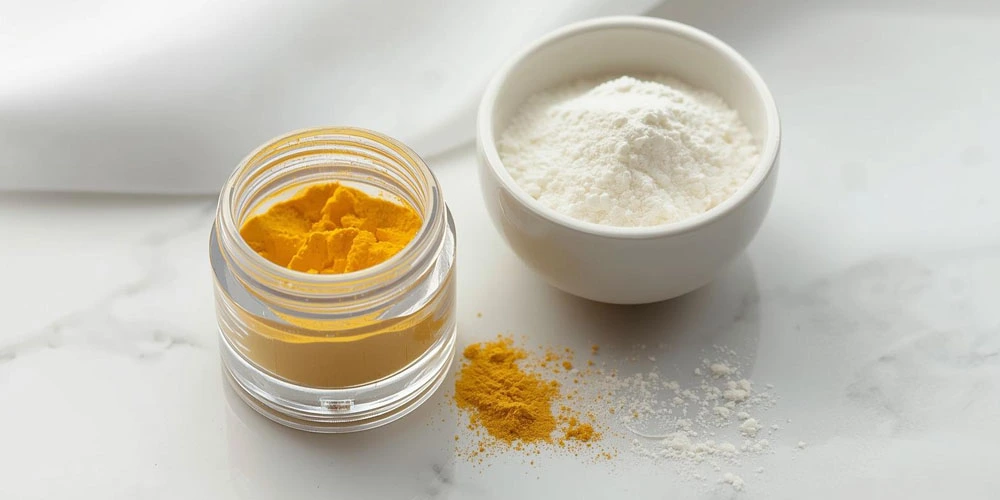
What Does “Effective” Really Mean in Commercial Formulation?
When manufacturers ask whether 3-O-Ethyl Ascorbic Acid is effective, the conversation often begins with visible skin benefits—but in commercial production, effectiveness must be evaluated through a wider operational lens.
In a laboratory setting, an ingredient may demonstrate antioxidant activity or brightening potential under controlled conditions. However, commercial skincare is not developed in isolated glassware. It is produced in large reactors, filled on automated lines, shipped across continents, stored in warehouses, displayed under retail lighting, and opened repeatedly by consumers over months of use. An ingredient that performs well only in ideal conditions cannot be considered commercially effective.
From a manufacturer’s perspective, effectiveness typically includes five core dimensions:
1. Functional Performance
Does the ingredient meaningfully contribute to antioxidant defense, tone-evening claims, or overall skin radiance when incorporated at practical concentrations?
2. Stability in Finished Formulas
Can it maintain potency and color stability during accelerated testing and real-time shelf life? With 3-O-Ethyl Ascorbic Acid stability, many brands seek improved resistance to oxidation compared to pure L-Ascorbic Acid.
3. Formulation Flexibility
Does it integrate well with common cosmetic ingredients such as niacinamide, peptides, or botanical extracts without forcing extreme pH adjustments? Compatibility reduces reformulation cycles and shortens development timelines.
4. Manufacturing Efficiency
Is the ingredient manageable during scale-up? Does it tolerate standard heating, cooling, and mixing processes? Ingredients that require extraordinary handling procedures increase production cost and risk.
5. Supply Chain Reliability
Can the selected 3-O-Ethyl Ascorbic Acid supplier provide consistent assay levels, batch documentation, and scalable production capacity for long-term commercial planning?
When viewed through this broader framework, effectiveness becomes a multidimensional evaluation rather than a simple yes-or-no claim.
For many commercial brands, the appeal of 3-O-Ethyl Ascorbic Acid lies not only in its biological relevance as a vitamin C derivative, but in its ability to meet these operational criteria simultaneously. It supports brightening positioning while offering improved stability and manageable formulation conditions—qualities that align well with modern product development strategies.
Clinical and Functional Performance: Does It Deliver Measurable Results?
From a commercial standpoint, no ingredient can be considered effective unless it contributes to measurable performance in finished products. For 3-O-Ethyl Ascorbic Acid, the evaluation typically centers on three areas: antioxidant capacity, visible brightening performance, and its role in supporting skin structure–related claims.
Antioxidant Function in Topical Systems
Vitamin C chemistry is widely recognized for its ability to neutralize reactive oxygen species generated by UV exposure and environmental stress. As a derivative of ascorbic acid, 3-O-Ethyl Ascorbic Acid retains the redox-active backbone necessary to participate in antioxidant reactions within cosmetic systems.
In practical formulation terms, this means it can:
•Contribute to reducing oxidative stress–related dullness;
•Support overall radiance claims;
•Complement other antioxidants such as vitamin E or ferulic acid.
For manufacturers, antioxidant activity is not only about skin-facing claims. It also influences formula integrity. An ingredient that maintains stability while participating in antioxidant networks can help preserve product quality over time.
Brightening and Tone-Evening Positioning
In commercial skincare, the most common reason brands select 3-O-Ethyl Ascorbic Acid for skin formulations is its association with visible brightening effects. Vitamin C derivatives are often incorporated into products positioned to address uneven tone or hyperpigmentation appearance.
The mechanism behind these claims is generally linked to vitamin C’s interaction with melanin-related pathways and oxidative processes involved in discoloration. While cosmetic ingredients are not positioned as medical treatments, properly formulated systems containing stabilized derivatives can support a more luminous and even-looking complexion over consistent use.
Importantly, visible performance depends on:
•Inclusion level;
•Delivery system design;
•Frequency of application;
•Synergy with complementary actives.
Manufacturers evaluating effectiveness should therefore assess the ingredient within a complete formulation context rather than in isolation.
Comparison to L-Ascorbic Acid in Real Products
L-Ascorbic Acid remains the most studied form of topical vitamin C. However, its sensitivity to oxidation and strict pH requirements may limit performance consistency over a product’s shelf life.
A formulation containing 15% L-Ascorbic Acid that oxidizes within months may deliver diminishing returns to consumers. In contrast, a well-designed system incorporating 3-O-Ethyl Ascorbic Acid at a moderate concentration may maintain more stable performance throughout its intended shelf life.
From a commercial effectiveness perspective, sustained activity over time can be more valuable than maximum theoretical activity at day one.
Performance Validation in Product Development
For cosmetic manufacturers, assessing the effectiveness of 3-O-Ethyl Ascorbic Acid typically involves:
•In-house stability testing (accelerated and real-time);
•Color and assay retention analysis;
•Controlled consumer or instrumental evaluations;
•Compatibility testing with other actives.
When these parameters are optimized, stabilized vitamin C derivatives often demonstrate reliable performance in commercial products.
In practical decision-making, effectiveness is therefore not simply about molecular reactivity. It is about whether the ingredient contributes to consistent, reproducible results within the realities of production, distribution, and consumer use.
Stability Under Real-World Conditions: Where Commercial Viability Is Proven
In commercial skincare, stability is where theory meets reality. An ingredient may show promising antioxidant behavior in controlled laboratory settings, but if it cannot maintain integrity through manufacturing, storage, and global distribution, its practical value becomes limited.
This is often where the discussion around 3-O-Ethyl Ascorbic Acid becomes more meaningful for decision-makers.
Oxidation and Color Shift in Finished Products
One of the most visible issues associated with traditional vitamin C formulations is discoloration. L-Ascorbic Acid is highly reactive, and once oxidation begins, color change from clear to yellow or amber is difficult to reverse. Even when the product remains safe, consumer perception can shift quickly.
Because of its structural modification, 3-O-Ethyl Ascorbic Acid demonstrates improved resistance to oxidative degradation in many standard cosmetic systems. While it is not immune to environmental stress, it generally exhibits slower color shift and more stable assay retention under controlled storage conditions.
For brands operating in competitive markets, maintaining visual consistency throughout shelf life is not simply a technical goal—it is a brand protection strategy.
Climate Variability and Distribution Challenges
Modern skincare products are rarely sold only in their country of manufacture. They may be shipped by sea, stored in non–temperature-controlled warehouses, and sold in regions with high humidity or elevated temperatures.
Under such conditions, ingredient stability becomes a critical commercial factor. When evaluating whether 3-O-Ethyl Ascorbic Acid is effective, manufacturers should consider not only laboratory data but also its behavior during:
•Extended shipping cycles
•High-temperature exposure
•Fluctuating humidity environments
Stabilized derivatives are often selected because they provide a greater margin of safety in these scenarios.
Shelf Life and Consumer Experience
An ingredient that delivers strong initial performance but degrades significantly within months can undermine consumer trust. In contrast, a formulation that maintains consistent appearance and performance throughout its labeled shelf life reinforces brand reliability.
This is where 3-O-Ethyl Ascorbic Acid stability becomes commercially relevant. Many manufacturers report improved consistency in long-term testing compared to highly reactive vitamin C systems.
For procurement and product development teams, the question becomes practical:
Is the ingredient stable enough to protect our formulation investment over 18–24 months?
Balancing Reactivity and Control
It is important to acknowledge that increased stability may slightly moderate reactivity compared to pure L-Ascorbic Acid. However, in commercial production, controlled and sustained activity is often preferable to high reactivity paired with rapid degradation.
An ingredient that maintains functional performance over time—without demanding extreme pH adjustments or specialized packaging—can reduce development complexity and operational risk.
In real-world manufacturing environments, that balance between activity and stability is frequently what defines whether an ingredient is truly commercially effective.
Formulation Risk vs. Development Efficiency: The Hidden Cost of Instability
When evaluating whether 3-O-Ethyl Ascorbic Acid is effective for commercial skincare, manufacturers must consider more than finished product claims. Development time, reformulation cycles, and production risk all carry measurable financial implications.
In R&D environments, formulation instability is rarely dramatic—it is incremental. A slight color shift during accelerated testing. A small drop in assay retention after heat exposure. A compatibility issue with another active ingredient. Each of these challenges extends timelines and increases cost.
Development Complexity and Reformulation Cycles
Pure L-Ascorbic Acid systems often require:
•Strict low-pH adjustment
•Chelating agents to manage metal ions
•Protective packaging considerations
•Careful sequencing during manufacturing
While experienced formulation teams can manage these constraints, each added variable increases development sensitivity. Minor deviations in pH or processing conditions may influence final stability.
By contrast, 3-O-Ethyl Ascorbic Acid generally allows for a wider formulation window. Because it does not demand extremely acidic conditions, it integrates more smoothly into multi-active systems that include niacinamide, peptides, or botanical extracts.
For manufacturers, this often translates into:
•Fewer prototype iterations
•Faster stability approval
•Reduced reformulation cycles
•Greater tolerance during scale-up
In commercial product launches, shortening development time can significantly impact time-to-market competitiveness.
Scale-Up and Manufacturing Consistency
Formulas that behave predictably at laboratory scale must also remain consistent in large production batches. Temperature gradients, mixing speeds, and filling processes can influence stability outcomes.
An ingredient with improved oxidative resistance—such as 3-O-Ethyl Ascorbic Acid—typically offers greater tolerance during heating and cooling phases compared to highly reactive ascorbic acid systems.
This does not eliminate the need for proper manufacturing control, but it reduces sensitivity to minor variations that naturally occur in scaled production.
Compatibility and Multi-Active Trends
Modern skincare increasingly favors combination formulas. Consumers expect brightening, hydration, antioxidant defense, and anti-aging support within a single product.
In such systems, ingredient compatibility becomes critical. Extremely low-pH formulations can limit the use of certain actives or require compromise in overall formula design.
Because 3-O-Ethyl Ascorbic Acid operates effectively within a moderately acidic environment, it often fits more comfortably into multifunctional products. This flexibility supports innovation without forcing trade-offs that may weaken product positioning.
Risk Reduction as Commercial Effectiveness
From a purely scientific viewpoint, effectiveness is measured by biological activity. From a commercial viewpoint, effectiveness includes risk mitigation.
If an ingredient:
Reduces development delays;
Lowers stability failure rates;
Simplifies compatibility;
Supports scalable production;
then it contributes not only to product claims, but also to operational efficiency.
For many manufacturers, that operational reliability is a defining factor when deciding whether 3-O-Ethyl Ascorbic Acid is an effective long-term solution.
Cost–Performance Balance: Looking Beyond Raw Material Price
In procurement discussions, one of the first questions raised is cost per kilogram. While this metric is important, it does not fully determine whether an ingredient is commercially effective. For vitamin C derivatives, a more accurate evaluation considers total system cost rather than unit price alone.
When comparing options, manufacturers often analyze:
•Raw material pricing
•Required inclusion level
•Packaging adjustments
•Stability testing frequency
•Reformulation risk
•Return or complaint rates
At first glance, L-Ascorbic Acid may appear more economical. However, high inclusion levels, strict pH requirements, and greater sensitivity to oxidation can introduce indirect costs. These may include specialized packaging (airless systems, UV-protective containers), additional antioxidant stabilizers, and extended development cycles.
By contrast, 3-O-Ethyl Ascorbic Acid is frequently selected not because it is the least expensive option per kilogram, but because it offers a more predictable cost structure over the product’s lifecycle.
Inclusion Level and Efficiency
In commercial brightening systems, L-Ascorbic Acid is often used at 10–20% to achieve positioning strength. In many formulations, 3-O-Ethyl Ascorbic Acid is incorporated at moderate concentrations, commonly within the 2–5% range, depending on product type and regulatory environment.
While pricing structures vary by market and supplier, a stabilized derivative used at optimized levels may reduce overall formulation strain while maintaining performance claims.
Reduced Operational Risk
Instability carries hidden costs. A batch that fails accelerated testing requires reformulation and additional production trials. A product that discolors prematurely can damage brand perception. These outcomes represent financial risk beyond raw material expense.
Because of its improved oxidative profile, 3-O-Ethyl Ascorbic Acid stability often contributes to more predictable shelf-life outcomes. For brands shipping internationally, this reliability reduces exposure to climate-related degradation.
Long-Term Supply Planning
When sourcing bulk 3-O-Ethyl Ascorbic Acid, procurement teams must also consider supplier capacity and continuity. Stable pricing agreements, consistent assay profiles, and scalable production are central to maintaining product line stability.
Working with a direct 3-O-Ethyl Ascorbic Acid manufacturer allows better coordination of:
•Forecasted volume planning
•Lead time management
•Batch traceability
•Regulatory documentation updates
In commercial skincare, supply disruptions can be more costly than moderate differences in ingredient pricing.
Measuring True Commercial Effectiveness
From a strategic standpoint, an ingredient is commercially effective when it:
•Delivers visible performance
•Maintains stability through shelf life
•Minimizes reformulation cycles
•Supports predictable procurement planning
•Protects brand consistency
When evaluated across these criteria, 3-O-Ethyl Ascorbic Acid is often viewed as a balanced option that aligns functional performance with operational reliability.
Market Direction: Why Stabilized Vitamin C Derivatives Are Gaining Ground
To understand whether 3-O-Ethyl Ascorbic Acid is commercially effective, it is also useful to look beyond laboratory data and consider broader industry trends. Ingredient adoption rarely happens in isolation. It reflects shifts in consumer expectations, regulatory scrutiny, and formulation philosophy.
Over the past several years, the skincare market has moved steadily toward multifunctional products that balance performance with skin comfort. Consumers are increasingly informed. They read ingredient lists, understand basic formulation concepts, and expect visible results without irritation. At the same time, brands are expanding globally, exposing products to diverse climates and distribution conditions.
These trends collectively favor ingredients that are both functionally relevant and operationally stable.
The Move Toward Barrier-Friendly Formulations
Highly acidic vitamin C serums once dominated the premium brightening category. While they remain respected, many brands have broadened their approach. Formulations today often aim to support skin barrier balance alongside brightening performance.
Because 3-O-Ethyl Ascorbic Acid can be incorporated into moderately acidic systems, it aligns well with this shift. It allows formulators to maintain vitamin C positioning while designing products that feel more comfortable in daily use.
For brands targeting sensitive or global consumer segments, this balance between performance and tolerability is increasingly important.
Multi-Active Formulation Strategies
Modern skincare products rarely rely on a single hero ingredient. Consumers expect combinations—brightening plus hydration, antioxidant protection plus anti-aging support.
In such complex systems, formulation flexibility becomes essential. The broader compatibility profile of 3-O-Ethyl Ascorbic Acid in cosmetic formulations allows it to be paired more easily with niacinamide, peptides, botanical extracts, and moisturizing systems.
This adaptability supports innovation without forcing brands into narrow pH constraints or highly reactive systems.
Global Distribution and Climate Considerations
As distribution networks expand, stability across climate zones becomes a strategic priority. Products shipped internationally may encounter high temperatures and humidity before reaching consumers.
In this context, ingredients with improved oxidative resistance—such as 3-O-Ethyl Ascorbic Acid—offer a practical advantage. Stability under transport conditions is often just as important as performance under laboratory evaluation.
Regulatory and Documentation Expectations
Global cosmetic markets are increasingly documentation-driven. Safety data, impurity transparency, and batch traceability are now standard expectations rather than optional features.
Manufacturers sourcing from qualified 3-O-Ethyl Ascorbic Acid suppliers benefit from more structured quality documentation and analytical validation, supporting smoother regulatory submissions.
A Practical Shift Rather Than a Trend
It is important to emphasize that the growing use of stabilized vitamin C derivatives does not mean L-Ascorbic Acid is obsolete. Instead, the shift reflects a pragmatic evolution in formulation priorities.
Brands are not abandoning performance; they are optimizing for consistency, scalability, and long-term reliability.
Within that framework, 3-O-Ethyl Ascorbic Acid has positioned itself as a commercially balanced solution—bridging traditional vitamin C chemistry with modern manufacturing demands.
Frequently Asked Questions About 3-O-Ethyl Ascorbic Acid
1. Is 3-O-Ethyl Ascorbic Acid clinically effective in skincare?
3-O-Ethyl Ascorbic Acid is a stabilized vitamin C derivative that retains antioxidant and brightening relevance in topical formulations. Its effectiveness in finished products depends on concentration, formulation system, and product stability over time.
2. What concentration is typically used in commercial formulations?
In most cosmetic applications, 3-O-Ethyl Ascorbic Acid usage levels fall within:
0.5–2% for daily care products;
2–5% for brightening serums;
Up to 8–10% in high-performance systems (with full stability validation).
Exact inclusion should be confirmed through internal stability and compatibility testing.
3. Is 3-O-Ethyl Ascorbic Acid more stable than L-Ascorbic Acid?
Under standard cosmetic storage and accelerated testing conditions, 3-O-Ethyl Ascorbic Acid stability is generally improved compared to pure L-Ascorbic Acid.
4. What is the recommended pH range for formulations?
Most formulations containing 3-O-Ethyl Ascorbic Acid are adjusted within a pH range of approximately 4.0–6.0.
5. Can it be combined with Niacinamide?
Yes, in many moderately acidic systems, 3-O-Ethyl Ascorbic Acid in cosmetic formulations is compatible with niacinamide.
6. What is the typical shelf life of bulk 3-O-Ethyl Ascorbic Acid?
When stored in a cool, dry environment away from direct light, bulk 3-O-Ethyl Ascorbic Acid commonly carries a shelf life of approximately 24 months.
Conclusion
So, is 3-O-Ethyl Ascorbic Acid effective?
From a purely scientific standpoint, it retains the antioxidant backbone of vitamin C and contributes meaningfully to brightening and tone-evening formulations. From a formulation perspective, it offers improved oxidative resistance and broader compatibility compared to traditional L-Ascorbic Acid systems.
But from a commercial standpoint—which is ultimately what manufacturers must prioritize—its effectiveness lies in balance.
An ingredient is commercially effective when it:
•Delivers visible performance within realistic concentration ranges;
•Maintains stability throughout shelf life;
•Integrates smoothly into multi-active systems;
•Reduces development risk;
•Supports scalable and consistent supply.
Across these criteria, 3-O-Ethyl Ascorbic Acid has positioned itself as a practical solution for modern skincare development. It may not replace L-Ascorbic Acid in every application, but it offers a controlled and predictable alternative for brands seeking long-term formulation stability without sacrificing vitamin C positioning.
At CHEN LANG BIO TECH, we manufacture and supply cosmetic grade 3-O-Ethyl Ascorbic Acid with verified purity, batch-level documentation, and scalable production capacity. As a direct manufacturer, we focus on consistency, traceability, and long-term cooperation with international cosmetic brands.
For manufacturers evaluating bulk 3-O-Ethyl Ascorbic Acid supply, our technical team can provide:
Batch-specific COA and HPLC data;
Technical specifications and stability guidance;
Packaging and lead time details;
Scalable supply planning.
Commercial success in skincare is built on reliable raw materials as much as creative formulation. Choosing the right vitamin C derivative is part of that decision. Choosing a dependable manufacturing partner is the other.
For technical inquiries or sourcing discussions:
CHEN LANG BIO TECH
Email:admin@chenlangbio.com
Website: www.chenlangbio.com
We look forward to supporting your next product development with stable quality and dependable supply.
References
1, Pullar, J. M., Carr, A. C., & Vissers, M. C. M. (2017). The roles of vitamin C in skin health. Nutrients, 9(8), 866. https://doi.org/10.3390/nu9080866
2, Pinnell, S. R. (2003). Cutaneous photodamage, oxidative stress, and topical antioxidant protection. Journal of the American Academy of Dermatology, 48(1), 1–19. https://doi.org/10.1067/mjd.2003.16
3, Farris, P. K. (2005). Topical vitamin C: A useful agent for treating photoaging and other dermatologic conditions. Dermatologic Surgery, 31(7 Pt 2), 814–818. https://doi.org/10.1111/j.1524-4725.2005.31725
4, Humbert, P. G., Haftek, M., Creidi, P., et al. (2003). Topical ascorbic acid on photoaged skin: Clinical, topographical and ultrastructural evaluation. Experimental Dermatology, 12(3), 237–244. https://doi.org/10.1034/j.1600-0625.2003.00008.x
5, Darr, D., & Fridovich, I. (1994). Free radicals in cutaneous biology. Journal of Investigative Dermatology, 102(5), 671–675. https://doi.org/10.1111/1523-1747.ep12378600
6, Traber, M. G., & Stevens, J. F. (2011). Vitamins C and E: Beneficial effects from a mechanistic perspective. Free Radical Biology and Medicine, 51(5), 1000–1013. https://doi.org/10.1016/j.freeradbiomed.2011.05.017
7, Hata, T. R., & Senoo, H. (1989). L-ascorbic acid 2-phosphate magnesium salt stimulates collagen accumulation in cultured human skin fibroblasts. Journal of Cellular Physiology, 138(1), 8–16. https://doi.org/10.1002/jcp.1041380103
8, Lee, H. S., et al. (2004). Stability and efficacy evaluation of vitamin C derivatives in cosmetic formulations. International Journal of Cosmetic Science, 26(2), 75–82. https://doi.org/10.1111/j.1467-2494.2004.00205.x
9, Cosmetic Ingredient Review (CIR). Safety Assessment of Ascorbic Acid and Its Derivatives as Used in Cosmetics. Available via: https://www.cir-safety.org
10, European Commission.. CosIng – Cosmetic Ingredients Database: 3-O-Ethyl Ascorbic Acid. Available via: https://ec.europa.eu/growth/sectors/cosmetics/cosing_en

Send Inquiry
Related Industry Knowledge
- Key Active Compounds in Olive Leaf Extract Powder: Oleuropein vs Hydroxytyrosol
- Minoxidil Powder: Uses, Specifications & Bulk Supply from Manufacturer
- What Is Liposomal Glutathione Used to Treat?
- What is Potassium Methoxysalicylate?
- What is the Chemical Structure and Formula of Sodium Methylesculetin Acetate?
- Is Monobenzone Better than Hydroquinone
- Is lysozyme Safe
- What Functions of the Olive Leaf Extract Powder Hydroxytyrosol
- Is Natural Cranberry Extract Powder Good For You
- Can Dihydromyricetin Dispel the Effects of Alcohol