Hydroxypinacolone Retinoate vs Retinyl Retinoate: Key Differences for Cosmetic Formulators
2026-02-01 21:02:20
Introduction: Why Hydroxypinacolone Retinoate vs Retinyl Retinoate Matters to Formulators
When comparing modern cosmetic retinoids, hydroxypinacolone retinoate vs retinyl retinoate is a topic that increasingly comes up among formulators and raw material buyers. Both ingredients belong to the retinoid ester category and are widely used in contemporary skincare formulations, yet they differ significantly in chemical structure, formulation behavior, and sourcing considerations. Understanding these differences is essential for development teams aiming to build stable, compliant, and market-ready products.
From our perspective at CHEN LANG BIO TECH, as a supplier of cosmetic active ingredients, this comparison goes beyond ingredient names or marketing claims. For formulators and procurement teams, the choice between hydroxypinacolone retinoate and retinyl retinoate directly influences formulation design, stability management, and long-term supply planning. Factors such as solubility, pH compatibility, and specification control often determine which retinoid ester is more suitable for a specific application.
In this article, we examine hydroxypinacolone retinoate vs retinyl retinoate from a formulation and sourcing standpoint. Rather than positioning one ingredient as universally superior, we focus on how each functions within cosmetic systems and how buyers can align retinoid selection with technical requirements, regulatory expectations, and product positioning.
How Do Hydroxypinacolone Retinoate and Retinyl Retinoate Actually Differ?
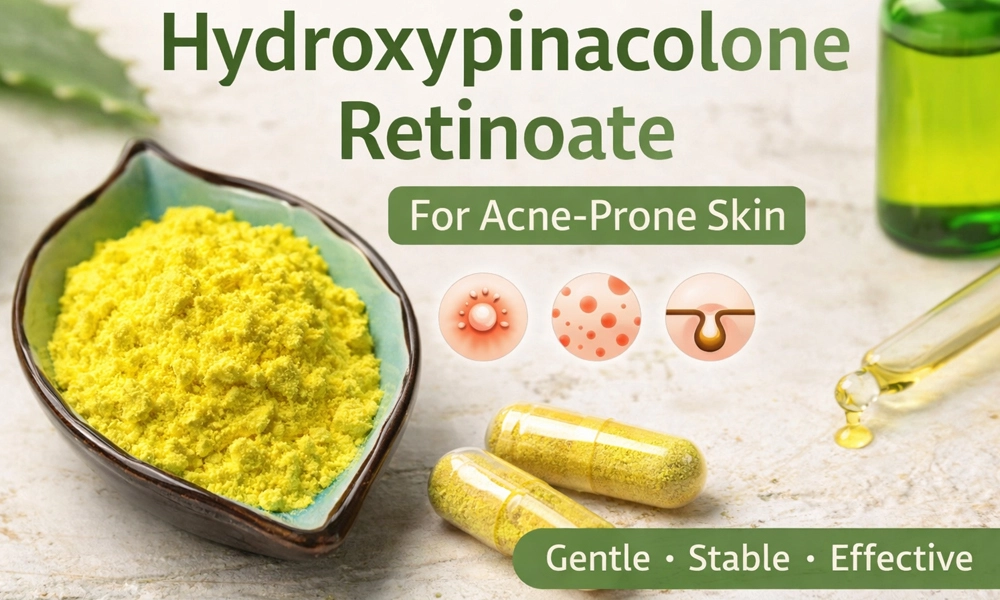
In practical formulation terms, hydroxypinacolone retinoate vs retinyl retinoate is not a question of which ingredient is “better,” but of how each retinoid ester behaves in a cosmetic system. Both are used as modern retinoid ingredients, yet they differ in their conversion pathways, formulation predictability, and typical application scenarios.
Hydroxypinacolone retinoate (HPR) is generally regarded as a more direct-acting retinoid ester, designed to interact with retinoid receptors without relying on the same multi-step conversion process required by many traditional vitamin A derivatives. This characteristic often translates into greater formulation control and more predictable performance across batches.
Retinyl retinoate, on the other hand, is a retinoid derivative that combines retinol-related structures into a single molecule. It is commonly selected for formulations that aim to balance retinoid positioning with established vitamin A chemistry, but it may require closer attention to formulation stability and system design.
For formulators and buyers, the real distinction between hydroxypinacolone retinoate vs retinyl retinoate lies in formulation strategy, stability expectations, and sourcing requirements. Understanding these differences early helps development teams choose the retinoid ester that best fits their technical goals and long-term product planning.
What Is Hydroxypinacolone Retinoate (HPR)?
Hydroxypinacolone retinoate (HPR) is a modern retinoid ester developed for cosmetic use, designed to deliver retinoid activity with greater formulation predictability. From a chemical standpoint, HPR is an ester of retinoic acid engineered to interact more directly with retinoid receptors, without depending on the same multi-step metabolic conversion pathway required by traditional vitamin A derivatives such as retinol.
For formulators, this structural characteristic is a key reason hydroxypinacolone retinoate is often evaluated as a next-generation retinoid ingredient. Because it does not rely heavily on in-skin conversion, HPR can offer more consistent behavior across different skin types and formulation systems. This predictability is particularly valued in modern skincare development, where brands aim to balance innovation with controlled performance.
From a formulation perspective, hydroxypinacolone retinoate is a lipophilic ingredient, typically incorporated into the oil phase of emulsions or anhydrous systems. It is generally compatible with a wide range of cosmetic oils and esters, allowing formulators greater flexibility in system design. Compared with more traditional retinoids, HPR is also recognized for its relatively favorable stability profile, which can simplify formulation development and manufacturing processes.
In commercial applications, hydroxypinacolone retinoate in skincare formulations is commonly used in leave-on products such as serums, creams, and emulsions positioned around advanced retinoid technology. For procurement teams, sourcing HPR from a reliable supplier with clear specifications and batch-level documentation is essential to ensure consistent quality and long-term supply stability.
What Is Retinyl Retinoate?
Retinyl retinoate is a retinoid derivative developed specifically for cosmetic applications, combining structural elements related to both retinol and retinoic acid within a single molecule. From a formulation standpoint, it is positioned as a retinoid ester that offers a bridge between traditional vitamin A derivatives and more advanced retinoid technologies.
Unlike hydroxypinacolone retinoate, which is designed to act more directly, retinyl retinoate relies on gradual transformation within the skin to express retinoid-related activity. This characteristic influences how formulators approach stability, dosage, and overall system design. As a result, retinyl retinoate is often selected for formulations where controlled release and balanced retinoid positioning are priorities.
In terms of formulation behavior, retinyl retinoate is a lipophilic ingredient and is typically incorporated into the oil phase of emulsions or anhydrous products. It demonstrates better stability than some traditional retinol derivatives, but still requires appropriate formulation strategies to protect against light and oxidation. Packaging selection and antioxidant support remain important considerations when working with this ingredient.
From a sourcing and procurement perspective, retinyl retinoate is commonly used in premium skincare products where ingredient selection emphasizes advanced retinoid chemistry and established cosmetic application experience. For buyers, evaluating retinyl retinoate vs hydroxypinacolone retinoate involves assessing formulation goals, stability expectations, and supplier documentation to ensure consistent quality and reliable long-term supply.
Hydroxypinacolone Retinoate vs Retinyl Retinoate: Key Differences for Formulators
For formulators and sourcing teams, comparing hydroxypinacolone retinoate vs retinyl retinoate side by side helps clarify how these two retinoid esters differ in real-world cosmetic development. Although both are positioned as modern retinoid ingredients, their behavior in formulations, handling requirements, and sourcing considerations are not the same.
|
Comparison Aspect |
Hydroxypinacolone Retinoate (HPR) |
Retinyl Retinoate |
|
Retinoid classification |
Retinoic acid ester |
Retinoid derivative / ester |
|
Conversion pathway |
Designed to act without extensive in-skin conversion |
Requires gradual transformation in the skin |
|
Formulation predictability |
High, due to defined interaction behavior |
Moderate, influenced by formulation design |
|
Solubility |
Oil-soluble; compatible with common cosmetic oils and esters |
Oil-soluble; incorporated into oil phase systems |
|
Typical pH range |
Generally stable across pH 4.5–7.0 |
Best suited for mildly acidic to neutral systems |
|
Stability considerations |
Relatively resistant to light and oxidation |
Requires protection from light and oxidation |
|
Typical usage level |
Low, controlled inclusion rates |
Low to moderate inclusion rates |
|
Suitable product formats |
Serums, creams, emulsions, advanced leave-on products |
Creams, lotions, premium skincare formulations |
|
Sourcing focus |
Specification control and batch consistency |
Stability data and supplier documentation |
From a technical standpoint, the difference between hydroxypinacolone retinoate and retinyl retinoate is most evident in formulation control and stability management. Hydroxypinacolone retinoate is often favored when formulators require broader formulation flexibility and predictable behavior across different systems. Retinyl retinoate, meanwhile, is selected when product concepts align with traditional retinoid chemistry and controlled-release positioning.
For procurement teams, this comparison also highlights the importance of supplier transparency. Clear specifications, batch-level documentation, and consistent quality standards are essential when sourcing either retinoid ester. Understanding these distinctions allows formulators and buyers to select the ingredient that best aligns with formulation goals, regulatory expectations, and long-term supply strategies.
Formulation Guidance: pH Range, Solubility, and Recommended Use Levels
From the perspective of a raw material manufacturer, understanding the practical formulation parameters of retinoid esters is essential when evaluating hydroxypinacolone retinoate vs retinyl retinoate. Beyond theoretical differences, factors such as pH compatibility, solubility behavior, and typical inclusion levels directly affect formulation feasibility and production stability.
pH Compatibility
Both hydroxypinacolone retinoate and retinyl retinoate are designed for use in leave-on cosmetic formulations and generally perform best in mildly acidic to neutral systems. In practice, HPR demonstrates good stability across a broader working range, typically pH 4.5–7.0, giving formulators greater flexibility when developing multi-active systems. Retinyl retinoate is usually formulated within a narrower window, most commonly pH 5.0–6.5, to maintain stability throughout shelf life.
Solubility Characteristics
In terms of solubility, both ingredients are oil-soluble retinoid esters and should be incorporated into the oil phase during formulation. Hydroxypinacolone retinoate is generally compatible with a wide range of cosmetic oils, esters, and emollients, which can simplify processing and improve dispersion. Retinyl retinoate also dissolves in common cosmetic oils but often benefits from careful solvent selection and antioxidant systems to support long-term stability.
Recommended Use Levels
Typical inclusion levels depend on formulation design and regulatory considerations. In commercial skincare products, hydroxypinacolone retinoate is commonly used at low, controlled levels, often around 0.05%–0.1%, allowing formulators to achieve retinoid positioning without relying on higher concentrations. Retinyl retinoate is also used at relatively low levels, frequently within a similar range, with final dosage determined by overall system design and stability testing.
Practical Implications for Formulators and Buyers
These formulation characteristics influence not only product performance but also manufacturing efficiency and sourcing decisions. Ingredients with broader pH tolerance, predictable solubility, and well-defined use ranges can reduce development risk and support smoother scale-up. When comparing hydroxypinacolone retinoate vs retinyl retinoate, evaluating these technical parameters helps ensure that ingredient selection aligns with both formulation goals and long-term production requirements.
When to Choose Hydroxypinacolone Retinoate vs When to Choose Retinyl Retinoate
From a formulation and sourcing standpoint, the decision between hydroxypinacolone retinoate vs retinyl retinoate is best made by aligning ingredient characteristics with product positioning, development complexity, and long-term supply strategy. Each retinoid ester has scenarios where it is technically and commercially more suitable.
When Hydroxypinacolone Retinoate (HPR) Is the Preferred Option
Hydroxypinacolone retinoate is often selected in formulations where predictability and formulation flexibility are key priorities. It is particularly well suited when:
•The product is positioned around modern retinoid technology and advanced formulation concepts
•Multiple active ingredients are used, requiring broader pH compatibility and stable system behavior
•Development teams aim to simplify stability management and reduce formulation risk during scale-up
For procurement teams, HPR’s defined behavior and clearer specification control can support more consistent sourcing and batch-to-batch performance, especially in long-term production.
When Retinyl Retinoate Is the Better Fit
Retinyl retinoate is often chosen for formulations that emphasize retinoid heritage and gradual activity profiles. It is commonly used when:
•The product concept aligns with traditional vitamin A derivative chemistry
•Formulations are designed with controlled release and established retinoid systems
•The target market favors familiar retinoid naming and ingredient narratives
In these cases, retinyl retinoate can integrate well into premium skincare products where formulation design and packaging are optimized to support stability.
Strategic Use Across Product Portfolios
In practice, many brands do not treat these ingredients as direct substitutes. Instead, hydroxypinacolone retinoate and retinyl retinoate may be used across different product lines, supporting distinct formulation goals and market segments. Understanding the technical and sourcing implications of each retinoid ester allows formulators and buyers to build coherent, scalable product portfolios rather than relying on a single ingredient solution.
Evaluating hydroxypinacolone retinoate vs retinyl retinoate through this practical lens helps ensure that ingredient selection supports both formulation performance and long-term commercial success.
Procurement and Quality Considerations: What Buyers Should Evaluate
When sourcing modern retinoid esters, procurement teams must look beyond basic specifications and consider the broader quality and supply framework behind each ingredient. Whether evaluating hydroxypinacolone retinoate or retinyl retinoate, consistent quality management and transparent documentation are essential to support stable production and regulatory compliance.
From a buyer’s perspective, one of the first factors to review is specification clarity. Retinoid esters should be supplied with clearly defined assay methods, appearance standards, and recommended handling conditions. This is particularly important when comparing hydroxypinacolone retinoate vs retinyl retinoate, as differences in stability and formulation behavior require precise technical data to avoid inconsistencies during scale-up.
Batch-to-batch consistency is another critical consideration. Each production lot should be accompanied by a Certificate of Analysis (COA) confirming key quality parameters. For international sourcing, the availability of third-party testing data can further support internal audits and customer quality requirements. Reliable suppliers should also be able to provide traceability information and maintain stable raw material sourcing.
Packaging and storage guidance also play a role in procurement decisions. Retinoid esters are sensitive ingredients that benefit from controlled packaging designed to limit exposure to light and oxygen. Buyers should confirm recommended storage conditions, shelf life, and suitable packaging formats before finalizing supply agreements.
Finally, long-term supply capability should not be overlooked. Working with a supplier experienced in cosmetic active ingredients helps ensure that retinoid esters such as hydroxypinacolone retinoate and retinyl retinoate can be supplied consistently as product demand grows. Evaluating suppliers on quality systems, documentation support, and production capacity helps reduce risk and supports sustainable product development.
FAQs: Common Questions About Hydroxypinacolone Retinoate and Retinyl Retinoate
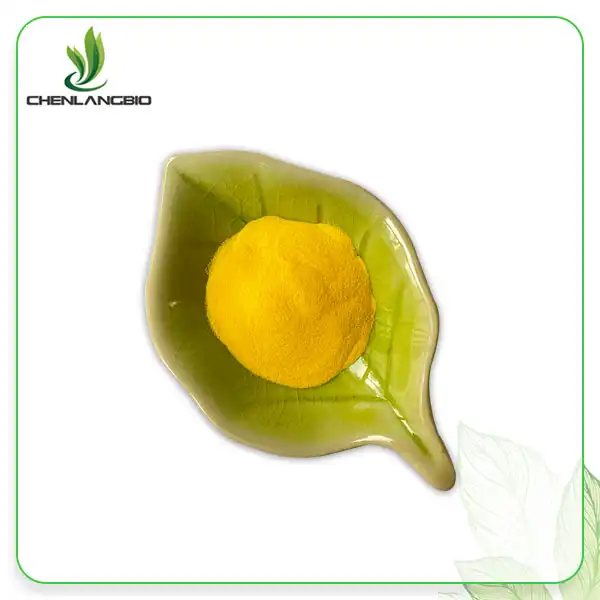
Below are some of the most common questions we receive from formulators and sourcing teams when evaluating hydroxypinacolone retinoate vs retinyl retinoate. Hope these can help you learn more about our hydroxypinacolone retinoate powder.
Are hydroxypinacolone retinoate and retinyl retinoate interchangeable in formulations?
Not directly. Although both are retinoid esters, they differ in conversion behavior, stability profile, and formulation flexibility. Substituting one for the other without reformulation may affect stability, tolerance positioning, or overall system performance.
Which ingredient is easier to formulate with?
From a technical perspective, hydroxypinacolone retinoate is often considered easier to integrate due to its broader pH compatibility and relatively stable behavior in cosmetic systems. Retinyl retinoate can also be formulated successfully but typically requires more controlled formulation and packaging strategies.
Do both ingredients require antioxidant systems?
Yes. As retinoid esters, both hydroxypinacolone retinoate and retinyl retinoate benefit from antioxidant support to protect against oxidation. However, the level of formulation complexity may differ depending on the overall system design.
Can these retinoids be used in sensitive-skin products?
Product positioning depends on the complete formulation, not the retinoid alone. That said, hydroxypinacolone retinoate is often selected in formulations designed for improved tolerance, while retinyl retinoate is more commonly used in controlled, premium retinoid systems.
What documentation should buyers request from suppliers?
Buyers should request technical specifications, COA for each batch, recommended storage conditions, and stability-related guidance. For international markets, third-party testing data and regulatory documentation are also important when sourcing cosmetic retinoid ingredients.
Conclusion
Understanding the differences between hydroxypinacolone retinoate vs retinyl retinoate helps formulators and sourcing teams make more informed ingredient decisions. While both are modern retinoid esters used in cosmetic formulations, their behavior in terms of stability, formulation flexibility, and application focus is not the same. Selecting the right option depends on formulation objectives, system design, and long-term supply considerations rather than simple comparisons.
As a professional manufacturer and supplier of hydroxypinacolone retinoate and retinyl retinoate, CHEN LANG BIO TECH supports formulators with clearly defined specifications, consistent quality control, and reliable supply. In addition to retinoid ingredients, we also supply a wide range of cosmetic raw materials to support modern skincare formulation and product development.
For technical information, specifications, or sourcing inquiries, please contact us:
Email: admin@chenlangbio.com
WhatsApp / WeChat: +86-17782478823

Send Inquiry
Related Industry Knowledge
- How Can Evodiamine Powder Enhance Your Product Line's Effectiveness?
- How Does Natural Daidzein Powder Help Maintain Healthy Cell Growth?
- What is the Difference Between Broccoli Powder and Broccoli Extract Powder?
- What Nutrients are Found in Cactus Extract Powder?
- Can 4-Butylresorcinol be Used for Treating Melasma?
- What is Butylresorcinol Serum Used for
- What is Reishi Mushroom Extract Good for
- What is Hydroxypropyl Tetrahydropyrantriol in Skin Care
- Is Lotus Leaf Extract Powder Good for Weight Loss
- Does Pure Epimedium Extract Powder Improve Sex Ability