
How Resveratrol Works in the Body: Antioxidant, Anti-Aging & Cellular Benefits
2025-12-10 14:59:21
Resveratrol powder has become one of the most talked-about ingredients in the wellness and beauty world, but many people still wonder how it actually works inside the body. Whether you're formulating supplements, developing a skincare line, or simply researching functional ingredients, understanding the science behind resveratrol can help you choose the right material and use it more effectively.
At CHEN LANG BIO TYECH, we work withit every day, and we’ve seen firsthand why this natural polyphenol is valued for its antioxidant support, anti-aging effects, and cellular protection. The way resveratrol interacts with the body—reducing oxidative stress, supporting healthy aging pathways, and helping cells function more efficiently—explains why it continues to appear in advanced nutritional formulas and premium cosmetic products.
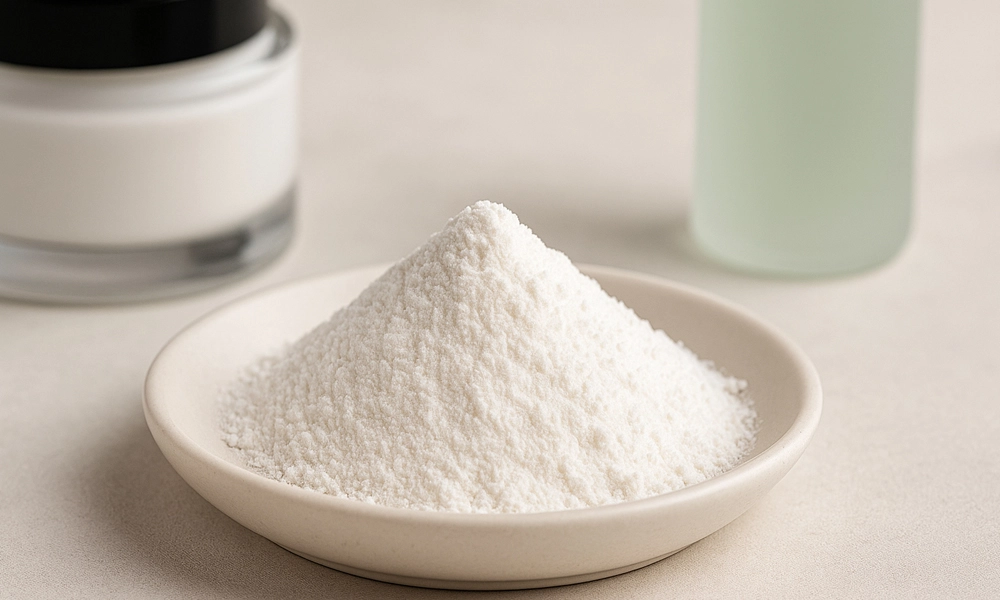
What Exactly Is Resveratrol? A Quick Look at This Powerful Polyphenol
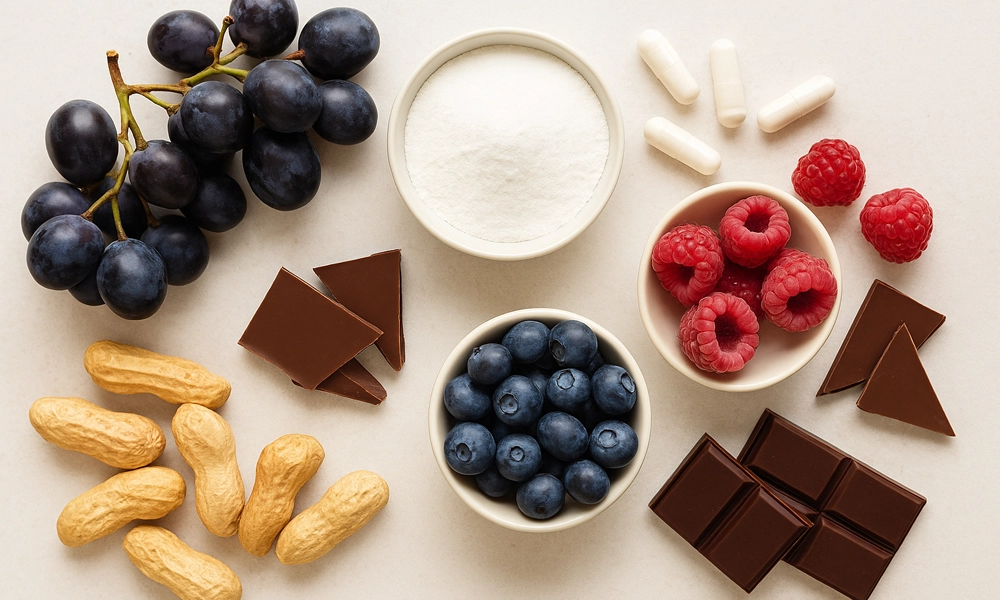
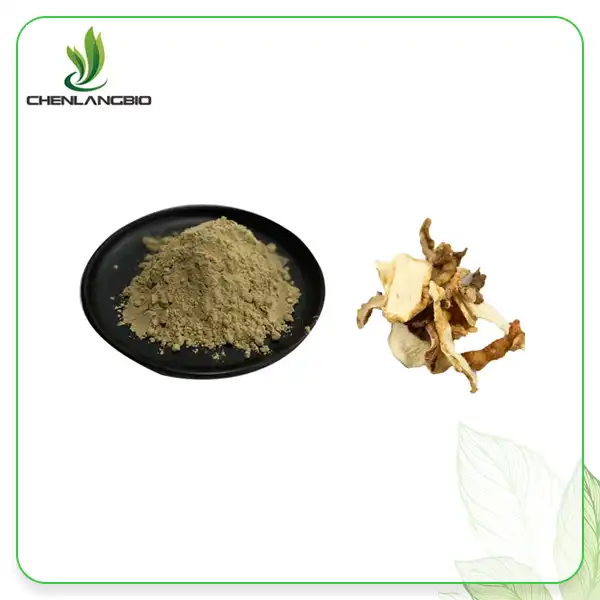
Resveratrol is a naturally occurring polyphenol that plants produce as a defense mechanism against stress, UV exposure, and environmental damage. You’ll find it in red grapes, berries, peanuts, and—most commonly for commercial use—in Polygonum cuspidatum, a botanical source known for its consistently high resveratrol content.
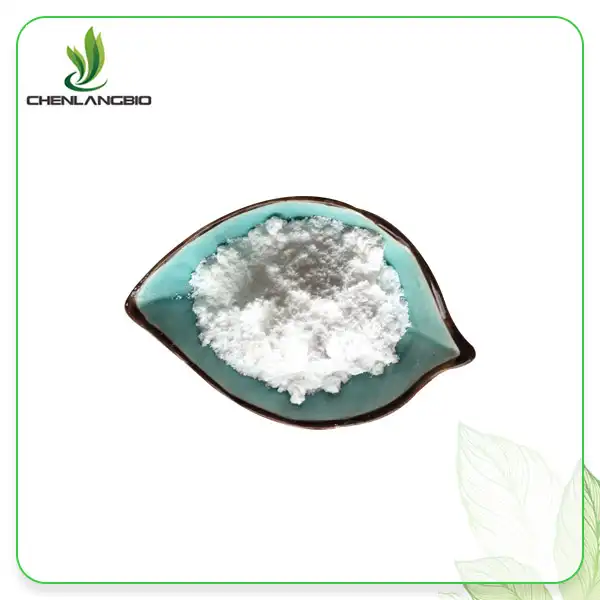
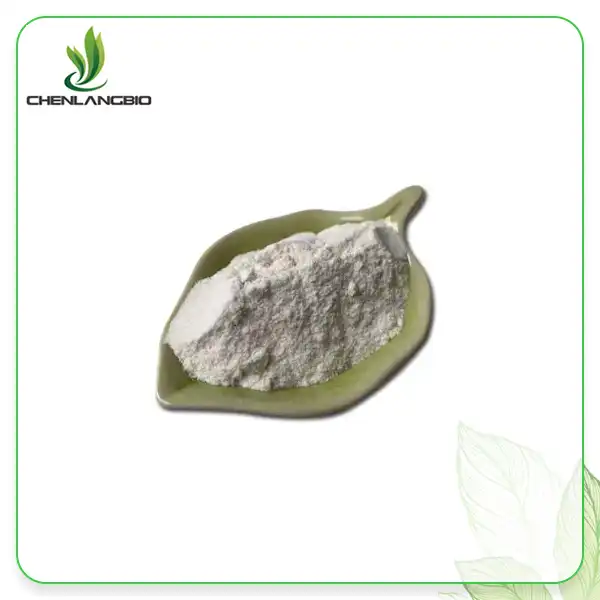
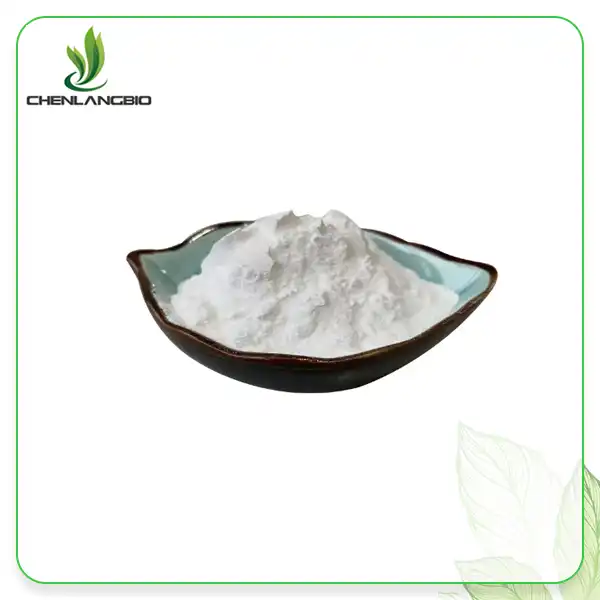
While foods may contain small amounts, most of the resveratrol used in supplements and skincare comes in the form of high-purity resveratrol powder. This allows formulators to work with a stable, concentrated ingredient that delivers predictable performance and measurable potency. The trans-resveratrol form, in particular, is considered the most bioactive and is the preferred choice for advanced formulations across the health and beauty industries.
How Resveratrol Works Inside the Body: The Science Made Simple
One of the reasons resveratrol has earned so much attention is the way it supports the body on multiple levels. Although it’s often introduced as an “antioxidant,” its influence goes far beyond neutralizing free radicals. Resveratrol interacts with several biological pathways that play a role in aging, inflammation, and overall cellular resilience.
From what we’ve seen working with different supplement and skincare brands, the most successful formulas are those built around a clear understanding of how resveratrol behaves inside the body. Below is a straightforward look at the key mechanisms—explained without heavy technical jargon, but with enough detail to show why high-purity resveratrol powder has become such a valuable ingredient.
Resveratrol and Oxidative Stress Reduction
Oxidative stress is one of the primary drivers of aging and cellular damage. Everyday factors like UV exposure, pollution, and metabolic processes can generate free radicals that gradually wear down healthy cells. Resveratrol helps counter this by acting as a strong antioxidant, reducing the impact of these reactive molecules before they can cause long-term harm.
This antioxidant support is one of the main reasons resveratrol appears in both anti-aging supplements and topical skincare. It protects cells, helps maintain a healthier environment for tissue repair, and supports the body’s natural defenses as we age.
Resveratrol and the SIRT1 Longevity Pathway
Another area where resveratrol stands out is its influence on the SIRT1 pathway—one of the most studied mechanisms linked to cellular longevity. Sirtuins play a role in repairing DNA, improving metabolic efficiency, and maintaining overall cellular function.
Resveratrol doesn’t act as a magic switch, but it does help support the natural activity of SIRT1. This is why so many longevity formulas feature resveratrol alongside ingredients like NMN, NAD+ boosters, or quercetin. Together, they create a more comprehensive approach to supporting healthy aging from within.
Resveratrol’s Anti-Inflammatory Effects
Inflammation is another factor that affects everything from skin appearance to long-term metabolic health. Resveratrol helps calm inflammatory pathways—particularly those triggered by stress, UV exposure, and environmental irritants.
Anti-Aging Benefits: Why Resveratrol Is a Favorite in Supplements and Skincare
As interest in healthy aging continues to grow, resveratrol has earned a solid reputation for supporting the body’s natural ability to maintain youthful, resilient cells. What makes it especially appealing to both supplement formulators and skincare brands is its ability to work at multiple levels—not just on the surface, but deep within the cells themselves.
Below are some of the core reasons resveratrol remains one of the most trusted ingredients in anti-aging formulas.
Cellular Protection & DNA Support
Every day, cells are exposed to oxidative stress and environmental triggers that gradually harm DNA and slow down natural repair processes. Resveratrol helps create a more favorable environment for cell maintenance by reducing oxidative strain and supporting the pathways related to cellular repair.
While resveratrol isn’t a replacement for the body’s own repair systems, it helps those systems function more efficiently. This is why supplement brands often position resveratrol as an ingredient that helps maintain long-term cellular health.
Improved Mitochondrial Function & Energy Production
Mitochondria play a central role in how energetic and youthful cells feel and behave. Over time, oxidative stress and lifestyle factors can diminish mitochondrial efficiency, which influences everything from metabolism to overall vitality.
Resveratrol supports healthier mitochondrial function, helping cells produce energy more effectively. In practical terms, this may contribute to improved endurance, better metabolic balance, and a general sense of vitality—benefits that many consumers now associate with modern “longevity” formulas.
For skincare, this improved cellular energy often translates to a more radiant, refreshed appearance, especially when combined with other supportive actives.
Collagen Protection & Skin Firmness
UV exposure and oxidative stress can accelerate collagen breakdown, leading to visible signs of aging such as fine lines, uneven tone, and reduced firmness. Resveratrol helps protect collagen from environmental damage, while also supporting a more balanced environment for skin renewal.
Key Health Benefits of Resveratrol Powder
As resveratrol’s popularity has grown, so has the amount of research exploring its role in long-term wellness. While the ingredient is often highlighted for its antioxidant strength, many of its most meaningful benefits come from the way it supports core systems in the body—heart health, cognitive function, and metabolic balance. These effects are subtle but steady, which makes resveratrol a strong fit for daily use in supplements and functional food products.
Heart & Circulatory Support
One of the earliest areas of interest around resveratrol was cardiovascular health. Its ability to help reduce oxidative stress, support healthy blood flow, and promote a more balanced inflammatory response has made it a valuable component in heart-focused formulations.
Brain & Cognitive Support
The brain is especially vulnerable to oxidative stress, and this is where resveratrol’s antioxidant and anti-inflammatory properties may offer notable benefits. By supporting healthier blood flow and helping reduce oxidative strain, resveratrol creates a more favorable environment for long-term cognitive function.
Metabolic & Blood Sugar Support
Several studies suggest it may help support healthier metabolic activity and normal blood sugar balance. While it is not positioned as a standalone solution, its ability to influence inflammation, oxidative stress, and mitochondrial efficiency plays a meaningful role in supporting metabolic wellness.
How the Body Absorbs Resveratrol?
Even though resveratrol offers impressive antioxidant and anti-aging benefits, its absorption in the body can be more complex than many people realize. Like many plant-based polyphenols, resveratrol is powerful—but it also breaks down quickly once consumed. Understanding how the body absorbs it, and how formulators work around these challenges, can help you choose the right type of resveratrol powder for your products.
Bioavailability Challenges
Resveratrol is metabolized rapidly, which means the body can process it before it reaches the bloodstream in meaningful concentrations. This doesn’t diminish its value, but it does explain why many formulations use higher-purity extracts or combine resveratrol with other supportive ingredients.
Several factors affect its bioavailability, including:
♦how quickly the liver breaks it down
♦the presence of other antioxidants or polyphenols
♦the format in which it is delivered (powder, capsule, drink, topical, etc.)
This is also why purity and sourcing matter—better-quality resveratrol powder tends to be more predictable and easier to work with when designing formulas that improve absorption.
How Formulators Improve Resveratrol Absorption
Over the years, supplement and functional-food brands have developed different approaches to help the body absorb resveratrol more effectively. Some of the most common strategies include:
Using High-Purity or Micronized Resveratrol Powder
Smaller particle sizes or higher purity can help improve how efficiently the body uses the ingredient.
Pairing Resveratrol with Synergistic Ingredients
It is often combined with quercetin, piperine, or other polyphenols to help slow metabolic breakdown.
Liposomal and Advanced Delivery Systems
Some brands use liposomal coatings or other encapsulation technologies to improve stability and absorption.
Topical Use in Skincare
When applied to the skin in a well-designed formula, resveratrol can bypass digestion entirely, allowing it to work directly where oxidative stress and environmental damage are most visible.
How Much Resveratrol Do You Need?
When it comes to resveratrol dosage, there is no single “one-size-fits-all” answer. The right amount depends on the purpose of the formula, the purity of the raw material, and whether the product is designed for daily maintenance or more targeted support. What we can share—based on both published studies and what our customers commonly use in their formulations—are the general ranges that tend to work best for most applications.
Below is a simplified overview of the dosage ranges most commonly used across different types of formulations. These values reflect typical industry practice and align with what we see among the brands and manufacturers we work with.
|
Application Type |
Typical Dosage Range |
Notes for Formulators |
|
Daily Wellness Supplements |
100–250 mg / day |
Suitable for general antioxidant and cellular support. Works well for mainstream capsules and tablets. |
|
Anti-Aging / Longevity Formulas |
250–500 mg / day |
Often paired with NMN, NAD+ boosters, quercetin, or polyphenols. Higher purity resveratrol powder preferred. |
|
Combination Supplements |
50–150 mg / serving |
Ideal when resveratrol is used as part of a multi-ingredient blend. Helps balance cost, claims, and capsule size. |
|
Topical Skincare Formulations |
0.1–1% concentration |
Effective for serums and creams. Stability and packaging are critical to prevent oxidation. |
|
Functional Beverages / Powders |
Varies (generally 50–200 mg) |
Depends on solubility strategy and intended health claim. Micronized forms may be helpful. |
How to Use Resveratrol Powder in Formulations (Supplements & Cosmetics)
Resveratrol is a versatile ingredient, but it does require some understanding of its behavior during formulation. Whether you are developing capsules, drink powders, serums, or creams, the key to getting the best performance lies in managing stability, solubility, and compatibility with other actives. Over the years, we’ve worked with many brands adjusting their formulas, and the same principles tend to apply across categories.
Using Resveratrol Powder in Supplements
Resveratrol blends well into most dry formats, which is why capsules, tablets, and powdered drink mixes remain the most popular choices for supplement brands.
Capsules and Tablets
High-purity resveratrol powder flows cleanly, making it easy to encapsulate or compress. Most formulators prefer using 98% or 99% purity grades because they allow for precise dosing and consistent label claims.
Powdered Drinks and Functional Beverages
Solubility can be a challenge here. Resveratrol is not naturally water-soluble, so drink powders often rely on micronized forms or supportive carriers to improve dispersibility. The results can be excellent when the formula is built correctly, but stability and sensory testing are essential.
Multi-Ingredient Formulas
Resveratrol pairs well with other antioxidants and metabolic support ingredients. It is commonly blended with quercetin, NMN, NAD+ precursors, CoQ10, grape seed extract, and various polyphenols. These combinations are popular because they create a more comprehensive anti-aging or wellness profile without overwhelming any single ingredient.
Using Resveratrol Powder in Skincare Formulations
Resveratrol has become a favorite among cosmetic chemists, especially for products targeting brightness, firmness, and protection against environmental stress. Its antioxidant strength and ability to support healthier-looking skin make it suitable for a range of topical applications.
♦Serums and Essences
This is where resveratrol shines. Serums allow formulators to use controlled concentrations—typically 0.1–1%—and protect the ingredient with airless packaging. The ingredient works well alongside vitamin C derivatives, peptides, niacinamide, and soothing botanical actives.
♦Creams and Moisturizers
Cream-based systems help shield resveratrol from light and oxygen, which improves stability. These formulas often target mature or stressed skin, making resveratrol’s anti-aging and protective benefits especially valuable.
♦Brightening and Anti-Pollution Products
Resveratrol is naturally aligned with these claims due to its ability to reduce oxidative stress and help maintain an even, healthy-looking complexion.
Formulation Tips for Better Stability
Because resveratrol is sensitive to light, heat, and oxidation, a few best practices can make a noticeable difference:
♦Keep formulas below pH 7 when possible
♦Use opaque or airless packaging for skincare
♦Avoid long exposure to high heat during processing
♦Combine with stabilizing antioxidants where appropriate
♦Store raw resveratrol powder in a cool, dry place away from direct light
Small adjustments like these can significantly extend the stability and performance of both supplements and topical products.
Potential Side Effects & Safety Information
It is generally well tolerated, which is one of the reasons it has become such a common ingredient in both supplements and skincare. Still, like any active compound, it’s important to understand where caution is appropriate—especially if you are formulating products for a wide range of consumers.
Supplement Use: Mild and Rare Reactions
Most people handle resveratrol well at standard supplement dosages. Mild digestive discomfort can occur when taken on an empty stomach or at unusually high amounts, but this is not common. For the majority of consumers, resveratrol serves as a gentle, supportive antioxidant rather than a strongly stimulating compound.
Individuals who are pregnant, nursing, or managing specific medical conditions should speak with a healthcare professional before adding resveratrol to their regimen. This is a standard precaution used for most active ingredients.
Skincare Use: Generally Suitable for Most Skin Types
Topically, resveratrol is considered safe and non-irritating. Its anti-inflammatory nature actually makes it a useful ingredient for sensitive or easily stressed skin. That said, as with any potent antioxidant, it’s best to introduce it gradually—especially in formulas that also contain actives such as vitamin C, retinoids, or acids.
Resveratrol may slightly discolor if exposed to light or air in a finished product, which is not a safety issue but can affect the appearance of the formula. This is where proper packaging and formulation design make a significant difference.
Interactions and Practical Considerations
When used in supplements, resveratrol may interact with ingredients that influence blood clotting or metabolic pathways, though such interactions are uncommon at typical doses. This is another reason why formulators often work closely with quality and regulatory teams to ensure each product meets the health standards of its target market.
From a raw-material standpoint, the main safety considerations relate to purity and testing. High-quality resveratrol powder—supported by COA, microbial analysis, and heavy metal screening—remains the best way to ensure that your finished product meets the expectations of consumers and regulatory bodies alike.
Why Many Brands Choose to Work With CHENLANG BIO TECH
Over the years, we’ve had the privilege of supplying resveratrol ingredients to supplement manufacturers, skincare formulators, and functional-food brands in markets around the world. What our partners often tell us is that they’re not just looking for an ingredient—they’re looking for a supplier who understands how that ingredient needs to perform once it leaves our facility.
At CHENLANG BIO TECH, we keep that responsibility at the center of our work. Our focus has always been on providing materials that are consistent, well-tested, and supported with the kind of communication and service that make your production run smoothly.
Here are a few of the reasons customers choose to stay with us long term:
✔ Consistency You Can Count On
Resveratrol is a sensitive material, and small differences in raw herb quality or processing can create big differences in the final product. Because we manage stable sourcing of Polygonum cuspidatum and follow a disciplined extraction process, our batches remain steady—visually, analytically, and functionally. This reliability is something our customers notice immediately.
✔ Clear, Complete Quality Documentation
Every shipment comes with validated HPLC results, microbial and heavy metal testing, and a transparent breakdown of purity—especially the percentage of trans-resveratrol. We do this not because it’s required, but because it helps your own quality team work with confidence.
✔ A Team That Answers You, Not Just Sends Quotes
Most of the brands we support appreciate that they can speak with someone who actually understands formulation, stability questions, and testing methods. Whether you need to compare purity levels, troubleshoot a blending issue, or simply confirm lead times, you’ll always get straightforward, timely communication.
✔ Scalable Supply for Growing Brands
Some customers start with a kilo or two; others are producing thousands of bottles each month. Our production setup allows us to support both ends of the spectrum without changing quality or extending lead times. When your business grows, we grow with you—quietly and reliably in the background.
✔ Practical Lead Times and Global Shipping Experience
We understand that delays can derail your schedule. Most orders ship within 2~3 working days, and our logistics team prepares documentation to keep your customs clearance as smooth as possible. Whether the shipment is going to North America, Europe, or Southeast Asia, we’ve likely done it before.
✔ A Straightforward, Professional Working Style
There’s no drama, no unrealistic promises, and no last-minute surprises. If something needs to be clarified, we’ll say it. If your timeline is tight, we’ll work with you. The idea is simple: make it easy for you to produce a product you can be proud of.
Conclusion
Resveratrol has been studied for years, yet it remains one of the most versatile and respected ingredients in both health and beauty applications. Its ability to support cellular function, reduce oxidative stress, and help the body manage the visible and invisible signs of aging gives it a role that few natural compounds can match.
But beyond the science, what keeps resveratrol relevant is its practicality. It fits naturally into daily wellness supplements, blends smoothly with other antioxidants, and performs exceptionally well in skincare formulas designed for long-term results. When used correctly—and sourced with care—it’s an ingredient that delivers real value for brands and consumers alike.
At CHEN LANG BIO TECH, we see resveratrol not just as a raw material, but as a foundation for meaningful products: supplements that people rely on every day, serums that customers come back to, and formulations that reflect a commitment to quality. Our role is simply to support that process with an ingredient that is consistent, well-documented, and produced with the attention it deserves.
If you are exploring new formulations or reviewing suppliers, our team is always here to share what we know, provide samples, or walk you through purity options and testing methods. Good products begin with good ingredients—and we’re proud to play a small part in helping brands build those products with confidence. Please contact us email: admin@chenlangbio.com if you want more information about resveratrol powder.

Send Inquiry
Related Industry Knowledge
- Where to Buy Hexamidine Diisethionate in Bulk
- Is Pomegranate Extract Good for Erectile Dysfunction?
- What are the Benefits of 3 O Ethyl Ascorbic Acid?
- Does Sodium Ascorbyl Phosphate Work?
- What is Tetrahydrocurcumin Used for?
- Can Minoxidil be Used in Combination with Other Treatments?
- How Does Mung Bean Peptide Powder Compare to Other Protein Sources
- What are the Benefits of Polyphenols in Apples
- What is 4-Hexylresorcinol Used for
- How Long Does Red Yeast Rice Extract Powder Take to Lower Cholesterol