
How Oyster Peptides Support Male Health: A Nutritional Perspective
2025-12-26 19:43:50
Male health is increasingly discussed not as a single outcome, but as a long-term balance shaped by nutrition, lifestyle, and physiological resilience. From our perspective as an ingredient manufacturer serving international nutrition and supplement markets, many of the questions we receive are not about immediate effects, but about how specific nutrients may support overall male wellness over time.
Oyster peptides have attracted attention within this context because they represent a refined nutritional form derived from marine protein. Rather than being positioned as a standalone solution, oyster peptides are typically evaluated for how they fit into broader nutritional strategies aimed at supporting daily vitality, metabolic balance, and general well-being. This distinction is important, particularly for brands and formulators seeking ingredients that align with responsible, science-informed product development.
In this article, we explore oyster peptides from a nutritional perspective, focusing on their role as a functional ingredient within male health formulations. Our discussion is grounded in manufacturing practice, ingredient characteristics, and how nutritional research is commonly interpreted in the supplement and functional food industries, without extending into medical claims or therapeutic assertions.
Understanding Male Health from a Nutritional Perspective
When discussing male health in a nutritional context, it is essential to recognize that well-being is influenced by a combination of factors rather than a single biological marker. Energy metabolism, micronutrient intake, protein quality, and long-term dietary patterns all contribute to how the body maintains normal physiological functions over time. This broader view is increasingly reflected in how nutrition-focused products are formulated and evaluated.
From an ingredient sourcing standpoint, nutritional support for men is often approached through consistency and sustainability rather than short-term outcomes. Nutrients are selected based on their ability to integrate into daily intake, support normal metabolic processes, and complement other components within a balanced formulation. This approach aligns with how functional ingredients are assessed in global supplement markets, where safety, stability, and nutritional relevance are key considerations.
Male wellness, when viewed through nutrition, is therefore less about targeting isolated conditions and more about supporting the body’s overall nutritional environment. This perspective allows ingredient developers and manufacturers to focus on quality raw materials, bioavailable formats, and production methods that preserve nutritional integrity. It is within this framework that oyster peptides are commonly discussed—as part of a wider nutritional strategy rather than as a singular solution.
What Are Oyster Peptides?
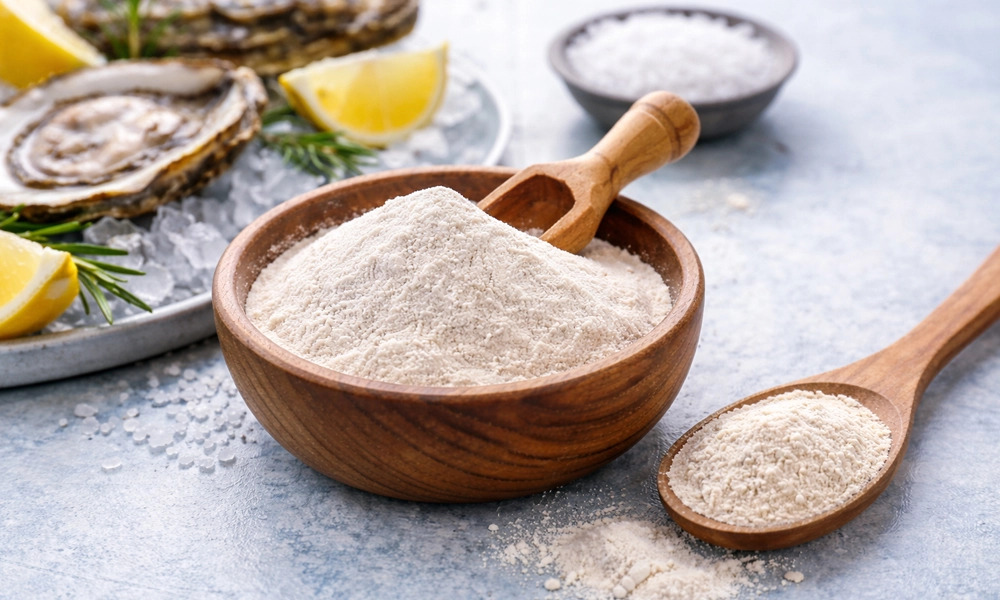
Oyster peptides are bioactive peptide fractions obtained from edible oysters through controlled protein hydrolysis. In nutritional applications, they are valued not because they originate from oysters alone, but because the peptide form offers functional characteristics that differ from whole protein or simple extracts. When discussing what are oyster peptides, it is important to focus on structure and processing rather than on end claims.
From a technical standpoint, oyster peptides consist of short chains of amino acids produced by breaking down oyster protein into smaller molecular units. This process results in a material commonly supplied as oyster peptide powder, designed for use as a functional ingredient in dietary supplements and functional nutrition products. The reduced molecular size is one of the key reasons peptides are frequently evaluated for their compatibility with modern nutrition formulations.
It is also useful to distinguish oyster peptides from other oyster-derived ingredients. Whole oyster powder retains the original protein structure, while oyster extracts often contain a broad mixture of soluble compounds. Oyster peptides, by contrast, are characterized by a more defined peptide profile and improved solubility, which allows formulators to work with greater consistency across batches. This distinction is especially relevant for manufacturers seeking standardized raw materials rather than whole-food components.
From our perspective as a supplier, oyster peptides are best understood as an ingredient format rather than a finished solution. Their role is to provide a concentrated, well-characterized peptide source that can be integrated into broader nutritional systems. This ingredient-level understanding helps brands and formulators evaluate oyster peptides based on production quality, specifications, and application suitability rather than on assumptions tied to the raw material alone.
How Oyster Peptides Are Produced and Why It Matters
The way oyster peptides are produced plays a central role in determining their nutritional characteristics and consistency in finished formulations. While the source material is important, it is the processing method that ultimately defines peptide size, solubility, and suitability for use in functional nutrition products.
In general, oyster peptides are obtained through enzymatic hydrolysis, a process that uses food-grade enzymes to break down oyster protein into shorter peptide chains. This approach differs from mechanical processing or simple extraction because it allows greater control over the resulting peptide profile. For formulators and ingredient buyers, understanding the oyster peptide manufacturing process helps clarify why different products on the market may perform differently despite sharing the same raw material origin.
One of the key objectives during production is to achieve a targeted molecular weight range. Peptides with lower molecular weight are often associated with improved handling properties and better integration into nutrition systems. This is why low molecular weight peptides are frequently specified in technical documentation. However, achieving this outcome requires careful control of processing conditions, including temperature, enzyme selection, and reaction time, rather than aggressive breakdown.
From a manufacturing perspective, consistency is just as important as the initial production outcome. Variations in processing can lead to differences in solubility, taste, and stability, which may affect downstream applications. A well-defined oyster peptide production process therefore emphasizes repeatability and quality control at each stage, from raw material intake through drying and final inspection.
As a supplier, we view production not as a single step but as a system that supports long-term reliability. When oyster peptides are produced under controlled conditions with clear specifications, they become easier for brands and formulators to evaluate, incorporate, and scale. This is why production transparency and process understanding are often decisive factors when selecting a peptide ingredient for nutritional applications.
Key Nutritional Components Found in Oyster Peptides
From a nutritional standpoint, oyster peptides are characterized by a concentrated profile of short-chain peptides and amino acids derived from marine protein. These components are valued in nutrition formulations not as isolated actives, but for how they contribute to overall nutrient balance when included at appropriate levels.
One of the primary attributes discussed in ingredient evaluation is the amino acid composition. Oyster peptides amino acids typically reflect the original oyster protein while being present in peptide-bound forms rather than intact proteins. This structural difference supports easier incorporation into supplement blends and functional foods, particularly where solubility and formulation consistency are required.
In addition to peptides and amino acids, oyster-derived peptide ingredients may retain naturally occurring micronutrients associated with the raw material. When assessed as nutritional components of oyster peptides, these elements are considered supportive within broader nutrition systems rather than as standalone contributors. Their relevance lies in complementing other ingredients commonly used in male-focused nutrition formulations.
For manufacturers and formulators, the value of oyster peptides is linked to predictability. A clearly defined component profile allows nutrition teams to design products with consistent labeling, processing behavior, and performance across batches. This ingredient-level clarity is essential when oyster peptides are positioned within multi-ingredient formulations intended for regular consumption.
Oyster Peptides and Male Vitality: What Research Suggests
Research discussions around male vitality increasingly emphasize nutritional context rather than single-ingredient outcomes. Within this framework, oyster peptides are often examined for how their peptide structure and nutrient profile may contribute to general physiological support when included as part of a balanced diet. When referenced in literature, these discussions typically avoid direct cause-and-effect claims and instead focus on broader nutritional associations.
Studies that explore marine-derived peptides frequently note their relevance to energy-related pathways and nutrient utilization. In this context, oyster peptides male vitality is a phrase used to describe how peptide-based ingredients may align with dietary strategies aimed at supporting normal metabolic function and daily performance. Importantly, such references are framed around nutritional support rather than therapeutic intervention.
Another area commonly addressed in research summaries is how peptide-based ingredients fit into male-focused nutrition formulations. From a formulation standpoint, peptides with controlled molecular size and good solubility are easier to integrate into products designed for regular use. This practical aspect helps explain why oyster peptides are discussed within the scope of nutritional support for male wellness, rather than as standalone solutions.
From an ingredient manufacturer’s perspective, the value of these research observations lies in guidance rather than conclusions. They help inform how oyster peptides are positioned within responsible product development—supporting vitality through nutrition, while remaining aligned with regulatory expectations and scientific caution.
Oyster Peptides in Dietary Supplements and Functional Nutrition
Oyster peptides are most commonly incorporated into dietary supplements and functional nutrition products where consistency, solubility, and formulation flexibility are required. In these applications, peptides are not positioned as isolated actives, but as supportive components within multi-ingredient systems designed for regular nutritional intake.
Within the supplement sector, oyster peptides are frequently used in powdered blends, capsules, or combination formulas alongside vitamins, minerals, and other protein-derived ingredients. Their peptide form allows for easier processing and more predictable behavior during mixing and encapsulation. This practical advantage explains their presence in oyster peptides dietary supplements formulated for daily use rather than short-term consumption.
Functional nutrition products represent another important application area. Nutrition powders, ready-to-mix beverages, and performance-oriented food formats benefit from ingredients that dissolve uniformly and remain stable under standard processing conditions. In this context, oyster peptides are evaluated for how well they integrate into functional nutrition for men, particularly in products positioned around daily energy and nutritional balance.
From a manufacturing and sourcing perspective, application suitability is closely tied to ingredient quality and specification control. Peptides with consistent molecular profiles and documented production parameters are easier for formulators to scale and maintain across production batches. This reliability is often a deciding factor when oyster peptides are selected for commercial nutrition products intended for international markets.
Safety and Responsible Use of Oyster Peptides
When oyster peptides are discussed within nutrition-focused products, safety is typically considered from an ingredient quality and regulatory perspective rather than from a therapeutic one. As a food-derived peptide ingredient, oyster peptides are evaluated based on raw material sourcing, processing controls, and compliance with applicable food and supplement standards. Questions such as are oyster peptides safe are therefore addressed through manufacturing practice and documentation, not isolated claims.
Responsible use begins with ingredient specification. Clearly defined peptide content, molecular weight range, and purity parameters help ensure that oyster peptides perform as expected in finished formulations. From a sourcing standpoint, consistent specifications reduce formulation variability and support reliable labeling and quality control, which are essential for products intended for regular consumption.
Regulatory expectations may vary depending on the target market, but the underlying principles remain similar. Oyster peptides are generally positioned as nutritional ingredients rather than medicinal substances, and their use should align with local regulations governing dietary supplements and functional foods. Reviewing documentation related to oyster peptide safety, including standard quality and handling information, supports compliance throughout the product lifecycle.
From a manufacturer’s perspective, safety is closely linked to transparency and process control. When oyster peptides are produced under standardized conditions and supplied with clear technical documentation, they can be incorporated into nutrition products with confidence. This approach supports responsible formulation and helps maintain trust across the supply chain.
Choosing a Reliable Oyster Peptide Supplier
For brands and formulators working with peptide-based ingredients, supplier selection has a direct impact on product consistency, regulatory readiness, and long-term supply stability. Beyond basic pricing considerations, evaluating a reliable oyster peptide supplier requires attention to manufacturing capability, quality systems, and technical transparency.
One of the primary indicators of supplier reliability is whether oyster peptides are produced in-house or sourced through external processing. A true oyster peptide manufacturer should be able to explain its production process clearly, including how peptide profiles are controlled and how batch consistency is maintained. This level of transparency is essential for customers developing products intended for repeated, large-scale production.
Quality documentation is another critical factor. Consistent specifications, certificates of analysis, and clear handling information allow buyers to integrate oyster peptides into their quality management systems with confidence. Suppliers who treat documentation as part of the product, rather than as an afterthought, are better positioned to support international markets and long-term cooperation.
At CHEN LANG BIO TECH, our role as an ingredient supplier is built around manufacturing control and repeatability. Oyster peptides are produced through standardized enzymatic hydrolysis and downstream processing within our own facilities, allowing us to manage quality parameters across each production stage. This in-house approach supports stable peptide profiles and predictable performance in nutritional applications.
Our manufacturing infrastructure includes multiple production bases dedicated to raw material processing and functional ingredient production, enabling us to support bulk orders and ongoing supply. For customers seeking a dependable oyster peptide manufacturer China, this capacity translates into reduced supply risk and greater consistency across shipments.
Equally important, we view technical communication as part of responsible supply. By providing clear specifications and responding to formulation-related questions, we support customers beyond initial sourcing. This collaborative approach reflects how we work with partners who value long-term reliability rather than short-term transactions.
Conclusion — A Balanced View on Oyster Peptides and Male Health
When considered from a nutritional perspective, oyster peptides are best understood as a functional ingredient that supports broader dietary strategies rather than as a solution aimed at specific outcomes. Their relevance in male health discussions comes from their peptide structure, manufacturing consistency, and suitability for integration into regulated nutrition products.
Throughout this article, we have focused on how oyster peptides are produced, what nutritional components they contain, and how they are commonly used within dietary supplements and functional nutrition. This approach reflects how ingredient manufacturers and formulators evaluate raw materials in practice—by examining quality, specification control, and alignment with responsible product development.
From our experience as a manufacturer, the role of oyster peptides in male health is shaped by context. When sourced from reliable suppliers and used within balanced formulations, they can contribute to nutritional support frameworks designed for long-term wellness. At the same time, maintaining realistic expectations and adhering to regulatory standards is essential for both brands and consumers.
At CHEN LANG BIO TECH, we approach oyster peptide production with this balance in mind. By focusing on manufacturing discipline, documentation transparency, and consistent supply, we aim to support customers who prioritize quality and sustainability in their nutrition products. This perspective guides how oyster peptides are positioned—not as a claim-driven ingredient, but as a dependable component within science-informed nutritional systems.
If you are seeking a reliable oyster peptide manufacturer for long-term cooperation, we welcome the opportunity to share additional technical information and production insights. CHEN LANG BIO TECH supports customers with stable supply, clear specifications, and responsive communication throughout the sourcing process.
Reach out to our team Email: admin@chenlangbio.com to learn more about how our oyster peptide ingredients can support your nutrition product development.

Send Inquiry
Related Industry Knowledge
- The Ultimate Guide to Helichrysum Arenarium Flower Extract
- How to Make Phellinus Linteus Tea?
- How Should Cetyl Tranexamate HCL Be Used in A Skincare Routine?
- What are the Excitation and Emission Properties of D-Luciferin Sodium Salt?
- Where to Buy Bulk Dimethylmethoxy Chromanol
- Sea Buckthorn Oligopeptide: A Powerhouse for Immune Health
- Does Coenzyme Q10 Powder Help With Weight Loss
- Argireline Acetyl Hexapeptide 8 Anti-Wrinkle
- Is Kava kavalactone Powder Good for Anxiety
- What is Pure Cinnamon Bark Extract