
How Minoxidil Works: Mechanism & Research Background
2025-12-24 19:16:30
Minoxidil powder is widely used as a raw material in pharmaceutical and cosmetic formulation, yet questions around how it works and why it has been studied so extensively remain common among manufacturers and formulation teams. While minoxidil has been the subject of decades of research, its biological activity is best understood through a combination of proposed mechanisms rather than a single, definitive pathway.
From our perspective as a producer of minoxidil powder raw material, understanding the minoxidil mechanism of action is not about making clinical claims, but about providing scientific context for formulation development and research evaluation. Manufacturers and R&D teams often need a clear overview of how minoxidil interacts with the scalp environment and hair follicles in order to make informed decisions about formulation design, delivery systems, and quality requirements.
This article reviews the research background of minoxidil, summarizing the most widely discussed mechanisms identified in experimental and clinical studies. The focus is on how these findings relate to manufacturing and formulation considerations, rather than on finished products or consumer use. By outlining what is well supported by research and what remains under investigation, XI AN CHEN LANG BIO TECH aims to offer a practical and balanced reference for professionals working with minoxidil powder in regulated production environments.

What Is Minoxidil Powder in Manufacturing?
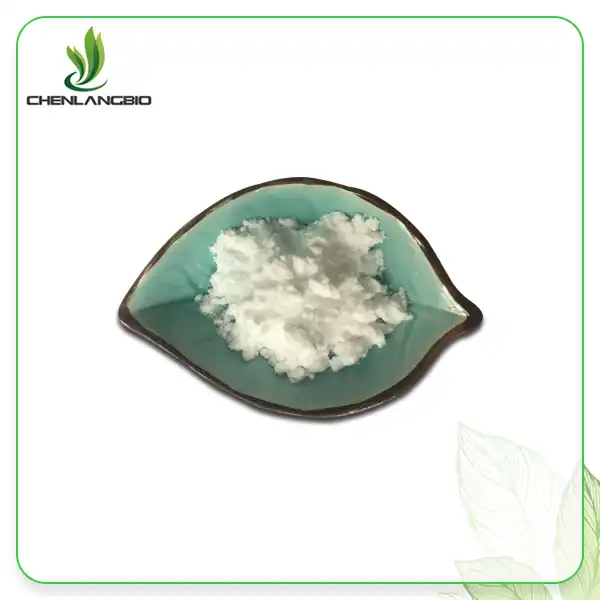
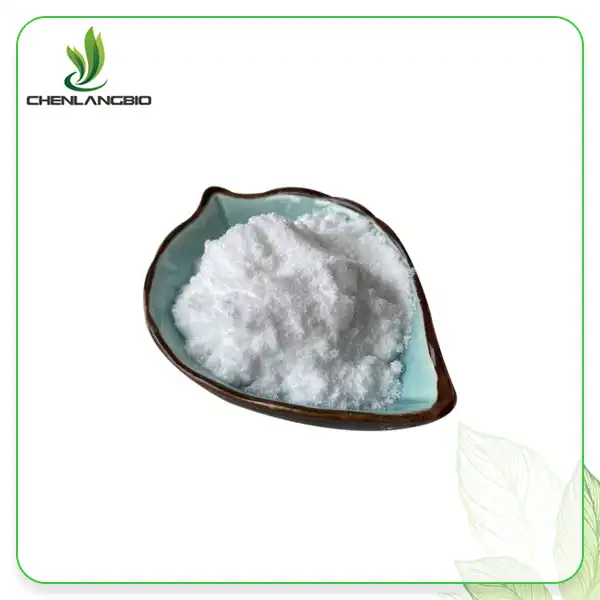
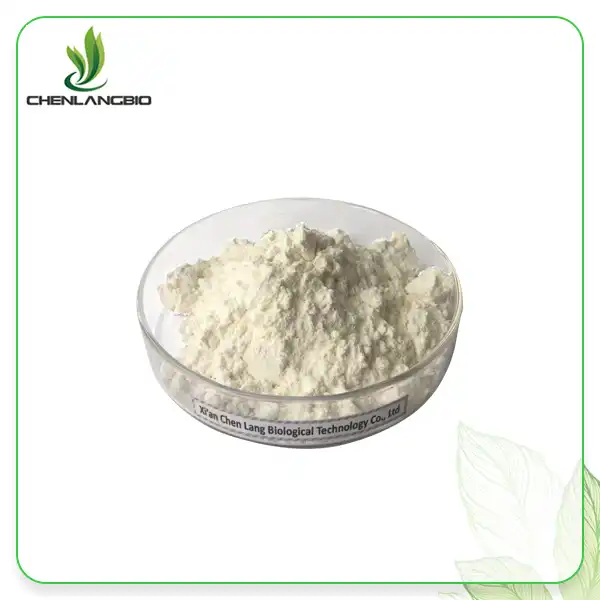
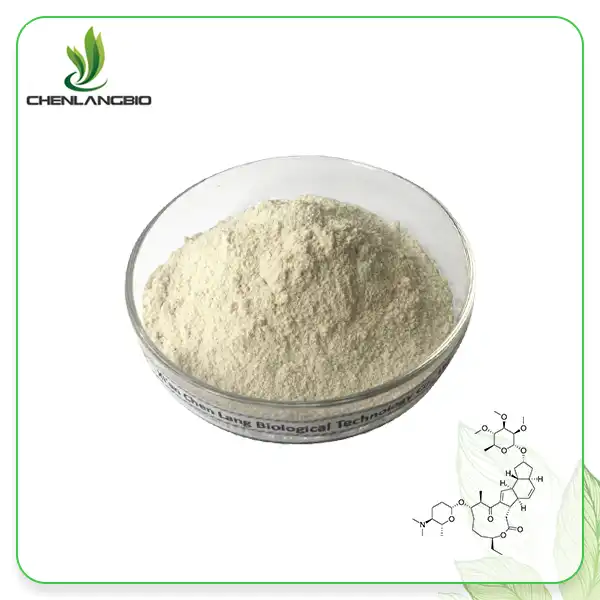
It refers to the solid active ingredient supplied for further formulation and processing in pharmaceutical and cosmetic manufacturing. In this form, it is handled strictly as a raw material rather than a finished or consumer-ready product, which allows manufacturers to integrate it into controlled formulation systems according to their specific technical and regulatory requirements.
From a manufacturing perspective, minoxidil powder raw material is evaluated primarily for identity, purity, and batch-to-batch consistency. These parameters are essential because they form the foundation for reliable formulation development and reproducible research outcomes. When assessing how minoxidil works at a biological level, manufacturers must first ensure that the raw material itself is well characterized and consistently produced.
Unlike pre-formulated products, the powder form enables formulation teams to define concentration, solvent systems, and delivery characteristics internally. This flexibility is particularly important when interpreting research findings related to the mechanism of minoxidil, as formulation variables can influence how the active compound interacts with the scalp environment and hair follicles.
Research Background: From Vasodilator to Hair Growth Studies
Minoxidil powder has a research history that predates its association with hair growth, and understanding this background helps explain why its mechanism has been studied from multiple angles. Early research on minoxidil focused on its pharmacological activity as a vasodilator, with investigations centered on how it influenced blood vessel behavior and tissue perfusion.
During these early studies, researchers observed effects beyond the intended scope of vascular research. This prompted further investigation into how minoxidil interacted with skin and hair follicle tissues under localized exposure. Over time, research attention gradually expanded from systemic effects to localized biological responses, particularly within the scalp environment.
As interest grew, studies began to explore how minoxidil affected hair follicles at different stages of the hair cycle. Rather than attributing its activity to a single pathway, researchers proposed several complementary explanations, forming the basis for what is now commonly described as the research background of minoxidil. These investigations laid the groundwork for later studies that examined cellular signaling, follicular microenvironments, and growth-related responses.
From a manufacturing and formulation standpoint, this research evolution is important. The transition from systemic research to localized application highlighted the role of formulation design and delivery systems in shaping biological outcomes. For companies working with minoxidil powder raw material, this context helps explain why consistent raw material quality and controlled formulation conditions are critical when evaluating research findings or developing new formulations.
In practical manufacturing settings, minoxidil powder is therefore positioned as a starting point for research-driven formulation rather than as an end-use material. Its role is to provide a stable, well-documented active ingredient that can be incorporated into different formulation designs while maintaining traceability and quality control throughout development and production.
Proposed Mechanisms: What Research Suggests
Minoxidil Powder has been studied across multiple biological models, and current research suggests that its activity is best explained through several complementary mechanisms rather than a single pathway. These proposed mechanisms are discussed in the literature as working hypotheses, helping researchers and formulators understand how minoxidil may interact with hair follicles and the surrounding scalp environment.
Potassium Channel Modulation
One of the most frequently cited explanations involves the modulation of potassium (K⁺) channels in cells associated with hair follicles. Research suggests that minoxidil may influence ion channel activity, which can affect cellular signaling and metabolic processes within follicular cells.
From a research standpoint, this pathway is relevant because ion channel activity plays a role in regulating the hair growth cycle. While the exact downstream effects continue to be studied, potassium channel modulation is often referenced as a foundational component of the minoxidil mechanism of action described in experimental models.
Influence on the Follicular Microenvironment
Another area of research focuses on how minoxidil affects the local microenvironment surrounding hair follicles. Studies have examined its association with changes in microcirculation and tissue support around the follicle, which may contribute to conditions that favor follicular activity.
Rather than acting directly on hair fibers themselves, minoxidil is thought to influence the supporting structures that sustain follicle function. This perspective helps explain why formulation and delivery systems are important when translating research findings into practical applications.
Growth Factor–Related Pathways
Some studies have explored the relationship between minoxidil and the expression of growth-related signaling molecules, including vascular endothelial growth factor (VEGF). These signaling pathways are involved in tissue support and angiogenesis, both of which are relevant to follicular health in a research context.
It is important to note that growth factor involvement is considered part of a broader network of biological responses rather than a standalone explanation. Ongoing research continues to clarify how these pathways interact and under what conditions they are most relevant.
Hair Cycle Regulation
Research has also examined how minoxidil may influence transitions within the hair growth cycle, particularly the anagen (growth) phase. Observations from clinical and experimental studies suggest that minoxidil may be associated with changes in follicular activity during this phase.
For researchers and manufacturers, these findings highlight the complexity of hair biology and reinforce the idea that formulation variables, exposure time, and raw material consistency can influence observed outcomes.
What These Mechanisms Mean for Formulation Development
Minoxidil powder research does not stop at understanding biological mechanisms; for manufacturers, the more practical question is how these findings translate into formulation development. The proposed pathways discussed in research—such as ion channel modulation, follicular microenvironment support, and growth-related signaling—help explain why formulation design plays a critical role in how minoxidil is evaluated and applied in controlled settings.
From a formulation perspective, one of the key considerations is delivery. Studies examining the minoxidil mechanism of action consistently highlight the importance of localized exposure at the scalp level. This has led formulation teams to focus on how effectively the active compound can be delivered to the target area, rather than relying solely on the intrinsic properties of minoxidil itself. As a result, solvent systems, excipient selection, and overall formulation structure are closely evaluated during development.
Another important factor is solubility and consistency. When working with minoxidil powder solubility in formulation research, manufacturers must ensure that the active ingredient is properly dissolved and evenly distributed within the system. Variations at the raw material level can influence formulation behavior, which is why minoxidil powder raw material is typically assessed for purity, particle characteristics, and batch uniformity before use.
Stability considerations are also informed by research findings. Because proposed mechanisms involve sustained interaction with the follicular environment, formulation teams often evaluate how stability over time may affect exposure profiles. In this context, minoxidil formulation development is closely linked to both raw material quality and controlled processing conditions.
For manufacturers, these formulation-focused interpretations of research reinforce the importance of starting with a well-characterized active ingredient. Minoxidil Powder serves as the foundation upon which delivery systems are designed and optimized, making raw material consistency and documentation essential for reproducible development outcomes.
Evidence Landscape: What Is Well-Supported vs Still Under Study
Minoxidil powder has been examined in a wide range of experimental and clinical studies, but it is important to distinguish between findings that are broadly supported and areas where research is still evolving. For manufacturers and formulation teams, this distinction helps place research conclusions in the proper context and avoids over-interpretation of individual studies.
Several aspects of the minoxidil mechanism of action are consistently discussed across the literature. These include its association with potassium channel activity, localized effects on the follicular microenvironment, and interactions with growth-related signaling pathways. While the relative contribution of each pathway may vary depending on study design, these themes appear repeatedly in both experimental and clinical research.
At the same time, research has not established a single, dominant mechanism that fully explains all observed outcomes. Variations in formulation, concentration, exposure duration, and study models contribute to differences in reported results. This is why the minoxidil mechanism not fully understood remains a common and accurate description in scientific discussions.
Clinical research has also highlighted variability in response among different individuals and study populations. Factors such as scalp condition, formulation characteristics, and application parameters can influence outcomes, which reinforces the importance of controlled formulation development. For manufacturers working with minoxidil powder raw material, these findings underline the need for consistent quality and well-defined specifications when interpreting research data.
From a manufacturing perspective, recognizing what is well supported versus still under investigation allows R&D teams to make informed decisions without relying on assumptions. By aligning formulation strategies with established research while remaining attentive to ongoing studies, manufacturers can responsibly translate scientific evidence into practical development frameworks.
Minoxidil Powder Quality Considerations for R&D and Manufacturing
Minoxidil powder quality is a foundational factor in both research evaluation and manufacturing consistency. For R&D and production teams, understanding how raw material attributes influence formulation behavior is as important as understanding the proposed biological mechanisms themselves.
One of the first aspects typically reviewed is identity and purity. When working with minoxidil powder specifications, manufacturers rely on clearly defined parameters to ensure that the active ingredient used in development accurately reflects the material described in research studies. Consistent purity levels help reduce variability during formulation trials and support more reliable interpretation of experimental results.
Batch-to-batch consistency is equally important. Variations in raw material characteristics can introduce unintended differences in formulation performance, which may complicate development timelines. This is why minoxidil powder raw material is commonly evaluated through standardized analytical methods, with results documented in a batch-specific minoxidil powder COA. These records support traceability and provide assurance that each batch meets defined quality criteria.
From a practical manufacturing standpoint, documentation plays a central role. Alongside the COA, supporting materials such as specification sheets and safety data are used by quality and regulatory teams to qualify suppliers and maintain internal compliance systems. For manufacturers operating in regulated environments, this documentation forms the basis for supplier approval and ongoing quality oversight.
Ultimately, these quality considerations connect research to real-world production. While studies may explore how minoxidil interacts with biological systems, manufacturers depend on well-characterized minoxidil powder to translate those findings into reproducible formulation development. Consistent raw material quality ensures that formulation performance is driven by design choices rather than uncontrolled variability at the ingredient level.
Frequently Asked Questions about Minoxidil Powder
How does minoxidil work on hair follicles?
It has been studied for its interaction with hair follicles through several proposed biological pathways. Research suggests that minoxidil may influence follicular activity by modulating ion channels, supporting the follicular microenvironment, and interacting with growth-related signaling processes. These mechanisms are considered complementary rather than singular, and their relative contribution can vary depending on formulation and exposure conditions.
Is the mechanism of minoxidil fully understood?
No. Despite extensive research, the minoxidil mechanism not fully understood remains an accurate description within the scientific community. While multiple pathways have been proposed and supported by experimental data, no single mechanism has been identified as solely responsible for all observed effects. Ongoing research continues to refine this understanding.
Does formulation affect how minoxidil works?
Yes. Research and manufacturing experience both indicate that formulation design plays an important role in how minoxidil is evaluated and applied. Factors such as solvent systems, delivery characteristics, and stability can influence how the active compound interacts with the scalp environment. This is why manufacturers often work directly with minoxidil powder raw material to develop controlled formulations suited to their specific requirements.
Why do manufacturers prefer minoxidil powder for formulation development?
Manufacturers typically prefer minoxidil powder because it offers greater flexibility and control during formulation development. As a raw material, it allows R&D teams to define concentration, delivery systems, and processing conditions internally, while maintaining clear quality specifications and batch traceability.
What documentation should accompany minoxidil powder?
For professional manufacturing use, minoxidil powder specifications, batch-specific Certificates of Analysis (COA), and safety documentation are commonly required. These materials support supplier qualification, quality assurance, and regulatory compliance within manufacturing environments.
Conclusion
Minoxidil powder continues to be an important subject of research due to its complex and multifaceted biological activity. Rather than operating through a single, clearly defined pathway, minoxidil is best understood as interacting with hair follicles and the surrounding scalp environment through multiple complementary mechanisms.
For manufacturers and formulation teams, understanding this research background provides valuable context for development decisions. The translation of scientific findings into reproducible products depends not only on biological insight, but also on formulation design, delivery strategy, and raw material consistency. By focusing on these factors, manufacturers can responsibly apply research knowledge within controlled production frameworks.
As research continues to evolve, a balanced view—recognizing both well-supported findings and areas still under investigation—remains essential. This perspective supports informed formulation development while maintaining scientific and regulatory integrity.
For manufacturers and R&D teams seeking technical information related to minoxidil powder, including specifications, quality documentation, or bulk supply support, our technical team is available to assist.
📧 Contact: admin@chenlangbio.com

Send Inquiry
Related Industry Knowledge
- Is Hydroxyphenyl Propamidobenzoic Acid Suitable For All Skin Types
- Minoxidil Powder Specifications: Purity, CAS Number and Quality Standards
- Vitamin E Powder: Insights from Clean-Label Demand
- Boost Antioxidant Power with Laminaria Japonica Extract
- How Long Does It Take for Centella Asiatica to Work
- What Skincare Products Contain Dimethylmethoxy Chromanol
- Sodium Methylesculetin Acetate vs. Other Antioxidants
- Are There Any Potential Side Effects of Consuming Mung Bean Peptide Powder
- Does L-Carnosine Help Skin? Benefits and Uses Explained
- What Is The Use of Lysozyme