
How Does PQQ Support Mitochondrial Biogenesis?Mechanistic Insights from Scientific Research
2026-01-22 14:53:30
Understanding Mitochondrial Biogenesis: Why It Matters in Cellular Research
Mitochondrial biogenesis refers to the highly regulated biological process through which cells increase the number, size, and functional capacity of mitochondria. As mitochondria are central to cellular energy metabolism, redox balance, and signaling pathways, their biogenesis has become a major focus in life science, nutrition, and metabolic research. Rather than being a single reaction, mitochondrial biogenesis involves coordinated changes in gene expression, protein synthesis, and organelle remodeling.
In research settings, mitochondrial biogenesis is studied to better understand how cells adapt to energetic demands, oxidative stress, and environmental stimuli. This concept is not limited to one discipline; it appears across biochemistry, molecular biology, and ingredient research. For manufacturers and formulators working with functional ingredients, mitochondrial biogenesis represents a research framework rather than a direct health claim, providing scientific context for why certain compounds continue to attract investigation.
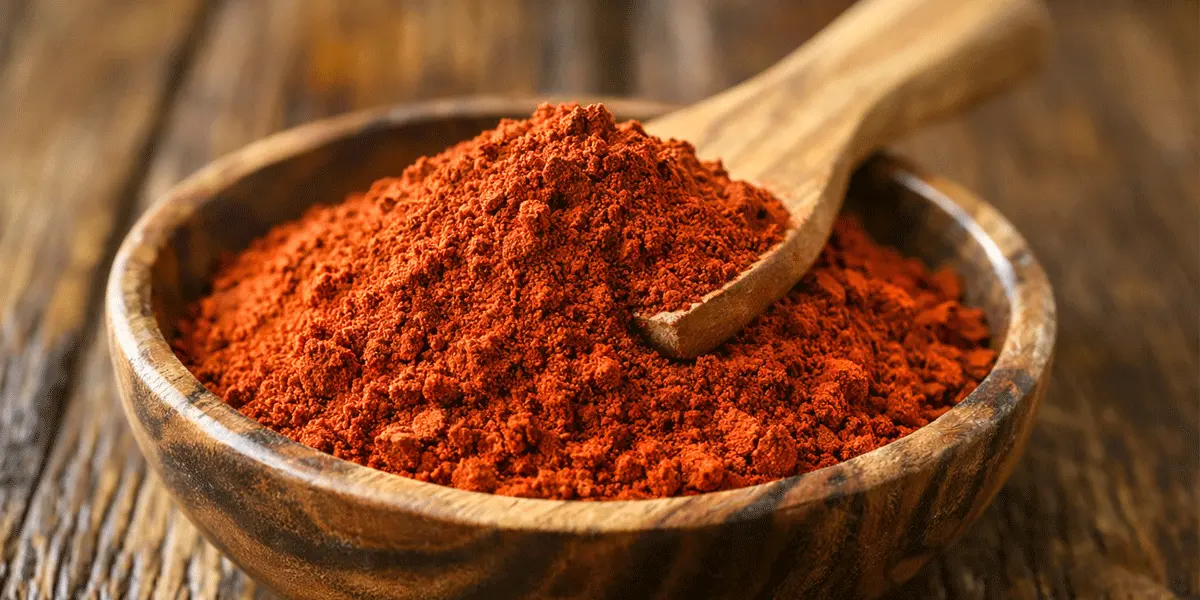
What Is Pyrroloquinoline Quinone (PQQ)?
Pyrroloquinoline Quinone (PQQ) is a small, redox-active quinone compound that has been studied for several decades in biochemical and nutritional research. Chemically, PQQ is capable of participating in oxidation–reduction reactions, which explains its frequent appearance in studies related to cellular signaling and oxidative processes.
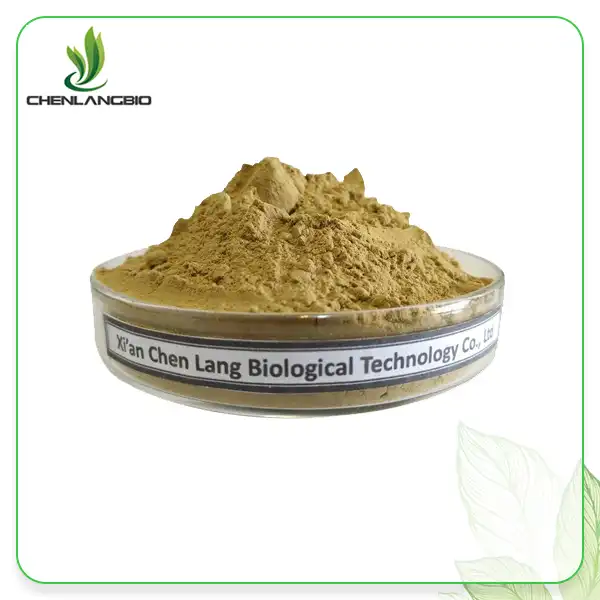
From an industry perspective, PQQ is supplied as a research and formulation ingredient, not as a finished consumer product. Manufacturers evaluate PQQ based on material characteristics such as purity, molecular stability, and reproducibility. CHEN LANG BIO TECH supply high quality and more than 99% purity of PQQ powder. These attributes determine whether PQQ is suitable for experimental use, formulation development, or further investigation into its biochemical behavior.
In ingredient research, PQQ is often discussed alongside other redox-active compounds because of its unique molecular structure. This structural profile has prompted scientists to explore how PQQ may interact with cellular pathways involved in mitochondrial regulation, without assuming specific physiological outcomes.
PQQ Specifications
Why PQQ Has Attracted Attention in Mitochondrial Research
Interest in PQQ mitochondrial biogenesis research emerged from observations that redox-active compounds can influence cellular signaling networks related to mitochondrial regulation. Early studies noted that PQQ participates in biochemical reactions associated with oxidative balance, leading researchers to investigate whether it might also play a role in pathways linked to mitochondrial adaptation.
Over time, PQQ has appeared in a growing number of experimental models exploring mitochondrial function. These studies do not treat PQQ as a standalone solution, but rather as one variable within complex biological systems. For ingredient manufacturers and research-oriented buyers, this growing body of work explains why PQQ remains relevant in scientific discussions, even as interpretations remain carefully qualified.
Importantly, research interest does not equate to definitive conclusions. Instead, it reflects an ongoing effort to understand how PQQ behaves at the cellular level and why it continues to be selected for mechanistic studies involving mitochondrial biogenesis.
Proposed Mechanisms: How PQQ Is Studied in Relation to Mitochondrial Biogenesis
Redox Activity and Cellular Signaling Pathways
One of the most frequently discussed aspects of PQQ research is its redox activity. In biochemical studies, redox-active compounds are known to interact with signaling molecules that regulate gene expression and cellular adaptation. Researchers have examined how PQQ participates in redox cycling and how this activity may influence signaling pathways associated with mitochondrial regulation.
Rather than acting directly on mitochondria, PQQ is typically studied as part of upstream signaling processes. These investigations focus on how redox balance affects transcriptional regulators involved in mitochondrial biogenesis, offering insight into indirect mechanisms rather than immediate functional outcomes.
Interaction with Mitochondrial Regulatory Pathways
Another area of interest involves how PQQ may be associated with regulatory pathways that govern mitochondrial maintenance and development. In experimental settings, scientists analyze whether PQQ influences molecular factors linked to mitochondrial gene expression and protein synthesis.
These studies often emphasize PQQ mechanism of action at the cellular level, exploring interactions with known regulatory systems rather than proposing simplified cause-and-effect relationships. For ingredient researchers, this mechanistic focus helps contextualize PQQ within broader mitochondrial research frameworks.
Role in Oxidative Stress Models and Energy Metabolism Research
PQQ has also been examined in oxidative stress models, where mitochondrial performance is closely linked to cellular energy metabolism. Researchers investigate whether PQQ’s redox properties affect how cells respond to oxidative challenges, indirectly influencing mitochondrial dynamics.
In this context, PQQ and mitochondrial function are studied together, not as isolated variables. These models help researchers explore how cellular environments shape mitochondrial behavior, reinforcing the importance of interpreting results within defined experimental conditions.
What Scientific Studies Say About PQQ and Mitochondrial Biogenesis
Scientific literature on PQQ includes cell-based studies, animal models, and biochemical analyses. Collectively, these studies explore how PQQ interacts with cellular systems related to mitochondrial regulation. When discussions reference PQQ research studies, they typically highlight observed associations rather than definitive outcomes.
Researchers are careful to distinguish between mechanistic observations and broader interpretations. Findings are often presented as evidence that PQQ participates in pathways of interest, not as confirmation of universal biological effects. This cautious approach reflects standard scientific practice and is essential for maintaining credibility within ingredient research.
For manufacturers and buyers, understanding this distinction is critical. Scientific studies provide context and direction for research, but they do not replace quality evaluation or regulatory considerations when sourcing PQQ as an ingredient.
From Mechanism to Ingredient Research: How These Findings Are Interpreted by Manufacturers
In ingredient development, mechanistic research informs decision-making without dictating outcomes. Manufacturers reviewing PQQ ingredient research consider how experimental findings align with formulation goals, material stability, and quality requirements.
Rather than asking what PQQ is “good for,” industry professionals evaluate how it fits within research-driven product concepts. This approach ensures that scientific insights are integrated responsibly, without overstating implications beyond the scope of available data.
From a sourcing and formulation perspective, manufacturers typically review supplier documentation alongside mechanistic research findings. For readers interested in material specifications and supply capabilities, further information is available through our pyrroloquinoline quinone (PQQ) powder supplier page, which outlines ingredient quality standards, analytical data, and bulk supply details.
Quality and Safety Considerations When Studying PQQ Mechanisms
Mechanistic research depends heavily on material quality. Variations in purity, impurity profiles, or batch consistency can influence experimental results. As a result, PQQ quality control is an essential consideration for both researchers and manufacturers.
High-purity PQQ with consistent analytical data supports reproducible research outcomes. Safety discussions within ingredient research focus on controlled evaluation rather than consumer-level interpretation. This distinction reinforces why safety and quality are addressed together in professional contexts.
👉 Internal linking suggestion: Because mechanistic research relies heavily on consistent material quality, readers may also find it useful to review our detailed discussion on PQQ safety and quality considerations, which outlines analytical standards, testing practices, and quality control measures relevant to ingredient evaluation.
Common Misinterpretations of Mitochondrial Biogenesis Research
Mitochondrial biogenesis research is sometimes oversimplified in non-scientific discussions. One common misconception is equating mechanistic observations with guaranteed outcomes. In reality, research on PQQ mitochondrial biogenesis describes experimental relationships, not universal effects.
For ingredient professionals, recognizing these limitations is part of responsible communication. By maintaining a clear boundary between research findings and application decisions, manufacturers preserve scientific integrity and align with regulatory expectations.
Conclusion: How PQQ Is Studied in the Context of Mitochondrial Biogenesis
From a research and ingredient development perspective, pyrroloquinoline quinone (PQQ) continues to be studied for its role in cellular pathways associated with mitochondrial biogenesis. Scientific interest centers on mechanistic insights, including redox activity, signaling interactions, and behavior under controlled experimental conditions.
For technical specifications, Certificates of Analysis (COA), bulk supply information, or ingredient documentation related to PQQ, please contact us:
Email: admin@chenlangbio.com
Our technical team will be pleased to support your research and sourcing requirements.
Key Questions Buyers Ask About PQQ Research
What is the role of PQQ in mitochondrial biogenesis research?
Pyrroloquinoline quinone (PQQ) is studied as a redox-active compound involved in cellular signaling pathways associated with mitochondrial regulation. In research settings, PQQ is examined for its potential role in processes related to mitochondrial biogenesis under controlled experimental conditions, rather than as a direct or standalone mitochondrial activator.
Are the effects of PQQ on mitochondrial biogenesis clinically proven?
At present, research on PQQ and mitochondrial biogenesis is primarily based on laboratory and preclinical studies. These findings provide mechanistic insights but should not be interpreted as clinical proof. From an ingredient and manufacturing perspective, such data are considered part of ongoing scientific research rather than confirmed clinical evidence.
Does PQQ act directly on mitochondria?
Current studies suggest that PQQ is not typically described as acting directly on mitochondria. Instead, it is investigated for its involvement in upstream redox and signaling processes that may indirectly influence mitochondrial regulation. This distinction is important when interpreting mechanistic research results.
How does PQQ’s redox activity relate to mitochondrial function?
PQQ’s redox activity is a key reason it appears in mitochondrial research. Redox-active compounds are known to interact with cellular signaling pathways linked to energy metabolism and mitochondrial regulation. Research focuses on how PQQ participates in these processes without assuming direct functional outcomes.
Does PQQ quality affect mitochondrial research outcomes?
Yes. In research and formulation development, PQQ quality can significantly influence experimental consistency. Factors such as purity, impurity profile, and batch-to-batch reproducibility affect how PQQ performs in laboratory studies, making quality control and analytical verification essential for reliable research results.
Where can buyers obtain technical documentation for PQQ?
Buyers evaluating PQQ as a research or formulation ingredient typically request technical specifications, analytical data, and Certificates of Analysis (COA). For detailed documentation related to material quality, testing standards, and bulk supply, buyers should contact the supplier directly. Contact: admin@chenlangbio.com
References
1, Rucker, R. B. et al. Biochemical properties of pyrroloquinoline quinone and its role in redox biology.
2, Killgore, J. et al. PQQ and mitochondrial regulation: mechanistic perspectives.
3, Reviews on mitochondrial biogenesis and redox-active compounds in peer-reviewed journals.

Send Inquiry

Related Industry Knowledge
- What Is Fladrafinil (CRL-40,941)? Uses, Properties, and Research Overview
- 5 Proven Health Benefits of Saw Palmetto Extract
- How Ashwagandha Extract Withanolides Modulate Inflammatory Pathways?
- Top 5 Uses of Hydrolyzed Keratin in Beauty Products
- How is Calcium Alpha-Ketoglutarate Monohydrate Used in Clinical or Sports Nutrition?
- Is Kopexil Effective for Treating Male and Female Pattern Baldness?
- What is the Dosage for Nitenpyram
- Is Phellinus Linteus Extract Safe
- Is Phenylethyl Resorcinol Better Than Vitamin C
- Does Alpha-GPC Increase Serotonin