
Ethyl Ascorbic Acid and Alpha Arbutin: Compatibility and Stability
2026-10-22 18:36:46
Ethyl ascorbic acid and alpha arbutin can be formulated together in cosmetic serums designed to improve the appearance of uneven skin tone and dark spots. However, combining two water-compatible cosmetic actives does not automatically guarantee long-term stability. Formulators must evaluate pH, temperature, ingredient concentrations, chemical degradation, and the quality of the raw materials before approving a formulation for commercial production.
The combination presents a particular challenge because Alpha Arbutin is a glycoside that may undergo hydrolysis under certain conditions, while 3-O-Ethyl Ascorbic Acid has its own chemical stability requirements. Changes in active ingredient concentration, serum color, or free hydroquinone content cannot be reliably predicted from the individual ingredients' specifications alone.
For cosmetic brands and contract manufacturers, successful development requires a formulation that remains physically acceptable, meets analytical specifications, and complies with the requirements of its intended market. This guide examines the technical considerations behind ingredient compatibility, stability testing, quality control, and commercial raw material sourcing.
Ethyl Ascorbic Acid and Alpha Arbutin Compatibility
Ethyl ascorbic acid alpha arbutin compatibility depends on the chemical properties of both ingredients and their behavior within the finished cosmetic formulation.
Although these ingredients are often discussed together in skincare development, their chemical structures, degradation pathways, and analytical requirements differ. Understanding these differences helps formulators establish appropriate testing conditions rather than relying on general compatibility claims.
Chemical Properties of 3-O-Ethyl Ascorbic Acid and Alpha Arbutin
3-O-Ethyl Ascorbic Acid is an ether derivative of L-ascorbic acid. Its ethyl group is attached at the 3-O position, modifying the physicochemical behavior of the original vitamin C molecule.
Alpha Arbutin is an α-D-glucoside of hydroquinone. Its glycosidic bond is relevant to both chemical stability and impurity control.
|
Property |
3-O-Ethyl Ascorbic Acid |
Alpha Arbutin |
|
INCI name |
3-O-Ethyl Ascorbic Acid |
Alpha-Arbutin |
|
CAS number |
86404-04-8 |
84380-01-8 |
|
Molecular formula |
C₈H₁₂O₆ |
C₁₂H₁₆O₇ |
|
Molecular weight |
204.18 g/mol |
272.25 g/mol |
|
Chemical classification |
Vitamin C ether derivative |
Hydroquinone α-D-glucoside |
|
Key formulation considerations |
Solubility, assay stability, discoloration |
Hydrolysis, free hydroquinone, temperature and pH |
Research on 3-O-Ethyl-L-Ascorbic Acid has reported a pKa of 7.72 ± 0.01 and a logP of −1.07 ± 0.03. These values help characterize the ingredient's ionization and solvent behavior, but they do not establish a universal optimum formulation pH.
Ingredient Compatibility in Water-Based Skincare Systems
When evaluating 3-o-ethyl ascorbic acid and alpha arbutin in a water-based serum, formulators should distinguish initial dissolution from demonstrated long-term compatibility.
A freshly prepared formulation may be transparent and homogeneous yet develop precipitation, discoloration, or measurable ingredient loss during storage.
The surrounding formulation matrix also matters. Preservatives, botanical extracts, metal contaminants, pH adjusters, and other dissolved substances may influence stability.
Consequently, a suitable development program should evaluate each active independently and in combination under comparable conditions.
Alpha Arbutin Hydrolysis and Ethyl Ascorbic Acid Stability
The stability of this ingredient combination deserves particular attention because Alpha Arbutin contains a hydrolyzable glycosidic bond.
Alpha arbutin hydrolysis is therefore an important subject in both formulation development and raw material quality assurance.
Alpha Arbutin Hydrolysis and Hydroquinone Formation
Alpha Arbutin consists of hydroquinone linked to a glucose unit through an α-glycosidic bond. Cleavage of this bond can release hydroquinone.
However, the existence of this chemical pathway does not mean that every Alpha Arbutin formulation undergoes significant hydrolysis during normal storage.
The extent of alpha arbutin hydroquinone formation depends on the actual conditions, including temperature, pH, exposure duration, and formulation composition.
For cosmetic manufacturers, the relevant question is not simply whether hydrolysis is chemically possible, but whether free hydroquinone remains within the applicable quality and regulatory requirements throughout the intended product shelf life.
This requires an analytical method capable of distinguishing intact Alpha Arbutin from free hydroquinone.
Degradation Pathways of 3-O-Ethyl Ascorbic Acid
Ethyl ascorbic acid stability must be assessed separately from Alpha Arbutin stability.
The ethyl substituent modifies the parent vitamin C structure, but it does not establish that the derivative is immune to degradation under all processing and storage conditions.
Changes in pH, temperature, formulation composition, and exposure to reactive impurities may influence ingredient recovery.
Visible yellowing may accompany chemical changes, although discoloration alone cannot identify a specific degradation mechanism.
Chemical Stability in Combined Cosmetic Formulations
A combined formulation requires monitoring of both active ingredients.
The loss of one active does not necessarily indicate degradation of the other, and a stable appearance does not prove that both remain within specification.
A reliable assessment should therefore include ingredient-specific assays, appropriate impurity monitoring, and physical observations.
This distinction is especially important when interpreting alpha arbutin degradation in a serum containing another chemically sensitive active.
pH and Temperature Stability of Ethyl Ascorbic Acid and Alpha Arbutin
Selecting a suitable formulation pH requires consideration of both ingredients rather than applying the requirements of conventional L-Ascorbic Acid serums.
Establishing a Suitable pH Range for Dual-Active Serums
The question of ethyl ascorbic acid alpha arbutin pH compatibility cannot be answered with a single universally applicable number.
3-O-Ethyl Ascorbic Acid differs chemically from unmodified L-Ascorbic Acid, while Alpha Arbutin must be evaluated for both intact ingredient recovery and free hydroquinone formation.
A preliminary screening study could compare otherwise identical formulations at pH 4.5, 5.5, and 6.5.
These values are experimental examples, not established optimum conditions.
For alpha arbutin pH stability, the most informative measurements include active ingredient assay, free hydroquinone, appearance, and pH drift over time.
Temperature Effects on Alpha Arbutin and Ethyl Ascorbic Acid
Temperature influences chemical reaction rates and physical formulation behavior.
Increased processing temperatures or prolonged heat exposure may create unnecessary stability risks, particularly when ingredients contain potentially hydrolyzable or otherwise reactive structural features.
For alpha arbutin temperature stability, formulators should assess both processing conditions and subsequent storage.
A lower-temperature addition stage may be considered during development, provided dissolution and mixing remain satisfactory. However, a processing limit should be established using supplier information and experimental evidence rather than presented as a universal requirement.
Managing pH Drift During Shelf-Life Testing
The pH measured immediately after manufacturing may change as the formulation equilibrates or ages.
Such changes can influence ingredient ionization, solubility, preservative performance, and degradation behavior.
For ethyl ascorbic acid serum stability, pH should therefore be recorded at the beginning of the study and at defined intervals during storage.
Where meaningful drift occurs, formulators should investigate its source instead of repeatedly adjusting pH without understanding the underlying change.
Formulating an Ethyl Ascorbic Acid and Alpha Arbutin Serum
A successful ethyl ascorbic acid alpha arbutin formulation requires more than selecting two active ingredient concentrations. The complete system must support dissolution, appropriate pH control, preservation, and acceptable physical stability.
Solubility and Concentration Selection
Both ingredients can be considered for aqueous cosmetic systems, but their solubility should be verified at the intended concentrations.
Published solvent studies demonstrate that 3-O-Ethyl Ascorbic Acid exhibits substantially different solubilities across hydrophilic and lipophilic solvents. These findings support careful solvent selection but should not be interpreted as a guarantee of solubility in every finished serum.
For an ethyl ascorbic acid and alpha arbutin serum, the combined concentration of dissolved materials may affect clarity, viscosity, and crystallization risk.
Ingredient levels should be selected using supplier specifications, available safety assessments, applicable regulatory limits, and finished-product testing. A concentration suitable for one market or product category may not be appropriate for another.
Ingredient Addition Order and Processing Conditions
During laboratory development, each active can initially be dissolved in a separate portion of the aqueous phase.
This allows the formulator to confirm dissolution before combining the ingredients and helps identify whether changes occur during mixing.
The final addition sequence should account for the formulation's polymers, electrolytes, preservatives, and pH-adjusting ingredients.
For alpha arbutin serum formulation, unnecessary heat exposure should be avoided where practical. The final processing conditions must nevertheless be established through actual formulation trials.
Scaling Up from Laboratory Samples to Commercial Serums
Laboratory batches provide preliminary compatibility information, but commercial manufacturing introduces additional variables.
Mixing intensity, processing duration, temperature distribution, and ingredient addition rates may change during scale-up.
For an ethyl ascorbic acid cosmetic formulation, manufacturers should establish appropriate process controls and verify that representative pilot batches meet the same quality criteria as the laboratory formulation.
Packaging compatibility and filling conditions should also be evaluated before commercial release.
Hydroquinone Control and Alpha Arbutin Safety in Cosmetic Formulations
The presence of a hydroquinone-derived structure makes Alpha Arbutin quality control particularly important.
For ingredient buyers, alpha arbutin hydroquinone content should be evaluated through reliable analytical documentation rather than assumptions based solely on the declared Alpha Arbutin purity.
Free Hydroquinone as a Quality Control Parameter
Free hydroquinone may be present as a trace impurity in raw materials or arise from degradation under certain conditions.
These are related but distinct quality considerations.
An incoming raw material may meet its specification while the finished formulation still requires stability monitoring to determine whether free hydroquinone changes during storage.
The analytical method should demonstrate suitable specificity and sensitivity for the intended quality limit. Relevant parameters include the limit of detection, limit of quantification, and potential interference from other formulation ingredients.
Importantly, the concentration of free hydroquinone should not be inferred from the amount of Alpha Arbutin lost during storage without supporting analytical evidence.
Alpha Arbutin Purity, Impurities and Batch Consistency
Alpha arbutin purity is an important purchasing parameter, but it does not provide a complete assessment of raw material quality.
Buyers should also consider identity confirmation, related substances, free hydroquinone, moisture, analytical methods, and storage recommendations.
A specification should identify which tests are performed routinely and which supporting reports are available upon request.
For commercial manufacturing, batch-to-batch consistency matters because changes in impurity profiles or physical characteristics may influence formulation performance.
Regulatory Considerations for Alpha Arbutin in the EU and Other Markets
Alpha arbutin EU regulation is particularly relevant to companies developing skincare products for European distribution.
The EU has established specific restrictions for Alpha-Arbutin in cosmetic products, including concentration limits for certain product categories and requirements concerning the presence of hydroquinone.
These requirements must be checked against the current consolidated version of Regulation (EC) No 1223/2009 and its applicable annexes before a formulation is finalized.
The Scientific Committee on Consumer Safety has also evaluated Alpha-Arbutin under defined exposure conditions. Its conclusions should not be generalized to unrestricted concentrations, product categories, or combinations.
For alpha arbutin cosmetic safety, manufacturers must consider the complete product, intended exposure, relevant impurities, and cumulative exposure where applicable.
Regulatory status should be evaluated separately for the United States, United Kingdom, and other intended markets.
HPLC Analysis and Stability Testing for Ethyl Ascorbic Acid and Alpha Arbutin
Analytical testing provides the evidence needed to distinguish apparent compatibility from demonstrated formulation stability.
HPLC Assay for Ethyl Ascorbic Acid and Alpha Arbutin
An ethyl ascorbic acid HPLC assay can be used to quantify the active ingredient during development and storage studies.
Similarly, alpha arbutin HPLC analysis can help establish the recovery of intact Alpha Arbutin.
However, a method suitable for a pure raw material may not be sufficiently selective in a finished serum containing preservatives, humectants, other actives, and potential degradation products.
Free hydroquinone should be assessed using a suitable method with adequate sensitivity for the relevant specification or regulatory requirement.
Analytical validation or qualification should address specificity, precision, accuracy, and the appropriate quantification range.
Accelerated Stability and Discoloration Evaluation
Alpha arbutin stability testing should combine chemical analysis with physical examination.
A useful comparative study includes four formulations:
|
Sample |
Composition |
Evaluation objective |
|
A |
Base formulation |
Identify changes unrelated to either active |
|
B |
Ethyl Ascorbic Acid only |
Evaluate its individual stability |
|
C |
Alpha Arbutin only |
Evaluate Alpha Arbutin and free hydroquinone |
|
D |
Both active ingredients |
Investigate combined formulation behavior |
All four formulations should be prepared using comparable procedures and stored under defined conditions.
The study may include elevated-temperature storage, real-time monitoring, low-temperature evaluation, and packaging compatibility testing.
Interpreting Assay Loss, Yellowing and Hydroquinone Results
Ethyl ascorbic acid serum discoloration should not automatically be interpreted as proof of Alpha Arbutin hydrolysis.
Yellowing, loss of active ingredient, precipitation, and increased free hydroquinone are different analytical or physical endpoints.
For example, a serum may remain clear while Alpha Arbutin recovery declines, or develop a visible color change without a corresponding increase in free hydroquinone.
Investigating these outcomes separately provides a more reliable basis for corrective formulation decisions.
Cosmetic-Grade Ethyl Ascorbic Acid and Alpha Arbutin Specifications
Commercial formulation performance begins with raw material quality. Purchasing teams should evaluate chemical identity, analytical specifications, impurity control, and supplier documentation before approving an ingredient for production.
Raw Material Identity, Purity and COA Requirements
For cosmetic grade ethyl ascorbic acid, CHEN LANG BIO TECH offers a 99% specification suitable for evaluation in cosmetic formulations.
The following information provides a starting point for supplier qualification.
|
Specification |
3-O-Ethyl Ascorbic Acid |
|
INCI name |
3-O-Ethyl Ascorbic Acid |
|
CAS number |
86404-04-8 |
|
Molecular formula |
C₈H₁₂O₆ |
|
Molecular weight |
204.18 g/mol |
|
Appearance |
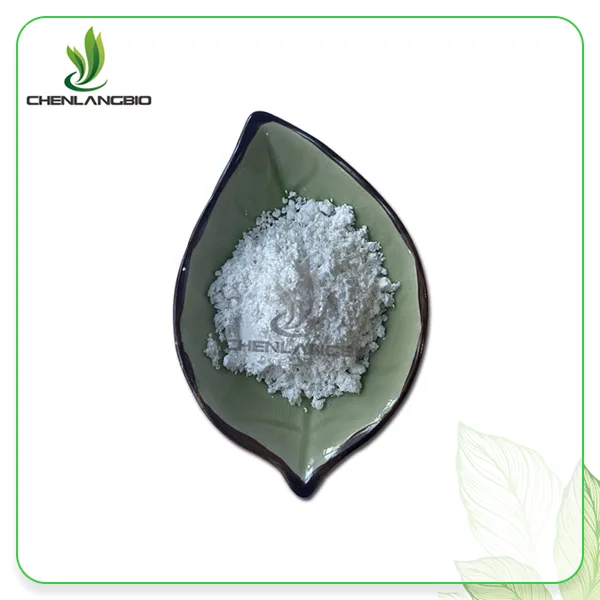
White to off-white crystalline powder |
|
Assay |
≥99% |
|
Documentation |
COA, specification sheet and applicable technical information |
|
Packaging |
1–5 kg aluminum foil bags; 25 kg paper drums |
Buyers sourcing 3-o-ethyl ascorbic acid 99% should confirm the assay method, identity testing, and relevant impurity requirements.
A current ethyl ascorbic acid COA should be reviewed against the agreed purchasing specification.
For Alpha Arbutin, an alpha arbutin COA should include appropriate information on assay and free hydroquinone, supported by suitable test methods.
Supplier Qualification and Incoming Quality Control
Effective cosmetic raw material quality control extends beyond checking a single assay result.
Before approving a supplier, buyers should evaluate sample consistency, batch traceability, manufacturing quality procedures, storage conditions, and documentation availability.
Where the finished formulation requires tight impurity control, incoming inspection should also address relevant related substances and analytical sensitivity.
Changes to the raw material manufacturing process or specification may require additional formulation assessment.
Bulk Ethyl Ascorbic Acid Sourcing for Cosmetic Manufacturers
For commercial skincare production, selecting an ethyl ascorbic acid manufacturer involves balancing material quality, documentation, supply consistency, and technical requirements.
Evaluating an Ethyl Ascorbic Acid Supplier for Commercial Production
A qualified ethyl ascorbic acid supplier should be able to provide a clearly defined specification and relevant batch documentation.
CHEN LANG BIO TECH supplies 99% 3-O-Ethyl Ascorbic Acid in packaging suitable for development quantities and larger manufacturing orders.
For bulk ethyl ascorbic acid, buyers should confirm the required grade, packaging configuration, anticipated order quantity, and destination market before placing an order.
Samples, Bulk Pricing and Procurement Requirements
An evaluation sample allows formulators to confirm dissolution, appearance, and stability in their own formulation.
When requesting an ethyl ascorbic acid price per kg, purchasing teams should specify the expected quantity, delivery destination, and documentation requirements.
Customers planning to buy ethyl ascorbic acid powder can also request information on sample availability and commercial packaging.
For wholesale ethyl ascorbic acid inquiries, providing an anticipated purchasing schedule helps align production and delivery arrangements.
The same qualification principles apply when evaluating any cosmetic raw material supplier, particularly where impurity limits or market-specific regulatory requirements are important.
Frequently Asked Questions About Ethyl Ascorbic Acid and Alpha Arbutin
Can ethyl ascorbic acid and alpha arbutin be used together in a serum?
Yes. Both ingredients can be considered for the same cosmetic formulation. However, their combined use requires verification of pH compatibility, dissolution, chemical stability, and regulatory compliance. Finished-product testing is necessary before commercial shelf-life claims are established.
What pH is suitable for ethyl ascorbic acid and alpha arbutin?
There is no universally validated optimum pH for every formulation containing these ingredients. Formulators should screen a suitable range and monitor active ingredient recovery, free hydroquinone, physical appearance, and pH drift under defined storage conditions.
Does alpha arbutin release hydroquinone during storage?
Alpha Arbutin contains a glycosidic bond that can undergo hydrolysis under certain conditions, potentially releasing hydroquinone. The extent depends on the formulation and storage environment. Analytical testing is required to determine whether free hydroquinone is present and whether its concentration changes.
Can ethyl ascorbic acid and alpha arbutin cause serum yellowing?
Discoloration may occur in complex cosmetic formulations, but its cause cannot be identified from appearance alone. Color changes should be investigated alongside ingredient assays, impurity testing, pH measurements, and suitable control formulations.
What should buyers check before purchasing cosmetic-grade alpha arbutin or ethyl ascorbic acid?
Buyers should review identity, purity, batch-specific COA, analytical methods, relevant impurities, and storage requirements. For Alpha Arbutin, free hydroquinone testing and applicable market restrictions deserve particular attention.
Conclusion: Stable Ethyl Ascorbic Acid and Alpha Arbutin Formulations
Combining ethyl ascorbic acid and alpha arbutin offers a formulation approach worth evaluating for cosmetic products addressing the appearance of uneven skin tone. However, the technical success of the combination depends on controlled development rather than assumptions about ingredient compatibility.
pH selection, processing temperature, dissolution, active ingredient recovery, and free hydroquinone control should all form part of the evaluation program.
For cosmetic manufacturers, reliable raw material specifications and batch documentation are equally important. These help establish consistent formulation performance and support quality decisions during commercial production.
CHEN LANG BIO TECH supplies 99% 3-O-Ethyl Ascorbic Acid for cosmetic formulation development.
For product specifications, sample availability, or ethyl ascorbic acid bulk powder quotations, contact admin@chenlangbio.com.
References
1. Iliopoulos, F., et al. (2019). 3-O-Ethyl-L-Ascorbic Acid: Characterisation and Investigation of Single Solvent Systems for Delivery to the Skin. International Journal of Pharmaceutics: X, 1, 100025. DOI: 10.1016/j.ijpx.2019.100025.
2. Iliopoulos, F., et al. (2020). Topical Delivery of 3-O-Ethyl-L-Ascorbic Acid from Complex Solvent Systems. Scientia Pharmaceutica, 88(2), 19. DOI: 10.3390/scipharm88020019.
3. Scientific Committee on Consumer Safety (SCCS). Opinion on the Safety of Alpha-Arbutin and Beta-Arbutin in Cosmetic Products. SCCS/1642/22, final opinion adopted in 2023.
4. European Commission. Commission Regulation (EU) 2024/996, amending Regulation (EC) No 1223/2009 concerning the use of certain substances in cosmetic products, including Alpha-Arbutin and Arbutin.
5. European Parliament and Council. Regulation (EC) No 1223/2009 on Cosmetic Products, as amended. Refer to the current consolidated text for applicable restrictions and transitional provisions.
6. International Organization for Standardization. ISO/TR 18811:2018 — Cosmetics: Guidelines on the Stability Testing of Cosmetic Products.
7. International Council for Harmonisation. ICH Q2(R2): Validation of Analytical Procedures. 2023. Reference for analytical validation principles; not a substitute for cosmetic-specific regulatory requirements.

Send Inquiry
Related Industry Knowledge
- Is Piroctone Olamine Powder the Future of Anti-Fungal Formulations?
- Can Liposomal Coenzyme Q10 Help with Fatigue?
- What are the Health Benefits of Cactus Extract Powder?
- What are the Primary Uses of Sodium Methylesculetin Acetate?
- Witch Hazel Leaf Extract: An All-Natural Beauty Essential
- How Effective is Dimethylmethoxy Chromanol Compared to Other Antioxidants
- Is Bakuchiol Better Than Retinol
- Does pqq lower blood pressure?
- What Does Coenzyme Q10 Do for Your Body
- Hops Extract Xanthohumol Does It Work