Avenanthramides in Oat Extract: What Cosmetic Manufacturers Should Know About This High-Value Active?
2025-12-01 15:17:02
Avenanthramides in oat extract have attracted increasing attention from cosmetic manufacturers over the past few years, especially among brands developing sensitive-skin, anti-redness, and barrier-repair product lines. Although oat extract has long been used as a comforting botanical in skincare, more formulators are now realizing that the ingredient’s true soothing power comes from a very specific group of phenolic compounds—Avenanthramides, particularly Avenanthramide C, which is considered the most active form.
From our perspective as a supplier working closely with international OEM/ODM labs and global skincare brands, this shift is more than just a trend. It reflects a deeper change in how formulators evaluate natural actives. Instead of relying on broad extracts with inconsistent compositions, manufacturers are looking for high-value oat-derived actives that offer measurable benefits, strong consistency, and predictable performance. This is exactly where Avenanthramides stand out.
As consumer demand grows for products that can immediately calm redness, reduce stinging sensations, or support irritated, reactive skin, brands need ingredients that are both gentle and highly effective. Avenanthramides meet this need exceptionally well. They provide targeted anti-inflammatory, anti-itch, and barrier-support benefits—effects that standard oat extract alone often cannot deliver with the same precision.
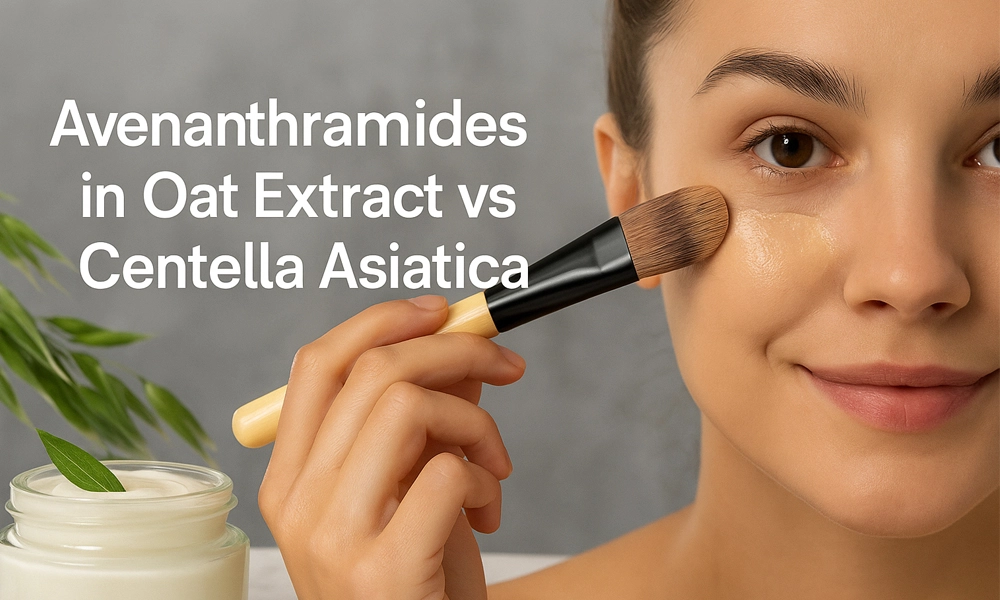
What Are Avenanthramides? Understanding the Key Phenolic Compounds Inside Oat Extract
When discussing avenanthramides in oat extract, it’s important to recognize that these compounds are not simply one more “plant component” among many. They are a very specific class of oat phenolic compounds—molecules that exist in surprisingly small amounts in natural oats, yet deliver a disproportionately large impact on skin comfort. For cosmetic manufacturers, understanding what Avenanthramides actually are helps clarify why they’ve become one of the most valued soothing actives in modern formulations.
Avenanthramides are naturally occurring alkaloid-phenols found almost exclusively in Avena sativa. While oat extract as a whole contains proteins, lipids, sugars, and various micronutrients, the real driver of its calming reputation comes from three main Avenanthramides: Avenanthramide A, Avenanthramide B, and most notably Avenanthramide C. Among them, Avenanthramide C is widely studied for its strong anti-inflammatory and anti-itch properties, which is why high-purity or standardized versions of this compound are increasingly sought after by formulators.
One way to think about it is this:
if oat extract is the “soup,” avenanthramides are the concentrated, functional “actives” inside that soup. Without isolating or enriching these molecules, the performance of basic oat extract often remains mild and inconsistent—something many formulators have experienced when trying to build strong anti-redness claims around traditional botanicals.
From a biochemical perspective, it has a unique structure that enables them to interact directly with key inflammatory pathways. They are able to influence NF-κB, IL-6, and TNF-α activity, which explains why products containing high-value Avenanthramides frequently deliver a noticeable calming effect shortly after application. This mechanism-driven behavior sets them apart from broad botanical extracts, which typically rely on generalized antioxidant support rather than targeted anti-inflammatory control.
Another element manufacturers appreciate is the predictability of avenanthramides compared with standard oat extract. Because the concentration of active phenolic compounds in oat extract can vary by crop, climate, and processing method, it has historically been difficult to guarantee consistent performance from one batch to the next. By contrast, standardized Avenanthramides—including high-purity grades enriched with Avenanthramide C—provide a more stable and reliable option for sensitive-skin formulations, where consistency is non-negotiable.
For brands focusing on redness relief, reactive skin, or daily barrier maintenance, this precision becomes highly valuable. It allows a product to deliver benefits that are both noticeable and repeatable, reinforcing consumer trust in the formula’s soothing abilities.
Skin Benefits of Avenanthramides — Anti-Inflammatory, Anti-Itch, Redness Reduction, and Barrier Support
With a clear understanding of their biochemical structure, it becomes easier to recognize why avenanthramides in oat extract are regarded as one of the most reliable soothing actives for sensitive and reactive skin. Their effects are not generalized or vague; they are tied directly to well-studied pathways, which is why formulators consistently describe them as precise, predictable, and highly functional. The main Avenanthramides skin benefits can be summarized through the following key actions:
1. Strong Anti-Inflammatory Activity (Targeting NF-κB, IL-6, and TNF-α)
Avenanthramides help moderate the inflammatory cascades most responsible for skin irritation, particularly NF-κB and cytokines like IL-6 and TNF-α. For red-prone or easily triggered skin, this targeted anti-inflammatory action translates into noticeably calmer skin shortly after application—something manufacturers value when creating anti-redness or post-cleansing comfort products.
2. Effective Anti-Itch Relief Through Histamine Modulation
One aspect that differentiates avenanthramides from other botanical extracts is their impact on histamine-related responses. They help ease the tightness, prickling, and itch that often accompany reactive skin, especially in dry or compromised conditions. This makes avenanthramides especially useful in lightweight serums, sprays, or essences that aim to deliver fast sensory comfort without heaviness.
3. Visible Redness Reduction for Reactive and Red-Prone Skin
We know that avenanthramides influence both inflammatory signals and micro-responses in the skin, they help reduce the appearance of redness more effectively than broad-spectrum oat extract alone. For brands developing “anti-redness serums,” “calming essences,” or soothing mists, this capability provides a credible, mechanism-driven benefit that aligns well with sensitive-skin expectations.
4. Support for Barrier Health (Filaggrin and Tight-Junction Integrity)
Avenanthramides also contribute to a more resilient barrier by supporting key structural proteins like filaggrin and helping maintain tight-junction integrity. This barrier-first benefit fits perfectly with current consumer demand for minimalist, gentle formulations that strengthen the skin rather than overwhelm it.
5. High Compatibility With Lightweight Modern Textures
Avenanthramides show activity at low usage levels and have excellent compatibility across water-based systems, they integrate seamlessly into modern gel creams, toners, post-cleanse essences, and calming sprays. This gives formulators the ability to deliver strong soothing benefits without altering the sensory profile of the product—an important factor in today’s preference for light, breathable formulations.
Avenanthramides vs Oat Extract — Why These Two Ingredients Deliver Very Different Performance
1. Active Concentration: Avenanthramides Deliver Targeted Activity; Oat Extract Offers Broad Nutritional Support
Oat extract contains a variety of components—starches, proteins, lipids, and general micronutrients. These provide mild moisturization and softness but do not directly influence inflammatory pathways. By contrast, avenanthramides in oat extract represent the concentrated phenolic molecules responsible for true soothing performance. High-purity versions containing Avenanthramide C provide targeted anti-inflammatory and anti-itch effects that oat extract alone cannot reliably deliver.
2. Mechanism of Action: Avenanthramides Target Inflammation and Itch; Oat Extract Works at the Surface Level
Avenanthramides act directly on NF-κB, IL-6, TNF-α, and histamine-related mechanisms—making them precision-driven actives well suited for reactive skin.
Oat extract, however, functions more as a mild surface comfort ingredient. It helps soften and hydrate but lacks the biochemical specificity needed for anti-redness, anti-itch, or reactive-skin calming claims.
3. Batch Consistency: Standardized Avenanthramides Are Reliable; Oat Extract Varies Widely
Because oat extract depends heavily on crop quality and extraction method, its active content fluctuates significantly between batches. This can affect performance during consumer testing or global product distribution.
Standardized Avenanthramides—especially those verified by HPLC—offer a stable, predictable level of activity that cosmetic manufacturers can rely on throughout scale-up and multi-market production.
4. Formulation Flexibility: Avenanthramides Suit Lightweight Textures; Oat Extract May Add Weight or Opacity
Avenanthramides integrate easily at low usage levels without affecting viscosity, clarity, or texture—ideal for modern gel creams, essences, sprays, and minimalist formulas.
Oat extract, on the other hand, often requires higher percentages to achieve noticeable effects, which can make emulsions heavier or alter transparency in gels.
5. Performance Positioning: Avenanthramides Are a High-Value Active; Oat Extract Functions as a Support Ingredient
For formulations targeting red-prone skin, reactive skin, or post-procedure comfort, Avenanthramides offer a clear functional advantage due to their mechanism-driven activity.
Oat extract still has value—especially for marketing— but in technical terms, it serves more as a complementary moisturizing ingredient rather than the core active responsible for results.
⭐ Why This Matters for Cosmetic Manufacturers
When formulators evaluate avenanthramides vs oat extract, the difference is not subtle. Avenanthramides provide:
•clearer claims
•more predictable results
•stronger soothing performance
•better consumer-perceived comfort
•easier integration into lightweight modern textures
This is why many brands that once relied on basic oat extract are now shifting toward high-purity avenanthramides powder when designing next-generation sensitive-skin in their products.
How Cosmetic Formulators Use Avenanthramides — Ideal Usage Levels, Compatibility, and Product Formats
Once cosmetic manufacturers recognize the advantages of avenanthramides over standard oat extract, the next practical question is how these phenolic actives behave in real formulations. Because sensitive-skin and anti-redness products depend heavily on consistency, texture, and stability, formulators need ingredients that fit seamlessly into modern systems without complicating the process. This is one of the reasons formulating with avenanthramides has become increasingly attractive—they offer strong activity while remaining remarkably easy to integrate.
Avenanthramides deliver meaningful soothing performance at low usage levels, typically between 0.05% and 0.3%, depending on the purity grade and desired claims. High-purity versions containing elevated levels of Avenanthramide C can be used at even lower concentrations, giving brands flexibility to create lightweight, minimalist formulas without sacrificing comfort. This efficiency is especially important for products designed to layer, such as calming essences, anti-redness serums, or hydrating toners.
Another advantage often highlighted by formulation teams is compatibility. Avenanthramides blend smoothly into water-based systems, making water-soluble Avenanthramides a natural choice for gel creams, micro-emulsions, and bi-phase calming sprays. They pair well with barrier-supporting ingredients like ceramides, beta-glucan, and hyaluronic acid, as well as comfort-enhancing actives such as niacinamide or Centella asiatica extracts. Because the ingredient does not introduce heavy oils or disruptive sensory elements, formulators can maintain the lightweight textures that sensitive-skin consumers often prefer.
From a processing standpoint, Avenanthramides also behave predictably. They perform best when added during the cool-down phase—usually below 40°C—and remain stable across a formulation pH range common to most leave-on skincare. Their stability and low usage requirements make them suitable for both simple and advanced systems, whether a brand is developing a daily calming moisturizer or a post-procedure essence designed for highly reactive skin.
What stands out most is how well Avenanthramides support the direction the global skincare market is already moving. As more brands prioritize “breathable,” “minimalist,” and “barrier-first” products, formulators need actives that deliver strong skin benefits without overloading the formula. Avenanthramides meet this expectation naturally. They provide the precision and consistency formulators look for, while offering enough flexibility to support a wide range of textures—from fluid essences to richer gel creams.
Why Avenanthramides Are a High-Value Active for Sensitive-Skin Brands
As the sensitive-skin category evolves, brands are becoming more selective about the actives they use. The focus has shifted away from general botanical extracts toward ingredients that offer measurable results and strong consumer-perceived comfort.
One of the primary reasons manufacturers consider avenanthramides a high-value active is the clarity of their mechanism. Unlike ingredients that rely on broad antioxidant activity or generalized nourishment, avenanthramides work through well-characterized pathways that directly influence inflammation and discomfort. For brands developing “dermatology-inspired” or “barrier-first” product lines, having an ingredient with such targeted effects makes consumer claims easier to support and easier to validate.
Their ability to deliver fast, perceivable benefits also plays an important role in product success. Sensitive-skin consumers often look for a formula that calms redness or discomfort quickly, especially after cleansing, sun exposure, or environmental stress. Avenanthramides respond to this need more effectively than most botanical alternatives. When included in essences, lightweight serums, or gel creams, the ingredient helps reduce visible redness and sensory irritation early in the usage cycle—something consumers immediately notice.
From a brand positioning standpoint, avenanthramides align perfectly with current market trends. They support claims such as “calming,” “instant comfort,” “anti-redness,” “reactive-skin safe,” and “strengthens the skin barrier,” all of which are central to premium skincare marketing. As more consumers become educated about ingredients and demand real efficacy behind sensitive-skin claims, actives with well-defined mechanisms—like Avenanthramides—hold a clear advantage over traditional extracts.
The ingredient’s stability and versatility also create value at the formulation level. Because Avenanthramides integrate smoothly into both simple and complex systems, they can be used to elevate basic moisturizer formulas or to enhance the performance of more advanced calming essences. Their compatibility with popular ingredients such as niacinamide, ceramides, beta-glucan, and Centella asiatica further strengthens their utility in modern routines.
For manufacturers managing global product lines, consistency is another reason avenanthramides are viewed as a premium choice. Standardized, high-purity grades ensure that every batch performs predictably, which is crucial when producing large volumes for multiple markets. This level of reliability is often difficult to achieve with broader oat extract, making Avenanthramides a more dependable option for sensitive-skin-focused brands.
Taken together, these qualities explain why avenanthramides are not just another soothing ingredient. They offer targeted action, strong consumer-perceived benefits, broad formulation flexibility, and reliable batch-to-batch consistency—attributes that make them especially valuable in a competitive and fast-growing category like sensitive skin.
Why CHEN LANG BIO TECH Is a Trusted Supplier of High-Purity Avenanthramides
For many cosmetic manufacturers, choosing the right supplier for avenanthramides is just as important as selecting the ingredient itself. Sensitive-skin formulas leave little room for inconsistency, so brands rely on suppliers who understand not only the material, but also the technical and regulatory needs behind a successful formulation. This is the space where XI AN CHEN LANG BIO TECH has built strong, long-term relationships with global OEM/ODM laboratories and skincare brands.
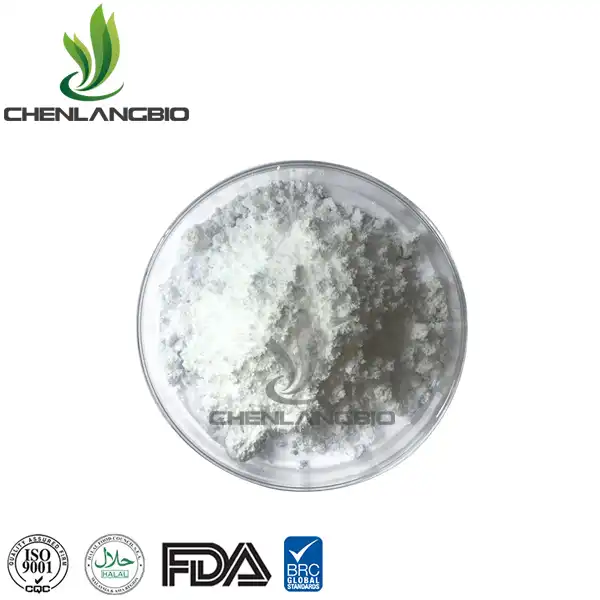
One of the advantages customers immediately recognize is our focus on high-purity Avenanthramides. Instead of offering a general extract with variable active content, we provide purified grades that reach up to 99%, allowing formulators to work with a clearly defined, potent ingredient. This level of purity translates directly into predictable performance—essential for anti-redness serums, calming essences, and post-procedure care lines where even small variations can impact user experience.
Equally important is the flexibility we offer through two functional forms:
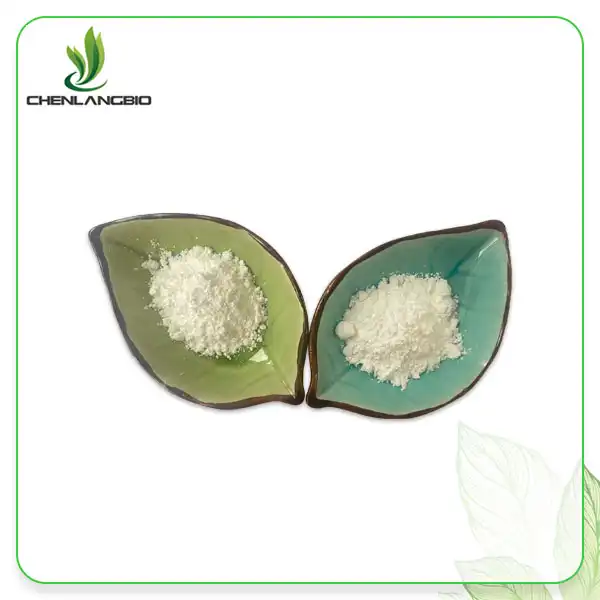
a water-soluble avenanthramide suitable for essences, gel creams, and hydrating serums, and an alcohol-soluble version often used in sprays, high-fluidity systems, and quick-dry formulations. This gives manufacturers the freedom to choose the format that aligns best with their texture, sensory profile, and processing environment. Many customers tell us this dual-format option cuts their development time significantly.
Quality control is another area where our team invests heavily. Every batch undergoes HPLC verification, ensuring the Avenanthramide profile—and particularly the level of Avenanthramide C—meets specifications. This consistency is one of the reasons our clients feel confident scaling from lab samples to commercial production without unexpected variations. For global brands managing multiple market launches, this reliability becomes a practical advantage, not just a technical detail.
We also understand that regulatory and documentation requirements can vary widely across regions. To support a smooth international registration process, we provide a complete documentation package, including COA, MSDS, TDS, ISO certifications, Halal and Kosher statements, Allergen-Free, Non-GMO declarations, and more. Our export team is experienced in working with customers in the U.S., EU, Southeast Asia, and the Middle East, making our material easier to integrate into cross-border production pipelines.
Finally, customers appreciate the way we manage supply. With stable stock, flexible MOQ, and responsive technical support, we work to remove friction from both R&D and procurement. Whether a client is refining a prototype or preparing a full commercial run, our team ensures the material arrives on time, in the expected quality, and with all supporting documents ready for compliance needs.
For manufacturers searching for a dependable, high-purity source of Avenanthramides, our combination of technical clarity, consistent quality, and reliable logistics helps create a smoother development experience—and ultimately, stronger products for sensitive and reactive skin consumers.
Conclusion — Avenanthramides in Oat Extract and Their Growing Value in Sensitive-Skin Product Development
As the beauty industry continues to shift toward gentler, barrier-supportive, and clinically driven formulations, avenanthramides in oat extract have transitioned from being a little-known component of oats to a highly valued active for sensitive-skin brands. Their ability to deliver targeted anti-inflammatory, anti-itch, and anti-redness benefits gives formulators a level of precision rarely found in traditional botanical extracts, making them especially valuable for consumers who demand visible comfort and long-term skin stability.
What makes avenanthramides stand out is not just their soothing performance, but the consistency and clarity they bring to formulation work. Sensitive-skin products must be dependable—batch after batch, market after market. Avenanthramides support this requirement with well-defined mechanisms and stable, predictable activity, something oat extract alone cannot guarantee. For manufacturers building anti-redness lines, post-procedure care, or daily calm-and-comfort products, the difference becomes immediately apparent.
Their compatibility with modern textures—light, breathable, water-based systems—further strengthens their role in current skincare trends. Whether incorporated into essences, serums, mists, gel creams, or minimalist barrier moisturizers, avenanthramides elevate formulas without complicating them, allowing brands to maintain clean ingredient lists while still delivering strong clinical performance.
For international buyers evaluating soothing actives, the value of avenanthramides lies in their versatility, safety, and targeted functionality. They bridge the gap between natural origin and measurable efficacy, making them a smart choice for formulators who need an ingredient that works reliably across different skin types and product categories.
As sensitive-skin and reactive-skin demand continues to grow worldwide, avenanthramides are poised to remain a cornerstone active—one that offers clarity, comfort, and consistency in an increasingly sophisticated consumer landscape.
If your next formulation calls for a dependable soothing active with clear, measurable performance, high-purity avenanthramides are an ingredient worth sourcing from a supplier who understands both the technical and regulatory requirements behind modern sensitive-skin development. At XI AN CHEN LANG BIO TECH CO., LTD, we provide avenanthramides designed specifically for cosmetic manufacturers who need consistency, transparency, and support at every stage of the formulation process.
Our high-purity grades—including options enriched with avenanthramide C—are available in both water-soluble and alcohol-soluble formats, giving your team the flexibility to create lightweight essences, calming serums, soothing sprays, or more advanced dermatology-inspired formulas. Every batch is verified through HPLC, backed by a full documentation package, and supported by experienced technical staff who can assist with usage levels, pH parameters, and system compatibility.
Whether you are testing early prototypes or preparing for full-scale production, we supply stable inventory, flexible MOQ, and fast international delivery to ensure your development timeline runs smoothly. Contact us now:
📩 Email: admin@chenlangbio.com
📱 WhatsApp: +86-17782478823

Send Inquiry

Related Industry Knowledge
- What Buyers Should Know About the Molecular Weight of Pyridoxal 5 Phosphate Monohydrate?
- What Are the Top Health Benefits of Chrysin Powder?
- What Are the Health Benefits of Natural Daidzein Powder?
- Is Kopexil Effective for Hair Growth?
- How to Extract EGCG from Green Tea
- What Is Cactus Extract Used For
- What is the Difference Between Copper PCA and Copper Peptides
- Unveiling the Wonders of Phloretin Powder Extract from Apple Peel
- Lotus Leaf Extract Weight Loss
- Can Acanthopanax Senticosus Root Extract Improve Body Immunity