What Is Rhodiola Rosea Extract Used for in Dietary Supplements?
2026-03-01 13:36:59
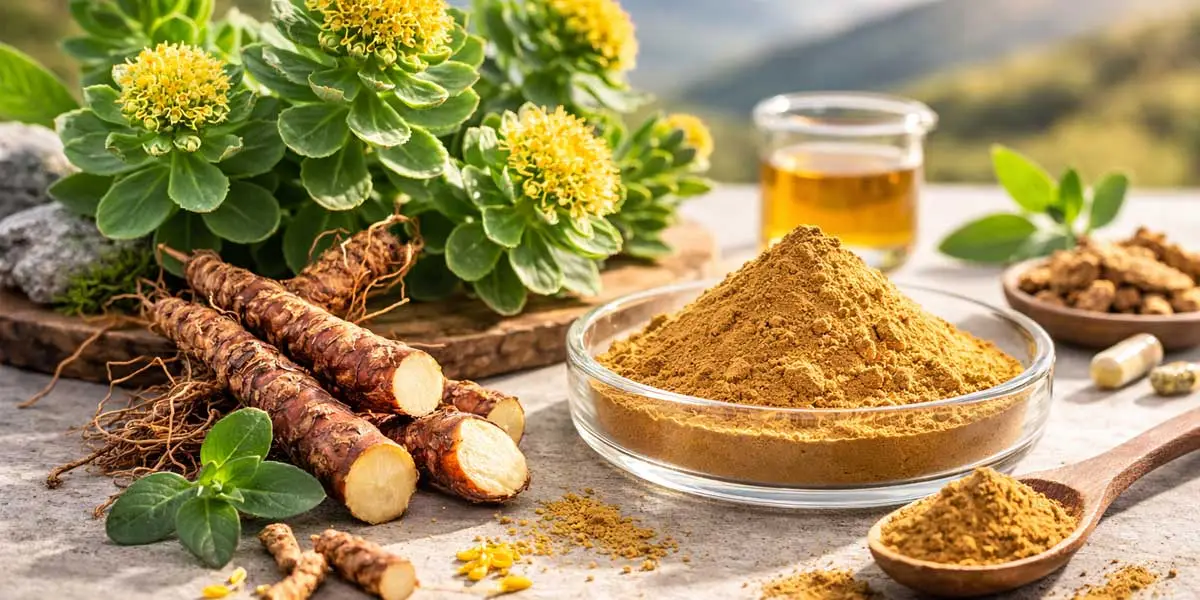
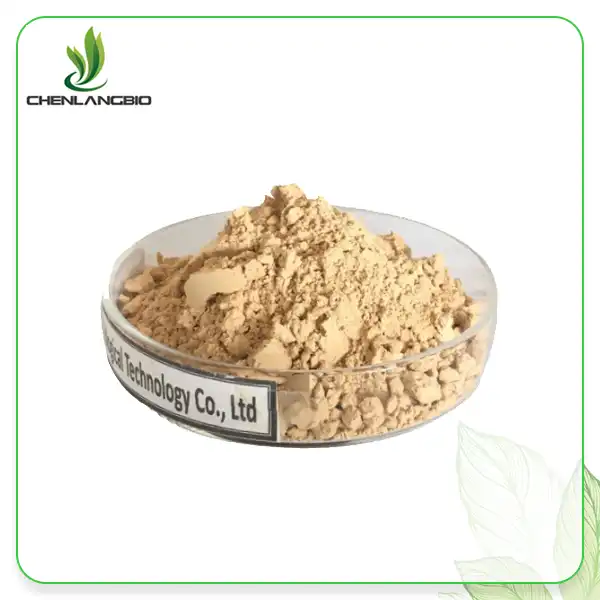
Rhodiola rosea extract powder is widely used in modern dietary supplements as a standardized botanical ingredient designed for structured formulation purposes rather than traditional raw herb use. In professional supplement manufacturing, Rhodiola is not simply added for its botanical heritage—it is incorporated as a controlled extract with defined marker content, typically standardized to rosavins and salidroside for consistency across production batches.
In the context of dietary supplements, Rhodiola rosea extract is commonly positioned in formulations intended to support resilience, energy balance, and performance-oriented product categories. However, from an industrial perspective, its true value lies in standardization, reproducibility, and compatibility within complex multi-ingredient blends.
For manufacturers and brand owners, the decision to use a standardized rhodiola extract is less about traditional herbal narratives and more about achieving batch-to-batch reliability, measurable active markers, and stable supply chain integration.
Understanding Rhodiola Rosea Extract in Modern Supplement Formulation
In contemporary supplement development, botanical ingredients are rarely used in their raw powdered form. Instead, extracts are preferred because they offer measurable marker concentrations and greater formulation precision.
Rhodiola rosea extract powder differs significantly from simple ground root powder. Through controlled extraction processes—typically hydroethanolic extraction followed by concentration and drying—the extract isolates and standardizes key compounds. This allows manufacturers to design dosage systems based on defined assay values rather than approximate plant composition.
Standardization most commonly focuses on:
•Rosavins (rosavin, rosarin, rosin);
•Salidroside.
These marker compounds provide analytical reference points. While they are not the sole constituents of the plant, their quantifiable presence ensures manufacturing consistency.
For formulation teams, this consistency matters. Capsules, tablets, and powdered blends require predictable input materials. Without standardized extracts, maintaining uniformity across large-scale production becomes difficult.
Common Applications in Dietary Supplements
The application of Rhodiola rosea extract in dietary supplements reflects broader industry trends toward adaptogenic and performance-oriented formulations. Rather than targeting medical conditions, manufacturers typically position the ingredient within general wellness categories.
Stress-Oriented Supplement Formulations
In the supplement industry, Rhodiola is frequently included in products positioned around stress resilience and daily balance support. Within this category, a standardized rhodiola extract provides measurable active markers that support formulation transparency.
From a manufacturing standpoint, its compatibility with capsules, tablets, and functional beverage powders makes it a practical component in stress-support blends. It is often paired with other botanical extracts to create multi-ingredient systems.
Energy and Endurance Blends
Another common application involves energy-focused supplements. In this context, rhodiola rosea extract powder is often incorporated into formulas designed to support stamina and sustained performance positioning.
Because standardized extracts offer defined marker content, dosage design becomes more precise. This is particularly important for brands operating in sports nutrition or active lifestyle segments, where product positioning emphasizes measurable ingredient transparency.
Formulators often evaluate extract concentration relative to serving size, ensuring that the inclusion level aligns with the intended product structure without exceeding capsule weight limitations.
Cognitive and Performance-Oriented Products
Rhodiola extract also appears in cognitive-focused supplement blends. In such formulations, the emphasis is typically placed on maintaining mental clarity and balanced performance positioning within general wellness frameworks.
Here again, the advantage of rhodiola rosea extract powder lies in its standardization. Reliable assay levels allow manufacturers to integrate it seamlessly into multi-component systems without destabilizing overall formulation balance.
Rather than focusing on isolated compound claims, professional supplement developers prioritize compatibility, stability, and reproducibility.
Why Standardization Matters in Supplement Manufacturing
When it comes to rhodiola rosea extract powder, the most important factor for manufacturers is consistency. Unlike whole herb powders, extracts are processed to ensure that the active compounds—primarily rosavins and salidroside—are present in a reliable and measurable concentration. This allows manufacturers to produce finished products with precise labeling and consistent performance over time.
The Role of Standardization
Standardization ensures that each batch of extract contains a consistent level of active ingredients, which is crucial for the following reasons:
•Quality Control: Consistency in active compound concentration enables accurate dosing, which is essential for maintaining product integrity and consumer trust.
•Label Accuracy: Regulatory bodies often require supplements to state the exact active ingredient content. A standardized extract simplifies compliance and label claims.
•Formulation Reliability: When Rhodiola extract is used in complex formulations—such as multi-ingredient stress-relief or energy blends—it must maintain its potency across different production batches. Standardization minimizes formulation variation and ensures uniformity.
•Supply Chain Stability: Standardized extracts allow for smoother sourcing and purchasing decisions. Manufacturers know exactly what they’re getting in terms of quality and performance, which reduces the risk of costly production delays.
Without standardization, the inclusion of Rhodiola could result in inconsistent product performance. This is why, in industrial applications, standardized rhodiola rosea extract powder is preferred over raw powder.
Typical Dosage Ranges in Supplement Formulations
When incorporating rhodiola rosea extract powder into dietary supplements, dosage ranges must be carefully calculated to align with the intended product’s effect and regulatory guidelines. Unlike raw plant material, which can vary in potency, standardized extracts offer precise dosages based on active compound concentration.
Common Dosage Ranges
The typical dosage of rhodiola extract in dietary supplements usually falls between 200 mg and 500 mg per serving. This varies depending on:
•The extract concentration (e.g., 3% rosavins, 5% salidroside)
•The intended formulation (e.g., energy, cognitive support, stress relief)
•Regulatory recommendations and label claims
A rhodiola extract 3% rosavins formulation will often require a higher amount per serving to achieve the same active compound dose as a 5% salidroside extract. This is because the higher percentage of salidroside allows for a lower volume to provide the same dose of active ingredient.
Manufacturers often adjust dosage according to the desired effect—whether for long-term wellness support or acute, short-term performance benefits. The consistency provided by standardized extracts simplifies this process, ensuring that consumers receive the intended benefits in every serving.
Bulk Supply Considerations for Supplement Brands
When sourcing rhodiola rosea extract powder in bulk, supplement manufacturers must take into account several critical factors to ensure that the ingredient will perform reliably over time and meet product requirements.
Supply Chain Stability
Rhodiola is traditionally grown in high-altitude regions, which can affect the consistency of raw material supply. Wild-harvested roots, in particular, are subject to seasonal fluctuations and sustainability regulations, which can impact availability. Therefore, sourcing bulk rhodiola rosea extract powder from a supplier with secure and reliable supply channels is essential.
Manufacturers should consider whether their suppliers have:
•Long-term contracts with trusted harvesting regions
•Ability to scale up production during high demand
•Traceability for raw material sourcing
Pricing Dynamics
The price of rhodiola rosea extract powder is subject to several factors, including:
•The raw material's origin (wild-harvested vs. cultivated)
•The standardization process (e.g., salidroside vs rosavin percentage)
•Production volume and lead times
Manufacturers should secure stable pricing by building long-term relationships with suppliers and considering seasonal price fluctuations when planning production runs.
Lead Times and Production Planning
Lead time is crucial for manufacturers, particularly those working with a just-in-time supply chain model. Suppliers of bulk rhodiola extract powder should be able to deliver consistently on time and offer predictable timelines, especially when large production runs are involved.
When considering rhodiola extract suppliers, look for:
•Clear production scheduling and lead time estimates
•Flexibility in order sizes
•Packaging and shipping reliability
These factors ensure that production schedules remain uninterrupted and help minimize the risk of stockouts during critical product launches.
Supplier Selection: What to Look For in a Rhodiola Extract Manufacturer
Choosing the right rhodiola rosea extract supplier is more than just comparing prices. It's about selecting a partner who can deliver consistent quality, transparent documentation, and long-term reliability. When sourcing bulk rhodiola extract, manufacturers should consider the following key factors:
Quality Assurance and Control
Ensure that the supplier uses validated methods for:
•HPLC analysis
•Heavy metal and microbiological testing
•Batch-to-batch consistency monitoring
Quality control is critical not only for meeting regulatory standards but also for ensuring that the final product performs as expected. Ask for:
•Detailed COAs (Certificate of Analysis) for each batch
•Historical quality reports to verify consistency
Transparent Documentation
Reliable rhodiola extract suppliers should be able to provide comprehensive documentation to support your regulatory requirements. This includes:
•COA, MSDS, TDS (Technical Data Sheet)
•Stability testing reports
•Certificate of origin or sustainability certifications
Full documentation helps prevent delays in product approval and ensures compliance in various international markets.
Manufacturing Transparency
Manufacturers should have insight into the supplier's production processes, ensuring they can meet demand without compromising quality. Look for suppliers who offer:
•Detailed manufacturing and extraction process breakdowns
•Transparency on sourcing and sustainability practices
•GMP (Good Manufacturing Practice) certification
These factors will help mitigate potential risks associated with supply chain disruptions and raw material quality fluctuations.
Conclusion: Rhodiola Rosea Extract for Supplements
Rhodiola rosea extract powder offers a versatile and reliable solution for dietary supplements targeting energy, stress management, and cognitive support. By choosing standardized extracts, manufacturers can ensure product consistency and meet regulatory requirements.
The decision on which rhodiola extract specification to use should be guided by product goals, including the desired dosage and formulation objectives. Bulk rhodiola extract powder offers a cost-effective and scalable solution for supplement companies, provided that the right supplier is selected—one that can deliver consistent quality, provide full documentation, and adhere to sustainable sourcing practices.
At CHEN LANG BIO TECH, we are committed to providing high-quality rhodiola rosea extract powder with a focus on consistency, traceability, and technical transparency. Whether you require a standardized rhodiola extract 3% rosavins or 5% salidroside, we offer tailored solutions for supplement manufacturers worldwide.
For more information, or to place an order, please contact us:
📧 Email: admin@chenlangbio.com
🌐 Website: www.chenlangbio.com

Send Inquiry
Related Industry Knowledge
- 5 Alpha Hydroxy Laxogenin vs Turkesterone Which Is Better for Muscle Growth?
- Saw Palmetto vs Pumpkin Seed Extract: Which Is Better for Prostate Health?
- Preformulation Studies of Myricetin: A Natural Antioxidant Flavonoid
- How to Choose High-Quality Palmitoylethanolamide Powder for Your Brand?
- What is the Difference between Spermidine and Spermidine Trihydrochloride?
- What is Cetyl Tranexamate HCL
- What Are the Side Effects of Bakuchiol
- How To Take Lufenuron
- Premium Haematococcus Pluvialis Extract for Optimal Health Benefits
- Lupinus Albus Seed Extract Skin Benefits