
What Is Nuciferine Used For in Dietary Supplements and Functional Products?
2026-01-27 11:50:10
Introduction: Why Nuciferine Is Gaining Attention in Supplement Formulation
As demand continues to grow for plant-based and function-focused ingredients, more product developers are exploring botanical compounds that can support modern wellness positioning. One ingredient that has drawn increasing interest is nuciferine powder, particularly in the context of dietary supplements and functional product development.
Nuciferine is most often discussed in formulation circles rather than mainstream consumer marketing. Brands and R&D teams look at it not as a standalone solution, but as a botanical component that fits into broader supplement concepts—such as lifestyle nutrition, weight-management positioning, and daily wellness blends. This is why questions like what is nuciferine used for frequently come from formulators and procurement teams rather than end consumers.
From a sourcing perspective, nuciferine powder is valued for its practicality. It can be incorporated into different dosage forms, is relatively easy to handle in dry formulations, and allows manufacturers to build plant-based product stories without relying on synthetic inputs. As interest in botanical extracts continues to expand globally, nuciferine has become a topic of discussion for brands looking to differentiate their supplement portfolios while staying aligned with clean-label and compliance-friendly development strategies.
What Is Nuciferine Used For in Supplements and Functional Products?
In dietary supplements and functional products, nuciferine powder is primarily used as a botanical ingredient to support product positioning related to lifestyle nutrition, weight-management concepts, and daily wellness formulations. It is commonly incorporated into multi-ingredient supplements rather than used as a single-component solution, allowing brands to build plant-based formulations with clear botanical sourcing.
From a formulation perspective, what is nuciferine used for in dietary supplements often comes down to its role within a broader blend. It is typically applied in capsule, tablet, and powder formats, and is also found in selected functional products such as drink mixes and nutrition powders. Because it is supplied in powder form, nuciferine powder uses are closely tied to dry blending systems that require accurate dosing, stable handling, and compatibility with other plant-derived ingredients.
For many manufacturers, nuciferine’s value lies in its flexibility. It can be positioned within wellness-oriented supplement lines and functional product concepts that emphasize botanical origin and modern formulation design, while remaining compatible with global regulatory and clean-label development strategies.
What Is Nuciferine?
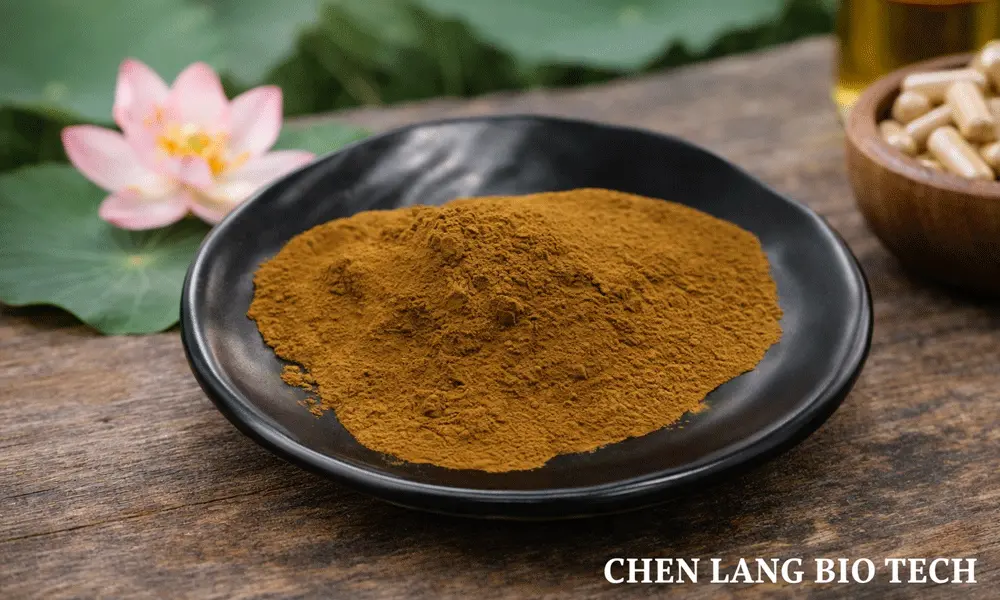
Nuciferine is a naturally occurring alkaloid that is primarily found in the leaves of the lotus plant (Nelumbo nucifera). This compound has gained attention in the botanical ingredient market due to its unique properties and its application in various health and wellness products. It is most commonly referred to as nuciferine from lotus leaf in the context of botanical sourcing.
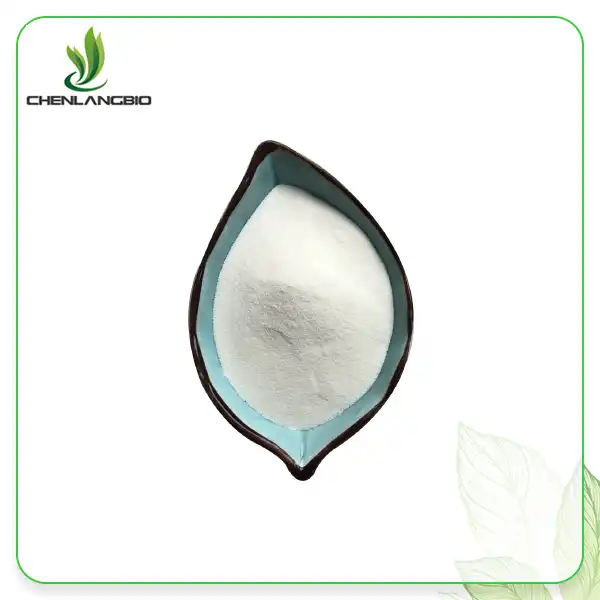
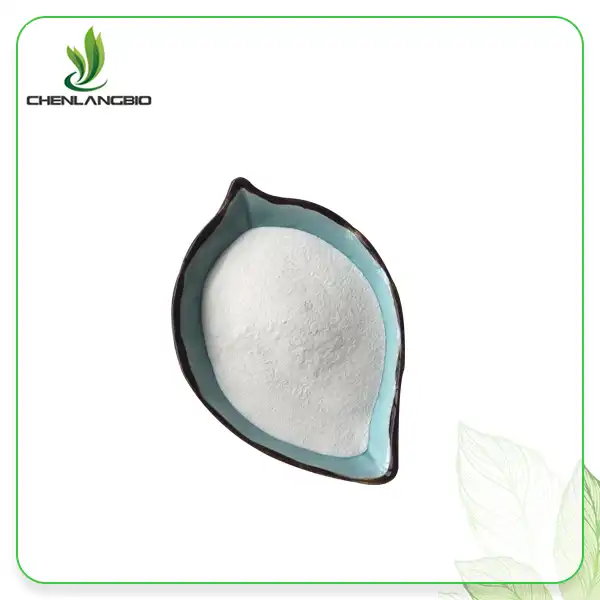
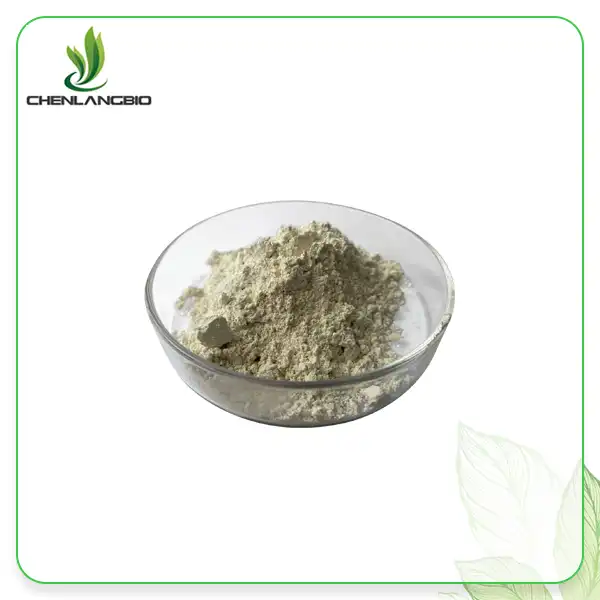
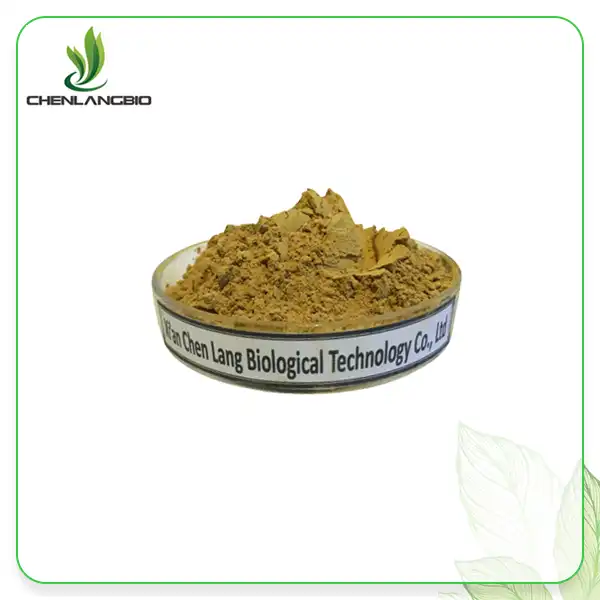
In industrial applications, nuciferine is typically available as a standardized extract or a refined powder, depending on the specific needs of the product formulation. The nuciferine extract is the material obtained from the lotus leaf through a controlled extraction process, while nuciferine powder is the powdered form that is widely used by supplement manufacturers. The powder form is especially popular due to its ease of handling, precise dosing capabilities, and compatibility with dry formulation systems, making it an ideal choice for dietary supplements and functional products.
When sourcing lotus leaf extract nuciferine, buyers look for consistency in product identity, as well as clear specifications and stability across batches. This is why working with a trusted nuciferine powder manufacturer is essential for ensuring high-quality, reliable supply, especially for large-scale production. Supporting documentation, such as COA (Certificate of Analysis) and traceability records, are also crucial for verifying product integrity and meeting regulatory requirements.
Key Applications of Nuciferine Powder in Dietary Supplements
In the dietary supplement industry, ingredients are selected not only for their botanical origin, but also for how well they fit into specific product concepts and dosage forms. This is where nuciferine powder is most often applied—within well-defined supplement categories that emphasize plant-based sourcing and modern wellness positioning.
Weight Management & Lifestyle Nutrition Formulations
One of the most common application areas for nuciferine powder for supplements is within weight-management and lifestyle nutrition products. In these formulations, nuciferine is typically used as part of a multi-ingredient blend rather than as a single active component. Product developers value it for its botanical identity and compatibility with other plant-derived ingredients that support weight-related positioning in a compliant, non-pharmaceutical manner.
In commercial practice, nuciferine powder uses in this category often focus on capsule and tablet formats, where precise dosing and uniform blending are critical. It may also be included in powder-based nutrition products designed for daily use, especially when brands aim to highlight plant-based or traditional botanical sourcing.
Daily Wellness and Botanical Blends
Beyond weight-management positioning, nuciferine is also used in general wellness supplements. These products are often marketed around balance, lifestyle support, or holistic nutrition concepts rather than specific health claims. In such cases, nuciferine powder is selected for its ability to integrate smoothly into botanical blends without significantly affecting taste, color, or processing behavior.
This flexibility makes nuciferine suitable for combination formulas that include multiple plant extracts, vitamins, or minerals. For supplement manufacturers, this versatility simplifies formulation design while maintaining a clear botanical profile on the label.
Format-Based Applications: Capsules, Tablets, and Powder Mixes
From a manufacturing standpoint, nuciferine powder is most commonly used in:
♦hard capsules and soft capsules;
♦compressed tablets;
♦powder blends for sachets or stick packs.
These formats benefit from the powder’s handling characteristics and compatibility with standard supplement production lines. When sourced with consistent specifications, nuciferine powder allows for efficient scaling from pilot batches to full commercial production.
Applications of Nuciferine Powder in Functional Products
Beyond traditional dietary supplements, nuciferine powder is increasingly used in functional products where formulation design, ingredient compatibility, and consumer positioning are equally important. In these applications, nuciferine is not promoted as a standalone feature, but as part of a carefully balanced system that supports modern functional concepts.
Functional Foods and Nutrition Blends
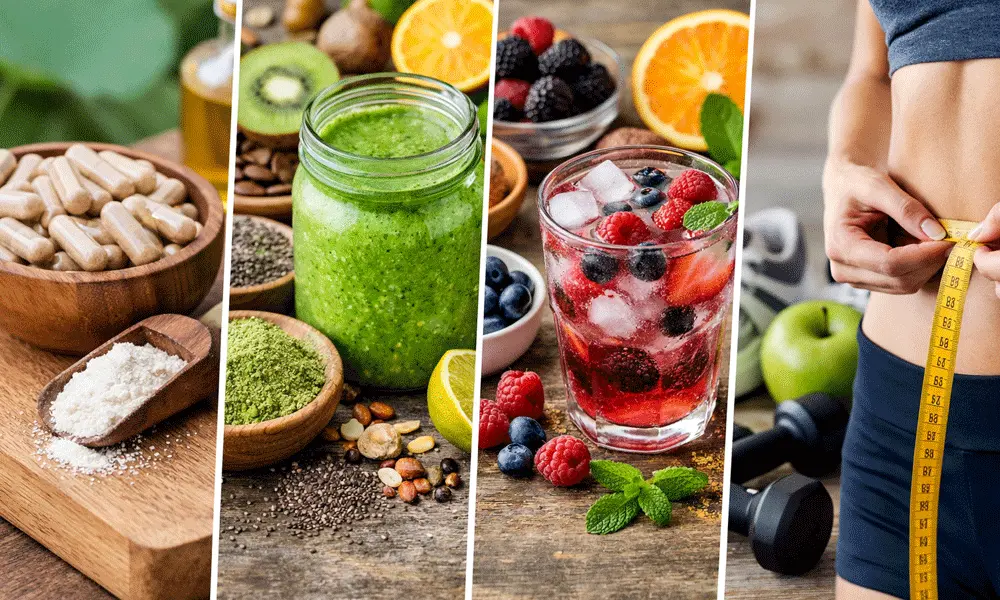
One of the most common uses of nuciferine powder in functional products is in dry-format foods designed for daily nutrition. These include meal-replacement powders, superfood blends, and lifestyle nutrition mixes where botanical ingredients are used to build a plant-based profile. In such systems, nuciferine powder in functional foods is valued for its compatibility with other botanical extracts and its suitability for dry blending processes.
Because these products are often consumed regularly, manufacturers typically focus on ingredient consistency, clean labeling, and stable handling characteristics. From this perspective, nuciferine powder uses in functional foods are driven more by formulation logic and market positioning than by single-ingredient emphasis.
Functional Beverages and Drink Mixes
In powdered beverage formats, nuciferine powder for drink mixes may be incorporated into instant beverage sachets or wellness drink blends. These applications require careful attention to dispersion behavior and formulation balance, especially when combined with other plant extracts, fibers, or nutritional components.
Functional beverage products tend to highlight convenience and lifestyle appeal, which is why nuciferine is usually positioned as part of a broader botanical system rather than a highlighted active. For developers, the key consideration is ensuring that nuciferine powder integrates smoothly into the formulation without negatively affecting processing or product appearance.
Format and Processing Considerations
Across functional product categories, nuciferine powder is most often applied in powder-based formats where processing conditions are relatively mild. This allows manufacturers to maintain better control over ingredient distribution and batch consistency. As with all functional ingredients, real-formula testing is recommended to confirm performance before scaling to commercial production.
Formulation Considerations Buyers Should Know
When incorporating nuciferine powder into dietary supplements or functional products, there are several key formulation considerations that manufacturers need to account for. While nuciferine offers a range of benefits as a botanical ingredient, understanding its compatibility, solubility, and stability is crucial for creating successful products that meet both consumer expectations and quality standards.
Solubility & Dispersion Characteristics
When working with nuciferine powder, understanding its solubility behavior is essential for successful formulation. Nuciferine is an alkaloid-type compound, and from a practical formulation standpoint, it is poorly soluble in water. This means it is not typically intended for direct use in clear, ready-to-drink liquid systems without additional formulation support.
In industrial applications, nuciferine powder shows better solubility in organic solvents such as ethanol and is generally more compatible with dry formulation systems. As a result, it is most commonly used in capsules, tablets, and powder blends where full dissolution in water is not required at the ingredient stage.
For functional beverages or instant drink mixes, nuciferine is usually incorporated as part of a powdered blend rather than as a fully dissolved component. In these cases, uniform dispersion and controlled particle distribution are more important than true solubility. Pre-blending with suitable carriers or excipients can help achieve consistent distribution and dosing within the finished product.
Because of these characteristics, product developers often evaluate nuciferine powder solubility and dispersion performance directly within the final formulation system. Selecting the right format—capsule, tablet, sachet, or dry mix—allows manufacturers to use nuciferine effectively while maintaining process efficiency and product stability.
Compatibility with Other Ingredients
As with any botanical ingredient, nuciferine powder must be compatible with the other actives and excipients in a given formulation. The challenge here is ensuring that nuciferine does not negatively interact with other ingredients, either by altering flavor, affecting color, or impacting the stability of other sensitive components like vitamins or probiotics.
For example, in weight management supplements, where ingredients such as green tea extract or caffeine might be used in combination with nuciferine, it is important to test the compatibility of these ingredients under real-world conditions. While nuciferine powder is generally considered a safe and non-reactive ingredient, each unique formulation may present specific challenges that require stability testing.
Stability & Shelf-Life Considerations
The stability of nuciferine powder during storage is another crucial factor in ensuring a consistent, high-quality product. Nuciferine is a relatively stable compound, but like other plant-derived ingredients, it is sensitive to environmental factors such as light, heat, and humidity. To ensure the ingredient remains effective over time, it should be stored in a cool, dry place, away from direct sunlight, and packaged in airtight containers to protect it from moisture.
When working with nuciferine powder in functional products, manufacturers should conduct shelf-life testing to confirm that the ingredient maintains its color and potency throughout the expected product lifespan. This is especially important for products that will be stored or transported for extended periods, such as bulk powders, sachets, or large-scale supplement manufacturing.
Storage & Packaging Considerations
The packaging of nuciferine powder plays a significant role in maintaining its quality. Since nuciferine is a sensitive botanical extract, proper packaging is necessary to prevent degradation during transport and storage. For bulk powder purchases, packaging should be moisture-proof and airtight to minimize exposure to environmental elements.
In addition, smaller batch production or sample orders should be packaged in sealed, aluminum foil bag to prevent any loss of color or potency. Many suppliers will offer flexible packaging options to meet the specific storage and distribution needs of manufacturers and procurement teams.
Quality & Specification: What Procurement Teams Look For
When it comes to sourcing nuciferine powder, procurement teams must focus not only on the functional benefits of the ingredient but also on the quality, consistency, and compliance of the product. Ensuring that nuciferine meets established quality standards is essential for manufacturers who are developing dietary supplements, functional foods, or beverages, where ingredient integrity is critical.
Product Specifications: What Buyers Should Expect
A clear and precise product specification is the foundation of any successful sourcing process. For nuciferine powder, the following key specifications should be outlined by the supplier and carefully reviewed by procurement teams:
Purity/Content: Nuciferine content should be consistently quantified. High-quality suppliers provide specifications detailing the nuciferine powder purity (typically expressed as a percentage of nuciferine in the raw powder). At CHEN LANG BIO TECH, we offer a range of specifications based on customer requirements, including 1%, 2%, 50%, and 98% purity levels. For water-soluble formulations, our nuciferine powder also includes a 10% solubility specification, allowing for easier integration into liquid-based systems. The purity level impacts the efficacy and dosage accuracy of the final product.
Particle Size: The size of the powder particles plays a significant role in its dispersion characteristics. For easy integration into formulations, nuciferine powder should have an optimal particle size to ensure uniform distribution without clumping.
Moisture Content: The moisture level in nuciferine powder is an important indicator of the product’s stability and shelf-life. High moisture content can lead to degradation, caking, or clumping in formulations, especially for powder blends. Buyers should ensure moisture content is controlled within acceptable limits.
Heavy Metals & Microbial Testing: Reliable suppliers provide test results that confirm that nuciferine powder is free from heavy metals (e.g., lead, arsenic, cadmium) and complies with microbiological standards. Buyers should request a Certificate of Analysis (COA) to verify the product’s safety and quality.
Batch Consistency and Traceability
To ensure reliable product performance across different production runs, batch consistency is crucial. Procurement teams should work with suppliers who guarantee batch-to-batch consistency in terms of both active ingredient content and physical characteristics (e.g., solubility, color, texture). This consistency is essential for product quality and regulatory compliance.
Having traceability for each batch is another key requirement. COA and third-party testing reports should be made available for every batch, providing full transparency on the sourcing, processing, and testing of the nuciferine powder. This allows procurement teams to verify that the ingredient consistently meets the required specifications and complies with safety standards.
Compliance and Certification
Compliance with international standards is paramount when sourcing nuciferine powder for commercial use. Buyers should ensure that the product is certified according to relevant global standards. Our key certifications include:
•FSSC22000 (Food Safety Management);
•HALAL and KOSHER (religious compliance for certain markets);
•USDA Organic and EU Organic (for organic product claims);
•GMP (Good Manufacturing Practice) certifications.
These certifications ensure that the supplier adheres to strict quality and safety regulations, providing assurance to procurement teams about the integrity of the product.
Documentation and Supply Chain Reliability
Reliable documentation and a solid supply chain are essential for procurement teams managing the logistics of nuciferine powder. As a reliable nuciferine powder supplier, we can supply:
Certificate of Analysis (COA);
Material Safety Data Sheet (MSDS);
Organic certifications (if applicable);
Third-party test reports (heavy metals, microbial, etc.).
Sample Orders and Small-Scale Testing
Before committing to a large order of nuciferine powder, many customers request samples for testing in real formulations. A small-scale trial allows formulators to assess the ingredient's compatibility with other raw materials and determine its performance in the final product. Samples also allow for taste testing and overall assessment of product quality.
Our MOQ is 1 kg for small-scale testing. Once the sample order passes the necessary testing and formulation trials, customers can confidently proceed with larger bulk orders.
FAQs
1) What is nuciferine powder?
Nuciferine powder is a botanical ingredient derived from the lotus leaf (Nelumbo nucifera). It is an alkaloid compound that is commonly used in dietary supplements and functional products for its various health-related applications, particularly in weight management and wellness formulations.
2) What are the nuciferine powder uses in supplements?
Nuciferine powder is primarily used in dietary supplements for its potential role in weight management, metabolism support, and daily wellness. It is often found in capsule, tablet, or powder form, and is typically included in botanical blends aimed at supporting a healthy lifestyle.
3) What purity levels of nuciferine powder do you offer?
At CHEN LANG BIO TECH, we offer nuciferine powder in a variety of purity levels, including 1%, 2%, 50%, and 98%. We also provide a 10% water-soluble version for formulations that require easier incorporation into liquid-based products or beverages.
4) Is nuciferine powder water-soluble?
Yes, nuciferine powder is water-soluble at a concentration of 10%. This makes it suitable for use in functional beverage applications, where solubility and dispersion are important factors for product performance.
5) How should nuciferine powder be stored?
Nuciferine powder should be stored in a cool, dry place, away from direct light and moisture. Proper storage conditions help maintain the quality and stability of the powder, ensuring it retains its potency throughout the product’s shelf life.
6) Can nuciferine powder be used in all product formats?
While nuciferine powder is versatile and can be used in many formats, its solubility characteristics make it more suitable for products that are in capsule, tablet, or powder mix formats. It may also be used in functional beverages with pre-dispersion methods to ensure uniform distribution.
7)How do I ensure the quality and consistency of nuciferine powder?
Ensure that the nuciferine powder is sourced from a reliable supplier with quality certifications, including COA (Certificate of Analysis), MSDS (Material Safety Data Sheet), and testing for heavy metals and microbial content. Consistency can be verified through third-party lab testing and batch-to-batch traceability.
8)How can I order nuciferine powder from CHEN LANG BIO TECH?
To order nuciferine powder, please contact us directly via email at admin@chenlangbio.com
or via WhatsApp/WeChat at +86-17782478823. Our sales team will provide you with pricing, sample options, lead time, and additional product details.
Contact CHEN LANG BIO TECH
We at CHEN LANG BIO TECH are committed to providing high-quality nuciferine powder and a wide range of plant-based ingredients to meet the needs of your dietary supplement and functional product formulations. Our team is here to assist you with product inquiries, pricing, sample requests, and technical support.
If you are looking to source nuciferine powder or any of our other botanical ingredients, feel free to get in touch with us directly. We can provide you with detailed product specifications, certificates of analysis (COA), pricing information, and shipping details.
Get in Touch:
Email: admin@chenlangbio.com
WhatsApp / WeChat: +86-17782478823
Website: www.chenlangbio.com

Send Inquiry
Related Industry Knowledge
- Buy 5 Alpha Hydroxy Laxogenin Powder in Bulk: High Purity Supply from China Manufacturer
- What Makes 3-O-ethyl Ascorbic Acid the Best Choice for Stable Vitamin C Formulations?
- Can 3-O-ethyl Ascorbic Acid Improve Collagen Synthesis and Skin Elasticity?
- How Does 3-O-ethyl Ascorbic Acid Offer Superior Antioxidant Performance in Formulas?
- How is D-Luciferin Potassium Salt Prepared for Use?
- What is the Difference between Spermidine and Spermidine Trihydrochloride?
- What is the Difference between Dimethylmethoxy Chromanyl Palmitate and Other Skin Lightening Agents
- The Science Behind Isobutylamido Thiazolyl Resorcinol in Skin Care
- Is Camellia Oleifera Seed Extract Good for Skin
- Does Alpha-GPC Increase Serotonin