
Shilajit Extract Powder vs Ashwagandha Extract: A Comparison Guide for Supplement Manufacturers
2026-07-21 15:55:09
Choosing Between Two Popular Ayurvedic Botanical Ingredients for Modern Supplement Formulation
When developing botanical supplements, manufacturers often compare different plant-based ingredients to determine which one better matches their product concept, formulation requirements, and target market. Among Ayurvedic ingredients, shilajit extract powder vs ashwagandha extract is a comparison that frequently appears during ingredient selection because both materials have a long history of traditional use and are widely recognized in the global wellness market.
However, from a formulation and sourcing perspective, these two ingredients represent very different categories of botanical raw materials.
The short answer: shilajit extract powder and ashwagandha extract should not be considered interchangeable ingredients. Shilajit is a mineral-rich botanical material typically evaluated by Fulvic Acid specifications, while Ashwagandha is a root extract commonly standardized by Withanolide content.
For supplement manufacturers, the right choice depends on the desired ingredient profile, product positioning, quality specifications, and manufacturing requirements. A brand developing a traditional botanical formula may evaluate these ingredients differently from a company looking for a highly standardized herbal extract.
Understanding these differences helps product developers and procurement teams make better decisions when working with a professional Ayurvedic Ingredient Supplier or Botanical Extract Manufacturer.
What Is Shilajit Extract Powder? Understanding Its Ingredient Profile
Natural Source and Composition of Shilajit Extract Powder
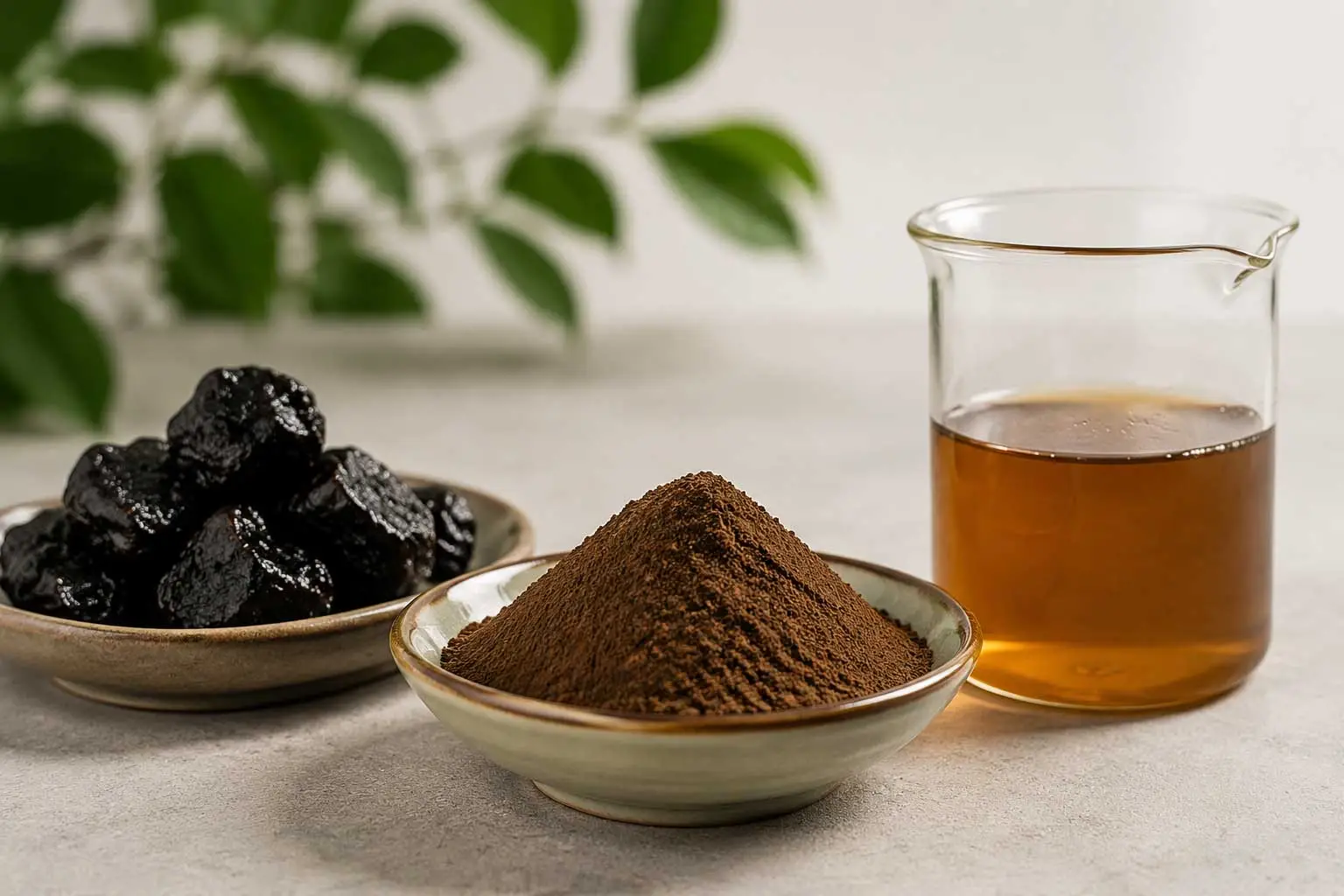
Shilajit Extract Powder is a standardized botanical ingredient produced from purified Shilajit raw material through controlled extraction, purification, concentration, and drying processes.
Unlike single-compound ingredients, Shilajit extract represents a broader botanical profile containing multiple naturally occurring components. Among these components, Fulvic Acid is one of the most important specification indicators used by manufacturers and ingredient buyers.
From a formulation perspective, this distinction is important because shilajit extract powder is not simply a Fulvic Acid ingredient. Instead, it represents a complete botanical extract with a wider natural composition.
For supplement companies, this makes Shilajit extract suitable for products where the identity of the botanical ingredient itself is an important part of the formulation concept.
A professional shilajit extract powder supplier typically provides standardized specifications based on Fulvic Acid content, allowing manufacturers to select an ingredient grade that matches their product requirements.
Common specifications may include different Fulvic Acid levels, including higher specification products such as Shilajit Extract Powder 50% Fulvic Acid, depending on customer needs.
Why Supplement Manufacturers Use Standardized Shilajit Extract Powder
Modern supplement production requires more than traditional ingredient recognition. Manufacturers need raw materials that provide consistent quality, predictable handling characteristics, and reliable documentation.
This is why many companies prefer working with an experienced shilajit extract manufacturer rather than sourcing unprocessed botanical materials.
Standardized shilajit extract powder offers practical advantages for commercial production because it can be:
•accurately weighed during formulation;
•easily blended with other powdered ingredients;
•conveniently packaged and transported;
•supported with batch-specific quality documentation.
For companies planning to buy shilajit extract powder, quality consistency is often one of the most important purchasing considerations.
A reliable supplier should provide technical documents such as specifications, testing reports, and COA information to support ingredient approval.
For larger-scale applications, manufacturers often look for bulk shilajit extract powder supply with stable specifications and consistent quality from batch to batch.
What Is Ashwagandha Extract? Understanding the Botanical Ingredient Profile
Source and Characteristics of Ashwagandha Extract
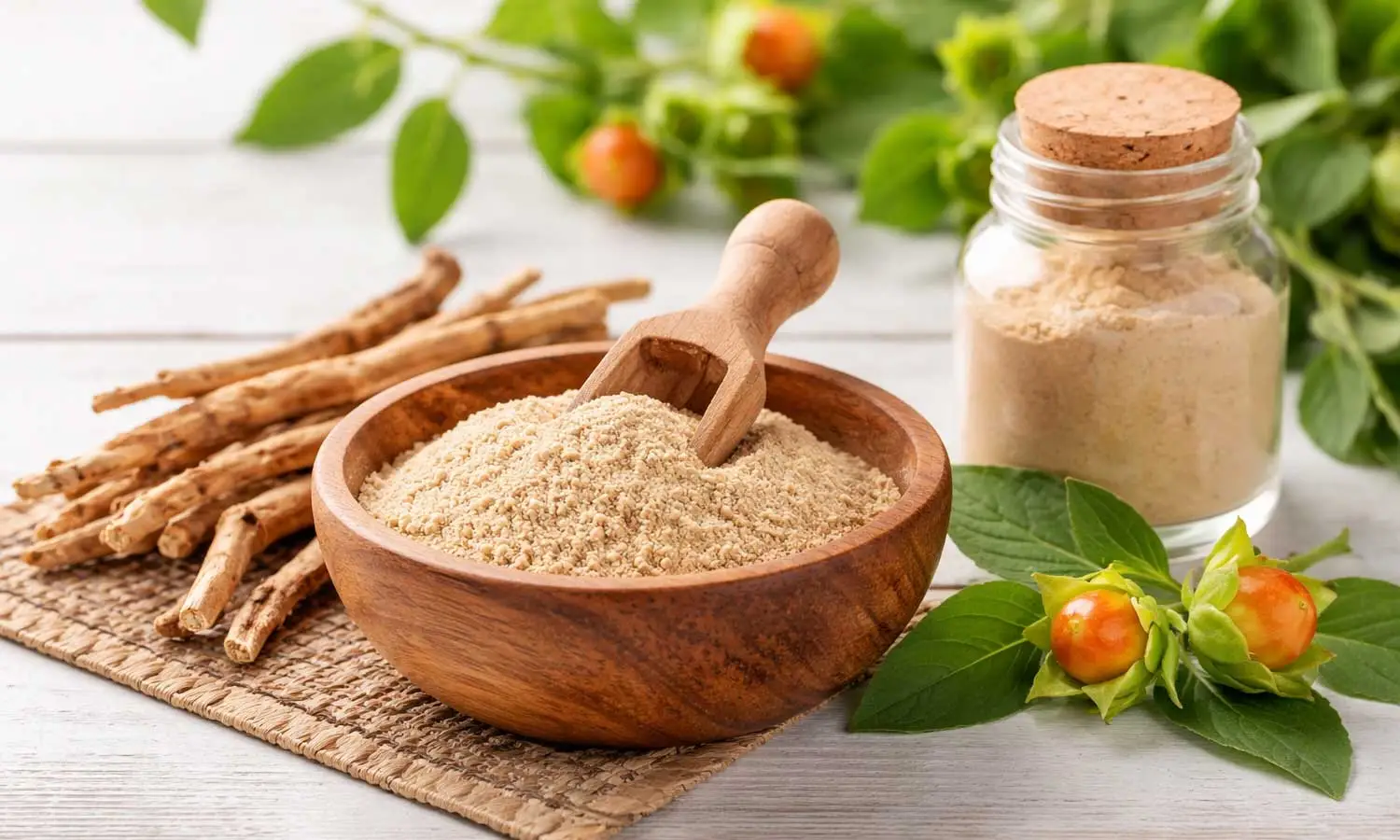
Ashwagandha Extract is a botanical extract derived from the root of Withania somnifera, a plant traditionally used in Ayurvedic formulations.
Unlike Shilajit, which is a mineral-rich botanical material, Ashwagandha is classified as a herbal root extract. Its quality is commonly evaluated through standardization of Withanolides, which are characteristic compounds used to define extract specifications.
For supplement manufacturers, Ashwagandha represents a different ingredient category. The focus is usually on:
•botanical identity;
•extraction ratio;
•Withanolide specification;
•consistency between batches.
A professional ashwagandha extract supplier should provide clear product specifications and quality documentation to help manufacturers evaluate whether the ingredient fits their formulation requirements.
Why Manufacturers Use Standardized Ashwagandha Extract
Standardization plays an important role in modern botanical supplement manufacturing.
For ashwagandha extract, manufacturers often select products based on defined Withanolide percentages because this provides a clearer specification for product development and quality control.
Similar to other botanical extracts, the value of Ashwagandha is not only determined by its plant source but also by:
•extraction technology;
•quality testing;
•manufacturing control;
•documentation support.
Working with an experienced Botanical Extract Manufacturer helps supplement brands maintain consistent ingredient quality throughout product development and commercial production.
Shilajit Extract Powder vs Ashwagandha Extract: Understanding the Core Difference
Although both ingredients are associated with Ayurvedic traditions, the fundamental difference between Shilajit Extract Powder vs Ashwagandha Extract lies in their source, composition, and standardization approach.
Shilajit is evaluated primarily through Fulvic Acid specifications and represents a complex botanical-mineral extract.
Ashwagandha is evaluated through Withanolide content and represents a standardized herbal root extract.
For formulators, this means the two ingredients serve different purposes within a supplement development strategy.
A company choosing between these ingredients should first consider what ingredient story, specification requirements, and product positioning they want to achieve.
Shilajit Extract Powder vs Ashwagandha Extract: A Comparison Guide for Supplement Manufacturers
Choosing Between Two Popular Ayurvedic Botanical Ingredients for Modern Supplement Formulation
When developing botanical supplements, manufacturers often compare different plant-based ingredients to determine which one better matches their product concept, formulation requirements, and target market. Among Ayurvedic ingredients, Shilajit Extract Powder vs Ashwagandha Extract is a comparison that frequently appears during ingredient selection because both materials have a long history of traditional use and are widely recognized in the global wellness market.
However, from a formulation and sourcing perspective, these two ingredients represent very different categories of botanical raw materials.
The short answer: Shilajit Extract Powder and Ashwagandha Extract should not be considered interchangeable ingredients. Shilajit is a mineral-rich botanical material typically evaluated by Fulvic Acid specifications, while Ashwagandha is a root extract commonly standardized by Withanolide content.
For supplement manufacturers, the right choice depends on the desired ingredient profile, product positioning, quality specifications, and manufacturing requirements. A brand developing a traditional botanical formula may evaluate these ingredients differently from a company looking for a highly standardized herbal extract.
Understanding these differences helps product developers and procurement teams make better decisions when working with a professional Ayurvedic Ingredient Supplier or Botanical Extract Manufacturer.
Shilajit Extract Powder vs Ashwagandha Extract: Key Differences for Supplement Manufacturers
When comparing Shilajit Extract Powder vs Ashwagandha Extract, supplement manufacturers should focus on ingredient characteristics rather than simply choosing one ingredient over another. Both are valuable Ayurvedic botanical ingredients, but they serve different roles in product development.
The most important differences relate to:
•source material;
•chemical composition;
•standardization approach;
•quality testing;
•formulation considerations.
Understanding these differences allows brands and formulators to select ingredients that better match their product positioning and manufacturing requirements.
Source and Composition Comparison: Shilajit Extract Powder vs Ashwagandha Extract
The first major difference between these two ingredients is their natural source.
Shilajit Extract Powder is derived from purified Shilajit material, which is a naturally occurring mineral-rich botanical substance. It is considered a complex extract because it contains multiple naturally occurring components, including Fulvic Acid and other organic compounds.
In comparison, ashwagandha extract is produced from the root of Withania somnifera. It belongs to the category of herbal root extracts and is generally standardized according to its Withanolide content.
For supplement manufacturers, this distinction affects how the ingredients are positioned within a finished product.
A Shilajit-based formula may emphasize the characteristics of a traditional botanical-mineral ingredient, while an Ashwagandha-based formula may focus on a standardized herbal root extract.
The following table summarizes the key differences:
|
Factor |
Shilajit Extract Powder |
Ashwagandha Extract |
|
Botanical Source |
Purified Shilajit material |
Withania somnifera root |
|
Ingredient Category |
Botanical-mineral extract |
Herbal root extract |
|
Main Specification Marker |
Fulvic Acid content |
Withanolide content |
|
Standardization Focus |
Fulvic Acid percentage and extract quality |
Withanolide percentage and root extract consistency |
|
Typical Extract Format |
Powder extract |
Powder extract |
|
Common Buyer Focus |
Botanical identity and Fulvic Acid specification |
Herbal extract standardization |
This comparison shows that both ingredients follow different quality evaluation systems. Therefore, manufacturers should select based on formulation objectives rather than assuming one ingredient can replace the other.
Standardization and Quality Testing Comparison
For international supplement manufacturers, standardization is one of the most important factors when selecting botanical ingredients.
A natural ingredient must provide consistent specifications to support commercial production. This is why professional buyers usually evaluate not only the ingredient itself but also the supplier’s testing capability and documentation system.
Shilajit Extract Powder Standardization
The quality of Shilajit Extract Powder is commonly evaluated through Fulvic Acid specification.
Professional suppliers may provide different grades according to customer requirements, including:
•standard Fulvic Acid specifications;
•concentrated extract grades;
•premium specifications such as Shilajit Extract Powder 50% Fulvic Acid.
For buyers working with a Shilajit Extract Powder Supplier, important quality information may include:
•Fulvic Acid analysis;
•appearance;
•moisture content;
•heavy metal testing;
•microbiological testing;
•batch consistency.
A professional Shilajit Extract Manufacturer should provide complete documentation to confirm that the product meets the agreed specification.
Ashwagandha Extract Standardization
For Ashwagandha Extract, the primary quality indicator is usually Withanolide content.
Manufacturers commonly evaluate:
•Withanolide percentage;
•botanical identification;
•extraction ratio;
•microbiological quality;
•contaminant testing.
A qualified ashwagandha extract supplier should provide analytical documentation that allows buyers to verify the extract specification.
Similar to Shilajit, supplier transparency and quality control capability are important factors when selecting an ingredient partner.
Formulation Considerations: Which Ingredient Fits Different Product Concepts?
The choice between Shilajit Extract Powder vs Ashwagandha Extract depends largely on the concept of the final supplement product.
Rather than asking:
“Which ingredient is better?”
professional formulators usually ask:
“Which ingredient better matches the purpose and positioning of this product?”
When Supplement Brands Choose Shilajit Extract Powder
Companies may select Shilajit Extract Powder when they want to incorporate a distinctive botanical ingredient with a traditional Ayurvedic background and standardized Fulvic Acid specifications.
It can be considered for formulations such as:
•botanical supplement blends;
•premium herbal products;
•capsule formulations;
•powder-based supplements.
For brands looking for a recognizable botanical ingredient with defined specifications, working with an experienced Shilajit Extract Powder Supplier can provide flexibility in product development.
For example, manufacturers requiring higher specification control may evaluate Shilajit Extract Powder 50% Fulvic Acid as part of their ingredient selection process.
When Supplement Brands Choose Ashwagandha Extract
Ashwagandha Extract may be selected by brands focusing on traditional herbal root ingredients with standardized Withanolide content.
It is commonly considered for:
•herbal supplement formulas;
•botanical blends;
•capsule products;
•wellness-focused formulations.
A professional Ashwagandha Extract Supplier should provide clear specifications and quality documentation to support formulation development.
The selection depends on the product concept, target market, and desired ingredient positioning.
Quality Considerations When Buying Shilajit and Ashwagandha Extracts
Regardless of which botanical ingredient a manufacturer selects, quality evaluation remains a critical part of the purchasing process.
A reliable Botanical Extract Manufacturer should provide transparent information about production, testing, and quality control.
For companies sourcing Bulk Shilajit Extract Powder, important purchasing considerations include:
•Certificate of Analysis (COA);
•specification sheet;
•analytical testing reports;
•heavy metal testing;
•microbiological testing;
•production traceability.
When purchasing Shilajit extract, buyers should pay particular attention to Fulvic Acid verification and batch consistency.
For Ashwagandha extract, buyers should review Withanolide specifications and botanical authentication.
A professional Ayurvedic Ingredient Supplier should understand these differences and provide appropriate documentation according to the ingredient category.
Choosing a Reliable Ayurvedic Ingredient Supplier
Selecting the right supplier is an important part of successful supplement development.
For companies looking to buy shilajit extract powder, the supplier should have:
•professional botanical extraction capability;
•stable production capacity;
•complete quality documentation;
•experience serving international customers.
A qualified shilajit extract powder supplier provides more than a raw material. The supplier should support customers with technical information, consistent specifications, and reliable supply.
The same principle applies to Ashwagandha sourcing. A professional ashwagandha extract supplier should demonstrate strong quality management and the ability to provide standardized herbal ingredients.
Why Choose CHEN LANG BIO TECH for Ayurvedic Botanical Ingredients?
CHEN LANG BIO TECH specializes in botanical extracts and functional ingredients, providing standardized raw materials for supplement manufacturers, brands, and ingredient distributors.
Our production capabilities support different botanical extract applications, including standardized Shilajit extract specifications with Fulvic Acid content options.
For customers requiring bulk shilajit extract powder, we provide professional documentation, including COA and product specifications, to support ingredient evaluation and purchasing decisions.
Our quality management systems are supported by certifications including ISO9001, ISO22000, FAMI-QS, HALAL, and KOSHER standards.
With experience in botanical ingredient manufacturing, we focus on providing consistent quality, reliable supply, and professional support for global customers.
Frequently Asked Questions About Shilajit Extract Powder vs Ashwagandha Extract
What is the difference between Shilajit Extract Powder and Ashwagandha Extract?
Shilajit Extract Powder is a complex botanical-mineral extract mainly evaluated by Fulvic Acid specification, while Ashwagandha Extract is a root extract commonly standardized by Withanolide content.
Which ingredient is better for supplement manufacturing?
Neither ingredient is universally better. The choice depends on the product concept, formulation requirements, and desired ingredient positioning.
What is the main specification for Shilajit Extract Powder?
The main specification is commonly related to Fulvic Acid content. Different grades are available, including higher specifications such as Shilajit Extract Powder 50% Fulvic Acid.
What is the main specification for Ashwagandha Extract?
Ashwagandha extract is commonly evaluated based on Withanolide content and botanical extract quality parameters.
Can manufacturers buy Shilajit Extract Powder in bulk?
Yes. Professional suppliers provide Bulk Shilajit Extract Powder solutions for supplement manufacturers and ingredient distributors.
Conclusion: Choosing the Right Ayurvedic Botanical Ingredient
The comparison of shilajit extract powder vs ashwagandha extract shows that both ingredients have unique characteristics and different formulation applications.
Shilajit extract provides a distinctive botanical-mineral ingredient profile with Fulvic Acid standardization, while Ashwagandha offers a standardized herbal root extract approach based on Withanolide content.
For supplement manufacturers, the best choice depends on product positioning, specification requirements, and supplier reliability.
Working with an experienced shilajit extract powder supplier or botanical extract manufacturer helps ensure consistent quality and stable ingredient supply for long-term product development.

Send Inquiry
Related Industry Knowledge
- What Is 3-O-Ethyl Ascorbic Acid? A Technical Guide for Cosmetic Manufacturers
- Marine Fish Oligopeptide Powder: Sources, Applications, and Quality Standards
- 5 Alpha Hydroxy Laxogenin vs Turkesterone Which Is Better for Muscle Growth?
- L-Carnosine Powder Solubility, Stability and Formulation Guide for Supplement Manufacturers
- Can Women Use Turkesterone?
- How Much Sodium Ascorbyl Phosphate is Effective
- Ajuga Turkestanica Extract Essential Fitness Turkesterone Supplements
- What is the Most Effective Skin Whitening Sepiwhite Powder MSH
- Is Natural Cranberry Extract Powder Good For You
- What Benefits of Honokiol Powder