Rhodiola Rosea Extract Powder vs. Ashwagandha Extract: Technical Differences and Procurement Considerations for Manufacturers
2026-03-03 19:31:24
Core Differences Between Rhodiola Rosea Extract Powder and Ashwagandha Extract
Although both ingredients are categorized as adaptogens, rhodiola rosea extract powder and ashwagandha extract represent fundamentally different phytochemical systems, supply structures, and standardization models.
Rhodiola rosea extract powder is derived from the roots and rhizomes of Rhodiola rosea L. Its commercial value is defined by two primary marker groups: rosavins (rosavin, rosarin, rosin) and salidroside. Rosavins are unique to Rhodiola rosea, making them critical for species authentication. Salidroside contributes to bioactivity but is not species-exclusive. For international buyers, common specifications include Rhodiola extract 3% rosavins 1% salidroside bulk and standardized Rhodiola Rosea Extract Powder 5% rosavins.
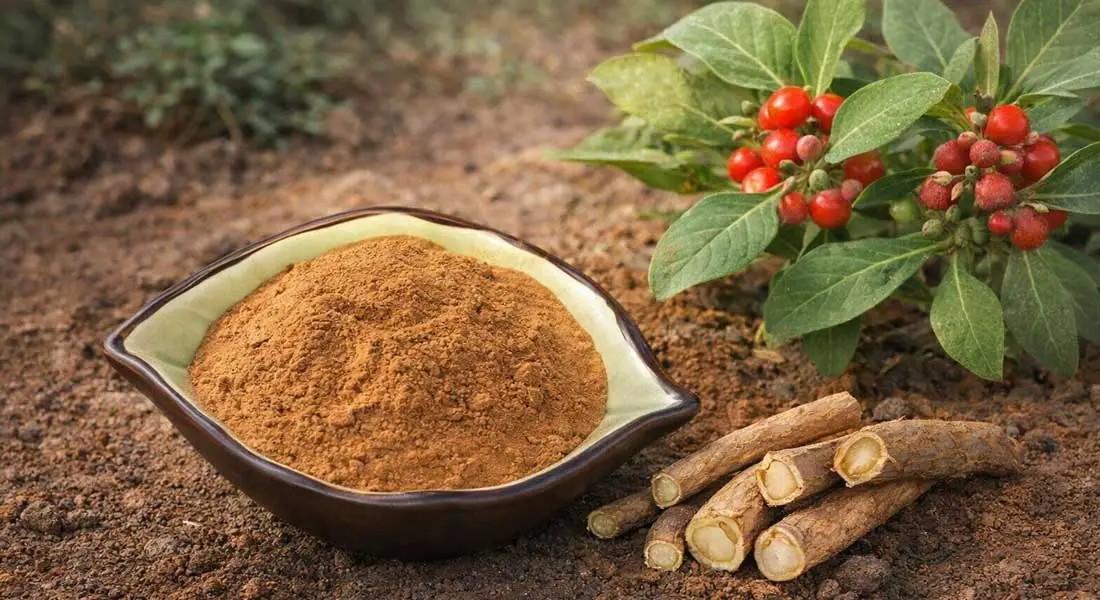
Ashwagandha extract, sourced from Withania somnifera, is standardized primarily to total withanolides. Market specifications typically reference Ashwagandha extract 5% withanolides bulk or 10% variants. Unlike Rhodiola, Ashwagandha standardization does not rely on dual-marker ratios but on total lactone content, with increasing attention paid to withaferin A levels in export markets.
From a formulation standpoint, bulk rhodiola rosea extract powder for supplement manufacturing is typically positioned in energy-support, anti-fatigue, and cognitive resilience products. Ashwagandha extract is more frequently integrated into stress-support and sleep-oriented formulations. The two ingredients are not interchangeable at a technical level; their active compounds differ structurally and functionally.
For procurement teams, the key distinction lies in authentication and marker validation. Rhodiola requires confirmation of rosavin presence to ensure correct species identity. Ashwagandha demands verification of total withanolide accuracy and contaminant compliance. Supplier evaluation criteria therefore differ significantly between the two botanicals.
Botanical Origin and Raw Material Quality Control
Raw Material Profile of Rhodiola Rosea
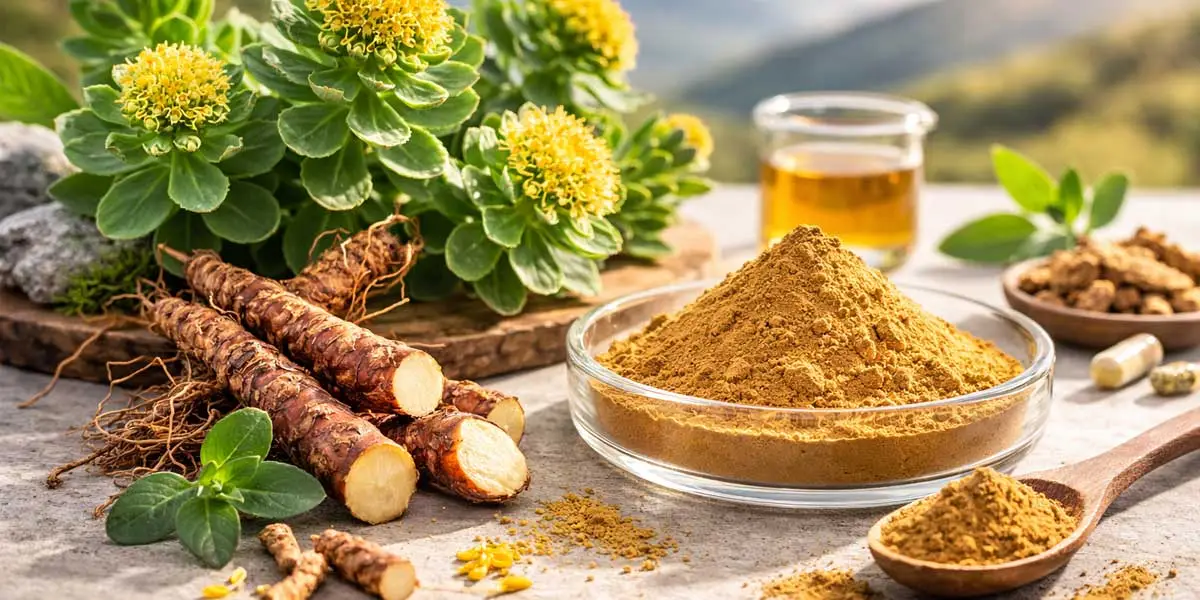
The quality of rhodiola rosea extract powder begins with root maturity, altitude, and harvesting practices. Rhodiola rosea grows in high-altitude, cold-climate regions. Environmental stress influences rosavin biosynthesis; therefore, geographic origin impacts phytochemical concentration.
For buyers sourcing Rhodiola rosea root extract bulk supplier, several raw material factors require verification:
•Botanical authentication (macroscopic and chromatographic identification);
•Plant age at harvest;
•Controlled drying conditions to preserve rosavins;
•Absence of substitution with other Rhodiola species.
Species adulteration is a documented risk within the global market. Authentic Rhodiola rosea contains rosavins; related species may contain salidroside but lack rosavin content. HPLC fingerprint comparison should be mandatory for industrial procurement.
Sustainability is also a strategic concern. Mature roots require multi-year growth cycles. Reliable suppliers typically operate cultivation programs or documented wild-harvest management systems to ensure long-term availability of wholesale Rhodiola Rosea Extract Powder.
Raw Material Considerations for Ashwagandha
Ashwagandha is cultivated at scale, primarily in India. Agricultural production is more standardized than Rhodiola, reducing species substitution risk. However, variability arises in plant part selection.
Procurement managers seeking Ashwagandha root extract bulk supply should confirm whether the extract is root-only or includes aerial parts. Root-only extracts often align more closely with traditional use and regulatory expectations in Western markets.
Active compound variability is influenced by soil quality, harvest timing, and post-harvest drying. Therefore, withanolide testing of raw material batches prior to extraction is essential to maintain consistency in finished extract specifications.
Comparative Supply Stability
From a supply chain perspective, rhodiola rosea extract powder supplier qualification typically requires deeper due diligence due to slower cultivation cycles and geographic limitations. Ashwagandha offers broader agricultural scalability but still requires consistent phytochemical monitoring.
For long-term contracts, manufacturers should request documentation covering raw material origin, batch traceability, and annual production capacity.
Active Compounds and Standardization Parameters
Standardization of Rhodiola Rosea Extract Powder
The defining quality indicator of standardized Rhodiola Rosea Extract Powder supplier capability is accurate quantification of rosavins and salidroside.
Commercial specifications commonly include:
•Rhodiola extract 3% rosavins 1% salidroside bulk
•5% rosavins variants
•Customized rosavin-to-salidroside ratios
The traditional 3:1 rosavin-to-salidroside ratio is frequently referenced in scientific literature and serves as a quality benchmark. However, industrial buyers may request customized marker levels depending on formulation objectives.
Analytical validation should include:
•HPLC quantification of rosavins
•HPLC quantification of salidroside
•Full chromatographic fingerprint comparison
•Heavy metal and pesticide residue testing
•Residual solvent analysis for export markets
For companies importing into the EU or North America, Rhodiola Rosea Extract Powder manufacturer for EU compliance should provide complete technical dossiers, including COA and stability data.
Standardization of Ashwagandha Extract
Ashwagandha extract standardization focuses on total withanolides, typically 5% or 10%. Advanced buyers increasingly request individual withanolide profiling, particularly withaferin A content, due to regulatory sensitivity.
When evaluating high-quality Ashwagandha extract manufacturer, procurement teams should review:
•Total withanolide percentage validation
•HPLC method documentation
•Batch-to-batch variation data
•Contaminant screening reports
Unlike Rhodiola, marker ratio balancing is less central; total concentration accuracy and purity are primary concerns.
Extraction Technology and Batch Consistency
Extraction methodology directly affects marker stability. For industrial-grade Rhodiola Rosea Extract Powder bulk, hydroalcoholic extraction under controlled temperature is widely adopted to preserve rosavins. Overheating during concentration can reduce active compound integrity.
Drying technology—whether spray drying or vacuum drying—must maintain consistent moisture content and prevent degradation. Batch consistency is a core performance indicator for large-scale manufacturers supplying capsule, tablet, or functional beverage producers.
Custom specification capability is increasingly important. Buyers seeking customized Rhodiola Rosea Extract Powder wholesale often require adjusted marker levels, specific mesh sizes, or tailored excipient systems for downstream manufacturing compatibility.
Manufacturing Process and Quality Control Standards
At CHEN LANG BIO TECH, the industrial production of rhodiola rosea extract powder begins with controlled raw material verification and continues through standardized extraction, concentration, and drying processes designed to preserve active marker integrity.
Controlled Extraction Technology
Rhodiola roots undergo size reduction and solvent extraction under controlled temperature conditions. Hydroalcoholic extraction systems are typically applied to ensure efficient recovery of rosavins and salidroside while minimizing degradation. Temperature stability is critical; excessive heat can reduce rosavin stability and alter chromatographic profiles.
For clients sourcing industrial-grade rhodiola rosea extract powder bulk, extraction parameters directly affect:
•Marker recovery efficiency;
•Batch-to-batch consistency;
•Residual solvent compliance;
•Organoleptic characteristics.
Low-temperature concentration and controlled drying technologies are used to maintain active compound stability. Final moisture levels are carefully managed to support shelf stability in downstream capsule, tablet, or powder formulations.
Analytical Validation and Marker Control
Every production batch is verified through HPLC analysis to quantify rosavins and salidroside content. Chromatographic fingerprinting is used not only for potency validation but also for botanical authentication.
For international buyers seeking standardized rhodiola rosea extract powder supplier, documentation typically includes:
•Certificate of Analysis (COA);
•Heavy metal testing;
•Pesticide residue screening;
•Microbiological analysis;
•Residual solvent report.
Export-oriented production aligns with EU and North American quality expectations. Consistent analytical documentation supports regulatory filings and private label brand compliance.
Compliance and Manufacturing Infrastructure
As a professional herbal extract manufacturer in China, CHEN LANG BIO TECH operates under structured quality management systems. Industrial-scale production capacity ensures stable supply for long-term contracts, while internal laboratories support custom specification adjustments when required.
For procurement managers evaluating rhodiola rosea extract powder manufacturer for EU and US markets, the combination of extraction control, analytical transparency, and documented traceability forms the foundation of supplier reliability.
Industrial Applications in Nutraceutical and Functional Formulations
The commercial relevance of Rhodiola Rosea Extract Powder is closely linked to its functional positioning within finished products. Unlike general botanical powders, standardized extracts allow formulators to design products with defined marker content and consistent performance characteristics.
Application in Energy and Performance Formulas
Rhodiola is widely incorporated into:
•Energy-support capsules;
•Sports nutrition blends;
•Cognitive performance supplements;
•Adaptogen complex formulations.
For brands targeting physical endurance and mental clarity positioning, bulk Rhodiola Rosea Extract Powder for supplement manufacturing provides formulation flexibility. Its water-soluble characteristics support use in capsules, tablets, stick packs, and powdered drink mixes.
Standardized rosavin content is often leveraged for differentiation in competitive markets. Formulators developing performance-focused SKUs typically request Rhodiola extract 3% rosavins 1% salidroside bulk to align with established scientific references.
Compatibility in Multi-Ingredient Systems
Rhodiola extract demonstrates compatibility with amino acids, B vitamins, botanical adaptogens, and functional mushroom extracts. In adaptogen blend development, controlled marker levels allow precise dosage planning without compromising regulatory positioning.
From a production standpoint, consistent particle size and low moisture content facilitate direct compression or encapsulation processes. For beverage systems, solubility and stability under controlled pH conditions must be evaluated during pilot formulation.
Positioning Relative to Ashwagandha
While ashwagandha extract is frequently used in stress-support and sleep-oriented formulations, Rhodiola Rosea Extract Powder wholesale supply is more commonly selected for energy and resilience product lines. Manufacturers building comprehensive adaptogen portfolios may utilize both ingredients strategically, but formulation objectives determine the primary ingredient choice.
Global Market Demand and Procurement Trends
The global adaptogen market continues to expand, particularly in North America and Europe. Within this segment, demand for Rhodiola Rosea Extract Powder bulk supplier partnerships has grown due to increased interest in energy-support and performance-positioned nutraceuticals.
Rising Demand for Standardized Extracts
International buyers are shifting from generic botanical powders to standardized extracts with verified marker content. This shift reflects regulatory tightening and consumer demand for measurable quality.
Procurement inquiries increasingly specify:
•Defined rosavin percentages;
•Dual-marker standardization;
•Third-party laboratory validation;
•Stability data for finished product development.
As a result, standardized rhodiola rosea extract powder manufacturer capability has become a competitive differentiator rather than a baseline expectation.
Long-Term Supply Partnerships
Global brands seek stable sourcing partners capable of supporting multi-year production forecasts. Reliable access to mature Rhodiola raw material, combined with scalable extraction capacity, is critical for uninterrupted supply.
CHEN LANG BIO TECH supports clients requiring:
Wholesale rhodiola rosea extract powder for contract manufacturing
•Custom specification adjustments
•Documentation for regulatory submission
•Technical support during formulation
•Strategic Sourcing from China
China remains a key production base for botanical extracts due to integrated supply chains, extraction expertise, and scalable manufacturing infrastructure. For international manufacturers, partnering with an experienced Rhodiola Rosea Extract Powder manufacturer in China offers advantages in production flexibility, cost efficiency, and technical customization.
FAQ about Rhodiola Rosea Extract Powder VS Ashwagandha Extract
1. What is the standard specification of rhodiola rosea extract powder for international markets?
The most widely recognized commercial specification is rhodiola extract 3% rosavins 1% salidroside bulk, based on traditional research ratios and market acceptance. This specification balances efficacy positioning, cost efficiency, and regulatory familiarity in North America and Europe.
Higher rosavin concentrations, such as 5%, are typically selected for premium formulations or performance-oriented products. Final specification should be aligned with intended dosage, target market, and finished product claims strategy.
2. How can buyers verify the authenticity of rhodiola rosea extract powder?
Authenticity should be confirmed through HPLC analysis showing the presence of rosavins, which are unique to Rhodiola rosea. A qualified rhodiola rosea root extract bulk supplier will provide:
•Rosavin and salidroside chromatograms;
•Botanical identification documentation;
•Batch traceability records;
•Reference standard comparison data.
The absence of rosavins may indicate substitution with other Rhodiola species.
3. What quality documents should be provided when importing Rhodiola Rosea Extract Powder?
For export to EU and US markets, buyers should request:
Certificate of Analysis (COA);
Heavy metal testing report;
Pesticide residue screening;
Microbiological analysis;
Residual solvent report;
Stability data if required.
A reliable rhodiola rosea extract powder manufacturer for EU market should provide complete technical documentation to support regulatory compliance and product registration.
4. How does rhodiola rosea extract powder differ from ashwagandha extract in formulation use?
While both are classified as adaptogens, their phytochemical systems differ.
Rhodiola Rosea Extract Powder wholesale supply is commonly positioned for energy and resilience formulas.
Ashwagandha extract is typically selected for stress-support and sleep-oriented formulations.
Their active compounds—rosavins versus withanolides—are structurally distinct and require different analytical validation approaches.
5. Can rhodiola rosea extract powder specifications be customized?
Yes. we offer customized Rhodiola Rosea Extract Powder wholesale solutions, including:
•Adjusted rosavin and salidroside ratios;
•Modified mesh size for capsule or tablet production;
•Customized bulk density;
•Tailored excipient systems for formulation compatibility;
Customization should always be supported by validated analytical data.
How should rhodiola rosea extract powder be stored?
For optimal stability, the extract should be stored:
•In a cool, dry environment;
•Away from direct sunlight;
•In sealed, moisture-resistant packaging.
Proper storage conditions help maintain marker integrity and extend shelf life, particularly for standardized rhodiola rosea extract powder supplier shipments intended for long-distance export.
Conclusion
In summary, while both ingredients are widely used in the adaptogen category, rhodiola rosea extract powder and ashwagandha extract serve distinct formulation purposes and require different procurement considerations. For manufacturers developing energy, endurance, or cognitive performance products, rhodiola extract 3% rosavins 1% salidroside bulk remains a technically preferred option due to its dual-marker standardization and species-specific rosavin authentication.
By contrast, ashwagandha extract, typically standardized to 5% or 10% withanolides, is more commonly positioned in stress-support and relaxation formulations. When sourcing bulk Rhodiola Rosea Extract Powder for supplement manufacturing, buyers should prioritize verified botanical identity, precise HPLC marker testing, and export-compliant quality documentation to ensure long-term batch consistency and regulatory readiness.
At XI AN CHEN LANG BIO TECH., we specialize in industrial-scale standardized rhodiola rosea extract powder wholesale supply, offering customized specifications, complete analytical documentation, and stable global export support. For technical data, samples, or a quotation, please contact us at admin@chenlangbio.com to discuss your bulk sourcing requirements with our team.

Send Inquiry
Related Industry Knowledge
- Is Piroctone Olamine Better Than Ketoconazole?
- Top 6 Ways Grape Seed Extract Enhances Overall Wellness
- What are the Applications of Sodium Methylesculetin Acetate?
- Pure Fisetin: A Natural Senolytic Solution
- Sodium Methylesculetin Acetate: Uses, Benefits & Safety
- Why Sea Buckthorn Oligopeptide is Essential for Gut Health?
- How Does Alpha-GPC Help Growth Hormones
- Phenylethyl Resorcinol vs Hydroquinone
- Resveratrol for Skin
- How Does Kava Kavalactone Powder Affect the Brain