Resveratrol and Skin Care: Benefits, Stability, and How to Use It in Cosmetic Formulations
2025-12-06 13:53:37
Resveratrol powder has become one of the most reliable actives for skincare brands looking to develop formulas that genuinely deliver antioxidant protection and visible anti-aging benefits. Over the past few years, we’ve seen more cosmetic manufacturers—especially in the U.S. and Europe—shift toward cleaner, science-backed ingredients, and resveratrol naturally fits this direction. What makes it stand out is not only its strong antioxidant profile, but also the way it supports overall skin health when incorporated into well-designed formulations.
From a supplier’s perspective, we see how quickly the demand for high purity and quality resveratrol has grown. Formulators want an active that remains stable during production, performs consistently in emulsions and serums, and maintains a clean, bright appearance without disrupting the final product’s color. That’s why cosmetic-grade resveratrol, particularly the highly purified all-trans form, has become the preferred option for brands creating premium anti-aging lines or targeting the “derm-science” segment of the market.
In this article, we break down what resveratrol actually does for the skin, how its stability influences formulation success, and what cosmetic chemists should consider when choosing the right grade. The goal is simple: to help brands and buyers understand how to work with this ingredient effectively, so they can create safer, cleaner, and more efficient skincare products.
What Is Resveratrol and Why It Matters in Skin Care
Resveratrol is a naturally occurring polyphenol found in grapes, berries, and Polygonum cuspidatum. In cosmetic formulations, this ingredient is valued for more than its antioxidant strength—it supports the skin’s defense systems, helps improve visible firmness, and complements a wide range of anti-aging strategies. When formulators work with high-quality resveratrol powder, they are looking for an active that delivers science-backed performance while remaining compatible with clean and modern skincare positioning.
What truly makes resveratrol relevant in today’s cosmetic market is its dual appeal: it is both a plant-derived active and a molecule supported by extensive research. This combination allows skincare brands to highlight natural sourcing while offering a strong technical story—a balance that resonates well in the U.S. and European markets.
Below are the key reasons cosmetic chemists and brand owners consider resveratrol an essential skincare ingredient:
1. A high-performing natural antioxidant
Its ability to neutralize free radicals makes it a strong candidate for anti-aging skincare, environmental defense formulations, and daily protection products.
2. Multi-functional skin benefits
Resveratrol supports visible improvements in brightness, firmness, and overall tone, which is why it is frequently included in premium serums, night repair creams, and high-end treatment formulas.
3. Strong alignment with clean and science-backed beauty trends
Because it comes from natural sources and is supported by research, resveratrol fits well into brand stories built around clean beauty, dermocosmetic formulations, and naturally derived actives.
As we move into the next section, we will look at the specific skin benefits supported by scientific evidence and explain why resveratrol remains one of the most respected antioxidant ingredients in cosmetic development.
Science-Backed Benefits of Resveratrol for Skin Health
As interest in evidence-based cosmetic formulations grows, resveratrol has become one of the most studied natural antioxidants in the skincare category. Formulators often choose resveratrol powder because it offers multiple skin benefits supported by scientific data, not just general claims. The ingredient works at different levels of the skin, helping protect, repair, and visibly improve the complexion, which is why it is widely used in anti-aging and dermocosmetic lines.
1. Strong antioxidant protection
Resveratrol helps neutralize free radicals generated by UV exposure, pollution, and daily environmental stress. Its antioxidant profile is stronger than many common plant extracts, making it suitable for anti-aging skincare formulations and products designed to prevent premature aging.
2. Helps improve visible firmness and elasticity
Studies show that resveratrol can support collagen synthesis and reduce the appearance of fine lines. This is why premium brands incorporate it into high-performance serums and firming creams.
3. Supports a more even skin tone
The ingredient has been shown to help reduce the appearance of dullness and uneven pigmentation, making it valuable in brightening formulas and corrective treatments.
4. Calms irritation and redness
Resveratrol also provides anti-inflammatory benefits, which help soothe sensitive or reactive skin. It pairs well with ingredients used for barrier repair and redness control.
5. Suitable for clean beauty and natural-positioned products
Because it is a naturally derived active backed by research, resveratrol fits easily into claims related to clean beauty, botanical formulations, and minimalist skincare routines.
These benefits are the reason many cosmetic chemists consider resveratrol an essential ingredient when developing next-generation anti-aging and antioxidant products.
Resveratrol 98% vs. Resveratrol Extract: Which One Works Better for Cosmetics
When formulators evaluate different grades of resveratrol powder, one of the first questions they ask is whether a high-purity material or a botanical extract will perform better in their final skincare product. Although both originate from natural sources, the way they behave in cosmetic formulations is very different. Understanding this distinction helps buyers select the grade that delivers the right balance of stability, appearance, and performance for their target market.
1. Purity and color impact formulation quality
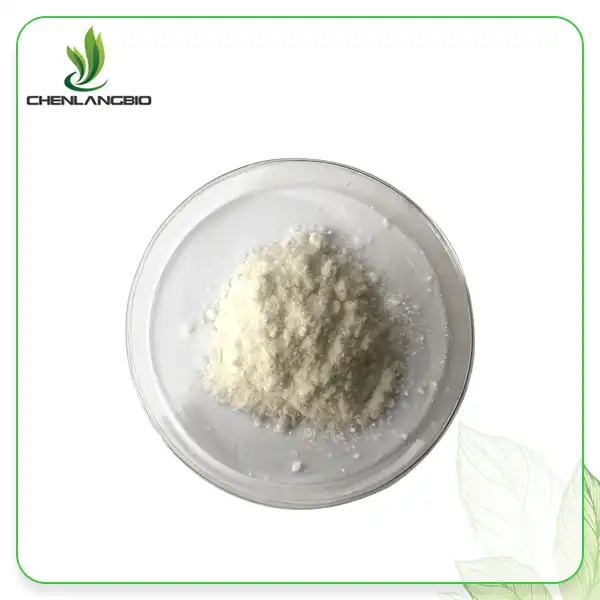
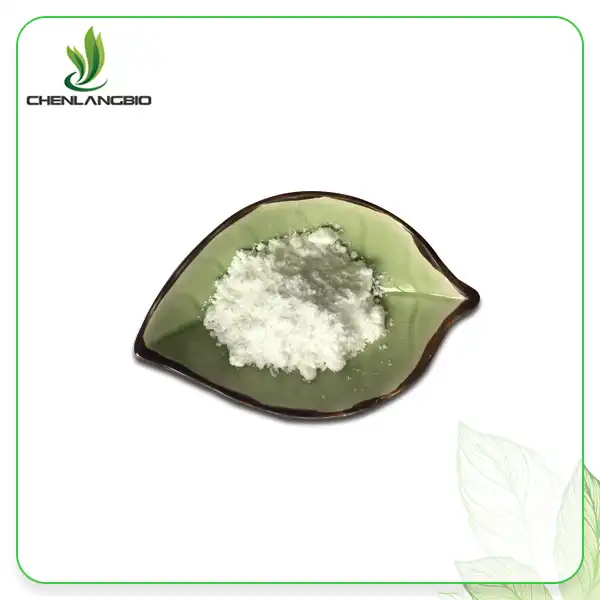
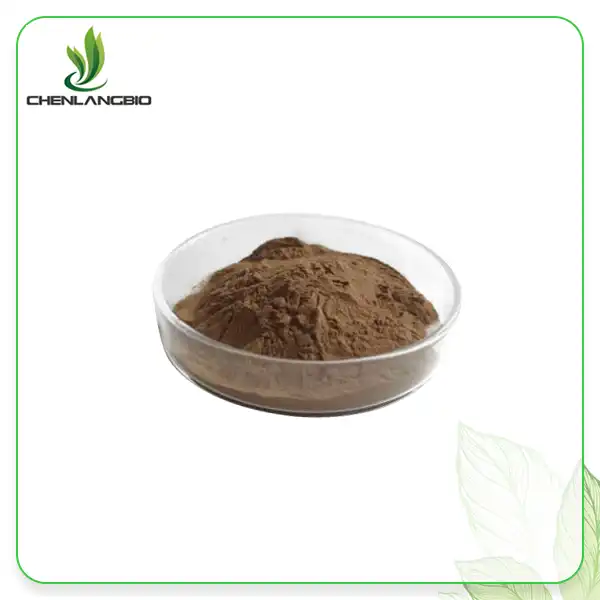
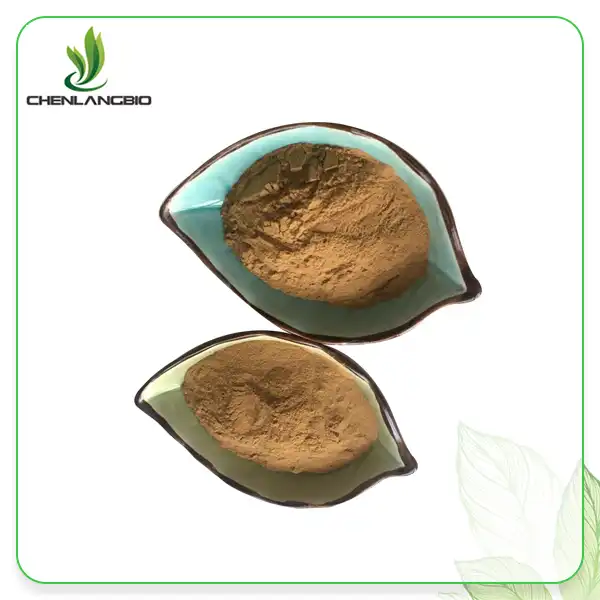
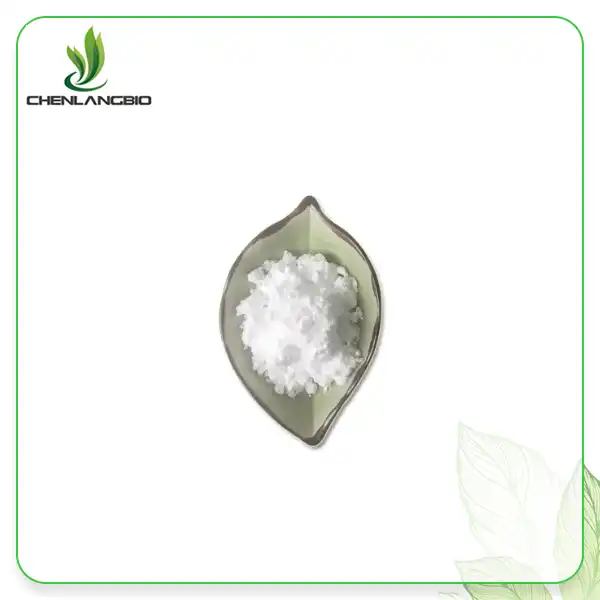
The 98% all-trans grade offers a bright white appearance and minimal impurities, which makes it ideal for cosmetic formulations requiring clean color, such as serums, creams, and emulsions. In comparison, botanical extracts typically contain additional polyphenols and natural pigments that can darken the final product or introduce unwanted color shifts over time.
2. Stability is significantly better in the high-purity grade
It is sensitive to light and oxidation. The highly refined resveratrol powder 98% provides better stability and lower risk of discoloration, especially in formulations exposed to ambient light or heat during production. This is one of the main reasons premium skincare brands choose the purified grade.
3. Performance is more predictable in active-focused formulas
Since the 98% grade contains a more defined concentration of the active trans-resveratrol molecule, formulators can achieve accurate dosing and consistent efficacy. Botanical extracts, while natural and economical, often vary from batch to batch and may not deliver the same level of targeted activity required for high-end anti-aging or brightening products.
4. Marketing and regulatory expectations favor high purity
Brands positioning their products as science-driven or premium tend to prefer high-purity resveratrol powder, especially when selling in markets that require detailed documentation. The cleaner analytical profile of the 98% grade aligns more closely with U.S., EU, and Japanese regulatory expectations.
Stability: How Stable Is Resveratrol in Cosmetic Formulations
Stability is one of the most important considerations when formulators work with resveratrol powder in skincare. Although resveratrol offers impressive antioxidant strength, the molecule is also sensitive to light, heat, and oxygen—factors that can impact both color and performance if the ingredient is not handled properly. This is where the differences between high-purity and botanical grades become particularly relevant.
1. Sensitivity to light and oxidation
Resveratrol naturally shifts when exposed to UV light or prolonged air contact. The highly purified trans-resveratrol powder 98% is more stable because it contains fewer reactive plant compounds and pigments. This reduces the risk of discoloration in creams and serums and helps maintain the intended appearance of the final formula.
2. Impact on product color
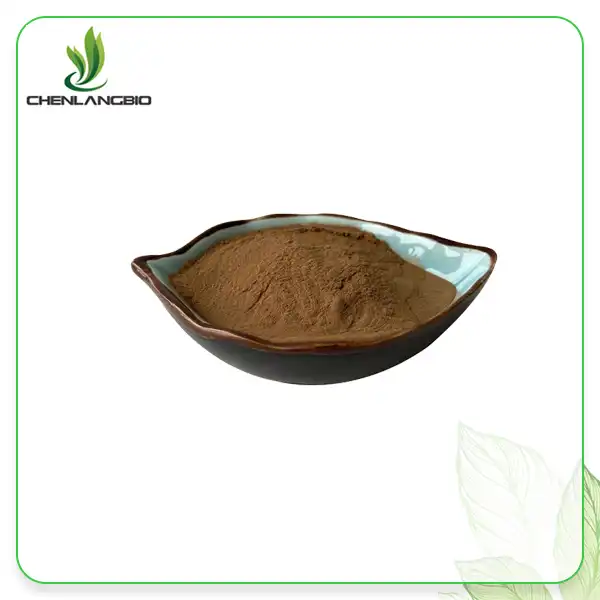
Formulators often prefer high-purity resveratrol because it delivers a clean, white powder that blends easily into emulsions without introducing a brown or yellow cast. Botanical extracts, especially those around 50%, contain additional polyphenols that can darken over time—an issue for brands needing a bright, uniform presentation in premium skincare.
3. Performance stability throughout shelf life
The refined profile of cosmetic-grade resveratrol powder offers more predictable activity levels during the product’s life cycle. This is especially important for anti-aging and brightening formulas where consistency matters. In contrast, extracts with higher impurity loads may show variable performance or faster degradation depending on storage conditions.
4. Compatibility with cosmetic systems
High-purity resveratrol integrates more smoothly into oil-based systems, emulsions, and anhydrous formulations. Its crystalline structure disperses evenly when pre-solubilized or added during the cool-down phase. This consistency lowers the risk of instability and makes it easier for chemists to work with across different product formats.
For formulators and brand owners, understanding these stability factors is key to choosing the right grade. In the next section, we’ll look at how to incorporate resveratrol effectively into skincare and the formulation strategies chemists use to get the best performance from the ingredient.
How to Formulate With Resveratrol in Skin Care Products
Working with resveratrol powder in cosmetic formulations requires a good understanding of its solubility, stability, and interaction with other ingredients. When handled correctly, it becomes an effective and versatile active suitable for premium serums, creams, and targeted anti-aging treatments. The goal is always the same: to keep the molecule stable while delivering its full antioxidant potential to the skin.
1. Recommended usage levels
Most skincare formulas use resveratrol at 0.1%–1%, depending on whether the goal is antioxidant support, brightening, or advanced anti-aging. Higher doses are possible, but they should match the product’s positioning and regulatory guidelines. High-purity trans-resveratrol powder allows formulators to reach precise active levels without affecting the product’s texture or appearance.
2. Solubility and incorporation method
Resveratrol has limited water solubility, so it is typically pre-dispersed in a suitable solvent such as propanediol, butylene glycol, or light emollients before being added to the main batch. This step ensures uniform distribution and prevents crystallization. In emulsions, it is often added during the cool-down phase to protect its structure.
3. Compatibility with other active ingredients
Resveratrol works well alongside niacinamide, hyaluronic acid, peptides, ceramides, and soothing agents. It can also complement retinol and vitamin C derivatives, especially in anti-aging skincare formulations, because it supports antioxidant pathways and helps reduce irritation potential. Formulators often use resveratrol to strengthen a formula’s overall resilience.
4. Formulation types that benefit most from resveratrol
High-end serums, night creams, eye formulations, ampoules, and antioxidant concentrates are common applications for cosmetic-grade resveratrol powder. Its clean profile makes it suitable for minimalist and “clinical-style” products where a concise, effective ingredient list is preferred.
5. Strategies to protect the molecule
To maintain stability, chemists often combine resveratrol with light-protective packaging, airtight delivery systems, or complementary antioxidant networks. Using the purified 98% grade enhances stability from the start, making it easier to build a product with a long and reliable shelf life.
Best Cosmetic Applications for High-Purity Resveratrol Powder
Trans-resveratrol powder is most effective in formulations that require clean color, predictable performance, and strong antioxidant activity. Because the purified all-trans grade offers a bright appearance and excellent stability, it is widely used in premium skincare where consistency and visual quality are essential. Below are the product types where cosmetic chemists see the most reliable results.
1. Anti-aging serums
Resveratrol performs exceptionally well in lightweight serums designed for firming, smoothing, and overall skin rejuvenation. Its concentrated antioxidant activity makes it an ideal active for anti-aging skincare formulations that target fine lines and environmental stress.
2. Night repair creams
Nighttime formulas benefit from resveratrol’s ability to support the skin’s natural repair processes. High-purity resveratrol stays stable throughout the product’s shelf life and pairs well with retinoids, peptides, and barrier-supporting ingredients.
3. Brightening and tone-correcting products
Because of its capacity to help improve skin luminosity, resveratrol is frequently included in brightening skincare formulations designed to reduce dullness and support a more even skin tone. The ingredient’s clean color ensures it will not discolor light-toned emulsions.
4. Sensitive skin and soothing treatments
Resveratrol’s anti-inflammatory properties make it suitable for creams and serums intended for sensitive or redness-prone skin. Its compatibility with ceramides, niacinamide, and hydrating agents allows formulators to build gentle yet effective soothing products.
5. Eye creams and firming concentrates
High-purity cosmetic-grade resveratrol powder works well in eye-area formulas due to its ability to deliver targeted antioxidant support without contributing to heaviness or irritation. This is an area where whiteness and stability matter, making the purified grade the preferred option.
6. Clean beauty and minimalist formulations
Brands focusing on short ingredient lists, botanical positioning, or clinical-style transparency often choose resveratrol because it provides strong performance at low use levels. The crystalline 98% grade supports clean-label claims without introducing color or odor.
Why Many Cosmetic Brands Choose CHEN LANG BIO TECH Resveratrol
For many overseas skincare brands, choosing a supplier for resveratrol powder is about more than meeting a specification sheet—it’s about finding a partner who understands what formulators truly care about: stability, purity, consistency, and clear technical support. This is exactly where CHEN LANG BIO TECH stands out. Our approach focuses on making sure every batch supports your formulation goals and your brand’s long-term product strategy.
1. High-purity resveratrol with exceptional whiteness
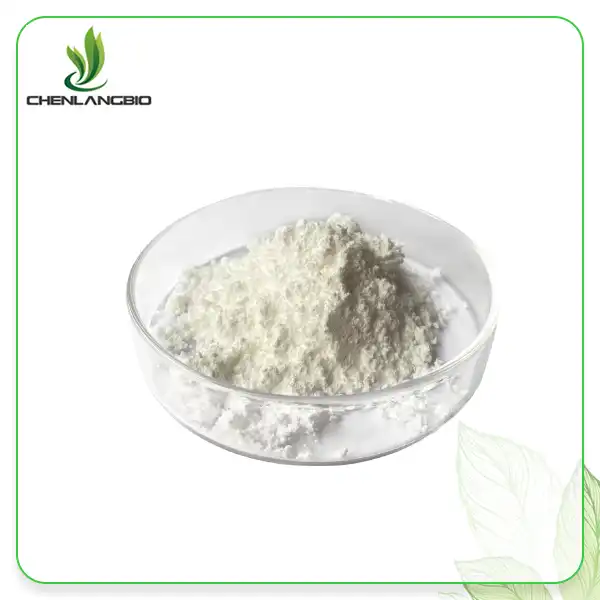
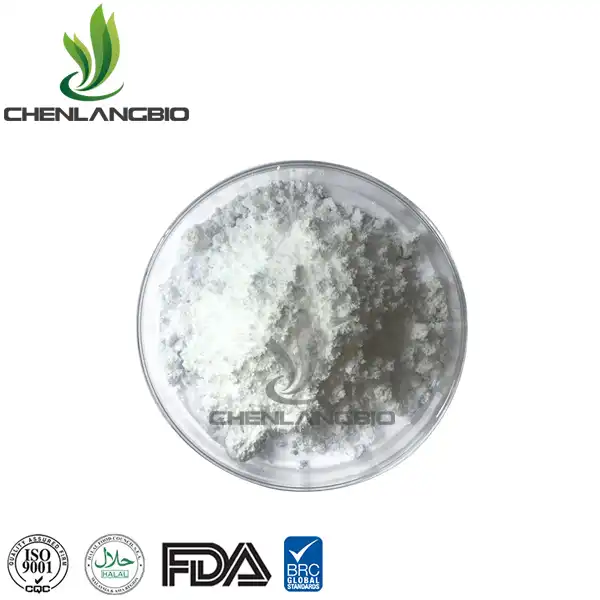
We produce high-purity resveratrol powder 98% with a consistently bright white appearance, making it ideal for serums, creams, and emulsions where visual clarity matters. This purity also means fewer unwanted interactions inside the formula and a cleaner, more reliable performance across product cycles.
2. A clean impurity profile suitable for global skincare markets
Our material is produced with a controlled process that delivers ultra-low emodin levels and a stable cosmetic-grade resveratrol powder suitable for brands selling in the U.S., EU, and Japanese markets. Every batch comes with complete analytical data so your regulatory and R&D teams can work confidently.
3. Smooth flowability that supports scale-up and large batch production
Because our resveratrol has a refined particle structure and stable bulk density, it integrates easily into both small pilot runs and full-size manufacturing. These properties help reduce dusting, improve blending behavior, and streamline filling and homogenizing steps in cosmetic manufacturing.
4. Full transparency with batch-specific HPLC and technical support
Many customers appreciate that we don’t rely on template documents. Each batch of resveratrol powder for skincare formulations is tested with full HPLC, LC-MS/MS identity confirmation, and detailed impurity profiling. We work directly with formulators and QA teams to ensure the material fits their system—no guesswork, no surprises.
5. Stable production and dependable supply for growing brands
We support brands that need consistent monthly or quarterly deliveries. Our controlled production capacity and strict quality standards ensure that each shipment aligns with previous batches, which is essential for maintaining color, texture, and performance in fast-moving skincare product lines.
What customers often tell us is that our combination of purity, documentation, and open communication helps them feel confident developing new products. Whether you’re designing a brightening serum, a night repair cream, or a clean beauty formulation, our team is here to support your process with clear data and stable quality.
FAQ: Resveratrol for Skin Care
1. Is resveratrol safe to use in skincare products?
Yes. it is considered safe for topical use when formulated correctly. The purified all-trans grade is especially suitable for dermocosmetic formulations because it contains fewer plant-derived impurities that may trigger irritation.
2. What purity is recommended for cosmetic formulations?
For premium or clinically positioned products, most formulators choose resveratrol powder 98% due to its bright color, better stability, and clean analytical profile. Lower-purity extracts can introduce unwanted pigments or variability, which is not ideal for serums and creams.
3. How much resveratrol should be used in a serum or cream?
Most cosmetic formulas use resveratrol at 0.1%–1%, depending on the product’s purpose. Anti-aging serums often target the higher end of this range, while brightening and soothing formulas may use smaller amounts. The purified cosmetic-grade resveratrol powder allows for precise and reliable dosing.
4. Is resveratrol compatible with other active ingredients?
Yes. Resveratrol pairs well with niacinamide, peptides, hyaluronic acid, ceramides, and antioxidant networks. It is also commonly used alongside retinoids and vitamin C derivatives in anti-aging skincare formulations to support overall antioxidant activity and reduce irritation potential.
5. Why does the color of resveratrol matter in skincare?
Color is a key quality indicator. High-purity resveratrol is bright white, which ensures that it will not darken serums or emulsions. Botanical extracts may contain natural pigments or oxidized compounds that cause formulas to shift toward yellow or brown over time, making high-purity resveratrol powder the preferred choice for premium products.
6. Does resveratrol improve skin tone and brightness?
Research suggests that resveratrol can help support a more even complexion by reducing the appearance of dullness and environmental discoloration. Formulators often include it in brightening skincare formulations because it provides tone-evening benefits without the irritation associated with some other brightening actives.
7. What documentation you can supply?
As a professional resveratrol manufacturer, we can supply:
♦Batch-specific HPLC chromatograms
♦LC-MS/MS identity confirmation
♦Detailed impurity profile (including emodin)
♦Stability data for resveratrol powder for skincare
These documents help our customer verify raw-material quality and ensure compliance with global regulations.
Conclusion
Choosing the right grade of resveratrol powder can have a meaningful impact on how your skincare formula performs—its stability, color, long-term effectiveness, and overall aesthetic. As more brands move toward cleaner, research-driven ingredients, resveratrol has become a reliable active for anti-aging, brightening, and barrier-support formulations. The purified all-trans grade, in particular, offers the consistency and stability that modern cosmetic chemists depend on.
At CHEN LANG BIO TECH, we focus on supplying cosmetic-grade resveratrol powder with the purity, transparency, and batch-to-batch reliability that global skincare brands expect. Whether you are developing a new serum, upgrading an existing cream, or exploring actives for a clean-beauty line, our technical team is here to support you with clear analytical data and dependable production capabilities.
If you are evaluating suppliers or preparing to source bulk resveratrol powder for skincare formulations, we welcome you to reach out. We can provide batch-specific HPLC results, regulatory documentation, formulation guidance, and tailored quotations to help you move forward with confidence.
Email: admin@chenlangbio.com
WhatsApp: +86-17782478823
We look forward to supporting your next formulation project and becoming a trusted partner in your product development journey.

Send Inquiry
Related Industry Knowledge
- Why Oleuropein Powder Beats Traditional Antioxidants in Formulations?
- How Do You Use Ascorbyl Tetraisopalmitate in Your Skincare Routine?
- What are the Benefits of Using Kopyrrol Powder?
- Pro-xylane Powder: Benefits for Skin Care
- Why Is Pure Fisetin Gaining Attention as a Powerful Flavonoid for Health and Wellness?
- Pure Pomegranate Powder: Skincare Benefits
- Are Ecdysterone and Turkesterone the Same
- Is Kava kavalactone Powder Good for Anxiety
- Is Aloe Vera Gel Freeze-Dried Powder Good for Skin
- Is Berberine Hcl Powder Good for Weight Loss