
PQQ vs NMN in Dietary Supplements: Stability, Compliance, and Formulation Considerations
2026-01-24 21:06:02
Introduction: Why PQQ and NMN Are Often Compared in Dietary Supplement Formulation
In the global dietary supplement industry, ingredient selection is increasingly driven by technical feasibility, regulatory positioning, and long-term formulation stability rather than marketing trends alone. Within this context, pyrroloquinoline quinone powder (PQQ powder) and nicotinamide mononucleotide powder (NMN powder) are frequently discussed together, particularly during early-stage product development and ingredient screening.
The comparison of PQQ vs NMN in dietary supplements does not imply functional equivalence. Instead, it reflects the fact that both materials are evaluated as advanced functional raw ingredients used in modern supplement formulations. From a manufacturer’s perspective, understanding the difference between PQQ and NMN requires a clear analysis of chemical identity, stability behavior, formulation constraints, and regulatory compliance across different markets.

What Is PQQ as a Dietary Supplement Ingredient?
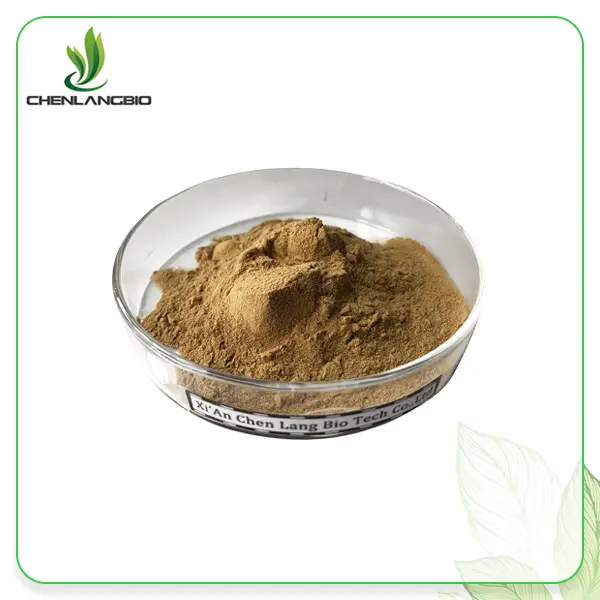
PQQ dietary supplement ingredient typically refers to pyrroloquinoline quinone powder supplied as a high-purity raw material for use in finished supplement formulations. PQQ is a quinone-based compound that is manufactured and supplied in defined chemical forms, most commonly as PQQ acid or PQQ disodium salt (PQQ-2Na).
From a raw material perspective, pyrroloquinoline quinone powder is valued for its relatively small molecular size, defined chemical identity, and adaptability in formulation systems. Suppliers provide PQQ with controlled purity levels and detailed technical documentation to support formulation development and regulatory review.
In dietary supplement manufacturing, PQQ is treated strictly as an ingredient input. Decisions regarding inclusion levels, delivery formats, and finished product positioning are determined by the brand owner and must align with applicable regulatory frameworks in the target market.
What Is NMN as a Dietary Supplement Ingredient?
NMN dietary supplement ingredient refers to nicotinamide mononucleotide powder, a nucleotide-derived compound supplied as a specialty raw material for supplement manufacturing. NMN is chemically related to niacin derivatives and is typically handled as a hygroscopic, water-soluble powder.
Compared with pyrroloquinoline quinone powder, NMN powder presents different challenges in raw material handling, particularly with respect to moisture sensitivity and stability. As a result, NMN sourcing decisions often place greater emphasis on packaging, storage conditions, and shelf-life management.
It is also important to note that NMN regulatory compliance varies significantly by region. This makes regulatory due diligence a critical component of NMN sourcing and formulation planning.
Chemical Identity and Basic Properties: PQQ vs NMN
A clear understanding of chemical identity is essential when comparing PQQ vs NMN from a formulation and sourcing perspective. The table below summarizes the key chemical and physical properties of both ingredients.
Chemical and Physical Properties Comparison
|
Property |
Pyrroloquinoline Quinone (PQQ) |
Nicotinamide Mononucleotide (NMN) |
|
Common Name |
Pyrroloquinoline quinone powder |
Nicotinamide mononucleotide powder |
|
CAS Number |
72909-34-3 |
1094-61-7 |
|
Molecular Formula |
C₁₄H₆N₂O₈ |
C₁₁H₁₅N₂O₈P |
|
Molecular Weight |
330.20 g/mol |
334.22 g/mol |
|
Typical Salt Forms |
Acid, disodium salt (PQQ-2Na) |
Free form |
|
Hygroscopicity |
Low to moderate |
High |
|
Water Solubility |
Improved in salt form |
High |
These fundamental differences in PQQ chemical properties and NMN chemical properties directly influence stability, processing behavior, and formulation strategy in dietary supplement manufacturing.
Stability Comparison in Supplement Manufacturing
Stability is one of the most critical factors when evaluating PQQ vs NMN for use in dietary supplements.
PQQ stability is generally favorable when the material is stored under recommended conditions. PQQ powder exhibits good resistance to thermal stress and can maintain specification integrity when protected from excessive moisture and direct light. This stability profile supports its use in a wide range of manufacturing processes.
By contrast, NMN stability is more sensitive to environmental factors. NMN powder is hygroscopic and can readily absorb moisture from the surrounding environment, which may lead to degradation or changes in physical properties if not properly controlled. As a result, NMN handling requires stricter environmental controls during manufacturing and packaging.
From a production standpoint, these differences significantly affect equipment selection, process design, and quality assurance protocols.
Formulation Challenges: PQQ vs NMN in Finished Products
From a raw material sourcing perspective, both pyrroloquinoline quinone powder (PQQ powder) and nicotinamide mononucleotide powder (NMN powder) are available from CHEN LANG BIO TECH as high-purity ingredients intended for dietary supplement manufacturing and formulation development.
For PQQ dietary supplement ingredient applications, we supply PQQ in well-defined chemical forms, including PQQ disodium salt (PQQ-2Na), with controlled assay levels suitable for low-dose formulations typically designed in the 10–20 mg per serving range. Due to the low inclusion level of PQQ in finished products, our technical team commonly advises customers to focus on content uniformity strategies, such as appropriate pre-blending with carriers, to ensure batch consistency during scale-up.
For NMN dietary supplement ingredient applications, we provide NMN powder suitable for formulations commonly designed in the 250–1000 mg per serving range, depending on product format and market positioning. Given the hygroscopic nature of NMN, we support customers with guidance on moisture control, packaging selection, and storage conditions to maintain material stability throughout processing and distribution.
All materials supplied by CHEN LANG BIO TECH are manufactured under established quality management systems. Each production batch is accompanied by a Certificate of Analysis (COA), Material Safety Data Sheet (MSDS), and independent third-party testing reports, ensuring full traceability and specification transparency. This documentation framework allows manufacturers to evaluate raw material quality with confidence and to support internal quality audits and regulatory reviews.
Regulatory and Compliance Considerations Across Markets
Regulatory evaluation is a defining factor when comparing PQQ regulatory status and NMN regulatory compliance.
PQQ has established regulatory pathways in several major markets, where it is recognized as a dietary supplement ingredient under defined conditions. Suppliers support compliance by providing complete technical dossiers, including identity verification and safety documentation.
NMN, on the other hand, is subject to evolving regulatory interpretations in different regions. In some markets, NMN is classified as a novel ingredient, while in others it may face restrictions or additional review requirements. This regulatory variability increases compliance complexity for finished-product manufacturers.
Importantly, final responsibility for regulatory compliance always rests with the brand owner and manufacturer of the finished supplement.
Storage, Packaging, and Shelf-Life Management
PQQ storage conditions typically involve cool, dry environments with protection from light. Standard moisture-barrier packaging is usually sufficient to maintain product quality over the defined shelf life.
NMN storage conditions, however, demand stricter moisture control. High-barrier packaging materials, desiccants, and controlled storage environments are commonly required to preserve NMN integrity during transport and storage.
These differences directly affect logistics planning and inventory management for supplement manufacturers.
Sourcing Perspective: Selecting PQQ or NMN Suppliers
From a sourcing standpoint, choosing the right PQQ supplier or NMN supplier involves more than price comparison. Key considerations include production consistency, quality management systems, and documentation support.
CHEN LANG BIO TECH supplies bulk PQQ powder with high assay levels and strict batch-to-batch consistency. Each production lot is supported by COA, MSDS, and third-party testing reports, ensuring transparency and traceability throughout the supply chain.
Pyrroloquinoline Quinone Powder Supplier
For manufacturers evaluating NMN, supplier qualification should place particular emphasis on moisture control, packaging standards, and regulatory documentation tailored to the destination market.
When to Consider PQQ or NMN from a Formulation Strategy Perspective
From a formulation strategy viewpoint, PQQ vs NMN formulation strategy is not a question of substitution but of technical suitability. PQQ may be preferred in formulations requiring higher stability margins and broader processing flexibility, while NMN may be selected when specific formulation objectives align with its chemical characteristics and regulatory acceptance.
Conclusion: Key Differences Between PQQ and NMN for Supplement Manufacturers
In conclusion, PQQ vs NMN in dietary supplements represents a comparison of two fundamentally different raw materials. Pyrroloquinoline quinone powder offers favorable stability and formulation flexibility, while nicotinamide mononucleotide powder presents unique challenges related to moisture sensitivity and regulatory variability.
By focusing on stability, compliance, and formulation considerations, supplement manufacturers can make informed ingredient selection decisions that support long-term product quality and regulatory alignment.
For technical specifications, sourcing support, or documentation related to PQQ dietary supplement ingredient, manufacturers may contact CHEN LANG BIO TECH for detailed information.
CHEN LANG BIO TECH – Functional Raw Material Manufacturer
References
1, Kasahara, T., & Kato, T. (2003). A new redox-cofactor vitamin for mammals. Nature, 422, 832.
2, Rucker, R. B., et al. (2009). Potential physiological importance of pyrroloquinoline quinone. Alternative Medicine Review, 14(3), 268–277.
3, Yoshino, J., et al. (2021). Nicotinamide mononucleotide increases muscle insulin sensitivity in prediabetic women. Science, 372(6547), 1224–1229.
4, EFSA Panel on Nutrition, Novel Foods and Food Allergens (NDA). Scientific opinions on novel food ingredients.

Send Inquiry
Related Industry Knowledge
- How Should Hydroxypropyl Tetrahydropyrantriol be Formulated for Maximal Stability?
- What is Acetyl Hexapeptide-8 Used for?
- Top 5 Reasons to Choose Bulk Dimethylmethoxy Chromanol
- Is Kopexil Effective for Hair Growth?
- How Do You Administer Nitenpyram Powder
- Why is L-Carnosine Beneficial for Vegetarians
- Phenylethyl Resorcinol vs Hydroquinone
- Magnolol Powder for Acne
- China Phellinus Linteus Extract Powder Supplier
- Where to Buy Hops Extract Xanthohumol