
OPCs from Pine Bark vs Grape Seed: Differences, Applications, and Supplier Considerations
2026-06-03 16:17:16
Introduction: Why OPC Source Comparison Matters for Manufacturers
In the botanical extract market, understanding the differences between OPCs from pine bark and grape seed is critical for product developers and procurement teams. Both extracts are rich in oligomeric proanthocyanidins (OPCs) and widely used in dietary supplements, functional beverages, and cosmetic formulations. However, their botanical origin, standardization methods, and formulation suitability vary significantly.
For manufacturers, the choice of extract influences not only product efficacy but also regulatory compliance, sourcing stability, and manufacturing consistency. CHEN LANG BIO TECH, with over three decades of experience in botanical extraction, provides standardized OPC extracts that help international brands meet these complex requirements.
By examining the composition, applications, and sourcing considerations of pine bark and grape seed OPCs, companies can make informed decisions that optimize formulation performance while reducing procurement risk.
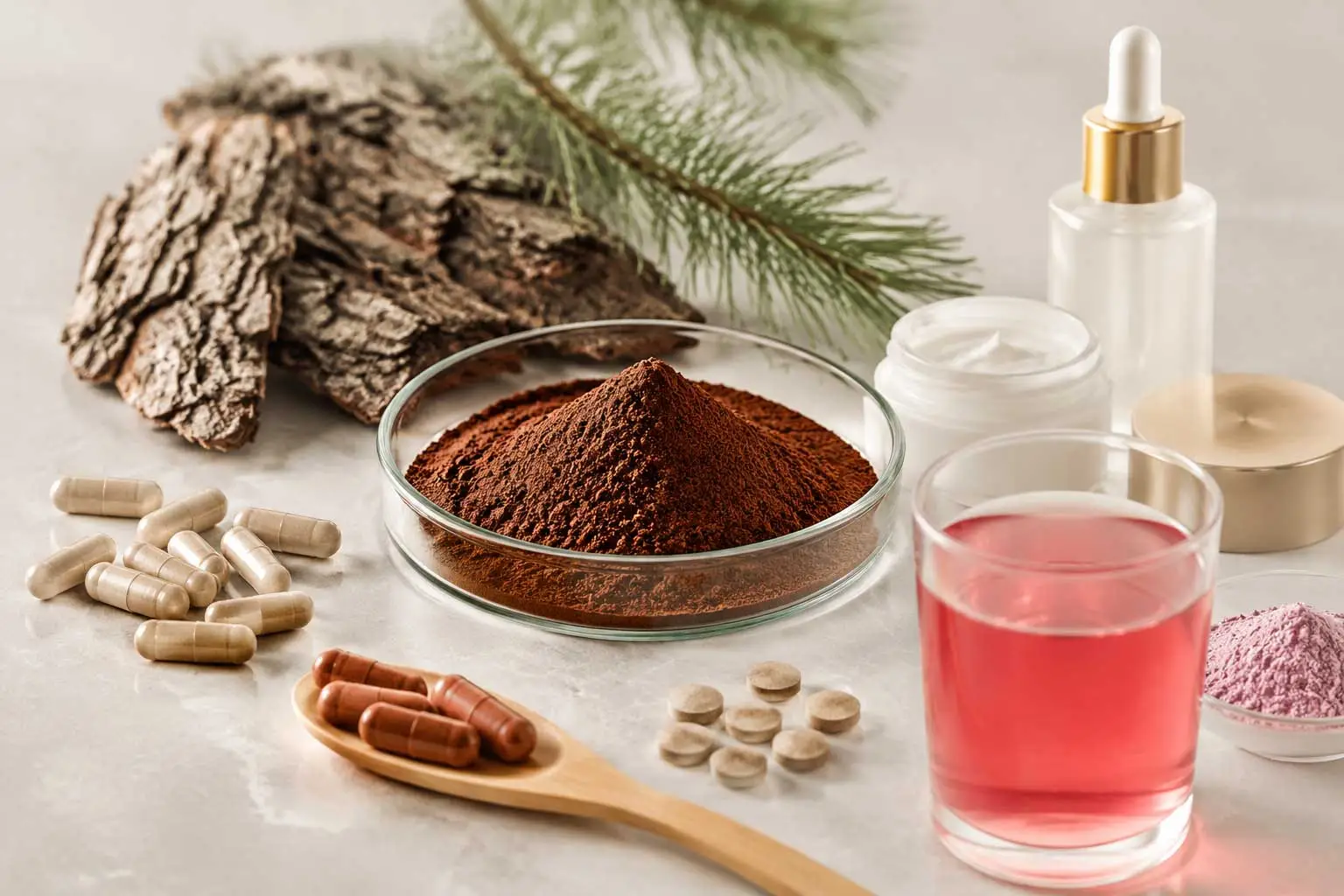
What Are OPCs and Why They Matter in Botanical Extracts
Oligomeric proanthocyanidins (OPCs) are naturally occurring polyphenolic compounds that contribute to the antioxidant activity of botanical extracts. They are a primary indicator of extract potency and are often used to standardize products for commercial consistency.
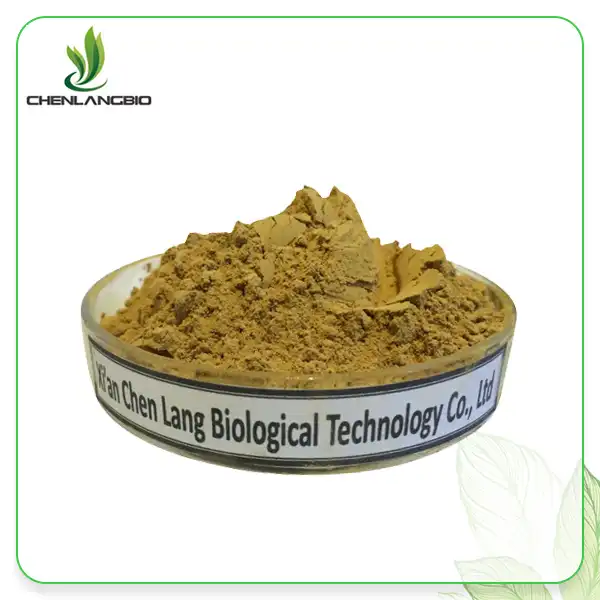
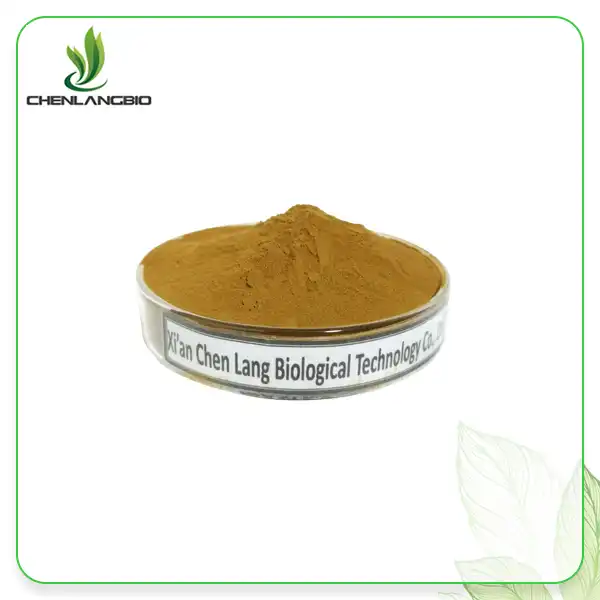
In the case of pine bark extract, OPCs are concentrated from Pinus pinaster bark, resulting in products commonly available in 65%, 85%, and 95% OPC grades. These extracts are valued for their ability to deliver consistent active compounds in supplements, beverages, and cosmetics.
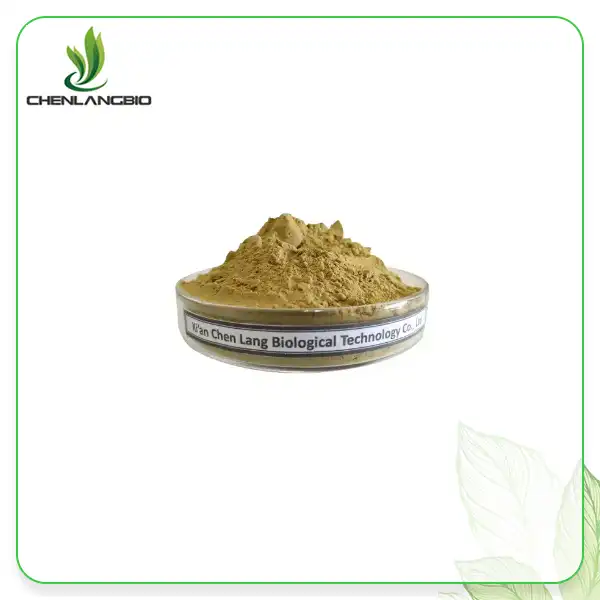
Grape seed extract, derived from Vitis vinifera seeds, is also highly concentrated in OPCs and polyphenols. Standardized grape seed extracts frequently achieve 95% OPC or higher polyphenol content. While both extracts provide similar antioxidant benefits, differences in composition, solubility, and processing methods can influence formulation outcomes.
For procurement teams, evaluating the OPC content, standardization process, and supplier documentation is as important as comparing assay values. Suppliers like CHEN LANG BIO TECH provide detailed Certificates of Analysis (COA) and specification sheets, enabling manufacturers to select the most suitable extract for their applications.
Pine Bark OPCs vs Grape Seed OPCs: Understanding Botanical Sources
Pine Bark Extract
Pinus pinaster, also known as maritime pine, is the source of pine bark OPCs. Extracts are derived from the bark using controlled water and ethanol extraction processes, yielding highly concentrated OPCs and procyanidins. The result is a standardized extract suitable for a variety of nutraceutical and cosmetic formulations.
Key attributes of pine bark extracts include:
•Multiple OPC grades (65%, 85%, 95%) for precise dosing
•High batch-to-batch consistency
•Compatibility with capsules, tablets, powders, beverages, and serums
Grape Seed Extract
Vitis vinifera seeds are the source of grape seed OPCs. Extracts are produced from grape processing by-products and purified to achieve high polyphenol and OPC levels. Grape seed extracts are widely used in dietary supplements, functional beverages, and skin care products. Key attributes of grape seed extracts include:
•High OPC content, commonly 95%
•Water-soluble grades suitable for beverages and powders
•Stable antioxidant activity for topical and oral formulations
Comparison Table
|
Feature |
Pine Bark Extract |
Grape Seed Extract |
|
Botanical Source |
Pinus pinaster bark |
Vitis vinifera seeds |
|
Standardized OPC |
65%, 85%, 95% |
95%, high polyphenol |
|
Key Compounds |
OPCs, procyanidins, polyphenols |
OPCs, polyphenols, flavonoids |
|
Applications |
Supplements, beverages, cosmetics |
Supplements, beverages, cosmetics |
|
Solubility |
Adjustable for beverages and cosmetics |
Water-soluble, beverage-friendly |
|
Supplier Considerations |
Batch consistency, COA availability |
Batch consistency, COA availability |
This comparison illustrates that while both extracts provide similar antioxidant functionality, botanical origin and standardization levels can significantly impact formulation and sourcing decisions.
OPC Content and Standardization: Why It Matters
Standardization is the cornerstone of reliable botanical ingredient sourcing. The OPC content of an extract is a key determinant of potency, but true quality depends on consistent production, controlled extraction methods, and robust quality systems. Pine bark extract is typically offered in three OPC grades: 65%, 85%, and 95%. The 95% OPC grade is considered premium and is frequently used in high-potency supplements, beauty-from-within products, and multi-ingredient blends.
Grape seed extract often achieves 95% OPC or up to 98% polyphenols. While the polyphenol content is high, manufacturers must evaluate solubility, flavor impact, and compatibility with other ingredients in their formulations.
For procurement teams, requesting batch-specific Certificates of Analysis ensures that the extract meets specifications consistently. Suppliers like CHEN LANG BIO TECH provide standardized OPC extracts along with COA documentation, heavy metal testing, and microbiological verification, supporting global compliance and long-term sourcing stability.
Applications of OPC-Rich Extracts in Supplements, Beverages, and Cosmetic Products
Although both pine bark-derived OPCs and grape seed-derived OPCs are widely used across the health and wellness industry, their commercial applications are not always identical. Product developers typically select ingredients based on formulation goals, target consumers, dosage requirements, product positioning, and sourcing considerations.
Understanding where each extract performs best can help manufacturers make more informed formulation and purchasing decisions.
Application Comparison Overview
|
Application Area |
Pine Bark OPCs |
Grape Seed OPCs |
|
Dietary Supplements |
Excellent |
Excellent |
|
Capsules & Tablets |
Excellent |
Excellent |
|
Powder Blends |
Excellent |
Excellent |
|
Functional Beverages |
Very Good |
Excellent |
|
Beauty Supplements |
Excellent |
Excellent |
|
Nutricosmetics |
Excellent |
Excellent |
|
Topical Skincare |
Excellent |
Very Good |
|
Antioxidant Blends |
Excellent |
Excellent |
|
Premium Formulations |
Excellent |
Good |
|
Cost-Sensitive Formulations |
Good |
Excellent |
While both ingredients offer broad formulation flexibility, differences in standardization options, positioning, and sourcing strategies often influence which extract is selected.
Dietary Supplement Applications
Dietary supplements remain one of the largest commercial markets for OPC-rich botanical ingredients. Both extracts are commonly incorporated into:
•Capsules
•Tablets
•Powdered supplements
•Sachets
•Multi-ingredient formulations
However, many premium supplement brands prefer pine bark OPCs because of the availability of multiple standardized specifications, including 65%, 85%, and 95% OPC pine bark extract. This allows formulators to select a specification that aligns more closely with desired dosage levels and product positioning.
By comparison, grape seed OPCs are frequently used in antioxidant complexes, daily wellness supplements, and broad-market nutritional products where ingredient familiarity is an important consideration.
Supplement Application Comparison
|
Factor |
Pine Bark OPCs |
Grape Seed OPCs |
|
Multiple OPC Grades Available |
Yes |
Limited |
|
Premium Ingredient Positioning |
Strong |
Moderate |
|
Mainstream Market Recognition |
Good |
Strong |
|
Formulation Flexibility |
Excellent |
Excellent |
|
Global Supplement Use |
Extensive |
Extensive |
Functional Beverage Applications
The global functional beverage market continues to expand as consumers seek convenient nutrition solutions. OPC-rich extracts are increasingly used in:
Wellness beverages
•Beauty drinks
•Nutritional drink powders
•Functional shots
•Ready-to-mix products
For beverage manufacturers, ingredient performance is often more important than OPC percentage alone. Important considerations include:
•Solubility
•Flavor profile
•Color impact
•Stability during processing
Beverage Application Comparison
|
Performance Factor |
Pine Bark OPCs |
Grape Seed OPCs |
|
Water Solubility |
Very Good |
Excellent |
|
Flavor Neutrality |
Moderate |
Strong |
|
Beverage Compatibility |
Very Good |
Excellent |
|
Powder Drink Mixes |
Excellent |
Excellent |
|
Ready-to-Drink Applications |
Good |
Excellent |
Because grape seed extracts often exhibit a relatively neutral flavor profile, they are frequently selected for beverage formulations where taste is a primary consideration. However, specialized beverage manufacturers may still choose standardized pine bark extract when formulation objectives prioritize specific botanical positioning.
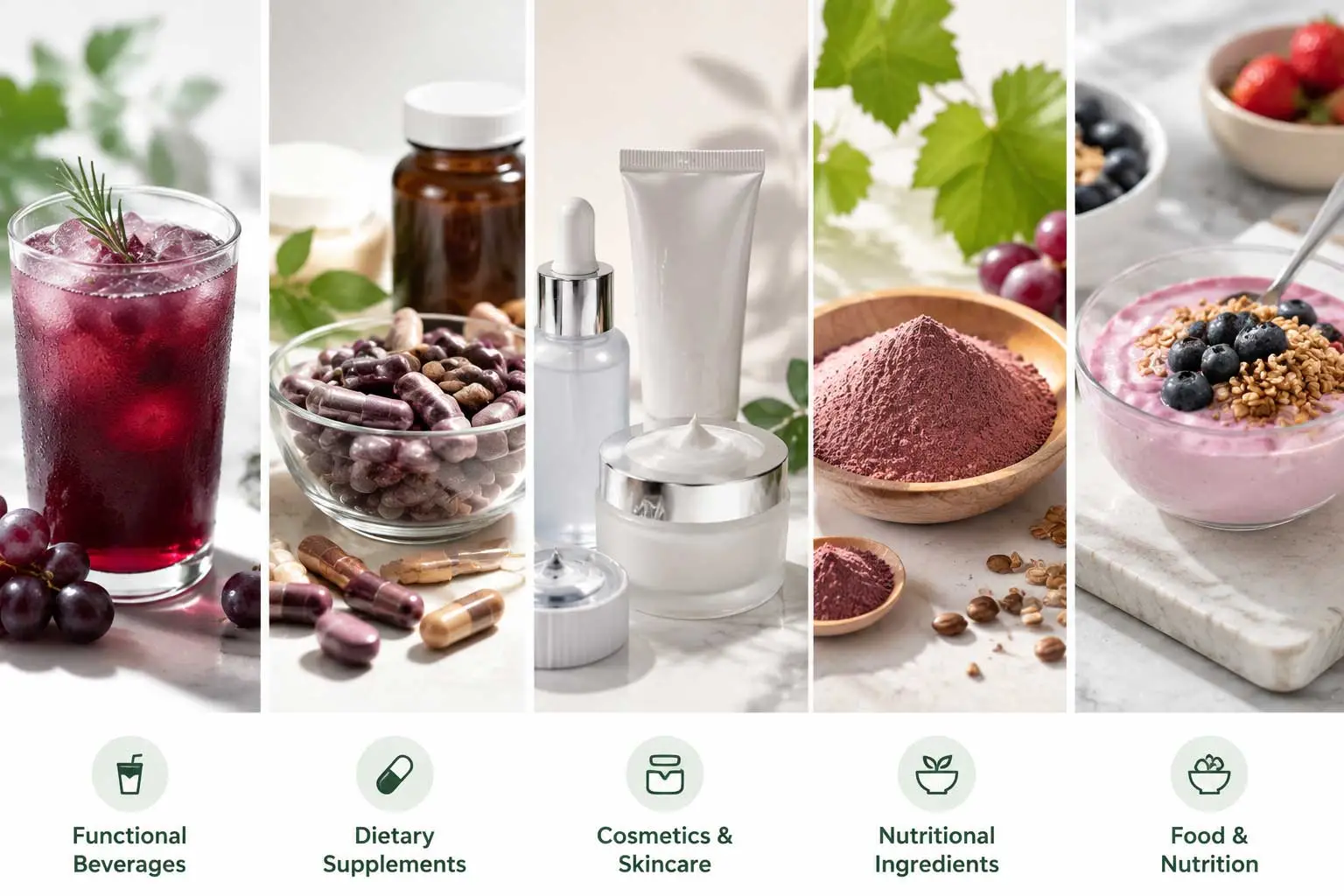
Cosmetic and Nutricosmetic Applications
The beauty and personal care industry represents another important market for OPC-rich ingredients. Both botanical sources are commonly used in:
•Beauty supplements
•Functional skincare products
•Serums
•Creams
•Nutricosmetic formulations
For cosmetic brands, ingredient quality, traceability, and supplier documentation are often just as important as active compound levels.
Cosmetic Application Comparison
|
Application |
Pine Bark OPCs |
Grape Seed OPCs |
|
Beauty Supplements |
Excellent |
Excellent |
|
Nutricosmetics |
Excellent |
Excellent |
|
Cosmetic Creams |
Excellent |
Good |
|
Anti-Aging Serums |
Excellent |
Good |
|
Botanical Skincare Products |
Excellent |
Very Good |
|
Beauty-From-Within Concepts |
Excellent |
Excellent |
For premium beauty brands, maritime pine-derived OPCs are often associated with higher-value botanical positioning, while grape seed-derived OPCs are frequently incorporated into broader antioxidant-focused formulations.
Which OPC Source Is Best?
There is no universal answer. The best ingredient depends on:
•Product category
•Target market
•Formulation objectives
•Desired specification
•Cost structure
•Supply requirements
General Selection Guide
|
If Your Priority Is... |
Recommended Option |
|
Premium Supplement Formulations |
Pine Bark OPCs |
|
High-Standardization Products |
Pine Bark OPCs |
|
Functional Beverage Development |
Grape Seed OPCs |
|
Broad-Market Supplements |
Grape Seed OPCs |
|
Beauty-From-Within Products |
Either Source |
|
Premium Botanical Positioning |
Pine Bark OPCs |
|
Cost Optimization |
Grape Seed OPCs |
For most manufacturers, the decision is less about determining which source is objectively superior and more about identifying which ingredient best supports the commercial and technical goals of the finished product.
Key Purchasing Considerations When Sourcing OPC Extracts
For procurement teams, ingredient selection extends well beyond active compound content. Two suppliers may offer similar OPC specifications, yet provide very different levels of quality assurance, technical support, and supply reliability.
This is why experienced buyers evaluate the entire supply chain rather than focusing exclusively on pricing.
Look Beyond the OPC Percentage
One of the most common mistakes in ingredient sourcing is assuming that a higher assay automatically indicates a better product. In reality, buyers should evaluate:
•Standardization methods
•Batch consistency
•Testing procedures
•Product traceability
•Documentation quality
A consistently manufactured extract with comprehensive quality documentation often provides greater long-term value than a product promoted solely on assay numbers.
Documentation Should Be Non-Negotiable
Professional suppliers should be prepared to provide:
•Certificate of Analysis (COA)
•Product Specification Sheet
•Safety Data Sheet (SDS)
•Heavy Metal Reports
•Microbiological Reports
•Traceability Documentation
These documents support supplier qualification, regulatory reviews, and customer audits. For companies exporting finished products internationally, complete documentation packages can significantly simplify compliance processes.
Manufacturing Capacity Matters
A supplier's production capacity often becomes important only after demand increases. Many companies can provide small quantities during development. Far fewer can reliably support commercial-scale production over the long term.
Before establishing a supply relationship, buyers should evaluate:
•Manufacturing infrastructure
•Production scale
•Inventory management systems
•Lead times
•Raw material sourcing capabilities
A supplier's ability to maintain quality while scaling production is often a strong indicator of long-term reliability.
Why Supply Stability Should Influence Purchasing Decisions
Ingredient shortages, inconsistent quality, and delayed deliveries can have significant consequences for product manufacturers. This is particularly true for brands operating in highly competitive supplement, beverage, and cosmetic markets. When evaluating an OPC extract supplier, procurement teams should prioritize partners that demonstrate:
•Consistent manufacturing performance
•Responsive communication
•Strong quality systems
•Technical expertise
•Long-term supply stability
Price remains important, but supply reliability often has a much greater impact on overall business performance. The most successful sourcing strategies balance quality, consistency, service, and cost rather than focusing on any single factor in isolation.
How to Choose a Reliable Pine Bark Extract or Grape Seed Extract Manufacturer
Selecting between different OPC sources is important, but choosing the right manufacturing partner is often even more critical. The quality of a botanical extract ultimately depends on the manufacturing systems, quality controls, and expertise behind it. For this reason, procurement teams increasingly evaluate suppliers based on long-term capabilities rather than pricing alone.
Evaluate Manufacturing Experience First
A supplier's track record often provides valuable insight into future performance. Companies with decades of experience in botanical extraction have typically developed:
•Mature production systems
•Comprehensive quality procedures
•Strong documentation practices
•Established supply chain networks
These capabilities help ensure consistent product quality and reliable commercial support. Founded in 1991, CHEN LANG BIO TECH has specialized in plant extraction, ingredient manufacturing, and deep processing for more than three decades. This experience enables us to support customers across dietary supplements, food and beverage, cosmetic ingredients, pharmaceutical raw materials, and animal nutrition applications.
Assess Production Infrastructure
Modern production facilities play a significant role in maintaining consistency and scalability. When evaluating a potential supplier, buyers should consider:
•Number of production lines
•Facility standards
•Annual production capacity
•Process automation
•Quality control laboratories
CHEN LANG BIO TECH operates seven GMP-oriented production lines supported by a 100,000-class clean workshop. With annual production and processing capacity exceeding 3,000 tons of botanical extracts and fruit powders, we are able to support both development-stage projects and large-scale commercial supply programs.
Review Certifications and Regulatory Support
Quality certifications provide additional assurance that manufacturing processes are documented, monitored, and continuously improved. Key certifications buyers commonly evaluate include:
•ISO9001
•ISO22000
•GMP-oriented production standards
•SC production licenses
As a registered supplier of health food ingredients in China, CHEN LANG BIO TECH maintains certified quality systems covering food ingredients, botanical beverage ingredients, and health food raw materials. In addition, multiple patented extraction technologies support our ongoing product development and manufacturing capabilities.
Technical Support Can Create Significant Value
The strongest supplier relationships extend beyond ingredient transactions. Technical support may include:
•Specification recommendations
•Application guidance
•Documentation assistance
•Formulation support
•Customized ingredient solutions
This level of support can help customers shorten development timelines and reduce formulation challenges. For companies sourcing OPC-rich ingredients, working with a manufacturer that understands both production and application requirements often delivers greater long-term value than focusing exclusively on price.
Frequently Asked Questions About OPCs from Pine Bark and Grape Seed
What are OPCs?
OPCs, or oligomeric proanthocyanidins, are naturally occurring polyphenolic compounds found in certain botanical materials, including pine bark and grape seeds. In commercial ingredient markets, OPC content is often used as a key quality marker for standardized botanical extracts used in supplements, beverages, and cosmetic formulations.
Are pine bark OPCs and grape seed OPCs the same?
They are similar, but not identical. Both sources provide OPCs and related polyphenols, but their botanical origin, compound profile, extraction process, solubility, taste profile, and commercial positioning may differ. This is why buyers should evaluate the full specification, not only the OPC percentage.
Which source contains more OPCs?
Both sources can be standardized to high OPC levels. Pine bark extract is commonly available in 65%, 85%, and 95% OPC grades, while grape seed extract is often standardized to 95% OPC or high polyphenol content. The actual value should always be verified by a batch-specific Certificate of Analysis.
Which OPC source is better for dietary supplements?
Both are widely used in dietary supplements. Pine bark-derived OPCs are often preferred for premium botanical formulas and beauty-from-within products, while grape seed-derived OPCs are commonly used in antioxidant blends and broad-market supplement formulations. The best option depends on product positioning, dosage form, specification, and budget.
Which OPC source is better for functional beverages?
Grape seed-derived OPCs are often selected for functional beverages because of their broader familiarity and beverage formulation compatibility. Pine bark-derived OPCs may also be used, especially when the brand wants stronger botanical positioning or a differentiated ingredient story. Solubility, taste, color, and stability should be tested before production.
Can pine bark extract and grape seed extract be used together?
Yes. Some formulations combine pine bark extract and grape seed extract to create a broader polyphenol profile. This is common in premium antioxidant formulas, beauty supplements, healthy aging products, and multi-ingredient nutraceutical blends.
What documents should buyers request from an OPC extract supplier?
Buyers should request a COA, product specification sheet, SDS, heavy metal report, microbiological report, and traceability documentation. For international procurement, complete documentation helps support quality review, supplier approval, and regulatory compliance.
How do I choose a reliable OPC extract supplier?
Choose a supplier with proven manufacturing experience, consistent product quality, strong documentation support, recognized quality systems, technical service, and stable production capacity. For bulk orders, buyers should also evaluate export experience, lead times, packaging options, and long-term supply reliability.
Conclusion: Choosing the Right OPC Source for Your Product
Both pine bark and grape seed are valuable sources of OPC-rich botanical extracts. The right choice depends on the final product format, market positioning, technical requirements, and procurement strategy. For premium supplements and beauty-focused formulations, pine bark-derived OPCs may offer stronger positioning and flexible standardization options. For broad-market supplements and functional beverages, grape seed-derived OPCs can be a practical and widely recognized choice.
The most important point is that buyers should not make decisions based only on OPC percentage. Quality systems, manufacturing consistency, documentation, technical support, and supplier reliability are often more important for long-term success.
Looking for a Reliable OPC Extract Supplier?
CHEN LANG BIO TECH supports global customers with standardized pine bark extract, grape seed extract, COA documentation, bulk supply, customized specifications, and technical support.
Email: admin@chenlangbio.com
WhatsApp: +86-17782478823

Send Inquiry
Related Industry Knowledge
- Trans-Resveratrol Benefits: Why This Active Form Is Preferred in Premium Anti-Aging Supplements
- Spironolactone vs Finasteride for Female Hair Loss
- What are the Potential Benefits of PQQ Supplementation?
- What is NMN, and How Does It Function in the Body?
- Why Tart Cherry Extract Powder Is a Superfood
- What is Centella Powder Used for
- Rutecarpine Powder: Benefits, Uses, and Safety
- Can You Mix Magnesium Ascorbyl Phosphate with Retinol
- What Is The Best Fisetin Supplement?
- Discover the Powerful Benefits of Turkesterone Powder for Optimal Health and Performance