
Lotus Leaf Extract vs Nuciferine: What’s the Difference and Which One to Use?
2026-01-29 13:02:28
Introduction: Why Buyers Confuse Lotus Leaf Extract and Nuciferine
In the botanical ingredient market, lotus leaf extract and nuciferine are often mentioned together, which leads many buyers and formulators to assume they are interchangeable. In reality, while the two are closely related, they are not the same—and choosing the right one can have a direct impact on product positioning, formulation strategy, and cost control.
The confusion largely comes from the fact that nuciferine is naturally derived from lotus leaf, and is one of its most recognized active compounds. However, lotus leaf extract is a multi-component botanical ingredient, while nuciferine represents a specific, standardized alkaloid isolated from that extract. For procurement teams and formulators, this distinction matters, especially when consistency, specification, and regulatory documentation are key decision factors.
As global demand grows for plant-based ingredients used in dietary supplements, functional foods, and wellness-oriented products, buyers are increasingly asking practical questions: Are lotus leaf extract and nuciferine the same? Which one should be used for a specific formulation? And how do their applications differ in real-world production?
This article provides a clear, side-by-side explanation of lotus leaf extract vs nuciferine, helping buyers and formulators understand the differences, typical use cases, and selection criteria—so they can make informed sourcing and formulation decisions with confidence.
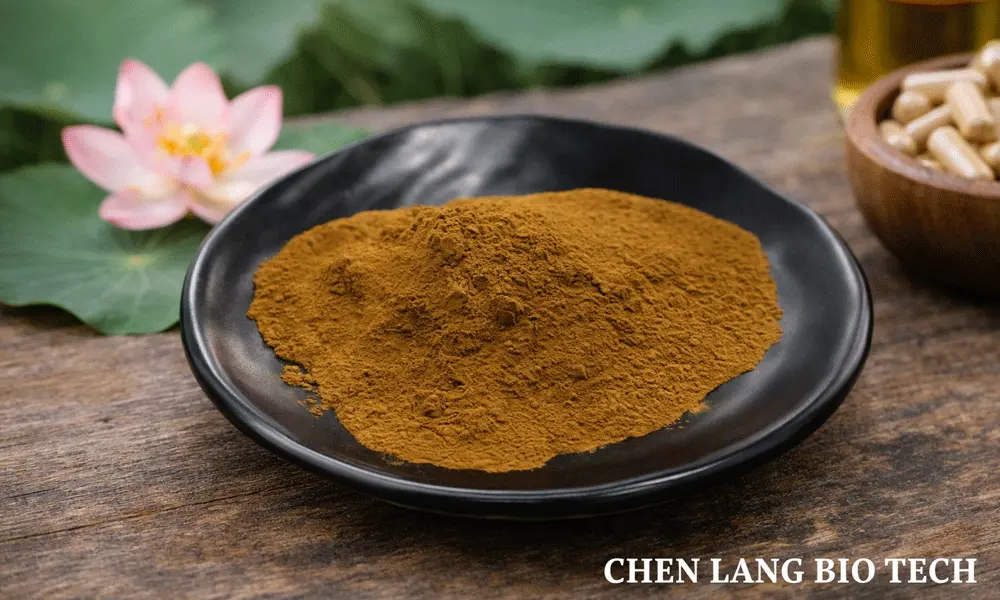
Are Lotus Leaf Extract and Nuciferine the Same?
No, lotus leaf extract and nuciferine are not the same, although they are closely related. Nuciferine is a naturally occurring alkaloid extracted from lotus leaf, while lotus leaf extract is a broader botanical ingredient that contains multiple compounds, including nuciferine, flavonoids, and other plant constituents.
In practical terms, lotus leaf extract is typically used as a whole-plant extract, offering a more complex botanical profile that aligns well with traditional plant-based formulations and multi-ingredient blends. Nuciferine, on the other hand, is a highly standardized single compound, selected when formulators require precise content control and consistent performance across batches.
For buyers and formulators, the key difference comes down to application goals and formulation requirements. Products that emphasize botanical heritage or cost efficiency often favor lotus leaf extract, while formulations that demand higher standardization and clearer specifications tend to use nuciferine. Understanding this distinction helps avoid sourcing confusion and ensures the selected ingredient aligns with both product positioning and technical needs.
What Is Lotus Leaf Extract? Source, Composition, and Typical Use
Lotus leaf extract is a botanical ingredient obtained from the leaves of Nelumbo nucifera. Unlike single-compound ingredients, it represents a complex plant matrix that reflects the natural composition of the lotus leaf. This is one of the reasons it is widely used in formulations that emphasize plant origin, traditional context, and ingredient synergy rather than tight standardization around a single molecule.
From a compositional standpoint, lotus leaf extract contains a range of naturally occurring compounds, including alkaloids (such as nuciferine), flavonoids, and polyphenols. The relative levels of these components can vary depending on factors such as raw material origin, harvest time, and extraction method. For buyers, this variability is not necessarily a drawback—it can be an advantage when developing products that rely on a broader botanical profile rather than a narrowly defined active.
In commercial applications, lotus leaf extract is most commonly used in dietary supplements and functional products positioned around lifestyle support and plant-based wellness concepts. It is typically incorporated into capsules, tablets, or powder blends, where it works alongside other botanical ingredients. Because it offers a more holistic plant profile, lotus leaf extract is often selected when formulators want flexibility, traditional positioning, and a naturally derived ingredient story rather than a highly purified isolate.
What Is Nuciferine? Active Compound and Level of Standardization
Nuciferine is a naturally occurring alkaloid isolated from the leaves of Nelumbo nucifera. Unlike lotus leaf extract, which contains multiple plant compounds, nuciferine represents a single, clearly defined active component. This distinction is critical for buyers and formulators who require tighter control over ingredient composition and batch-to-batch consistency.
From a sourcing and formulation perspective, nuciferine is valued for its high level of standardization. It is typically supplied in clearly specified purities, allowing formulators to calculate dosage more precisely and maintain consistent product performance across production runs. This makes nuciferine particularly suitable for formulations where specification accuracy, reproducibility, and documentation are important decision factors.
In practical use, nuciferine is often selected for products that aim for a more focused ingredient profile rather than a broad botanical blend. Because it is an isolated compound, it integrates well into formulas that already contain multiple active ingredients and need a defined contribution from each component. For procurement teams, this clarity simplifies quality control, supplier qualification, and long-term sourcing decisions.
While nuciferine originates from lotus leaf, it functions differently from a full extract in formulation strategy. Understanding this difference helps buyers choose between a complex botanical ingredient and a highly standardized compound, depending on product goals, regulatory considerations, and market positioning.
Lotus Leaf Extract vs Nuciferine: Key Differences Side by Side
When deciding between lotus leaf extract and nuciferine, the most practical way to understand the difference is to compare how each ingredient behaves in real-world sourcing and formulation. Although they share the same botanical origin, they serve distinct roles in product development.
|
Aspect |
Lotus Leaf Extract |
Nuciferine |
|
Source |
Whole lotus leaf (Nelumbo nucifera) |
Isolated alkaloid from lotus leaf |
|
Composition |
Multi-component botanical matrix |
Single, defined compound |
|
Standardization |
Varies by extract ratio and process |
High, with clearly defined purity |
|
Typical Specifications |
Extract grades (e.g., % content) |
High-purity grades (e.g., 2%, 98%) |
|
Formulation Role |
Broad botanical support |
Targeted, precise contribution |
|
Flexibility |
High, suitable for blends |
High precision, less variability |
|
Cost Structure |
Generally more cost-effective |
Higher cost due to purification |
Which One Should You Use? Practical Guidance for Buyers and Formulators
Choosing between lotus leaf extract and nuciferine is less about which ingredient is “better” and more about which one aligns with your product concept, formulation structure, and sourcing strategy. For buyers and formulators, this decision is usually driven by a combination of technical requirements and market positioning.
Lotus leaf extract is often the more suitable option when the product is positioned around botanical tradition, plant diversity, or holistic formulation concepts. Because it delivers a broader range of naturally occurring compounds, it works well in multi-ingredient blends where the emphasis is on overall plant synergy rather than a single quantified active. It is also commonly selected for formulations that prioritize cost control and flexible specification ranges.
Nuciferine, by contrast, is typically chosen when a formulation requires greater precision and consistency. Its standardized nature allows formulators to control input levels more accurately, which can be important for products with tighter specification limits or clearly defined ingredient roles. For procurement teams, this clarity can simplify quality evaluation and long-term supply planning.
In practice, experienced formulators sometimes use both approaches across different product lines. Understanding the functional role each ingredient plays makes it easier to select the option that best supports formulation goals, regulatory expectations, and commercial scalability.
Supply, Specifications, and Quality Considerations
When sourcing lotus leaf extract or nuciferine, quality control is a critical consideration. Both ingredients must meet strict specification standards to ensure consistency across production batches. However, the requirements differ slightly depending on the ingredient selected.
Lotus Leaf Extract: Specifications and Variability
Lotus leaf extract is typically available in various specifications, depending on the intended use and the extraction method. Extracts are often characterized by their nuciferine content, which can range from lower concentrations (e.g., 2%) to more concentrated forms (e.g., 98%). The variability in the extract's composition—due to the complexity of plant material—can make it more challenging to ensure batch-to-batch consistency, especially when compared to a standardized compound like nuciferine.
For buyers, understanding the batch variability and ensuring reliable quality testing are essential. It's common for lotus leaf extract suppliers to provide a Certificate of Analysis (COA) for each batch, which includes details on active compound content, solubility, moisture levels, and other relevant quality indicators. When sourcing lotus leaf extract powder, it's important to request these certificates and verify that third-party testing has been done to ensure the extract meets the desired specifications.
Nuciferine: High Standardization and Precision
In contrast, nuciferine is typically supplied with much higher standardization. This is particularly advantageous when precise dosages and consistent efficacy are required. Nuciferine powder is often sold in purities of 2%, 98%, or higher, with minimal variation between batches. The high purity and defined content make it an attractive option for products where active ingredient consistency is crucial.
Given the precise nature of nuciferine, suppliers can provide more consistent COA documentation, and the third-party testing process tends to be more straightforward due to its standardization. Quality assurance for nuciferine powder is critical for formulators looking for reliable, repeatable results, particularly in metabolism-focused or targeted wellness products.
Why CHEN LANG BIO TECH Is a Reliable Supplier for Lotus Leaf Extract and Nuciferine
At CHEN LANG BIO TECH, we approach the supply of lotus leaf extract and nuciferine with a strong focus on specification control, quality consistency, and long-term supply reliability. As a professional manufacturer and supplier of botanical ingredients, we support customers with clear standards rather than one-size-fits-all products.
For nuciferine, we offer multiple specification options, including 2% extract grades and high-purity 98% nuciferine, allowing customers to select the most suitable material based on formulation requirements and cost structure. For applications requiring improved dispersion, we can also provide 10% water-soluble specifications, supporting greater flexibility in product development.
Quality control is applied at every stage of production. Each batch is tested internally and released only after meeting defined specifications. A Certificate of Analysis (COA) is provided with every shipment, and third-party testing data can be arranged to support customer quality audits and regulatory review. Batch traceability and documentation consistency are maintained to ensure stable long-term supply.
Our manufacturing system operates in compliance with internationally recognized standards, and we can support market access with certifications such as FDA registration, HALAL, and KOSHER, depending on customer and destination requirements. With established production capacity and export experience, CHEN LANG BIO TECH is able to support both trial orders and long-term bulk supply without compromising quality or consistency.
FAQs
Are lotus leaf extract and nuciferine interchangeable in formulations?
Not always. While nuciferine is derived from lotus leaf, lotus leaf extract contains multiple naturally occurring compounds. Substituting one for the other without adjusting the formulation may affect product balance, cost, and specification control. The choice should be based on formulation goals rather than ingredient names alone.
Does lotus leaf extract always contain the same amount of nuciferine?
No. The nuciferine content in lotus leaf extract can vary depending on raw material quality, harvest conditions, and extraction method. This is why standardized specifications and batch testing are important when consistent performance is required.
Is nuciferine always sourced from lotus leaf?
In commercial supply, nuciferine is typically isolated from lotus leaf, as it is the most recognized natural source. Buyers should confirm botanical origin and documentation with their supplier to ensure traceability.
Can lotus leaf extract and nuciferine be used together?
Yes. In some formulations, lotus leaf extract provides a broader botanical profile, while nuciferine offers a targeted, standardized component. Using both can allow formulators to balance tradition, functionality, and consistency.
What documentation should buyers request when sourcing these ingredients?
Buyers should request a Certificate of Analysis (COA) for each batch, along with information on specifications, testing methods, and, when needed, third-party test reports. This applies to both lotus leaf extract and nuciferine.
Conclusion: Choosing the Right Ingredient for Your Product Strategy
Understanding the difference between lotus leaf extract and nuciferine is essential for making informed sourcing and formulation decisions. Although both originate from the same plant, they serve distinct purposes in product development. Lotus leaf extract offers a broader botanical profile that supports traditional, plant-forward formulations, while nuciferine provides a more standardized and precise option for products that require tighter specification control.
For buyers and formulators, there is no universal “better” choice. The decision depends on factors such as product positioning, formulation complexity, regulatory requirements, and long-term supply expectations. Evaluating these factors early in the development process helps reduce formulation risk and ensures consistency as production scales.
At CHEN LANG BIO TECH, we support customers at every stage of this decision-making process by offering clearly defined specifications, reliable quality control, and flexible supply options for both lotus leaf extract and nuciferine. Whether you are developing a new formulation or optimizing an existing one, working with a supplier that understands both ingredients can simplify sourcing and improve overall product stability.
If you would like to explore specifications, request samples, or discuss which option best fits your application, our team is available to provide technical information and professional support.
Related Products:
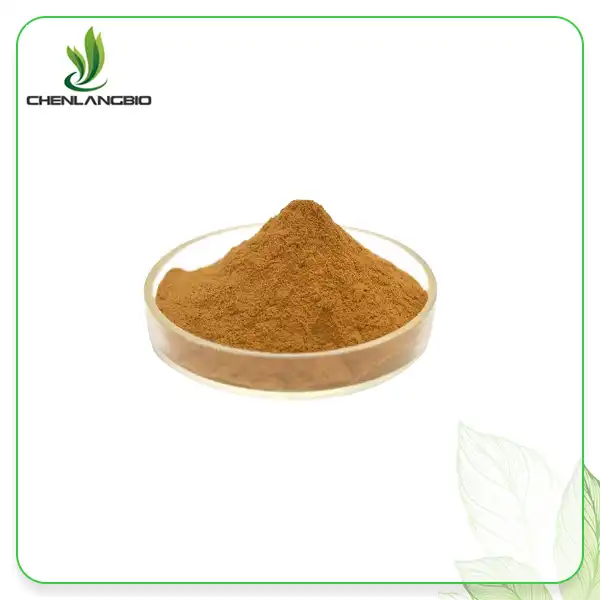
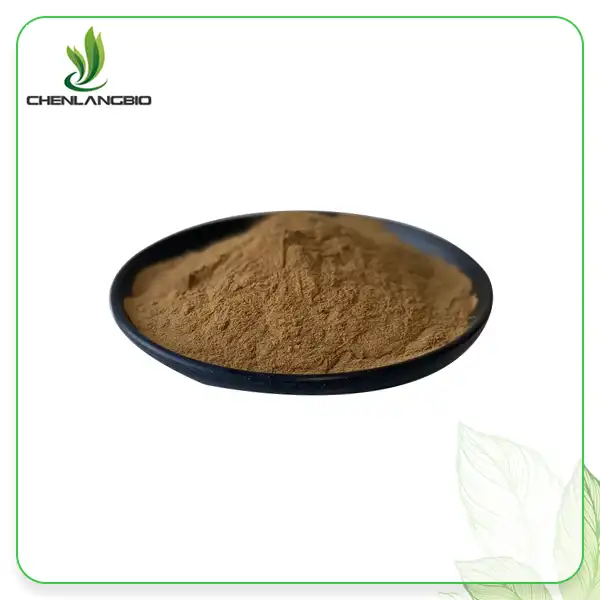
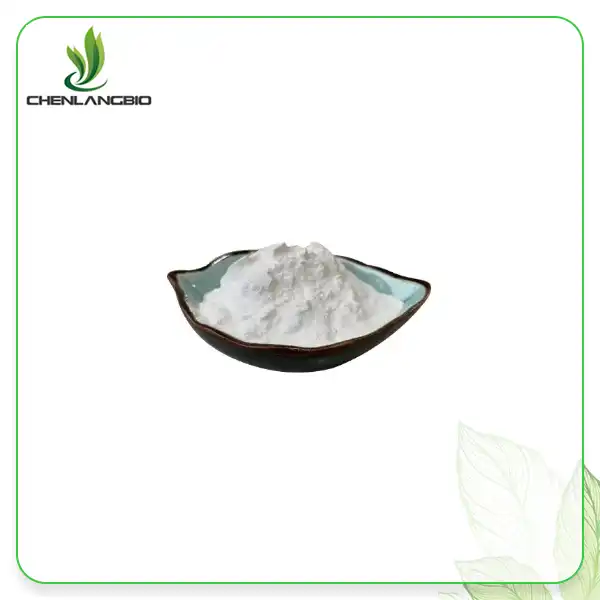
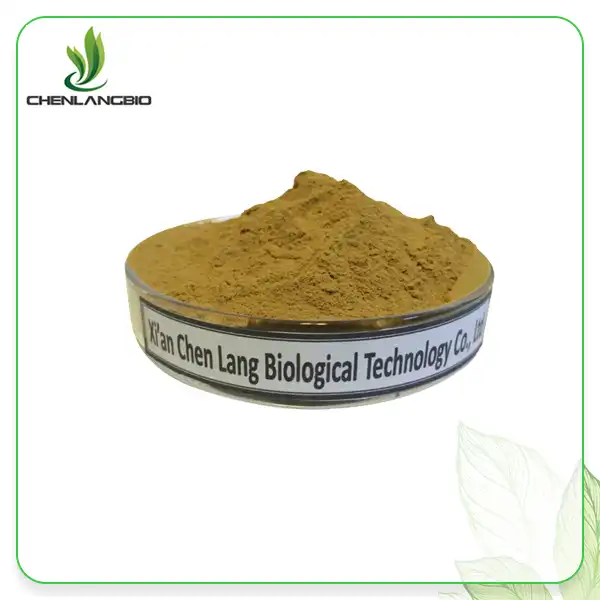
Nuciferine Powder
Contact CHEN LANG BIO TECH
Email: admin@chenlangbio.com
WhatsApp / WeChat: +86-17782478823

Send Inquiry
Related Industry Knowledge
- Are There Any Side Effects of Cactus Extract Powder?
- Health Benefits of Durian Fruit Powder
- How Long Does It Take for Centella Asiatica to Work
- Top Benefits of Isobutylamido Thiazolyl Resorcinol in Skincare
- Are Camellia Oleifera and Camellia Japonica Seed Oil the Same
- What are Praziquantel Tablets for
- Can You Use Bakuchiol Under Eyes
- Is Magnesium Ascorbyl Phosphate Synthetic or Natural
- Deoxyarbutin Powder Supplier
- Is Berberine Hcl Powder Good for Weight Loss