
Is Centella Asiatica Extract Powder Better Than Niacinamide?
2026-01-02 13:29:56
For buyers and formulators building modern skin care products, the comparison between centella asiatica extract powder vs niacinamide comes up frequently—and for good reason. Both ingredients have strong market recognition, broad formulation use, and clear positioning opportunities. But when someone asks, is centella better than niacinamide, the honest answer is rarely a simple “yes” or “no.”
At CHEN LANG BIO TECH, we support brands and manufacturers from the ingredient-selection stage through specification review and formulation planning. From that standpoint, “better” means more suitable for a specific product concept, with an acceptable balance of performance, stability, tolerance, and supply reliability. This article is written to help procurement teams and formulation decision-makers evaluate Centella Asiatica extract powder and niacinamide in a way that is practical, technically grounded, and easy to apply to real projects.

Quick Answer: Is Centella Better Than Niacinamide?
Is Centella better than niacinamide?
It depends on what your product is designed to do:
If your priority is skin comfort, calming, and a gentle positioning for sensitive or reactive skin, Centella asiatica extract powder is often the more intuitive choice—especially for “soothing” product concepts.
If your priority is a versatile, widely accepted multi-function active for barrier, tone, and oil-balance concepts, niacinamide is often the more direct choice.
In many successful formulas, the best answer is not choosing one, but designing the right system—and in that context, can you use Centella with niacinamide becomes an equally important question (we address that in detail below).
What Each Ingredient Is (and Why That Matters for Procurement)
When procurement teams evaluate ingredients, performance is only part of the decision. Equally important are specification control, consistency, and how predictably the ingredient behaves across batches. That is why understanding the fundamental identity of each ingredient matters.
Centella asiatica extract powder: a standardized botanical system
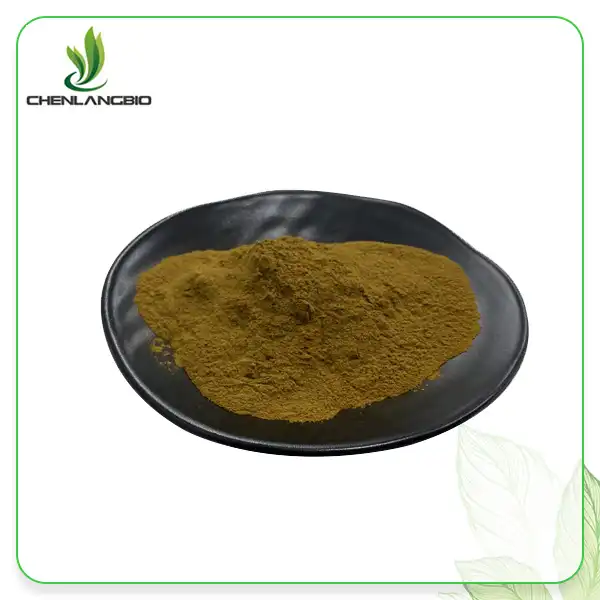
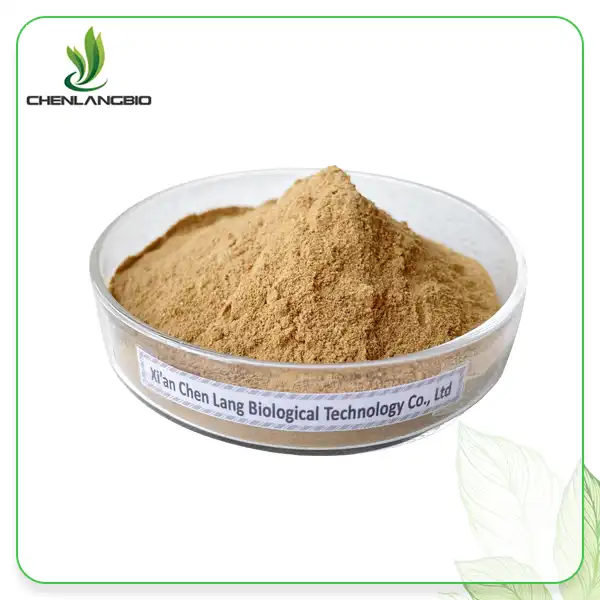
What is centella asiatica extract powder? In cosmetic applications, it is typically a botanical extract produced from Centella asiatica (gotu kola), provided in powder form for ease of handling and dosing. Centella extracts are often standardized around key triterpenoid components (e.g., madecassoside, asiaticoside, asiatic acid, madecassic acid). In procurement terms, this means Centella powder is a multi-component ingredient, and its performance is tied to extraction method, plant source, and standardization strategy.
From a purchasing standpoint, the key question is not “Is it Centella?” but “What is the standardization basis and how stable is it across lots?” That is why COA structure and marker-compound consistency are important when qualifying a supplier.
Niacinamide: a defined, single-molecule active
What is niacinamide? Niacinamide (nicotinamide) is a well-known form of vitamin B3 used widely in skin care. It is a single, well-defined molecule with strong regulatory familiarity and relatively consistent supply behavior. For procurement, the advantages are clear: high standardization, straightforward testing, and predictable quality specifications.
This difference—botanical system vs single molecule—is why the comparison Centella extract powder vs niacinamide is not simply a “which is better” debate. It is also a question of supply philosophy: complexity and botanical positioning versus precision and chemical consistency.
What Does Centella Asiatica Extract Powder Do in Skin Care Formulas?
When customers search Centella extract powder benefits, they’re usually looking for what Centella is “known for” in a finished product. In skin care, Centella is strongly associated with comfort-focused positioning and products aimed at skin that is easily stressed by environmental exposure, dryness, or overuse of active ingredients.
Centella Asiatica Extract Powder Benefits for Skin
1. Supports Skin Comfort and Reduces Visible Redness
One of the most recognized centella asiatica extract powder benefits for skin is its role in formulations designed to calm stressed or reactive skin. Centella-derived triterpenoids are commonly associated with soothing skin responses and supporting overall comfort.
For this reason, centella extract powder is frequently used in products targeting redness-prone skin, post-treatment care, and daily moisturizers formulated for sensitive skin types. Its botanical origin and gentle positioning make it especially suitable for products intended for repeated, long-term use.
2. Helps Support the Skin Barrier
A healthy skin barrier is essential for maintaining hydration and reducing sensitivity. Centella asiatica extract powder for skin barrier support is often included in formulations designed to reinforce the skin’s natural protective function.
In cosmetic applications, centella extract powder is commonly paired with humectants, emollients, and barrier-support ingredients to help create formulas that feel comfortable and resilient on the skin. This makes it a popular choice in barrier-focused creams, lotions, and repair-oriented products.
3. Suitable for Sensitive and Reactive Skin Types
Among botanical ingredients, it is for sensitive skin is particularly well established. It is widely used in formulations aimed at minimizing irritation potential while still delivering functional skin care benefits.
From a formulation standpoint, standardized Centella extract powder integrates well into gentle systems without requiring extreme pH control or aggressive stabilizing strategies. This contributes to its frequent use in products developed for reactive, delicate, or environmentally stressed skin.
4. Supports Skin Recovery and Comfort-Oriented Repair Concepts
Another important centella asiatica extract powder benefit for skin is its association with recovery-focused product concepts. In cosmetic science, Centella has long been used in formulations intended to support skin that has been exposed to environmental stressors such as dryness, pollution, or overuse of active ingredients.
As a result, it is commonly found in soothing gels, calming serums, and comfort creams designed to help skin feel more balanced and resilient over time.
5. Compatible with a Wide Range of Skin Care Formulations
From a practical development perspective, centella asiatica extract powder offers good formulation flexibility. It can be incorporated into creams, lotions, gels, masks, and emulsions, making it suitable for a wide variety of skin care formats.
Compared with more reactive active ingredients, Centella extract powder is generally easier to formulate and does not impose strict requirements related to oxidation or extremely narrow pH ranges. This compatibility is one reason it is favored by formulators developing gentle or stability-focused products.
6. Works Well Alongside Other Skin Care Actives
Centella asiatica extract powder benefits for skin are often maximized when used alongside other complementary ingredients. It is commonly combined with ingredients such as niacinamide, panthenol, ceramides, and hyaluronic acid in formulations designed to balance performance with comfort.
When properly formulated, Centella extract powder can also be used in systems that include stronger actives, helping to support overall skin tolerance without interfering with formulation goals.
7. Aligns with Clean, Botanical, and Dermocosmetic Positioning
Beyond functional performance, centella asiatica extract powder for skin fits well within clean-label, botanical, and dermocosmetic product concepts. Its plant-derived origin and long history of cosmetic use make it attractive to brands seeking ingredients that resonate with both performance-driven and ingredient-conscious consumers.
From a formulation perspective, Centella extract powder is commonly used in:
♦calming or “cica” positioning
♦comfort-oriented daily moisturizers
♦post-treatment supportive care concepts (without making medical claims)
♦barrier-support narratives where mildness and tolerance are central
This is why long-tail queries like Centella for redness and Centella for sensitive skin remain popular. In practical product development, Centella is often selected when a brand wants a botanical story with technical credibility—especially in markets where “gentle, plant-derived, dermocosmetic-style” is a key positioning.
For buyers, Centella extract powder can also reduce development friction: many standardized Centella powders integrate well into emulsions, gels, masks, and water-based systems. That said, Centella is not a “single lever” ingredient; its performance depends on standardization and formulation context.
What Does Niacinamide Do in Skin Care Formulas?
If centella is often chosen for comfort-focused botanical positioning, niacinamide benefits for skin are typically framed around versatility. Niacinamide is widely used in products targeting:
♦barrier-support concepts (niacinamide for skin barrier is a major search driver)
♦uneven tone and overall clarity (niacinamide for uneven skin tone)
♦oil-balance and multi-benefit daily serums or lotions
From a procurement and product planning standpoint, niacinamide is attractive because it supports multiple marketing directions without requiring highly complex formulation conditions. It is broadly compatible with common cosmetic bases, and it is recognized by consumers—often a key factor in mid-to-high volume product lines.
However, “easy to formulate” does not mean “no formulation considerations.” Niacinamide interacts with overall formula pH and sensory systems, and the user experience can vary based on concentration and the presence of other actives.
Centella vs Niacinamide: Side-by-Side Comparison Table
Below is a buyer-friendly comparison designed to help teams evaluate centella vs niacinamide quickly while still capturing the most important technical differences.
|
Dimension |
Centella Asiatica Extract Powder |
Niacinamide |
|
Ingredient type |
Botanical extract (multi-component) |
Single molecule (vitamin B3) |
|
Typical positioning |
Calming, comfort, “cica,” gentle care |
Barrier + tone + oil balance multi-benefit |
|
Common search intent |
Centella for redness, Centella for sensitive skin |
niacinamide for skin barrier, niacinamide for uneven skin tone |
|
Procurement focus |
Standardization, marker content, batch consistency |
Purity, assay, stable supply |
|
Formulation flexibility |
Generally flexible; depends on extract specs |
Generally flexible; consider pH & sensory |
|
Sensory impact |
Usually minimal at typical use levels |
Can affect feel at higher use levels |
|
Best formats |
creams, gels, masks, lotions |
serums, lotions, creams, toners |
|
Typical user profile |
sensitive/reactive, comfort-seeking |
broad mainstream daily-use audience |
This table often helps procurement teams align ingredient choice with product strategy before deeper lab evaluation begins.
Which Is Better for Sensitive Skin: Centella or Niacinamide?
Centella vs niacinamide for sensitive skin is one of the most searched comparison angles—and it matters for procurement because “sensitive skin” products have higher tolerance requirements and higher reputational risk if consumers experience discomfort.
In many comfort-focused products, centella is chosen because it supports a gentle botanical story and is widely associated with calming positioning. For sensitive-skin concepts, centella extract powder often “fits” the product narrative and sensory design naturally.
Niacinamide, in contrast, is widely used even in sensitive-skin products, but some users report transient sensations such as warmth or tingling depending on formulation factors and concentration. That’s why searches like niacinamide sensitive skin irritation exist. This does not mean niacinamide is unsuitable for sensitive skin; it means the product design should be thoughtful: moderate inclusion levels, supportive humectants and emollients, and minimized irritant triggers.
From a decision perspective:
•If your concept is “minimalist calming barrier support,” Centella often feels more intuitive.
•If your concept is “barrier + tone + daily clarity” for a broad audience, niacinamide may be more efficient—provided tolerance is managed through formulation design.
Which Is Better for Redness-Prone or Acne-Prone Skin?
Buyers often ask this because “redness-prone” and “acne-prone” are among the highest-demand segments, and ingredient selection impacts both performance expectations and consumer trust.
♦Redness-prone concepts
For Centella vs niacinamide for redness, Centella is often chosen for comfort-centric formulas where the goal is a gentle daily product that feels supportive. Niacinamide can also appear in redness-focused products, but it is more frequently positioned as a broader balancing ingredient (tone, barrier, oil-balance) rather than a purely calming botanical.
♦Acne-prone concepts
For Centella for acne-prone skin versus niacinamide for acne, niacinamide is widely used in oil-balance and clarity-positioned products. Centella is often used to support comfort in acne-prone routines—especially when those routines include stronger actives that can compromise comfort.
A practical buyer takeaway:
•If you are building a “clarifying daily serum” and want a recognizable, multi-benefit active, niacinamide is a common anchor.
•If you are building a “calming gel-cream” to support stressed skin, Centella powder can be a strong fit.
•In many acne-prone lines, both appear—but in different products or different roles within the same formula.
Formulation Practicalities: Solubility, pH, and Stability
This section often determines whether a product concept remains on schedule. For procurement teams, it also indicates which ingredient may introduce hidden development costs.

Solubility and handling
Niacinamide solubility in water-based systems is typically straightforward, which makes it convenient in serums and toners. Centella extract powder handling depends on extract specs and carrier systems; standardized products are usually designed for cosmetic compatibility, but botanical variability can influence dispersibility.
pH considerations
Niacinamide pH stability is generally acceptable in common skin care ranges, but pH extremes can create challenges for the overall formula and sensory experience. Centella extract powders are often more tolerant across a wider range, depending on standardization and carriers.
For buyers evaluating risk:
♦Niacinamide usually offers predictability in standard emulsions and serums.
♦Centella powder often offers broad compatibility, but performance depends on how the supplier defines and controls the extract markers.
Stability and packaging
Niacinamide is typically stable and does not require specialized packaging solely for protection. Centella powder is also generally stable in well-designed formulas. For both ingredients, the “stability story” becomes more complex when combined with high-load active systems, very low pH, or highly oxidative components.
Can Centella Extract Powder and Niacinamide Be Used Together?
This is one of the most practical questions in real formulation work: can you use Centella with niacinamide?
In most cosmetic systems, the answer is yes—and this combination is common in modern “barrier + comfort” product concepts.
Why the combination is popular:
•Niacinamide supports multi-benefit positioning (barrier, tone, oil balance)
•Centella supports comfort-focused positioning (calming, gentle profile)
•Together, they can help brands design products that feel supportive while still addressing everyday concerns
Two practical strategies brands use:
1, Same formula approach: a single product positioned as a balanced daily treatment, typically with moderate levels of both ingredients and an irritation-minimized base.
2, Product-line approach: niacinamide-based serum for daily tone/barrier goals + Centella-based moisturizer for comfort layering.
For procurement teams, the combination can also improve portfolio flexibility: one supplier relationship for botanical extracts (Centella) and another for standardized actives (niacinamide), with a clear role for each.
Typical Usage Levels (Buyer-Friendly Ranges)
Because procurement decisions often include cost modeling and feasibility evaluation, typical use ranges help teams plan.
|
Ingredient |
Typical Use Range in Cosmetics |
|
Centella asiatica extract powder |
0.1% – 2.0% (depending on standardization and concept) |
|
Niacinamide |
2% – 5% common; higher levels possible based on strategy |
These ranges are not strict rules. Final levels depend on regional regulatory context, formulation design, target user profile, and stability results. But for buyers, they provide a useful benchmark when comparing ingredient cost-per-unit impact.
How to Decide: Centella Asiatica Extract powder and Niacinamide
If you are comparing centella asiatica extract powder vs niacinamide for a specific project, the following checklist can support a decision that is technically sound and commercially realistic.
Choose Centella asiatica extract powder when:
•Your product concept is primarily soothing/comfort-focused;
•You are building a sensitive-skin line with botanical positioning;
•You want a “cica” narrative that is recognized in global markets;
•You prefer broader pH flexibility and straightforward formulation integration.
Choose niacinamide when:
•You need a versatile, mainstream active with wide consumer recognition;
•Your concept focuses on barrier + tone + daily clarity in a single product;
•You want a defined molecule with straightforward quality control;
•You are building a cost-effective, scalable formula across large volumes.
Consider using both when:
•You want to reduce the “either/or” tradeoff between comfort and multi-benefit claims;
•You are building a routine-based line (serum + moisturizer) or a balanced daily product;
•Your target customers expect both performance and gentle feel;
•From our experience, the most successful product teams decide based on product goal clarity, not ingredient trend comparisons.
FAQ: Centella Asiatica Extract Powder vs Niacinamide
Is niacinamide better than centella for skin barrier support?
Is niacinamide better than centella for skin barrier depends on how you define barrier support. Niacinamide is widely positioned in barrier-focused products due to its broad functional profile, while centella is often positioned in comfort-focused barrier-support narratives. Many barrier products include both for complementary positioning.
Can sensitive skin use niacinamide and Centella together?
Yes, can sensitive skin use niacinamide and centella is commonly answered “yes” in modern formulations, provided the base formula minimizes irritant triggers and the inclusion levels are appropriate for the target audience.
Does niacinamide cause flushing?
Some users report transient warmth or flushing sensations, which is why does niacinamide cause flushing is a common search. In practice, user experience depends on concentration, base formula, and individual sensitivity. Careful formulation design is important for sensitive-skin positioning.
Centella extract powder vs madecassoside—what should buyers choose?
Centella extract powder vs madecassoside is a question of botanical complexity versus precision. Centella extract powders offer a multi-component profile; madecassoside offers a standardized single active marker. The right choice depends on whether you prioritize broad botanical story or controlled, defined active positioning.
Final Takeaway: “Better” Depends on Your Product Goal—and Many Brands Use Both
So, is centella asiatica extract powder better than niacinamide? For procurement and formulation teams, the most accurate answer is: it depends on your primary objective.
•Centella extract powder often fits best when comfort, calming positioning, and sensitive-skin compatibility are priorities.
•Niacinamide often fits best when multi-benefit daily performance, mainstream recognition, and defined quality control are priorities.
•Many strong product concepts use both—either in one balanced formula or across a product line.
At CHEN LANG BIO TECH, we help customers evaluate ingredient selection based on standardization, specifications, and formulation practicalities. If you would like to review specifications, request a COA format, or discuss how centella asiatica extract powder can support your product concept, you are welcome to contact our team.
📧 Email: admin@chenlangbio.com
🌐 Website: https://www.chenlangbio.com
References
1. Brinkhaus, B., Lindner, M., Schuppan, D., & Hahn, E. G. (2000). Chemical, pharmacological and clinical profile of the East Asian medicinal plant Centella asiatica. Phytomedicine, 7(5), 427–448.
2. James, J. T., & Dubery, I. A. (2009). Pentacyclic triterpenoids from the medicinal herb, Centella asiatica. Journal of Ethnopharmacology, 126(2), 181–187.
3. Barel, A. O., Paye, M., & Maibach, H. I. (2014). Handbook of Cosmetic Science and Technology. CRC Press.
4. Draelos, Z. D. (commonly cited dermatology/cosmetic literature on niacinamide use in topical formulations; see dermatology texts and reviews for formulation context).

Send Inquiry
Related Industry Knowledge
- Is Hexamidine Diisethionate Good for Acne?
- What is Tranexamic Acid Powder Used for?
- What are the Physical Properties of Sodium Methylesculetin Acetate?
- What is the Internal Version of Dimethylmethoxy Chromanol
- What is Cetyl Tranexamate HCL
- Understanding Isobutylamido Thiazolyl Resorcinol for Skin Brightening
- Exploring Sodium Methylesculetin Acetate in Skincare
- Sodium Methylesculetin Acetate: Uses, Benefits & Safety
- How Rutecarpine Powder Enhances Health and Wellness
- What is the Function of Ectoine